
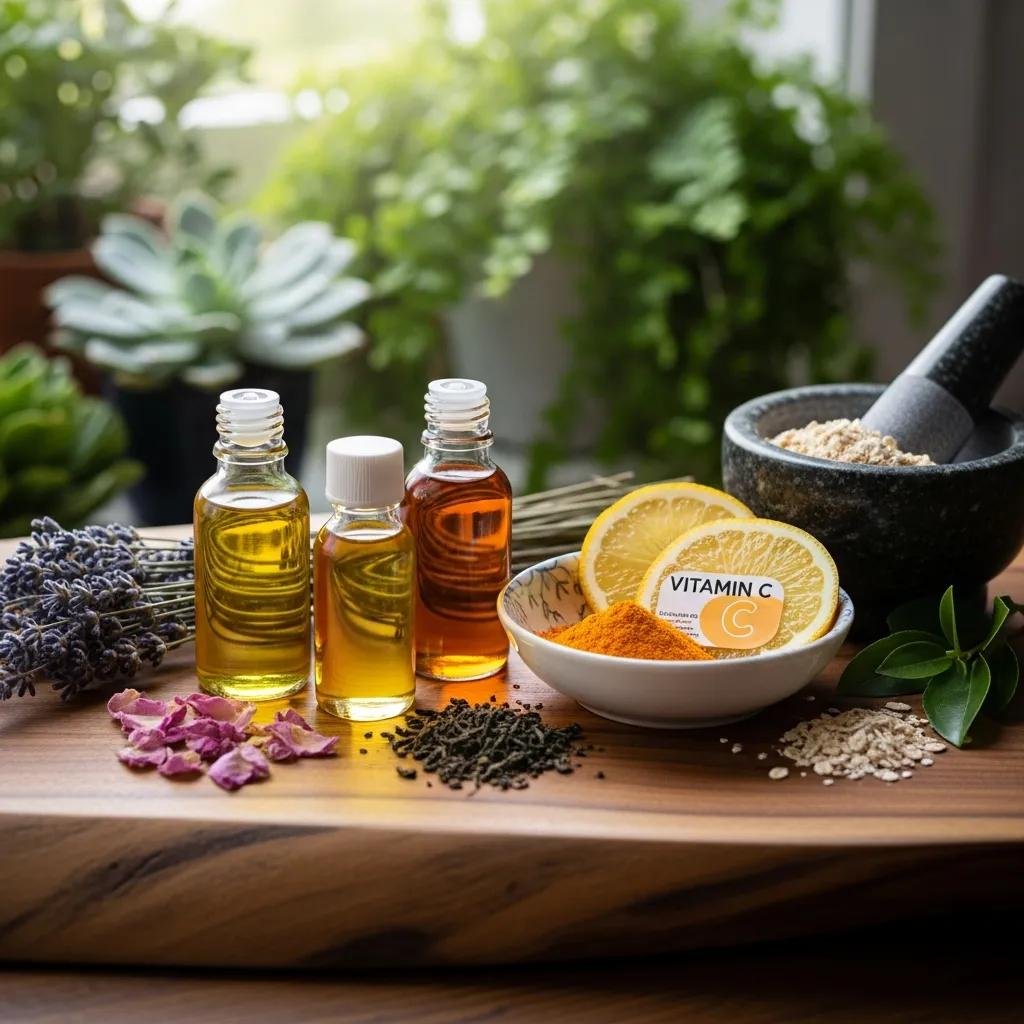
Your Guide to Natural Skincare Ingredients: Holistic Insights for Radiant, Healthy Skin
Natural skincare ingredients come from plants and minerals and are applied topically to support skin health—reducing inflammation, improving hydration, and slowing visible aging. This guide walks through evidence-backed botanicals and functional actives and explains how a holistic view—including internal health—changes results. Many people feel overwhelmed by marketing claims; here we clarify how ingredients work, how to use them safely, which conventional chemicals to be cautious about, and how hormones or regenerative therapies can affect topical outcomes. You’ll learn which natural actives help hydrate, protect with antioxidants, or support collagen, plus how to personalize a routine for sensitive, acne-prone, or mature skin. The sections that follow cover top anti-aging botanicals, clean-beauty pitfalls and label decoding, integrative care to boost topical results, key plant actives, and step-by-step personalization strategies for a safer, more effective regimen.
What Are the Best Natural Skincare Ingredients for Skin Health and Anti-Aging?
The most helpful natural ingredients pair clear mechanisms—antioxidant action, barrier repair, or collagen support—with good daily tolerability. When choosing actives, consider safety profile, mechanism of action (for example, antioxidant versus barrier lipid), clinical or lab evidence, and how the ingredient fits your skin type. Modern formulation science favors combining low‑irritant actives with barrier-reinforcing lipids to reduce transepidermal water loss while supporting collagen pathways. Below is a concise comparison of commonly recommended natural actives and the primary ways they benefit skin so you can pick targeted options for hydration, tone, and resilience.
Different natural ingredients support skin through distinct biological pathways — summarized here for quick comparison:
| Ingredient | Primary Mechanism | Main Benefit |
|---|---|---|
| Jojoba Oil | Sebum mimicry & barrier lipid support | Hydration and barrier repair |
| Rosehip Oil | Essential fatty acids & vitamin precursors | Scar improvement and repair |
| Vitamin C (topical) | Collagen synthesis cofactor, antioxidant | Brightening and collagen support |
This quick table shows how each ingredient maps to a mechanism and outcome, helping you match actives to goals like hydration or anti‑aging. From here, we dive into practical guidance for specific ingredients such as jojoba and rosehip.
How Does Jojoba Oil Support Skin Hydration and Barrier Function?
Jojoba oil is a liquid wax ester that closely resembles human sebum, so it acts as a sebum mimic to strengthen the skin barrier. By integrating with stratum corneum lipids, jojoba helps reduce transepidermal water loss and delivers long‑lasting hydration without a heavy, greasy feel. It’s relatively low in comedogenicity compared with heavier plant oils, making it suitable for many skin types, including combination or mildly acne‑prone skin. Use jojoba as a lightweight moisturizer layer after serums, morning or night, and always patch test new products to confirm personal tolerance before full use.
What Are the Benefits of Rosehip Oil and Vitamin C for Collagen Boosting?
Rosehip oil provides linoleic and linolenic acids plus vitamin A precursors that support barrier repair and can improve texture and post‑inflammatory discoloration. Topical vitamin C (ascorbic acid) is a cofactor for collagen formation and a potent antioxidant that counters free‑radical damage from UV and pollution. Layering a stabilized vitamin C serum in the morning (under sunscreen) and using a light carrier oil like rosehip in the evening can support collagen signaling and even tone. Because vitamin C formulations vary in pH and strength, patch testing is wise—sensitivity can occur during initial adaptation.
Which Clean Beauty Ingredients Should You Avoid for Safer Skincare?
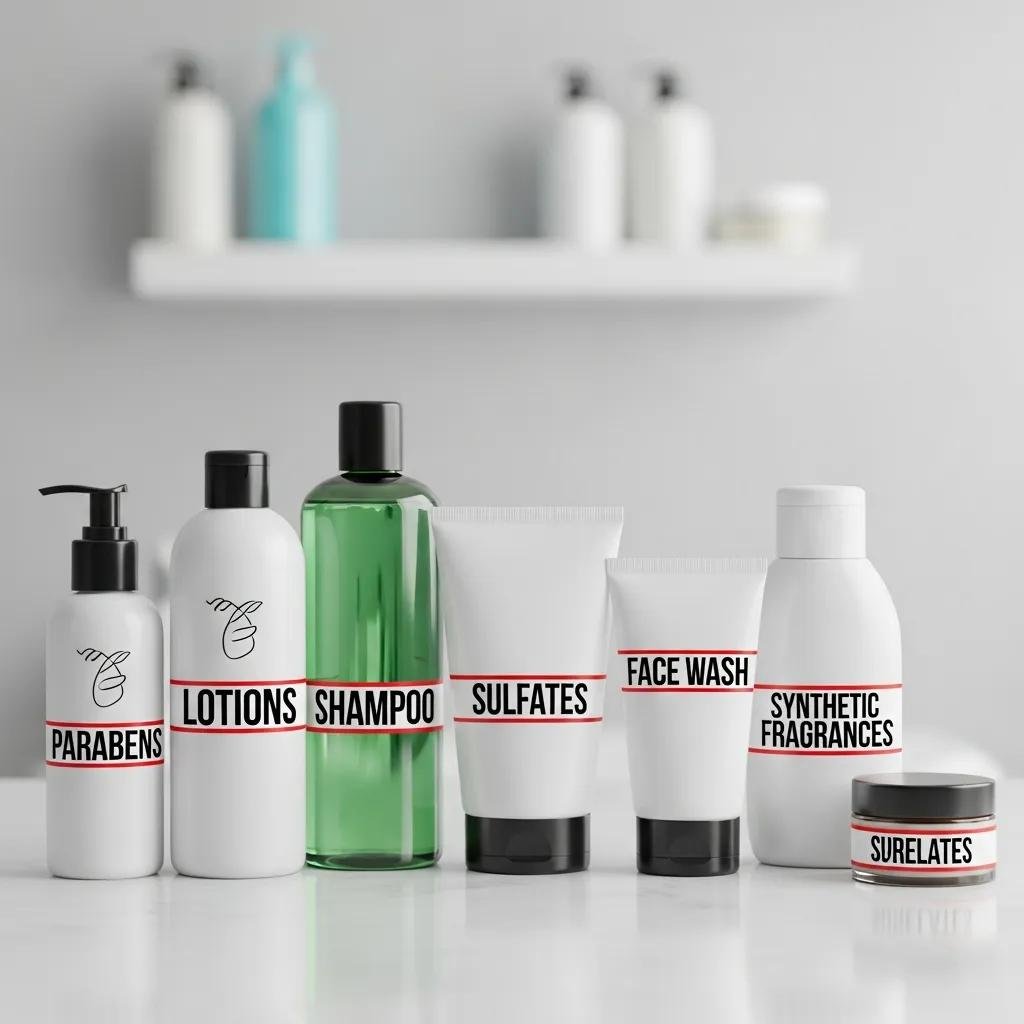
Some conventional cosmetic chemicals serve useful functions but also raise safety or irritation concerns. Avoiding them can reduce irritation risk and fit a precautionary approach to clean skincare. Common ingredients of concern include parabens (preservatives), phthalates (fragrance solvents), sulfates (strong detergents), certain PEGs (delivery agents that may contain impurities), and synthetic fragrances that often trigger contact sensitivity. Spotting these on labels makes choosing gentler alternatives easier. The table below lists typical chemicals, their uses, and why many consumers and formulators avoid them.
Here’s a concise reference to common chemicals of concern and why they’re often avoided:
| Chemical | Typical Use | Potential Harm |
|---|---|---|
| Parabens | Preservative | Questions about hormone‑mimicking activity in some analyses |
| Phthalates | Fragrance solvent | Signals for endocrine disruption in certain studies |
| Sulfates (SLS/SLES) | Foaming cleanser | Irritation and barrier stripping with frequent use |
This quick lookup supports cleaner choices and encourages seeking mild surfactants and broad‑spectrum preservative systems that protect product safety without harsh irritation. Knowing what to avoid also makes label‑decoding and evaluating marketing claims much more straightforward.
What Harmful Chemicals Are Commonly Found in Skincare Products?
Many traditional formulas include functional chemicals that can irritate, carry impurities, or show hormonal activity in lab settings. Parabens and certain phthalates have been scrutinized for endocrine effects in some studies, while sulfates and strong detergents can strip the barrier and cause dryness or dermatitis with repeated use. Synthetic fragrances frequently trigger allergic contact dermatitis and may conceal complex mixtures of solvents. Reading labels for these indicators and choosing products focused on barrier support reduces risk and improves long‑term skin outcomes.
How to Decode Skincare Labels: Understanding 'Natural' and 'Organic' Terms?
Terms like “natural” and “organic” aren’t consistently regulated in cosmetics, so it helps to know which claims have third‑party verification. “Organic” usually refers to agricultural sourcing and is often certified when present; “natural” is a marketing term that may mean botanical origin but not necessarily purity or safety. Look for reputable certifications and full INCI lists for ingredient transparency. Learning certification language and ingredient nomenclature separates meaningful claims from marketing and helps you pick products aligned with safety and efficacy goals before considering medical options.
How Does Dr. Bloem’s Holistic Approach Enhance Natural Skincare Effectiveness?
Topicals work within the larger context of your body: hormone balance, nutrition, and regenerative therapies all influence skin repair, collagen synthesis, and hydration. At Internal Healing and Wellness MD, we connect evidence‑based topical routines with personalized internal care—addressing hormonal imbalances and exploring regenerative options—to amplify visible improvement. When clinically appropriate, bioidentical hormone replacement can affect collagen production and skin thickness, and regenerative procedures stimulate collagen remodeling and cellular repair to complement antioxidants and hydrators applied topically. A clinical assessment helps identify which topical, hormonal, or regenerative interventions are likely to deliver sustained skin health benefits.
Hormones and inflammation directly shape skin quality: estrogen supports dermal collagen and hydration, while chronic inflammation accelerates matrix breakdown. Our personalized protocols evaluate these internal drivers and combine topical antioxidants and barrier lipids with system‑level interventions to synchronize repair. Regenerative medicine doesn’t replace daily skincare; it creates a biological environment where natural ingredients can work more effectively. For persistent or complex concerns, a clinical consultation can sequence safe, evidence‑based options for maximal synergy.
In What Ways Does Hormone Balance Improve Skin Quality?
Hormones regulate sebum production, epidermal turnover, collagen synthesis, and skin thickness—so restoring balance often improves texture and tone. Estrogen, for example, supports collagen production and dermal hydration; declining levels during peri‑ and post‑menopause commonly cause thinner, drier skin that responds to hormone optimization. When appropriate and prescribed after careful evaluation, bioidentical hormone replacement therapy (BHRT) may improve elasticity and moisture by supporting the pathways that maintain dermal matrix health. A medical assessment is essential to determine candidacy and to safely integrate BHRT with topical care.
How Do Regenerative Therapies Support Skin Rejuvenation and Collagen Production?
Regenerative techniques stimulate local collagen remodeling, increase extracellular matrix deposition, and activate repair pathways that complement topical antioxidants and humectants. Procedures that induce controlled micro‑injury or deliver growth factors prompt fibroblast activity and new collagen synthesis, strengthening the structural base beneath topical treatments. Combined with daily antioxidants and humectants, regenerative therapies can speed visible gains in tone and elasticity more than either approach alone. Consider regenerative options after an individualized assessment to plan timing, set expectations, and align them with your home‑care routine.
What Are the Key Plant-Based Skincare Ingredients and Their Benefits?
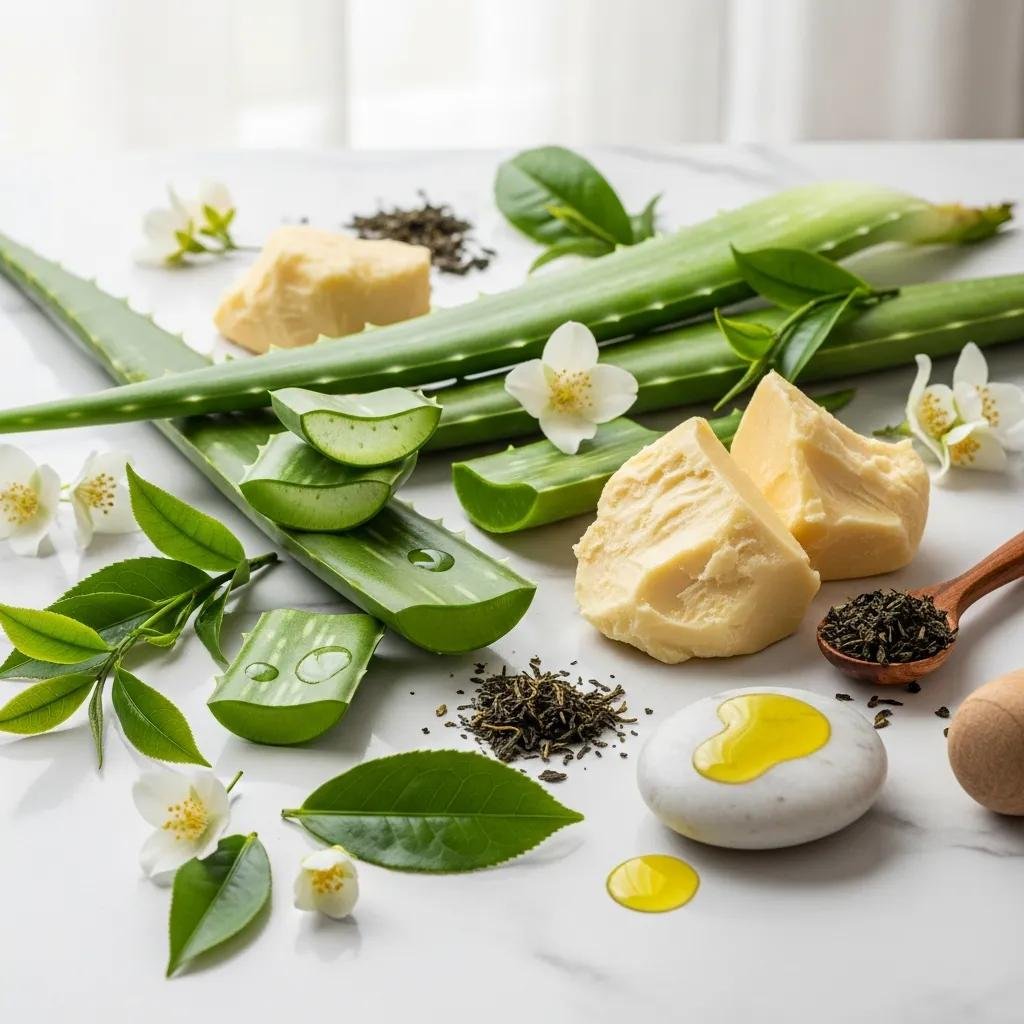
Plant‑derived actives deliver soothing, antioxidant, and barrier‑supportive benefits that make them useful in clean skincare approaches focused on hydration and protection. Core botanicals—aloe vera, green tea extract, chamomile, shea butter, and select botanical oils—bring anti‑inflammatory polysaccharides, polyphenolic antioxidants, and essential lipids that help preserve barrier integrity and limit oxidative damage. Formulation matters: concentration, extraction method, and stability affect performance, so choose products with clear sourcing and formulation transparency. Below is a practical list of plant actives to consider when building a gentle, effective routine.
Consider these plant‑based actives and their core benefits:
- Aloe Vera: Soothing polysaccharides and hydrating mucilage that calm irritation.
- Green Tea Extract: Polyphenols (EGCG) that reduce oxidative damage and inflammation.
- Shea Butter: Fatty acids and wax esters that repair the barrier and soften skin.
These botanical options pair well with medical approaches because their anti‑inflammatory and antioxidant effects create a calmer surface for regenerative or hormonal therapies to work more effectively. Next, we outline practical application tips for aloe and green tea.
How Do Aloe Vera and Green Tea Extract Provide Soothing and Antioxidant Protection?
Aloe vera contains polysaccharides and saponins that support surface hydration and help reduce redness—useful after irritation or sun exposure. Green tea extract is rich in polyphenols, especially EGCG, which acts as an antioxidant and anti‑inflammatory agent to neutralize free radicals from UV and pollution. Apply stabilized green tea extracts in serums or moisturizers and reach for aloe‑based products when you need immediate soothing. These botanicals complement hyaluronic acid and barrier lipids to strengthen overall skin resilience.
Why Is Hyaluronic Acid Essential for Skin Hydration and Plumping?
Hyaluronic acid (HA) is a glycosaminoglycan that binds and retains water in the extracellular matrix, producing immediate hydration and visible plumping. Different molecular weights influence activity: lower‑weight HA penetrates more superficially to hydrate and signal hydration pathways, while higher‑weight HA sits on the surface to reduce water loss. Use HA serums on damp skin, then seal with a barrier‑repair oil like jojoba to lock in moisture. Pairing HA with antioxidants helps protect those hydration gains from oxidative stress.
How Can You Personalize a Natural Skincare Routine for Your Skin Type?
Personalizing a routine starts with identifying your skin type and primary concerns, then choosing ingredients whose mechanisms address those needs while minimizing irritation. Core building blocks are a gentle cleanser, an antioxidant serum, a humectant (like hyaluronic acid), a barrier‑repair moisturizer or oil, and daily sun protection—each tailored by ingredient choice and formulation strength. For acne, sensitivity, or chronic conditions, a medical evaluation helps determine when to escalate beyond topicals to hormonal or regenerative options. The matrix below maps common skin types to recommended natural ingredients and why they work.
Use this simple personalization matrix to match skin types with targeted natural ingredients:
| Skin Type / Condition | Recommended Natural Ingredients | Rationale / Notes |
|---|---|---|
| Sensitive | Aloe vera, green tea extract, jojoba oil | Soothing, low‑irritant, barrier‑supportive |
| Acne-prone | Jojoba oil, green tea extract, niacinamide (plant‑derived supportive actives) | Non‑comedogenic, anti‑inflammatory, sebum‑regulating |
| Mature/Dry | Hyaluronic acid, rosehip oil, vitamin C | Hydration, essential fatty acids for repair, collagen support |
This matrix helps prioritize actives for safety and efficacy and flags when a consult is advisable for persistent or complex problems. With a tailored foundation in place, follow these routine‑building steps.
- Cleanse Gently: Use a mild surfactant twice daily to avoid stripping the barrier.
- Apply Antioxidant Serum: Use vitamin C or green tea extract in the morning to defend against oxidative stress.
- Hydrate and Seal: Apply hyaluronic acid to damp skin, then a lightweight oil like jojoba to lock in moisture.
These steps form a dependable baseline. If progress stalls or conditions worsen, a clinician can evaluate internal contributors and advise advanced interventions.
What Natural Ingredients Are Best for Sensitive or Acne-Prone Skin?
Sensitive and acne‑prone skin fares best with non‑irritating, anti‑inflammatory ingredients that protect the barrier while reducing sebum‑driven inflammation. Jojoba oil mimics sebum and is low‑comedogenic, green tea extract supplies calming polyphenols, and aloe vera soothes and supports repair. Avoid heavy occlusives and known irritants such as synthetic fragrances and strong denaturants, and introduce new products slowly with patch testing. If acne persists, seek medical evaluation to check for hormonal or inflammatory drivers that topical care alone may not address.
How to Tailor Anti-Aging Skincare Using Natural Ingredients and Holistic Practices?
An effective anti‑aging approach layers antioxidants, collagen‑supporting actives, hydration, lifestyle habits, and selective clinical interventions when needed. Prioritize daily antioxidants (topical vitamin C or green tea), hyaluronic acid for hydration, and barrier lipids like rosehip or jojoba to preserve structural integrity. Address lifestyle factors—sleep, nutrition, sun protection—that shape skin aging. When appropriate, integrate hormone optimization or regenerative medicine to address declines in collagen production for a comprehensive program. A personalized consultation at an integrative practice can help sequence therapies safely and maximize clinical benefit.
As you refine an anti‑aging plan, remember that consistent use of gentle, mechanism‑matched ingredients creates the foundation where clinical therapies can safely accelerate results.
For a personalized assessment or to explore how integrative medical services—such as aesthetic treatments, bioidentical hormone replacement, and regenerative medicine—can complement your natural skincare routine, Internal Healing and Wellness MD provides individualized evaluations with Dr. Fred Bloem. Our practice emphasizes a holistic, tailored approach to anti‑aging and regenerative skin health and can advise on safe sequencing of therapies to enhance the benefits of clean, plant‑based skincare.
Frequently Asked Questions
1. What are the signs that a skincare product may be irritating my skin?
Common signs of irritation include redness, itching, burning, stinging, or unexpected dryness after applying a product. If symptoms appear after a new product, stop use and perform a patch test before trying again. Persistent or severe reactions warrant evaluation by a dermatologist to identify triggers and recommend gentler alternatives.
2. How can I determine my skin type for a personalized skincare routine?
Notice how your skin behaves through the day. Oily skin looks shiny with larger pores; dry skin feels tight or flaky; combination skin shows both oily and dry zones (often an oily T‑zone); sensitive skin reacts with redness or irritation. After cleansing, wait an hour and observe oiliness or tightness to help classify your skin for better product choices.
3. Are there any natural ingredients that can help with hyperpigmentation?
Yes. Topical vitamin C brightens and helps inhibit melanin production. Licorice root extract can lighten dark spots, and niacinamide (vitamin B3) improves texture and reduces hyperpigmentation. Use these ingredients consistently and always pair them with sun protection for best results.
4. How often should I introduce new products into my skincare routine?
Introduce new products one at a time, waiting about a week between additions. This makes it easier to spot reactions and identify which product is responsible if irritation occurs. Slow, steady changes help your skin adapt and let you evaluate true benefits.
5. Can diet and hydration impact my skin health?
Absolutely. A balanced diet rich in antioxidants, vitamins, and healthy fats supports skin repair and hydration. Foods like fruits, vegetables, nuts, and fatty fish provide nutrients that support collagen production and reduce inflammation. Adequate hydration also helps maintain skin elasticity. Combining topical care with good nutrition produces better, longer‑lasting results.
6. What should I look for in a sunscreen to complement my natural skincare routine?
Choose a broad‑spectrum sunscreen that protects against UVA and UVB. Mineral sunscreens with zinc oxide or titanium dioxide are often gentler on sensitive skin and align with clean‑beauty preferences. Look for formulas that pair sunscreen with antioxidants (like vitamin C or green tea) for extra environmental protection. Apply sunscreen as the final step of your morning routine—every day.
7. How can I maintain the effectiveness of my natural skincare products?
Store products in a cool, dry place away from direct sunlight to prevent degradation of active ingredients. Keep containers tightly closed to avoid contamination and oxidation, and observe expiration dates—natural formulations can have shorter shelf lives. Avoid introducing water into creams or serums to reduce bacterial growth. These practices preserve potency and performance.
Conclusion
Natural skincare ingredients can meaningfully improve your skin’s hydration, antioxidant protection, and collagen support when chosen and used thoughtfully. Understanding how each ingredient works lets you match actives to your skin’s needs and build a safer, more effective routine. For a personalized plan that combines topical care with internal strategies, consider a consultation with our team. Our holistic approach can help you align daily skin care and clinical options to deliver lasting, natural results.
**