Understanding Lyme Disease Symptoms & Accurate Diagnosis

Diagnosing and Treating Lyme: A Holistic Approach
Lyme disease is caused by the spirochete Borrelia burgdorferi, transmitted by Ixodes ticks. Spotting symptoms early and acting quickly reduces the risk of spread and long-term complications. Diagnosis can be tricky: antibody tests often lag behind symptoms and can be negative in the first weeks. In practice, combining a careful clinical exam, thoughtful testing, and planned follow-up gives the best chance of detection. This article outlines early Lyme signs, limits of standard testing, how advanced diagnostics and integrative workflows can sharpen accuracy, and practical strategies for managing persistent or complex cases. You’ll learn to identify erythema migrans and less typical rashes, interpret ELISA/Western blot and PCR results, understand the potential role of RGCC testing and functional assessments, and distinguish common tick-borne co-infections. We present a stepwise clinical pathway—recognize, test selectively, evaluate integratively, and personalize treatment—so patients and clinicians can make informed choices about testing, referral, and next steps. Keywords such as Lyme diagnosis, Lyme symptoms, chronic Lyme disease symptoms, RGCC testing Lyme disease, photodynamic therapy Lyme, and post-treatment Lyme disease syndrome are included to keep this guidance practical and searchable.
Recognizing Early Lyme Disease: What to Watch For
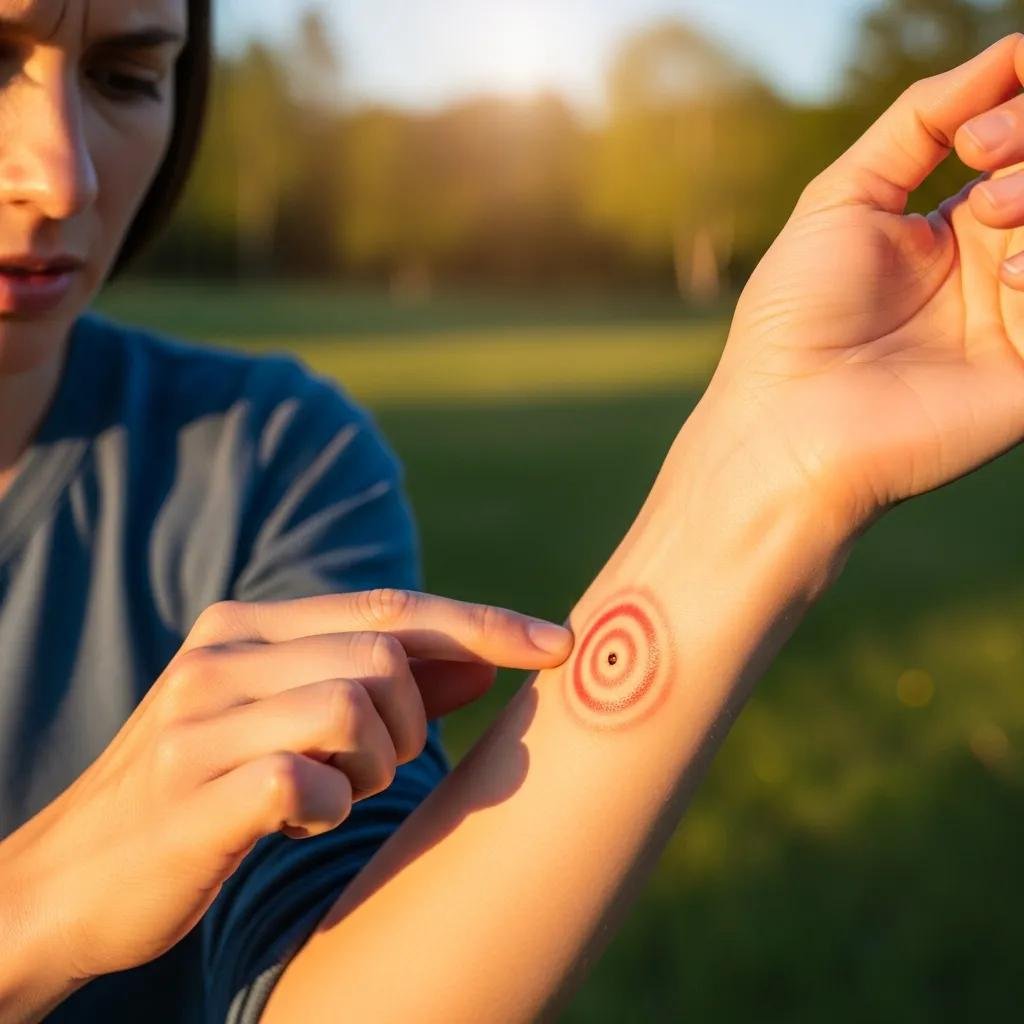
Within days to a few weeks after a tick bite, early Lyme often causes a mix of local skin changes and systemic, flu‑like symptoms driven by the immune response and early dissemination. Because antibody tests may be negative early on, clinical awareness is essential; a high index of suspicion should prompt follow-up testing or empiric treatment when appropriate. Below are the most common early signs and simple recognition tips for clinicians and patients, followed by a short practical note on timing and next steps after possible exposure.
Common early symptoms of Lyme disease include:
- An erythema migrans rash — usually expanding at the bite site; appearance can vary in shape and color.
- Fever and chills that can resemble influenza and may come and go.
- Unusual fatigue and malaise that last longer than expected after routine activity.
- Headache, muscle aches, and joint pains that often accompany early spread and immune activation.
These signs most often appear within about 3–30 days after exposure. Erythema migrans is the clearest clinical indicator; when the typical expanding rash is present, a clinical diagnosis is appropriate even if serology is negative. Because early systemic symptoms overlap with many viral illnesses, ask directly about outdoor activities, known tick bites, and any focal skin changes. That focused history and exam guide whether to treat empirically or to repeat testing during a planned follow-up.
Which Findings Point to Early Localized Infection?
Erythema migrans is the classic early sign, but it does not always show the textbook “bull’s‑eye.” Rashes may be uniformly red, centrally clear, multiple, or subtle on darker skin tones. Systemic features usually begin within days to weeks and include fever, headache, profound fatigue, muscle aches, and regional swollen lymph nodes — all indicating an early immune response and possible spread. Epidemiologic factors — recent time in an endemic area, a known tick bite, or outdoor exposure — raise the pre‑test probability and should shape how you interpret an early negative antibody test. When erythema migrans or a compatible cluster of symptoms is present, document findings (photograph the rash if possible), consider empiric antibiotics, or arrange close follow-up to reduce risk of progression.
These clinical clues lead naturally into the next concern: how atypical rashes and early neurologic signs change urgency and management.
How Do Unusual Rashes and Early Neurologic Signs Look?
Atypical early rashes can be small papules, solid red patches, or faint lesions that are easy to miss on darker skin tones — and missed rashes are a common cause of delayed diagnosis. Early neurologic involvement may present as unilateral facial nerve palsy, meningitis‑like symptoms (stiff neck, light sensitivity), radicular sensory pain, or subtle cognitive slowing. These neurologic signs sometimes appear when the initial rash wasn’t noticed. Urgent evaluation is needed when cranial neuropathies or meningitic signs occur; depending on severity and local practice, clinicians may pursue cerebrospinal fluid testing or start empiric treatment. Spotting atypical rashes and early neurologic findings should prompt timely escalation to targeted testing and an integrative evaluation pathway to improve outcomes.
Next we’ll review why standard tests can miss early infection and how that affects clinical choices.
Why Lyme Diagnosis Can Be Challenging
Diagnosing Lyme disease is complicated by timing‑dependent antibody responses, variable test sensitivity, and overlapping symptoms with other conditions — all of which make a single test insufficient in many early or complex cases. ELISA and Western blot detect the host immune response rather than the organism, and seroconversion may take weeks, leaving a diagnostic window when tests are often negative despite active infection. PCR and culture have limited sensitivity in blood for disseminated disease, and differences between labs and interpretation criteria add further uncertainty. The table below summarizes common diagnostics by sensitivity, timing, false‑negative risk, and typical clinical use to support decision‑making in suspected Lyme.
Key diagnostic test comparison:
| Test | Sensitivity / Timing | Clinical Use-case |
|---|---|---|
| ELISA (first-line) | Becomes more sensitive after ~2–6 weeks; low sensitivity very early | Screening tool — a negative result early does not reliably exclude infection |
| Western blot (confirmatory) | Greater specificity; interpretation depends on timing and band patterns | Used to confirm ELISA positives or clarify indeterminate results |
| PCR (blood/tissue) | Low yield in blood; better sensitivity in targeted tissues or synovial fluid | Helpful for focal complications or testing of tissue/synovial specimens |
| RGCC testing | Detects circulating pathogen/immune signatures; not solely antibody‑based | May add insight in complex or persistent cases when standard tests are inconclusive |
No single assay answers every question; clinical judgment combined with serial testing often gives the most reliable picture. These limitations create a role for advanced diagnostics in selected situations — which brings us to RGCC testing and when it may be useful.
Common limitations of conventional Lyme diagnostics include:
- Antibody tests can be negative during the first 2–6 weeks, producing false reassurance.
- PCR and culture have limited sensitivity in blood and depend on the specimen tested.
- Cross‑reactivity and variable Western blot interpretation can lead to inconsistent results.
Because of these gaps, adding advanced tests and careful clinical context is often necessary to resolve diagnostic uncertainty and guide treatment.
About RGCC testing:
RGCC testing (Research Genetic Cancer Center) is an advanced option sometimes used in complex or persistent presentations. It assesses circulating cellular signatures and immune‑cell responses to provide a different layer of information than antibody tests. RGCC can highlight cellular‑level signals and immune patterns that conventional serology may miss, potentially pointing to drivers of persistent symptoms or immune activation. Importantly, RGCC should be considered an adjunct — not a standalone diagnostic — and its results must be interpreted alongside history, exposure risk, and conventional testing. For patients with inconclusive standard tests and ongoing symptoms, RGCC can be a measured next step to help clarify diagnosis and personalize therapy.
Next we discuss how a holistic, integrative approach can improve recognition and diagnosis in these complex scenarios.
How an Integrative, Whole‑Person Approach Improves Detection and Care

A holistic approach blends a careful history, repeat physical exams, functional lab testing, and selective advanced diagnostics to increase detection and tailor diagnosis for Lyme disease. This workflow emphasizes serial assessments to capture evolving signs, integrates immune and metabolic testing to identify contributors, and uses focused advanced tests when conventional results are unclear. Functional medicine measures — gut health, mitochondrial function, endocrine balance, and inflammatory markers — can reveal reversible factors that perpetuate symptoms and guide supportive therapies. Using this coordinated model raises the chance of identifying multi‑factorial contributors and creates opportunities to apply integrative diagnostics and therapies, such as RGCC or photodynamic therapy, when clinically appropriate.
Why Clinical Assessment Still Matters
A thorough clinical assessment is essential: document symptom timelines, outdoor exposures, tick encounters, rash evolution, and past treatments to frame laboratory interpretation and next steps. Serial visits capture symptom trends and new findings — for example, a delayed erythema migrans or emerging neurologic sign — that a single visit might miss, and they inform decisions to repeat serology or escalate testing. Focused physical exam elements (cranial nerve checks, joint exam, dermatologic inspection) complement lab data and often inform empiric therapy when tests are indeterminate. Prioritizing clinical synthesis over sole reliance on one lab result reduces missed diagnoses and helps determine when integrative testing is warranted.
How Functional Medicine Supports Complex, Persistent Symptoms
Functional medicine targets underlying physiological imbalances that can sustain fatigue, cognitive fog, and pain after Lyme — immune dysregulation, mitochondrial dysfunction, dysbiosis, hormonal imbalances, and ongoing inflammation. Interventions commonly include targeted nutrition, mitochondrial cofactors, individualized detox support, sleep and stress optimization, and selective IV therapies when indicated to rebuild metabolic and immune resilience. These measures complement antimicrobial care when needed and address factors that impair recovery and quality of life. Integrating functional assessments with standard care creates a flexible, measurable plan that adapts to a patient’s response over time.
With that integrative framework in mind, we now turn to chronic Lyme and post‑treatment considerations.
Chronic Lyme and Post‑Treatment Lyme Disease Syndrome: Key Symptoms and Diagnostic Steps
Chronic Lyme disease and Post‑Treatment Lyme Disease Syndrome (PTLDS) describe persistent symptom clusters — fatigue, cognitive difficulties, musculoskeletal pain, and neuropathic complaints — that continue after standard antibiotic therapy. Differentiating persistent infection from post‑infectious or other causes requires careful re‑evaluation, exclusion of alternative diagnoses, and targeted testing for co‑infections or metabolic contributors. A stepwise workup typically includes basic labs (thyroid, CBC, metabolic panel), targeted inflammatory markers, screening for co‑infections, and, in selected cases, advanced diagnostics like RGCC paired with functional assessments. Management focuses on symptom control, rehabilitation (physical and cognitive), and individualized plans that track measurable outcomes.
Common persistent symptom clusters include:
- Chronic fatigue: Persistent low energy that is not relieved by rest and limits activity tolerance.
- Cognitive complaints: Memory lapses, slowed thinking, and concentration problems that interfere with daily life.
- Pain syndromes: Ongoing joint, muscle, or neuropathic pain that fluctuates in intensity.
These clusters guide objective testing and multidisciplinary care to rule out other causes and target modifiable contributors to ongoing disability.
How Do We Identify Fatigue and Cognitive Problems Objectively?
Combine subjective reports and objective tools: validated questionnaires, brief cognitive screens, activity trackers, and symptom diaries provide baselines and track progress. Laboratory and functional testing — thyroid studies, vitamin levels, inflammatory markers, and mitochondrial panels — can uncover treatable factors behind fatigue and cognitive complaints. If cognitive deficits are significant or progressive, consider formal neuropsychological testing and imaging to exclude other causes and plan rehabilitation. Longitudinal measurement lets clinicians tailor treatment, monitor improvement, and adjust strategies such as cognitive therapy, graded exercise, and targeted nutrition.
Diagnostic Approach to Post‑Treatment Lyme Disease Syndrome
Managing PTLDS begins by ruling out alternative explanations (autoimmune disease, untreated metabolic issues, psychiatric contributors) and then looks for residual drivers like co‑infections, immune dysfunction, or sequelae of prior inflammation. A stepwise plan includes targeted labs, selective advanced diagnostics in appropriate cases, and functional medicine assessments to reveal metabolic or hormonal contributors. Treatment emphasizes symptom relief, rehabilitation (physical and cognitive), sleep and mood support, and evidence‑based supportive therapies rather than prolonged, unproven antibiotic courses. Clear communication about realistic goals — improving function and quality of life — helps align expectations and supports adherence to a multi‑modal plan.
Next we compare Lyme with common tick‑borne co‑infections clinicians should consider.
Distinguishing Tick‑Borne Co‑Infections: What to Consider
Co‑infections such as Bartonella, Babesia, and Anaplasma can accompany Borrelia and change the clinical picture, testing needs, and treatment priorities. These infections often share nonspecific symptoms — fatigue, fever, malaise — but each has distinguishing features (for example, cyclical fevers and hemolysis with Babesia) that should guide targeted testing. Combining clinical clues with specific serologic or molecular tests, and using an integrative diagnostic workflow, improves detection and helps plan combination therapies when needed. The table below summarizes common tick‑borne pathogens, typical symptoms, and distinguishing features to aid differential diagnosis.
Comparison of common tick-borne pathogens:
| Pathogen | Common Symptoms | Distinguishing Features |
|---|---|---|
| Lyme (Borrelia) | Erythema migrans, fatigue, joint pain, neurologic signs | Expanding rash; early cranial neuropathy or arthritis |
| Babesia | Fever, chills, hemolytic anemia, marked fatigue | Cyclical fevers, hemolysis, abnormal red cells on smear |
| Bartonella | Persistent headaches, neuropsychiatric symptoms, vascular skin lesions | Lymph node swelling and streak‑like or vascular skin findings in some cases |
| Anaplasma | Fever, muscle aches, low platelets | Acute febrile illness often with leukopenia and thrombocytopenia |
Clinical suspicion plus targeted testing tailored to the suspected co‑infection reduces missed diagnoses and supports combined management strategies.
How Do Co‑Infections Overlap and Differ?
Co‑infections commonly share symptoms like fever, fatigue, and headache, but pattern recognition helps point to specific pathogens: Babesia often causes hemolytic features and intermittent high fevers; Bartonella can be linked to longer‑lasting neuropsychiatric complaints and vascular skin changes; Anaplasma frequently presents as an acute febrile illness with cytopenias. Early recognition leads to targeted tests (blood smear, specific PCRs, serologies), which usually give better yield than broad empiric approaches. When co‑infections are suspected, integrative management that treats identified pathogens and supports immune and metabolic recovery tends to produce better symptom control.
How Does an Integrative Diagnostic Workflow Handle Multiple Pathogens?
Integrative diagnosis brings together exposure history, focused conventional serology/PCR, selective advanced diagnostics (such as RGCC when warranted), and functional assessments to build a coherent picture of multi‑pathogen exposure and the host response. A typical workflow starts with exposure and symptom assessment, moves to targeted conventional testing, and adds advanced or functional panels when results remain unclear or symptoms persist after standard therapy. This approach improves detection of contributing pathogens, identifies metabolic or immune factors that impede recovery, and enables tailored multi‑modal treatment plans that emphasize safety and measurable outcomes. Overall, it reduces the risk of under‑treatment or fragmented care in complex tick‑borne disease presentations.
These comparisons make clear why a whole‑person approach can be beneficial for patients with complex or lingering Lyme‑related problems.
Why a Holistic Approach Helps with Diagnosis and Symptom Care
A holistic model emphasizes personalized evaluation, longer visits for complex histories, and thoughtful integration of conventional and advanced diagnostics to improve both diagnostic accuracy and symptom relief for early, disseminated, or chronic cases. This framework supports combined therapies — antimicrobials when indicated, alongside functional interventions to rebuild mitochondrial function, correct hormonal imbalance, and regulate immunity — which can lead to better functional outcomes. The summary table below links common integrative therapies to their intended benefits to help patients and clinicians make shared decisions.
Therapies and intended benefits:
| Therapy | Type | Intended Benefit |
|---|---|---|
| Photodynamic Therapy | Targeted integrative procedure | Lower local pathogen burden and reduce tissue inflammation in select cases |
| RGCC Testing & Therapies (SOT) | Advanced diagnostic/therapeutic panel | Reveal circulating pathogen/immune patterns and guide targeted interventions |
| IV therapies / Nutraceutical support | Supportive metabolic therapy | Replenish micronutrients, support mitochondria, and strengthen immune resilience |
| Hormone replacement / Regenerative therapies | Restorative medicine | Address endocrine factors that affect energy, recovery, and function |
Combining diagnostics with personalized therapies helps address multiple contributors to persistent symptoms instead of focusing on a single presumed cause.
What Patients Gain from Personalized Treatment Plans
Personalized protocols let clinicians target drivers identified by combined testing — reducing unnecessary treatments and improving precision — while tracking objective measures to refine care. Benefits include better symptom control, fewer side effects when treatments match individual physiology, and improved long‑term function through rehabilitation and metabolic restoration. Personalization allows staged care (for example, optimizing sleep, nutrition, and mitochondrial support alongside or before antimicrobials) and measurable progress tracking with validated tools. Patients on personalized plans usually have clearer expectations, better engagement, and stronger adherence, all of which support recovery.
Preparing for a consult and next steps:
If you’re considering an integrative evaluation, Internal Healing and Wellness MD offers consults that combine careful clinical assessment with selective advanced diagnostics and integrative therapies under the care of Dr. Fred Bloem. Options may include RGCC testing, targeted therapeutic plans, photodynamic therapy when appropriate, and supportive measures such as IV nutrient therapy, hormone optimization, and regenerative joint care to address multiple contributors. To make the most of a consult, gather a timeline of symptoms, exposure history, medication lists, and prior test reports.
How Photodynamic Therapy Fits into an Integrative Plan
Photodynamic Therapy (PDT) is an adjunctive procedure that uses a photosensitizing agent plus targeted light to produce localized reactive oxygen species intended to reduce microbial burden and modulate inflammation in specific tissues. In select, treatment‑resistant Lyme cases, PDT may be used as part of a multi‑modal plan to address focal areas of persistent infection or inflammation that haven’t responded to standard care. It is not a universal cure; indications are individualized based on clinical findings, diagnostics, and patient goals. Expected effects include decreased local inflammation and possible symptom improvement when PDT is combined with broader systemic therapies. When used, PDT should be part of a coordinated plan that tracks objective and patient‑reported outcomes to judge benefit and guide further care.
To discuss integrative evaluation, RGCC testing, or photodynamic therapy, Internal Healing and Wellness MD offers consultative appointments focused on complex chronic illness and personalized protocols. In‑person visits are available at 10400 Connecticut Ave Ste 206, Kensington MD 20895-3941. This clinic model complements the diagnostic and therapeutic approaches described here and may be an option for patients needing specialized assessment beyond typical primary care.
Choosing a careful, evidence‑aware pathway that combines detailed clinical assessment, targeted conventional testing, selective advanced diagnostics like RGCC, and supportive integrative therapies gives patients a clearer diagnostic roadmap and personalized strategies to restore function and improve quality of life.
Frequently Asked Questions
How is Lyme disease different from Post‑Treatment Lyme Disease Syndrome (PTLDS)?
Lyme disease is an infection caused by Borrelia burgdorferi and is typically treated with antibiotics. PTLDS describes ongoing symptoms — fatigue, pain, cognitive difficulties — that persist after completing recommended antibiotic therapy. The exact causes of PTLDS are not fully understood and may involve lingering immune changes or post‑infectious effects. Recognizing the difference helps guide appropriate evaluation and symptom‑focused care.
How can I reduce my risk of getting Lyme disease outdoors?
Reduce your risk by dressing in long sleeves and pants (light colors make ticks easier to spot), using EPA‑registered repellents like DEET on exposed skin, and treating clothing with permethrin if appropriate. After outdoor activity, do a thorough tick check on your body, pets, and gear, and shower within a couple of hours to help remove unattached ticks. Promptly removing any attached tick and seeking medical advice when concerned lowers the chance of transmission.
What co‑infections commonly occur with Lyme disease?
Common co‑infections include Bartonella, Babesia, and Anaplasma. These pathogens can complicate symptoms and treatment: Babesia often causes hemolytic anemia and cyclical fevers, Bartonella may produce persistent neuropsychiatric complaints or vascular skin findings, and Anaplasma typically presents as an acute febrile illness with cytopenias. Identifying co‑infections is important because they may require additional targeted testing and treatment.
What makes RGCC testing different from standard Lyme tests?
RGCC testing assesses circulating cellular and immune signatures rather than relying only on antibody responses like ELISA and Western blot. While conventional tests detect an antibody response to Borrelia, RGCC can provide insight into active infection patterns and immune dysfunction that standard serology might miss. It can be particularly helpful in complex or chronic cases where routine tests are inconclusive, but it is best used as an adjunct to clinical assessment and conventional testing.
Which lifestyle steps support recovery from Lyme disease?
Support recovery with a balanced, anti‑inflammatory diet rich in whole foods and antioxidants; regular, graded physical activity suited to your energy level; stress reduction practices such as mindfulness or gentle yoga; and consistent sleep and hydration. These lifestyle measures complement medical care and can improve resilience, symptom burden, and overall quality of life during recovery.
What should I do if I think I’ve been exposed to Lyme disease?
If you suspect exposure, seek medical advice promptly. Record your symptoms, any recent outdoor activities, and possible tick encounters to share with your provider. A focused clinical exam and appropriate testing will guide diagnosis and treatment. Early intervention, when indicated, reduces the risk of progression and long‑term complications — and it’s always appropriate to ask about testing options and follow‑up plans.
Conclusion
Taking a holistic, evidence‑informed approach to Lyme disease — combining careful clinical evaluation, targeted conventional testing, selective advanced diagnostics, and individualized supportive therapies — improves diagnostic clarity and offers a practical path to restore function and quality of life. If you’re navigating persistent or complex symptoms, consider a consult to discuss personalized diagnostic options and treatment strategies. Reach out when you’re ready to take the next step toward better health.