

Understanding Cancer Screening: Practical Guidelines for Early Detection and Prevention
Cancer screening uses tests to find early signs of cancer in people without symptoms. Finding problems earlier usually expands treatment choices and improves outcomes. Screening detects abnormal cells, tumor markers, or suspicious imaging before disease becomes obvious, allowing earlier — and often less invasive — treatment. This guide reviews standard recommendations from groups like the American Cancer Society (ACS) and the U.S. Preventive Services Task Force (USPSTF), then examines newer early-detection tools, risk‑stratified approaches, and integrative prevention strategies. You’ll learn which cancers have established screening programs, how liquid biopsy and multi-cancer early detection (MCED) tests differ from traditional methods, and when personalized plans using biomarkers or RGCC testing may change screening timelines. We also cover lifestyle steps that lower risk, integrative oncology supports that aid screening and recovery, and practical next steps for people at higher risk or with prior cancer. Throughout, the focus is on shared decision‑making, evidence-based choices, and how an integrative consult can tailor screening to your risk.
What Are the Standard Cancer Screening Guidelines and Recommendations?
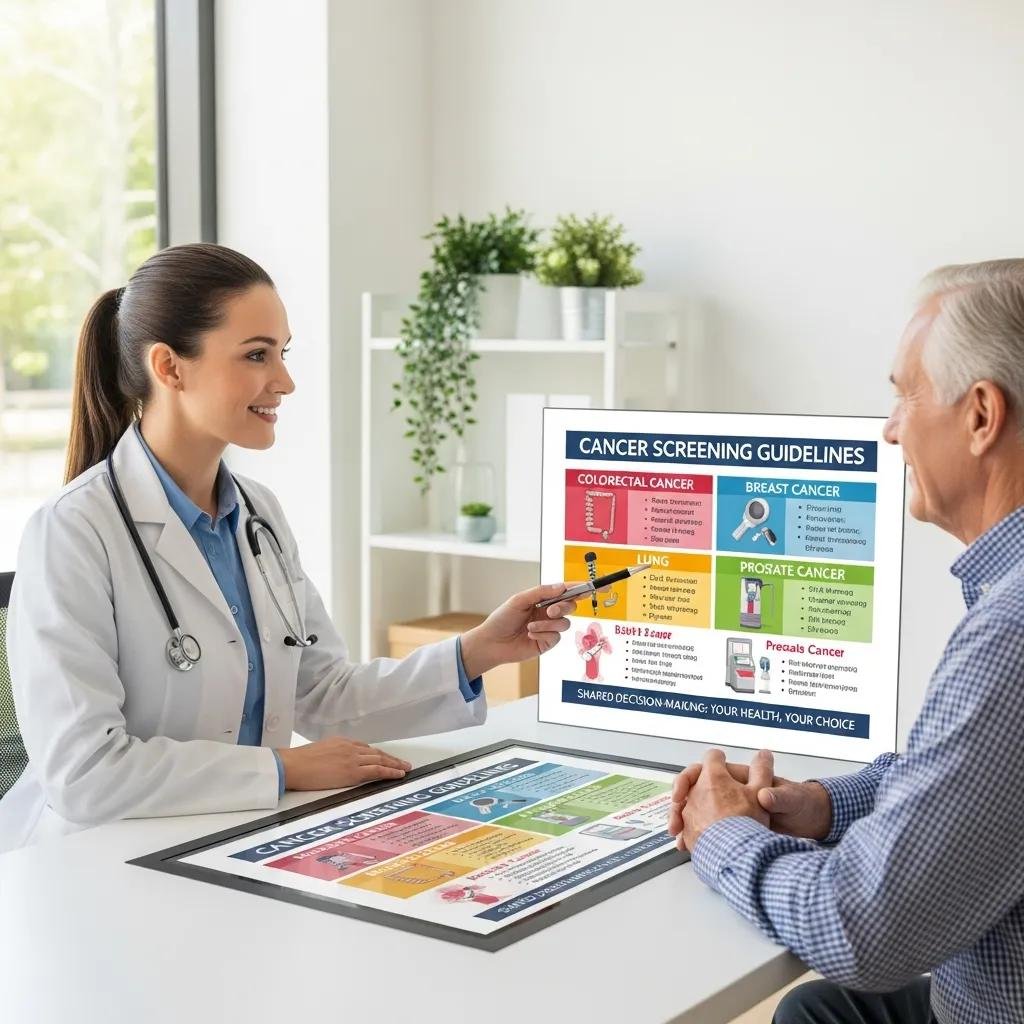
Screening guidelines are consensus statements designed to balance benefits and harms of testing. Different organizations set slightly different thresholds because they weigh the same evidence with different priorities. Groups such as ACS and USPSTF review randomized trials, observational studies, and models to recommend start ages, screening intervals, and preferred tests that maximize early detection while limiting false positives and unnecessary procedures. Clinicians use these guideline anchors together with personal risk factors — family history, inherited genetics, and exposures — to adapt screening for higher‑risk patients. Below is a compact quick‑reference that maps common cancers to typical tests, start ages, and recommended frequencies to support conversations between patients and providers.
Guidelines aren’t one-size-fits-all. People with a strong family history, known genetic predisposition, or prior cancer often need screening earlier or more often. The next section lists cancers with established protocols and explains what each test detects and what to expect during testing.
Because organizations may recommend different start ages and intervals, “shared decision‑making” is often used when the balance of benefits and harms is nuanced. We include a focused comparison of ACS and USPSTF guidance so patients can better understand their options.
Before moving to advanced detection methods, remember that an integrative consultation can help translate guideline nuances into a practical plan tailored to your medical history and preferences.
Which Cancers Have Established Screening Protocols? and Their Tests
Several common cancers have established screening protocols, each using tests designed to detect preclinical disease or high‑risk precursors. Mammography screens for breast cancer by identifying masses or calcifications on x‑ray; sensitivity varies with age and breast density. Cervical screening uses Pap cytology and HPV testing to find precancerous cervical changes so they can be treated before invasive cancer develops. Colorectal screening relies on stool tests and colonoscopy to detect polyps and early cancers; colonoscopy can both diagnose and remove polyps. Low‑dose CT screens high‑risk smokers for lung cancer by detecting small pulmonary nodules; it has good sensitivity for early disease but requires careful follow‑up to reduce false positives. Knowing each test’s strengths and limits helps patients and clinicians choose the right options based on individual risk.
At What Age and Frequency Should Cancer Screenings Begin According to ACS and USPSTF?
ACS and USPSTF sometimes differ modestly because they weigh evidence and values differently; in many cases both recommend shared decision‑making for age ranges where benefit is less certain. For breast cancer: ACS suggests routine mammography beginning at 45 with the option to start at 40, while USPSTF recommends biennial mammography starting at 50 with an option to start at 40 based on personal risk and preferences. Both generally endorse biennial screening for average‑risk women and individualized decisions for ages 40–49. Cervical screening usually begins at 21, combining Pap and HPV testing with longer intervals when prior tests are negative. Colorectal screening generally starts at 45 for average‑risk adults, using annual stool tests or colonoscopy every ten years, with earlier starts for elevated risk. Lung screening with annual low‑dose CT is offered to adults 50–80 years who have a significant smoking history (about 20 pack‑years or more), currently smoke, or quit within the past 15 years. These comparisons underscore the importance of personalized risk assessment to adjust timing and frequency, which we address further in the personalized screening section.
How Do Advanced Early Cancer Detection Methods Enhance Traditional Screening?
Newer detection methods — like liquid biopsy and multi‑cancer early detection (MCED) tests — analyze blood for tumor‑derived signals and are best used to complement site‑specific screening, not replace it. Liquid biopsy detects circulating tumor DNA (ctDNA), cancer‑linked methylation patterns, or other biomarkers shed into the bloodstream, enabling multi‑site surveillance from one sample. These tests can identify cancers that lack established screening programs or detect disease earlier than symptoms appear, but sensitivity varies by cancer type and stage. Current clinical use emphasizes confirmatory diagnostic workup for positive results and ongoing research to demonstrate clear mortality benefits. The table below compares detection methods, benefits, and limitations to clarify when advanced tests may add value.
What Is Liquid Biopsy and How Does It Detect Multiple Cancers Early?
Liquid biopsy is a blood test that picks up tumor‑derived signals such as ctDNA and cancer‑associated methylation patterns. Sensitive molecular assays distinguish rare tumor fragments from background DNA using sequencing or targeted methylation profiling, which allows detection across multiple tissues from a single draw. The main advantages are convenience and the potential to flag cancers without localizing symptoms. Limitations include variable sensitivity (very early tumors may shed little DNA) and the need for targeted diagnostic follow‑up when results are positive. Current clinical practice supports using liquid biopsy as a supplement to guideline screening in selected contexts.
What Are the Benefits and Limitations of Multi-Cancer Early Detection Tests?
MCED tests can screen for many cancer types at once from a single blood sample, increasing the chance of finding otherwise silent or rare tumors. Benefits include broader coverage, patient convenience, and the ability to prioritize diagnostic follow‑up when a signal appears, which may accelerate specialist referral. Limitations include uneven sensitivity across cancers and stages, potential false positives that lead to unnecessary procedures, cost and access barriers, and limited mortality‑benefit data for many tumor types. Clinicians should interpret MCED results in the full clinical context and continue established guideline screening, using MCED selectively to address gaps in traditional programs.
| Detection Method | What It Detects | Benefits | Limitations |
|---|---|---|---|
| Site-specific imaging/biopsy | Local lesions or tissue pathology | High specificity for the target organ; proven mortality benefit for some cancers | Generally single‑site; often requires invasive follow‑up |
| Liquid biopsy / MCED | ctDNA, methylation signatures, tumor biomarkers | Multi‑cancer screening from one sample; possible earlier detection | Variable sensitivity; false positives; needs confirmatory workup |
| Stool-based tests | Occult blood, DNA changes from colorectal lesions | Non‑invasive and effective for population screening | Lower sensitivity for some advanced adenomas; positives require colonoscopy |
| Low-dose CT | Pulmonary nodules | Detects early lung lesions in high‑risk smokers | Involves radiation; false positives are common |
This comparison shows how MCED can supplement — not replace — established screening and frames appropriate clinical use.
How Can Personalized Cancer Screening Improve Risk Assessment and Outcomes?

Personalized screening tailors recommendations using individual risk factors — inherited genetics, family history, biomarkers, and lifestyle — to begin surveillance earlier or increase intensity when indicated. Risk‑stratified strategies focus resources where the absolute benefit is greatest and avoid unnecessary testing in low‑risk people. Tools such as germline genetic testing, tumor chemosensitivity panels, biomarker panels, and RGCC tests can provide actionable insights about tumor biology, susceptibility, and likely behavior. These data help clinicians choose when to start screening, which modalities to use, and how often to repeat them, improving surveillance precision and potentially catching disease earlier in higher‑risk patients. The table below summarizes common assessment tools, what they measure, and their clinical value.
| Assessment Tool | Attribute Measured | Clinical Use / Value |
|---|---|---|
| RGCC tests | Circulating tumor cell behavior / chemosensitivity | Refines surveillance and therapy decisions for higher‑risk patients |
| Germline genetic testing | Inherited pathogenic variants | Guides earlier start and intensified screening protocols |
| Tumor biomarker panels | AFP, CEA, CA markers, immune markers | Monitors for recurrence and supports risk stratification |
| Imaging (targeted) | Structural or metabolic lesions | Confirms abnormalities suggested by biomarkers or liquid biopsy |
What Are the Key Holistic Cancer Prevention Strategies Supporting Screening?
Holistic prevention reduces cancer risk through modifiable behaviors and strengthens the value of screening by improving baseline health and lowering inflammatory drivers of carcinogenesis. Key areas include nutrition (favoring anti‑inflammatory, plant‑forward patterns), regular physical activity, stress management, maintaining healthy weight, minimizing exposures (tobacco, excess alcohol), and addressing hormone balance when relevant. These steps work by decreasing chronic inflammation, improving metabolic regulation and insulin sensitivity, and supporting immune surveillance. Practical, evidence‑informed measures can be combined with screening to lower absolute risk and improve resilience if cancer is detected.
How Does Nutrition and an Anti-Inflammatory Diet Reduce Cancer Risk?
An anti‑inflammatory eating pattern emphasizes vegetables, fruits, whole grains, legumes, healthy fats (like olive oil), lean proteins, and limited processed foods and added sugars. Observational studies associate this pattern with lower incidence of several cancers. Mechanisms include reduced systemic inflammation, more favorable insulin and IGF signaling, and a healthier gut microbiome that supports immune function. Practical steps include boosting fiber and cruciferous vegetables, choosing fatty fish and plant oils, and cutting back on red and processed meats and refined carbohydrates. Small, sustained changes can shift biomarkers and support screening effectiveness by lowering inflammation‑related noise and improving overall health.
Sample dietary swaps to lower inflammation:
- Swap refined grains for whole grains and legumes.
- Replace processed meats with fatty fish or plant proteins like beans.
- Use olive oil instead of butter for cooking.
What Roles Do Exercise, Stress Management, Detoxification, and Hormone Balance Play?
Regular moderate‑to‑vigorous exercise lowers cancer risk by improving metabolic health, reducing excess fat, and boosting immune function; aim for public‑health targets like 150 minutes per week of moderate activity plus strength work. Stress management — mindfulness, breathing techniques, and behavioral strategies — reduces physiologic stress responses that can impair immune surveillance and recovery. Clinical “detoxification” focuses on reducing harmful exposures, supporting liver metabolism with diet and targeted nutrients, and addressing environmental risks rather than unproven cleanses. Hormone balance, when evaluated and managed appropriately, can influence risk for hormone‑sensitive cancers; discussions about bioidentical hormones should be individualized and evidence‑based. Together, these elements form an integrated lifestyle plan that complements screening and supports long‑term prevention.
How Does Integrative Oncology Complement Conventional Cancer Screening and Prevention?
Integrative oncology blends evidence‑informed complementary therapies with conventional care to support prevention, reduce side effects, and improve quality of life. These approaches are adjunctive and focused on patient resilience. Common integrative modalities support immune health, symptom control, nutrition, and psychological well‑being, and they are used to strengthen screening follow‑up and recovery rather than replace standard diagnostics or treatments. Integrative clinicians coordinate with primary care and oncology teams to ensure safe, complementary use of therapies, explain the evidence for each approach, and tailor interventions to patient goals. The next sections describe specific therapies offered in integrative practice and their intended supportive roles.
What Integrative Therapies Does Dr. Fred Bloem Offer to Support Screening and Prevention?
Dr. Fred Bloem / Internal Healing and Wellness MD provides integrative services that support prevention and follow‑up after screening, emphasizing patient‑centered care and biologic assessment. Offerings include integrative oncology approaches such as mistletoe therapy and photodynamic therapy, alongside IV nutrient therapies and RGCC testing. These services are used as adjuncts to conventional screening and treatment pathways to support immune function, ease symptoms, and provide individualized biological data that can inform surveillance strategies. Patients are encouraged to discuss benefits and evidence with their multidisciplinary care team to decide what’s appropriate.
How Do Mistletoe Therapy, Photodynamic Therapy, and IV Treatments Enhance Patient Outcomes?
Mistletoe therapy is used in some integrative oncology programs to support symptom relief and immune modulation, with goals of improving treatment tolerance and quality of life rather than serving as a curative stand‑alone therapy. Photodynamic therapy uses targeted light activation of photosensitizers to ablate localized lesions and is sometimes applied for adjunctive local control with tissue‑sparing intent. IV therapies deliver nutrients, hydration, and supportive agents aimed at optimizing metabolic function and recovery, particularly during surveillance or treatment phases. The evidence for each approach varies, so clinicians use these modalities to support conventional care, track outcomes, and avoid interference with standard diagnostics or therapies.
Who Should Consider an Integrative and Personalized Cancer Screening Approach?
An integrative, personalized screening approach is most helpful for people with higher baseline risk, persistent unexplained symptoms, prior cancer, or those who want proactive, biologically informed prevention beyond population recommendations. High‑priority groups include people with strong family histories, known pathogenic germline variants, chronic inflammatory conditions, or prior cancer survivors who need nuanced surveillance. For these patients, combining biomarker testing, RGCC assessments, lifestyle interventions, and integrative supports can create a coordinated plan that aligns with conventional screening and specialty care. The checklist below helps you evaluate whether a personalized approach is appropriate and outlines practical next steps.
Decision checklist for considering personalized screening:
- Family or personal cancer history: Consider earlier or intensified surveillance.
- Persistent unexplained symptoms: Pursue targeted biomarker testing or imaging workup.
- Chronic high‑risk exposures or inflammation: Implement risk‑reduction measures and surveillance.
Which Individuals Benefit Most from Combining Conventional and Holistic Screening Methods?
Those most likely to benefit include people with hereditary cancer syndromes, prior cancer patients needing tailored recurrence surveillance, individuals with chronic inflammatory diseases that raise cancer risk, and patients with complex comorbidities that affect screening tolerance. Pairing conventional methods with biomarker monitoring and integrative support can detect changes earlier, personalize follow‑up intervals, and reduce procedure burden where safe. For example, a person with a familial BRCA variant may combine standard imaging with more frequent biomarker checks and lifestyle interventions to manage modifiable risks. Recognizing these profiles helps clinicians prioritize who should receive enhanced, personalized screening pathways.
How Can Patients with Chronic Illnesses or Family History Engage in Proactive Screening?
Start with a structured risk evaluation that includes family history, genetic counseling when indicated, baseline biomarker and imaging as appropriate, and a documented, personalized screening schedule with clear follow‑up intervals. Action steps can include genetic or RGCC testing when warranted, implementing lifestyle and anti‑inflammatory measures, coordinating care across primary and specialty providers, and scheduling regular reassessments to adapt screening to evolving risk. For higher‑risk individuals, annual or semiannual reviews are common; plans should prioritize confirmatory diagnostics when surveillance signals arise. Seek a coordinated, multidisciplinary approach to ensure comprehensive surveillance and timely intervention.
If you’re considering a personalized, integrative screening plan, a dedicated consultation with Dr. Fred Bloem / Internal Healing and Wellness MD can translate guideline recommendations into an individualized roadmap. Longer visits allow root‑cause exploration, in‑depth risk assessment, and discussion of tests such as RGCC panels or targeted biomarker assessments. This consultative approach supports shared decision‑making, coordinates integrative therapies with conventional care, and produces a clear, actionable surveillance schedule tailored to your history and risk. To begin, request a personalized consultation to review your risk factors, explore advanced testing options, and build a practical prevention and screening plan aligned with your goals.
Frequently Asked Questions
What is the role of genetic counseling in cancer screening?
Genetic counseling helps people understand their hereditary cancer risk. Counselors review family history and may recommend genetic testing for mutations like BRCA1 or BRCA2. Results guide personalized screening — including earlier or more frequent tests — and inform prevention strategies. Genetic counselors also provide education and emotional support so patients can make informed choices about testing and follow‑up care.
How can lifestyle changes impact cancer screening outcomes?
Lifestyle changes can improve overall health and may lower cancer risk, which in turn can make screening more effective. A balanced diet rich in plants, regular exercise, and healthy weight management support immune and metabolic health. These improvements may reduce inflammation and the likelihood of false positives and help people tolerate treatment better if cancer is found. Stress reduction and avoiding tobacco and excess alcohol are important components as well.
What should patients expect during a personalized cancer screening consultation?
Expect a thorough review of your medical and family history, lifestyle factors, and any symptoms. The clinician will discuss your risk profile, recommend appropriate tests or screening intervals, and outline options such as genetic testing, biomarkers, and integrative supports. The goal is a customized screening plan that fits your health goals and risk level, with clear next steps and follow‑up timelines.
Are there specific populations that should prioritize cancer screening?
Yes. People with strong family histories of cancer, known genetic mutations, or previous cancer diagnoses should prioritize earlier and more frequent screening. Those with chronic inflammatory conditions or high‑risk lifestyle exposures, such as long‑term smoking, should also be proactive. Tailored screening for these groups often leads to earlier detection and better outcomes.
How do integrative therapies complement traditional cancer screening?
Integrative therapies support overall well‑being and resilience during screening and treatment. Approaches like nutritional therapy, stress management, and targeted supplementation can help manage symptoms, improve quality of life, and support recovery. These therapies are intended to complement — not replace — standard diagnostics and treatments, and should be coordinated with your medical team.
What are the potential risks of relying solely on advanced detection methods?
Relying only on advanced tests such as liquid biopsies or MCED can be risky because sensitivity varies by cancer type and stage, producing false positives or false negatives. Without traditional screening, patients may miss established methods that have proven benefits. Advanced tests should be used alongside conventional screening and followed by confirmatory diagnostics when results are positive.
Conclusion
Cancer screening is a cornerstone of early detection and better outcomes. Combining guideline‑based screening with personalized approaches and appropriate advanced detection tools lets patients tailor surveillance to their individual risk. Integrating lifestyle measures and evidence‑informed complementary therapies further supports prevention and resilience. If you want to explore personalized screening options and take a proactive role in your health, consider scheduling a consultation to develop a plan that fits your needs and goals.