
The Power of Vitamin C for Enhanced Immunity

Vitamin C and Immunity: A Practical Guide to Daily Support and High‑Dose IV Therapy
Vitamin C (ascorbic acid) is a water‑soluble micronutrient that acts as a powerful antioxidant and an essential cofactor in biochemical pathways that help the immune system stay resilient. Current research shows vitamin C both neutralizes oxidative stress and directly supports white blood cell function, together strengthening defenses against respiratory infections and helping preserve tissue barrier integrity. This guide walks through vitamin C’s cellular actions, contrasts everyday oral use with high‑dose intravenous (IV) therapy, and reviews the evidence for cold and flu outcomes and practical dosing approaches. You’ll find prevention tips, safe oral and IV dosing ranges, and ways vitamin C can fit into broader detoxification and integrative care plans. Where relevant, we also outline clinical pathways and personalized protocols available through Dr. Fred Bloem / Internal Healing and Wellness MD that use IV and adjunctive therapies to support immune health. The article is organized to cover mechanisms, IV therapy benefits, cold/flu evidence, dosing, integrative strategies, and clinic pathways so clinicians and patients can translate science into usable immune support.
How vitamin C strengthens the immune system
Vitamin C supports immunity by functioning as an antioxidant, enhancing leukocyte performance, and promoting collagen synthesis that preserves physical barriers. Together these effects reduce oxidative damage, improve pathogen clearance through neutrophil and lymphocyte activity, and maintain epithelial integrity in the respiratory tract to limit microbial entry. Recent studies also show vitamin C plays a role in cytokine modulation and supports both innate and adaptive responses, making it a versatile nutrient for immune readiness. Knowing these core mechanisms clarifies why both routine supplementation and targeted clinical use have strategic roles in preventing or mitigating infections.
Antioxidant and cellular defense roles
Vitamin C scavenges reactive oxygen species (ROS) and protects cellular membranes from oxidative injury, preserving cell function during immune activation. Ascorbic acid helps regenerate other antioxidants such as vitamin E, forming a linked defense that reduces lipid peroxidation and protein oxidation under stress. This antioxidant action limits tissue damage during infection and supports quicker recovery by maintaining cellular homeostasis. That’s why people with deficiencies or high oxidative stress often benefit most from repletion.
How vitamin C enhances white blood cell activity and the inflammatory response
Vitamin C accumulates inside neutrophils and lymphocytes, improving chemotaxis, phagocytosis, and microbial killing while helping modulate cytokine production to keep inflammation balanced. It supports reactive oxygen intermediate generation within phagolysosomes and promotes timely clearance of spent neutrophils to limit collateral tissue injury. Research shows vitamin C influences both innate and adaptive immunity, aiding antigen presentation and potentially affecting antibody responses. Understanding these cellular effects helps clinicians link vitamin C status to measurable immune outcomes.
What high‑dose IV vitamin C offers for immunity
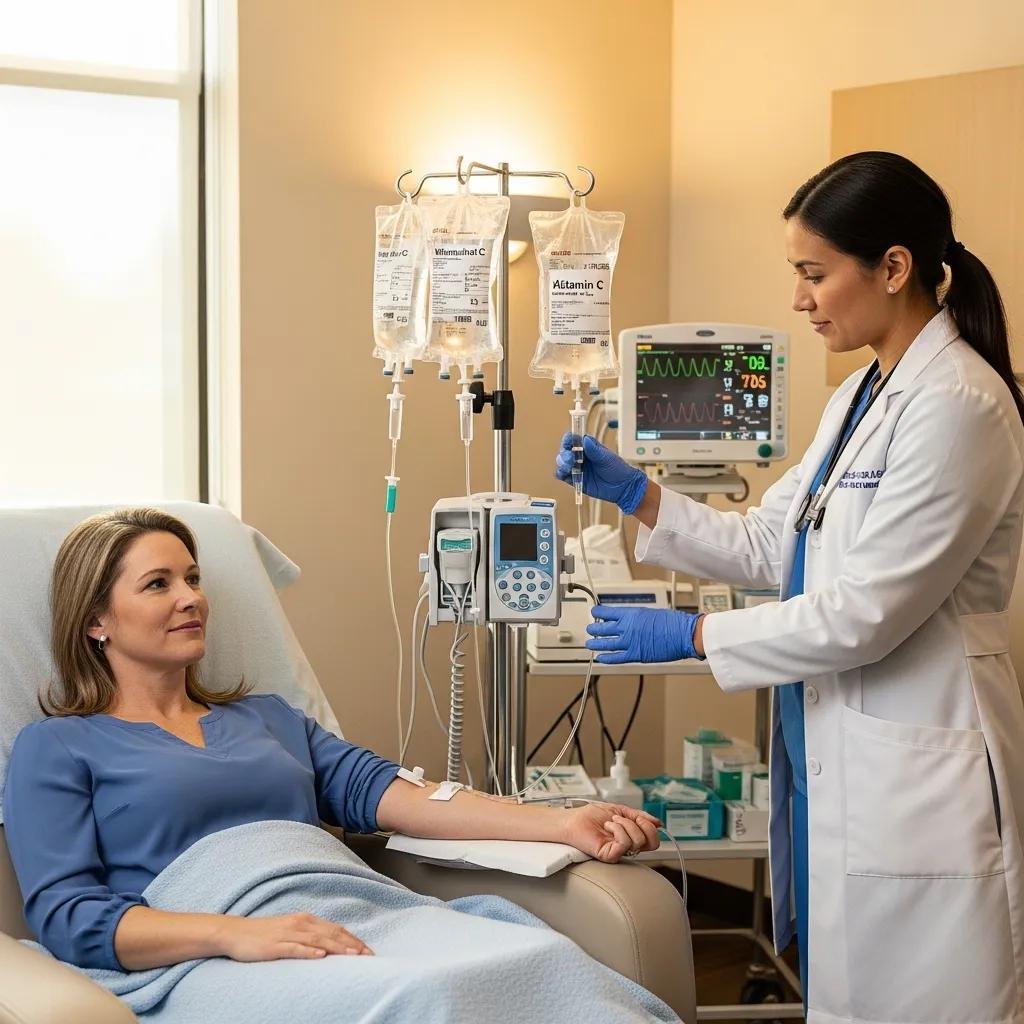
High‑dose IV vitamin C delivers clinical effects that differ from oral supplements by rapidly achieving plasma concentrations thought to have pharmacologic activity on immune function and inflammation. IV infusion bypasses gastrointestinal absorption limits, creating transient high plasma ascorbate levels that boost antioxidant capacity, modulate immune signaling, and in some contexts show pro‑oxidant activity useful in adjunctive oncology. In both acute care and chronic supportive settings, high‑dose IV vitamin C can reduce fatigue, support recovery, and assist detoxification when used within a personalized integrative protocol.
Key practical benefits include:
- Rapidly reaches plasma ascorbate levels unattainable with oral dosing, meeting acute antioxidant demand.
- Supports immune cell function and can lessen symptom burden in both acute and chronic conditions.
- Helps speed recovery and reduce fatigue as part of integrative care plans.
- Pairs with detoxification and regenerative therapies to enhance overall clinical outcomes.
The table below outlines mechanisms and likely clinical effects of IV vitamin C therapy.
| Vitamin C Role | Mechanism | Clinical Benefit |
|---|---|---|
| Antioxidant surge | High plasma ascorbate neutralizes ROS systemically | Reduced oxidative tissue damage during acute illness |
| Immune modulation | Enhances leukocyte function and cytokine balance | Improved pathogen clearance and symptom relief |
| Tissue support | Cofactor for collagen synthesis and barrier repair | Faster mucosal recovery and reduced secondary infections |
| Metabolic effects | May support mitochondrial function and fatigue reduction | Improved energy and quality of life in chronic illness |
The fast pharmacokinetics of IV vitamin C explain why clinicians reserve it for targeted immune and recovery goals rather than as a routine substitute for dietary vitamin C. As a clinical note: Dr. Fred Bloem / Internal Healing and Wellness MD incorporates IV therapies into personalized protocols when indicated, offering assessment and monitoring for patients seeking adjunctive immune support.
Why IV vitamin C can be more effective than oral supplements
IV vitamin C produces plasma concentrations several times higher than even large oral doses because it bypasses tight gastrointestinal and renal control of absorption and plasma levels. Oral ascorbate is constrained by intestinal transporters and renal clearance, which cap achievable plasma concentrations and limit pharmacologic effects. IV dosing opens a transient pharmacologic window where ascorbate can more strongly influence cellular redox and immune signaling. Clinically, that pharmacokinetic difference guides care: oral vitamin C is suited for maintenance and prevention, while IV vitamin C is chosen for acute, severe, or adjunctive therapeutic goals.
Supporting chronic illness and recovery with high‑dose IV vitamin C
High‑dose IV vitamin C is used adjunctively in chronic conditions with ongoing inflammation and oxidative stress—examples include chronic fatigue syndromes, post‑infectious states, and supportive oncology. Mechanisms include lowering inflammatory mediators, supporting mitochondrial function, and raising antioxidant capacity; collectively these can lead to symptom improvement such as reduced fatigue and better functional status. When combined with detoxification and regenerative therapies in a broader plan, IV vitamin C supports recovery objectives and patient‑reported quality‑of‑life gains. This role is supportive and symptom‑focused rather than curative.
How vitamin C can help prevent and manage colds and flu
Vitamin C has both preventive and therapeutic roles in common respiratory infections: regular supplementation supports baseline immune function, while higher‑dose use during illness can modestly shorten symptom duration and lessen severity in selected groups. Meta‑analyses show routine vitamin C doesn’t consistently prevent colds across the general population but does shorten duration and severity, especially in people under physical stress or with low baseline levels. During acute episodes, vitamin C’s antioxidant and leukocyte‑supporting actions can help symptom recovery when paired with rest, hydration, and other supportive measures.
Evidence for reducing cold duration and severity
Clinical trials and meta‑analyses indicate regular vitamin C supplementation shortens common cold duration by roughly 8–14% in adults and somewhat more in children, with larger benefits in specific groups such as athletes or those under heavy physical stress. Evidence for one‑time therapeutic use at symptom onset is mixed, but consistently correcting deficiency improves outcomes. The practical takeaway: keeping vitamin C status adequate reduces overall disease burden, and targeted higher dosing may benefit at‑risk or deficient individuals most.
Vitamin C as part of a holistic respiratory wellness plan
Vitamin C supports respiratory health as one piece of a holistic approach that includes good nutrition, sufficient sleep, and complementary micronutrients such as vitamin D and zinc. Its role in preserving epithelial barriers and modulating inflammation aligns naturally with actions that reduce pathogen exposure and strengthen mucosal immunity. Below is a concise checklist to put vitamin C into practice within broader prevention efforts.
Practical checklist for respiratory wellness with vitamin C
- Prioritize dietary sources of vitamin C—citrus, berries, peppers—each day.
- Use a daily supplement if diet falls short or during periods of increased physical or emotional stress.
- Support immune resilience with sleep hygiene, hydration, and nutrients like vitamin D and zinc.
- Seek clinical evaluation for IV vitamin C when infections are severe, prolonged, or when adjunctive therapy may aid recovery.
Together, these steps place vitamin C as a foundational nutrient within a layered respiratory wellness strategy that emphasizes prevention, early intervention, and supportive care.
Recommended vitamin C dosing for immune support
Recommended vitamin C dosing depends on route, clinical context, and individual factors such as age, comorbidities, and baseline nutritional status. Food‑based intake establishes baseline sufficiency, oral supplements support routine maintenance, and IV dosing is individualized for therapeutic aims. Safety screening should include checks for contraindications like G6PD deficiency and renal function monitoring for high‑dose IV regimens. Below is a concise dosing reference to guide practical decisions across routes.
Dosage comparison: oral vs IV
| Route | Typical Dose / Notes | Clinical Considerations |
|---|---|---|
| Dietary intake | 75–120 mg/day typical targets through food | Foundation for sufficiency; fruits/vegetables preferred |
| Oral supplementation | 500–2,000 mg/day common for immune support | Well‑tolerated; absorption limits apply |
| High-dose IV (therapeutic) | 10–75 grams per infusion in clinical protocols | Requires clinical assessment and monitoring |
| Short-term acute oral bolus | 2–4 grams divided doses during illness | May cause GI upset at high single doses |
How dosing differs between oral and IV vitamin C
Oral dosing supports steady‑state maintenance but cannot produce the transient high plasma concentrations that IV administration creates; oral megadoses are limited by gastrointestinal tolerance and transporter saturation. IV routes achieve pharmacologic plasma levels quickly and are chosen when immediate antioxidant or modulatory effects are needed. Clinicians select the route based on therapeutic goals: prevention and daily support favor oral regimens, while acute management, severe deficiency correction, or adjunctive clinical therapies may call for IV use with appropriate monitoring.
Safe and effective dosing guidance by condition
Dosing varies by indication: routine prevention typically requires modest oral supplementation; acute respiratory illness may respond to divided higher oral doses or IV protocols; chronic supportive care sometimes uses regular IV sessions at clinician‑determined intervals. Safety screening should include evaluation for hemolysis risk in G6PD deficiency and a history of renal stones; prudent hydration and renal monitoring are advised during repeated high‑dose IV therapy. These precautions help ensure vitamin C is used safely within individualized care plans that balance benefit and risk.
| Route | Route Type | Typical Dose / Notes |
|---|---|---|
| Oral | Maintenance | 500–2,000 mg/day depending on need and tolerance |
| Oral | Acute symptomatic | Up to 4 g/day divided doses; monitor GI tolerance |
| IV | Therapeutic adjunct | 10–75 g per infusion per clinician protocol; requires monitoring |
Safety and monitoring are central to dosing decisions; personalized protocols help minimize risks while targeting the intended therapeutic effect.
How vitamin C fits into holistic immune health strategies

Vitamin C integrates smoothly into holistic immune strategies by supporting detox pathways, promoting nutritional adequacy, and pairing with lifestyle measures that lower infection risk and support tissue repair. As an antioxidant cofactor, vitamin C aids glutathione recycling and works alongside minerals and vitamins to preserve redox balance during detox programs. Integrative protocols blend nutritional optimization, targeted IV nutrient delivery, and lifestyle interventions to build resilient immune function tailored to each patient’s needs and clinical context.
How vitamin C complements detoxification and nutritional support
Vitamin C supports detoxification by increasing antioxidant capacity and aiding glutathione regeneration, which helps reduce oxidative load during phase I/II detox processes. Synergies with zinc, selenium, and vitamin D strengthen immune signaling and mucosal defenses, while adequate protein and micronutrient status support collagen‑dependent barrier repair. The mapping below clarifies complementary roles clinicians can use when designing integrative plans.
| Entity | Complementary Therapy | Role / Interaction |
|---|---|---|
| Vitamin C | Glutathione support | Regenerates antioxidant systems during detox |
| Vitamin C | Zinc and vitamin D | Synergizes for mucosal immunity and antiviral defense |
| Vitamin C | IV nutrient therapies | Enhances systemic antioxidant capacity during infusions |
Role in managing chronic illnesses like Lyme disease and cancer
In chronic conditions marked by inflammation and oxidative stress, vitamin C is used as an adjunct to reduce inflammatory mediators, support mitochondrial function, and improve patient‑reported symptoms such as fatigue. In integrative oncology settings, high‑dose IV vitamin C has been explored to lessen treatment‑related toxicity and improve quality of life, always presented as supportive rather than curative. For complex chronic infections like Lyme disease, vitamin C can help lower oxidative burden and assist detoxification when embedded in a comprehensive, personalized plan. Clinicians should frame these applications as supportive measures and monitor outcomes within evidence‑informed protocols.
The Holistic Power of Vitamin C: Enhancing Immunity and Wellbeing
Dr. Fred Bloem / Internal Healing and Wellness MD practices a holistic, integrative model focused on root‑cause assessment, individualized protocols, and patient education to optimize immune function with nutritional and advanced therapeutic options. The clinic emphasizes expertise in biooxidative therapies, IV nutrient delivery, detoxification, and tailored care plans for complex chronic illness and supportive oncology. Patients receive a thorough assessment—history, targeted labs, and a customized treatment pathway that may combine IV nutrients, detox strategies, and lifestyle guidance to reach recovery and wellness goals.
What personalized protocols are available for immune enhancement?
Protocols at Internal Healing and Wellness MD start with a comprehensive review of symptoms, risk factors, and laboratory markers, followed by a collaborative plan that may include IV vitamin C, nutritional optimization, and adjunctive detox or regenerative treatments. Each protocol is individualized for dose, frequency, and supporting therapies to match patient goals and clinical indications, with ongoing follow‑up and education to support lasting improvement. Patients can expect a care pathway that prioritizes safety, monitoring, and shared decision‑making.
Patient outcomes observed with high‑dose IV vitamin C at the clinic
Anonymized clinical observations show many patients receiving individualized high‑dose IV vitamin C as part of integrative plans report reduced fatigue, improved function, and faster symptom recovery compared with their baseline. The clinic focuses on measurable outcomes and patient empowerment through education and follow‑up, combining IV therapies with nutritional and detox support to sustain benefits. Those interested in exploring personalized IV vitamin C and integrative immune strategies can schedule consultations at the Kensington, MD location through the clinical team.
- To schedule a consultation: Contact Dr. Fred Bloem / Internal Healing and Wellness MD to discuss personalized immune support and IV therapy options.
- What to expect: Clinical assessment, lab review, individualized protocol design, and monitored IV sessions as indicated.
- Service scope: The practice offers IV therapies, biooxidative therapies, detoxification, holistic and integrative treatments, bioidentical hormone replacement, anti‑aging medicine, and regenerative joint therapies to support complex chronic illness and wellness goals.
This clinic‑centered pathway complements evidence‑based vitamin C applications and delivers patient‑centered integrative care aligned with individual health priorities and safety considerations.
Frequently Asked Questions
What are the potential side effects of high‑dose IV vitamin C therapy?
High‑dose IV vitamin C is generally well tolerated, though some patients may experience nausea, diarrhea, or abdominal cramping, especially with underlying GI sensitivity. Rare allergic reactions can occur (rash, breathing difficulty). People with conditions such as G6PD deficiency or significant renal impairment should avoid high doses because of hemolysis or kidney stone risk. A personalized medical evaluation and monitoring are essential for safety during treatment.
Can vitamin C interact with other medications?
Yes. Vitamin C can increase iron absorption, which may help those with iron deficiency but could be problematic for people with hemochromatosis. High doses can also influence the metabolism of certain drugs, including some statins and select chemotherapy agents. Always tell your healthcare provider about all supplements and medications to identify potential interactions and ensure safe therapy choices.
Is it safe to take vitamin C during pregnancy or breastfeeding?
Vitamin C is considered safe in pregnancy and breastfeeding at recommended dietary levels. The RDA for pregnant women is about 85 mg, and breastfeeding women are typically advised around 120 mg. High‑dose supplementation should be approached cautiously; excessive intake can cause GI upset and should be discussed with your care provider to ensure safety for both mother and baby.
How does vitamin C affect skin health?
Vitamin C supports skin health through antioxidant protection and its role in collagen formation. It helps defend against oxidative damage from UV exposure and pollution, which can contribute to premature aging, and may improve hydration, reduce fine lines, and brighten complexion. Topical vitamin C serums are widely used for skin radiance and texture and can complement systemic vitamin C for overall skin support.
What food sources are highest in vitamin C?
Top food sources include citrus fruits (oranges, lemons, grapefruit), berries (strawberries, blueberries), kiwi, bell peppers, broccoli, Brussels sprouts, and tomatoes. Leafy greens like spinach and kale also contribute. To maximize vitamin C intake, eat a variety of these fruits and vegetables daily; note that cooking can reduce vitamin C content.
Can vitamin C help with allergies or asthma?
Vitamin C may offer supportive benefits for allergies and asthma because of its antioxidant and anti‑inflammatory properties. Some studies suggest adequate vitamin C can lessen asthma symptom severity and support lung function. While it can be a helpful adjunct, vitamin C should not replace prescribed asthma or allergy treatments—coordinate use with your healthcare provider as part of a comprehensive management plan.
Conclusion
Adding vitamin C to your wellness plan can strengthen immune function, lower oxidative stress, and support recovery from illness. From whole foods to measured high‑dose IV therapy, several evidence‑based strategies can meet individual needs. Consider exploring personalized protocols that harness vitamin C’s benefits for focused immune support. Contact Dr. Fred Bloem / Internal Healing and Wellness MD to learn more about tailored approaches for enhancing your immune health.