

Antioxidants for Healthy Skin: Evidence-Based Anti‑Aging Benefits and a Practical, Holistic Plan
Antioxidants are molecules that neutralize free radicals and lower oxidative stress, helping protect skin cells from molecular damage and preserve a more youthful appearance. Practically speaking, antioxidants slow collagen loss, calm inflammatory signaling, and support cellular repair pathways—changes that show up as fewer fine lines, better elasticity, and a more even skin tone. This guide breaks down the biochemistry behind antioxidant protection, highlights the most evidence-backed anti‑aging antioxidants for both topical and systemic use, and explains how lifestyle and clinic-based approaches multiply results. You’ll learn which serum ingredients and supplements deserve priority, how to combine topical and internal strategies safely, and realistic timelines for seeing improvement. The article also maps straightforward routines and treatment paths—diet, nutricosmetics, regenerative therapies, and targeted clinical protocols—that together create a cohesive skin‑protection plan.
Content is grounded in current research (through 2023) and real-world practice, with clear, practical takeaways for daily skincare, nutritional support, and when to seek professional care. After we outline core mechanisms, you’ll find a concise comparison of the leading anti‑aging antioxidants, a topical vs. internal strategy table, and an overview of integrative clinical services that enhance antioxidant regimens. Throughout, we connect oxidative stress, collagen integrity, photodamage, and clinical interventions so you can build a consistent plan for lasting skin health.
What Antioxidants Are and How They Shield Skin From Aging
Antioxidants are compounds that slow or prevent oxidative damage by donating electrons to neutralize reactive oxygen species (ROS). That action reduces lipid peroxidation, protein oxidation, and DNA damage in skin cells. The electron-transfer process helps preserve structural proteins such as collagen and elastin, dampens inflammation driven by oxidative signaling, and supports the skin’s intrinsic repair systems that maintain tone and barrier function. That’s why regular antioxidant exposure—both topically and systemically—helps reduce photoaging and pigment changes. The bullets below summarize the main skin benefits for quick reference.
Antioxidants protect skin through three primary pathways:
- Neutralize reactive oxygen species to limit cellular damage and preserve collagen integrity.
- Reduce inflammatory signaling that contributes to redness, texture changes, and pigmentary shifts.
- Support enzymatic repair systems and provide cofactors for collagen synthesis to maintain structure.
These mechanisms explain why antioxidant-rich routines are most effective when paired with sun protection and regenerative therapies, which we cover next.
How Free Radicals and Oxidative Stress Damage Skin
Free radicals—unstable molecules generated by UV light, pollution, cigarette smoke, and normal metabolism—start chain reactions that harm cell membranes, structural proteins, and DNA in the skin. Lipid peroxidation weakens barrier lipids and increases transepidermal water loss, while oxidative changes to collagen and elastin reduce dermal support and contribute to fine lines and sagging. Repeated oxidative insults also amplify inflammatory cascades and activate matrix metalloproteinases (MMPs) that break down extracellular matrix components, accelerating clinical photoaging seen as wrinkles, rough texture, and uneven pigmentation. Recent work highlights both external and internal sources of oxidative burden and shows that lowering systemic inflammation improves the skin’s repair capacity. These pathways make clear why antioxidant strategies should be multi‑layered—addressing surface damage and deeper metabolic contributors to slow visible aging in a meaningful way.
Which Antioxidants Neutralize Free Radicals to Support Skin Health?
Key antioxidant classes for skin include small-molecule vitamins, polyphenols, coenzymes, and endogenous enzyme systems—each operating by distinct chemical and signaling mechanisms. Vitamin C (ascorbic acid) donates electrons to neutralize ROS and is a necessary cofactor for collagen cross-linking; polyphenols like green tea catechins and resveratrol scavenge radicals and modulate inflammatory transcription factors; coenzyme Q10 supports mitochondrial antioxidant defenses and cellular energy; and endogenous enzymes (superoxide dismutase, catalase) rely on dietary cofactors. These systems act together—Vitamin C can regenerate oxidized Vitamin E, polyphenols temper inflammatory signaling, and mitochondrial support reduces intracellular ROS—so understanding their synergy helps when choosing product pairings and supplement combinations later in the guide.
Which Anti‑Aging Antioxidants Offer the Best Skin Protection?
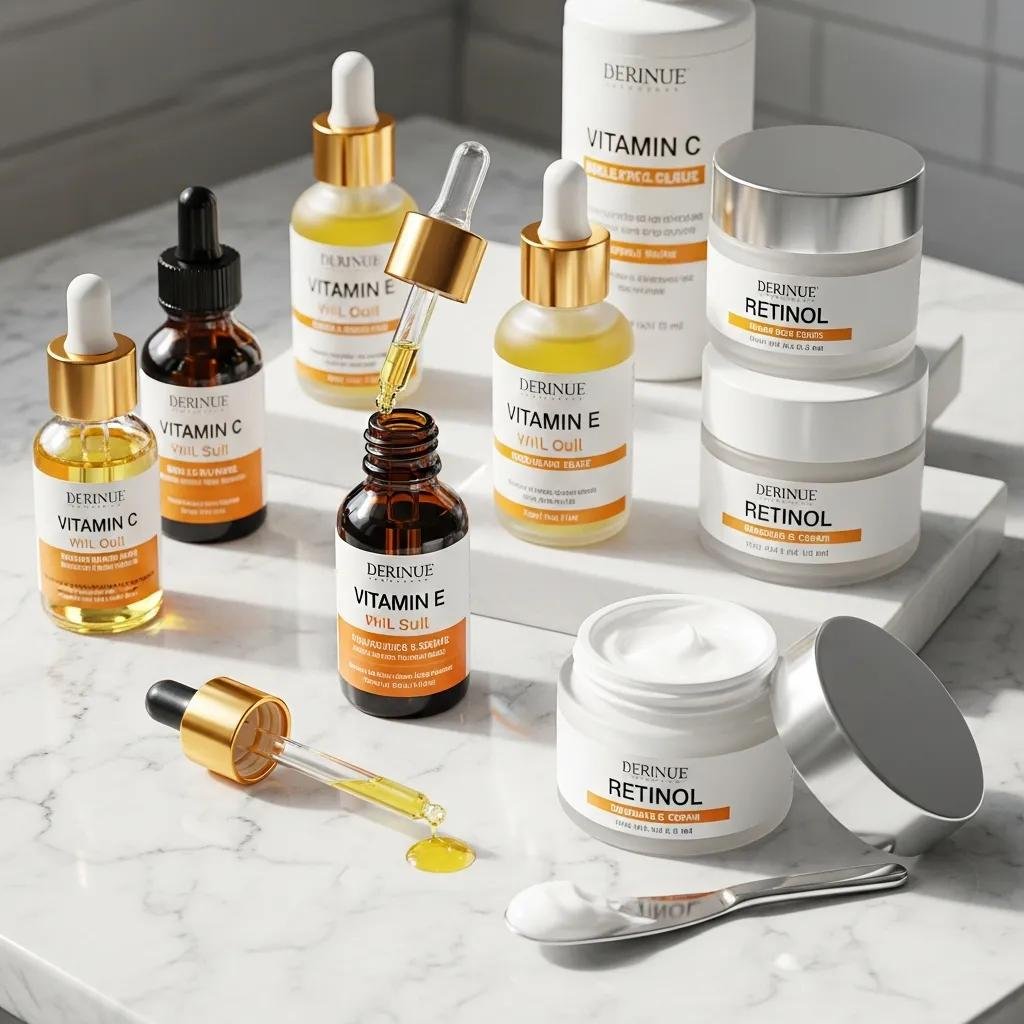
The most useful anti‑aging antioxidants combine strong free‑radical scavenging with measurable benefits for collagen, barrier function, or pigmentation. Top candidates for skin protection include Vitamin C, Vitamin E, retinoids (retinol), niacinamide, resveratrol, and Coenzyme Q10. These ingredients have clinical and laboratory support for reducing photoaging markers, refining texture, and increasing radiance when properly formulated and dosed. Formulation stability, vehicle choice, and smart pairings (for example Vitamin C + ferulic acid + Vitamin E) are critical to preserve potency. The table below helps you compare mechanisms, clinical benefits, and common topical or oral forms.
| Antioxidant | Mechanism of Action | Evidence / Clinical Benefit | Typical Topical/Oral Form |
|---|---|---|---|
| Vitamin C (ascorbic acid) | Electron donor; cofactor for prolyl hydroxylase | Stimulates collagen synthesis; reduces photoaging and hyperpigmentation | Topical serums (L‑ascorbic acid, stabilized derivatives); oral supplements |
| Vitamin E (tocopherol) | Lipid‑phase antioxidant; membrane stabilizer | Protects lipid membranes; enhances photoprotection | Topical oils/serums; oral mixed tocopherols |
| Retinol (retinoids) | Modulates gene expression; increases cell turnover | Improves fine lines and texture; stimulates collagen remodeling | Topical retinol/retinoids; prescription forms for advanced care |
| Niacinamide | Anti‑inflammatory; barrier support; reduces transepidermal water loss | Improves tone, reduces oiliness; helps reduce hyperpigmentation | Topical serums/creams; oral vitamin B3 supplements |
| Resveratrol | Polyphenol antioxidant; anti‑inflammatory signaling | Reduces oxidative stress; supports barrier and pigment control | Stabilized topical formulas; oral polyphenol supplements |
| Coenzyme Q10 (CoQ10) | Mitochondrial electron transport and antioxidant support | Supports cellular energy; reduces oxidative damage | Topical creams; oral ubiquinone/ubiquinol supplements |
This summary clarifies practical options and evidence levels; the next sections unpack the roles of the core trio and complementary agents for everyday regimens.
How Vitamin C, Vitamin E, and Retinol Work Together for Rejuvenation
Vitamin C, Vitamin E, and retinol form a reliable foundation for skin rejuvenation. Vitamin C is essential for collagen hydroxylation and functions as a potent aqueous‑phase antioxidant; Vitamin E protects lipid membranes and pairs with Vitamin C to restore antioxidant capacity; retinol speeds epidermal turnover and stimulates dermal remodeling through collagen gene expression. Clinically, combined use can reduce wrinkle depth, increase firmness, and even out diffuse pigmentation when introduced with attention to formulation and tolerance. Practical tips: use stabilized Vitamin C or low‑pH L‑ascorbic acid in the morning under sunscreen, pair it with Vitamin E and ferulic acid to boost stability, and introduce retinol at low concentrations at night—gradually increasing frequency to minimize irritation. These formulation and timing strategies make combining antioxidants safer and more effective.
How Resveratrol, CoQ10, and Niacinamide Support Skin Vitality
Resveratrol, CoQ10, and niacinamide offer complementary benefits: resveratrol modulates inflammatory and survival pathways and provides photoprotective antioxidant effects; CoQ10 supports mitochondrial function and lowers intracellular ROS production that contributes to aging; niacinamide strengthens barrier lipids, reduces inflammation, and helps limit melanosome transfer for a more even tone. Evidence supports topical niacinamide for pigment control and barrier improvement, oral CoQ10 for mitochondrial resilience, and stabilized topical resveratrol for anti‑inflammatory effects. Use‑cases differ: niacinamide is excellent for daily topical maintenance, CoQ10 is often chosen as systemic support for cellular energy, and resveratrol works well in stabilized topical preparations or as part of a polyphenol‑rich diet.
Why a Holistic Approach Amplifies Antioxidant Benefits
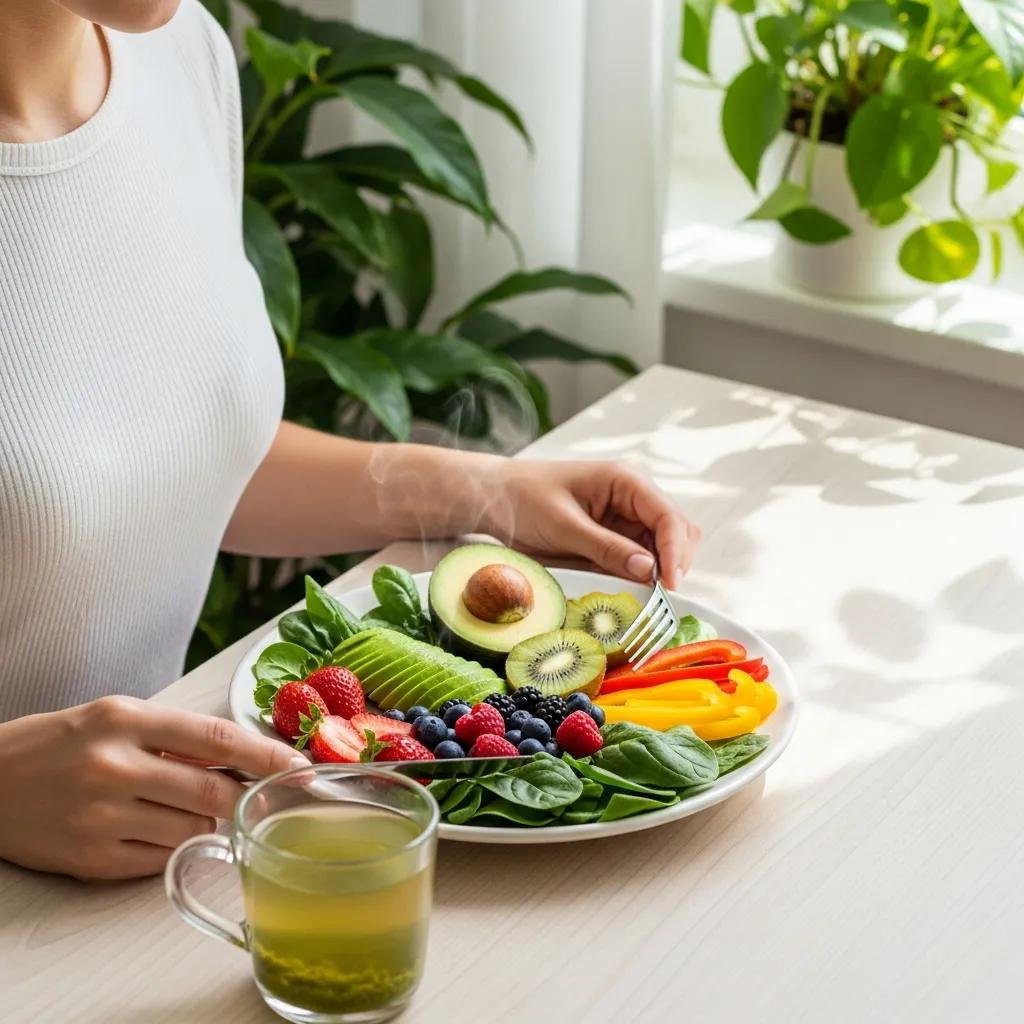
A holistic plan combines diet, lifestyle, targeted supplements, hormonal balance, and clinic‑based regenerative therapies to lower overall oxidative load and maximize skin repair. Reducing systemic inflammation and providing cofactors for endogenous antioxidant enzymes helps topical antioxidants work better and makes results more durable. A practical clinical pathway looks like: foundational diet and behavior → targeted oral support → in‑office regenerative procedures. The table below maps common clinic therapies to the systems they target and expected skin outcomes so you can see where professional care adds value.
| Therapy (Clinic) | Attribute (Target System) | Expected Skin Outcome |
|---|---|---|
| Bioidentical hormone optimization | Endocrine balance (sex hormones) | Improved skin thickness, hydration, and collagen responsiveness |
| Regenerative procedures (PRP, growth‑factor adjuncts) | Local tissue repair signaling | Stimulates collagen production and improves texture and elasticity |
| IV / nutricosmetic therapies | Systemic antioxidant and nutrient delivery | Faster reduction of systemic oxidative stress; enhanced cellular repair capacity |
This mapping shows how clinic interventions complement topical care by addressing deeper physiological drivers. When systemic deficiencies or hormonal shifts blunt response to topical antioxidants, clinical evaluation can reveal tailored solutions that restore responsiveness and speed improvement.
Diet and Lifestyle Habits That Strengthen Internal Antioxidant Defenses
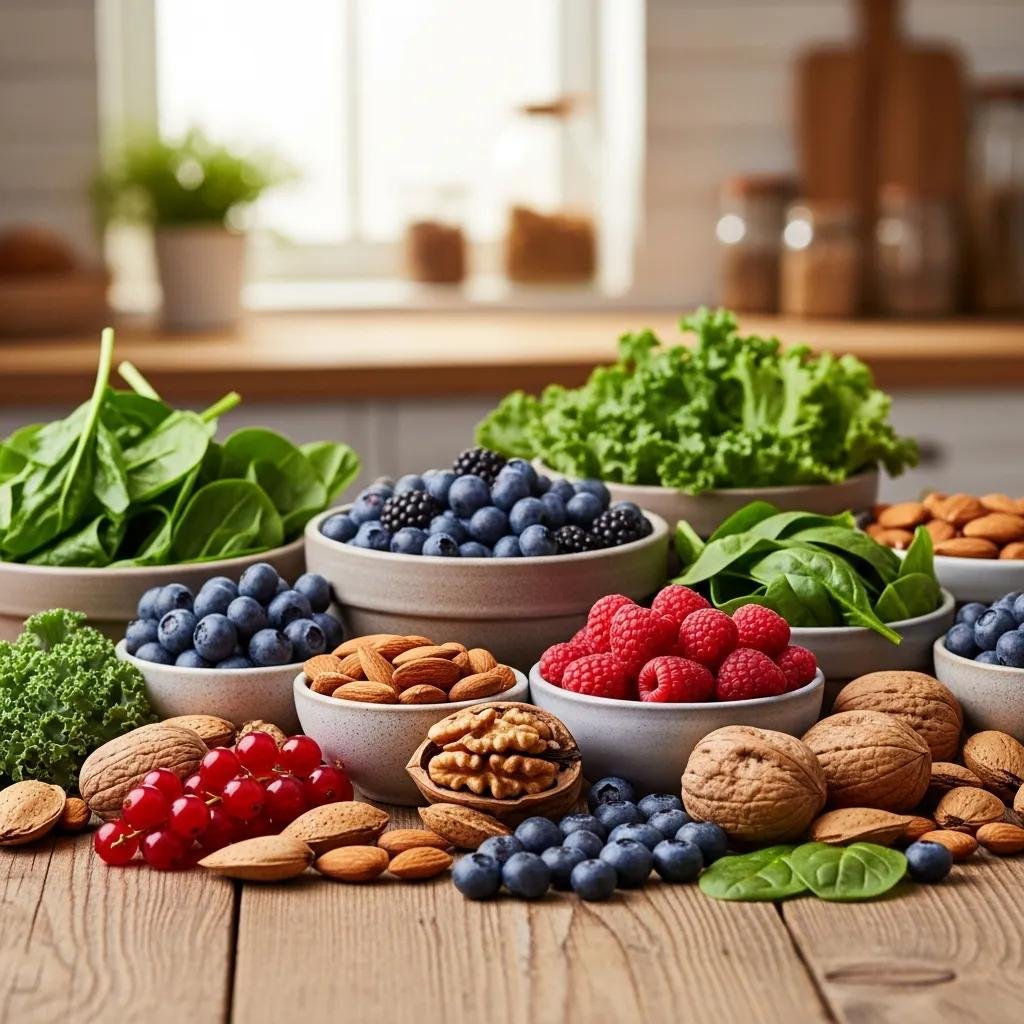
Diet and lifestyle provide the foundation for your body’s antioxidant capacity. Eat a varied mix of colorful fruits and vegetables, include green tea and other polyphenol‑rich foods, get enough protein for collagen precursors, and include omega‑3 fats to moderate inflammation. Weekly practical guidance: multiple servings of berries and leafy greens, two to three cups of green tea, regular fatty fish or plant‑based omega‑3s, and limiting processed foods and added sugars that drive inflammation. Good sleep, consistent exercise, smoking cessation, and daily sun protection all meaningfully lower oxidative burden. Nutricosmetics and targeted supplements can fill gaps when diet or absorption is limited, but personalization and safety checks are important to avoid interactions or excessive dosing. These behavioral foundations make topical and clinical antioxidant strategies more effective and longer lasting.
- Consume varied antioxidant-rich produce: Aim for at least five servings a day, including berries, leafy greens, and colorful vegetables.
- Include polyphenol sources: Drink green tea and enjoy foods like grapes, nuts, and moderate amounts of dark chocolate.
- Support protein and omega-3 intake: Ensure sufficient amino acids for collagen and anti‑inflammatory fats to aid tissue repair.
These steps lower internal oxidative stress and create the physiological conditions where topical and clinical antioxidant measures yield clearer, longer‑lasting improvements—leading into how hormones and regenerative therapies further amplify gains.
How Bioidentical Hormones and Regenerative Therapies Fit With Antioxidant Care
Sex hormones—especially estrogen—affect skin thickness, vascularity, and collagen synthesis. When levels decline with age, skin thins and responds less readily to repair signals. Bioidentical hormone therapy, under medical supervision, can restore a more favorable hormonal environment, improving hydration, dermal matrix quality, and responsiveness to antioxidants and retinoids. Regenerative therapies—platelet‑rich plasma (PRP), microneedling with growth‑factor serums, and similar adjuncts—trigger local repair cascades that work synergistically with antioxidant‑driven reductions in oxidative damage. These in‑office options are most effective when integrated into a broader program that includes optimized nutrition and topical antioxidant priming. An individualized assessment helps match therapies to systemic status and cosmetic goals.
- Consider a hormone assessment if you notice thinning skin, persistent dryness, or a poor response to topical treatments.
- Consider regenerative procedures when structural improvement is needed and topical care has reached a plateau.
- Combine clinic therapies with nutritional support to optimize cellular repair and reduce recurrence of oxidative damage.
From here, we’ll compare the trade‑offs between surface and systemic antioxidant strategies so you can choose the right sequence for your goals.
Topical vs. Internal Antioxidants: How They Differ and When to Use Each
Topical antioxidants act at the skin surface and epidermis to neutralize environmental ROS quickly and support local repair. Internal antioxidants—via diet, supplements, or clinic infusions—reduce systemic oxidative stress and strengthen cellular resilience from within. Topicals offer targeted photoprotection and immediate local benefits but face formulation stability and penetration limits; internal approaches address deeper metabolic drivers and mitochondrial health but usually require time and personalization to produce visible skin changes. When used together, topical and internal strategies are complementary: surface protection and rapid ROS neutralization coupled with systemic repair and improved regenerative potential. The table below explains how each approach reaches the skin, its main benefits, and clinical situations where one option may be preferred.
| Strategy (Topical/Internal) | How It Reaches Skin | Key Benefits | When to Prefer |
|---|---|---|---|
| Topical antioxidants | Direct exposure to epidermis/dermis via formulation penetration | Immediate neutralization of environmental ROS; improves texture and tone | Daily routine for photoprotection and targeted pigment control |
| Dietary / oral supplements | Systemic absorption and delivery to skin via circulation | Supports mitochondrial health; reduces systemic inflammation | For chronic oxidative burden or when diet alone is insufficient |
| Clinic-administered IV / nutricosmetic therapy | Direct systemic delivery at therapeutic concentrations | Rapid correction of deficiencies; high‑dose antioxidant support | For accelerated recovery, severe oxidative stress, or pre/post‑procedure support |
This framework helps you choose and sequence interventions; the sections that follow dive into topical formulation tactics and supplement considerations.
How Topical Antioxidants Defend Against Environmental Damage
Topical antioxidants work by neutralizing ROS on the skin surface, quenching free radicals from UV and pollution, and reducing inflammatory signaling that leads to redness and matrix breakdown. Key formulation challenges include ingredient stability (L‑ascorbic acid oxidizes readily) and penetration; stability improves when Vitamin C is paired with ferulic acid and Vitamin E, when stabilized derivatives are used, or when appropriate vehicles (serums, anhydrous bases) are chosen. Practical routine advice: apply antioxidant serums in the morning under sunscreen to interrupt daytime oxidative cascades, and use reparative topicals—retinoids, peptides—at night to support remodeling. Selecting products with documented concentrations and third‑party stability testing raises the odds of clinical benefit.
- Choose stabilized Vitamin C formulations or gentler derivatives if you need lower irritation risk.
- Pair antioxidants (Vitamin C + Vitamin E + ferulic acid) for improved stability and broader protection.
- Use antioxidant serums in the AM under sunscreen and retinoids or reparative agents in the PM.
These practical measures reduce surface damage and create the conditions for systemic approaches to address deeper oxidative drivers.
What Dietary and Supplement Antioxidants Do for Skin
Dietary and supplement antioxidants provide systemic benefit by supporting mitochondrial function, lowering chronic inflammation, and supplying cofactors needed for enzymatic repair of skin tissues. Common supplement choices include oral Vitamin C, mixed tocopherols, CoQ10, polyphenol extracts (green tea, resveratrol), and targeted nutricosmetics formulated to support collagen and hydration. Safety and personalization are important: some supplements interact with medications or have dosing considerations, and laboratory testing can reveal deficiencies that help prioritize interventions. Clinical oversight is recommended for high‑dose regimens, hormone‑related optimization, or when considering IV antioxidant therapy within a comprehensive plan.
- Prefer evidence-backed formulations and look for third‑party testing when possible.
- Review medication interactions and medical history with a clinician before starting high‑dose antioxidants.
- Consider lab testing to personalize dosing and identify deficiencies that limit skin repair.
These systemic measures complement topical care by improving cellular resilience and supporting collagen rebuilding and more even tone.
Can Antioxidants Reverse Skin Aging and Improve Appearance?
Antioxidants blunt ongoing collagen degradation, reduce inflammation that drives pigment and texture problems, and sometimes support collagen synthesis indirectly by supplying necessary cofactors and lowering MMP activation. Alone, antioxidants rarely restore youthful architecture, but they slow photoaging, brighten the surface, and amplify results from retinoids and regenerative procedures. Expect measurable improvements in tone and texture within roughly 8–12 weeks of consistent topical and systemic use; deeper dermal changes in collagen content typically take months and are best achieved with combined in‑office therapies. A coordinated program—daily topical protection, nutritional support, and targeted clinical treatments—delivers the strongest long‑term outcomes.
Clinical results are maximized by combinations such as Vitamin C with retinoids and peptides, systemic mitochondrial support, and procedural stimulation; the following sections outline pathways to improve collagen and pigment.
How Antioxidants Support Collagen and Elasticity
Antioxidants promote collagen and elasticity through several routes: as cofactors (Vitamin C) they enable collagen hydroxylation and cross‑linking; by lowering ROS they reduce MMP activity that degrades collagen; and by supporting mitochondrial health they preserve fibroblast energy needed for matrix synthesis. Synergistic pairings—Vitamin C with retinoids and peptides—encourage new collagen production while limiting breakdown, and regenerative procedures accelerate the repair processes primed by antioxidants. Evidence suggests visible gains in surface firmness around 8–12 weeks, with more meaningful dermal remodeling over 6–12 months when interventions are combined. Safety notes: introduce retinoids gradually to avoid irritation and monitor supplement plans when pairing with clinical therapies.
How Antioxidants Help Even Skin Tone and Reduce Pigmentation
Antioxidants improve pigmentation by lowering oxidative triggers of melanin production, directly influencing melanogenesis (niacinamide and Vitamin C affect pigment pathways), and reducing inflammation that contributes to post‑inflammatory hyperpigmentation. A stepwise approach works best: start with topical agents (Vitamin C, niacinamide) plus consistent sun protection, add systemic antioxidant and anti‑inflammatory nutrition, and escalate to procedural options (chemical peels, laser, regenerative techniques) for persistent or deep pigment. Combining these strategies with sun avoidance and barrier repair limits recurrence, and consistent treatment over months is usually necessary for durable lightening and uniform tone.
- Topical stabilization: Use Vitamin C and niacinamide daily with sunscreen to prevent new darkening.
- Systemic support: Add dietary polyphenols and targeted supplements to reduce inflammatory drivers.
- Procedural escalation: Reserve in‑office treatments for stubborn pigment after optimizing topical and systemic care.
These algorithmic steps create a clear path from conservative management to advanced therapies when needed and highlight the cumulative benefit of integrated antioxidant care.
For a personalized evaluation and to align systemic and procedural options with your skin goals, consider consulting a clinician who practices integrative medicine. Internal Healing and Wellness MD, led by Dr. Fred Bloem and located at 10400 Connecticut Ave Ste 206, Kensington MD 20895-3941, offers holistic, evidence‑minded care that blends aesthetic medicine, bioidentical hormone replacement, and regenerative joint and facial therapies to support skin health. The practice focuses on individualized treatment plans and patient education; clinicians there can order appropriate labs, design tailored supplement and topical protocols, and coordinate regenerative procedures when indicated. If you’re considering a tailored antioxidant strategy that bridges diet, topical care, and clinic‑based therapies, a consultation can identify the most effective sequence for your skin and systemic health.
This integrated approach ensures topical regimens are supported by systemic optimization and that in‑office interventions are timed to deliver the best possible benefit.
Frequently Asked Questions
1. How long until I see results from antioxidant treatments?
Results vary by ingredient and skin condition, but most people notice improvements in tone and texture within 8–12 weeks of consistent topical and systemic use. Deeper structural changes—such as increased collagen—typically take several months and are accelerated by combining antioxidants with in‑office procedures. Consistency and realistic expectations are important.
2. Can antioxidants harm my skin?
Antioxidants are generally safe, but some formulations can irritate sensitive skin. Retinoids and high concentrations of Vitamin C can cause redness or peeling if introduced too quickly. Start with lower concentrations, increase gradually, and consult a dermatologist to tailor a regimen that minimizes risk while maximizing benefit.
3. Do certain foods make topical antioxidants work better?
Yes. Foods rich in vitamins C and E—like citrus fruits, nuts, and leafy greens—support skin health from the inside and complement topical treatments. Omega‑3 fats from fatty fish or flaxseeds reduce inflammation and support repair. A varied, colorful diet enhances the overall effect of topical antioxidants.
4. How do I choose antioxidant products for my skin type?
Pick products based on your skin type and concerns. Oily or acne‑prone skin often responds well to lightweight formulations with niacinamide; dry or mature skin may benefit from richer Vitamin C or retinol preparations. Consider product stability and compatibility with other actives, and consult a skincare professional for a targeted plan.
5. Can I layer multiple antioxidants in one routine?
Yes—layering can increase protection. Combining Vitamin C with Vitamin E and ferulic acid improves stability and broadens antioxidant coverage. Introduce one or two actives at a time, monitor tolerance, and add others gradually to assess skin response and avoid irritation.
6. How important is sunscreen when using antioxidants?
Sunscreen is essential. UV exposure generates free radicals that undermine antioxidant benefits—antioxidants can help neutralize some oxidative stress, but they don’t replace sunscreen. Apply a broad‑spectrum sunscreen daily, especially when using topical antioxidants, for a complete anti‑aging strategy.
7. What lifestyle changes boost antioxidant effectiveness?
Several habits make antioxidants more effective: a diet rich in fruits, vegetables, and healthy fats; regular exercise to improve circulation; adequate sleep for cellular repair; and avoiding smoking and excessive alcohol to reduce oxidative stress. These lifestyle factors, paired with a consistent antioxidant routine, meaningfully improve skin resilience.
Conclusion
Adding antioxidants into a sensible skincare program gives you a powerful defense against aging—helping preserve collagen, even tone, and overall skin vitality. The best results come from combining topical protection with systemic support and, when appropriate, targeted clinical treatments. For individualized guidance on the right antioxidant strategy, consult a skincare or integrative medicine professional. If you’re ready to begin, explore our curated antioxidant products and professional services to support healthier, more radiant skin.

