

The Critical Role of Sleep in Immune Function: How Restorative Sleep Strengthens Your Defenses
Sleep is an active, restorative state that coordinates tissue repair, energy allocation, and immune regulation. When sleep is restorative, the body times repair processes and immune defenses so you can fend off pathogens more effectively. Research shows that poor sleep disrupts cytokine rhythms, weakens immune cell activity, and can lower vaccine responses — making sleep a key factor in immune resilience. This article describes the two-way relationship between sleep and immunity, highlights which immune systems depend most on sleep architecture and circadian timing, reviews consequences of sleep loss for inflammation and vaccine efficacy, and defines what truly restorative sleep looks like. You’ll also find practical, evidence-informed strategies — from lifestyle and environmental changes to integrative clinical options — to support better sleep and downstream immune benefits. Finally, we outline how a personalized, root-cause approach evaluates hormonal and metabolic drivers of poor sleep and when a clinical assessment or targeted therapies may be appropriate.
How Does Sleep Influence the Immune System?
Sleep shapes immune function by timing hormonal signals and cellular movements to favor repair and pathogen defense during rest. At night, neuroendocrine shifts — notably a rise in melatonin and a drop in evening cortisol — push immune signaling toward restorative, lower-inflammation states while supporting T cell and natural killer (NK) cell activity. This timing improves cytokine balance, helps consolidate immune memory, and reduces competition for energy between cognitive processes and immune work. That’s why sleep timing and quality matter as much as total hours: circadian alignment is a foundational pillar of immune health.
Key mechanisms connecting sleep and immunity include:
- Hormonal synchronization: daily melatonin and cortisol rhythms shape inflammatory tone and the sleep-wake cycle.
- Cellular trafficking: sleep encourages T cells and NK cells to redistribute to lymphoid tissues where surveillance is most effective.
- Cytokine timing: restorative sleep favors anti-inflammatory signals and controlled pro-inflammatory pulses needed for repair.
These mechanisms set the stage for a closer look at the specific immune players that depend on healthy sleep, and help explain clinical outcomes such as infection risk and vaccine responsiveness.
What Are the Key Immune Components Affected by Sleep?
Sleep influences both innate and adaptive immunity — affecting surveillance, signaling, and memory formation across the system. T cells rely on sleep-associated cues for optimal proliferation and activation; slow-wave sleep enhances T cell responses and supports the helper signals that drive antibody production. NK cell cytotoxicity fluctuates with the sleep–wake cycle and drops after sleep loss, which is linked to greater infection risk. Cytokines like interleukin-1 (IL-1), interleukin-6 (IL-6), and tumor necrosis factor-alpha (TNF-α) are regulated by sleep architecture: consolidated, restorative sleep times cytokine release for repair, while fragmented sleep raises baseline pro-inflammatory tone.
Immune elements shaped by sleep include:
- T cells: Sleep supports their proliferation and responsiveness.
- NK cells: Activity shifts with sleep-wake cycles and falls after sleep loss.
- Cytokines: The timing and balance of pro- and anti-inflammatory cytokines depend on sleep.
These cellular and mediator-level effects help explain broader outcomes such as infection susceptibility and how well vaccines work.
How Does the Circadian Rhythm Synchronize Sleep and Immunity?
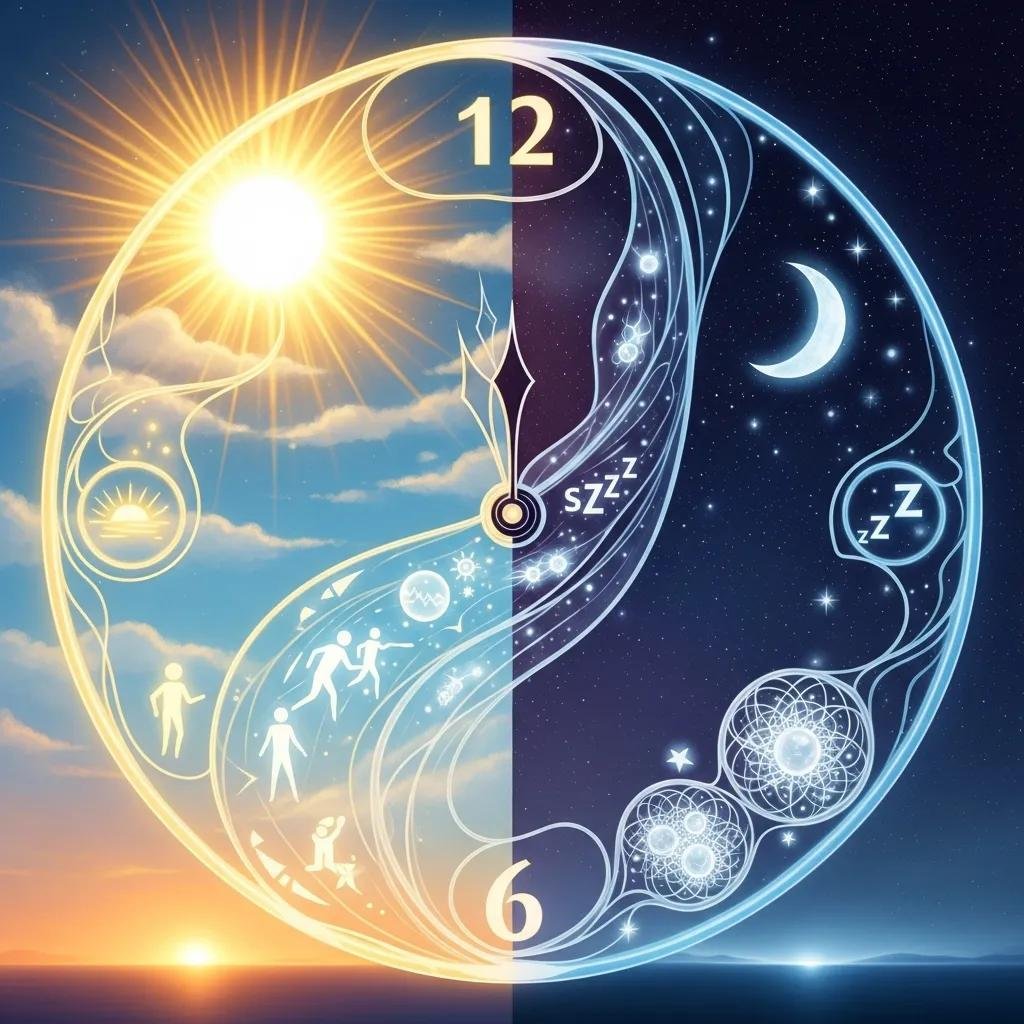
Your circadian system links central and peripheral clocks to schedule hormone release, cellular trafficking, and gene expression so immune processes occur at predictable times. The suprachiasmatic nucleus (SCN) serves as the central pacemaker, aligning melatonin onset and the cortisol nadir so sleep coincides with optimal windows for repair and immune memory consolidation. Peripheral clocks in immune cells tune cytokine gene expression and trafficking, creating time-of-day differences in responses to pathogens and vaccine reactivity. In practice, keeping a regular sleep schedule and managing light exposure helps align central and peripheral clocks — strengthening immune readiness and sometimes improving vaccine outcomes.
Practical implications of circadian alignment include:
- Maintain consistent bed and wake times to preserve immune timing.
- Avoid bright screens and late-night light that suppress melatonin and shift immune rhythms.
- Be aware that the timing of vaccination and pathogen exposure can interact with circadian biology to affect results.
What Are the Effects of Sleep Deprivation on Immune Response?
Sleep deprivation shifts the immune system toward increased inflammation and impaired targeted defense, which raises infection risk and may accelerate chronic disease processes. Both acute and chronic short sleep raise circulating pro-inflammatory cytokines (IL-6, TNF-α), blunt NK cell activity and T cell responses, and reduce the magnitude and durability of vaccine-induced antibody titers. Clinically, this shows up as more upper respiratory infections after poor sleep, slower recoveries, and epidemiologic links between short sleep and higher rates of cardiovascular, metabolic, and neurodegenerative disease. In short, sleep loss creates a dysregulated immune profile: elevated basal inflammation alongside weaker pathogen-specific defense.
Intro to table: The table below summarizes representative immune components and typical changes seen with sleep loss.
| Immune Component | Typical Change with Sleep Loss | Clinical Implication |
|---|---|---|
| T cells | Lower proliferation and activation | Weaker adaptive responses to pathogens |
| NK cells | Reduced cytotoxic activity | Higher risk of viral infections |
| Cytokines (IL-6, TNF-α) | Raised baseline levels | Chronic inflammation and higher disease risk |
| Antibody response | Lower peak titers after vaccination | Reduced vaccine efficacy and durability |
Summary: Sleep loss both weakens targeted immune defenses and elevates inflammatory mediators — a double burden that slows recovery and raises long-term disease risk.
How Does Sleep Loss Increase Inflammation and Chronic Disease Risk?
Short or fragmented sleep elevates pro-inflammatory signaling and disrupts metabolic and vascular pathways tied to long-term disease. Mechanisms include higher circulating IL-6 and TNF-α, increased sympathetic activity with cortisol dysregulation, and impaired glucose metabolism — together fostering a milieu that favors atherosclerosis, insulin resistance, and neuroinflammation. Large studies consistently link chronic short sleep with greater incidence of cardiovascular disease, type 2 diabetes, and cognitive decline, with inflammation as a central mediator. Addressing sleep deficiency therefore targets a key upstream driver of chronic disease.
Clinically, this means prioritizing sleep improvement as a modifiable prevention strategy and adding sleep assessment to routine risk evaluations for cardiometabolic and neurodegenerative conditions.
What Is the Impact of Sleep Deprivation on Immune Cell Function and Vaccine Efficacy?
Even a single night of sleep loss can impair measurable immune functions and reduce antibody responses to vaccines. Mechanisms include disrupted T cell help needed for B cell maturation, altered cytokine signaling required for strong humoral responses, and lower NK cell control of early viral replication. Practically, optimizing sleep in the days before and after vaccination improves seroconversion and may boost vaccine durability — making sleep a simple, low-cost strategy to maximize immunization benefits.
Clinical takeaways: advise patients to prioritize consistent, high-quality sleep in the days surrounding vaccination to support the best immune response.
What Constitutes Restorative Sleep for Optimal Immune Health?
Restorative sleep combines sufficient duration, consolidated continuity, healthy architecture (enough slow-wave and REM sleep), and consistent timing aligned with circadian rhythms. Together these features promote hormonal patterns — a night-time melatonin peak, growth hormone release during slow-wave sleep, and an appropriate cortisol decline — that support tissue repair, immune regulation, and memory consolidation. Measurable markers of restorative sleep include high sleep efficiency, low fragmentation, reasonable sleep latency, and a balanced distribution of NREM slow-wave and REM stages. Clinically, these markers help distinguish sleep problems that most affect immune function from other sleep disorders.
Components of restorative sleep include:
- Duration: Adequate nightly sleep for your age and needs.
- Continuity: Long, mostly uninterrupted sleep with minimal awakenings.
- Architecture: Sufficient slow-wave (deep) NREM sleep and healthy REM proportion.
- Regularity: Consistent sleep–wake timing that keeps your circadian phase stable.
Intro to table: The table below links sleep stages to immune functions to clarify which parts of architecture support specific immune processes.
| Sleep Stage | Characteristic | Immune Function Supported |
|---|---|---|
| Slow-wave (deep NREM) | High-amplitude, low-frequency EEG | Growth hormone release, cellular repair, lower inflammation |
| Stage 2 NREM | Sleep spindles and K-complexes | Memory consolidation, synaptic regulation, metabolic stability |
| REM sleep | Rapid eye movements, vivid dreaming | Immune memory consolidation, neuroimmune signaling, emotional processing |
Summary: Both deep slow-wave sleep and REM matter — slow-wave sleep supports repair and anti-inflammatory effects, while REM helps consolidate adaptive immune memory and integrate neuroimmune signals.
What Roles Do Deep Sleep and REM Sleep Play in Immune Support?
Slow-wave sleep (deep sleep) supports anabolic and repair processes, including growth hormone release that aids tissue repair and immune cell restoration. It also coincides with lower sympathetic tone and greater parasympathetic activity, which reduces baseline inflammation and allows immune recovery. REM sleep appears important for consolidating immune memory and for neuroimmune communication that shapes future responses and behavior. Together, these stages are complementary: deep sleep handles physical restoration while REM integrates immune learning for better future defenses.
Clinically, conditions that reduce slow-wave sleep — such as aging or hormonal imbalance — can impair repair pathways; REM disruption may blunt adaptive immune memory. That’s why balanced sleep architecture is essential.
How Can Hormonal Balance Enhance Sleep Quality and Immunity?
Hormones like melatonin, cortisol, growth hormone, and sex steroids shape sleep architecture and simultaneously influence immune function. Melatonin promotes sleep onset and offers antioxidant, immunomodulatory effects that support night-time repair. Cortisol’s daily rhythm affects inflammation and sleep timing; elevated or flattened evening cortisol disrupts sleep and raises inflammatory burden. Growth hormone released during slow-wave sleep supports tissue regeneration and immune cell turnover. Sex hormones also affect sleep quality and immune responsiveness — shifts in perimenopause or andropause commonly coincide with sleep disruption.
Because hormonal dysregulation can fragment sleep and worsen immune outcomes, targeted evaluation and individualized endocrine care are reasonable next steps for some patients aiming for restorative sleep and immune recovery.
One clinical option to consider is bioidentical hormone replacement therapy, which can be used selectively to help restore endocrine rhythms and improve sleep quality when clinically indicated. These therapies are most effective when incorporated into a personalized assessment and monitoring plan that aligns hormone care with sleep architecture and immune goals.
Which Holistic Strategies Improve Sleep to Boost Immunity?

A combination of lifestyle, environmental, nutritional, and selective clinical strategies can improve sleep and thereby enhance immune function when applied in a patient-centered plan. Evidence-based habits — consistent sleep schedules, evening light control, and mindful timing of meals and exercise — support circadian alignment and lower inflammatory signaling. Anti-inflammatory dietary patterns and time-restricted eating help metabolic regulation that favors better sleep. Environmental changes — a cool, dark, quiet bedroom and reduced electromagnetic and noise disruption — improve continuity. When indicated, integrative therapies can address hormonal, detoxification, or nutrient shortfalls that fragment sleep.
Below are high-impact, actionable strategies to implement:
- Establish a consistent sleep–wake schedule: Steady timing reinforces circadian signals and improves sleep efficiency.
- Optimize the bedroom: Keep it cool, dark, and quiet to reduce awakenings and support deep sleep.
- Time meals and exercise: Avoid heavy meals and vigorous late-night workouts to promote timely sleep onset.
- Use evidence-based supplements judiciously: Short-term melatonin or magnesium can help sleep onset when used appropriately and under guidance.
These steps reinforce one another: better timing and architecture lower inflammation and sustain immune function, which in turn supports ongoing sleep quality.
Intro to table: The table below compares holistic therapies and integrative clinical options, their mechanisms, and expected effects on sleep and immunity.
| Therapy (Approach) | Mechanism | Expected Sleep / Immune Outcome |
|---|---|---|
| Sleep hygiene & light management | Circadian alignment | Improved sleep efficiency and more consistent cytokine timing |
| Anti-inflammatory diet & timing | Metabolic and inflammatory control | Lower baseline inflammation and better sleep continuity |
| Melatonin / magnesium supplementation | Support for sleep onset and relaxation | Faster sleep onset and modest immune support when used appropriately |
| Hormone balancing (clinical) | Restores endocrine rhythms | Improved slow-wave sleep and enhanced repair processes |
| Detoxification / IV therapies | Nutrient repletion and targeted support | Supports recovery in patients with deficiencies or chronic biochemical burden |
Summary: Combining lifestyle, environmental, nutritional, and selective clinical strategies provides complementary mechanisms — circadian entrainment, reduced inflammation, endocrine support — that together restore restorative sleep and improve immune health.
How Do Diet, Lifestyle, and Environment Affect Sleep and Immune Function?
Meal timing, activity patterns, and environmental cues serve as timing signals and metabolic context that directly shape sleep architecture and immune signaling. What and when you eat influences peripheral clocks and glucose metabolism, which affect sleep quality and inflammatory tone. Regular physical activity deepens sleep and supports immune surveillance, though vigorous late-evening exercise can delay sleep onset. Environmental factors — light at night, bedroom temperature, and noise — strongly impact sleep continuity and slow-wave sleep, with downstream effects on repair and cytokine regulation. Simple, evidence-based prescriptions can deliver measurable improvements in sleep metrics and immune markers.
Practical do/don’t recommendations:
- Do keep evening light low and maintain a cool bedroom.
- Do schedule regular daytime exercise, preferably earlier in the day.
- Don’t eat large or highly processed meals close to bedtime.
These adjustments offer immediate leverage to support sleep and immune recovery.
What Integrative Therapies Does Dr. Bloem Offer for Sleep and Immune Wellness?
At Internal Healing and Wellness, Dr. Fred Bloem focuses on identifying and correcting root causes. Personalized protocols may include hormone balancing, detoxification, IV nutrient therapies, and regenerative or anti-aging approaches when clinically appropriate. Each intervention is part of a tailored plan: hormone balancing aims to restore circadian endocrine signals that support slow-wave sleep; detox and nutrient-repletion protocols address biochemical burdens that fragment sleep; IV therapies deliver targeted nutrients to support immune resilience during recovery. The emphasis is on education, longer visits, and shared decision-making so clinical care complements lifestyle and environmental strategies rather than replacing them.
Patients exploring integrative options typically begin with a detailed assessment of sleep patterns, hormonal status, and metabolic contributors to craft a stepwise, personalized program and monitoring plan.
How Does Dr. Fred Bloem’s Approach Address Sleep and Immune Health?
Dr. Bloem’s practice takes a holistic, root-cause approach: thorough evaluation followed by individualized treatment plans to restore sleep architecture and improve immune function. Work starts with extended visits for comprehensive history-taking and targeted testing to identify hormonal, metabolic, or environmental drivers of poor sleep. From there, personalized protocols blend lifestyle guidance, education, and selective integrative therapies tailored to each patient’s goals and clinical picture. The practice prioritizes patient education and collaboration so treatments are understood, tracked, and adjusted to maximize restorative sleep and downstream immune benefits.
Core elements of the practice model include:
- Comprehensive assessment of sleep patterns, hormones, and lifestyle contributors.
- Individualized treatment plans that balance conservative and clinical options.
- Longer visits and focused education to support adherence and shared decision-making.
This patient-centered pathway aims for measurable improvements in sleep quality and immune resilience while avoiding unnecessary interventions.
What Are Patient Success Stories Linking Sleep Improvement to Immune Benefits?
De-identified clinical vignettes show the types of outcomes possible when sleep drivers are addressed with personalized plans combining lifestyle changes, hormonal evaluation, and targeted therapies. Typical cases start with problems like chronic fragmented sleep, frequent upper respiratory infections, or suboptimal vaccine responses, followed by interventions (sleep hygiene, circadian realignment, hormone care when indicated) and measurable improvements such as higher sleep efficiency, fewer infections, or increased daytime energy over weeks to months. While results vary, structured, monitored approaches commonly produce sleep gains that correlate with lower inflammatory symptoms and stronger immune resilience.
All case examples are anonymized and shared only with appropriate consent and accurate data collection.
When Should You Seek Professional Help for Sleep and Immune Issues?
See a clinician when sleep problems persist despite consistent lifestyle efforts, when sleep causes serious daytime impairment, or when recurrent infections or other immune concerns accompany sleep disturbance. Red flags that justify referral include chronic insomnia lasting more than three months, severe daytime sleepiness that affects safety or work, signs of sleep-disordered breathing (for example, loud snoring with daytime fatigue), or repeated infections suggesting possible immune compromise. Early clinical evaluation can identify treatable contributors — hormonal imbalance, metabolic dysregulation, or environmental exposures — and enable a tailored plan combining behavioral, medical, and integrative therapies.
- Persistent insomnia (>3 months): Seek assessment for targeted therapies and diagnostics.
- Severe daytime impairment: Professional evaluation to address safety and performance risks.
- Recurrent infections or rapid health declines: Investigate possible immune or sleep-related drivers.
If lifestyle changes don’t restore restorative sleep or if chronic illness complicates sleep patterns, working with a clinician who emphasizes individualized diagnosis and education can speed meaningful improvement. To learn more about personalized evaluation and options, patients can consult Dr. Fred Bloem / Internal Healing and Wellness MD or review the practice’s public profile and contact pathways to schedule a consultation.
Frequently Asked Questions
1. What are the signs of poor sleep quality that may affect immune function?
Poor sleep quality shows up as trouble falling asleep, frequent awakenings, or waking unrefreshed. Other signs include excessive daytime sleepiness, mood changes, and difficulty concentrating. These symptoms interfere with the restorative processes that occur during sleep and can impair immune function. If you notice these signs consistently, evaluate sleep habits and consider lifestyle adjustments or professional care to protect your sleep and immunity.
2. How does nutrition impact sleep and immune health?
Nutrition plays a key role in sleep quality and immune resilience. A diet rich in anti-inflammatory foods — vegetables, fruits, whole grains, healthy fats — supports better sleep and stronger immune responses. Nutrients like magnesium and omega-3s support sleep architecture and reduce inflammation. In contrast, heavy, processed, or high-sugar meals close to bedtime can disrupt sleep and weaken immunity. Maintaining balanced nutrition and appropriate meal timing supports both sleep and immune health.
3. Can exercise improve sleep quality and immune function?
Yes. Regular physical activity helps regulate circadian rhythms, deepens sleep, reduces stress, and supports immune function by improving circulation and immune cell activity. Time workouts earlier in the day when possible; vigorous exercise too close to bedtime can delay sleep onset. Aim for consistent, moderate activity to gain the greatest benefits for sleep and immunity.
4. What environmental factors can disrupt sleep and immune health?
Environmental factors strongly influence sleep quality and immune function. Key disruptors are excessive noise, inappropriate bedroom temperature, and nighttime artificial light — especially blue light from screens — which can blunt melatonin production. A cool, dark, and quiet bedroom supports restorative sleep. Minimizing electromagnetic exposure and ensuring good air quality may also help. Small, practical changes in the sleep environment can yield measurable improvements.
5. How can stress management techniques improve sleep and immunity?
Stress-reduction practices such as mindfulness, meditation, and deep breathing improve sleep and immune resilience by lowering chronic cortisol levels and calming the nervous system. Chronic stress disrupts sleep and weakens immune responses; regular relaxation practices reduce stress, help you fall and stay asleep, and support the body’s repair and immune functions.
6. What role does hormonal balance play in sleep and immune health?
Hormones are central to sleep architecture and immune regulation. Melatonin helps you fall asleep and provides antioxidant and immunomodulatory effects. Cortisol’s daily rhythm influences inflammation and sleep timing. Growth hormone released during deep sleep supports tissue repair and immune cell turnover. Disruptions in these hormonal patterns can cause poor sleep and compromised immunity. Addressing hormonal imbalances through lifestyle changes or targeted clinical care can improve both sleep quality and immune resilience.
7. When is it necessary to seek professional help for sleep issues?
Seek professional care if sleep problems persist despite lifestyle changes or if they significantly impair daily functioning. Red flags include chronic insomnia lasting more than three months, severe daytime sleepiness, or repeated infections that might indicate immune dysfunction. A healthcare provider can perform a thorough assessment and recommend a tailored plan to improve both sleep and immune health.
Conclusion
Restorative sleep is essential for stronger immunity and overall health: it regulates hormones, controls inflammation, and supports tissue repair and immune memory. By adopting evidence-based practices — consistent sleep schedules, a sleep-friendly environment, and targeted nutritional support — you can markedly improve sleep quality and immune resilience. Understanding the sleep–immunity connection empowers practical changes that benefit health. For personalized guidance, consider consulting a clinician who specializes in sleep and integrative care.

