
Regenerative Treatments for Osteoarthritis Pain
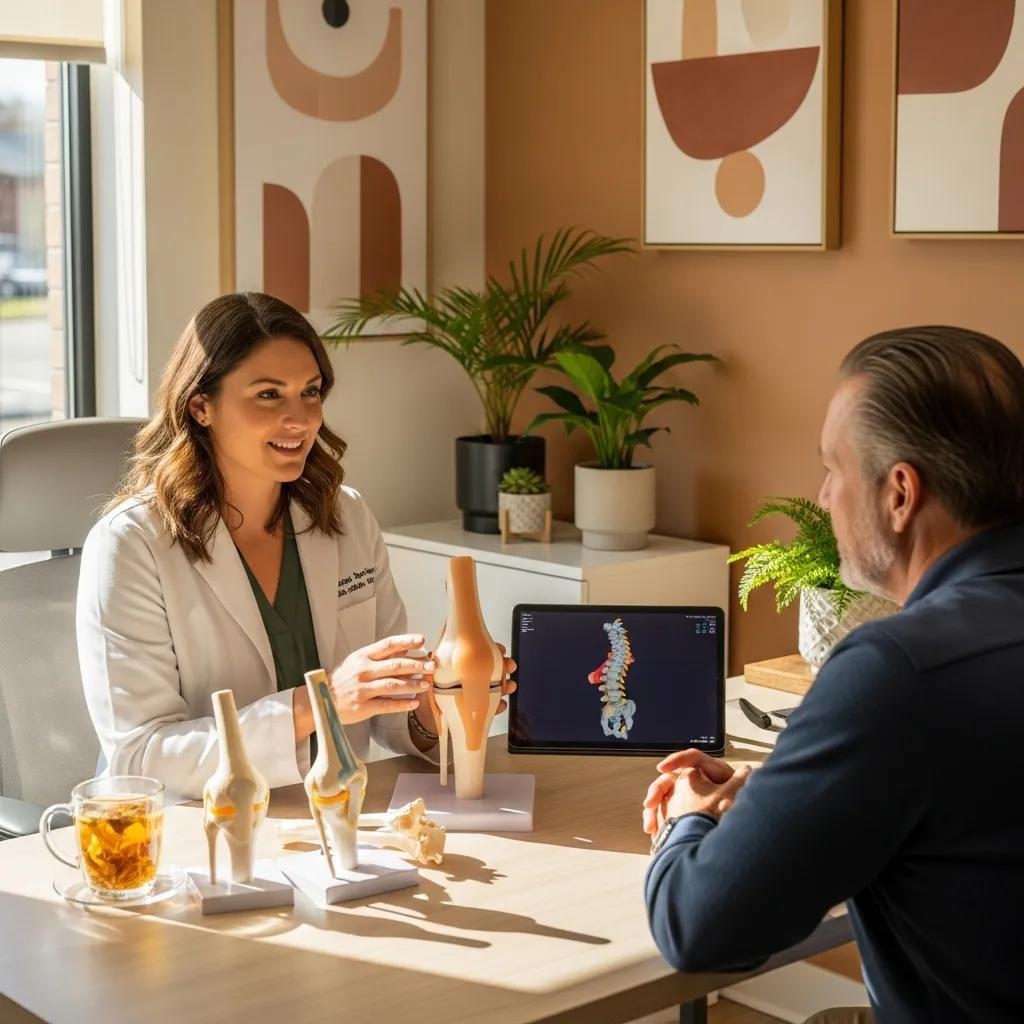
Restoring Joint Health Through Regenerative Osteoarthritis Treatments
Osteoarthritis commonly causes persistent joint pain and reduced function by wearing down cartilage and changing how a joint moves. Regenerative medicine offers non‑surgical options aimed at easing pain while supporting the joint’s natural repair processes. This article breaks down how therapies such as platelet‑rich plasma (PRP), mesenchymal cell concentrates, prolotherapy and prolozone, intra‑articular laser, PEMF, and clinic‑level approaches like TruDOSE work—through anti‑inflammatory effects, growth factors, and cell‑mediated signaling—to improve pain and function. You’ll find a clear summary of osteoarthritis biology, which joints are most often affected, how each regenerative option works, and how lifestyle and functional‑medicine strategies strengthen results. We also outline realistic treatment timelines, summarize recent evidence (2020–2024), and describe practical next steps at Dr. Fred Bloem’s Internal Healing and Wellness MD for patients considering care.
What Is Osteoarthritis and How Does It Cause Joint Pain?
Osteoarthritis is a progressive joint condition marked by loss of articular cartilage, low‑grade inflammation of the joint lining, and changes in the subchondral bone. As cartilage thins, mechanical stress on the joint rises and inflammatory mediators activate pain pathways and nociceptors—producing pain, stiffness, and limited motion. Knowing these mechanisms helps explain why treatments that reduce inflammation, deliver reparative signals, or alter pain processing can relieve symptoms and may slow further degeneration. Below we summarize common symptoms and the joints most often involved to help guide treatment choices and candidacy for regenerative care.
The clinical picture of osteoarthritis is usually predictable, which helps determine when to seek evaluation and which therapies may be most appropriate.
What Are the Causes and Symptoms of Osteoarthritis?
Osteoarthritis results from a mix of mechanical, biological, and systemic drivers that damage cartilage and reshape the joint. Common contributors include long‑term overuse, previous joint injury, age‑related cartilage changes, excess body weight, and genetic predisposition. Metabolic issues and chronic inflammation can accelerate disease. Typical symptoms are joint pain with use or weight bearing, morning stiffness that eases with movement, creaking or grinding (crepitus), swelling, and gradual loss of range of motion. Patterns of symptoms and known risk factors—like obesity or prior injury—help clinicians tailor regenerative or rehabilitative strategies and set realistic expectations for outcomes.
- Common risk factors for osteoarthritis:
Prior joint trauma or surgery.
Excess body weight and mechanical overload.
Repetitive occupational or athletic joint stress.
These are modifiable targets that often improve procedural success when addressed alongside injections or other therapies.
Which Joints Are Commonly Affected by Osteoarthritis?
Osteoarthritis most often affects weight‑bearing and frequently used joints: the knee, hip, spine (lumbar and cervical facets), hand (first carpometacarpal and interphalangeal joints), shoulder, and ankle. Each joint has distinct symptoms and implications for treatment. Knee OA typically causes activity‑related pain and swelling and is very accessible to intra‑articular injections. Hip OA often produces deep groin or buttock pain and may require imaging to weigh non‑surgical versus surgical options. Hand OA limits fine motor tasks and grip, while facet OA in the spine presents as axial back or neck pain and occasionally radiating symptoms. Joint anatomy influences procedure choice and expectations—knee injections are generally straightforward, while hip injections can be technically more challenging.
- Mapping joints to common functional impacts:
Knee: difficulty walking, climbing stairs, squatting.
Hip: altered gait, trouble standing for long periods.
Hand: reduced grip strength and fine movement control.
Understanding which joint is affected helps match regenerative options to the specific problem.
How Do Regenerative Therapies Alleviate Osteoarthritis Pain?
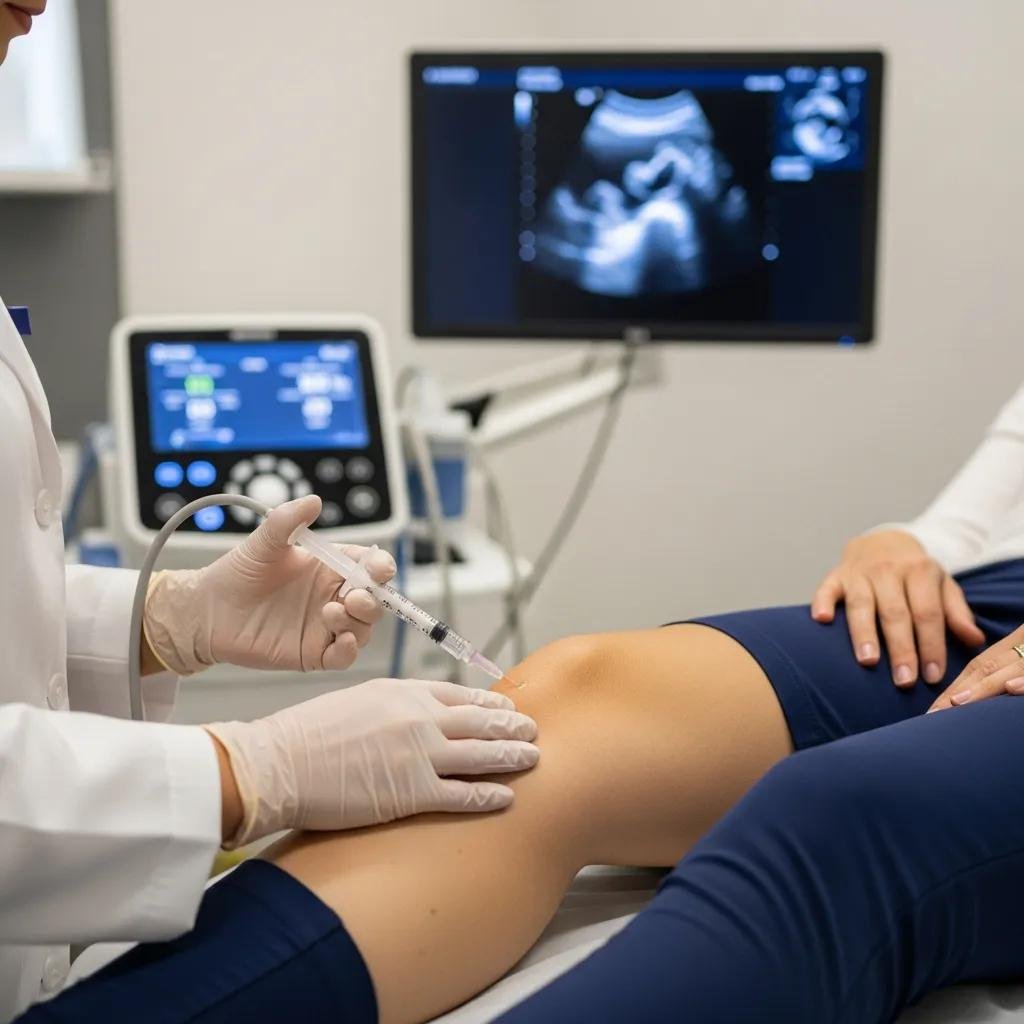
Regenerative therapies reduce osteoarthritis pain through three core actions: calming local inflammation, delivering growth factors or supportive cells that encourage repair, and modifying pain signaling to lower sensitivity. Treatments use concentrated platelets, mesenchymal cell populations, energy‑based modalities (laser, PEMF), or oxygen/ozone approaches to move the joint environment from chronic breakdown toward resolution and healing. Clinical goals are to reduce pain, restore function, and—when possible—preserve joint tissue. Outcomes depend on the chosen therapy, disease stage, and individual patient factors.
Different regenerative options share overlapping biology but act by distinct pathways. The table below outlines common therapies, their mechanisms, and typical clinical aims.
The following table compares common regenerative options on mechanism and typical clinical goals.
| Therapy | Mechanism | Expected Clinical Effect |
|---|---|---|
| Platelet-Rich Plasma (PRP) | Concentrated platelets release growth factors (PDGF, TGF-β, VEGF) and modulate inflammation | Reduced pain, improved function; short‑to‑mid‑term symptom relief |
| Mesenchymal Stem Cell Concentrates (BMAC/adipose) | Paracrine signaling and immunomodulation; trophic support that can encourage repair | Symptom and function gains; potential for structural benefit (evidence evolving) |
| Prolozone / Prolotherapy | Irritant or oxygen/ozone stimulus triggers localized healing and collagen remodeling | Improved joint stability and reduced pain through tissue strengthening |
| Intra-articular Laser | Photobiomodulation decreases inflammation and enhances cellular metabolism | Pain reduction and improved mobility via neuromodulation and less synovitis |
| PEMF (Pulsed Electromagnetic Field) | Pulsed electromagnetic fields influence cell signaling and inflammatory mediators | Symptom modulation and a more favorable healing environment as an adjunct |
Reviewing mechanism alongside expected effects helps patients and clinicians choose therapies that align with individual goals.
What Is Platelet-Rich Plasma Therapy and How Does It Work?
Platelet‑Rich Plasma (PRP) is made from a patient’s own blood that’s centrifuged to concentrate platelets and the growth factors they release. When injected into a joint, PRP delivers signaling molecules that reduce harmful inflammation and support repair processes. Platelets degranulate to release PDGF, TGF‑β, VEGF and other mediators that recruit reparative cells, downregulate catabolic cytokines, and promote a pro‑regenerative environment. In recent meta‑analyses, PRP has shown consistent mid‑term benefits for pain and function in mild‑to‑moderate knee OA, with many patients experiencing peak effects at 3–6 months and benefit lasting up to about 12 months. Differences in preparation, platelet concentration, and injection technique explain some variability in responses.
PRP’s anti‑inflammatory and trophic actions are often compared with cell‑based approaches that rely on different biological activities.
How Does Stem Cell Therapy Support Cartilage Repair in Osteoarthritis?
Stem cell therapies typically use mesenchymal stromal cells (MSCs) from bone marrow aspirate concentrate (BMAC) or adipose tissue. MSCs work largely through paracrine signaling and immunomodulation rather than directly becoming new cartilage. They secrete bioactive factors that dampen inflammation, recruit the body’s own repair cells, and create a trophic environment that supports tissue preservation. The usual clinical flow includes harvest (bone marrow or fat), concentration, and image‑guided intra‑articular injection—often paired with adjunctive measures. Through 2024, evidence shows promising symptom relief and functional improvement, but data on durable cartilage regeneration remain less certain than for symptomatic benefit, so candid conversations about realistic outcomes are important.
- Key considerations for MSC approaches:
Source matters: bone marrow vs adipose yields different cell profiles and processing requirements.
Mechanism: primarily paracrine/trophic support rather than direct tissue replacement.
Evidence: encouraging but heterogeneous; standardization and high‑quality trials are ongoing.
Next, we show how these mechanisms are reflected in clinical offerings at an integrative practice.
Dr. Fred Bloem / Internal Healing and Wellness MD provides a spectrum of regenerative joint therapies that illustrate how these mechanisms translate into care. Offerings include PRP injections to concentrate a patient’s growth factors, stem cell concentrates from bone marrow or adipose tissue to provide paracrine support, TruDOSE as a clinic‑level adjunct to standardize dosing, Prolozone (oxygen/ozone) and dextrose prolotherapy to stimulate local healing responses, and energy‑based options like intra‑articular laser and PEMF to modulate cellular activity and pain pathways. These modalities can be combined into individualized plans based on joint anatomy, disease stage, and patient priorities.
What Are the Benefits and Applications of Prolotherapy and TruDOSE Regenerative Technology?
Prolotherapy and TruDOSE represent two different but complementary strategies. Prolotherapy uses targeted irritant or pro‑oxidative injections to encourage localized repair and strengthen ligaments and periarticular tissues. TruDOSE is a clinic‑branded dosing and delivery approach intended to improve precision and consistency across regenerative protocols. Both aim to reduce pain and improve joint stability while supporting other therapies. Patients with ligamentous laxity, chronic tendinopathy, or persistent instability commonly benefit from prolotherapy, while TruDOSE is used as an adjunct to improve reproducibility when combining biologics and energy modalities.
The table below compares Prolotherapy, TruDOSE, and typical clinic protocols to clarify indications, benefits, and limitations.
| Technology / Approach | Typical Indications | Key Benefits | Limitations |
|---|---|---|---|
| Prolotherapy (dextrose/irritant) | Ligament laxity, chronic tendinopathy, joint instability | Stimulates collagen formation, enhances stability, reduces pain | Requires multiple sessions; response varies by patient |
| Prolozone (oxygen/ozone) | Chronic joint pain, synovitis, tendinopathy | Anti‑inflammatory effect and improved local oxygenation | Evidence moderate; technique and dosing matter |
| TruDOSE Regenerative Technology | Adjunct dosing across regenerative injections | Standardizes delivery; may reduce procedural variability | Clinic‑branded; independent, high‑quality trials are limited |
Below we describe how prolotherapy works in practice and where TruDOSE fits into a treatment plan.
How Does Prolotherapy Promote Natural Joint Healing?
Prolotherapy works by creating a controlled, localized healing response—using hyperosmolar dextrose or pro‑oxidative ozone—that activates fibroblasts and encourages new collagen deposition in ligaments and surrounding tissues. Treatments are given in a series, spaced weeks apart, to progressively strengthen connective tissues, reduce micro‑instability, and lower pain from overloaded joint structures. Clinical improvement is usually gradual over months; selecting patients with ligamentous looseness or tendinopathy improves the chance of success. When performed by trained clinicians, prolotherapy is generally well tolerated, though brief soreness and swelling are common after injections.
- Practical summary:
Mechanism: targeted inflammation → collagen remodeling and tissue strengthening.
Course: multiple sessions typically over 8–16 weeks.
Outcome: progressive stability and improved function.
What Is TruDOSE Regenerative Technology and Its Role in Joint Repair?
TruDOSE Regenerative Technology is a practice‑level approach or device workflow designed to standardize the dosing and delivery of regenerative payloads—helping clinicians maintain consistent volumes, concentrations, or energy parameters across sessions. Standardization can reduce variability when combining biologics, energy modalities, or adjuncts like PRP, MSC concentrates, or prolozone. In clinical use, TruDOSE functions as an adjunct to improve the delivery phase of regenerative care and is paired with rehab and lifestyle optimization. Patients should discuss TruDOSE’s intended benefits, how it fits into their plan, and the supporting evidence with their clinician.
- Key points for patients:
TruDOSE is an adjunctive, clinic‑specific delivery method.
It complements other regenerative therapies rather than replacing them.
Consider its role alongside standard clinical evidence when making decisions.
How Can Holistic and Non-Surgical Approaches Complement Regenerative Treatments?

Non‑surgical strategies—exercise, weight management, targeted nutrition, physical therapy, and functional medicine—create the systemic and local conditions that let regenerative therapies work better. Rehabilitation restores joint mechanics and muscle support, weight loss lowers joint load, and anti‑inflammatory nutrition plus good sleep reduce systemic inflammation that can impede healing. Functional medicine looks for root causes—metabolic, hormonal, or gut‑related issues—and applies personalized interventions so tissues are more receptive to regenerative signals. Combining these measures with procedural care increases the chance of durable improvement.
- High‑impact non‑surgical strategies:
Structured physical therapy focused on strength and neuromuscular control.
Weight management to reduce joint load and metabolic inflammation.
Anti‑inflammatory nutrition and sleep hygiene to support systemic healing.
These baseline measures prepare patients to get the most from regenerative procedures and reduce the risk of recurrence.
What Lifestyle Modifications Support Osteoarthritis Management?
Practical lifestyle changes reliably reduce symptoms and improve function by addressing mechanical, metabolic, and inflammatory drivers of joint degeneration. Regular low‑impact aerobic activity (walking, cycling, swimming) combined with progressive resistance training strengthens the muscles around the joint and improves load distribution. Even modest weight loss markedly reduces forces across the knee. An anti‑inflammatory eating pattern—whole foods, omega‑3 fats, and fewer ultra‑processed items—can lower systemic inflammation. Good sleep, smoking cessation, and ergonomic adjustments at work further support recovery and pain control.
- Practical lifestyle checklist:
Commit to consistent, joint‑safe aerobic and strength training.
Pursue gradual weight reduction when indicated.
Adopt anti‑inflammatory nutrition and prioritize restorative sleep.
These changes form the foundation that makes regenerative procedures more effective and longer lasting.
How Does Functional Medicine Enhance Joint Health and Pain Relief?
Functional medicine improves joint health by identifying and treating systemic contributors—metabolic syndrome, insulin resistance, chronic low‑grade inflammation, micronutrient gaps, gut imbalances, and hormonal issues—that can block repair and sustain pain. Evaluations often include metabolic panels, inflammatory markers, nutrient status checks, and an environmental exposure review. Interventions use targeted diet plans, supplements, hormone optimization when appropriate, and gut‑health strategies to lower inflammatory burden. Addressing these root causes increases tissue receptivity to regenerative treatments and supports longer‑term gains in pain and function.
- Integration workflow:
Pre‑procedure optimization of metabolic and inflammatory status.
Post‑procedure nutritional and hormonal support to sustain repair.
Ongoing monitoring to reduce the chance of recurrence.
With systemic contributors addressed, patients typically experience a clearer, more predictable procedural journey.
What Should Patients Expect During Their Regenerative Treatment Journey?
Expect a staged pathway that begins with a thorough evaluation and continues through follow‑up and rehabilitation. Typical phases include consultation and assessment, individualized treatment planning, procedure day, post‑procedural care, and outcome monitoring. During consultation we review goals, imaging, and medical history to assess candidacy and discuss benefits, limits, and alternatives. Most procedures are outpatient, performed with local anesthesia or minimal sedation. Recovery commonly involves brief activity modification, symptom monitoring, and a structured rehab plan. Timelines vary by therapy—PRP often shows improvement within weeks with peak effects around a few months, while stem‑cell–based effects can evolve over several months—so realistic expectations and scheduled follow‑up are essential.
Below is a concise, checklist‑style summary of the typical patient journey.
- Consultation and candidacy evaluation, including imaging review and shared planning.
- Pre‑procedure optimization (exercise, metabolic adjustments, medication review).
- Procedure day: harvest/collection when needed, bedside processing, and image‑guided injection or therapy delivery.
- Recovery and rehabilitation: activity modification, guided physical therapy, and symptom management.
- Follow‑up visits at defined intervals to track pain, function, and plan any additional care.
This structured pathway sets clear expectations; the next sections summarize typical procedure details and clinic workflow.
What Is the Typical Procedure and Recovery Process for PRP and Stem Cell Therapies?
PRP and stem cell procedures generally follow a stepwise routine: harvest (blood draw for PRP or bone‑marrow/adipose collection for MSC concentrates), bedside processing and concentration, sterile preparation, then image‑guided intra‑articular injection under local anesthesia. Total time ranges from about 30 to 90 minutes depending on harvest complexity. After the procedure patients commonly experience transient soreness, mild swelling, or a temporary rise in pain for 24–72 hours. We typically advise avoiding high‑impact activities for several weeks and starting a supervised rehab program to support tissue adaptation. Most people notice gradual improvement over 4–12 weeks with PRP; cell‑based responses can continue to develop beyond that. Follow‑up visits help track progress and plan any needed adjuncts.
- Recovery guidance summary:
Expect local soreness and possible brief swelling after injections.
Begin progressive, supervised rehabilitation as recommended.
Keep scheduled follow‑ups to assess response and next steps.
How Does Dr. Fred Bloem’s Holistic Approach Personalize Osteoarthritis Care?
At Internal Healing and Wellness MD, Dr. Fred Bloem emphasizes longer visits, in‑depth root‑cause evaluation, and individualized protocols that blend regenerative procedures with functional medicine and lifestyle support. Initial visits review your history, imaging, and metabolic and inflammatory contributors so we can match therapies to your goals and disease stage. Plans often sequence PRP, MSC concentrates, or prolotherapy with adjuncts such as PEMF, intra‑articular laser, or TruDOSE, and always include rehabilitation and nutritional optimization. Education and shared decision‑making are central—patients leave with a clear timeline, self‑care steps, and return‑visit plans.
- Practical intake checklist for patients:
Bring prior imaging and a list of current medications and supplements.
Be prepared for a longer initial visit focused on personalized planning.
Expect collaborative care that combines procedures with lifestyle and rehab.
If you’re ready to explore care, request a consultation to review options and timelines tailored to your situation.
What Evidence Supports the Safety and Effectiveness of Regenerative Treatments for Osteoarthritis?
Research through 2024 paints a nuanced picture. PRP has the most consistent evidence for symptom benefit in mild‑to‑moderate knee OA over short‑to‑mid‑term follow‑up. Stem cell therapies are promising but show greater trial heterogeneity and lower certainty for durable structural change. Energy‑based options (laser, PEMF) and prolotherapy have physiologic rationale and supportive trials, but study quality and protocols vary. Differences in preparation, dosing, patient selection, and outcomes make direct comparisons challenging. The table below summarizes representative study types and key findings to help interpret the literature when making shared decisions.
| Study / Reference | Population & Intervention | Primary Outcome | Level of Evidence / Notes |
|---|---|---|---|
| PRP meta-analysis (2020–2024) | Mild–moderate knee OA; PRP vs HA/placebo | Superior pain and function up to ~12 months | Moderate certainty; variability in PRP preparation |
| MSC systematic review (2021–2024) | BMAC/adipose MSCs for knee OA | Symptom improvement; cartilage results mixed | Low–moderate certainty; need for standardized protocols |
| Prolotherapy trials (RCTs) | Chronic joint pain and tendinopathy | Improved pain and function versus baseline | Small trials; modest to moderate effects |
| PEMF / Laser studies | Adjunctive energy therapies | Short‑term pain relief and functional gains | Protocol variability; supportive but limited high‑quality RCTs |
In short: PRP currently shows the most consistent symptomatic evidence, while cell therapies remain promising but require higher‑quality, standardized trials to make firm long‑term claims.
What Do Recent Studies Reveal About PRP and Stem Cell Therapy Outcomes?
Recent meta‑analyses and reviews show that PRP often produces meaningful improvements in pain and function for mild‑to‑moderate knee OA, frequently outperforming hyaluronic acid and corticosteroids over mid‑term follow‑up up to about 12 months. Stem cell studies report symptomatic gains and occasional imaging signals suggesting structural benefit, but heterogeneity in cell processing and limited long‑term randomized data mean conclusions remain cautious. Interpreting these studies requires attention to how biologics were prepared, the comparators used, patient selection, and standardized outcome measures. Regenerative therapies are best viewed as part of a continuum of care that, in selected patients, may delay or reduce the need for invasive procedures.
- Evidence takeaways:
PRP: moderate certainty for symptomatic benefit in knee OA.
MSCs: promising but lower certainty; ongoing trials through 2024 seek clarity.
Adjuncts: energy modalities and prolotherapy show supportive but less definitive data.
Next, we compare regenerative approaches with conventional treatments to help frame patient choices.
How Do Regenerative Therapies Compare to Traditional Osteoarthritis Treatments?
Regenerative therapies differ from conventional options in mechanism, onset, duration, and risk profile. NSAIDs and corticosteroid injections often give quick symptom relief but do not promote tissue repair and carry systemic risks with long‑term use. Hyaluronic acid aims to improve lubrication with variable efficacy. Surgery (arthroplasty) reliably restores function in end‑stage disease but is invasive. Regenerative approaches target inflammation and repair with generally favorable safety profiles and potential to postpone surgery, but evidence strength varies and multiple sessions plus rehabilitation are commonly needed. Shared decision‑making should weigh disease severity, patient goals, comorbidities, and readiness to engage in lifestyle changes that influence outcomes.
- Comparison highlights:
Onset: corticosteroids act quickly; PRP and energy therapies have a more gradual onset.
Duration: PRP effects often last months; stem cell durability is still under study.
Safety: regenerative options have low systemic risk but do carry procedure‑related effects.
These practical contrasts support individualized planning and realistic expectation setting for patients considering regenerative care.
If you’re interested in an integrative, evidence‑informed approach, Dr. Fred Bloem / Internal Healing and Wellness MD offers consultations to review candidacy, explain options, and design tailored protocols that combine procedural therapies with functional medicine and rehabilitation. To explore next steps and schedule an appointment, contact the clinic through its practice channels and review provider details on the clinic’s verified online listing.
- Clarify your goals before the visit so we can align the treatment plan to what matters most to you.
- Bring prior imaging and medication lists to the consultation to streamline assessment and planning.
- Expect a personalized plan that combines procedures, rehabilitation, and lifestyle strategies.
This practical close outlines actionable next steps for patients ready to pursue regenerative, whole‑person osteoarthritis care.
Frequently Asked Questions
What lifestyle changes can help manage osteoarthritis symptoms?
Managing osteoarthritis starts with practical lifestyle actions. Regular low‑impact activity—walking, cycling, swimming—builds strength and flexibility around the joint. Even modest weight loss substantially reduces load on weight‑bearing joints. An anti‑inflammatory diet rich in whole foods and omega‑3s, along with good sleep and smoking cessation, lowers systemic inflammation and supports healing. These changes complement any procedural treatments and improve long‑term outcomes.
How long does it typically take to see results from regenerative therapies?
Timelines vary by treatment and patient. PRP recipients often notice improvements within a few weeks, with peak effects around 3–6 months and benefits lasting up to about a year for many people. Stem cell therapies can take longer, with improvements unfolding over several months. Individual factors—disease stage, joint involved, and concurrent rehab—affect timing, so we recommend realistic pacing and regular follow‑up to assess progress.
Are there any risks associated with regenerative treatments for osteoarthritis?
Regenerative treatments are generally well tolerated but not risk‑free. Common short‑term effects include soreness, mild swelling, or temporary increased pain at the injection site. Rare but important risks include infection or adverse reactions. A thorough medical review and informed consent help ensure appropriate candidacy and minimize risk.
Can regenerative therapies be combined with other treatments?
Yes. Regenerative therapies are often most effective when integrated with physical therapy, lifestyle modifications, and nutritional support. Combining procedural care with rehab and metabolic optimization creates a supportive environment for tissue repair and improves the chance of durable benefit. Work with your clinician to build a coordinated, evidence‑based plan.
What should patients do to prepare for a regenerative therapy session?
Preparation usually begins with a comprehensive consultation to review history, medications, and imaging. Bring prior scans and a current medication/supplement list. You may be advised to avoid NSAIDs for a short window before the procedure to maximize biologic effect. Follow any pre‑procedure instructions from your provider to ensure the best possible outcome.
How do I know if I am a good candidate for regenerative therapies?
Candidacy is determined through a thorough evaluation of disease severity, overall health, prior treatments, and treatment goals. Patients with mild‑to‑moderate osteoarthritis who haven’t had adequate relief from conservative care are often good candidates—especially when they’re willing to engage in rehab and lifestyle changes. A clinical assessment will clarify the most appropriate options for your situation.
Conclusion
Regenerative treatments for osteoarthritis offer a promising, patient‑centered path to relieve pain and support joint health by addressing inflammation and encouraging repair. When combined with lifestyle changes, rehabilitation, and functional‑medicine optimization, these therapies can deliver more meaningful and durable results. If you’re ready to explore personalized options for your joint health, schedule a consultation with our team—together we’ll design a plan that fits your goals and lifestyle.