Regenerative Joint Therapy Near Chevy Chase, MD: Personalized, Effective Relief for Joint Pain
Regenerative joint therapy uses biologically based treatments to ease pain, restore movement, and encourage tissue repair in joints affected by injury or wear. For people near Chevy Chase, MD struggling with chronic knee, shoulder, or tendon problems, orthobiologics like platelet-rich plasma (PRP), stem cell–based approaches, and Prolozone offer promising non‑surgical options. This guide lays out how those therapies work, which conditions tend to respond best, and what you can expect from initial evaluation through recovery. You’ll find evidence‑based explanations of mechanisms, a clear walk‑through of common procedures, typical timelines for improvement, and ways holistic care and adjunct therapies can extend results. We also summarize the local treatment landscape and explain how Dr. Fred Bloem and Internal Healing and Wellness MD personalize protocols to support meaningful outcomes. The sections below cover definitions and mechanisms, available therapies, candidacy criteria, the clinic’s integrative approach, the patient journey, and practical access and scheduling information for regenerative joint therapy near Chevy Chase.
What Is Regenerative Joint Therapy and How Does It Work?
Regenerative joint therapy groups biologically focused treatments that encourage tissue repair and calm inflammation by delivering healing cells, growth factors, or bioelectric stimulation directly to injured joints. These therapies change the local environment: PRP concentrates platelets and growth factors, stem cell methods provide reparative cells and paracrine signals, and Prolozone increases local oxygenation while reducing inflammatory mediators. The goal is both structural support and symptom relief, often delaying or avoiding surgery—especially for early‑to‑moderate osteoarthritis and chronic soft‑tissue injuries. Research through 2024 shows growing clinical support for symptom reduction and functional gains in selected patients when treatments are performed with imaging guidance and paired with rehabilitation. Understanding how each approach works helps you choose the best option and sets realistic expectations for recovery and follow‑up care.
How Do PRP, Stem Cell, and Prolozone Therapies Promote Joint Healing?
PRP works by concentrating your own platelets and releasing growth factors that modulate inflammation and stimulate tissue repair. Injected into tendons, ligaments, or joint spaces, those platelet‑derived signals recruit local cells and support matrix remodeling—often translating into less pain and better mobility within weeks. Stem cell treatments, typically using the patient’s own cells, act mainly through paracrine signaling: the cells release growth factors and cytokines that reduce inflammation and support native repair, sometimes contributing to longer‑term stabilization. Prolozone uses controlled oxygen‑ozone mixtures injected into injured ligaments or joints to boost local oxygenation, reduce oxidative stress, and break chronic inflammatory cycles; many clinical reports note symptom relief and functional improvement. Because these therapies act differently, combining or sequencing them can sometimes produce stronger results than a single modality alone.
What Conditions Can Be Treated with Regenerative Joint Therapies Near Chevy Chase?
Regenerative approaches are commonly used for degenerative and overuse joint conditions to relieve pain and restore function while delaying surgery. Typical indications include knee osteoarthritis—where PRP can ease symptoms and improve activity tolerance—rotator cuff tendinopathy and shoulder osteoarthritis, lateral epicondylitis and other chronic tendon injuries that benefit from concentrated growth factors, and certain ligament sprains or focal cartilage defects where stem cell strategies may be appropriate. Sports‑related soft‑tissue injuries and persistent joint pain that hasn’t responded to conservative care are frequent candidates for orthobiologic interventions. Choice of treatment depends on severity, imaging, patient goals, and overall health.
Which Regenerative Joint Therapies Are Available Near Chevy Chase, MD?
Near Chevy Chase, regenerative joint therapy options include orthobiologics and adjunct technologies that target inflammation, cellular repair, and bioelectric tissue stimulation. Common modalities are PRP injections, stem cell–based procedures, Prolozone injections, intra‑articular laser therapy, pulsed electromagnetic field therapy (PEMF), and delivery platforms like TruDOSE that improve dosing precision. Each approach has a different mechanism and evidence profile; the right selection depends on the joint problem, prior treatments, and patient preferences.
Below is a concise comparison to help you differentiate options and match therapies to likely benefits and indications.
Different therapies available nearby and what they do.
| Therapy | Mechanism | Typical Benefit / Indication |
|---|---|---|
| Platelet-Rich Plasma (PRP) | Concentrated autologous platelets release growth factors | Reduces inflammation and supports tendon or cartilage repair; commonly used for early OA and tendinopathies |
| Stem Cell Therapy | Autologous reparative cells and paracrine signaling | Supports tissue repair and matrix modulation for focal cartilage defects and chronic degeneration |
| Prolozone Therapy | Local oxygen‑ozone delivery increases oxygenation and reduces inflammation | Pain reduction and strengthening of ligaments/tendons in chronic injuries |
| Intra-articular Laser | Low‑level laser stimulates cellular metabolism and reduces pain | Short‑term pain relief and enhanced tissue recovery |
| PEMF (Pulsed Electromagnetic Field) | Bioelectromagnetic modulation of cellular repair processes | Pain relief, lowered inflammation, and faster recovery when used with injections |
| TruDOSE Regenerative Technology | Precision delivery platform for orthobiologics dosing | Improves targeting and dosing consistency for regenerative injections |
What Are the Benefits and Process of PRP Therapy for Joint Pain?

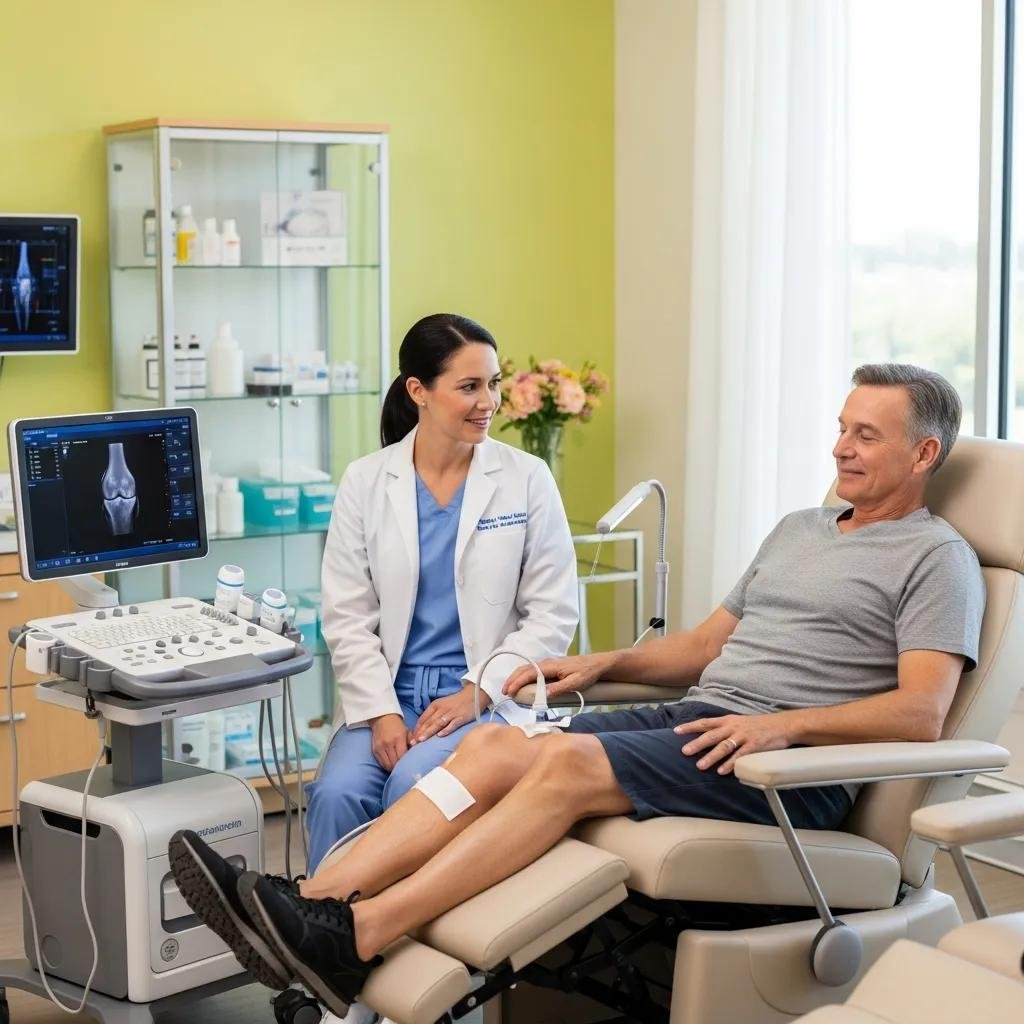
PRP therapy is minimally invasive: we concentrate a patient’s own platelets and inject them into injured tendons, ligaments, or joint spaces to encourage healing and reduce pain. The outpatient process is straightforward and evidence‑aligned, and many patients see symptom improvement within weeks, with strength and function continuing to improve over months. Careful patient selection, ultrasound guidance for accurate placement, and a structured rehabilitation plan all improve outcomes and may delay the need for surgery.
PRP procedure steps and immediate expectations are:
- Blood draw and collection: A small blood sample is taken under sterile technique.
- Centrifugation and concentration: The sample is spun to concentrate platelets and separate red cells.
- Injection under guidance: Concentrated PRP is placed into the target tissue using ultrasound or fluoroscopy for precision.
- Rehabilitation and follow-up: A brief rest period is followed by a staged rehab program to support tissue remodeling.
Aftercare generally includes short activity modifications and a gradual return to strength work; many patients notice pain reduction in 4–12 weeks. Recent randomized trials through 2024 support PRP’s benefit for select tendon injuries and early osteoarthritis, though outcomes depend on preparation method and technique.
How Does Stem Cell Therapy Support Joint Repair and Function?
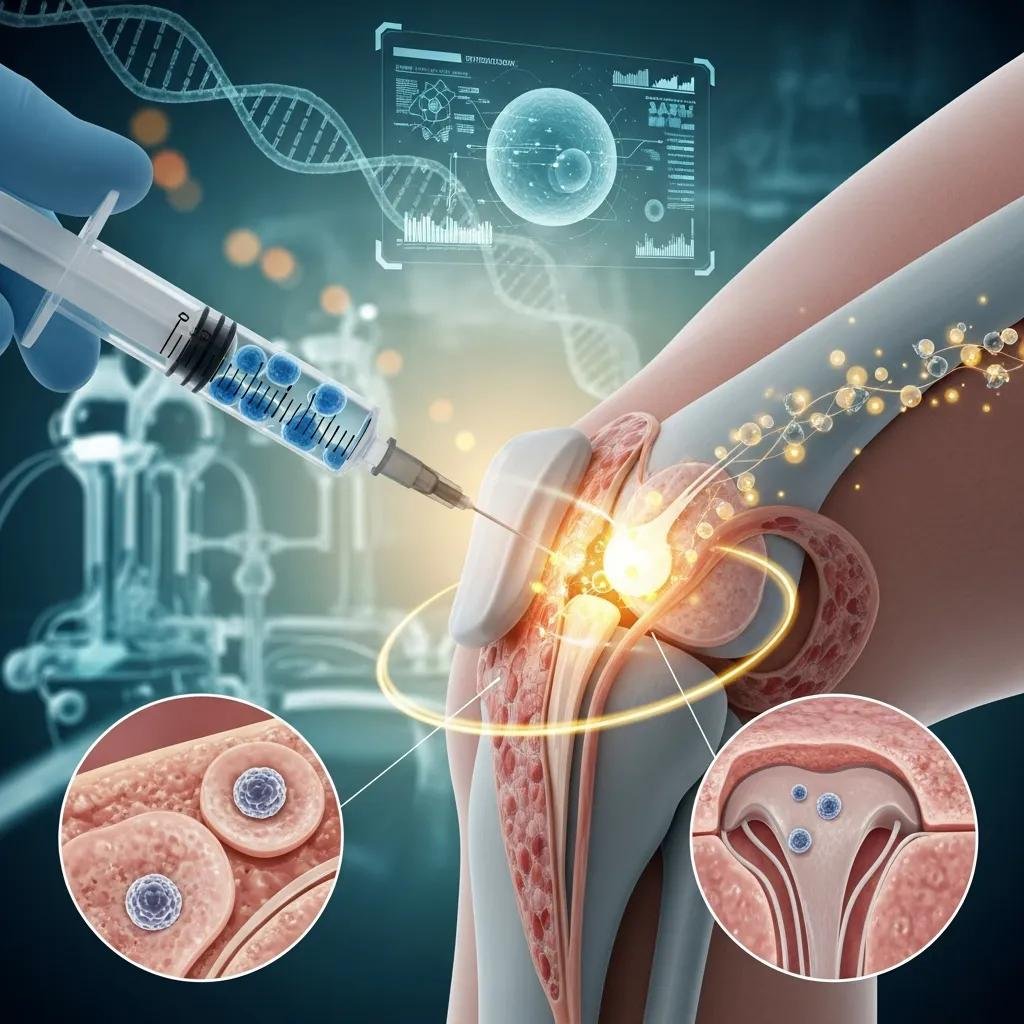
Stem cell therapy for joints typically uses the patient’s own cells to deliver reparative signals and, in some cases, progenitor cells that assist tissue restoration. Much of the effect is paracrine: injected cells secrete growth factors and cytokines that recruit native repair pathways, tone down catabolic processes, and create a more favorable healing environment. Indications commonly include focal cartilage defects, degenerative joint changes, and chronic tendon injuries when conventional care has been insufficient or surgery is not the preferred option. Safety relies on autologous sources, sterile technique, and realistic expectations; benefits often take several months to appear and can be enhanced with staged or adjunctive therapies. When delivered by experienced providers and paired with appropriate rehabilitation, stem cell approaches show promise for symptom relief and functional gain.
Who Is a Candidate for Regenerative Joint Therapy in Chevy Chase?
Whether you’re a good candidate depends on the specific problem, overall health, and your treatment goals. Ideal candidates seek meaningful pain relief and improved function while avoiding or delaying surgery. Typical candidates include adults with early‑to‑moderate osteoarthritis, active people or athletes with chronic tendinopathies, and patients with localized cartilage defects or ligament issues that haven’t resolved with conservative care. Contraindications include active systemic infection, certain blood disorders, and uncontrolled medical conditions—these require specialist clearance. A personalized assessment—history, exam, imaging, and sometimes labs—determines the best orthobiologic for each case.
To help you quickly assess eligibility, consider this checklist:
- Suitable candidate: Early‑to‑moderate osteoarthritis or chronic tendon/ligament injury and a preference for non‑surgical repair.
- Possibly suitable: Focal cartilage defects or recurrent soft‑tissue injuries with realistic expectations for gradual improvement.
- Not suitable: Active infection, uncontrolled systemic disease, or bleeding disorders that increase procedural risk.
What Joint Pain Conditions Qualify for PRP and Stem Cell Treatments?
PRP and stem cell therapies address a range of musculoskeletal problems where biological modulation can restore tissue balance and function. PRP is often chosen for tendon‑driven issues—like tennis elbow and Achilles tendinopathy—and for early knee osteoarthritis to reduce inflammation and support matrix repair. Stem cell strategies are considered for focal cartilage lesions, moderate degenerative joint disease, and complex tendon or ligament injuries that may benefit from enhanced regenerative signaling. The final treatment plan depends on lesion type, prior interventions, and your functional goals; combined or sequential approaches are common when single treatments provide partial relief.
Are There Any Contraindications or Risks Associated with Prolozone Therapy?
Prolozone is generally well tolerated, but like any injection‑based therapy it carries considerations and rare risks you should know. Common, mild effects include temporary soreness, brief swelling, or a short flare of pain at the injection site—usually resolving in a few days. Serious complications are uncommon when sterile technique and proper anatomical placement are used, but risks can include local infection or nerve irritation; careful patient screening and technique reduce these possibilities. Pregnancy or certain systemic illnesses warrant a specialist discussion before proceeding.
How Does Dr. Fred Bloem’s Holistic Approach Enhance Joint Therapy Outcomes?
Dr. Fred Bloem and the team at Internal Healing and Wellness MD take a root‑cause, integrative approach that pairs regenerative procedures with functional medicine, lifestyle optimization, and targeted adjunct therapies to improve outcomes and durability. We begin with a comprehensive intake and longer visits to uncover metabolic, hormonal, nutritional, and lifestyle contributors to joint degeneration and impaired healing. By addressing systemic inflammation, weight management, and biomechanical loading alongside orthobiologic injections, the clinic creates an internal environment more conducive to repair and lowers the chance of recurrence. Adjuncts such as PEMF, IV support, or detoxification protocols are used selectively to support recovery and complement the biological impact of injections.
The clinic’s personalized protocols typically follow a coordinated pathway combining procedural expertise with supportive care and monitoring—setting the stage for the tailored treatment plans described next.
What Personalized Treatment Plans Does Internal Healing and Wellness MD Offer?
Internal Healing and Wellness MD builds individualized plans that begin with a thorough assessment and progress to multimodal therapy tailored to each patient. After intake and diagnostic review, we select targeted orthobiologics—PRP, stem cell approaches, Prolozone, or adjunctive laser and PEMF—and design a staged rehabilitation program. Follow‑up and maintenance strategies are built in to track outcomes and adjust care, with emphasis on measures that support tissue health such as nutrition and physical therapy. Patients are invited to discuss goals and receive clear recommendations that align regenerative procedures with broader functional medicine strategies.
How Does Functional Medicine Support Long-Term Joint Health?
Functional medicine supports regenerative procedures by addressing systemic drivers of inflammation and tissue breakdown—diet, metabolic dysfunction, hormonal imbalance, and micronutrient gaps—that can blunt healing. Practical interventions include anti‑inflammatory nutrition and weight management to reduce joint load, targeted supplements to support cartilage and soft tissue, and personalized exercise plans to rebuild strength and proprioception. Ongoing monitoring lets clinicians spot relapse or new stressors early and deploy maintenance therapies, helping preserve gains over months and years. Coordinating injections with lifestyle and biochemical optimization increases the chance of lasting functional improvement.
What Should Patients Expect During and After Regenerative Joint Therapy?
Expect a multi‑step journey that starts with evaluation and informed decision‑making, moves through a minimally invasive procedure performed with imaging guidance, and continues with staged rehabilitation to maximize biological repair. The procedure day typically includes brief preparation, local anesthesia, and a targeted injection; most patients go home the same day with clear activity guidance and follow‑up plans. Short‑term effects often include localized soreness and a brief activity restriction, while meaningful improvements in pain and function usually emerge over the following weeks to months. Clear communication, appropriate adjunctive therapies, and progressive physical rehab are central to achieving durable results.
The typical patient journey is summarized in the table below to clarify stages, common actions, and expected timelines.
A scannable patient journey table detailing stages and outcomes.
| Stage | Typical Procedure/Action | Expected Timeline / Outcome |
|---|---|---|
| Consultation & Assessment | History, exam, imaging, and lab review as needed | Decision on candidacy and individualized plan within 1–2 visits |
| Procedure Day | Targeted injection with ultrasound/fluoroscopic guidance | Immediate brief recovery; mild soreness common |
| Early Recovery | Activity modification and pain control | Symptom stabilization in 2–6 weeks |
| Rehabilitation & Adjuncts | Physical therapy, PEMF, nutrition support | Functional gains over 6–12 weeks |
| Follow-up & Maintenance | Outcome tracking and possible repeat/booster treatments | Durable improvement months to years depending on condition |
What Is the Typical Patient Journey from Consultation to Recovery?
The pathway starts with a focused consultation that reviews symptoms, past treatments, imaging, and your goals so we can develop a personalized plan. If you’re a candidate, we schedule the procedure and provide pre‑procedure instructions and any required labs or imaging. On procedure day, injections are performed under sterile conditions with imaging guidance, followed by a recovery plan that limits certain activities and introduces phased rehabilitation. Follow‑up visits let us evaluate progress, tweak adjunctive therapies, and decide whether additional injections or maintenance strategies are needed to sustain benefits.
How Long Do the Benefits of PRP, Stem Cell, and Prolozone Therapies Last?
Benefit duration depends on the therapy, condition severity, and individual factors, but general patterns emerge from current evidence: PRP often gives symptom relief lasting months to more than a year for tendinopathies and early osteoarthritis; stem cell approaches can offer longer‑term structural and symptomatic gains for some patients, sometimes lasting a year or longer; Prolozone may provide meaningful pain reduction for months and often works well alongside other regenerative treatments. Maintenance through lifestyle changes and periodic booster treatments can extend functional gains. Because outcomes vary widely, we discuss ranges rather than promises during consultation.
How Can Patients Access Regenerative Joint Therapy Services Near Chevy Chase?
To access regenerative joint therapy near Chevy Chase, choose an experienced provider, schedule a consultation, and prepare for a coordinated plan that addresses both local tissue repair and systemic healing factors. Costs vary by therapy type, number of sessions, imaging guidance, and adjunct services; many regenerative procedures are paid out‑of‑pocket or require benefit verification with insurers. Bring recent imaging, your medication list, and questions about candidacy, recovery, and timelines to your first visit. If you’d like a personalized consultation with Dr. Fred Bloem at Internal Healing and Wellness MD, the clinic’s website and local business listings provide appointment request options and practice details.
Below is practical guidance on common cost and access questions to help you plan.
- Cost variability: Regenerative medicine costs vary widely based on therapy, imaging, and number of sessions—ask for an individualized estimate.
- Insurance patterns: Many orthobiologic procedures have limited insurance coverage; verify benefits and prior authorization rules with your payer.
- Payment planning: Discuss payment options, financing, and whether staged treatment can help spread costs.
What Are the Costs and Insurance Options for Regenerative Medicine Treatments?
Costs depend on the specific therapy, procedural complexity, imaging guidance, and whether adjunct services are included. Because of that variability, individualized estimates are more useful than broad ranges. Many insurance plans offer limited or no coverage for orthobiologic injections—especially for elective or investigational indications—so patients often pay out‑of‑pocket or seek preauthorization for partial coverage. We recommend discussing financial arrangements, expected number of sessions, and potential packages during consultation. Verify benefits with your insurer and ask providers about payment plans or phased treatment options to manage expenses.
How to Schedule a Consultation with Dr. Fred Bloem at Internal Healing and Wellness MD?
To schedule a consultation, prepare relevant medical records and imaging and request an appointment via the clinic’s listed booking channels or local business listing, noting your joint concern and treatment goals. During booking, provide a concise symptom history, prior treatments, and any recent imaging to help triage and planning. Expect the first visit to include an extended intake, a focused musculoskeletal exam, and a discussion of regenerative options and supportive protocols tailored to you. Bring questions about candidacy, timelines, and aftercare so we can make a shared, informed decision.
For patients near Chevy Chase seeking regenerative joint care, a consultation with Dr. Fred Bloem and the Internal Healing and Wellness MD team offers a personalized path that combines orthobiologics with integrative functional medicine to support lasting joint health.
Frequently Asked Questions
What is the recovery timeline after regenerative joint therapy?
Recovery varies by treatment and individual factors. Most patients experience brief soreness for a few days, with notable pain and function improvements typically appearing within 4 to 12 weeks. Full benefits may continue to develop over several months as biological repair progresses. Regular follow‑up appointments help monitor recovery and guide adjustments to rehabilitation.
Are there any lifestyle changes recommended after treatment?
Yes. Lifestyle changes boost the effectiveness of regenerative therapy. We commonly recommend an anti‑inflammatory diet, weight management to reduce joint load, and tailored exercise to restore strength and mobility. Avoiding high‑impact activities during early recovery is important. Your personalized rehab plan will include specific lifestyle and activity recommendations.
How do I know if I am a good candidate for regenerative joint therapy?
Candidacy is determined through a thorough clinical evaluation. Ideal candidates often have early‑to‑moderate osteoarthritis, chronic tendon injuries, or localized cartilage defects and prefer non‑surgical options. We consider overall health, imaging findings, and treatment goals to ensure the chosen therapy fits your needs and expectations.
What should I bring to my initial consultation?
Bring relevant medical records, recent imaging (X‑rays or MRIs), a list of current medications, and a brief history of symptoms and prior treatments. Prepare any questions you have about options, risks, recovery timelines, and costs—this helps us make the most of your visit and build a tailored plan.
Can regenerative joint therapy be combined with other treatments?
Yes. Combining regenerative injections with physical therapy, nutritional support, and adjunctive options like PEMF or laser therapy often improves outcomes. A multimodal plan addresses both the local joint problem and systemic factors that affect healing. Discuss combinations with your provider to create a comprehensive strategy.
What are the long-term effects of regenerative joint therapy?
Long‑term effects vary by individual and treatment. Many patients report sustained pain relief and improved function for months to years after therapy, though some may need booster injections or additional care to maintain benefits. Ongoing lifestyle changes and rehabilitation play a major role in preserving long‑term joint health.
Conclusion
Regenerative joint therapy offers a practical, biologically based path to reduce joint pain and improve mobility using treatments such as PRP, stem cell therapy, and Prolozone. Understanding how these options work helps you make informed choices that match your goals. If you’d like personalized care, a consultation with Dr. Fred Bloem at Internal Healing and Wellness MD can clarify candidacy and create a tailored plan that combines orthobiologics with integrative functional medicine. Take the first step toward better joint health—start by scheduling a consultation to explore your options.