
Regenerative Joint Therapy in Bethesda, MD: Effective Non-Surgical Pain Relief and Healing
Regenerative joint therapy in Bethesda uses biologic treatments—most commonly platelet-rich plasma (PRP) and autologous stem cell approaches—to reduce pain and encourage tissue repair without surgery. This guide explains how these therapies work, which joint problems respond best, and what to expect from PRP and stem cell procedures. Many people with chronic joint pain seek non-surgical relief to avoid long recoveries and preserve mobility; regenerative options can meet that need by harnessing the body’s own healing signals. You’ll find clear explanations of mechanisms, a summary of the evidence, how procedures are performed, and practical information on candidacy and recovery timelines. We also offer tips for evaluating local clinics and outline the typical patient journey from consultation through post-treatment care for joint regeneration in Bethesda.
What is Regenerative Joint Therapy and How Does It Work?
Regenerative joint therapy is a branch of medicine that uses biologic agents to stimulate healing in damaged cartilage, tendons, or joint lining, with the goal of reducing pain and restoring function. Key actions include delivery of growth factors from PRP, cellular and paracrine signaling from mesenchymal stem cells (MSCs), and modulation of inflammation to create an environment that supports tissue repair. For conditions such as knee osteoarthritis, chronic tendinopathies, or focal cartilage defects, orthobiologic injections aim to slow degeneration and improve function without the invasiveness of surgery. Current evidence suggests the best results come when biologic therapy is combined with targeted rehabilitation and load-management strategies.
Understanding PRP Injections for Joint Repair in Bethesda
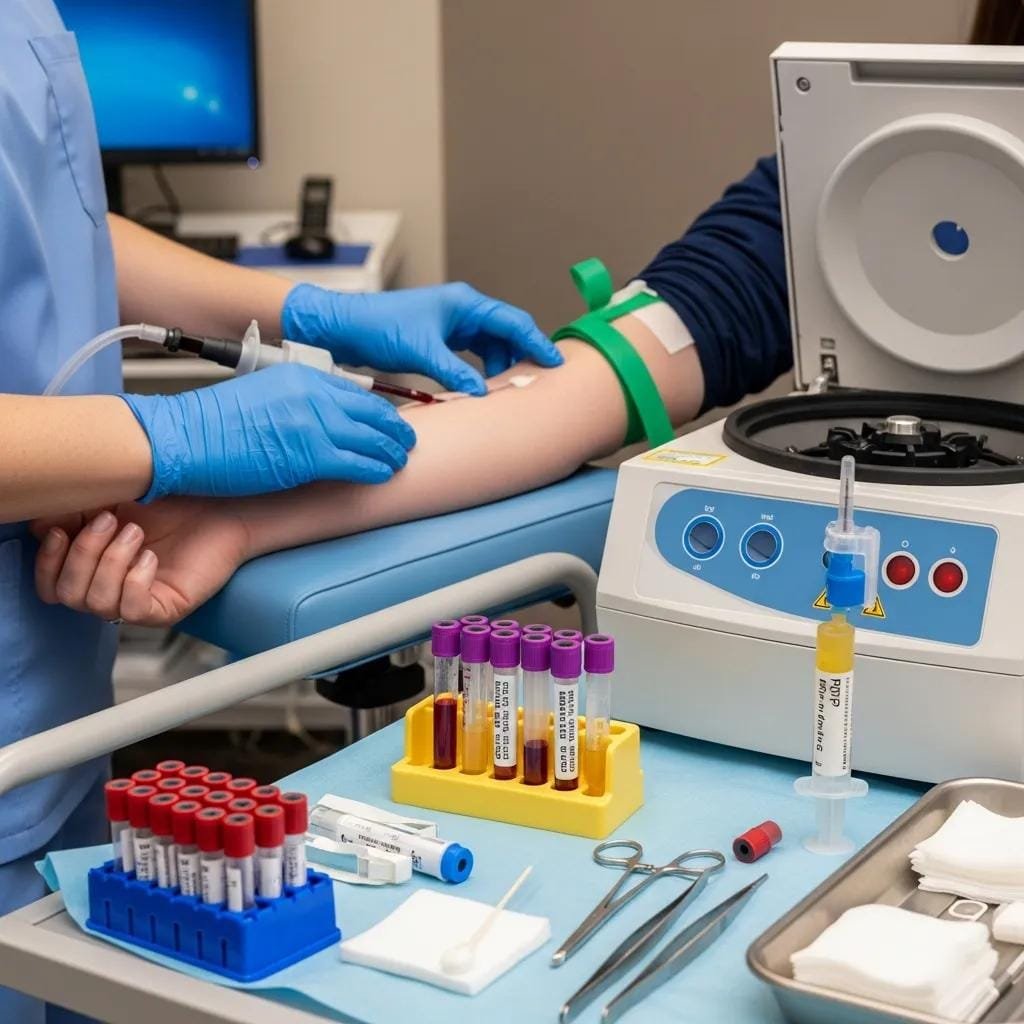
Platelet-rich plasma (PRP) is an autologous product made from a patient’s own blood that concentrates platelets, growth factors, and signaling proteins to support healing. The process includes a blood draw, centrifugation to separate components, and re-injection of the platelet-rich fraction into the target joint; image guidance improves precision and safety. PRP works mainly by modulating inflammation and stimulating local cell activity and matrix synthesis, which can reduce pain and improve mobility in knee osteoarthritis and tendon injuries. Controlled studies show clinically meaningful improvements in selected patients, particularly when PRP is paired with physical therapy and activity modification. Knowing how PRP is prepared and why multiple sessions or adjunct care are sometimes recommended helps set realistic expectations.
How Stem Cell Therapy Promotes Joint Regeneration
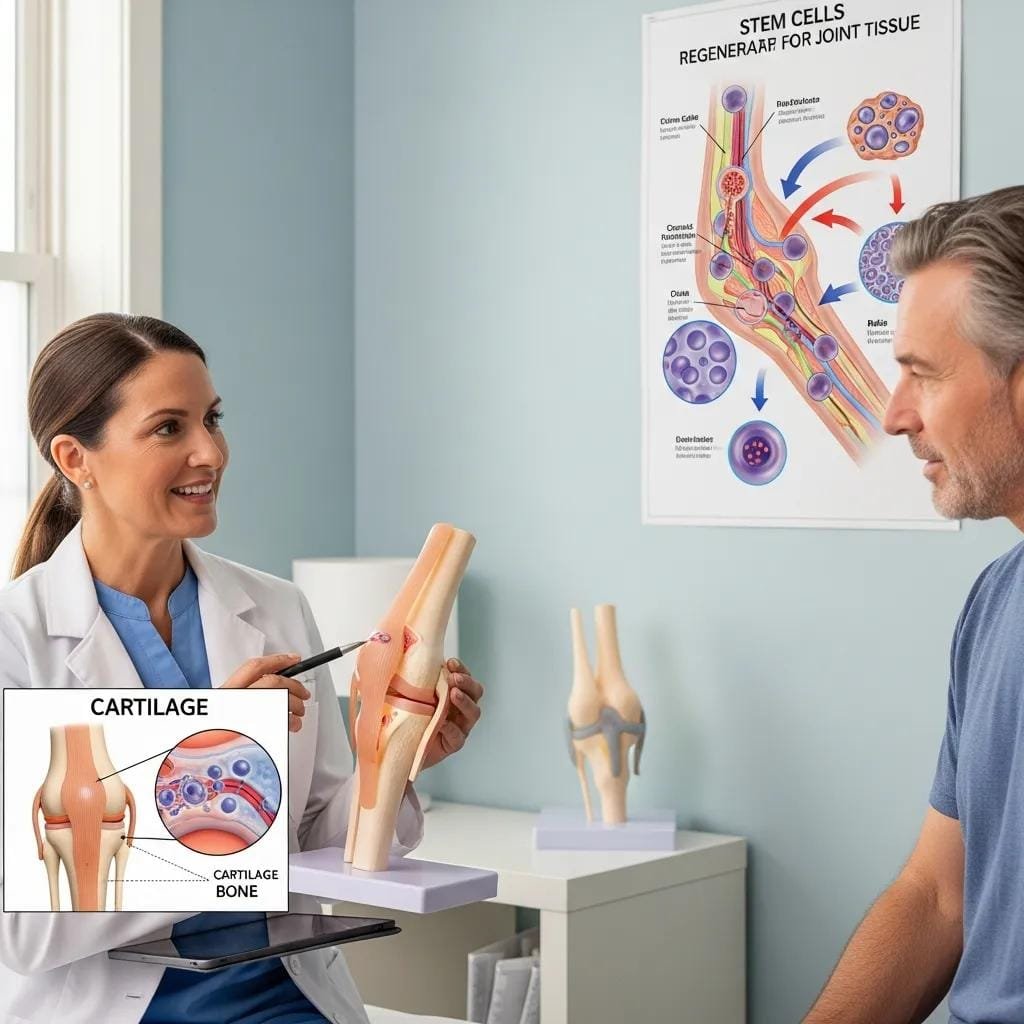
Stem cell therapy for joints commonly uses mesenchymal stem cells (MSCs) harvested from bone marrow or adipose tissue. These cells act mainly through paracrine signaling—releasing growth factors and cytokines that reduce inflammation, recruit native repair cells, and support tissue remodeling. In some focal defects, there is potential for MSCs to contribute to cartilage-like repair. Using a patient’s own tissue lowers immunologic risk, and image-guided injections target the affected compartment. Research is evolving: randomized trials and cohort studies report promising functional gains for early-to-moderate osteoarthritis and some tendon injuries, though long-term durability and standardized protocols are still under study. When performed with appropriate aseptic technique and patient selection, safety profiles have been favorable.
What Are the Benefits of Non-Surgical Joint Pain Relief in Bethesda?
Non-surgical regenerative treatments offer several advantages compared with traditional operative care, especially for patients seeking pain relief with lower immediate risk and faster return to activity. Benefits include reduced pain, improved range of motion, and often less reliance on systemic pain medications. In selected patients, orthobiologics can delay or sometimes avoid joint replacement. From a patient perspective, these options usually mean shorter downtime and the ability to combine biologic therapy with rehabilitation focused on strength and neuromuscular control. Emerging evidence suggests that tailored regenerative programs paired with physical therapy yield more durable functional gains than single-modality treatment.
Different therapies vary in mechanism, invasiveness, and expected durability. The comparison below summarizes typical timelines and practical implications.
| Therapy | Mechanism | Typical timeline for effect |
|---|---|---|
| PRP injections | Growth factor–mediated modulation of inflammation and matrix support | 4–12 weeks for pain reduction, with progressive improvement over 3–6 months |
| Autologous stem cell therapy | Paracrine signaling and cell-mediated repair modulation | 6–12 weeks initial changes; functional gains often apparent by 3–6 months |
| Corticosteroid injection | Anti-inflammatory suppression of synovial inflammation | Rapid pain relief in days to weeks; effects often diminish by 4–12 weeks |
| Surgery (arthroplasty) | Mechanical reconstruction or replacement of joint surfaces | Immediate structural correction with months-long recovery and rehab |
This comparison highlights that PRP and stem cell therapies seek biologic repair with a more gradual onset but potentially longer durability than steroid injections, and they are less invasive than surgery while carrying different evidence profiles and recovery expectations.
Non-surgical approaches also support several quality-of-life gains:
- Reduced reliance on systemic analgesics and fewer opioid exposures for chronic joint pain.
- Shorter procedure-related downtime compared with operative interventions.
- Preservation of native joint anatomy with potential for longer-term joint preservation.
These advantages lead many patients to consider regenerative joint therapy in Bethesda before choosing surgery. Locally, Fred Bloem MD LLC provides patient-centered regenerative assessments to help determine whether PRP or stem cell therapy aligns with your goals; prospective patients can learn more via the practice website or its Google Business Profile for timely evaluations and evidence-informed care.
Which Regenerative Medicine Clinics Offer Expert Care in Bethesda?
When evaluating clinics, focus on clinical credentials, procedural protocols, routine use of imaging, and transparent outcome tracking—these factors separate reputable regenerative medicine providers from less rigorous operators. A high-quality clinic will demonstrate appropriate board-level training or equivalent musculoskeletal experience, use image guidance consistently, maintain strict aseptic preparation standards, and integrate rehabilitation and follow-up into the care plan. Open discussion of outcomes and realistic expectations is another hallmark of professional practice. Patients should also look for a clinic that favors conservative care sequencing and clearly explains when surgery remains the better option.
Practical checklist for vetting clinics:
- Confirm consistent use of ultrasound or fluoroscopic guidance for injections.
- Ask about proceduralist credentialing and the clinic’s aseptic technique.
- Request outcome data, case examples, and typical follow-up schedules.
These checklist items help you compare options efficiently and prepare informed questions for your consultation.
How to Choose a Reputable Regenerative Medicine Clinic
Choose a clinic that delivers treatments within an integrated protocol emphasizing safety and measurable outcomes. Look for clinician experience with image-guided orthobiologic injections, documented protocols for PRP and stem cell preparation, and structured post-procedure rehabilitation plans. Red flags include promises of guaranteed cures, lack of imaging guidance, or reluctance to discuss evidence and limitations. Asking for before-and-after functional measures, patient-reported outcome scores, or aggregated results helps assess a clinic’s track record. Transparency about cost, eligibility, and alternatives is another sign of professional, patient-centered care.
What to Expect During Your Initial Consultation
An initial visit usually includes medical history, symptom timeline, a focused physical exam, and review of imaging such as X-rays or MRI when available. This information supports shared decision-making. The clinician will review prior conservative care, clarify realistic goals, and outline suitable regenerative options with expected timelines and risks. You’ll also discuss procedural logistics—preparation, anesthesia choices, imaging guidance, and follow-up—and hear about rehabilitation and activity modifications. Knowing these elements ahead of time reduces anxiety and helps you prepare for a stepwise treatment plan tailored to your priorities.
How Are PRP and Stem Cell Therapies Administered for Joint Conditions?
Administration follows a standardized workflow: patient evaluation and screening, biologic preparation, image-guided injection, and structured post-procedure care including rehabilitation. Pre-procedure screening identifies contraindications such as active infection or uncontrolled systemic disease, and clinicians will optimize medication management. During the procedure, ultrasound or fluoroscopy localizes the target tissue to improve precision and limit collateral trauma. Post-procedure instructions typically cover activity modification, a graduated rehab plan, and scheduled follow-ups to monitor response and decide on repeat treatments if needed.
Before presenting stepwise procedures, this table summarizes preparation and procedural attributes for clinicians and patients.
| Therapy | Preparation | Imaging / procedural time |
|---|---|---|
| PRP | Blood draw, centrifugation (single visit) | Ultrasound guidance; ~30–45 minutes total appointment |
| Autologous stem cells | Harvest (bone marrow or adipose) + processing | Image-guided injection; harvest and injection may require longer appointment or staged visits |
| Steroid injection | Minimal preparation | Ultrasound guidance recommended; brief appointment |
Step-by-Step Process of PRP Injections
PRP injections follow a straightforward sequence patients can expect at the clinic: screening and consent, blood draw and processing, targeted injection, and post-procedure monitoring. After a small blood draw, the sample is centrifuged to concentrate platelets and growth factors while removing red cells. The clinician uses ultrasound to locate the joint space or tendon insertion and may use local anesthesia before injecting the PRP into the precise tissue plane. Patients are observed briefly afterward, given activity and pain-management guidance, and scheduled for follow-up to assess response and plan rehabilitation. Clear procedural steps help set realistic expectations for appointment length and immediate sensations.
- Patient screening and consent.
- Blood draw and PRP preparation by centrifugation.
- Image-guided injection of PRP into the target joint or tendon.
- Post-procedure monitoring and rehabilitative plan.
These steps form a reproducible workflow designed to maximize safety and targeting accuracy.
Stem Cell Therapy Procedure and Recovery Expectations
Autologous stem cell procedures begin with tissue harvest—commonly bone marrow aspiration or adipose collection—followed by processing to concentrate MSCs and injection into the affected joint under imaging guidance. The harvest requires strict sterile technique and careful patient selection; processing may occur in a point-of-care lab for same-day injection. Recovery emphasizes graduated activity: short-term rest and avoidance of heavy loading for days to weeks, then a structured rehabilitation program to support functional integration. Follow-up visits assess response and guide decisions about repeat injections or adjunctive treatments based on progress.
Who Is a Good Candidate for Regenerative Joint Therapy in Bethesda?
Good candidates typically have early-to-moderate degenerative joint disease, focal cartilage defects, or chronic tendinopathies that have not improved with conservative care and who wish to avoid or delay surgery. Assessment balances disease severity, functional goals, comorbidities, and realistic expectations about outcomes and timelines. Contraindications include active local infection, certain systemic illnesses, or clotting disorders that complicate harvest or injection. Shared decision-making with imaging review and functional scoring helps determine whether PRP, autologous stem cell therapy, or another approach is most appropriate.
Common eligibility criteria include:
- Documented joint pathology with symptoms that match imaging findings.
- Prior trial of conservative measures such as physical therapy and analgesics.
- No active infection or uncontrolled systemic disease.
This selection framework helps guide condition-specific recommendations for regenerative therapies.
Identifying Joint Conditions Treated with Regenerative Medicine
Regenerative therapies most often address knee osteoarthritis, rotator cuff and other shoulder tendinopathies, early hip joint degeneration, and focal cartilage defects. For example, middle-aged patients with symptomatic early knee OA who want to delay arthroplasty may benefit from PRP or cell-based interventions combined with rehab. Athletes with chronic tendinopathy often respond to targeted PRP injections that support tendon remodeling when matched with appropriate loading programs. Correct timing and condition selection are key to optimizing outcomes.
Assessing Eligibility for Non-Surgical Joint Treatments
Eligibility assessment relies on imaging (X-ray for severity grading, MRI for soft-tissue detail), functional outcome measures, and a documented trial of conservative care. These data inform whether regenerative options are likely to help. Severity grading predicts probable benefit—patients with end-stage joint destruction are more likely to need surgical reconstruction, while those with early-to-moderate pathology often achieve meaningful improvement. Comorbidity checks (for immune status, bleeding risk) and medication review (anticoagulants, immunosuppressants) further shape candidacy and peri-procedural planning. A structured assessment ensures regenerative interventions are offered to those most likely to benefit.
Regenerative Joint Therapy: Non-Surgical Pain Relief in Bethesda
Outcomes vary by therapy and patient factors, but typical timelines help set realistic expectations: PRP often produces measurable pain reduction within 4–12 weeks with continued functional gains over 3–6 months, while stem cell approaches may show initial changes in 6–12 weeks and more durable improvements by 3–6 months. Results depend on age, baseline severity, body mass, activity level, and adherence to rehabilitation. Long-term joint-health strategies focus on weight management, structured exercise, and periodic reassessment to decide on additional interventions if needed.
| Therapy | Expected pain relief timeline | Recommended post-care |
|---|---|---|
| PRP | Noticeable improvement in 4–12 weeks; continued gains to 6 months | Graduated physical therapy; avoid heavy loading for the first 2–4 weeks |
| Autologous stem cells | Initial response 6–12 weeks; functional gains by 3–6 months | Structured rehab, weight management, activity modification |
| Steroid injection | Rapid relief days–weeks, shorter durability | Short-term activity modification; plan a longer-term strategy |
Typical Pain Relief and Mobility Improvements
Clinical experience and recent studies show many patients report meaningful pain reduction and better function after PRP or stem cell therapy, though individual responses vary. Improvements are usually incremental rather than immediate: pain scores often decline over the first 2–3 months, with further gains as rehab and load management continue. Predictors of better outcomes include lower baseline radiographic severity, active participation in prescribed physical therapy, and absence of significant comorbidities. Clear expectations help patients track progress and consider repeat treatments if needed.
Post-Treatment Care and Long-Term Joint Health
Post-treatment care is essential for lasting benefit and centers on graduated activity progression, physiotherapy for strength and neuromuscular control, and lifestyle measures such as weight management and anti-inflammatory nutrition. Early weeks focus on rest from high-impact activities and controlled range-of-motion work, progressing to strengthening and functional training over months. Long-term follow-up at scheduled intervals monitors symptoms and function and guides decisions about booster injections or alternative interventions. If you’re ready to take the next steps, scheduling an individualized assessment through Fred Bloem MD LLC or reviewing information on drbloem.com and the practice’s Google Business Profile can clarify candidacy, timelines, and a personalized care plan.
- Book an evaluation with a musculoskeletal specialist to review imaging and goals.
- Complete pre-procedure screening and optimize conservative care.
- Follow the structured rehabilitation plan and attend scheduled follow-ups.
These practical steps support a safe, evidence-based path from consultation through recovery and align expectations with typical regenerative therapy timelines.
Frequently Asked Questions
What types of joint conditions can benefit from regenerative joint therapy?
Regenerative joint therapy can help knee osteoarthritis, rotator cuff and other shoulder tendinopathies, early hip degeneration, and focal cartilage defects. Chronic tendinopathies—especially in the shoulder or hip—often respond well. These therapies are best for patients who have not improved with conservative treatments; early-to-moderate disease generally shows better results than advanced degeneration.
How many sessions of PRP or stem cell therapy are typically required?
Session needs vary by condition and goals. PRP commonly requires 1–3 injections spaced several weeks apart for optimal effect. Stem cell therapy is often delivered as a single procedure, though some patients may benefit from additional treatments depending on response. Follow-up visits determine the need for repeat injections or adjunctive care.
Are there any risks or side effects associated with regenerative joint therapy?
Regenerative therapies are generally well tolerated, but risks include temporary injection-site pain, swelling, or bruising. Rare complications include infection. Because these treatments use autologous material in many cases, allergic reactions are uncommon. Discuss your medical history with your clinician so they can screen for risks and reduce the chance of complications. Adhering to post-procedure guidance also lowers risk.
How does recovery differ between PRP and stem cell therapies?
Recovery timelines differ somewhat. PRP often allows quicker return to routine activities, with noticeable pain relief in 4–12 weeks. Stem cell therapy may take longer to show effects—initial changes in 6–12 weeks and broader functional gains by 3–6 months. Both approaches emphasize a structured rehabilitation program tailored to the individual.
Can regenerative joint therapy be combined with other treatments?
Yes. Combining regenerative therapy with physical therapy typically improves outcomes by addressing strength, flexibility, and movement patterns. Depending on the situation, adjunctive treatments—such as targeted corticosteroid injections or short-term anti-inflammatory medication—may be part of a comprehensive plan. A tailored, multi-modal approach usually delivers the best results.
What should I do if I don’t see improvement after treatment?
If you don’t see improvement, follow up with your clinician so they can reassess symptoms, review the rehab plan, and recommend next steps. Outcomes can be influenced by adherence to post-treatment care, condition severity, and individual healing response. Open communication with your provider helps optimize your treatment plan.
Conclusion
Regenerative joint therapy in Bethesda offers a meaningful non-surgical option for people looking to reduce pain and improve mobility using biologic treatments such as PRP and stem cell therapy. Many patients experience improved joint function and quality of life with shorter recovery times than surgery. If you’re considering non-surgical options, discuss personalized treatment plans with an experienced provider to identify the approach that best matches your goals. Schedule a consultation to take the first step toward pain relief and better joint health.