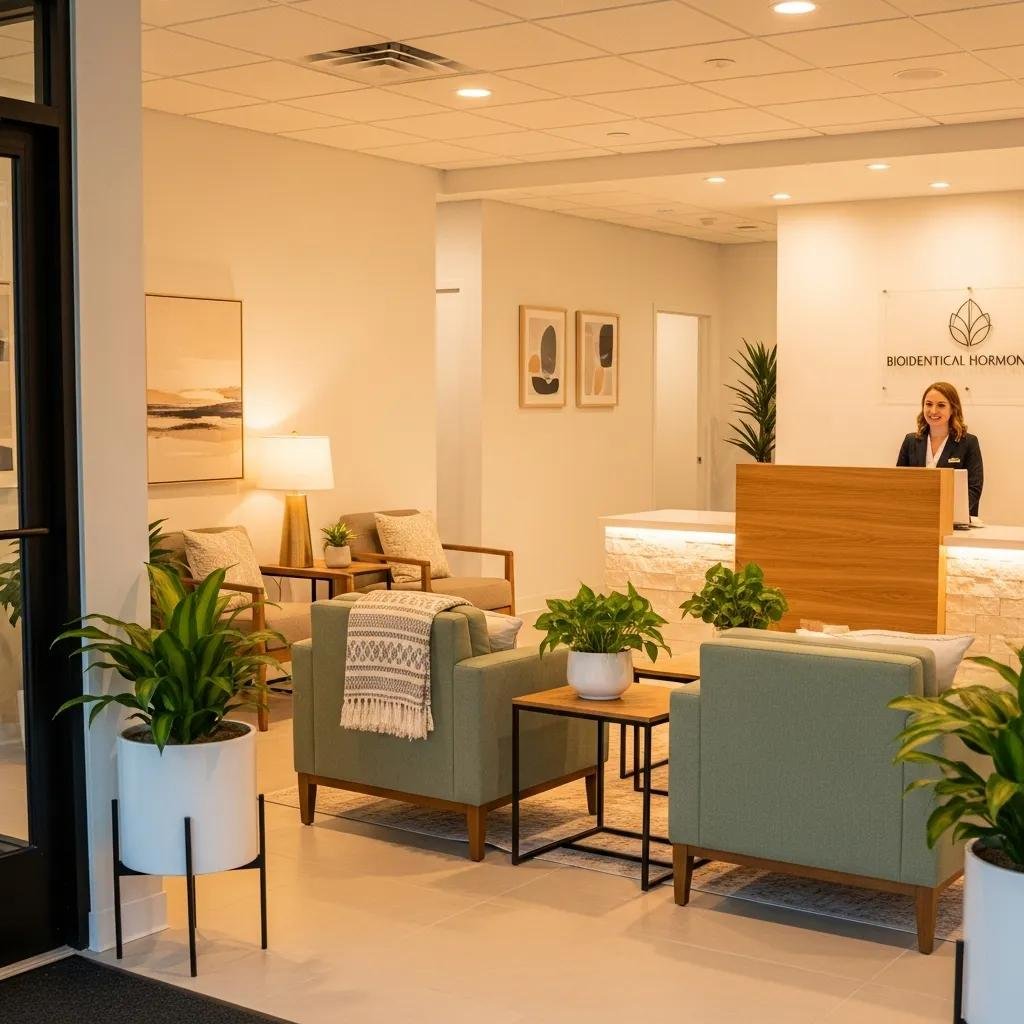
Regenerative Facial Rejuvenation in Kensington, MD
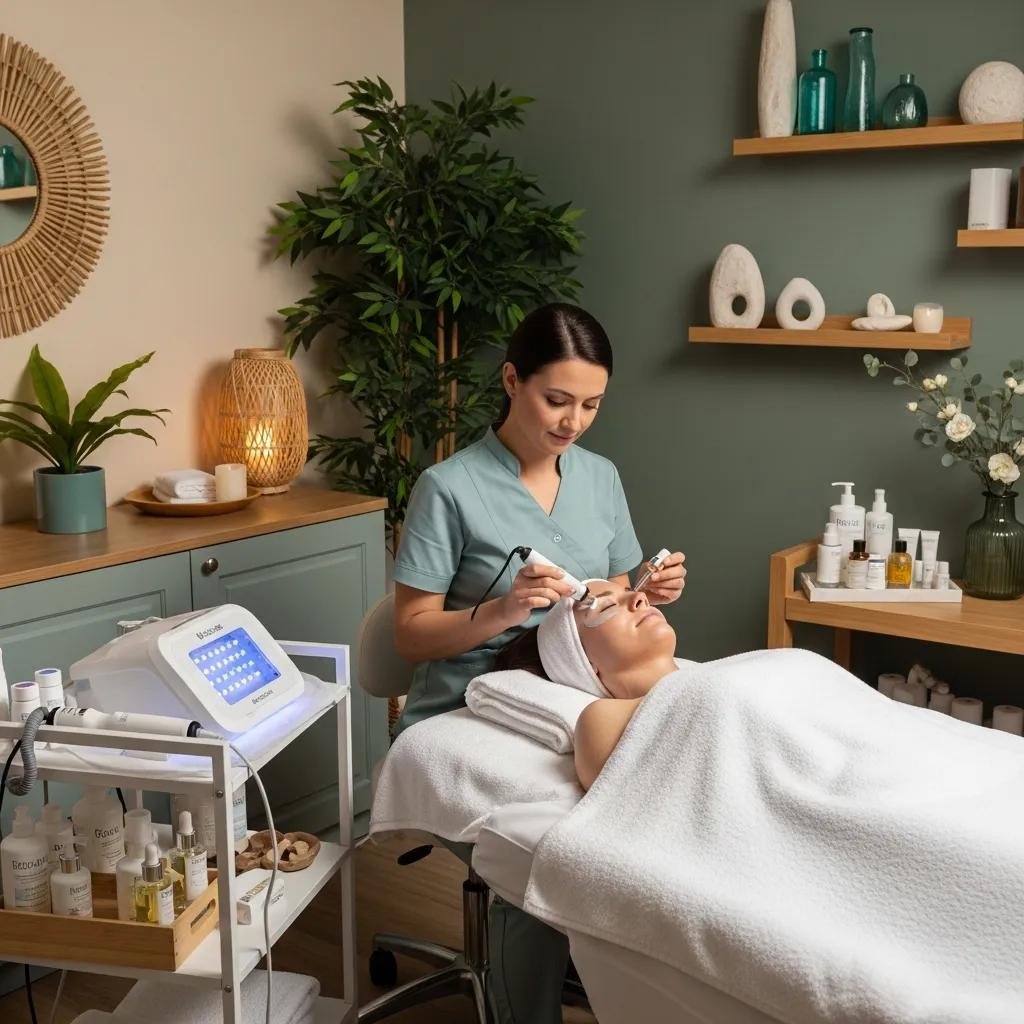
Regenerative Facial Rejuvenation in Kensington, MD — Natural, Physician‑Led Skin Restoration
Regenerative facial rejuvenation uses your body’s own healing processes to improve skin texture, restore volume, and rebuild firmness without major surgery. Patients in Kensington, MD increasingly choose these natural anti‑aging options for refreshed, not overdone, results. This article walks through platelet‑based therapies, biostimulatory fillers, thread lifts, and complementary non‑surgical tools that encourage collagen and elastin production to soften lines and refine contours. You’ll learn how PRP and PRF work, why Sculptra and Radiesse create collagen over time, the role of PDO threads and Renuva, and where neuromodulators and lasers fit into a thoughtful plan. We also cover practical comparisons, treatment timelines, safety points, and what to expect at a consultation so you can decide whether regenerative facial rejuvenation matches your goals — and how to take the next step locally in Kensington.
What Is Regenerative Facial Rejuvenation and How Does It Work?
Regenerative facial rejuvenation is a collection of minimally invasive treatments designed to activate the skin’s repair systems — primarily through platelet growth factors, scaffold materials, and controlled micro‑injury — to increase collagen and elastin and restore healthier tissue quality. The approach focuses on biological signaling (platelets and growth factors) and biostimulatory materials that recruit fibroblasts and remodel the extracellular matrix, delivering gradual, natural‑looking improvements rather than sudden volumetric change. Contemporary protocols often combine topical or injected biologics with delivery methods like microneedling or targeted filler placement to improve distribution and response. Because the benefits rely on tissue remodeling, staged treatments and maintenance visits are commonly recommended to build durable results. Below we outline the core science, then describe how these options are offered locally and what to expect when scheduling care.
The table below highlights differences among common platelet‑based approaches so you can compare preparation, growth‑factor profile, and expected downtime.
Platelet‑based therapies differ in composition and release behavior, which affects clinical uses and recovery.
| Treatment | Key Attribute | Typical Clinical Value |
|---|---|---|
| PRP (Platelet‑Rich Plasma) | Plasma concentrated with platelets after centrifugation | Moderate growth‑factor concentration; effective for improving skin texture and stimulating hair follicles |
| PRF (Platelet‑Rich Fibrin) | Fibrin matrix containing platelets and leukocytes with slower factor release | Sustained release of growth factors; useful for soft‑tissue remodeling and longer‑lasting activity |
| PRFM (Platelet‑Rich Fibrin Matrix) | Polymerized fibrin scaffold designed for prolonged release | Extended biologic activity; helpful where scaffold support improves outcomes |
How Do PRP and PRF Stimulate Collagen and Elastin Production?
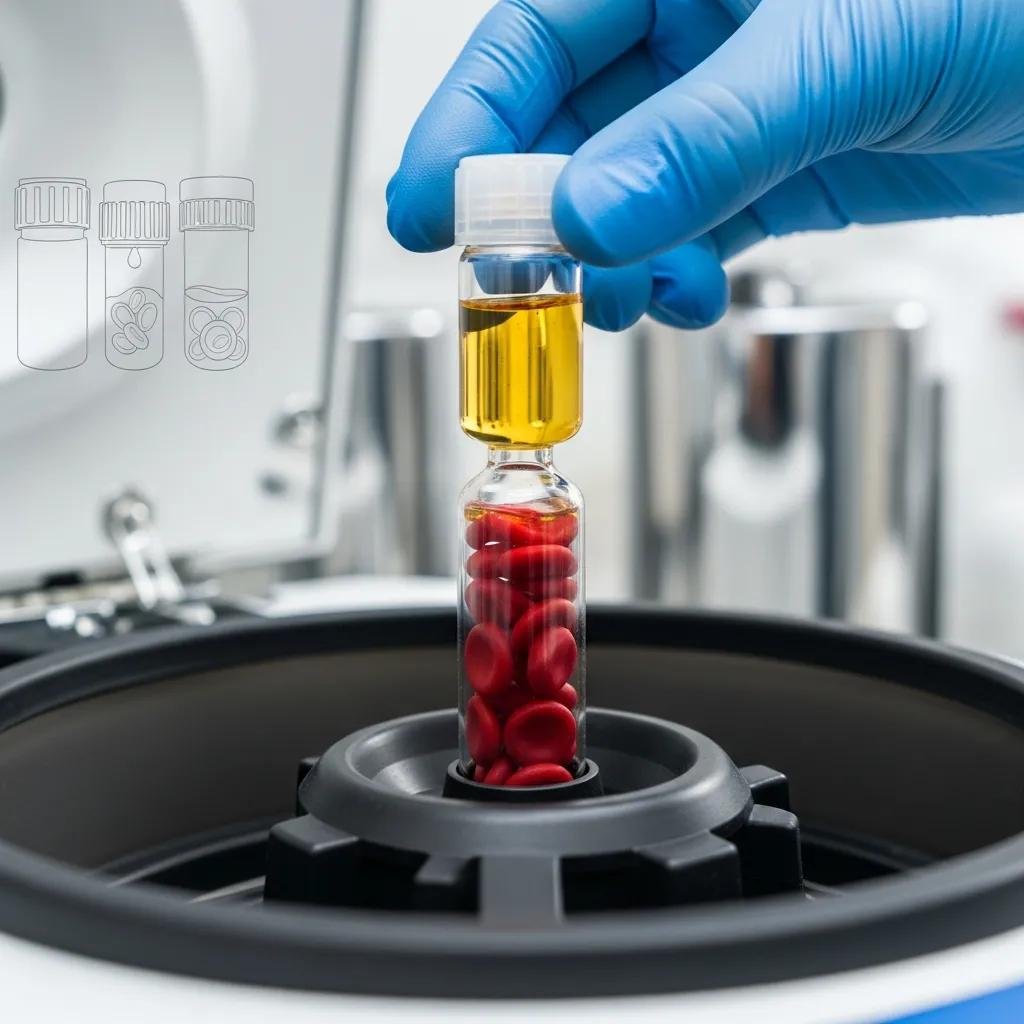
PRP and PRF work by concentrating platelets that release growth factors — including PDGF, TGF‑β, and VEGF — which activate fibroblasts and endothelial cells to produce extracellular matrix components. The initial platelet degranulation sets off a signaling cascade that draws reparative cells and supports angiogenesis; over weeks to months this leads to increased type I and III collagen and improved elastin architecture, thickening and strengthening the skin. PRF’s fibrin network provides a scaffold that supports cell migration and delivers growth factors more slowly than standard PRP, often extending the remodeling window. Because new collagen takes time to organize, visible improvements usually appear gradually, which is why clinicians recommend treatment series rather than a single session. Knowing this timeline helps set realistic expectations and plan maintenance visits for ongoing benefit.
What Are the Key Benefits of Natural Skin Revitalization Treatments?
Natural skin revitalization produces several measurable improvements: smaller‑looking pores and smoother texture, softening of fine lines, better appearance of acne scarring and uneven pigmentation, and gradual restoration of subdermal support. Using autologous material or biostimulatory agents reduces the risk of allergic reactions and emphasizes true tissue quality over temporary surface masking. Patients commonly report a fresher, more even glow and easier makeup application as texture improves, and many appreciate subtle contour changes that develop over months. Documenting progress with before‑and‑after photos helps track these incremental gains and keeps expectations aligned with biology. For people who prefer progressive, maintenance‑focused anti‑aging care, regenerative approaches offer a sensible pathway.
These treatments generally improve skin health while minimizing foreign‑body concerns; the next section reviews specific modalities available from trained providers.
Rejuvenate Skin Naturally with Regenerative Facials in Kensington, MD
Below we summarize commonly used regenerative options — platelet therapies, biostimulatory fillers, PDO threads, and soft‑tissue regenerative products — with their indications, procedural flow, and typical outcomes when performed by a physician‑led team. In Kensington, providers offer PRP and PRF facials combined with microneedling for surface remodeling, Sculptra and Radiesse for deeper collagen stimulation and volume support, PDO threads for lift and collagen induction, and biologic alternatives for contour restoration. Each modality targets different tissue layers and goals. Treatment choice depends on concerns like fine lines, volume loss, or laxity, and clinicians often sequence combinations to maximize response while minimizing downtime. The concise comparisons below set clear expectations for mechanism and timing before we cover procedural details and booking information.
The table below compares common regenerative treatments by mechanism and expected timeline so prospective patients know when to expect changes.
| Treatment | Mechanism | Expected Timeline for Results |
|---|---|---|
| Sculptra | Poly‑L‑lactic acid that stimulates gradual collagen production | Noticeable improvement at 6–12 weeks; full effect by 3–6 months |
| Radiesse | Calcium hydroxylapatite provides immediate volume and encourages collagen | Immediate lift with progressive remodeling over 3–6 months |
| PRP/PRF | Autologous platelets and growth factors that drive tissue remodeling | Gradual texture and tone gains within 4–12 weeks |
| Renuva | Adipose‑derived scaffold that supports soft‑tissue regeneration | Progressive contour improvement over weeks to months |
| PDO Threads | Absorbable threads that provide mechanical support and stimulate collagen | Immediate lift with continued neocollagenesis over 2–4 months |
How Do PRP and PRF Facials Improve Skin Texture and Reduce Fine Lines?
PRP and PRF facials refine skin texture and soften fine lines by delivering concentrated growth factors into the dermis, commonly paired with microneedling to improve penetration and even distribution. Microneedling creates controlled micro‑injury that triggers repair, while platelet factors accelerate fibroblast activity and matrix remodeling. Typical protocols use a series of treatments spaced several weeks apart to build collagen and elastin cumulatively; clinicians then adjust intervals based on response. Most patients notice progressive smoothing and increased radiance over two to three months, and maintenance sessions help preserve results. Combining PRP/PRF with targeted skincare and consistent sun protection further enhances outcomes and long‑term skin health.
Common protocol features used to optimize PRP/PRF facial outcomes include:
- A small blood draw and careful centrifugation to concentrate platelets.
- Microneedling to create micro‑channels for even biologic delivery.
- A typical series of 3–4 sessions spaced 4–6 weeks apart for texture goals.
What Are Biostimulatory Fillers Like Sculptra and Radiesse and Their Effects?

Biostimulatory fillers such as Sculptra (poly‑L‑lactic acid) and Radiesse (calcium hydroxylapatite) work by creating a scaffold that elicits a controlled response, encouraging new collagen deposition instead of delivering only temporary volume. Sculptra gradually induces collagen formation and is suited to diffuse volume restoration and soft contouring over months; Radiesse provides an immediate structural lift and a template for subsequent collagen growth, so visible change can appear sooner. These products are often selected by patients seeking longer‑lasting structural improvement with fewer frequent touch‑ups than temporary hyaluronic fillers. Clinicians typically stage injections over time to sculpt safely and predictably. Knowing each product’s onset and longevity helps match the material to the patient’s anatomy and aesthetic timeline.
Choosing the right filler is part of customizing a regenerative plan; the next section explains how other non‑surgical tools support those choices.
How Can Non-Surgical Anti-Aging Treatments Complement Regenerative Facials?
Non‑surgical treatments complement regenerative facials by addressing dynamic movement, volume deficits, and surface texture, creating a fuller, more natural rejuvenation. Neuromodulators soften repetitive muscle contractions that deepen expression lines, fillers restore structural support and stimulate collagen, and resurfacing lasers or chemical peels refine pigment and texture to create an ideal skin canvas. Proper sequencing and safety matter — for example, timing neuromodulators around fillers and leaving healing windows before lasers to avoid disrupting biologic integration. When combined thoughtfully, these modalities work synergistically to produce smoother skin, balanced contours, and reduced dynamic wrinkles while maintaining a natural appearance. The section below outlines roles and practical considerations for common complementary treatments.
The following table summarizes how select modalities support regenerative facial approaches and the clinical benefits each provides.
| Modality | Complementary Role | Clinical Benefit |
|---|---|---|
| Botox (neuromodulator) | Temporarily reduces muscle activity that deepens lines | Softens dynamic wrinkles and can prolong filler effects |
| Dermal Fillers | Restore lost volume and provide scaffold support | Immediate contour support with ongoing collagen induction |
| PDO Threads | Mechanical lift with local collagen stimulation | Tightens sagging tissue and refines jawline or cheek definition |
| Laser Resurfacing | Removes damaged surface tissue and stimulates regeneration | Improves texture, tone, and pigmentation for a healthier skin base |
What Roles Do Botox, PDO Threads, and Renuva Play in Facial Rejuvenation?
Botox reduces muscle contraction to prevent deepening expression lines and pairs well with regenerative volume work by allowing remodeled tissue to settle without excessive motion. PDO threads offer an immediate lift plus a collagen‑stimulating track that supports contour tightening in the midface and jawline. Renuva provides a scaffold that encourages adipose tissue integration for longer‑term contour restoration in areas of volume loss. Each option has unique downtime and longevity — neuromodulators usually have minimal recovery, threads can cause temporary bruising and soreness, and regenerative graft alternatives require staged follow‑up — so clinicians plan combinations to fit lifestyle needs while meeting clinical goals. Understanding these complementary roles helps you and your provider build a sequenced plan for durable, natural results.
How Do Combination Therapies Enhance Natural Facial Rejuvenation Results?
Combination therapies address several aging mechanisms at once — skin quality, structural support, and muscle dynamics — so results look balanced and harmonious rather than isolated. For example, pairing microneedling with PRF refines the surface while a deeper Sculptra series restores subdermal support; adding a neuromodulator limits dynamic creasing and extends visual benefit. Practitioners often stage surface procedures before deep scaffold placement or allow fillers to settle before placing threads to optimize lift vectors and reduce complications. When timed and combined thoughtfully, treatments deliver a more complete facial refresh with fewer corrective touch‑ups. This rationale highlights the value of a personalized plan developed during a consultation.
Common combined protocols used in practice include:
- Microneedling + PRF for improved texture and collagen induction.
- Sculptra series + neuromodulator to rebuild support and soften dynamic lines.
- Radiesse + PDO threads for immediate structure and progressive lift.
Why Choose Dr. Fred Bloem for Regenerative Facial Rejuvenation in Kensington, MD?
Choosing a regenerative provider comes down to clinical training, a thoughtful, integrative approach, and physician‑led protocols that emphasize safety and individualized planning. Dr. Fred Bloem practices in Kensington with a focus on holistic aesthetic medicine; his training includes programs through the American Academy of Facial Esthetics and mentorship with experienced clinicians, informing evidence‑based technique selection and a commitment to natural results. A physician‑led practice incorporates medical history, comorbidities, and healing capacity into treatment planning, which reduces risk and improves personalization compared with non‑medical settings. Patients who prioritize a safety‑first, whole‑person approach often prefer a practitioner who aligns internal wellness with aesthetic care to optimize regenerative responses. The sections that follow explain how this holistic lens affects outcomes and list the credentials that support patient confidence.
How Does a Holistic and Personalized Approach Improve Treatment Outcomes?
A holistic, personalized approach improves outcomes by evaluating systemic factors — nutrition, sleep, hormone balance, and chronic conditions — that influence healing and collagen production, then tailoring interventions to each patient’s anatomy and regenerative capacity. Pre‑treatment optimization, peri‑procedural guidance, and careful modality selection enhance tissue response and lower complication risk, yielding more predictable, longer‑lasting improvements. Treating aesthetics as part of overall health allows clinicians to sequence therapies around individual recovery timelines and address root contributors to skin aging rather than simply masking surface changes. This integrative strategy not only supports better aesthetic results but also increases patient satisfaction through a comprehensive, health‑focused plan.
What Expertise and Training Does Dr. Bloem Bring to Regenerative Aesthetics?
Dr. Fred Bloem’s background includes training programs with the American Academy of Facial Esthetics and mentorship experiences highlighted in practice materials, which support his competence in minimally invasive facial therapies. Mentorship with established instructors helps refine techniques for injectables, thread lifts, and combination regenerative protocols, reinforcing a safety‑first, physician‑led model. A commitment to ongoing education and adherence to best practices enables careful case selection and risk mitigation, particularly when working with biologic and biostimulatory materials. For patients seeking regenerative facial care in Kensington, physician leadership and documented mentorship are important trust signals that support safe, effective outcomes. This expertise ties directly into the consultation process described next.
What Should You Expect During Your Regenerative Facial Rejuvenation Consultation?
A consultation begins with a focused medical history, an assessment of skin and facial anatomy, and a clear discussion of your goals to create a personalized treatment plan that sequences biologic and non‑surgical options appropriately. Clinicians review factors that affect healing — medications, prior procedures, lifestyle, and expectations — and then recommend options such as a PRP/PRF series, biostimulatory fillers, thread lifts, or adjunctive resurfacing with timing for each step. The consultation covers timelines, the number of sessions, safety considerations, and follow‑up so you can make an informed decision and plan around downtime. If you decide to proceed, scheduling, consent, and pre‑procedure instructions are handled by the practice. Dr. Fred Bloem’s Kensington office offers physician‑led consultations to tailor a regenerative plan to your needs.
Below is a step‑by‑step list to set clear expectations and help with planning.
- Medical history review, skin evaluation, and discussion of your aesthetic goals.
- Explanation of suitable regenerative and complementary treatments with clinical rationale.
- Discussion of timelines, session frequency, safety considerations, consent, and pre/post care.
- Scheduling of procedures, written instructions, and arrangement of follow‑up visits.
How Is a Customized Treatment Plan Developed for Your Unique Needs?
A customized plan combines your aging pattern, skin type, volume loss, medical history, and aesthetic priorities to select modalities that work together biologically and visually. Clinicians use a decision‑tree approach: surface concerns may focus on microneedling and PRF; moderate volume loss may favor biostimulatory fillers; laxity might call for threads or targeted contouring. Combinations are chosen when multiple issues coexist. For example, someone with early texture changes and mild volume loss might receive microneedling plus a PRF series and Sculptra, while a patient with pronounced jowling might combine PDO threads with Radiesse for immediate and progressive support. Shared decision‑making guides pacing, risk tolerance, and budget so the plan fits your lifestyle. Tailored planning increases the likelihood of natural, durable rejuvenation.
What Are the Safety, Downtime, and Cost Considerations for These Treatments?
Safety, downtime, and cost depend on the modality: PRP/PRF facials typically cause brief redness and pinpoint bleeding; threads and fillers can produce bruising and swelling for several days; biostimulatory fillers may result in temporary lumps or tenderness as collagen forms. Common safety measures include thorough medical screening, temporary medication adjustments before procedures, strict sterile technique, and staged treatments to observe tissue response; physician‑led practices emphasize these protocols to reduce risk. Cost varies with complexity and the number of sessions rather than a single flat price, so a consult is necessary for an accurate estimate; many practices provide personalized pricing after assessment. Understanding these variables helps you plan for recovery windows and long‑term maintenance.
A short list summarizing typical downtime by modality:
- PRP/PRF facials: 24–72 hours of redness and mild swelling.
- PDO threads: several days to a week of soreness and possible bruising.
- Biostimulatory fillers: immediate fullness with potential 1–2 weeks of settling and mild swelling.
What Are Common Questions About Regenerative Facial Rejuvenation in Kensington?
Patients commonly ask whether platelet‑based facials are safe, how long results last, how many sessions are needed, and what recovery looks like. Clear, evidence‑informed answers help set expectations and support informed consent. Other frequent questions compare PRP and PRF, contrast different fillers, and explain how combination therapies are safely sequenced. The items below address these routine questions concisely. For case‑specific concerns, a physician‑led assessment is the best next step to receive tailored recommendations and a treatment plan.
Is PRP Facial Rejuvenation Safe and Effective?
Yes — when performed by trained, physician‑led teams, PRP facial rejuvenation has a favorable safety profile because it uses the patient’s own blood components, reducing allergic and foreign‑body reactions. Effectiveness depends on correct preparation, delivery (for example, combining with microneedling), and an appropriate treatment series; many patients notice improved texture, softened fine lines, and increased radiance within weeks to months. Key safety steps include screening for bleeding disorders, pausing certain medications before treatment, and strict sterile technique to lower infection risk. Physician oversight ensures proper case selection and management of rare complications, supporting consistent clinical outcomes. For personalized safety and efficacy expectations, schedule a consult with a qualified provider.
Key safety considerations include:
- Using autologous material minimizes allergic reactions.
- Accurate centrifugation and handling are essential for biologic quality.
- Medical screening and sterile technique reduce complication risk.
How Long Do Results from Regenerative Treatments Typically Last?
Longevity varies by treatment and individual factors such as age, lifestyle, and baseline tissue quality; the ranges below are general guides for planning and maintenance.
- PRP/PRF: Texture and tone improvements may last 6–12 months with upkeep sessions.
- Sculptra: Collagen induction effects can persist 2–3 years after a treatment series and periodic touch‑ups.
- Radiesse: Structural effects and collagen stimulation often last 12–18 months.
- PDO threads: Lift and neocollagenesis commonly last 12–18 months, depending on thread type and individual remodeling.
Maintenance strategies — annual touch‑ups, supportive skincare, and healthy lifestyle choices — help preserve benefits and support long‑term tissue health. Providers tailor follow‑up plans to each patient’s response and goals.
When you’re ready to schedule a consultation and explore a personalized regenerative plan, physician‑led appointments are available in Kensington. Contact the practice directly to arrange a visit and discuss options at the local office. Internal Healing and Wellness MD offers assessment and treatment planning at its Kensington location; the clinical team can walk through sequencing, safety protocols, and scheduling during an in‑person consultation. Call the practice to book a physician consultation with Dr. Fred Bloem.
Frequently Asked Questions
What is the difference between PRP and PRF treatments?
Both PRP (Platelet‑Rich Plasma) and PRF (Platelet‑Rich Fibrin) come from your blood but differ in composition and release profile. PRP is a platelet‑rich plasma that releases growth factors more quickly, which can be helpful for immediate texture improvements. PRF contains a fibrin matrix that releases growth factors more slowly and supports longer‑lasting tissue remodeling, making it particularly suitable for soft‑tissue regeneration. Your clinician will recommend the best option based on your goals and tissue needs.
How many sessions are typically required for optimal results?
Session counts depend on your goals and the chosen treatment. For PRP and PRF, a typical course is 3–4 sessions spaced 4–6 weeks apart to build collagen and elastin. Biostimulatory fillers like Sculptra often require multiple sessions to reach the desired volume, with maintenance every 1–2 years as needed. Your provider will tailor the plan to your individual anatomy and expectations.
What should I expect during the recovery period?
Recovery varies by modality. After PRP or PRF facials you may have mild redness and swelling for 24–72 hours. Biostimulatory fillers can cause temporary swelling or bruising for a few days to a week. PDO threads may lead to mild soreness and bruising as well. Following your clinician’s post‑procedure instructions helps optimize healing and results.
Are there any risks associated with regenerative facial treatments?
While generally safe, regenerative treatments carry potential risks such as bruising, swelling, and, rarely, infection. Using autologous materials like PRP and PRF lowers allergic reaction risk, but careful medical screening is important to identify contraindications. Proper sterile technique and following aftercare guidance reduce most risks. Discuss your medical history and concerns with your provider so they can recommend the safest plan for you.
How do I maintain the results of my treatment?
Maintaining results combines follow‑up sessions with a consistent skincare routine and healthy habits. Yearly maintenance treatments can help sustain collagen production and skin quality. Protecting your skin from sun exposure, staying hydrated, using recommended topical products, and eating a balanced diet all support long‑term outcomes. Your provider can suggest a maintenance schedule and product recommendations tailored to your skin.
Can these treatments be combined with other procedures?
Yes — regenerative treatments are often combined with other non‑surgical procedures to enhance overall results. Pairing PRP or PRF with microneedling improves texture; combining biostimulatory fillers with neuromodulators like Botox addresses volume loss and dynamic wrinkles together. Your clinician will design a comprehensive plan that maximizes benefits while maintaining safety and predictability.
Conclusion
Regenerative facial rejuvenation offers a measured, natural path to healthier, more youthful skin by harnessing your body’s own healing mechanisms. Treatments such as PRP, PRF, and biostimulatory fillers prioritize tissue quality and gradual, long‑lasting improvement over temporary concealment. If you’d like to explore how these options can help you look refreshed while preserving a natural appearance, schedule a consultation with Dr. Fred Bloem in Kensington. Experience personalized, physician‑led care and take the first step toward rejuvenating your skin.