

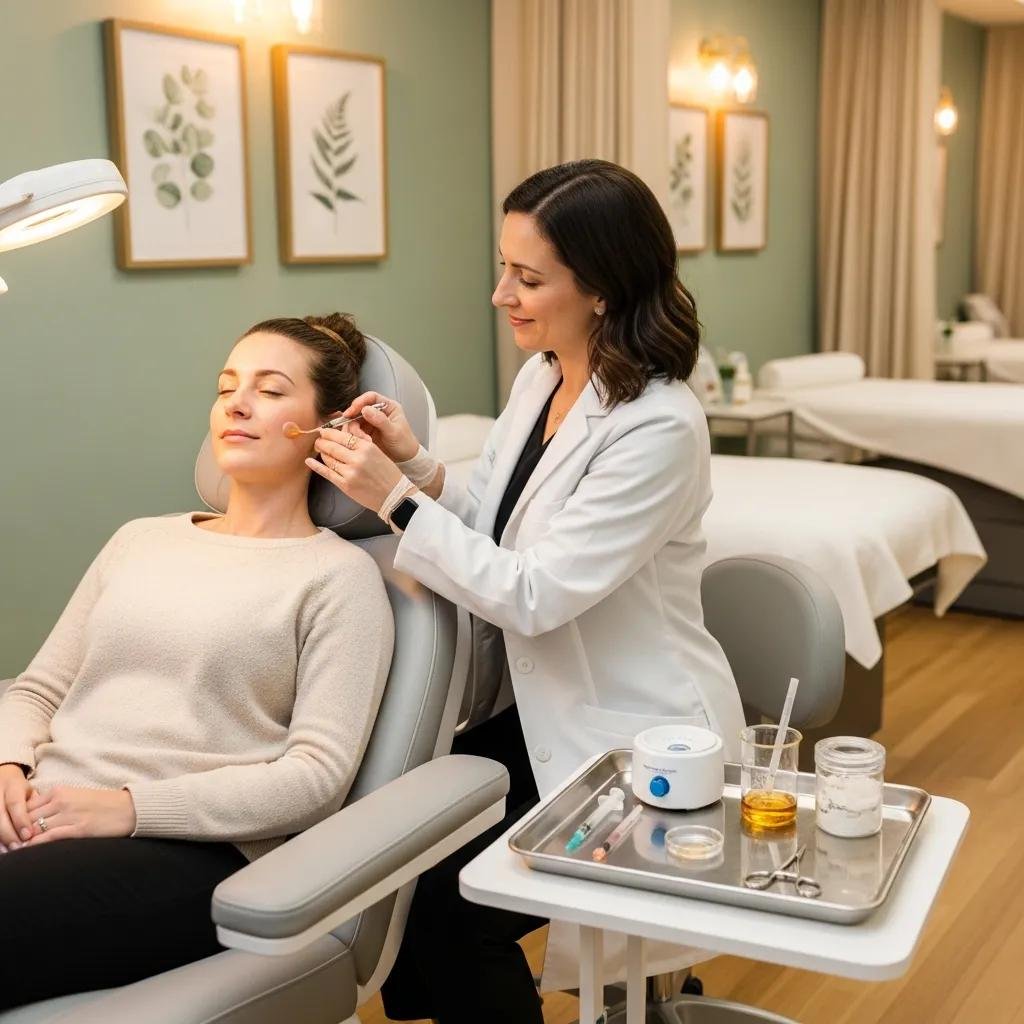
PRP Facial Rejuvenation: A Holistic Guide to the "Vampire Facial" with Dr. Fred Bloem
Platelet-rich plasma (PRP) facial rejuvenation — often called the “vampire facial” — uses your own platelets to jump-start the body’s natural repair systems, encouraging collagen production and healthier-looking skin. Below we walk through how PRP supports skin regeneration, what to expect during a typical visit (including combination microneedling), realistic benefits and recovery, and practical considerations around safety and cost. You’ll learn which growth factors do the work, why PRP is considered an autologous regenerative therapy, and how combining PRP with microneedling often produces better results than either treatment alone. For people seeking an integrative approach, Dr. Fred Bloem and Internal Healing and Wellness MD frame PRP within a patient-centered regenerative medicine plan that targets root causes, prioritizes safety, and personalizes care. The sections that follow outline the science, the clinic workflow, expected benefits with a concise comparison, cost and recovery details, and ways a holistic plan can help maintain results.
What is Platelet-Rich Plasma and How Does it Rejuvenate Skin?
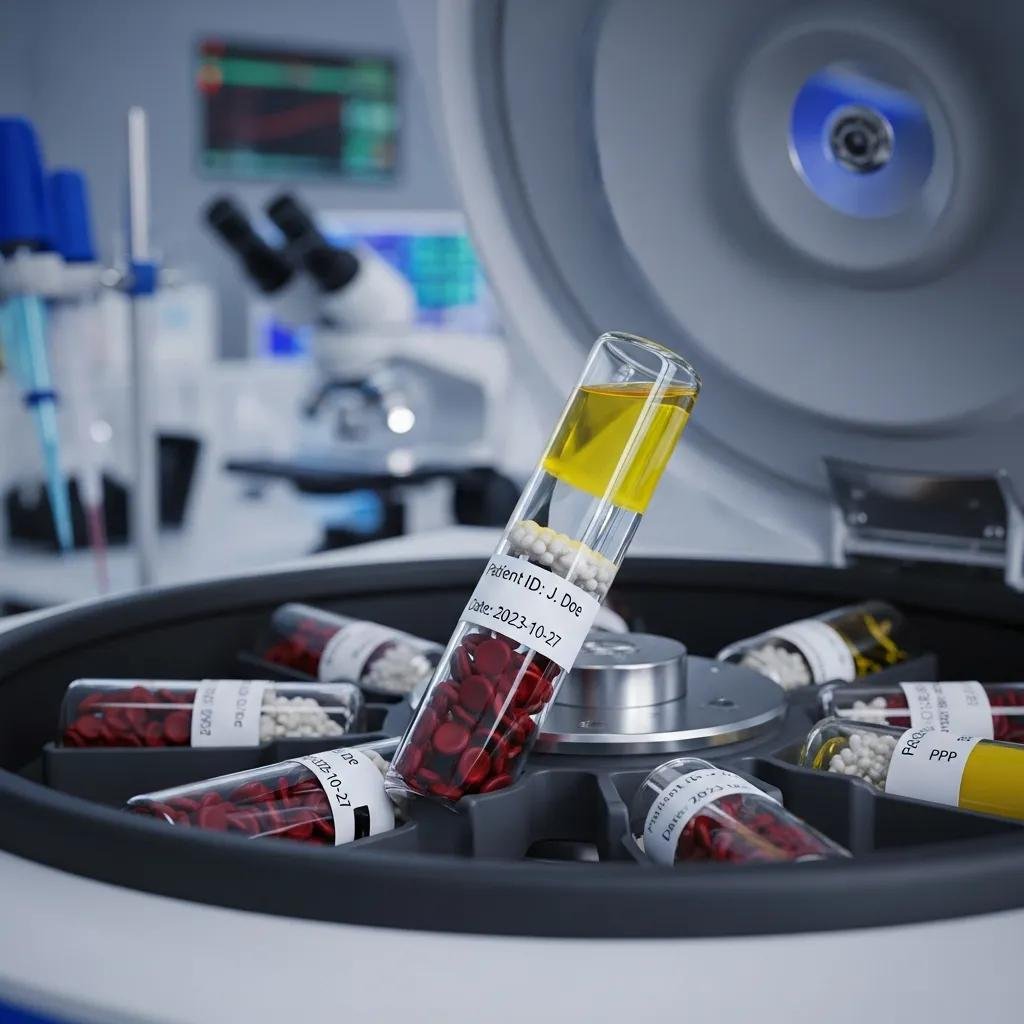
Platelet-rich plasma (PRP) is a concentrated portion of a patient’s own blood, rich in platelets and the growth factors they carry. When applied to aging or injured skin, those growth factors — including PDGF, TGF-β, VEGF, and EGF — signal local cells to begin repair: activating fibroblasts, encouraging new blood vessel growth, and remodeling the extracellular matrix. In practical terms, PRP amplifies the body’s existing healing signals to support increased collagen and elastin and better dermal circulation. Evidence and clinical practice show PRP works best when combined with controlled skin stimulation, such as microneedling, which creates pathways for growth factors to reach deeper layers and produce stronger, longer-lasting change. That cellular activity explains why improvements build over weeks to months rather than appearing instantly.
What Are Platelets and Growth Factors in PRP?
Platelets are small, nucleus-free fragments in the blood that store a mix of growth factors and signaling molecules essential for tissue repair. In PRP, key players include platelet-derived growth factor (PDGF), which recruits repair cells; transforming growth factor-beta (TGF-β), which helps regulate collagen production; vascular endothelial growth factor (VEGF), which supports new blood vessel formation; and epidermal growth factor (EGF), which aids surface cell regeneration. Together these signals encourage fibroblasts and endothelial cells to make new extracellular matrix and strengthen dermal tissue. Platelets also bring adhesive proteins and fibrinogen that help form a provisional scaffold during early healing. Viewing PRP this way clarifies why it’s considered a regenerative, autologous therapy rather than a filler or topical treatment.
How Does PRP Stimulate Collagen and Elastin Production for Skin Rejuvenation?
PRP promotes collagen and elastin mainly by activating dermal fibroblasts and switching on signaling pathways that drive extracellular matrix production and remodeling. Growth factors in PRP bind to receptors on fibroblasts, triggering intracellular cascades (for example, MAPK/ERK) that raise the expression of collagen types I and III and elastin-related genes, while helping balance matrix breakdown through modulation of matrix metalloproteinases. Clinically, these processes lead to gradual dermal thickening and stronger tissue over weeks; many patients see visible change between 4–12 weeks, with continued maturation for up to six months. This timeline is why a short series of treatments and scheduled maintenance are commonly recommended to lock in results and preserve elasticity. It also highlights the benefit of using the patient’s own biology rather than introducing foreign materials.
What Happens During the Vampire Facial Procedure at Internal Healing and Wellness MD?
At a glance, the vampire facial starts with a focused consultation and screening, followed by a safe blood draw, centrifugation to concentrate platelets, and careful application of PRP—either during microneedling or by superficial injections—to encourage tissue regeneration. During your visit we review medical history and expectations, screen for any contra-indications, and design a plan tailored to your goals. The technical steps include venipuncture, processing the sample in a controlled centrifuge protocol to isolate PRP, and applying the PRP according to the selected approach. Internal Healing and Wellness MD prioritizes patient comfort, strict aseptic technique, and short post-procedure observation to minimize risks and support the best outcome.
The short table below describes the clinic steps and the role of each item so patients know what to expect.
The stepwise EAV table below summarizes the clinical workflow and outcomes.
| Step | Tool/Entity | Purpose / Outcome |
|---|---|---|
| Consultation & consent | Clinician assessment | Identify contraindications, set realistic goals, and agree on a plan |
| Blood draw | Phlebotomy kit | Obtain the autologous sample used to make PRP |
| Centrifugation | Centrifuge | Concentrate platelets and separate components |
| PRP preparation | Sterile syringes | Measure and ready PRP for application |
| Application | Microneedling device or needle | Deliver growth factors into the dermis to stimulate repair |
This procedural map helps patients see how each stage contributes to a controlled regenerative response and sets clear expectations before treatment.
What Are the Step-by-Step Stages from Blood Draw to PRP Application?
The patient pathway moves through consultation, blood collection, processing, application, and brief observation—each step designed for safety and comfort. First, the clinician reviews your medical history, discusses goals, and obtains informed consent while covering aftercare. Next, a small amount of blood is drawn under sterile conditions and labeled, then placed in a centrifuge to produce a platelet-rich fraction; this processing commonly takes about 10–15 minutes depending on the protocol. After that, the treatment area is prepared and PRP is applied—topically during microneedling or via superficial injections—using techniques that improve absorption and regenerative signaling. Finally, patients remain under short observation to confirm immediate tolerance, receive aftercare instructions, and schedule follow-up. Clear communication at each stage lowers anxiety and supports better adherence to recovery guidance.
How Does Microneedling Enhance PRP Facial Rejuvenation Results?
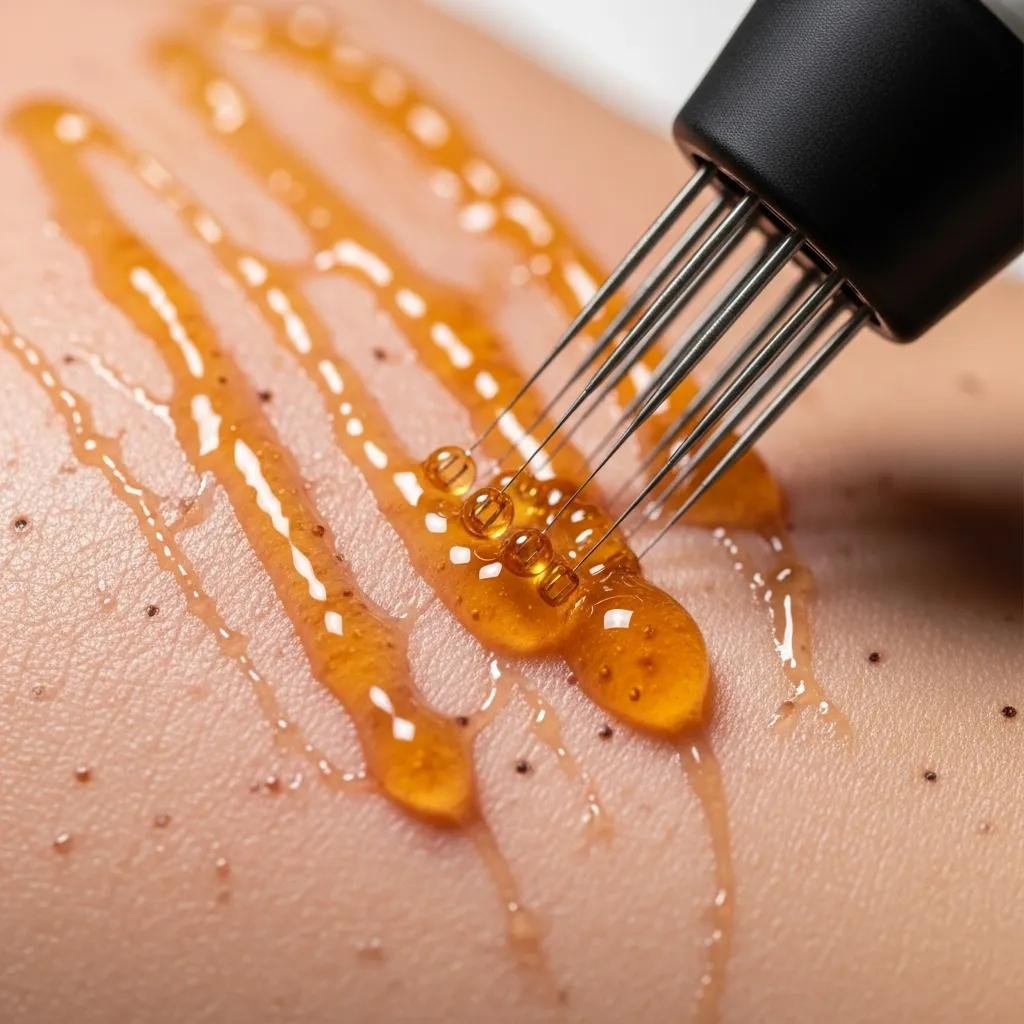
Microneedling creates controlled micro-injuries to the epidermis and upper dermis that do two important things: it triggers the skin’s own collagen-induction response and it opens microscopic channels that improve PRP penetration. The mechanical injury recruits repair cells and inflammatory mediators, while PRP delivers concentrated growth factors that amplify fibroblast activation and encourage angiogenesis. Together, the combination produces a stronger remodeling signal than either treatment used alone. Clinical experience shows microneedling with PRP tends to speed improvements in texture and tone, reduce fine lines, and improve scar appearance more effectively than standalone treatments. Patients should expect slightly more transient redness or swelling with the combined protocol, but typically see more noticeable and longer-lasting results.
What Are the Benefits of PRP Facial Rejuvenation for Skin Health and Anti-Aging?
PRP facial rejuvenation addresses several age-related skin concerns by using autologous growth factors to support elasticity, refine texture, even tone, and improve scar quality while minimizing allergic risk.
Its multimodal effects include collagen-driven softening of wrinkles, thicker dermal tissue, better microvascular flow and radiance, and modulation of pigmentation when combined with targeted treatments. PRP is especially appealing to patients who want natural-looking improvements without synthetic fillers, and it integrates well into a broader skin maintenance program to extend and preserve results.
The EAV table below pairs common concerns with PRP’s mechanism and realistic expectations to help patients compare outcomes before exploring condition-specific effects.
| Concern | PRP Mechanism | Expected Outcome / Timeline |
|---|---|---|
| Fine lines & wrinkles | Fibroblast activation, collagen synthesis | Smoother lines; noticeable improvement by 4–12 weeks |
| Skin laxity | ECM remodeling and elastin support | Gradual firmness gains over months with repeated sessions |
| Dull tone & texture | Angiogenesis and epithelial regeneration | Improved radiance and refined texture within weeks |
| Acne scarring | Matrix remodeling and scar improvement | Reduction in rolling/atrophic scars after multiple sessions |
This comparison underscores that PRP delivers progressive improvements and that a short series of treatments plus maintenance is often needed for sustained benefit.
Key clinical advantages of PRP facial rejuvenation include:
- Wrinkle and Fine Line Softening: Encourages collagen remodeling to reduce both dynamic and static lines.
- Better Skin Texture and Tone: Supports epidermal renewal and dermal microcirculation for a more even, glowing complexion.
- Scar and Sun Damage Repair: Promotes remodeling of atrophic scars and helps restore areas affected by photodamage.
These benefits make PRP a versatile choice for patients seeking biologic rejuvenation; the next section describes how these mechanisms translate into wrinkle and texture improvement.
How Does PRP Reduce Wrinkles, Fine Lines, and Improve Skin Texture?
PRP works through a cascade of signals that activate fibroblasts, increase collagen deposition, and thicken the dermis—smoothing surface irregularities and improving resilience. Growth factors in PRP stimulate production of type I and III collagen and help reorganize the extracellular matrix, which gradually softens fine lines and reduces crepiness. Many patients notice subtle changes within weeks, with more noticeable textural improvement after two to three months as new collagen matures. Maintenance sessions tailored to individual response help preserve those gains, and combining PRP with targeted modalities like fractional lasers or chemical peels can address deeper lines or heavier photodamage.
Can PRP Facial Help with Acne Scars, Sun Damage, and Uneven Skin Tone?
PRP can be a useful part of a treatment plan for certain acne scars, sun damage, and irregular pigmentation by supporting tissue remodeling and epidermal repair; however, realistic expectations and sometimes combined therapies are important. For rolling and atrophic scars, PRP combined with microneedling can improve contour and smoothness; hypertrophic or keloid scarring warrants specialist evaluation and caution. In sun-damaged skin, PRP’s angiogenic and epithelial effects support resurfacing and can stabilize pigment, but persistent dyschromia often needs pigment-directed treatments. For uneven tone, PRP is most effective as one component of a combined approach that treats both epidermal and dermal contributors to discoloration.
What Should You Know About PRP Facial Cost, Risks, and Recovery Time?
Knowing typical cost drivers, expected side effects, and a realistic recovery timeline helps you plan for a PRP facial with clear expectations about investment and downtime. Price reflects factors such as clinic experience, the PRP system and centrifugation protocol, whether microneedling or injections are included, and local market rates. Short-term effects typically include localized redness, swelling, and occasional bruising that resolve in days to a couple of weeks; serious complications are rare when strict aseptic technique is followed. Aftercare focuses on gentle cleansing, sun protection, and avoiding irritating topical agents for a short period—following your clinician’s instructions reduces risk and supports optimal healing.
Before the cost table, here are common factors that influence price to help orient decision-making.
- Clinic expertise and provider experience: Providers with advanced training in regenerative medicine may charge a premium for technique and personalized protocols.
- Procedure complexity: Adding microneedling, targeted injections, or treating multiple areas increases time and supply costs.
- Number of sessions and follow-up care: Package pricing or maintenance plans change the overall investment and value.
| Procedure Component | Influence on Price | Estimated Cost Range |
|---|---|---|
| Blood draw & processing | Moderate — equipment and disposables | $300–$700 |
| Microneedling device/time | Moderate — device amortization and clinician time | $200–$500 |
| Clinician time/expertise | High — planning and technique | $150–$500 |
| Multiple sessions/packages | Variable — discounts for series | $800–$2,000 (series) |
This breakdown shows how total cost varies with technique and scope; we recommend requesting a personalized estimate during consultation.
How Much Does a PRP Facial Typically Cost and What Influences Pricing?
PRP facial pricing varies because practices use different processing systems, have different clinician experience levels, and combine adjunctive treatments like microneedling. The biggest cost drivers are facility standards (sterility and equipment), the provider’s training in regenerative medicine, and whether additional procedures are performed during the same visit. When comparing options, evaluate transparency about technique, safety protocols, and follow-up care—not just price. A brief in-person consultation with an experienced provider will yield the most accurate quote and align treatment scope with your budget and goals.
What Are the Common Side Effects and How Long Is Recovery After PRP Facial?
Common, short-lived side effects include mild redness, swelling, tenderness, and occasional pinpoint bruising. Redness typically fades within 24–72 hours, while bruising—if it appears—may take up to 1–2 weeks depending on the individual. Less common risks include infection or prolonged inflammation; these are rare with proper aseptic technique, screening, and aftercare. Typical recovery advice includes avoiding strenuous exercise, heat exposure, and irritating topicals for a few days, and using sunscreen while the skin heals. Contact your clinician if you experience unusual pain, spreading redness, fever, or other concerning symptoms, as these could indicate a complication requiring prompt evaluation.
How Does Dr. Fred Bloem’s Holistic Approach Enhance PRP Facial Rejuvenation?
Dr. Fred Bloem views PRP facial rejuvenation as one part of a broader strategy that supports whole-person health. At Internal Healing and Wellness MD, PRP treatments are integrated with attention to nutrition, sleep, inflammation, and other systemic factors that influence healing and the longevity of cosmetic results. The practice emphasizes root-cause evaluation and individualized protocols so treatments are chosen and timed based on each patient’s biology and goals—improving both safety and long-term satisfaction. In short, PRP is delivered as part of a coordinated plan that aligns aesthetic improvements with overall health optimization rather than as an isolated procedure.
How Is PRP Integrated with Holistic and Regenerative Medicine at Internal Healing and Wellness MD?
Integration at our clinic starts with assessing factors that affect healing—nutritional status, sleep quality, systemic inflammation, and medications—and tailoring the PRP plan to those findings instead of using a one-size-fits-all protocol. Adjunctive support can include dietary and lifestyle guidance, post-procedure skincare recommendations, and scheduled follow-ups to track regenerative progress and adjust the plan. Our regenerative focus informs choices about protocols and monitoring, reducing risk and helping results last longer. Patients benefit from coordinated care that treats skin rejuvenation as part of whole-person health.
What Personalized Treatment Plans Does Dr. Bloem Offer for Lasting Skin Rejuvenation?
Personalized plans begin with a thorough skin and health evaluation, followed by a recommended treatment sequence—often a planned series of PRP sessions combined with microneedling or other modalities when appropriate—and a maintenance schedule to sustain gains. The program typically includes initial therapy, short-term follow-up to assess early response, and periodic maintenance to reinforce collagen remodeling. Plans are adjusted based on healing and patient priorities, and shared decision-making ensures patients understand timelines, realistic outcomes, and actions that improve durability such as sun protection and healthy habits. This individualized approach aims to maximize benefit while aligning with each patient’s broader wellness goals.
If you’re considering PRP facial rejuvenation, Internal Healing and Wellness MD offers a patient-focused pathway that pairs regenerative procedures with whole-person care and tailored follow-up.
- Book a consultation with a clinician experienced in regenerative medicine to confirm candidacy.
- Discuss personalized goals and systemic factors that affect healing and long-term results.
- Plan a treatment sequence and maintenance schedule that reflects your skin goals and overall health.
This simple roadmap helps prospective patients turn interest into a clear, personalized plan.
Frequently Asked Questions
What is the typical recovery time after a PRP facial?
Recovery varies, but most people can expect mild redness and swelling for a few days and any bruising to fade within up to two weeks. Many patients feel comfortable returning to normal light activities within 24–72 hours, while avoiding strenuous exercise and direct sun exposure for a short period. Always follow your clinician’s aftercare instructions and reach out if you notice unusual symptoms.
How many PRP facial sessions are usually recommended for optimal results?
Many providers recommend a series of 3–4 sessions spaced about 4–6 weeks apart to build cumulative collagen and structural improvement. After the initial series, maintenance sessions every 6–12 months are common to preserve results. Individual recommendations depend on skin condition, age, and goals, so discuss a tailored plan during your consultation.
Are there any contraindications for undergoing a PRP facial?
Yes. Certain medical conditions—such as active infections, some blood disorders, or use of anticoagulant medications—may make PRP inappropriate. Pregnancy and breastfeeding are commonly considered contraindications as well. A thorough medical review during consultation will determine if PRP is safe and suitable for you.
Can PRP facial rejuvenation be combined with other treatments?
Yes. PRP is frequently combined with microneedling, lasers, or chemical peels to address a range of concerns more comprehensively. Combining therapies can improve outcomes but must be planned carefully to minimize risk and optimize timing—your clinician will recommend the safest and most effective combination for your needs.
What should I do to prepare for a PRP facial treatment?
Preparation commonly includes avoiding blood-thinning medications and certain supplements (like aspirin or high-dose fish oil) for about a week before the procedure to reduce bruising risk—only stop any medication after consulting your prescribing clinician. Stay hydrated, maintain a healthy diet, and share all medications and health conditions with your provider so the team can tailor the plan for safety and best results.
How long do the results of a PRP facial last?
Results vary by person but often last from six months to over a year, depending on factors such as age, skin condition, lifestyle, and maintenance. Since PRP works by stimulating your own collagen production, effects can continue to improve for months after treatment. Periodic maintenance sessions and good skincare habits help extend outcomes.
Conclusion
PRP facial rejuvenation offers a natural, biologic option to improve texture, tone, and elasticity by harnessing your body’s own growth factors. Understanding the procedure, realistic outcomes, and how it fits into a personalized care plan will help you make an informed choice. If you’d like to explore whether PRP is right for you, schedule a consultation with our team to discuss a thoughtful, evidence-based plan that supports both skin renewal and overall wellness.

