

Platelet-Rich Plasma (PRP) for Hair Loss — A Practical Guide to Natural Regrowth
Platelet-rich plasma (PRP) is an autologous concentration of a patient’s own platelets and growth factors that supports tissue repair and can reactivate dormant hair follicles to improve natural regrowth and density. This guide covers what PRP is, the biological basis for how it works, the in-clinic injection process, typical outcomes, and how PRP stacks up against medical and surgical hair-loss options. Many people with thinning hair prefer treatments that avoid systemic side effects or major surgery; PRP is a minimally invasive, regenerative option that uses growth factors and cytokines to extend the anagen (growth) phase and reduce shedding. You’ll learn who tends to be a good candidate, the usual treatment timeline, safety considerations, practical aftercare, and how clinics tailor protocols. We also outline common cost drivers and how to book a consultation with a regenerative-medicine practice in Kensington, MD. Relevant search terms—PRP hair loss, platelet-rich plasma hair treatment, PRP for hair regrowth—are discussed in a clinical, actionable context.
What is Platelet-Rich Plasma Therapy for Hair Loss?
PRP therapy for hair loss is a non-surgical regenerative treatment that concentrates platelets from your own blood and delivers their growth factors and signaling proteins to the scalp to encourage follicle repair and scalp health. The treatment works through autologous platelet-derived growth factors—examples include PDGF, VEGF, and TGF-β—which help modulate inflammation, promote new blood vessel formation, and activate follicular stem cells to re-enter the growth (anagen) phase. A typical PRP session involves a blood draw, centrifugation to isolate a platelet concentrate, and a series of targeted scalp microinjections at thinning sites to encourage thicker, denser hair. Because PRP harnesses the body’s natural healing pathways rather than synthetic drugs or implants, it’s classified under regenerative medicine and is often presented as a ‘natural’ option for people with early to moderate pattern hair loss.
At Internal Healing and Wellness MD we use PRP as part of a broader regenerative approach and individualize protocols to each patient’s pattern of thinning and overall health. Our care emphasizes careful clinical assessment, choosing platelet concentrations that match goals, and adding complementary therapies when appropriate. That way, PRP is integrated into a tailored hair-restoration plan rather than offered as one-size-fits-all care.
How does PRP stimulate hair follicle regeneration?
PRP delivers a concentrated mix of growth factors and signaling molecules to the scalp that act on follicular stem cells, local blood vessels, and the surrounding tissue to encourage regeneration. Key factors—platelet-derived growth factor (PDGF), vascular endothelial growth factor (VEGF), and transforming growth factor‑beta (TGF‑β)—bind to receptors on dermal papilla and stem cells, promoting cell proliferation and microvascular growth. This cascade improves nutrient and oxygen delivery to follicles, helps prolong the anagen phase, and reduces miniaturization that causes thinner hair. Recent reviews through 2024 support the biological plausibility and show measurable cellular responses, while clinical results vary by patient and protocol. When follicles are present but inactive, these mechanisms explain why PRP can be a useful option for androgenetic alopecia and diffuse thinning.
What is the step-by-step PRP procedure for scalp injections?
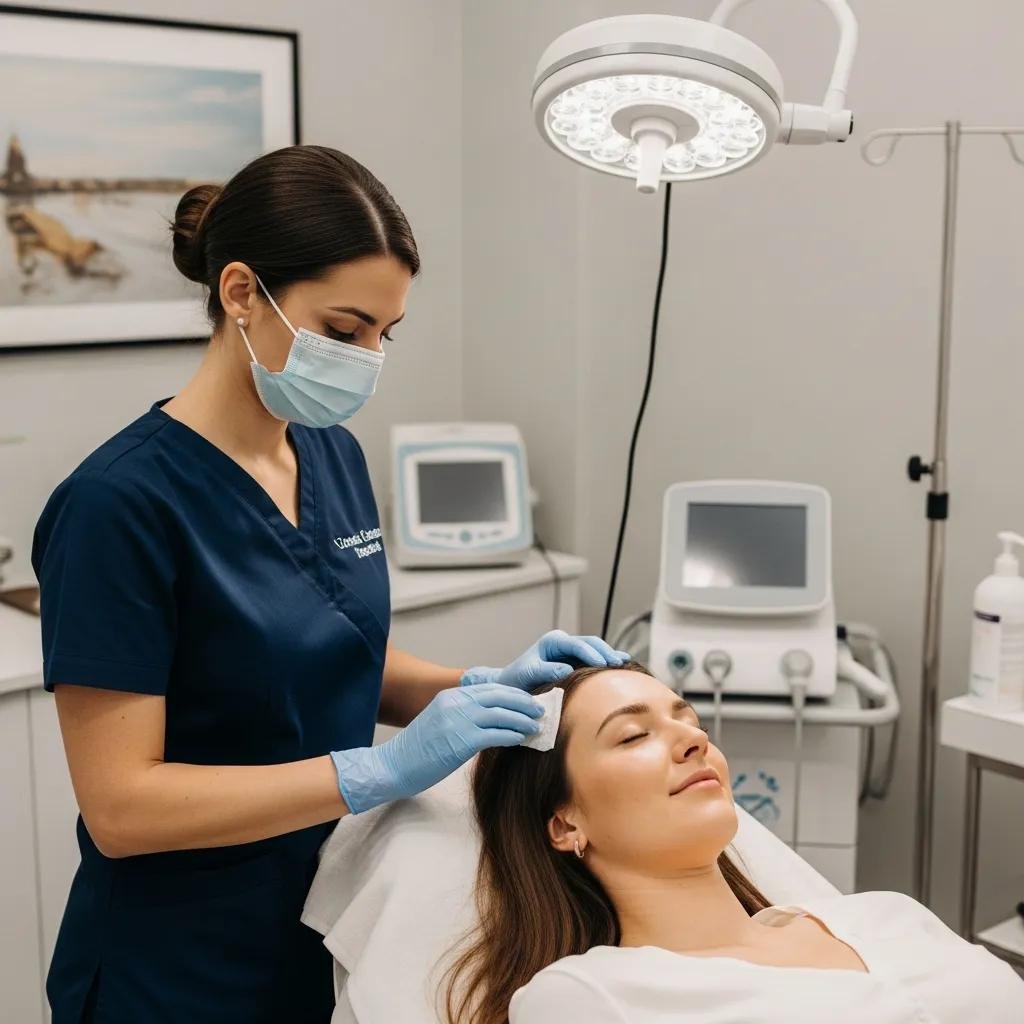
Here’s a typical in-clinic workflow so you know what to expect. The process usually begins with a focused consultation and scalp assessment to map thinning areas and review medical history. Next comes a peripheral blood draw—commonly 15–60 mL depending on the chosen protocol. The blood is then centrifuged with a validated device to separate platelet-poor plasma from platelet-rich plasma; clinics monitor processing for target platelet concentration and maintain sterility throughout. A topical or local anesthetic is applied if needed, and the PRP is delivered as multiple microinjections across the scalp—the injection phase often takes 30–45 minutes and the full visit about 60–90 minutes. Clinics follow aseptic technique and standardized steps to reduce infection risk and produce consistent platelet yields.
What are the Benefits of PRP Hair Restoration for Thinning Hair?
PRP hair restoration offers several clinically relevant benefits by using your own growth factors to support follicle health, increase hair-shaft thickness, and lower shedding—making it appealing for people who want a natural, minimally invasive option. Controlled studies and systematic reviews show improvements in hair density, diameter, and patient satisfaction for many with early to moderate androgenetic alopecia. Advantages include a low systemic side-effect profile (because PRP is autologous), quick recovery after sessions, and potential synergy with topical or oral therapies. Below we break down the main therapeutic effects and how they translate into visible changes.
Expect gradual, biologically driven improvements rather than instant transformation; this aligns with normal hair-cycle physiology and helps set realistic expectations. Clinics can adjust platelet concentration and injection density to balance efficacy with cost based on how much thinning you have and your goals. The table below summarizes key PRP components, their mechanisms, and practical effects.
| Component | Mechanism | Practical Effect |
|---|---|---|
| PDGF (platelet-derived growth factor) | Stimulates cell proliferation and follicular cell migration | Increased follicle activity and hair count |
| VEGF (vascular endothelial growth factor) | Promotes angiogenesis and improves microcirculation | Better nutrient delivery and thicker shafts |
| TGF-β (transforming growth factor-beta) | Modulates inflammation and matrix remodeling | Reduced shedding and a healthier scalp environment |
How does PRP improve hair density and thickness?
PRP supports hair density and thickness by encouraging dermal papilla cell proliferation and increasing microvascular support around follicles, which raises hair-shaft caliber and the count of terminal hairs per cm². Clinical trials and meta-analyses up to 2024 show moderate improvements in hair count and diameter after an initial treatment series, with outcomes differing by protocol and baseline severity. Visible changes typically build over 3–6 months as treated follicles shift into longer anagen phases and miniaturization slows; combining PRP with other therapies often enhances these gains. Individual factors—age, pattern of loss, scalp condition—affect results, so personalizing expectations is important for patient satisfaction.
Why is PRP considered a safe, minimally invasive treatment?
PRP is considered safe and minimally invasive because it uses autologous blood products, which dramatically reduce allergic risks, and because treatment involves superficial injections rather than surgery. Common side effects are short-lived and local—mild pain, redness, swelling, or minor bruising at injection sites—and they typically resolve within days with simple care. Serious complications are rare when clinics follow sterile technique, screen patients appropriately, and use established processing protocols. Pre-procedure assessment screens for contraindications like bleeding disorders or active scalp infections, and clinics provide aftercare guidance to further lower risk.
Who is a Good Candidate for PRP Hair Loss Treatment?
Good candidates are people with early-to-moderate androgenetic alopecia or diffuse thinning who still have viable follicles and prefer a non-surgical, autologous approach to increase density and thickness. PRP tends to work best for recent thinning rather than long-standing, scarred bald areas because it stimulates existing follicular units rather than creating new ones. Factors that influence outcomes include age, the pattern and duration of hair loss, overall health, smoking status, and concurrent therapies. Contraindications include bleeding disorders, active scalp infection, or medications that impair platelet function; a careful medical history helps identify these issues.
Assessing candidacy requires a clinical scalp exam, medical history, and sometimes standardized photographs to document baseline status and track progress. This diagnostic step lets clinicians tailor platelet concentration and injection mapping and sets realistic expectations about likely improvement and the possible need for combination treatments such as topical agents or microneedling. Below is a short checklist of who typically benefits most from PRP.
- Early-stage androgenetic alopecia: Preserved follicular units with gradual thinning.
- Diffuse thinning with intact follicles: Miniaturization detectable but not complete scarring.
- Good overall health and realistic expectations: Ability to follow follow-up and adjunctive care.
Which hair loss conditions can PRP effectively treat?
PRP has the strongest evidence for treating androgenetic alopecia in men and women and for improving diffuse thinning when viable follicles remain. Results are more variable in autoimmune conditions like alopecia areata and limited in fully scarred (cicatricial) alopecias. Systematic reviews show consistent benefit for pattern hair loss—especially in early to moderate stages—while studies in alopecia areata suggest PRP is more likely an adjunct than a standalone therapy. Earlier intervention usually yields better density gains, so identifying the underlying condition helps decide whether PRP alone is appropriate or should be paired with other treatments.
Are there any contraindications or limitations for PRP therapy?
Contraindications include medical conditions that affect platelet function (for example, bleeding disorders), active scalp infection, and use of anticoagulant or antiplatelet drugs that cannot be safely stopped—these increase procedural risk or lower PRP effectiveness. Practical limitations include reduced benefit in long-standing, extensively scarred bald areas where follicles are destroyed and the fact that PRP for cosmetic hair restoration is usually elective and not covered by insurance. When PRP isn’t suitable, clinicians discuss other or complementary options such as topical agents, systemic treatments where appropriate, or surgical restoration for advanced cases. Clear screening protects patient safety and sets realistic expectations.
What to Expect During and After PRP Hair Restoration Sessions?
Your typical PRP journey includes an initial consultation with photos, a blood draw and processing step, the injection session itself, and scheduled follow-ups to monitor progress and plan boosters. The first visit usually takes about 60–90 minutes. Many patients feel mild discomfort during injections; clinics commonly use topical anesthetic or nerve blocks to improve comfort, followed by a brief observation period. Short-term reactions—scalp tenderness, mild swelling—generally improve in 24–72 hours. Clinicians provide aftercare instructions to limit irritation and protect treated areas, and progress is tracked with photos and clinical discussion over several months to determine whether adjunctive strategies are needed.
At Internal Healing and Wellness MD our pathway focuses on personalized assessment, a longer initial visit for careful mapping and education, and PRP regimens that Dr. Fred Bloem tailors to each patient’s response and goals. Follow-up visits evaluate platelet response and scalp changes, and booster timing and adjunctive options are adjusted to optimize results while keeping patient lifestyle in mind. If you choose PRP here, expect a collaborative plan that balances safety and effectiveness with your daily routine.
How many PRP sessions are typically required for visible results?
Common protocols begin with an initial series of three monthly sessions, followed by maintenance or booster treatments every 3–6 months as needed. Many patients notice visible improvement between three and six months after starting therapy. This framework reflects typical clinical practice and answers common timeline questions, but individual results vary with baseline severity, concurrent therapies, and biological responsiveness, so providers tailor frequency and maintenance plans to sustain gains.
What is the recommended aftercare following PRP scalp injections?
After PRP injections, providers usually advise avoiding strenuous exercise, hot baths, and direct scalp irritation for 24–72 hours to limit bleeding and inflammation. Gentle cleansing and regular topical hair-care products can typically resume per your clinician’s guidance. Clinicians often recommend avoiding nonsteroidal anti-inflammatory drugs briefly because they can blunt platelet activity. Follow-up visits let the team monitor healing and response. Some providers combine PRP with topical therapies or microneedling at specific intervals to boost results, with sequencing chosen to protect safety and maximize benefit. Clear written aftercare instructions and a direct contact for questions help patients recover with confidence.
How Does PRP Compare to Other Hair Loss Treatments?
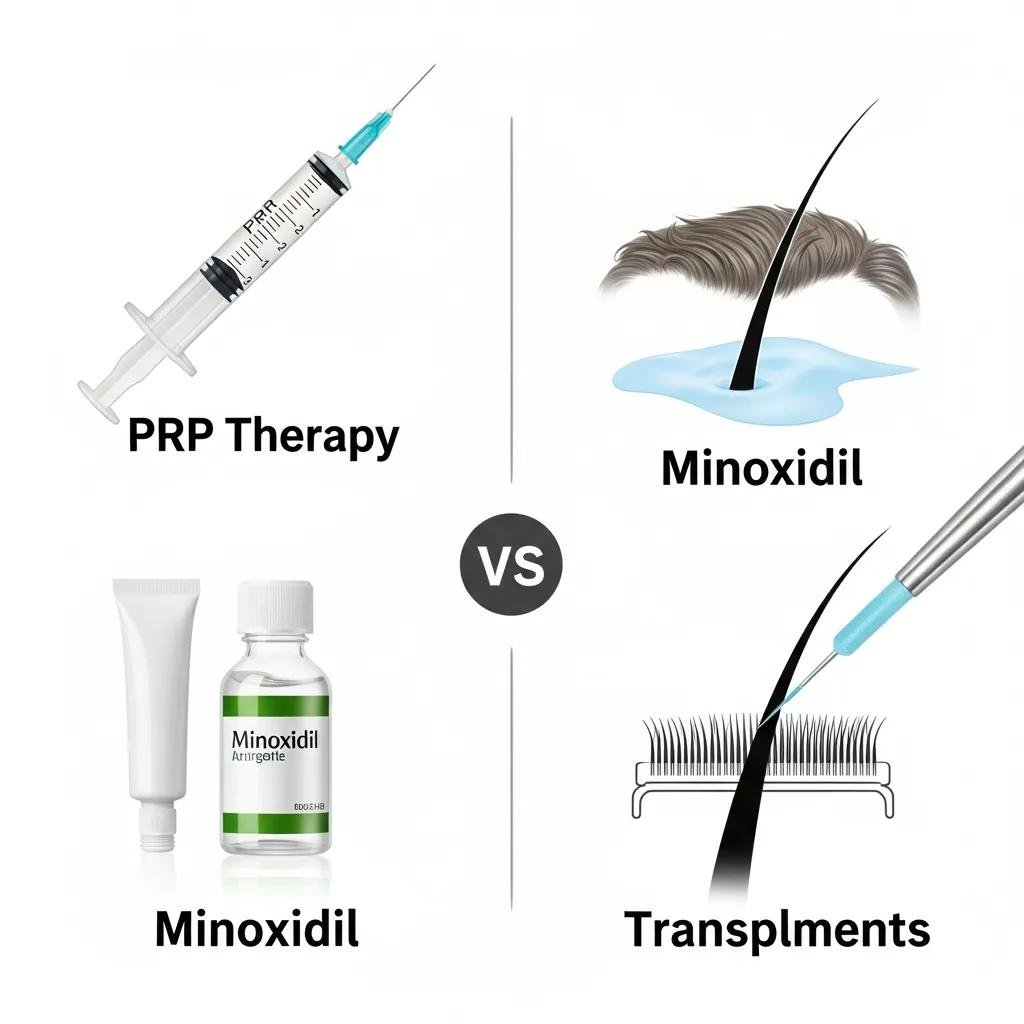
PRP fills a distinct niche among hair-loss options: it’s autologous and minimally invasive, with local biologic effects and low systemic risk. Topical and oral medications act through different pathways, while hair transplants replace follicles surgically. Compared directly, PRP’s strengths are that it uses the patient’s own biology, has relatively low downtime, and pairs well with combination strategies; medications like minoxidil and finasteride have strong evidence for certain patients but require ongoing adherence and can have side effects. Surgical transplants provide significant density for advanced baldness but require operative recovery and aren’t ideal for diffuse thinning—where PRP may help preserve native follicles. The table below summarizes invasiveness, timeline, efficacy, and complementary use for common options.
| Treatment | Invasiveness | Typical Timeline to Results | Efficacy | Complementary Use |
|---|---|---|---|---|
| PRP | Low (injections) | 3–6 months | Moderate for early/moderate loss | Enhances topical/systemic therapies |
| Minoxidil | Topical, non-invasive | 3–6 months | Moderate, continuous use required | Often used with PRP |
| Finasteride | Oral, systemic | 3–6 months | Moderate-to-high in men | Can be combined with PRP |
| Microneedling | Minimally invasive | Weeks to months | Variable, synergistic with PRP | Often combined with PRP |
| Hair Transplant | Surgical | Immediate grafting, final result months | High for localized baldness | PRP can support graft survival |
What are the advantages of PRP over minoxidil, finasteride, and hair transplants?
PRP’s main advantages are its autologous nature—minimizing systemic exposure and allergic risk—and its minimally invasive delivery compared with surgical transplants. It provides focused growth-factor delivery that complements topical or oral medications. Unlike daily treatments that depend on strict adherence, PRP is delivered in office sessions, which may improve compliance and engagement. For patients who want to avoid systemic drug effects or surgery, PRP is often a middle ground that stimulates follicular biology without grafts or daily medication. Those who favor regenerative, natural approaches frequently find this combination of benefits appealing.
Can PRP be combined with other therapies for enhanced hair regrowth?
Yes. PRP pairs well with topical minoxidil, appropriate oral agents, microneedling, and low-level laser therapy to produce synergistic effects when sequencing and timing are planned for safety and biological impact. For example, microneedling can enhance scalp permeability and local growth-factor access when coordinated with PRP, while topical agents help maintain the follicular environment between sessions. Evidence supports that carefully chosen combinations can outperform single modalities in some studies, so specialists tailor plans to patient goals, tolerability, and clinic expertise. Thoughtful combination strategies often produce better long-term maintenance of hair density.
What are the Costs and How to Schedule a Consultation for PRP Hair Treatment?
PRP costs vary based on the number of sessions, platelet-processing method and equipment, provider experience, geographic location, and any adjunctive procedures; cosmetic PRP is usually not covered by insurance. Practices may price the initial series differently from maintenance visits, and some offer packages that reflect processing quality and provider time. During your consultation we recommend asking about platelet concentration targets and exactly what’s included in the quoted fee so you understand value and expectations. The table below maps common cost factors to their typical impact and notes.
| Cost Factor | Impact on Price | Notes |
|---|---|---|
| Number of sessions | High | Initial series plus boosters increase total cost |
| Processing method | Moderate–High | Advanced centrifugation devices or kits can raise price |
| Provider expertise | Moderate | Specialist clinicians or physician-led sessions may cost more |
| Adjunct therapies | Moderate | Microneedling or topical agents add to the package |
What factors influence the cost of PRP hair restoration?
Key cost drivers include how many treatments you need, the lab or device method used to prepare PRP (single-spin vs. double-spin or commercial kits), the provider’s expertise and time, and whether procedures like microneedling are bundled. Local market differences, clinic overhead, and whether baseline assessments and standardized photography are included also affect price. Because PRP is often elective, clinics give consultation-based pricing so you get a plan that matches your goals and budget.
How to book a personalized PRP consultation with Dr. Fred Bloem in Kensington, MD?
To schedule a personalized PRP consultation with Dr. Fred Bloem at Internal Healing and Wellness MD, request an initial evaluation where we review your medical history, perform a scalp assessment, and outline an individualized treatment plan. Please bring any prior records and photos showing hair-loss progression. Our office is at 10400 Connecticut Ave Ste 206, Kensington MD 20895-3941. At the consultation we’ll review candidacy, expected timelines, and pricing based on your platelet-processing choices and any adjunctive services. Dr. Bloem and the team will present a recommended protocol and follow-up schedule so you leave knowing next steps. Check our local listing for directions and to confirm appointment availability.
- Prepare medical history and photos: Bring prior treatment records and clear images of thinning areas.
- Attend clinical assessment: Expect a focused scalp exam, goals discussion, and a customized plan.
- Review pricing and scheduling: The consultation will outline session count, processing options, and maintenance timing.
Frequently Asked Questions
What is the typical recovery time after PRP hair restoration sessions?
Recovery is usually quick. Most people resume normal activity within 24–48 hours. Mild side effects—tenderness, swelling, or redness at injection sites—are common but typically clear in a few days. To minimize discomfort and support healing, avoid strenuous exercise, hot baths, and direct scalp irritation for the first 24–72 hours and follow your clinician’s aftercare instructions.
How long do the results of PRP therapy last?
Results can last roughly six months to a year, depending on individual factors like the severity of hair loss, overall health, and adherence to maintenance treatments. Many patients benefit from follow-up sessions every 3–6 months to sustain and build on early gains. Longevity also depends on your response to the treatment and any concurrent therapies such as topical minoxidil or microneedling.
Is PRP therapy suitable for all types of hair loss?
PRP is most effective for androgenetic alopecia and diffuse thinning when viable follicles remain. Its benefit is limited for complete baldness or scarring alopecias (cicatricial alopecia). Results in autoimmune hair loss like alopecia areata are variable; PRP may serve as an adjunct rather than a primary treatment. A thorough consultation with a qualified clinician will clarify whether PRP is appropriate for your specific condition.
What should I avoid before and after PRP treatment?
Before and after PRP, avoid blood thinners—including NSAIDs—when safe to do so (typically about a week), because they can reduce platelet function. Refrain from alcohol and smoking, which impair healing. After the procedure, avoid strenuous activity, direct sun exposure, and harsh hair products for a few days. Always follow your clinic’s specific pre- and post-procedure instructions for the best results.
Can PRP therapy be used in conjunction with hair transplants?
Yes. PRP is commonly used with hair transplants to support graft survival and improve scalp healing. It can be applied before and after transplant surgery to encourage better blood flow and faster recovery, and many surgeons use PRP as an adjunct to optimize transplant results.
Are there any long-term side effects associated with PRP therapy?
PRP is generally safe long term since it uses your own blood. Most side effects are short-lived and local—mild pain, swelling, or bruising at the injection sites. Serious complications are rare when qualified professionals follow sterile technique. Discuss any concerns with your clinician during the consultation to make an informed choice.
Conclusion
PRP offers a natural, minimally invasive option for hair loss by using your body’s own growth factors to stimulate regrowth and improve density. With a strong safety profile and customizable plans, PRP is a compelling choice for people who want to improve hair health without surgery or systemic medication. If you’re considering PRP, schedule a personalized consultation to review your situation and goals. Our tailored approach can help you understand realistic outcomes and choose the best path forward.

