


Practical, Natural Ways to Lower High Blood Pressure: Lifestyle, Diet, Supplements, and Functional Medicine Strategies
High blood pressure (hypertension) is common and often quiet — left unchecked it raises risk for heart attack, stroke, kidney disease, and cognitive decline. This guide lays out how lifestyle medicine, targeted dietary shifts, selected supplements, and functional-medicine testing can lower blood pressure safely and sustainably. You’ll get clear explanations of what drives hypertension from both conventional and functional perspectives, learn which lifestyle and dietary changes produce measurable BP reductions, and see which supplements or clinic-based services may help when behavior change alone isn’t enough. The aim is practical: step-by-step actions — from exercise and stress tools to supplement dosing and personalized testing — that reduce cardiovascular risk while minimizing medication when safe and appropriate. For people wanting clinical support, Dr. Fred Bloem of Fred Bloem MD LLC offers an integrative, patient-centered model that combines root-cause testing with individual protocols; consult options are described later. First we define hypertension, review its risks, then move into practical lifestyle, diet, supplement, and functional-medicine pathways you can use.
What Is Hypertension and How Does It Affect Your Health?
Hypertension means blood pressure readings that stay above recommended thresholds. Current clinical categories — normal, elevated, Stage 1, and Stage 2 — are based on systolic and diastolic numbers plus overall cardiovascular risk. Persistent elevation increases mechanical stress on arteries, promotes endothelial dysfunction and arterial stiffening, and damages small vessels — processes that accelerate injury in the heart, brain, kidneys, and eyes. Because hypertension often produces no early symptoms, recognizing diagnostic cutoffs and tracking home readings is essential for timely action. Knowing how high blood pressure harms organs also explains why lifestyle and targeted interventions can substantially lower long-term risk.
What Causes High Blood Pressure from a Functional Medicine Perspective?
In functional medicine, hypertension usually reflects several interacting root causes rather than a single problem. Chronic low-level inflammation and oxidative stress blunt nitric-oxide signaling in the endothelium, reducing vasodilation and raising vascular resistance. Hormonal imbalances — like thyroid problems, dysregulated adrenal output, or shifts in sex hormones — change vascular tone and fluid balance, affecting heart rate and sodium handling. Environmental toxins (for example, heavy metals and endocrine disruptors) can drive vascular inflammation. Gut dysbiosis and nutrient shortfalls — notably magnesium and potassium deficiencies — impair the body’s ability to regulate smooth muscle tone. A focused history and targeted testing help clinicians identify these drivers so they can treat causes, not just symptoms; later sections outline individualized corrective strategies.
What Are the Risks and Complications of Untreated Hypertension?
Left untreated, high blood pressure gradually damages multiple organs and sharply increases both acute cardiovascular events and long-term illness. Elevated pressure contributes to left ventricular hypertrophy, coronary artery disease, heart failure, and higher risk of myocardial infarction by increasing afterload and injuring the endothelium. It accelerates cerebrovascular disease, raising stroke risk and contributing to vascular cognitive decline. The kidneys are vulnerable too: chronic hypertension promotes glomerulosclerosis and progressive renal loss, and retinal microvascular injury can impair vision. Because many of these outcomes are preventable with effective BP control, early lifestyle changes and root-cause evaluation offer high-impact ways to lower long-term disability and mortality.
Which Lifestyle Changes Can Naturally Lower Blood Pressure?

Lifestyle strategies are the cornerstone of natural BP management because they tackle core physiologic drivers — weight, vascular tone, autonomic balance, and metabolic health — without drug side effects. Regular aerobic activity improves endothelial function and lowers systemic vascular resistance; weight loss reduces cardiac workload and can meaningfully drop systolic pressure. Better sleep and reduced alcohol intake calm sympathetic overdrive and lower cortisol-related sodium retention, helping daytime pressures fall. These measures are additive: combining exercise, sleep optimization, and dietary changes produces larger reductions than any single change. Personalizing plans to fitness, health history, and comorbidities improves safety and adherence.
| Intervention | Expected systolic BP reduction (mmHg) | Timeframe / Notes |
|---|---|---|
| Weight loss (5-10% body weight) | 5–10 | Larger weight loss yields greater reductions; sustained over months |
| Regular aerobic exercise | 4–9 | 150 min/week moderate activity commonly used as target |
| Dietary sodium reduction | 2–8 | Greater benefit in salt-sensitive individuals; combine with DASH principles |
| Stress reduction / mindfulness | 3–5 | Effects accumulate with regular practice and improved sleep |
Use this table to prioritize changes by likely impact and feasibility — combining several approaches typically gives the best clinical response.
Lifestyle habits that reliably lower blood pressure include:
- Aerobic and resistance exercise: Build a routine that mixes cardio and strength work to improve vascular health and metabolic fitness.
- Weight management: Even modest, sustained weight loss reduces cardiac workload and vascular resistance.
- Stress reduction and sleep optimization: Practices that boost parasympathetic tone reduce sympathetic-driven vasoconstriction.
- Sodium moderation and alcohol reduction: Cutting excess salt and limiting alcohol support better pressure control.
Together, these habits create a durable foundation for long-term BP control and make adjunctive therapies more effective.
How Does Exercise Help Manage High Blood Pressure?
Exercise lowers blood pressure by improving endothelial health, increasing nitric-oxide availability, and lowering peripheral vascular resistance — changes that make the heart more efficient. Regular aerobic activity (brisk walking, cycling, swimming) produces consistent systolic and diastolic drops; resistance training complements aerobic work by increasing lean mass and improving insulin sensitivity. Practical targets include roughly 150 minutes per week of moderate aerobic activity plus two resistance sessions, with gradual progression for beginners or people with heart disease. Track home BP before and after starting an exercise program to see your individual response and adjust intensity. For people with significant comorbidities, consult a clinician to tailor a safe plan.
What Stress Management Techniques Reduce Hypertension?
Stress reduction lowers sympathetic nervous system activation, reduces cortisol and catecholamine spikes, and increases parasympathetic tone — physiologic shifts that often translate into lower blood pressure. Effective options include mindfulness meditation, progressive muscle relaxation, cognitive-behavioral strategies, yoga, and paced breathing exercises (for example 4-7-8 or slow diaphragmatic breaths) that stimulate vagal tone quickly. Short daily sessions (10–20 minutes) can produce measurable BP improvements over weeks, and combining stress work with better sleep enhances results. If anxiety or trauma symptoms persist, a referral to behavioral health complements lifestyle measures and supports safer, longer-lasting change.
What Dietary Approaches Support Healthy Blood Pressure?
Diet is one of the most powerful levers for blood pressure because nutrients affect vascular tone, fluid balance, and metabolism directly. The DASH (Dietary Approaches to Stop Hypertension) and Mediterranean-style diets have the strongest evidence for BP reduction. Core actions are lowering sodium, increasing potassium- and magnesium-rich foods, prioritizing whole grains, fruits, vegetables, lean proteins, and healthy fats, and avoiding processed foods and excess added sugars. Blending DASH principles with Mediterranean whole-food choices improves adherence and typically produces consistent systolic reductions within weeks to months. The table below offers a quick comparison to help you choose a practical path.
| Dietary Approach | Key characteristics | Sodium / Potassium focus |
|---|---|---|
| DASH diet | Emphasizes fruits, vegetables, low-fat dairy, whole grains | Sodium <2300 mg/day recommended; high potassium |
| Mediterranean diet | Olive oil, nuts, fish, vegetables, moderate wine | Focus on whole foods; naturally higher potassium and magnesium |
| General whole-food low-sodium | Flexible patterns emphasizing unprocessed foods | Emphasizes sodium reduction and nutrient density |
These templates offer practical frameworks for lasting change; mixing elements often improves both effectiveness and sustainability.
To get started quickly, focus on three small but powerful actions:
- Cut sodium: Pick fresh foods, read labels, and reduce added salt in cooking and at the table.
- Add potassium-rich foods: Eat bananas, potatoes (with skin), leafy greens, and beans to help balance sodium.
- Prioritize magnesium and fiber: Include nuts, seeds, whole grains, and legumes to support vascular function and metabolic health.
Daily micro-changes like these compound over time and work best alongside exercise and stress management.
How Does the DASH Diet Lower Blood Pressure Naturally?
DASH lowers blood pressure by cutting sodium and increasing potassium, calcium, magnesium, fiber, and antioxidants — nutrients that improve endothelial function and promote natriuresis. Clinical trials show average systolic drops of about 8–11 mmHg in people with hypertension when DASH is combined with sodium reduction, with benefits often appearing within weeks. A practical day might include oatmeal with berries and nuts for breakfast, a vegetable-and-bean lunch, a mixed salad and grilled fish for dinner, and potassium-rich snacks such as yogurt and fruit. Make gradual swaps — processed snacks for whole foods, herbs for salt — to boost adherence and lock in lasting BP improvements.
Which Foods Are Rich in Potassium and Magnesium for Hypertension?
Potassium and magnesium help relax blood vessels and support sodium excretion, so food sources are a first-line strategy for many people. High-potassium choices include bananas, potatoes (with skin), spinach, avocados, and beans; high-magnesium sources include leafy greens, almonds and cashews, pumpkin and chia seeds, legumes, and whole grains. People with significant kidney disease or those taking RAAS inhibitors should check with their clinician before increasing potassium-rich foods or supplements because of hyperkalemia risk. If diet alone isn’t enough or labs show deficiency, supervised supplementation can safely restore levels and support BP control.
Which Supplements and Natural Remedies Help Lower Blood Pressure?
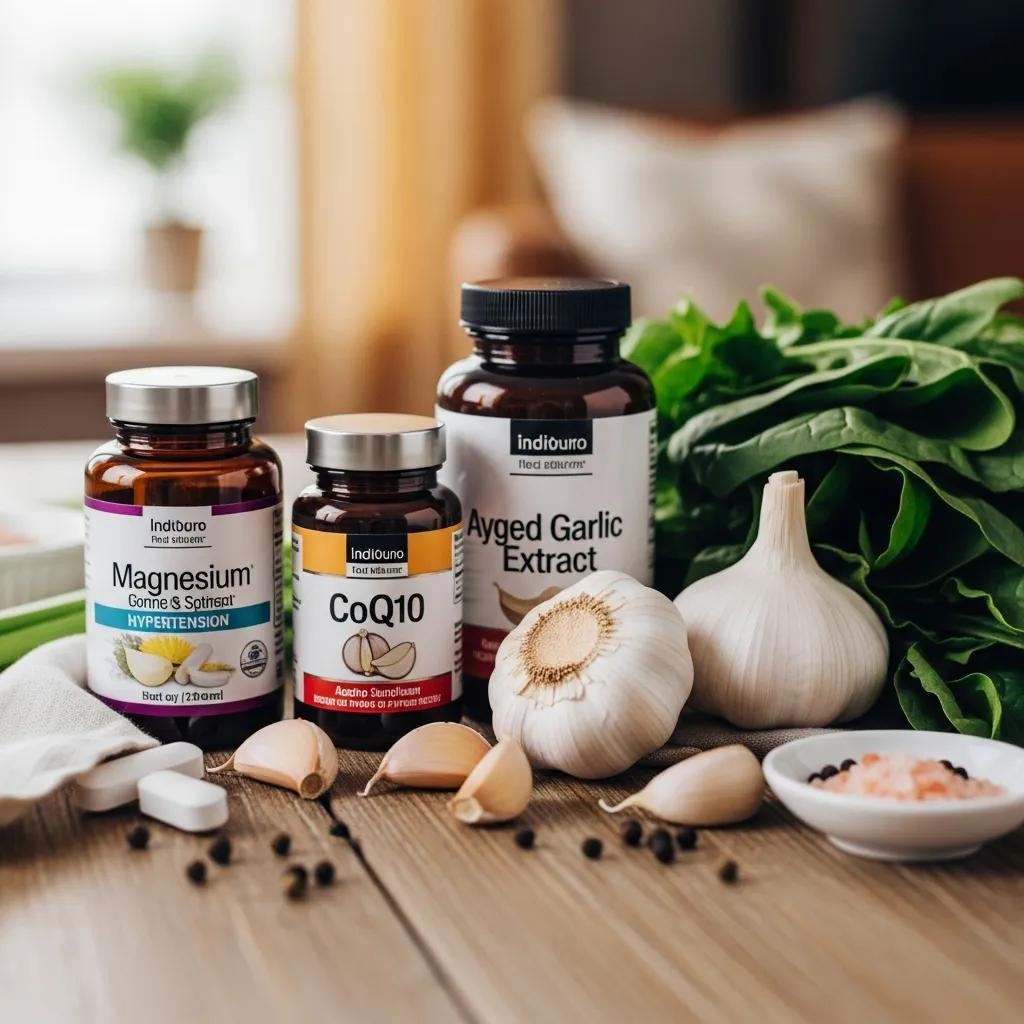
Several supplements have clinical evidence for modest BP reductions and can complement lifestyle change — especially when labs show a deficiency or patients prefer non-pharmaceutical options under clinician supervision. Well-studied agents include magnesium, coenzyme Q10 (CoQ10), aged garlic extract, omega-3 fatty acids, vitamin C, hibiscus, and L-arginine. Their actions range from relaxing vascular smooth muscle to providing antioxidant and endothelial support. Safety and interactions matter: magnesium can interact with medications, garlic may increase bleeding risk, and omega-3 dosing should match triglyceride and medication goals. Discuss supplements with your clinician and monitor labs to ensure safe, evidence-based use.
This short overview precedes a comparative table to help you weigh choices and dosing when you want targeted interventions.
| Supplement | Mechanism | Typical dose / Evidence level |
|---|---|---|
| Magnesium | Vascular smooth muscle relaxation; improves endothelial function | 200–400 mg/day; evidence: RCTs and meta-analyses |
| CoQ10 | Mitochondrial support; antioxidant effect | 100–200 mg/day; evidence: several trials show modest BP reduction |
| Aged garlic extract | Vasodilatory and antiplatelet effects | 600–1,200 mg/day aged extract; evidence: meta-analyses show small reductions |
| Omega-3 (EPA/DHA) | Endothelial benefit; lowers triglycerides | 1–4 g/day EPA+DHA for cardiovascular benefits; BP effects modest |
This side-by-side view makes it easier to discuss options and dosing with your clinician and choose the best adjuncts for your situation.
Supplements commonly considered for BP support include:
- Magnesium: Often first-line when labs show low levels; supports vascular relaxation and electrolyte balance.
- CoQ10: Provides mitochondrial and endothelial support and has shown modest BP reductions in trials.
- Aged garlic extract: Offers vasodilatory benefit and may be a useful botanical adjunct when supervised.
After choosing a supplement, track your blood pressure and relevant labs, and coordinate use with your clinician to avoid interactions with prescription antihypertensives.
What Are the Benefits of Magnesium, CoQ10, and Garlic for Blood Pressure?
Magnesium relaxes vascular smooth muscle and supports electrolyte balance, which reduces peripheral resistance and can produce measurable systolic drops; common supplemental doses are 200–400 mg/day when diet is inadequate. CoQ10 acts as an antioxidant and supports mitochondrial function in the endothelium, with trials showing modest BP improvements at about 100–200 mg/day. Aged garlic extract has vasodilatory and mild antiplatelet effects and has been associated with small but consistent systolic and diastolic reductions in meta-analyses; using standardized extracts and clinician oversight helps manage dosing and bleeding risk. Choosing supplements based on lab results and clinical context maximizes benefit while minimizing adverse interactions.
How Can Omega-3 Fatty Acids and Vitamin C Support Cardiovascular Health?
Omega-3s (EPA and DHA) improve endothelial function, lower triglycerides, and can modestly reduce blood pressure at therapeutic doses used for cardiovascular risk reduction; typical ranges are 1–4 g/day combined EPA+DHA depending on goals. Vitamin C is an antioxidant that can enhance endothelial-dependent vasodilation and has shown small BP-lowering effects in some studies, often at several hundred milligrams per day; food sources are preferred and supplementation should be individualized. A food-first approach — fatty fish, nuts, seeds, citrus, and colorful vegetables — delivers nutrient synergies that support vascular health and reduce reliance on supplements unless testing or clinical need indicates otherwise.
How Does Functional Medicine Address Root Causes of High Blood Pressure?
Functional medicine approaches hypertension by systematically identifying and treating underlying contributors via a detailed history, targeted labs, and specialized diagnostics, then applying personalized interventions to correct those drivers. Typical assessments include metabolic and endocrine panels, nutrient testing (for example magnesium and vitamin D), targeted toxin and heavy-metal evaluation when indicated, and autonomic testing to assess sympathetic-parasympathetic balance. Clinic services such as autonomic response assessments, staged detox protocols, IV nutrient repletion, and advanced lab interpretation are used selectively to address confirmed abnormalities and support recovery. For patients seeking integrative assessment, practitioners set measurable goals and monitor responses, adjusting protocols as needed to reduce blood pressure safely over weeks to months.
Functional medicine turns test results into targeted care. Low magnesium prompts repletion; an elevated toxicant burden leads to staged, supervised detoxification; autonomic dysregulation calls for tailored stress-reduction and neuromodulatory strategies. Dr. Fred Bloem’s practice prioritizes identifying and correcting root causes and can coordinate testing and individualized protocols for people who want an integrative, mechanism-focused approach to hypertension.
What Role Does Detoxification Play in Blood Pressure Management?
When testing shows toxin exposure, thoughtful detoxification can reduce vascular inflammation and oxidative stress that contribute to higher blood pressure. Observational links exist between hypertension and toxins like lead, cadmium, and some endocrine disruptors, but confirming body burden with appropriate tests is essential before any detox. Safe clinic-led detox focuses on supporting liver clearance, optimizing diet to enhance excretion, and treating metal burdens only with targeted, medically supervised interventions. Aggressive chelation or unproven protocols are not appropriate without clear indications and monitoring; functional medicine favors objective testing and incremental, evidence-based detox under clinical oversight.
How Can Hormone Balance Influence Hypertension?
Hormones strongly affect vascular tone and fluid balance, so conditions such as hypothyroidism, primary aldosteronism, or cortisol excess can cause or worsen hypertension and require specific evaluation. Thyroid dysfunction alters heart rate and systemic resistance, while excess aldosterone increases sodium retention and intravascular volume. These situations often need dedicated endocrine testing and targeted therapy. Bioidentical hormones may be appropriate for select patients after a full assessment, but any hormonal intervention must be individualized and weighed against cardiovascular and thrombotic risks. Screening for endocrine contributors is a standard part of a functional workup when hypertension is resistant, sudden in onset, or accompanied by suggestive symptoms.
How Can You Begin Your Personalized Natural Blood Pressure Management Journey?
Starting a personalized plan begins with a structured assessment that documents BP patterns, medical history, medications, lifestyle, and targeted labs to find reversible contributors. A common first pathway includes home BP tracking, a comprehensive intake that maps diet, sleep, stress, and exposures, and ordering labs tailored to suspected drivers (electrolytes, kidney function, thyroid, adrenal panels, and nutrient status). From there, a clinician builds a stepwise plan combining lifestyle prescriptions, dietary changes, selective supplements, and follow-up testing with scheduled reassessments to measure progress and refine therapy. Active patient tracking — of blood pressure, diet, activity, and symptoms — is vital for iterative optimization and for safely adjusting medications when appropriate.
- Assessment: Full history, review of home BP data, and baseline vitals.
- Testing: Targeted labs and functional tests to identify deficiencies or secondary causes.
- Personalized Plan: Diet and lifestyle prescriptions, supplements, and any clinic-based therapies.
- Follow-up: Regular BP monitoring and lab reassessment to measure response and refine care.
This structured approach helps set measurable milestones and predictable timelines for blood pressure improvement, with decisions made collaboratively between clinician and patient.
What to Expect During a Functional Medicine Consultation with Dr. Fred Bloem?
A consultation with Dr. Fred Bloem begins with a thorough intake that explores cardiovascular risk alongside lifestyle, environmental, and hormonal factors that may underlie hypertension. The visit typically produces a targeted testing plan — labs, autonomic testing, or nutrient panels — followed by a personalized protocol emphasizing diet, movement, stress management, targeted supplementation, and clinic-based services when indicated. Care focuses on patient education, measurable goals, and scheduled follow-up to review results and adjust the plan; this collaborative model supports adherence and safe blood-pressure reduction over time. For those interested in a root-cause approach, Fred Bloem MD LLC offers coordinated assessment and individualized protocols consistent with functional medicine principles.
How Have Patients Successfully Managed Hypertension Naturally?
Anonymous clinical examples show how stepwise, root-cause approaches can produce meaningful BP improvements while lowering medication burden when safe. One middle-aged patient with Stage 1 hypertension, low serum magnesium, and poor sleep saw systolic pressure fall about 10–12 mmHg over three months after magnesium repletion, a DASH-style diet, and sleep-behavior changes. Another person with resistant hypertension and autonomic imbalance underwent autonomic testing, a tailored stress program, and IV nutrient repletion for documented deficiencies; BP stabilized and medication needs decreased under supervision. A third case involved confirmed toxin exposure treated with a supervised detox plan and dietary optimization — follow-up showed improved endothelial markers and modest BP reductions. These examples highlight the value of individualized assessment, targeted intervention, and close monitoring.
- Case 1: Dietary and nutrient correction reduced systolic BP by ~10–12 mmHg in three months.
- Case 2: Autonomic-targeted care and IV nutrient support stabilized BP and lowered medication needs.
- Case 3: Lab-confirmed detoxification plus diet improved vascular markers and modestly reduced BP.
These real-world outcomes show response variability and the need for personalization; they also demonstrate how clinic services — lab testing, autonomic assessment, detoxification, IV therapies, and hormone evaluation — are integrated when indicated to support blood pressure goals.
Frequently Asked Questions
What are the signs that I might have high blood pressure?
High blood pressure is often silent — many people have no obvious symptoms. When symptoms do occur they can include headaches, shortness of breath, nosebleeds, or facial flushing, but these are not reliable. Regular checks — at your clinician’s office or with a validated home monitor — are the best way to detect hypertension early so you can act before complications develop. If you suspect high blood pressure, seek medical evaluation.
How often should I check my blood pressure at home?
If you have diagnosed hypertension, checking at home once daily at a consistent time is a reasonable starting point to establish patterns. If you’re newly monitoring or adjusting medications, your clinician may ask for more frequent readings (morning and evening) for short periods. Always follow your provider’s guidance on timing, posture, and how to record values accurately.
Can stress alone cause high blood pressure?
Short-term stress causes temporary BP spikes, but chronic stress usually contributes indirectly — by promoting poor sleep, unhealthy eating, inactivity, or increased alcohol use — which can raise blood pressure over time. Managing stress with evidence-based practices (meditation, breathing, therapy, exercise) helps lower BP both directly and by supporting healthier habits.
Are there specific foods I should avoid to manage high blood pressure?
Limit foods high in sodium — processed and fast foods and many packaged snacks — because excess salt promotes fluid retention and higher BP. Also reduce saturated and trans fats and added sugars. Instead, emphasize whole fruits and vegetables, whole grains, lean proteins, and healthy fats, which together support better blood-pressure control.
How long does it take to see results from lifestyle changes for blood pressure?
Timelines vary, but many people see measurable improvements within weeks to a few months after consistent diet, activity, and stress-management changes. The magnitude depends on baseline BP and how many changes are implemented; tracking with a home monitor helps you and your clinician gauge progress and stay motivated.
What role does hydration play in managing blood pressure?
Adequate hydration supports blood volume and kidney function, both important for BP regulation. In general, drink regularly throughout the day and match fluids to activity and climate. In certain conditions (for example heart failure or advanced kidney disease), fluid intake may need medical adjustment, so follow your clinician’s instructions if you have those diagnoses.
Can I manage high blood pressure without medication?
Yes — many people, especially those with early or mild hypertension, can achieve good control through lifestyle changes alone. However, decisions about stopping or avoiding medication should be made with a clinician; some people will still need drugs to reach safe BP targets despite strong lifestyle efforts. Regular monitoring and shared decision-making ensure safe, effective care.
Conclusion
Natural approaches — consistent lifestyle changes, thoughtful dietary shifts, targeted supplements when indicated, and functional-medicine evaluation — can meaningfully reduce blood pressure and lower cardiovascular risk. Understanding root causes and following a personalized plan gives you the best chance of sustainable control while minimizing unnecessary medication when safe. If you want a comprehensive, individualized plan, consult a clinician experienced in integrative care. Take the first step today by tracking your blood pressure and exploring the resources and guidance available through Fred Bloem MD LLC.

