
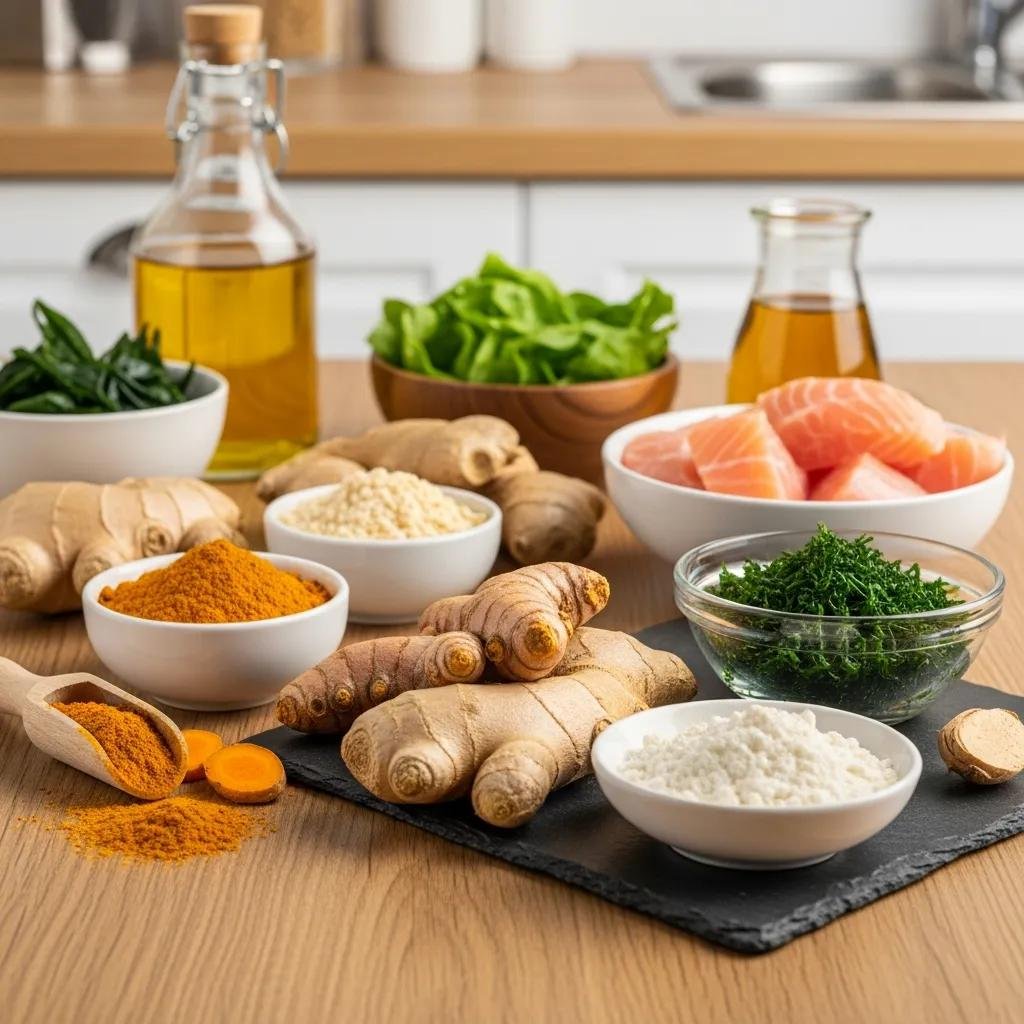
Natural anti-inflammatories for joint pain relief: practical, evidence-based options
Joint pain from osteoarthritis, inflammatory arthritis, or long‑term overuse usually responds best to a mix of mechanical care and biochemical strategies. Natural anti‑inflammatories can offer evidence‑based, lower‑risk ways to ease pain and restore function. This guide explains what those supplements are, how they work at a molecular level, and which ingredients — including turmeric/curcumin, omega‑3 fatty acids, ginger, and boswellia — have the strongest clinical support for joint health. You’ll find practical dosing guidance, safety notes, and when topical products make sense versus systemic options. We summarize recent research in clear language and provide comparison tools so you can weigh choices and discuss a personalized plan with your clinician. Expect straightforward recommendations on what to try, typical timelines for results, and signals that merit medical evaluation.
What are natural anti‑inflammatory supplements for joint pain?
Natural anti‑inflammatory supplements are botanical, marine, or nutraceutical agents that modify inflammatory signaling, reduce pain transmission, or support joint tissues through antioxidant and metabolic effects. They work by mechanisms such as blocking pro‑inflammatory transcription factors, suppressing enzyme pathways that create inflammatory mediators, or supplying cofactors that aid tissue repair. For people with joint pain, “help” usually means lower pain scores, improved mobility, and—when appropriate—less reliance on pharmaceutical NSAIDs. Evidence varies by product: some, like well‑formulated curcumin extracts and concentrated EPA‑rich omega‑3s, have randomized trials showing modest benefit; others have smaller or preliminary studies. Safety and interactions matter: clinicians commonly check liver function, assess bleeding risk, and review supplement–drug combinations when tailoring a plan.
Natural anti‑inflammatories fit into a few practical categories:
- Botanical extracts — for example, turmeric/curcumin, ginger root, and boswellia serrata.
- Marine lipids — primarily omega‑3 fatty acids (EPA and DHA) from fish oil or algal sources.
- Topical agents — capsaicin, arnica, and menthol products for focused relief.
- Formulation helpers — bioavailability enhancers such as piperine or liposomal/phytosome delivery systems.
The table below compares commonly used supplements by mechanism, dosing range, evidence strength, and safety points to help you prioritize options.
Use this comparison to weigh likely benefit against practical safety considerations and discuss next steps with your clinician before starting anything new.
| Supplement | Primary mechanism | Typical dosing range | Evidence strength | Main safety considerations |
|---|---|---|---|---|
| Turmeric / Curcumin | Inhibits NF‑κB; antioxidant effects | 500–2,000 mg curcumin/day (standardized) | Moderate (RCTs, meta‑analyses) | May increase bleeding risk; needs enhanced bioavailability |
| Omega‑3 (EPA/DHA) | Shifts lipid mediators toward pro‑resolving profiles | 1,000–3,000 mg combined EPA+DHA/day | Moderate (RCTs for inflammatory markers/pain) | High doses may affect bleeding; prefer purified products |
| Ginger | COX/LOX modulation; gingerols lower prostaglandin synthesis | 500–2,000 mg dried extract/day | Low–Moderate (small RCTs) | GI upset possible; potential interaction with anticoagulants |
| Boswellia serrata | Inhibits 5‑LOX; reduces leukotriene synthesis | 300–1,200 mg standardized extract/day | Low–Moderate (small trials) | GI effects; extract quality varies by manufacturer |
| Topical agents (capsaicin/arnica) | Local counterirritant; TRPV1 modulation | Product‑specific topical use | Moderate for localized pain relief | Skin irritation risk; avoid mucous membranes |
This table highlights that the best choice depends on desired effect, safety profile, and formulation quality. Look for standardized active markers and third‑party testing to improve predictability and lower risk.
How do natural supplements reduce joint inflammation?
Natural supplements act on molecular pathways that control inflammatory gene expression, enzyme activity, and oxidative stress — ultimately lowering pain signaling and tissue damage. Key mechanisms include suppression of nuclear factor kappa‑B (NF‑κB), inhibition of cyclooxygenase (COX) and lipoxygenase (LOX) enzymes, downregulation of cytokines like IL‑1β and TNF‑α, and antioxidant neutralization of reactive oxygen species. Curcuminoids and boswellic acids influence transcriptional regulators and eicosanoid production, while omega‑3 fatty acids change membrane lipid composition to favor pro‑resolving mediators such as resolvins. Those biochemical shifts can translate into less swelling, lower pain scores, and improved range of motion for some patients.
Knowing these mechanisms helps set realistic timelines and informs combinations: agents that lower cytokine signaling often need weeks to show effects, whereas topical counterirritants can provide faster, localized relief. The next section summarizes which ingredients have the most consistent evidence and practical dosing so you can prioritize based on your symptoms.
Which natural ingredients are most effective for joint health?
When chosen in evidence‑based formulations and dosed appropriately, a few ingredients show the most reliable benefit for joint health. Curcumin extracts — especially those with improved absorption — have the strongest clinical data for reducing pain and improving function in osteoarthritis. Omega‑3 fatty acids (EPA/DHA) offer measurable anti‑inflammatory effects that can reduce stiffness and systemic inflammation. Ginger and boswellia have supportive studies showing modest pain relief and are useful adjuncts when curcumin or omega‑3s aren’t tolerated. Topical products like capsaicin and arnica provide focal relief without systemic exposure.
Practical selection points:
- Turmeric/curcumin: best for systemic inflammation when using high‑bioavailability formulas.
- Omega‑3 (EPA/DHA): suited for ongoing anti‑inflammatory support and cardiovascular benefit.
- Ginger and boswellia: adjuncts that add symptomatic relief and tolerability options.
- Topical agents: targeted pain management with minimal systemic risk.
Use this ranking to shape an individualized plan based on symptom pattern, comorbidities, and medication interactions.
How does turmeric help relieve arthritis pain naturally?
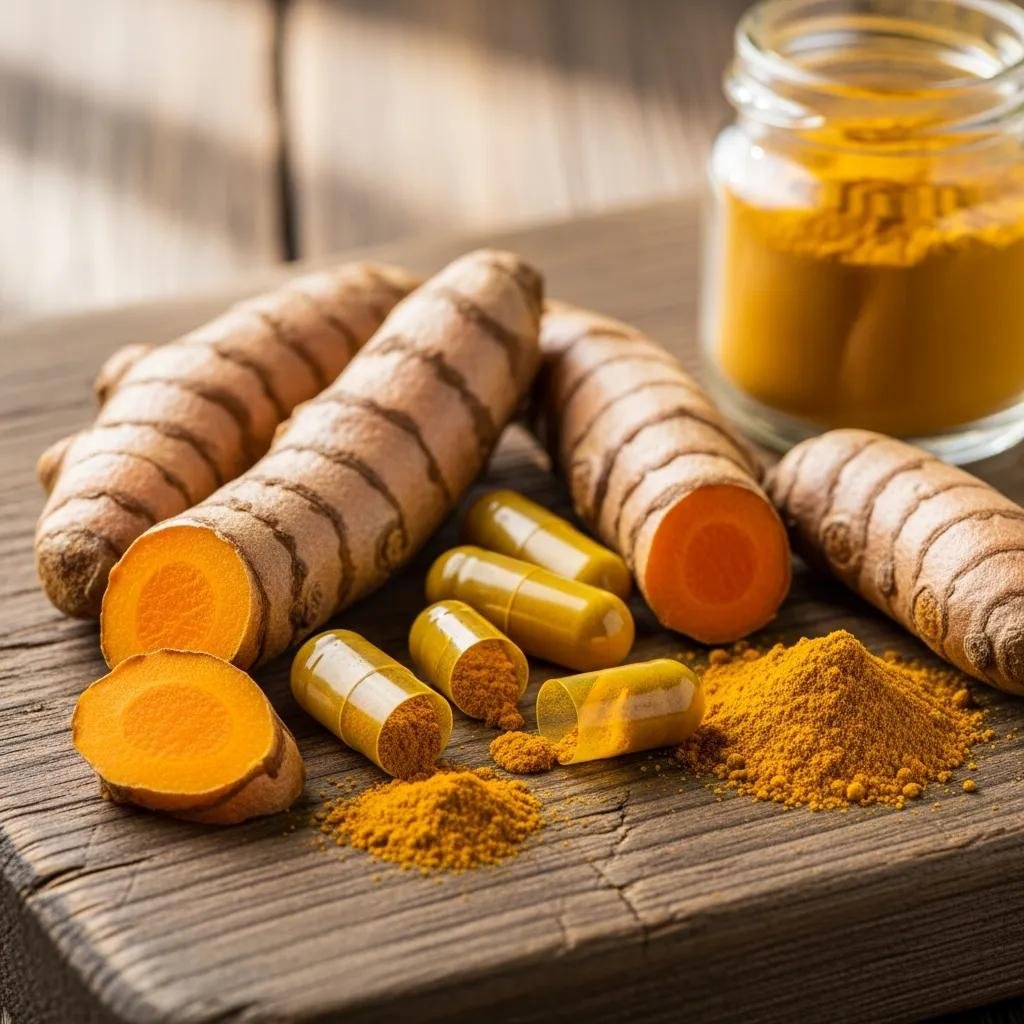
Turmeric contains curcuminoids — chiefly curcumin — that produce anti‑inflammatory and antioxidant effects by inhibiting NF‑κB signaling, reducing pro‑inflammatory cytokines, and modulating COX/LOX enzyme activity. These actions lower production of prostaglandins and leukotrienes that drive joint pain while limiting oxidative damage that sustains inflammation. Clinical trials using bioavailable curcumin formulations have shown modest improvements in pain and function in osteoarthritis, with benefits typically emerging after several weeks of consistent use.
Formulation matters: curcumin is poorly absorbed in raw form, so enhanced‑delivery products or combinations with piperine substantially increase systemic levels and clinical effect. Choosing a standardized curcumin extract and following recommended dosing gives the best chance of benefit while minimizing side effects and interactions. The next subsection goes deeper into curcumin’s role and offers practical dosing guidance.
People taking anticoagulants, antiplatelet agents, or certain prescription drugs should consult their clinician before starting curcumin, since it can change drug metabolism and bleeding risk. For personalized dosing, monitoring, and combination strategies — especially when curcumin is part of a multi‑ingredient plan — our clinic, Fred Bloem MD LLC, can provide clinical evaluation and tailored recommendations to optimize safety and benefit.
What is the role of curcumin in reducing joint inflammation?
Curcumin works on multiple targets: it inhibits transcription factors such as NF‑κB, suppresses COX and LOX pathways, and downregulates inflammatory cytokines, producing both symptomatic and biochemical improvements. This multi‑modal action reduces inflammatory mediator production and may protect cartilage by slowing enzymatic breakdown, leading in some trials to measurable reductions in pain and gains in mobility. Evidence strength is moderate — randomized controlled trials and meta‑analyses show consistent but modest effects versus placebo, and benefits are more reliable with standardized, bioavailable formulations than with raw turmeric powder. Choosing enhanced preparations (for example, those combined with absorption enhancers or formulated as liposomes or phytosomes) improves systemic exposure and clinical outcomes.
Clinically, curcumin’s benefit usually appears over several weeks, and combining it with lifestyle measures and complementary supplements can yield greater functional improvements. Given interactions with anticoagulants and potential effects on drug metabolism, clinician guidance helps integrate curcumin safely into ongoing therapies.
How to use turmeric safely for arthritis pain relief?
Start by selecting a standardized, high‑bioavailability curcumin product and begin at conservative doses while tracking tolerance and effectiveness. Typical clinical dosing ranges from roughly 500–2,000 mg of standardized curcumin equivalents per day, divided into two doses; preparations with piperine or specialized carriers often require lower milligram amounts because absorption is improved. Because curcumin can interact with anticoagulant and antiplatelet drugs, and can influence hepatic metabolism, a baseline medication review and periodic monitoring are prudent for people on prescription regimens.
Practical safety steps: begin at the lower end of the dosing range to assess tolerance, watch for GI upset or easier bruising, and pause use before invasive procedures when advised by a physician. If improvement stalls or side effects occur, consult your clinician for dose adjustment or alternative options. For individualized guidance on curcumin dosing, combinations, and monitoring, Fred Bloem MD LLC offers clinical assessments to build safe, evidence‑based plans tailored to your medical history.
What are the benefits of omega‑3 fatty acids for joint inflammation?
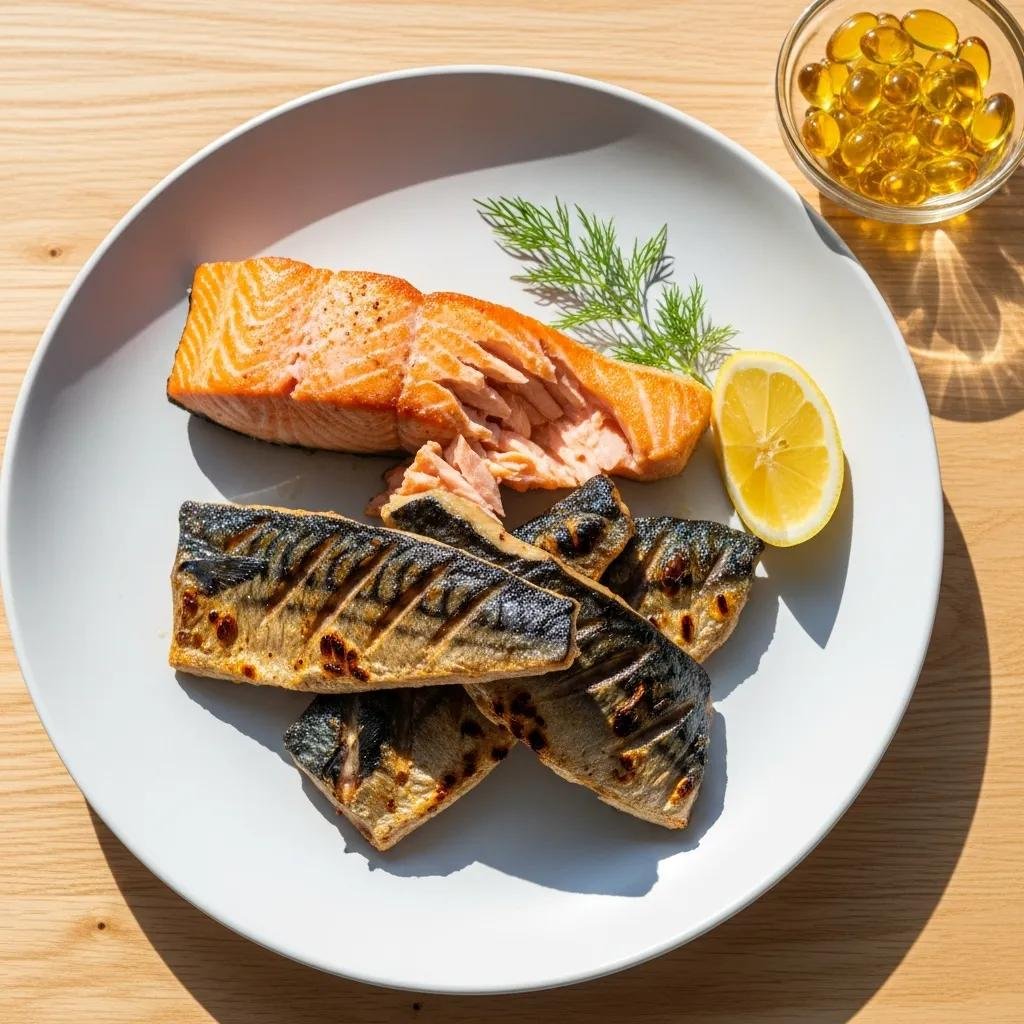
Omega‑3 fatty acids (EPA and DHA) reduce joint inflammation by shifting cell membrane composition toward precursors for pro‑resolving lipid mediators and by lowering production of pro‑inflammatory eicosanoids and cytokines. That biochemical shift lowers systemic inflammatory tone, can reduce morning stiffness, and may improve joint mobility after weeks to months of consistent supplementation. Omega‑3s complement other anti‑inflammatory strategies because they act through lipid mediator pathways different from COX inhibitors and many botanicals, offering additive benefit without the same GI or renal risks of long‑term NSAID use.
Both diet (fatty fish) and purified EPA/DHA supplements can produce anti‑inflammatory effects; clinical trials show improvements in pain scores and reduced need for analgesics in some inflammatory joint conditions. Quality and dose matter: choose products that list EPA and DHA contents, have third‑party testing for contaminants, and meet recommended anti‑inflammatory intake levels. The next sections outline mechanisms by which omega‑3s support mobility and concrete food and supplement sources to meet therapeutic targets.
Note that omega‑3 therapy requires attention to bleeding risk at very high doses and coordination with other anticoagulant therapies — your clinician can advise on safe dosing for your situation.
| Source | EPA (mg) per serving* | DHA (mg) per serving* | Typical use |
|---|---|---|---|
| Fatty fish (e.g., salmon, mackerel) | 400–1,000 | 200–1,000 | Dietary intake for baseline support |
| Concentrated fish oil supplements | 300–1,200 | 200–800 | Therapeutic supplementation |
| Algal oil (vegan) | 200–500 | 200–500 | Alternative for non‑fish diets |
*Values vary by species and product; always check labels for exact EPA/DHA amounts.
This table shows that both food and supplements can reach anti‑inflammatory EPA/DHA levels, while supplements give predictable dosing for therapeutic goals. The next subsection explains physiological mechanisms and expected timelines in more detail.
How do omega‑3s support joint mobility and reduce pain?
Omega‑3s incorporate into cell membranes and serve as substrates for resolvins and protectins — lipid mediators that actively resolve inflammation and restore tissue balance. By reducing synthesis of pro‑inflammatory prostaglandins and leukotrienes derived from arachidonic acid, EPA and DHA decrease the intensity and duration of inflammatory responses. Clinically, that can mean less stiffness, lower pain intensity, and improved function over several weeks. Typical timelines for symptomatic benefit range from 6–12 weeks of consistent dosing, with some patients noticing reduced morning stiffness earlier.
Beyond direct anti‑inflammatory effects, omega‑3s can support muscle recovery and function, which helps exercise programs relieve joint load. Coordinating omega‑3 supplementation with rehabilitation often produces better mobility gains than supplements alone. Because very high doses can increase bleeding risk, clinicians monitor anticoagulant use and adjust dosing when needed.
Which foods and supplements provide optimal omega‑3 intake?
Optimizing omega‑3 intake combines food choices with targeted supplementation to reach therapeutic EPA+DHA levels. High‑omega‑3 foods include salmon, mackerel, sardines, and herring; plant sources such as flaxseed and walnuts supply ALA, which converts poorly to EPA/DHA in humans. Supplements — fish oil concentrates, enteric‑coated formulas, and algal oils — deliver standardized EPA/DHA amounts and are preferable when predictable, higher doses are needed for anti‑inflammatory effects.
When choosing supplements, look for clear EPA/DHA labeling, third‑party purity testing (heavy metals, PCBs), and manufacturing standards that limit oxidation. Practical anti‑inflammatory dosing often targets 1,000–3,000 mg combined EPA+DHA per day, adjusted for clinical context and bleeding risk. Start by improving dietary intake and add a verified supplement if you need consistent therapeutic dosing to support joint health.
How can holistic arthritis treatments complement natural anti‑inflammatories?
Holistic arthritis care boosts the effect of natural anti‑inflammatories by addressing mechanical load, metabolic drivers of inflammation, and psychosocial stressors that shape immune activity. Lifestyle strategies — weight management, structured exercise (aerobic, strength, mobility), sleep optimization, and stress reduction — lower baseline inflammation and improve joint mechanics so supplements work better. Physical therapy and targeted mobility training restore function and reduce pain‑provoking movement patterns, while mind–body practices like mindfulness and cognitive approaches lower sympathetic activation and inflammatory cytokine release. Combined, supplements and these interventions produce more durable symptom relief than supplements alone.
A practical integrated plan coordinates nutrition, targeted supplementation, graded exercise, and behavioral strategies to create synergy between systemic agents and mechanical rehabilitation. Clinician oversight ensures safe sequencing, identifies drug–supplement interactions, and measures outcomes to refine the regimen. If you want a personalized program that blends evidence‑based supplements with tailored exercise and behavior change, Fred Bloem MD LLC offers clinical assessments and individualized plans to maximize safety and effectiveness.
What lifestyle changes support joint pain relief?
Consistent lifestyle changes that reduce joint pain focus on lowering joint load, improving sleep and recovery, and decreasing chronic stress — all of which influence inflammatory pathways. Weight loss through diet and activity reduces mechanical stress on weight‑bearing joints and lowers adipose‑derived inflammatory mediators; even modest weight loss can meaningfully reduce knee pain. Better sleep restores circadian control of inflammatory hormones and helps tissue repair, while regular stress‑reduction practices lower sympathetic tone and pro‑inflammatory cytokines. Ergonomic adjustments and pacing reduce repetitive stress and prevent flares, complementing biochemical anti‑inflammatory approaches.
How do diet and exercise enhance natural anti‑inflammatory effects?
Diet and exercise amplify supplement effects by reducing pro‑inflammatory inputs and improving tissue resilience. Diets that emphasize whole foods, healthy fats (including omega‑3s), fiber, and vegetables — for example, Mediterranean‑style patterns — lower systemic inflammation and improve metabolic health. Regular exercise that combines aerobic conditioning with strength and mobility training reduces joint pain by improving muscular support and triggering anti‑inflammatory myokine release. Together, diet and exercise make supplements more effective: better nutrition supports botanical absorption and cellular action, while stronger muscles and improved metabolism shorten recovery and magnify functional gains.
For practical implementation, aim for regular aerobic activity, two strength sessions per week focused on major muscle groups, and dietary shifts that increase fish, legumes, nuts, and vegetables while reducing ultra‑processed foods. These steps boost the clinical impact of supplements and can decrease dependence on symptom‑directed medications over time.
Which other natural remedies help with joint pain relief?
Beyond turmeric and omega‑3s, several botanicals and topical agents offer targeted mechanisms for joint pain relief and can be chosen based on symptom pattern and safety. Ginger modulates COX/LOX pathways and offers analgesic effects helpful for mild‑to‑moderate systemic joint pain, while boswellia serrata inhibits 5‑lipoxygenase and may reduce leukotriene‑driven inflammation in localized joint disease. Topical options — capsaicin for receptor desensitization, arnica for soft‑tissue inflammation, and menthol for cooling counterirritation — provide focal control with minimal systemic exposure. Choose systemic versus topical options based on whether pain is localized (favor topicals) or generalized/inflammatory (favor systemic botanicals and omega‑3s).
What are the roles of ginger and boswellia in joint health?
Ginger delivers anti‑inflammatory and analgesic effects through gingerols that inhibit prostaglandin and leukotriene synthesis, offering symptom relief in osteoarthritis and mild inflammatory joint conditions. Typical therapeutic extracts range from 500–2,000 mg daily, depending on formulation, and are generally well tolerated with occasional GI upset. Boswellia serrata contains boswellic acids that block 5‑LOX and reduce leukotriene production; standardized extracts have shown symptom reduction in some trials with typical dosing around 300–1,200 mg daily depending on AKBA content. Both herbs are commonly used as NSAID alternatives or adjuncts, but product potency varies — quality control matters.
Because of possible interactions with anticoagulants and variability in standardization, clinical review helps determine appropriate dosing and monitor outcomes when adding these botanicals.
How do topical natural anti‑inflammatories work for joint pain?
Topical natural agents act locally by modifying receptor activity, producing counterirritation, or reducing superficial inflammation without systemic exposure. Capsaicin activates TRPV1 receptors, causing an initial burning sensation followed by desensitization and reduced nociceptive signaling — benefits that accrue over days to weeks of regular use. Arnica and menthol formulations act as counterirritants or mild anti‑inflammatories, offering short‑term relief for superficial joint and soft‑tissue discomfort. Topicals are appropriate for focal pain — for example, a single knee or finger joint — or when systemic agents are contraindicated or undesired.
Application tips: use recommended amounts, avoid broken skin, and monitor for irritation. Many patients combine a systemic supplement for underlying inflammation with a topical for immediate relief to balance efficacy and safety. Clinicians can advise when to prefer topical versus systemic therapy and screen for skin sensitivities before starting topical regimens.
If you’re concerned about interactions, multi‑supplement plans, or optimizing topical and systemic choices, Fred Bloem MD LLC can evaluate suitability and design safe, evidence‑aligned treatment plans that integrate natural anti‑inflammatories with lifestyle and rehabilitative strategies.
Frequently asked questions
1. Can natural anti‑inflammatories replace traditional medications for joint pain?
Natural anti‑inflammatories can complement conventional medicines and, in some cases, reduce the need for NSAIDs. They aren’t always a full replacement — effectiveness varies by condition and by individual response. Work with a healthcare provider to create a balanced plan that combines natural and conventional therapies when appropriate.
2. How long does it take to see results from natural anti‑inflammatory supplements?
Timing varies. Turmeric and omega‑3s often take several weeks to produce noticeable improvements in pain and function; typical windows are 4–12 weeks. Topical agents like capsaicin can start helping within days. Individual response depends on the supplement, dose, and severity of your condition — consistent use is key.
3. Are there any side effects associated with natural anti‑inflammatory supplements?
Most natural supplements are well tolerated, but side effects can occur. Common issues include gastrointestinal upset with ginger or curcumin and allergic reactions to botanicals. Some supplements may interact with medications, especially anticoagulants. Discuss any new regimen with your clinician, especially if you have chronic conditions or take prescription drugs.
4. How can I determine the right dosage for natural anti‑inflammatory supplements?
Dosage depends on the specific supplement, your health status, and symptom severity. Most products have dosing ranges based on clinical studies; starting low and increasing while monitoring response is a sensible approach. A clinician can provide personalized dosing advice and monitor for interactions or side effects.
5. Can diet alone manage joint pain without supplements?
A healthy, anti‑inflammatory diet can significantly improve joint health and reduce symptoms for many people, but it may not be enough for everyone. Diets rich in omega‑3s, fruits, vegetables, and whole grains help lower inflammation, but chronic pain often requires a multi‑modal approach. Combining diet with targeted supplements and lifestyle changes typically produces better results.
6. What role does exercise play in conjunction with natural anti‑inflammatories?
Exercise is essential. Regular activity strengthens muscles around joints, improves flexibility, and reduces stiffness. Exercise also promotes anti‑inflammatory myokines that support recovery. When combined with natural supplements, exercise enhances overall treatment effect and helps reduce reliance on medications. Work with a clinician or therapist to design a safe, tailored program.
7. Are there specific foods that should be avoided to reduce joint inflammation?
Yes. Processed foods high in sugar, trans fats, and refined carbohydrates can promote inflammation and are best limited. Excessive red meat and some dairy may worsen inflammation for certain individuals. Focus on whole foods, healthy fats, and plenty of vegetables. A nutritionist can help create a personalized plan.
Conclusion
Natural anti‑inflammatories offer a practical, evidence‑informed way to manage joint pain when used as part of a broader care plan. Options like turmeric, omega‑3s, and ginger can reduce inflammation and improve mobility, especially when paired with lifestyle changes such as exercise, weight management, and sleep optimization. Prioritize high‑quality formulations, standardized dosing, and clinical oversight to maximize benefit and minimize risk. For tailored recommendations and to explore personalized options, reach out to Fred Bloem MD LLC for an evaluation and a plan that fits your health history and goals.