


Managing Chronic Inflammation for Anti-Aging: Practical Inflammaging Solutions and Functional Medicine Strategies
Chronic inflammation—often called inflammaging when it accompanies age-related decline—is a quiet, ongoing immune activation that speeds cellular wear-and-tear and raises long-term disease risk. When we map how persistent inflammation harms tissues, deranges mitochondria, and elevates cytokines, it becomes clear why lowering inflammation is central to anti‑aging care. This article breaks down the biology of inflammaging, outlines lifestyle and nutrition strategies supported by evidence, and describes functional medicine options that rebuild cellular resilience and support longevity. You’ll find which diets and daily habits most reliably lower inflammatory markers, how targeted therapies help tissue repair and detoxification, and why a personalized root‑cause approach delivers the best long‑term results. The guide follows six focused sections: defining chronic inflammation, anti‑inflammatory lifestyle priorities, clinic‑level functional therapies, the value of individualized care, and representative patient outcomes showing measurable anti‑aging benefits.
What Is Chronic Inflammation and How Does It Accelerate Aging?
Chronic inflammation is a prolonged immune response marked by persistently raised pro‑inflammatory cytokines, ongoing oxidative stress, and impaired resolution pathways that together damage tissues and speed up biological aging. This steady inflammatory environment weakens mitochondrial performance and telomere maintenance, promotes cellular senescence, and reduces repair capacity—raising the risk for cardiovascular disease, neurodegeneration, metabolic disorders, and frailty. Lowering chronic inflammation therefore protects cellular health and slows age‑related decline. The sections below define inflammaging in practical terms and list common drivers to help clinicians and patients pick the most effective targets.
Defining Chronic Inflammation and Inflammaging
Unlike acute inflammation, which is short and self‑limited, chronic inflammation can smolder for months or years with low‑level cytokine elevation and progressive tissue remodeling. The term inflammaging links this long‑standing, age‑associated immune activation to faster biological aging and greater multimorbidity, reflecting immune dysregulation, cumulative antigen exposure, and metabolic stress. Clinically, chronic inflammation often shows up as persistent fatigue, diffuse pain, low‑grade fevers, or subtle cognitive changes—and it can be tracked with biomarkers such as high‑sensitivity CRP, IL‑6, and shifts in immune cell populations. Recognizing the difference between unresolved inflammation and an acute, resolving response helps us choose interventions that promote true resolution rather than simply suppressing symptoms.
What Are the Common Causes of Age-Related Inflammation?
Age‑related inflammation usually stems from several overlapping sources, and identifying the predominant drivers for each person guides targeted care. Diets high in processed foods and sugar can increase gut permeability and endotoxemia, while visceral fat secretes adipokines that sustain systemic inflammation. Ongoing infections, environmental toxicants, a disturbed gut microbiome, chronic psychological stress with HPA‑axis dysregulation, hormonal decline, and mitochondrial dysfunction all perpetuate inflammatory signaling. Emerging work also points to problems in mitochondrial calcium handling and impaired mitophagy as upstream causes of inflammaging, tying cellular energy failure to increased cytokine release. Pinpointing these contributors lets us prioritize interventions for metabolism, microbial balance, hormonal support, detoxification, and stress resilience before irreversible damage occurs.
How Can an Anti-Inflammatory Lifestyle Promote Longevity?

An anti‑inflammatory lifestyle lowers the body’s cytokine load, supports mitochondrial repair, and strengthens cellular resilience—mechanisms that together slow biological aging and reduce chronic disease risk. Practical, evidence‑based changes to what you eat, how you sleep, how you move, and how you manage stress reliably reduce markers like CRP and IL‑6 and improve metabolic health. Below we compare dietary approaches and outline lifestyle habits clinicians and individuals can adopt right away to start reducing inflammaging.
Which Dietary Approaches Reduce Age-Related Inflammation?
Diets centered on whole foods, healthy fats, fiber, and polyphenol‑rich plants consistently lower inflammatory biomarkers and support gut and mitochondrial health. Mediterranean and plant‑forward eating patterns show strong trial evidence for reducing CRP and improving endothelial function, while ketogenic or low‑carbohydrate plans can help certain metabolic‑inflammation phenotypes. Practical food choices—fatty fish, extra‑virgin olive oil, nuts, berries, cruciferous vegetables, and fermented foods—support anti‑inflammatory pathways and provide substrates that aid mitochondrial repair.
Below is a comparison of common dietary approaches and their anti‑inflammatory mechanisms.
| Dietary Pattern | Anti-Inflammatory Mechanism | Evidence Strength |
|---|---|---|
| Mediterranean (fish, olive oil, vegetables) | Raises omega‑3 intake and polyphenols; lowers postprandial endotoxemia | High |
| Plant-forward (emphasis on whole plants, legumes) | Increases fiber and microbiome‑derived short‑chain fatty acids that reduce cytokine signaling | Moderate-High |
| Low-carbohydrate/ketogenic | Reduces hyperinsulinemia and metabolic inflammation in insulin‑resistant patients | Moderate |
This comparison illustrates that whole‑food, plant‑rich patterns offer broad anti‑inflammatory benefits for most people, while metabolic phenotypes may need individualized macronutrient strategies.
Practical food guidelines make it easier to start lowering inflammaging today.
- Foods to Eat: Favor fatty fish, dark leafy greens, berries, nuts, extra‑virgin olive oil, and legumes for concentrated anti‑inflammatory nutrients.
- Foods to Avoid: Reduce processed items, refined sugars, industrial seed oils high in omega‑6, and trans fats that promote endotoxemia and inflammatory signaling.
- Microbiome Support: Include fermented foods and prebiotic fibers to nourish the microbiome and increase anti‑inflammatory metabolites.
These dietary shifts lower inflammatory burden and build a biochemical foundation for the clinical therapies discussed below. As diet improves, other lifestyle optimizations naturally amplify anti‑inflammatory effects.
What Lifestyle Habits Support Holistic Chronic Inflammation Management?
Daily habits such as sleep quality, stress resilience, exercise selection, and reducing toxin exposure are foundational because they directly influence immune set‑points and cellular repair. Restorative sleep enables nightly clearance of metabolic waste via glymphatic and autophagic processes; chronic sleep loss raises IL‑6 and CRP. Stress reduction—through mindfulness, HRV training, and steady social support—dampens sympathetic overdrive and lowers inflammatory hormones. A balanced exercise program that blends aerobic conditioning, resistance work, and recovery reduces visceral fat and promotes mitochondrial biogenesis. Cutting down environmental toxin exposure and supporting detox pathways reduces ongoing immune stimulation.
Core lifestyle practices that help lower chronic inflammation:
- Prioritize Sleep: Keep consistent sleep schedules and routines to support nightly cellular repair.
- Manage Stress: Practice daily mindfulness, HRV exercises, or structured breathing to lower sympathetic‑driven inflammation.
- Exercise Regularly: Combine aerobic and resistance training with planned recovery to boost mitochondrial function.
- Reduce Exposures: Limit household and environmental toxins and support detox pathways through diet and clinical options when needed.
Adopting these habits magnifies the effects of anti‑inflammatory nutrition and primes the body to benefit more from targeted functional therapies described next.
What Functional Medicine Anti-Aging Strategies Does Dr. Bloem Offer?
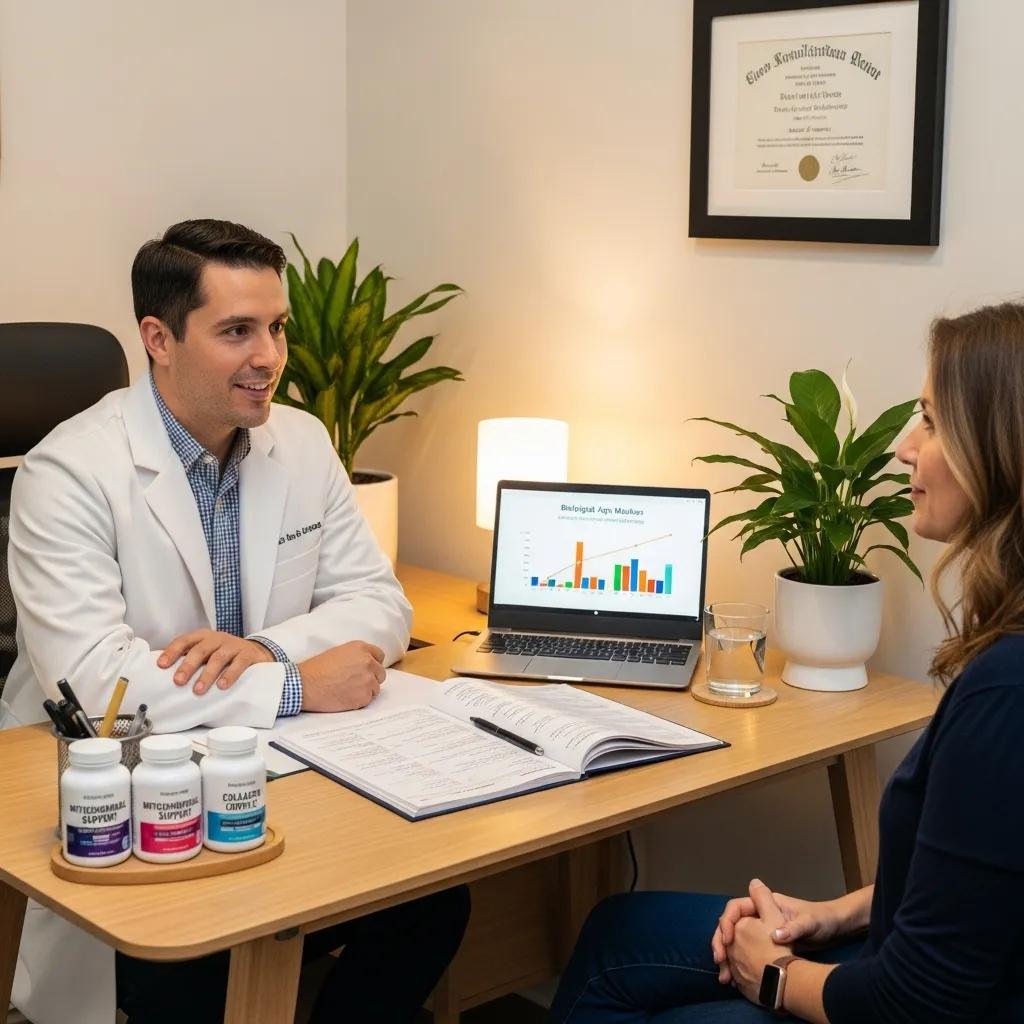
In our clinic, functional medicine strategies address the core pathways of inflammaging with hormone optimization, regenerative tissue repair, targeted IV nutrient and biooxidative therapies, and detoxification—each selected after an individualized assessment. Thoughtful combinations of hormonal balance, regenerative modalities, and nutrient repletion reduce systemic inflammation and restore function, often improving energy, mobility, and metabolic biomarkers.
| Therapy | Mechanism | Clinical Benefit/Indication |
|---|---|---|
| Bioidentical Hormone Replacement Therapy | Restores physiologic hormone signaling to influence immune and metabolic pathways | Improves energy, lowers inflammatory markers, supports metabolic health |
| Regenerative Joint Therapies (PRP, Prolozone, laser, PEMF) | Stimulates local tissue repair and reduces regional cytokine activity | Lowers pain, improves joint function, reduces local inflammation |
| Intravenous & Biooxidative Therapies (IV nutrients, ozone) | Repletes micronutrients and improves systemic redox balance; ozone can modulate immune responses | Supports detoxification, mitochondrial function, and systemic immunomodulation |
This clinic‑level comparison clarifies how each option targets specific inflammation and repair mechanisms. Internal Healing and Wellness MD, led by Dr. Fred Bloem in Kensington, MD, offers these therapies as personalized choices following a thorough assessment. If you’re wondering how these treatments might fit into a comprehensive anti‑inflammatory plan, a consultation with Dr. Fred Bloem is the best next step to design a tailored protocol.
How Does Bioidentical Hormone Replacement Therapy Reduce Inflammation?
Bioidentical hormone replacement addresses age‑related declines in sex and steroid hormones that influence immune regulation, metabolism, and tissue repair—key areas in inflammaging. When carefully dosed and monitored, restoring appropriate estrogen, progesterone, or testosterone levels can lower systemic markers such as CRP and select cytokines, while improving body composition and insulin sensitivity. Evidence suggests that hormone optimization supports mitochondrial efficiency and reduces oxidative stress when integrated into a broader metabolic and lifestyle plan. Safety, individualized dosing, and ongoing monitoring are essential—hormone therapy works best as one component of a comprehensive anti‑inflammatory strategy.
What Regenerative and Detoxification Therapies Support Anti-Aging?
Regenerative options like PRP and Prolozone act locally through growth factor release and modulation of inflammatory mediators to encourage tissue repair and reduce chronic pain signaling. Adjunct tools—low‑level laser and PEMF—improve circulation and cellular energy dynamics, speeding healing and decreasing pro‑inflammatory signaling in joints and soft tissues. Systemic IV nutrient therapies restore cofactors for mitochondrial enzymes and antioxidant systems, while biooxidative approaches such as medical ozone can help rebalance immune responses and redox state. As with all clinical care, appropriate assessment, dosing, and monitoring for response are critical; combined protocols often produce larger, more durable reductions in inflammatory burden than single interventions alone.
How Does Personalized Holistic Care Enhance Chronic Inflammation Management?
Personalized holistic care improves outcomes by focusing on the individual drivers of inflammaging, sequencing therapies based on objective testing, and aligning interventions with patient priorities. Root‑cause analysis uncovers treatable contributors—microbiome imbalance, occult infections, toxin burden, and hormonal deficiencies—and addressing those causes leads to more durable biomarker improvements and symptom relief. Longer visits and ongoing clinician‑patient partnership allow iterative adjustments that support adherence and refine protocols as biomarkers shift. The sections that follow describe common testing strategies and how individualized protocols can improve longevity metrics in practice.
Why Is Root Cause Analysis Essential in Anti-Aging Treatments?
Root‑cause analysis uses targeted functional testing to identify biological sources of chronic inflammation, turning broad symptom lists into specific, actionable treatment plans. Common assessments include microbiome/metagenomic profiling, advanced metabolic panels, hormone testing, targeted infectious disease screens, toxicant exposure analysis, and autonomic function testing to evaluate regulatory balance. These results guide interventions to correct dysbiosis, treat persistent antigens, optimize hormones, and support detoxification—avoiding purely symptomatic care that leaves drivers untreated. By diagnosing underlying causes, clinicians can design therapies that reduce inflammatory signaling at its source and track objective biomarker improvements.
Common Tests Used: Microbiome sequencing, comprehensive metabolic panels, hormone assays, toxicant screens, autonomic response testing.
Why Testing Matters: Objective testing separates overlapping causes and helps prioritize interventions that directly lower cytokine drivers.
Summary: A root‑cause workup converts uncertainty into targeted, measurable steps that reduce inflammaging more predictably.
This diagnostic foundation enables individualized protocols that combine diet, hormones, regenerative therapies, and detoxification where appropriate.
How Do Individualized Protocols Improve Longevity Outcomes?
Individualized protocols improve longevity outcomes by sequencing complementary interventions—dietary change, hormone optimization, IV nutrient repletion, regenerative therapies, and detox—so their effects add up. For example, correcting a microbiome imbalance can improve nutrient absorption needed for mitochondrial repair, while hormone optimization boosts muscle mass and metabolic rate, enhancing the benefits of exercise and diet. We monitor inflammatory markers (hs‑CRP, IL‑6), metabolic measures (HbA1c, lipid panels), functional tests, and patient‑reported outcomes to guide adjustments. Iterative personalization increases adherence and typically produces steady, measurable improvements in biomarkers associated with long‑term health.
- Protocol Components: Diet + targeted supplements/IV therapy + hormonal optimization + regenerative interventions.
- Monitoring Metrics: Inflammatory markers, metabolic panels, functional scales, and symptom inventories.
- Summary: Tailored, monitored protocols deliver measurable anti‑aging benefits and allow safe escalation or de‑escalation based on objective results.
Clinics that prioritize patient partnership and longer visits are better positioned to implement these multi‑modal strategies than episodic care models.
What Are Real Patient Success Stories in Managing Inflammaging?
De‑identified case summaries show how integrative care reduces inflammatory burden and improves function, energy, and metabolic biomarkers within defined timeframes. Combining a plant‑forward, anti‑inflammatory diet with targeted IV nutrient therapy, hormone optimization when indicated, and regenerative joint treatments has produced measurable drops in CRP, improved glycemic control in insulin‑resistant patients, and increased mobility in musculoskeletal cases.
| Intervention | Measurable Outcome | Timeframe |
|---|---|---|
| Diet + IV nutrient therapy | hs-CRP reduced by 40%; improved energy scores | 8–12 weeks |
| Hormone optimization + lifestyle | Improved lipid profile and lower fasting insulin | 12–16 weeks |
| PRP/Prolozone + rehab | Pain scores decreased; joint function improved | 6–12 weeks |
These examples show that multi‑modal, individualized care can produce clinically meaningful improvements in inflammatory markers and function within months. If you’d like to explore similar integrative options, Internal Healing and Wellness MD in Kensington, MD, offers de‑identified case discussions during consultations with Dr. Fred Bloem to help determine next steps.
How Have Patients Reversed Chronic Inflammation Through Holistic Care?
In our experience, patients who commit to combined interventions tend to achieve faster and more durable reductions in inflammatory markers than with any single approach alone. One de‑identified vignette described a patient with elevated CRP and fatigue who adopted a Mediterranean‑style diet, received IV nutrient repletion to correct deficiencies, and underwent hormone optimization—within three months hs‑CRP fell significantly and energy and cognitive clarity improved. Another musculoskeletal case used PRP and PEMF alongside a targeted detox plan to reduce localized inflammation and restore function. These real‑world stories underscore how sequencing interventions based on assessment accelerates recovery and supports long‑term resilience.
What Measurable Anti-Aging Benefits Have Patients Experienced?
When multi‑modal anti‑inflammatory strategies are personalized and monitored, patients commonly see measurable biomarker gains and functional improvements. Typical results include meaningful reductions in hs‑CRP (often 30–50% within 2–4 months), better lipid profiles and insulin sensitivity, less pain and improved joint mobility, and higher patient‑reported energy and mental clarity. Ongoing monitoring is essential to sustain progress; periodic retesting of inflammatory and metabolic markers guides protocol refinements. These objective changes, paired with functional gains, support the effectiveness of a targeted integrative approach.
- Common Measurable Improvements: Lower hs‑CRP, improved HbA1c or fasting insulin, better lipid ratios.
- Functional Gains: Reduced pain, increased exercise tolerance, deeper sleep, and clearer cognition.
- Summary: Objective biomarker improvements alongside functional gains demonstrate that targeted, individualized care reduces inflammaging and supports anti‑aging goals.
Frequently Asked Questions
What role does stress play in chronic inflammation and aging?
Stress is a major contributor to chronic inflammation and accelerated aging via activation of the HPA axis. Prolonged stress raises cortisol and other inflammatory mediators, which can impair immune regulation and promote tissue damage. Over time this contributes to age‑related conditions like cardiovascular disease and cognitive decline. Regular stress‑management practices—mindfulness, exercise, and social support—help blunt these effects and support long‑term health.
How can sleep quality impact inflammation levels?
Sleep is essential for controlling inflammation and enabling recovery. During sleep the body clears metabolic byproducts and regulates inflammatory pathways; poor or insufficient sleep raises pro‑inflammatory cytokines such as IL‑6 and CRP. Prioritizing restorative sleep with consistent routines and a sleep‑friendly environment significantly reduces inflammation and improves recovery.
Are there specific supplements that can help reduce chronic inflammation?
Certain supplements can support anti‑inflammatory goals. Omega‑3 fatty acids from fish oil have well‑described anti‑inflammatory effects. Curcumin (from turmeric) is another compound with strong anti‑inflammatory properties. Vitamin D supports immune regulation, and specific probiotics can help rebalance the gut microbiome. Always consult a healthcare provider before starting supplements so they can be tailored to your needs and medications.
What is the impact of environmental toxins on chronic inflammation?
Environmental toxins—heavy metals, pesticides, and industrial chemicals—can increase chronic inflammation by disrupting hormones, impairing immune function, and driving oxidative stress. Reducing exposure (choosing organic produce when practical, using low‑toxicity household products, and improving indoor air quality) and supporting detox pathways where indicated can lower inflammatory burden and improve overall health.
How does hydration affect inflammation and overall health?
Proper hydration supports nutrient transport, waste removal, and cellular function—processes that influence inflammation. Dehydration can worsen inflammatory markers and slow recovery. Drinking adequate water throughout the day supports metabolic processes and can help reduce inflammatory stress, complementing other lifestyle measures.
What lifestyle changes can enhance the effectiveness of functional medicine therapies?
To get the most from functional medicine therapies, combine them with supportive lifestyle changes: an anti‑inflammatory whole‑food diet, regular physical activity, consistent sleep, stress‑reduction practices, reduced toxin exposure, and good hydration. These measures create the environment in which clinical therapies can work more effectively and sustainably.
Conclusion
Managing chronic inflammation is a central strategy for preserving function and promoting longevity. By adopting anti‑inflammatory lifestyle habits and pairing them with personalized functional medicine interventions, many people achieve measurable improvements in biomarkers, physical function, and mental clarity. If you’re ready to explore tailored options, schedule a consultation with our team to develop a plan that fits your goals and biology.

