Integrative Lyme Care with Advanced Therapies in Bethesda
Lyme disease is a tick-transmitted illness caused by Borrelia bacteria that can produce both short-term and long-term, multisystem symptoms. People in Bethesda commonly seek integrative care that looks for root causes, builds personalized treatment plans, and adds advanced adjunctive therapies when needed. This article describes how Lyme typically presents in Montgomery County, highlights common diagnostic pitfalls, and offers practical prevention and early-intervention steps for local tick-borne illness. You’ll also learn how functional and integrative medicine guides our evaluations and individualized treatments, which advanced options (for example, photodynamic therapy, RGCC testing, and IV protocols) may be appropriate, and when to see a specialist. Throughout, we naturally use local search terms like Lyme doctor Bethesda, chronic Lyme Bethesda, and integrative Lyme care Maryland to help you find the right care and make informed decisions.
What Is Lyme Disease and How Does It Affect Patients in Bethesda MD?
Lyme disease is an infection spread by ticks carrying Borrelia bacteria. It can trigger immune and inflammatory responses that produce a range of early and later symptoms. The bacteria can move from the skin to joints, the nervous system, and other tissues, sometimes causing episodic inflammation, neurologic issues, and persistent fatigue. In Bethesda and Montgomery County, risk rises with seasonal tick activity and time spent in wooded or brushy areas; early recognition after a tick bite improves the chance of a good outcome. Knowing common symptom patterns and the limits of standard tests helps patients and clinicians choose targeted diagnostics and timely treatment. The sections below list frequent symptoms and explain how coinfections or chronic presentations change the clinical picture.
What Are the Common Symptoms and Challenges of Lyme Disease?
Early Lyme often shows an erythema migrans rash, fever, general malaise, and migrating joint pain. Without treatment, it can progress to neurologic complaints, prolonged fatigue, and intermittent joint symptoms. Early diagnosis is frequently clinical because serologic tests may be negative in the first weeks; antibodies may appear later and don’t always match how a patient feels. In chronic or complex cases, clinicians also consider immune dysregulation, autonomic symptoms, and overlapping conditions like fibromyalgia or chronic fatigue syndrome. Because of these diagnostic limits, careful history-taking, symptom mapping, and targeted testing are essential when evaluating persistent or unusual symptoms. Spotting these patterns prompts assessment for possible coinfections and tailored testing strategies.
- Common early symptoms to watch for:
Erythema migrans (bull’s-eye) rash: typically expands from the bite site and can be painless.
Flu-like symptoms: fever, chills, headache, and marked fatigue early on.
Migratory musculoskeletal pain: joint and muscle pain that shifts location and may swell intermittently.
These signs show why clinicians combine clinical judgment with testing to build individualized plans rather than relying on a single lab result.
| Symptom / Test | Typical Presentation | Clinical Implication |
|---|---|---|
| Erythema migrans | Growing rash after a tick bite | Treat empirically when present — clinical diagnosis |
| Serologic testing (ELISA/Western blot) | Can be negative early; antibodies may develop later | Interpret serial tests alongside symptoms |
| Fatigue / Cognitive symptoms | Ongoing, sometimes severe | Assess for Post-Treatment Lyme Disease Syndrome (PTLDS) and supportive care |
How Do Coinfections and Chronic Lyme Manifest?
Coinfections like Babesia and Bartonella often occur alongside Borrelia and can introduce different fever patterns, red blood cell changes, or neuropsychiatric symptoms that complicate recovery and diagnosis. These pathogens change immune responses and may call for different tests or adjunctive therapies, so clinicians experienced with tick-borne illness review exposure history, symptom clusters, and targeted panels. Chronic Lyme commonly presents with persistent fatigue, cognitive difficulties, and musculoskeletal pain that linger after initial antibiotics; contributors may include immune dysregulation, lingering infection signals, or metabolic dysfunction. Identifying coinfections and overlapping conditions lets a clinician design a multimodal protocol that addresses infectious, inflammatory, and supportive needs. Recognizing this complexity prepares the way for an individualized, integrative treatment plan.
| Symptom / Test | Typical Presentation | When to Suspect |
|---|---|---|
| Babesia | Relapsing fevers, night sweats, signs of hemolysis | Unexplained fevers or anemia after tick exposure |
| Bartonella | Neuropsychiatric symptoms, migratory pain | Ongoing headaches, mood changes, or focal pain |
| Persistent antibodies / cytokine signs | Continued immune activation | Symptoms >6 months despite standard care |
How Does Dr. Fred Bloem’s Holistic Approach Transform Lyme Disease Treatment?

Our holistic approach looks at the whole person — immune function, detox pathways, hormones, nutrition, and daily habits — so treatment addresses root causes rather than only masking symptoms. This systems-based care uses multiple interventions to rebuild physiologic resilience, lower inflammatory drivers, and support recovery across organ systems. Patients benefit from personalized protocols, longer visits for deeper history and education, and, when appropriate, integration of regenerative or aesthetic therapies to improve overall function. Experienced integrative clinicians value this model because it aligns diagnostics and treatments with each patient’s biology and goals, often producing more durable improvement. The following subsections outline core principles and the stepwise process we use to create individualized plans.
What Are the Principles of Integrative and Functional Medicine in Lyme Care?
Integrative and functional medicine focuses on root-cause analysis, linking symptoms to underlying systems such as immunity, detoxification, and neuroendocrine balance rather than treating single complaints in isolation. We use targeted diagnostics — from detailed labs to specialized panels — to map dysfunction and choose evidence-informed interventions. Treatment blends infection-directed therapies with supportive measures like nutrition, detoxification, IV nutrient support, and regenerative modalities when indicated. Shared decision-making, patient education, and ongoing monitoring are central so protocols evolve with clinical response and new data. These principles create a clear roadmap from assessment to recovery and help patients hold gains long-term.
- Core principles summarized:
Root-cause focus: find the physiologic drivers behind symptoms.
Systems-based evaluation: review immune, metabolic, endocrine, and nervous systems.
Multi-modal therapy: combine targeted antimicrobials/testing with supportive care.
How Are Personalized Treatment Protocols Developed for Each Patient?
We begin with an extended intake that examines exposure history, symptom timelines, prior testing, and functional goals to create a detailed clinical picture. Targeted testing — including specialized panels and functional assays — helps guide individualized choices for antimicrobials, immune modulation, and supportive therapies such as IV nutrient protocols. Clinicians then design a phased plan: acute stabilization, symptom control, restoration of function, and resilience-building, with regular follow-up to adjust treatments. Patient partnership and education are woven into every step so you understand the rationale, expected timelines, and self-care tasks that support recovery. This staged approach balances short-term relief with rebuilding long-term physiologic balance.
| Assessment Phase | Attribute | Outcome |
|---|---|---|
| Intake & history | Extended visit with detailed exposure mapping | Clear problem framing |
| Targeted testing | Functional and specialized assays | Personalized therapy selection |
| Iterative follow-up | Ongoing monitoring and adjustments | Better outcomes and adherence |
If you’re considering an integrative evaluation, Internal Healing and Wellness MD (Dr. Fred Bloem’s practice) offers extended visits and individualized protocols that combine advanced testing with supportive therapies. The clinic emphasizes patient education and empowerment, pairing diagnostic clarity with multi-modal treatments aimed at root causes. The next section describes advanced therapies commonly used in this framework.
Which Advanced Therapies Does Internal Healing and Wellness MD Offer for Lyme Disease?

Internal Healing and Wellness MD provides holistic, integrative care for Lyme disease and coinfections. Key therapies we use include photodynamic therapy, RGCC testing & SOT, IV nutrient protocols, detoxification plans, bioidentical hormone replacement, and regenerative joint treatments. These options function as adjuncts within a broader treatment strategy: some aim at microbial or immune pathways, others support cellular resilience and lower inflammation. We rely on targeted diagnostics to choose therapies that address persistent infection signals, restore metabolic function, and speed functional recovery. The subsections below explain how photodynamic therapy, RGCC/SOT, and IV-supportive protocols fit into a comprehensive Lyme recovery plan.
What Is Photodynamic Therapy and Its Benefits for Lyme Disease?
Photodynamic therapy (PDT) pairs a photosensitizing agent with controlled light exposure to generate reactive oxygen species that can reduce localized microbial burden and modulate inflammation in targeted tissues. In Lyme care, PDT is an adjunct intended to support microbial control in hard-to-reach areas and to disrupt biofilm or focal inflammation when used alongside systemic treatments. Treatment courses and eligibility are individualized; clinicians assess appropriateness based on symptom targets and overall medical status. Safety steps include screening for photosensitivity and tracking response across sessions. When integrated appropriately, patients often notice decreased focal inflammation and improvement in local symptoms.
- PDT practical points:
Mechanism: photosensitizer + light → localized oxidative effect.
Use case: adjunct for focal infection or inflammation.
Safety: screen for photosensitivity and monitor response.
How Does RGCC Testing and Therapies Enhance Diagnosis and Treatment?
RGCC testing (a functional pathogen and cellular response panel) assesses cellular sensitivity patterns and can reveal signs of pathogen persistence or immune dysregulation; SOT (specific oncothermia/targeted therapies) uses in vitro sensitivity data to guide individualized interventions. In Lyme care, RGCC results may help select targeted agents or adjunctive treatments when standard serology is inconclusive. Its value lies in tailoring choices to a patient’s biology, potentially improving outcomes in complex or refractory cases. Interpreting RGCC requires experienced clinicians who integrate results with the clinical context and avoid relying on any single test.
| Therapy | Mechanism | Typical Frequency | Expected Benefit |
|---|---|---|---|
| Photodynamic Therapy | Light-activated oxidative targeting | Series of sessions, individualized | Lower focal microbial load and inflammation |
| RGCC / SOT | In vitro sensitivity-guided selection | One-time testing with follow-up as needed | More tailored therapy choices for persistent cases |
| IV nutrient therapy | High-dose micronutrients and antioxidants | Weekly to monthly, as indicated | Support mitochondria, reduce fatigue, improve cognition |
What Role Do IV Therapies and Detoxification Play in Lyme Recovery?
IV therapies deliver concentrated nutrients, antioxidants, and cofactors directly into the bloodstream to quickly support mitochondrial function, lower oxidative stress, and replace micronutrients often depleted in chronic illness. Goals include reducing systemic inflammation, improving energy and cognition, and supporting detox pathways while oral treatments take effect. Tailored detoxification protocols help clear metabolic byproducts and can lessen symptom burden when combined with IV and oral strategies. Safety requires individualized dosing, laboratory monitoring, and coordination with the overall care plan so IV support enhances infection-directed and restorative therapies rather than acting alone.
- IV/detox integration highlights:
Targets: fatigue, brain fog, oxidative stress.
Examples: antioxidant-rich IVs and key nutrient cofactors.
Monitoring: labs and clinical response determine frequency.
Why Choose Dr. Fred Bloem as Your Holistic Lyme Doctor in Bethesda MD?
Choosing a holistic Lyme doctor means evaluating treatment philosophy, diagnostic options, and the level of patient education and follow-up. Internal Healing and Wellness MD emphasizes root-cause analysis, individualized protocols, longer visits for thorough assessment, and the thoughtful integration of regenerative and anti-aging services to optimize overall function. The practice offers advanced therapies — photodynamic therapy, RGCC/SOT testing, IV support, and detoxification — inside a patient-centered model that prioritizes education and empowerment. For people seeking integrative Lyme care in Bethesda, these qualities support a collaborative relationship focused on durable recovery and meaningful functional goals.
What Unique Expertise and Experience Does Dr. Bloem Bring?
Dr. Fred Bloem practices holistic and integrative medicine and treats complex chronic conditions, including Lyme and coinfections, using advanced diagnostics and therapies described here. The clinic model favors extended visits and personalized care plans that combine medical, regenerative, and supportive approaches to address symptoms and underlying drivers. Rather than following one-size-fits-all protocols, care is adapted to each patient’s physiology and goals. This approach is well-suited for patients with lingering symptoms after conventional care or anyone seeking a systems-based recovery plan.
- Unique practice attributes:
Holistic focus: root-cause, system-oriented care.
Advanced options: access to therapies such as PDT and RGCC.
Patient education: emphasis on empowerment and shared planning.
How Does Patient Education and Empowerment Improve Treatment Outcomes?
Education clarifies treatment rationale, sets realistic timelines, and supports adherence to often complex, multi-step protocols that include lifestyle, nutrition, and procedures. Patients who track symptoms, practice recommended self-care, and participate in decisions generally show better adherence and improved function. Tools like symptom journals, education sessions, and clear explanations of testing increase transparency and reduce anxiety about stepwise care. Active partnership helps clinicians fine-tune therapies and builds long-term strategies for relapse prevention and resilience. In short, education is both therapeutic and practical for sustaining recovery.
- Education benefits summarized:
Improved adherence to complex protocols.
Clearer expectations about timelines and outcomes.
Better symptom tracking so adjustments happen sooner.
How Can Patients Prevent Tick-Borne Illness and Seek Early Intervention in Bethesda?
Preventing tick-borne illness combines personal protective habits, yard and property management, and prompt actions after exposure; together these reduce transmission risk and improve chances for early, effective treatment. Prevention works mechanically (avoidance and quick removal) and chemically (repellents and landscape measures) to limit tick contact. Local considerations for Bethesda include seasonal tick activity and common outdoor exposure sites; being aware of high-risk activities helps you adopt protective routines. Below is a concise prevention checklist and guidance on when to seek specialist care.
What Are Effective Strategies for Tick Bite Prevention?
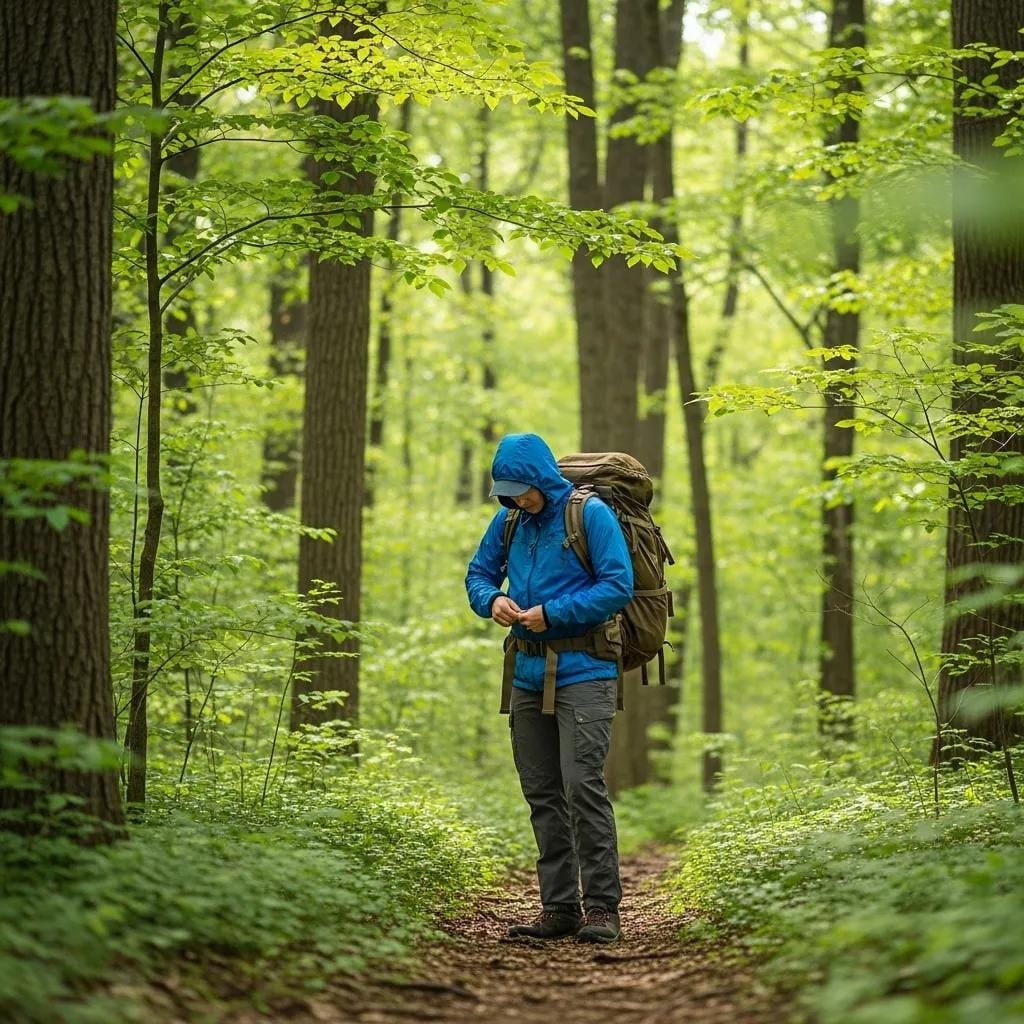
Practical steps reduce exposure and speed detection if ticks attach. Wear long sleeves and tuck pants into socks on trails and in brushy areas to create a physical barrier. Use EPA-registered repellents that contain DEET, picaridin, or IR3535 on skin and clothing as directed, and perform thorough tick checks after outdoor time — removing ticks within 24 hours greatly lowers transmission risk. Keep yards trimmed and clear leaf litter to limit tick habitat near your home. Together, these measures lower the chance of bites and aid early detection when exposure happens.
- Prevention checklist:
Protective clothing: long sleeves and pants tucked into socks.
Repellents: apply as directed to skin and clothing.
Prompt tick checks: remove ticks quickly and note the exposure.
| Prevention Measure | How It Works | Practical Steps / Local Notes |
|---|---|---|
| Protective clothing | Physical barrier against ticks | Wear light-colored clothing, long sleeves, and tuck pants into socks |
| Repellents | Chemical deterrent to ticks | Apply per label to skin and clothing; reapply per instructions |
| Yard maintenance | Reduces tick habitat near the home | Trim grass, remove leaf litter, and create borders between woods and lawn |
When Should You Consult a Lyme Disease Specialist?
See a specialist when symptoms persist or worsen despite initial care, when multiple systems are affected, or when coinfections are likely. Examples include ongoing fatigue, cognitive decline, or migratory joint pain that don’t follow expected recovery patterns. Typical referral triggers include symptoms lasting more than six months after standard therapy, poor response to first-line antibiotics, or unusual neurologic or cardiac signs that need specialist evaluation. A specialist visit usually includes an extended intake, targeted testing, and a discussion of individualized protocols that may include adjunctive therapies. Timely referral increases the chance of finding modifiable causes and building a tailored plan.
- Red flags for specialist referral:
Symptoms >6 months with significant functional impact.
Non-response to standard antibiotic treatment.
Multiple-system involvement (neurologic, cardiac, or severe joint disease).
Where Can You Find Patient Success Stories and Schedule a Consultation?
Patient stories often show staged improvement — reduced pain, better energy, and clearer thinking after multi-modal care — and clinics typically share consented case studies or testimonials that protect privacy. When reviewing success stories, look for objective markers like symptom scores, time-to-improvement, and functional measures that demonstrate meaningful change. To book a consultation with Internal Healing and Wellness MD, call the office, use the clinic’s online appointment tools, or check the practice business profile for booking details and directions. Before your first visit, prepare a short symptom summary, copies of prior tests and treatments, and your core goals so the extended intake focuses on clinical assessment and planning.
What Are Real Patient Experiences with Holistic Lyme Treatment?
Consented case examples commonly describe a pattern: initial stabilization followed by steady gains in energy, cognition, and activity tolerance over weeks to months. Measured outcomes often include lower symptom scores, fewer flares, and improved daily function such as returning to work or exercise. Clinicians should present these examples with timelines and objective measures rather than anecdotes to maintain credibility and set realistic expectations. Aggregated outcome data helps prospective patients understand typical improvement courses and supports shared decision-making about which interventions to prioritize.
- Outcome types commonly reported:
Symptom reduction: decreased fatigue and pain scores.
Functional gains: better work and activity tolerance.
Sustained improvements: durable benefits after iterative adjustments.
How Do You Book a Consultation with Dr. Fred Bloem in Bethesda MD?
To schedule an initial consultation, call the practice phone number or use the online appointment system. Be ready to share a brief history of symptoms, prior diagnoses, and recent labs or imaging. Our administrative team will guide you through intake forms, testing expectations, and what to bring to the extended visit so the clinician can conduct an efficient, thorough assessment. Typical preparation includes a concise symptom timeline, medication list, and copies of relevant prior results to help us prioritize targeted testing. Clear communication at booking ensures the first visit focuses on care planning rather than paperwork.
| Booking Channel | What to Have Ready | What to Expect |
|---|---|---|
| Phone scheduling | Symptom summary, prior test results | Appointment date and intake instructions |
| Website appointment tools | Contact info and reason for visit | Online forms and pre-visit questionnaires |
| Business profile lookup | Directions and basic practice details | Map, reviews, and contact options |
- Prepare your summary: a concise timeline, prior therapies, and your care goals.
- Bring prior tests: labs and imaging to help avoid unnecessary repeats.
- Plan for an extended visit: expect a thorough intake focused on root-cause evaluation.
Frequently Asked Questions
What lifestyle changes can help manage Lyme disease symptoms?
Lifestyle changes can meaningfully reduce symptoms. We recommend a balanced, anti-inflammatory diet rich in vegetables, fruits, whole grains, lean protein, and healthy fats. Tailored, gentle exercise improves stamina and mood. Stress-reduction practices — meditation, yoga, or breathing work — can lower flare risk. Prioritizing quality sleep is essential for immune recovery. Working with your care team to build a personalized wellness plan helps these changes stick and supports symptom management.
How can I support my immune system during Lyme treatment?
Supporting your immune system aids recovery. A nutrient-dense diet with adequate vitamins (notably C and D) and minerals like zinc helps immune function. Hydration supports cellular health and detox pathways. Regular, moderate activity promotes circulation and immune responsiveness. Some patients benefit from adaptogens such as ashwagandha or rhodiola to manage stress, but always check with your clinician before starting supplements. Reducing toxin exposure also helps keep the immune system from becoming overburdened.
What role does mental health play in Lyme disease recovery?
Mental health strongly influences recovery. Chronic illness can trigger anxiety, depression, and frustration, which in turn can worsen physical symptoms. Addressing mental health through therapy, counseling, or support groups provides coping strategies and emotional support. Mind-body techniques like mindfulness and deep breathing can reduce stress and improve clarity. Including mental health care as part of a holistic treatment plan strengthens resilience and supports a fuller recovery.
Are there specific dietary recommendations for Lyme disease patients?
Diet recommendations typically focus on reducing inflammation and supporting overall health. Emphasize whole foods: vegetables, fruits, lean proteins, healthy fats, and antioxidant-rich items like berries and leafy greens. Limiting processed foods, refined sugars, and excessive carbohydrates can reduce inflammation. Some patients report benefit from avoiding gluten or dairy, but responses vary. A nutritionist experienced with Lyme can tailor guidance to your needs and tolerances.
What are the potential long-term effects of Lyme disease?
Long-term effects vary. Some patients experience persistent symptoms — fatigue, pain, and cognitive difficulties — known as Post-Treatment Lyme Disease Syndrome (PTLDS), lasting months or longer after therapy. Others may develop chronic problems such as arthritis or neurologic issues. Early diagnosis and prompt treatment reduce the risk of long-term complications. Ongoing follow-up helps manage lingering symptoms and monitor for complications as part of comprehensive care.
How can I find support groups for Lyme disease?
Support groups offer practical and emotional help. Organizations like the Lyme Disease Association and the Global Lyme Alliance provide resources and can help connect you with local or online groups. Social media communities and condition-specific forums also offer peer support and shared experience. Check local clinics or community centers for in-person meetings. Connecting with others facing similar challenges can be an important part of recovery.
Conclusion
Choosing a holistic path for Lyme treatment often leads to better outcomes by addressing root causes and tailoring care to the individual. Integrative therapies and advanced diagnostics, combined with lifestyle and supportive measures, can help patients regain energy, reduce symptoms, and restore function. If you’re looking for thoughtful, integrative Lyme care in Bethesda, Internal Healing and Wellness MD can help you begin a personalized recovery plan. Schedule a consultation today to take the first step toward feeling better.