
IV Vitamin Drips Near Rockville, MD

The Benefits of Physician-Led IV Vitamin Drip Therapy in Rockville, MD
Intravenous (IV) vitamin drips deliver concentrated vitamins, minerals, antioxidants and fluids straight into the bloodstream to speed recovery, restore hydration, and support cellular function. This guide explains how IV drips work, the formulations commonly offered near Rockville, MD, and why physician‑led customization matters for safety and results. Many people seek IV therapy for acute needs — dehydration, travel recovery, immune support — or as part of a broader plan for chronic conditions. By outlining mechanisms, typical indications, and practical steps, this article helps you decide if an infusion fits your goals. We cover the physiology of IV delivery, compare common drips (including antioxidant and hydration options), map conditions that may benefit, and explain how to prepare for and schedule treatment locally. Throughout, we emphasize evidence‑informed use, safety, and how a practice that values longer visits and individualized protocols integrates IV therapy into whole‑person care.
What Are IV Vitamin Drips and How Do They Work?
IV vitamin drips are sterile mixtures of fluids plus vitamins, minerals, antioxidants or metabolic cofactors given intravenously to bypass the digestive tract and produce immediate bioavailability. Because nutrients go directly into the bloodstream, IV therapy reaches higher plasma levels than oral supplements and allows therapeutic dosing of water‑soluble agents that are otherwise limited by intestinal absorption. Clinically, this direct delivery is important for rapid repletion, targeted antioxidant support, and situations where swift physiologic change is desired. Safety depends on appropriate screening, strict sterile technique, and clinician oversight to match the formula to each patient and monitor for reactions.
Before reviewing clinical options, it helps to compare IV delivery with oral and intramuscular routes in practical terms — this clarifies when clinicians favor infusions and how treatment goals guide formulation choice.
Different delivery routes produce distinct absorption profiles and typical uses.
| Delivery Route | Absorption Speed | Typical Clinical Use |
|---|---|---|
| Oral supplements | Slow, variable bioavailability | Long‑term maintenance and mild deficiencies |
| Intramuscular injection | Intermediate onset with depot effect | Sustained release for specific vitamins (for example, B12) |
| Intravenous infusion | Rapid, high plasma concentration | Acute repletion, antioxidant therapy, and rapid hydration |
This comparison shows why IV delivery is preferred when fast, predictable nutrient levels are the clinical objective. With that pharmacologic context, the next section describes bioavailability and time‑to‑effect in more detail.
How Does IV Therapy Deliver Nutrients Effectively?
IV therapy bypasses first‑pass gastrointestinal metabolism and produces predictable plasma concentrations that permit therapeutic dosing of vitamin C, glutathione precursors, B‑complex vitamins and minerals. Faster onset is especially valuable for acute symptoms — severe dehydration, migraine flares or post‑exercise recovery — because cellular uptake follows concentration gradients and can be enhanced when plasma levels are elevated. In practice this means shorter time‑to‑relief and the ability to use higher short‑term doses under supervision. That said, long‑term nutritional status still depends on diet and overall health. Understanding these kinetics helps patients and clinicians choose the right infusion and schedule based on treatment goals and monitoring needs.
What Are the Key Benefits of IV Vitamin Infusions?
IV infusions offer targeted benefits by quickly correcting deficits, rehydrating tissues, and delivering antioxidants when clinically appropriate. Practice experience and clinical reports suggest faster symptom relief for fatigue and dehydration, and better short‑term tolerance when infusions are part of an integrative plan. Key benefits include:
- Rapid hydration and electrolyte correction to shorten recovery from dehydration and exertion.
- Faster energy restoration through B‑vitamin complexes that support cellular metabolism.
- Antioxidant support (for example, high‑dose vitamin C or glutathione precursors) to help rebalance oxidative stress in selected contexts.
- Short‑term immune support during acute illness or high‑risk exposure by providing concentrated immune cofactors.
It’s important to view IV therapy as an adjunct: it works best alongside evaluation of root causes, lifestyle changes, and appropriate follow‑up testing. The next section lists common formulations available locally and how clinicians match them to goals.
Which IV Vitamin Drips Are Offered Near Rockville, MD?
Clinics near Rockville usually offer a menu ranging from basic hydration to antioxidant‑rich and cellular energy infusions. Typical options include hydration drips, Myers’ Cocktail variants, high‑dose vitamin C, glutathione‑focused blends, and NAD+ protocols. Clinicians choose and adjust these formulations to address rehydration, immune support, detoxification, or cellular energy, tailoring each plan to the patient’s history and goals. Patients seeking physician‑led, individualized care will find local practices — including those in Kensington and Rockville — that prioritize longer visits and integration of IV therapy into a broader treatment strategy. To explore options, schedule a consultation where the clinician reviews your history, screens for contraindications, and recommends a suitable infusion.
Below is a concise comparison of common drips, their primary ingredients, and their typical indications to help you decide quickly.
| Drip Type | Core Ingredients | Primary Benefits / Indications |
|---|---|---|
| Hydration IV | Normal saline with electrolytes | Fast rehydration, electrolyte balance, post‑exercise or heat recovery |
| Myers’ Cocktail | Magnesium, calcium, B‑complex, vitamin C | Energy support, migraine symptom reduction, help with fibromyalgia symptoms |
| High‑Dose Vitamin C | Intravenous vitamin C | Antioxidant support and adjunctive immune support in select situations |
| Glutathione IV | Glutathione or its precursors | Support for detoxification pathways, liver function, and antioxidant replenishment |
| NAD+ Therapy | NAD+ or its precursors | Cellular energy support, recovery, and anti‑aging protocols |
This quick comparison helps patients weigh options. Next, we describe signature drips in more detail and who typically benefits from each.
What Is the Myers' Cocktail and Who Can Benefit?
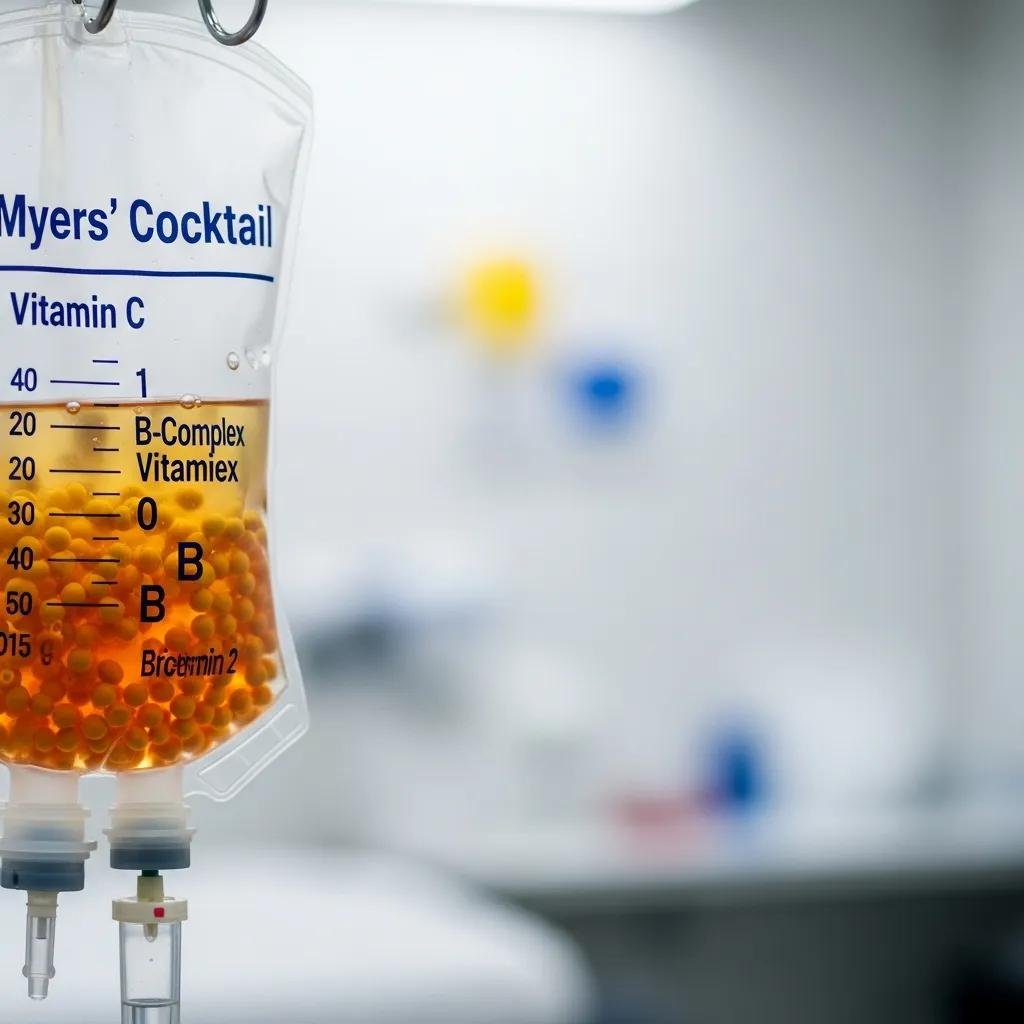
The Myers’ Cocktail is a balanced IV infusion commonly containing magnesium, calcium, B‑complex vitamins and vitamin C. It’s used to support energy metabolism, neuromuscular function and antioxidant defenses. Clinically, it may help people with chronic fatigue, frequent migraines, fibromyalgia, or those seeking periodic immune or wellness support; many report symptomatic improvement within hours to days depending on the issue. The blend supplies cofactors for ATP production and nervous system regulation — magnesium often eases muscle tension while B vitamins support metabolic pathways. A targeted assessment determines whether the Myers’ Cocktail fits your overall care plan.
How Do High‑Dose Vitamin C and Glutathione IVs Support Health?
High‑dose IV vitamin C and glutathione infusions raise plasma antioxidant capacity and help restore redox balance more effectively than oral doses. High‑dose vitamin C is used selectively for immune support and as an adjunct where oxidative stress is elevated; glutathione targets detoxification and intracellular antioxidant defense, supporting liver function. Evidence varies by indication, so these therapies are best used under clinician supervision within a comprehensive plan. Discussing goals and baseline labs will clarify which antioxidant‑focused infusion, if any, is appropriate for you.
What Conditions Can IV Therapy Address in Rockville Patients?
When used thoughtfully within an integrative plan, IV therapy can provide adjunctive or supportive care across a range of acute and chronic conditions. Common uses include treatment for dehydration and acute recovery, immune support during infections, adjunctive help for chronic fatigue and post‑infectious syndromes, symptom relief for migraines and fibromyalgia, and recovery support for athletes. The decision to use IV therapy hinges on the clinical goal (rapid repletion versus long‑term management), the evidence for a given condition, and a careful risk‑benefit discussion with a clinician. The table below maps typical conditions to protocol elements and the expected benefit level.
| Condition | Typical IV Protocol Elements | Expected Benefit / Evidence Level |
|---|---|---|
| Dehydration / Heat illness | Saline with electrolytes | High — rapid symptomatic improvement |
| Chronic fatigue / post‑infectious syndromes | B‑complex, magnesium, vitamin C, hydration | Moderate — adjunctive symptomatic relief with broader care |
| Lyme and complex chronic infections | Antioxidants, targeted nutrients, supportive fluids | Limited/practice‑based — individualized plans |
| Immune support during illness | Vitamin C, zinc (if included), fluids | Variable — supportive adjunctive benefit |
| Athletic recovery | Hydration plus B‑vitamins and electrolytes | High practical benefit for short‑term recovery |
This table clarifies when IV therapy is primary rapid support and when it serves as an adjunct within a broader treatment plan. The following sections describe specific condition categories and realistic expectations.
How Does IV Therapy Help with Chronic Fatigue and Lyme Disease?
For people with chronic fatigue or post‑infectious syndromes — including complex Lyme presentations — IV therapy can be a supportive tool to correct micronutrient deficits, reduce oxidative stress and improve cellular metabolism while underlying disease processes are addressed. Typical components include B vitamins for mitochondrial support, magnesium for neuromuscular balance, and antioxidants such as vitamin C or glutathione precursors to lower oxidative burden. Results vary: many patients notice gradual energy gains and improved exercise tolerance over weeks to months when infusions are combined with targeted treatments, sleep optimization, and nutrition. Clear expectations and regular reassessment are essential.
Can IV Drips Support Immune Health and Athletic Recovery?

IV drips can support immune health by delivering concentrated vitamins and antioxidants that transiently raise plasma cofactor levels. Athletic recovery benefits from rapid rehydration, electrolyte repletion and metabolic cofactors that shorten downtime. Immune protocols commonly include vitamin C and fluids, while athletes often use saline with electrolytes and B vitamins after intense workouts to speed restoration. Frequency and dosing depend on goals and safety screening; most people use these infusions episodically rather than daily. When coordinated with a recovery or training plan, IV therapy can accelerate short‑term recovery and help athletes return to performance sooner.
Why Choose Dr. Fred Bloem for IV Therapy in Rockville, MD?
Dr. Fred Bloem and Internal Healing and Wellness MD take a physician‑led, root‑cause approach that prioritizes longer visits, individualized protocols, and integration of IV therapies into broader, multi‑modal care plans. This model is especially valuable for patients with complex chronic illnesses — such as Lyme disease — or those needing careful supportive care, because it enables thorough assessment, tailored nutrient selection, and monitored follow‑up rather than one‑size‑fits‑all infusion menus. We treat IV therapy as one tool among many for restorative care, using clinical judgment to weigh benefits and risks for each patient. Patients in the Kensington and Rockville area who want clinician‑directed, individualized IV therapy will find this approach aligns infusions with longer‑term health goals.
- Longer evaluation visits that allow root‑cause assessment and personalized plan development.
- Physician oversight for formulation selection and monitoring during infusions.
- Integration of IV therapy with other integrative modalities to address chronic or complex conditions.
What Makes Dr. Bloem’s Holistic Approach Unique?
Dr. Bloem’s holistic approach focuses on uncovering underlying contributors to symptoms — metabolic inefficiencies, inflammatory drivers, and environmental factors — and using IV therapy selectively to address acute deficits or to support other treatments. The model emphasizes diagnostic clarity and longitudinal care: baseline labs, careful contraindication screening, and routine reassessment guide whether and how often infusions are recommended. Patient education about expected benefits, monitoring, and alternatives is central to shared decision‑making. When IV therapy is offered, it’s part of a stepwise plan aimed at sustainable outcomes rather than quick fixes.
How Are IV Treatments Customized for Individual Needs?
Customization starts with a thorough intake: medical history review, medication and supplement reconciliation, symptom mapping, and targeted lab testing when indicated. From that assessment, clinicians tailor the infusion composition (electrolyte balance, vitamin C dose, inclusion of magnesium or glutathione precursors) and set infusion rate and monitoring parameters. Contraindications — for example certain renal or cardiac conditions — are screened to avoid harm, and follow‑up plans document response and allow dose adjustments. Monitoring during and after infusions protects safety and provides information to refine your individualized regimen over time.
How Can You Prepare for and Schedule IV Vitamin Drip Therapy?
Preparing for IV therapy involves a few practical steps to improve comfort and safety: hydrate in the 24 hours before your appointment, bring a current medication list, and avoid heavy meals right before the infusion if advised. On the day, expect a check‑in that reviews your history and recent labs and a focused discussion of goals and possible side effects. Because pricing and insurance coverage vary, clinics that offer individualized care typically provide cost estimates during the consultation and can supply documentation for out‑of‑network reimbursement when appropriate. Bringing prior lab results helps clinicians tailor your plan.
- Hydrate: Drink water the day before your infusion to ease venous access and improve tolerance.
- Medication list: Bring a current list of medications, supplements and allergies to screen for interactions.
- Medical records: Bring recent labs or clinical notes if you have them to inform customization.
- Plan for recovery time: Schedule light activity after the infusion and allow time for observation if recommended.
These steps reduce delays and help clinicians individualize treatment safely. The sections below explain session flow and booking details.
What Should Patients Expect During an IV Therapy Session?
A typical IV session begins with check‑in and a focused clinical review, followed by sterile IV placement, infusion delivery, and a brief observation period. Total time commonly ranges from about 30 to 90 minutes depending on the formulation. Clinicians or trained staff monitor vital signs and patient‑reported sensations throughout and address minor side effects — such as a brief warm feeling or mild vein irritation — promptly. After the drip, staff provide aftercare guidance (hydration, signs to watch for) and arrange any recommended follow‑up. If you notice anything unusual, report it right away so your care team can respond.
How to Book a Consultation and What Are the Costs?
To book a consultation, contact the practice through its listed appointment channels — many clinics accept scheduling requests on their website or via their Google Business Profile — and be ready to discuss health history and treatment goals at intake. Cost is usually determined during the consultation because individualized protocols vary by formulation, dose and monitoring needs; clinicians will give an estimate and explain billing documentation that can support out‑of‑network reimbursement. Asking for a pre‑appointment estimate and clarifying insurance or reimbursement options helps set expectations and supports informed decision‑making.
This guide has outlined how IV therapy works, common drips, and practical preparation steps for IV vitamin therapy near Rockville, MD. If you’re exploring IV options for acute recovery or as part of chronic care, a physician‑led consult will determine whether a tailored infusion plan is right for you.
Frequently Asked Questions
What should I expect during my first IV therapy session?
At your first session you’ll complete a thorough intake where the clinician reviews your medical history and treatment goals. A sterile IV is then placed and the infusion begins. Sessions typically last 30 to 90 minutes depending on the formula. Staff will monitor your vital signs and comfort throughout, address minor side effects if they occur, and provide aftercare instructions and follow‑up recommendations.
Are there any side effects associated with IV vitamin drips?
IV vitamin drips are generally well tolerated, but some people experience mild side effects like transient warmth, vein irritation, or discomfort at the insertion site. Serious reactions are uncommon, which is why monitoring during and after the infusion is important. Tell your clinician right away about any unusual symptoms. A careful pre‑infusion assessment helps reduce risks and ensures the treatment is adapted to your health status.
How often can I receive IV vitamin therapy?
Frequency depends on your goals, the condition being treated, and the specific formulation. Some patients benefit from weekly sessions for a period, while others use infusions monthly or only as needed for acute recovery. A clinician will personalize a plan, monitor your response, and adjust the schedule accordingly. Regular follow‑ups help determine the optimal cadence for your needs.
Can IV therapy be used alongside other treatments?
Yes. IV therapy is often integrated with lifestyle changes, dietary strategies, and other medical treatments as part of a comprehensive care plan. For patients with chronic conditions or those undergoing significant medical interventions, IV therapy can offer supportive hydration and nutrient replenishment. Always coordinate with your healthcare provider to ensure all treatments are safe and complementary.
Is IV therapy covered by insurance?
Insurance coverage varies by plan and the clinical indication. Some insurers cover IV therapy when it’s deemed medically necessary, while others do not. Check with your insurance provider before scheduling. Many clinics provide cost estimates during the consultation and can supply documentation to support out‑of‑network reimbursement when applicable.
What are the qualifications of the staff administering IV therapy?
IV therapy should be administered by qualified healthcare professionals — typically registered nurses or physicians — who have specialized training in intravenous therapy. In practices like Dr. Fred Bloem’s, a physician‑led model ensures infusions are tailored to individual needs with appropriate monitoring throughout. This oversight helps maximize safety and effectiveness so patients receive careful, clinically informed care.
Conclusion
IV vitamin drips can provide rapid hydration, targeted nutrient replenishment, and meaningful recovery support for both acute and chronic needs when used thoughtfully. Understanding the benefits and available formulations helps you make an informed choice that aligns with your wellness goals. If you’re considering IV therapy, contact a qualified provider for a physician‑led consultation to explore personalized options. Schedule a visit to discuss whether a tailored infusion plan is the right next step for revitalizing your health.