Integrative Cancer Care — Comprehensive Supportive Treatment in Washington, D.C. with Dr. Fred Bloem
Integrative supportive cancer care blends evidence-aware complementary therapies with standard oncology to reduce treatment side effects, support immune and metabolic function, and improve quality of life for people in the Washington, D.C. region. Below we explain what integrative oncology means, how functional medicine and targeted adjunctive therapies can be timed with chemotherapy and radiation, and which specialized options patients may encounter locally. Many people seek symptom relief, better tolerance of treatment, and personalized plans that address metabolic, immune, and psychosocial drivers of health — and integrative care provides a structured way to pursue those goals alongside conventional oncology. This article maps core concepts, summarizes three specialized therapies commonly used in integrative oncology, outlines wellness program elements that target fatigue and neuropathy, and gives practical next steps for scheduling an integrative consultation. Throughout, you’ll find clear guidance on safety, evidence-awareness, and coordinating care with oncology teams, plus where local supportive services can assist recovery and resilience.
Integrative Oncology Care: Holistic Support in Washington, D.C.
Integrative supportive cancer care is a coordinated, patient-centered approach that pairs conventional oncology with complementary interventions to manage symptoms, speed recovery, and improve day-to-day functioning during and after treatment. The model aligns symptom-directed therapies, immune- and metabolic-support strategies, and mind–body care with oncology schedules so benefits — like reduced nausea, better energy, and improved function — are realized without disrupting core cancer treatments. People who gain the most include those receiving chemotherapy or radiation, survivors managing long-term effects, and anyone seeking proactive support to strengthen resilience and recovery. The list below highlights the primary, practical benefits often used to guide referrals for Washington, D.C.–area patients.
In practice, integrative supportive care coordinates closely with oncology teams to ensure safety and appropriate timing of adjunctive therapies. The next section explains how conventional and complementary approaches are combined in shared care.
Key patient-centered benefits of integrative care:
- Symptom relief and improved treatment tolerance: targeted adjuncts can lessen nausea, fatigue, and neuropathy so patients complete planned oncology regimens more comfortably.
- Better quality of life: individualized plans address sleep, mood, and stamina so people function more fully during and after treatment.
- Coordinated personalization: multidisciplinary communication aligns supportive measures with oncology goals to protect safety and effectiveness.
These advantages set the stage for a closer look at how integrative oncology teams practically blend conventional and complementary strategies.
How Does Integrative Oncology Combine Conventional and Holistic Approaches?
Integrative oncology sequences and selects complementary modalities alongside surgery, chemotherapy, and radiation to reduce toxicity and support recovery. In practical terms, that means scheduling adjunctive interventions — for example, targeted IV nutrient infusions, immune-supportive injections, or photodynamic procedures — so they don’t coincide with peak immunosuppression or interact with systemic agents. Safety is central: clinicians follow documented mechanisms, timing guidelines, and open communication with treating oncologists to avoid contraindications and preserve oncologic efficacy. Typical coordination steps include an intake visit, review of current oncology protocols and labs, agreement on safe timing windows, and follow-up visits to monitor response and side effects. Those workflows show how functional medicine assessments feed into personalized plans, which we describe next.
What Role Does Functional Medicine Play in Cancer Support?
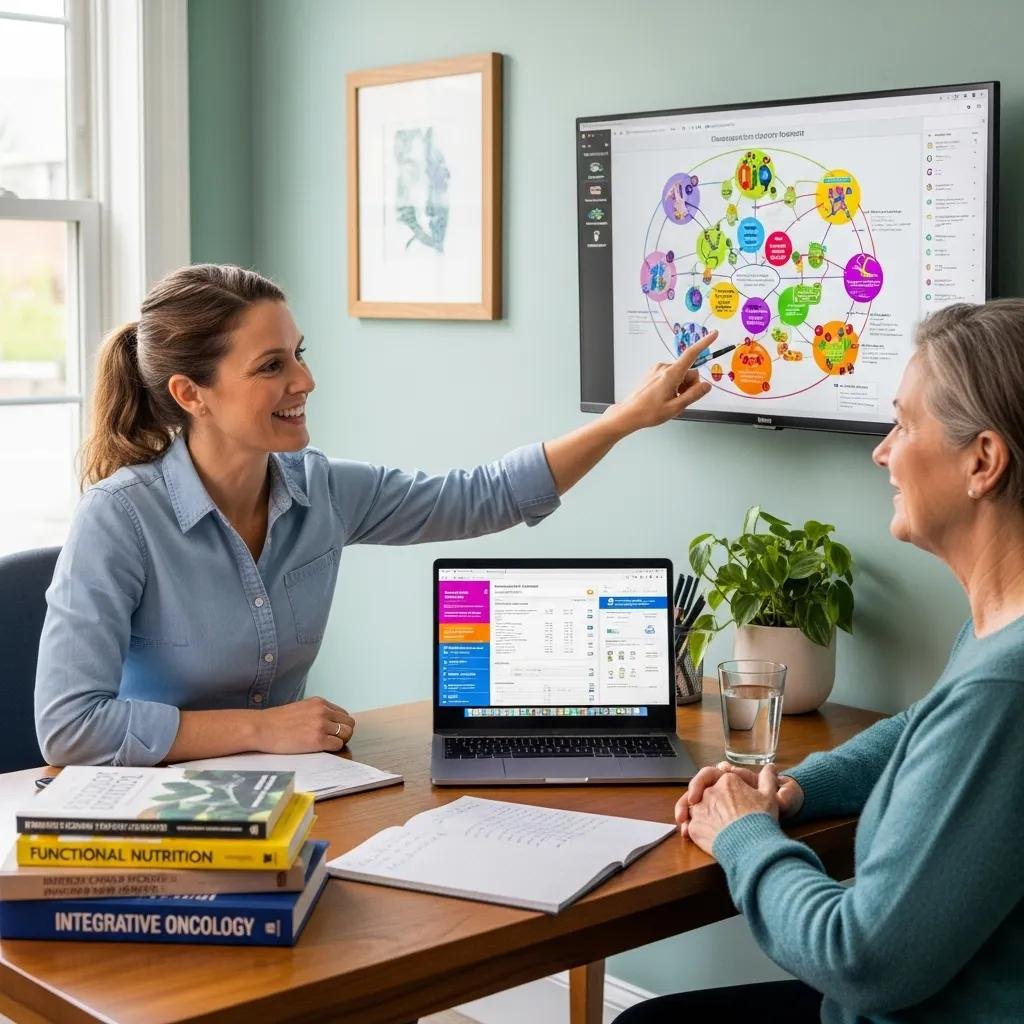
Functional medicine brings a root-cause lens to supportive cancer care, identifying metabolic, inflammatory, and lifestyle contributors that affect resilience and recovery. Through a detailed history and targeted testing, practitioners assess nutrition, metabolic markers, immune status, and potential toxin exposures to shape personalized nutrition, sleep, movement, and supplement plans that support treatment tolerance and long-term health. Workflows commonly include baseline labs and symptom inventories, individualized diet and lifestyle prescriptions, and periodic reassessment to track progress and adjust interventions. These strategies aim to optimize recovery and reduce modifiable risks while coordinating closely with oncology teams so metabolic optimization supports — rather than replaces — standard cancer care.
Which Specialized Therapies Are Offered at Dr. Fred Bloem’s Integrative Oncology Clinic?
Specialized therapies in integrative oncology target defined mechanisms — immune modulation, photochemical activation, and chemosensitivity-guided personalization — to complement conventional care and address specific clinical needs. Below are concise, evidence-aware descriptions of three therapies commonly used in integrative cancer support: what each therapy is, who may be a candidate, and a brief note on the evidence. After these summaries, a comparison table outlines mechanisms and typical uses to help patients and clinicians compare options.
- Mistletoe therapy (Viscum album injections): a botanical immunomodulator frequently used to reduce chemotherapy side effects and support quality of life; some trials report QoL improvements, though results vary by study.
- Photodynamic therapy (PDT) for cancer support: uses a photosensitizer plus targeted light to affect superficial or accessible lesions and to palliate symptom-causing tissue in select cases.
- RGCC chemosensitivity and personalized protocols: a laboratory assay that tests tumor cell response to drugs and natural compounds to help prioritize treatment choices; useful as an adjunct when interpreted within clinical context.
The following table compares mechanism, primary benefits, and evidence notes for these therapies to support informed decision-making.
| Therapy | Mechanism | Primary Benefits / Typical Use Cases / Evidence Notes |
|---|---|---|
| Mistletoe Therapy (Viscum album injections) | Immunomodulation and cytokine modulation | Often improves health-related quality of life and reduces certain chemo-related fatigue and GI symptoms in some studies; evidence varies by trial design and quality |
| Photodynamic Therapy (PDT) for cancer support | Photosensitizer activated by light causing localized cytotoxicity | Useful for local control of superficial lesions and symptomatic relief; minimally invasive option for select patients with evidence supporting specific indications |
| RGCC chemosensitivity and personalized therapy protocols | Ex vivo testing of circulating tumor cells for drug sensitivity | Helps inform personalized selection of chemotherapies and adjunctive agents; clinical utility depends on experienced interpretation and recognition of limitations |
After this comparison we provide more detailed, practical explanations and safety considerations for each therapy to help patients evaluate whether they may be appropriate.
What Are the Benefits and Uses of Mistletoe Therapy for Cancer Patients?
Mistletoe therapy uses subcutaneous injections of Viscum album extracts intended to stimulate immune activity and reduce symptom burden for some patients. Proposed mechanisms include modulation of cytokines, enhancement of innate immune responses, and tumor cell effects seen in laboratory models — factors that can translate into improved energy, appetite, and fewer treatment-related symptoms for certain individuals. Typical candidates are patients seeking supportive QoL interventions during chemotherapy or survivors managing chronic fatigue and functional decline; mistletoe should always be used in coordination with the oncology team because study designs and results vary. Side effects are typically mild and local but require monitoring; clinicians schedule dosing and lab follow-up to detect any adverse reactions. Clear discussion of expected outcomes and safety with both integrative and oncology providers helps set realistic expectations.
How Does Photodynamic Therapy Support Cancer Treatment?
Photodynamic therapy (PDT) uses a photosensitizing agent that concentrates in target tissue and is activated by specific light wavelengths to produce localized cytotoxic and inflammatory effects. PDT is most applicable to superficial or accessible lesions — for example, some skin or mucosal tumors — and can provide symptom control, reduce lesion size, or improve wound-related symptoms when surgery or systemic options are limited. Risks include local pain, photosensitivity, and inflammation at the treatment site; timing and coordination with systemic therapies are important to avoid overlapping toxicities. Clinical evidence supports PDT for selected indications and palliative situations, and multidisciplinary discussion helps optimize patient selection and timing relative to other treatments.
What Are RGCC Tests and How Do They Guide Personalized Cancer Therapies?
RGCC testing analyzes circulating tumor cells or tumor fragments ex vivo to assess chemosensitivity and susceptibility to various agents, creating individualized sensitivity profiles clinicians can use to prioritize treatment choices. The typical workflow involves a blood draw, laboratory assay, and a report that ranks drug and natural compound activity against the patient’s tumor cells. That information can inform conversations about alternative agents, combination strategies, or clinical trial options. Interpretation requires clinical expertise because ex vivo sensitivity does not always predict in vivo response; results must be contextualized with tumor biology, prior therapies, and patient goals. When used judiciously, RGCC data can enhance personalization, but it should be one input among many in a comprehensive plan.
How Does Holistic Cancer Care Enhance Wellness and Quality of Life in the Washington D.C. Area?

Holistic cancer care improves wellness by addressing interrelated domains — nutrition, symptom-targeted therapies, mind–body resilience, and recovery-focused interventions — that together boost daily functioning and long-term recovery. The approach reduces symptom burden, restores nutritional and metabolic balance, and teaches behavioral tools to manage stress and sleep, which together support immune competence and treatment tolerance. Local program elements often include individualized nutrition counseling, mind–body therapies such as guided relaxation and psychotherapy, intravenous nutrient therapies for acute support, and age-management strategies that address hormone and metabolic health. The table below outlines common supportive services, the symptoms they target, and what patients typically experience to help Washington, D.C.–area residents navigate available options.
| Supportive Service | Targeted Symptom or Goal | Typical Patient Experience / Expected Outcome |
|---|---|---|
| Nutrition counseling and metabolic optimization | Fatigue, weight loss, treatment tolerance | Personalized meal plans, labs to correct deficiencies, and measurable energy improvements over weeks |
| Mind-body interventions (meditation, counseling) | Anxiety, insomnia, mood | Regular sessions that reduce stress, improve sleep quality, and strengthen coping during treatment |
| Intravenous therapies and nutrient repletion | Acute fatigue, poor oral intake, chemo-related depletion | Targeted infusions that can provide rapid symptomatic relief for selected deficiencies; requires clinical oversight |
| Anti-aging / hormone-balanced support | Metabolic resilience, sleep, libido | Targeted assessments and gentle interventions to restore balance and functional capacity |
In short, coordinated services address distinct symptom clusters and support overall recovery while emphasizing individualized planning and safety oversight.
What Comprehensive Cancer Wellness Programs Are Available Locally?
Local comprehensive cancer wellness programs typically combine clinical assessments, nutrition and exercise planning, mind–body therapies, and symptom-directed interventions delivered within integrative clinics or through coordinated referrals. Most patients begin with an intake assessment that clarifies symptoms, treatment timelines, and goals, followed by a tailored plan that sequences interventions to avoid conflicts with active oncology care. Eligibility often depends on clinical stability and willingness to coordinate with treating oncologists; many programs accept referrals and welcome collaboration to align care. Practical tips: check insurance or self-pay options, ask about clinician experience in integrative oncology, and confirm how the team communicates with the primary oncology provider to ensure safe, synergistic care.
How Does Addressing Root Causes Improve Cancer Outcomes?
Addressing root causes — such as metabolic dysregulation, chronic inflammation, and toxin exposures — aims to strengthen physiological resilience, reduce symptom burden, and support recovery, which can improve tolerance of standard therapies and quality of life. Interventions focus on modifiable drivers through individualized nutrition, exercise, sleep optimization, and laboratory-guided corrections of deficiencies and inflammatory markers. Biologically, improved metabolic control and reduced chronic inflammation support immune competence and tissue repair, important for recovery after surgery, chemotherapy, or radiation. While evidence on recurrence prevention remains cautious, tackling root causes is a pragmatic way to enhance functional outcomes and daily well-being when done transparently alongside conventional oncology care.
Why Choose Dr. Fred Bloem and Internal Healing and Wellness MD for Integrative Cancer Care in Washington D.C.?
Choosing an integrative oncology provider should prioritize demonstrated experience coordinating with oncology teams, clear safety protocols, and individualized treatment plans that reflect patient goals. Dr. Fred Bloem and Internal Healing and Wellness MD emphasize those elements: thorough intake assessments, lab-driven personalization, and carefully timed adjunctive therapies to support treatment tolerance and recovery. Patients seeking a collaborative integrative plan — one that evaluates evidence-aware options like mistletoe therapy, photodynamic therapy, or RGCC-guided personalization — will find structured pathways to incorporate those choices while maintaining oncology coordination. Scheduling a consultation is a practical next step to develop a personalized plan and review risks, benefits, and timing.
Distinctive features patients can expect when evaluating integrative oncology providers in the area:
- Personalized assessment and testing: intake visits focus on metabolic, immune, and quality-of-life drivers to tailor interventions.
- Coordinated care planning: recommendations are sequenced to align with oncology schedules and are communicated to treating teams.
- Emphasis on education and empowerment: patients receive clear, actionable guidance to manage symptoms and participate in decisions.
These elements underpin how Dr. Bloem’s protocols are structured and how patient education supports treatment success.
What Makes Dr. Bloem’s Personalized Treatment Protocols Unique?
Dr. Bloem’s protocols start with an extended intake and targeted testing to identify nutritional deficits, inflammatory markers, and treatment-related vulnerabilities. Protocol design then selects evidence-aware adjuncts — for example, immune-supportive botanical injections, nutrient repletion, or targeted photodynamic sessions — sequenced to avoid periods of greatest immunosuppression. Follow-up emphasizes tracking symptoms and labs, iteratively adjusting interventions, and maintaining communication with oncology teams to preserve safety and responsiveness. This structured, test-driven approach ensures each plan reflects a patient’s goals, tolerances, and the realities of concurrent oncology care.
How Do Patient Education and Empowerment Enhance Treatment Success?
Patient education and empowerment improve adherence, reduce anxiety, and enable shared decision-making during complex cancer journeys. Education touchpoints include detailed consult discussions, written action plans, and scheduled follow-ups that reinforce self-care and symptom monitoring. Patients who understand the rationale, timing, and expected effects of adjunctive therapies are more likely to follow regimens, report side effects early, and engage with both integrative and oncology teams. That active partnership supports outcomes such as treatment completion and better self-reported quality of life, making education a practical lever for success.
What Are Common Questions About Integrative Cancer Treatment in Washington D.C.?
Patients frequently ask about effectiveness, safety, where to find services, and how to coordinate integrative therapies with oncology care. Clear, balanced answers reduce uncertainty and help people make informed choices. Below are concise Q&A items designed to aid quick decisions while emphasizing coordination with treating oncologists.
Does Mistletoe Therapy Work for Cancer Patients?
Clinical studies have associated mistletoe therapy with improvements in health-related quality of life and reductions in some chemotherapy-related side effects, so many patients report supportive benefits. Mistletoe extracts are thought to modulate immune responses and cytokine profiles, which can translate to better energy and symptom control for some individuals. Limitations exist: studies vary in design and outcomes are heterogeneous. Mistletoe is best used as a supportive adjunct, not a replacement for standard oncology care. Discuss candidacy with both your integrative clinician and oncology team to weigh interactions and set realistic expectations.
Where Can Patients Find Holistic Cancer Support in Washington D.C.?
Holistic cancer support is available through integrative clinics, specialty wellness centers, and coordinated referral networks across the Washington, D.C. area. Look for providers experienced in oncology collaboration and evidence-aware adjunctive care. Common local options include nutrition specialists, mind–body practitioners, infusion services for IV nutrient repletion, and clinics offering targeted adjunctive therapies like mistletoe injections or PDT when clinically appropriate. When choosing providers, ask about oncology collaboration experience, safety protocols, and how they document and communicate care to treating oncologists. Selecting a clinic that prioritizes multidisciplinary coordination helps ensure safe, effective access to supportive services.
How Can Patients Schedule a Consultation for Integrative Oncology Services in Washington D.C.?
Scheduling a consultation usually involves three clear steps: contact the integrative clinic to request an intake, gather relevant medical records and current oncology treatment details, and plan for an extended initial visit that covers testing and goal-setting. The intake typically includes a review of diagnosis and treatment history, baseline lab orders when indicated, and collaborative planning to sequence any recommended adjunctive therapies around active oncology care. Expect to receive educational materials and a proposed follow-up schedule at the end of your first visit so you can coordinate with your oncology team and make informed decisions. The checklist below helps streamline first visits and reduce barriers to care.
The following details outline what patients typically experience during an initial consultation and how to contact and access clinic services.
What Should Patients Expect During Their First Visit?
Your first visit is an extended intake covering medical history, current treatments, symptom inventory, and initial goal setting — longer than a standard appointment to allow a thorough assessment. Common components include targeted laboratory testing, medication and supplement review, and discussion of possible adjunctive therapies with clear safety and timing guidance relative to oncology treatments. The clinician will propose a personalized plan with short- and mid-term objectives, schedule follow-up visits, and provide educational materials to support adherence. You’ll leave with clear next steps, any test orders, and guidance on how the integrative plan will communicate with your oncology team to preserve coordination and safety.
How to Contact Dr. Fred Bloem’s Clinic and Access Support Services?
To arrange consultative care with Dr. Fred Bloem and Internal Healing and Wellness MD, call the clinic to inquire about appointments and intake logistics; administrative staff can explain which records to bring and how to prepare. The clinic’s location and parking information are provided at scheduling, and staff set expectations for response times and appointment preparation so you know which recent labs and documents to have available. Calling the clinic starts the intake process and helps match services to your goals while ensuring safe coordination with oncology providers.
- Contact phone (clinic): (301) 260-2601
- Clinic name: Dr. Fred Bloem / Internal Healing and Wellness MD
- Clinic address: 10400 Connecticut Ave Ste 206, Kensington MD 20895-3941
Scheduling checklist for your first visit:
- Gather: recent oncology records, an up-to-date medication and supplement list, and any recent labs.
- Prepare: a concise symptom list and the goals you want to prioritize during the consult.
- Expect: an extended intake appointment, orders for targeted testing if needed, and a collaborative care plan.
Following these steps helps ensure the first visit yields actionable, coordinated steps that align integrative support with your ongoing oncology care.
Frequently Asked Questions
What is the difference between integrative oncology and traditional cancer treatment?
Integrative oncology pairs conventional cancer treatments — surgery, chemotherapy, radiation — with complementary therapies that support overall well-being. Traditional cancer treatment focuses primarily on tumor control; integrative oncology adds symptom management and whole-person support to improve quality of life, treatment tolerance, and recovery. It’s an adjunctive approach designed to work alongside, not replace, standard oncology care.
How can patients ensure the safety of integrative therapies alongside conventional treatments?
Safety depends on open communication and coordination. Share all medications and supplements with both your oncology and integrative teams, and ask practitioners to document plans and timing in ways that avoid interactions. Integrative clinicians should coordinate closely with oncologists, follow evidence- and timing-based guidelines, and monitor labs and symptoms to ensure therapies are synergistic and safe.
Are there specific dietary recommendations for cancer patients undergoing integrative treatment?
Yes. Dietary guidance typically emphasizes nutrient-dense foods that support immune function and overall recovery: vegetables, fruits, whole grains, lean proteins, and healthy fats, along with adequate hydration. Reducing highly processed foods and excess sugar is commonly advised. Personalized nutrition plans developed with an oncology-informed dietitian best address individual needs and treatment-related challenges.
What role do mind-body therapies play in integrative cancer care?
Mind–body therapies — meditation, yoga, guided imagery, and counseling — help manage stress, anxiety, and emotional strain associated with cancer. They can improve sleep, mood, and coping and may also reduce physical symptoms like pain and fatigue. These practices are valuable components of a comprehensive care plan that supports both emotional and physical recovery.
How can patients find qualified integrative oncology practitioners in Washington D.C.?
Find qualified practitioners by asking your oncologist for referrals, checking professional integrative medicine organizations, and reviewing clinic credentials and patient reviews. Confirm a provider’s experience with oncology patients, their safety protocols, and how they communicate with treating oncologists. Local cancer support groups and online directories can also help identify reputable providers.
What should patients expect during their first consultation for integrative oncology services?
Expect a thorough assessment of medical history, current treatments, and health goals. The practitioner will likely recommend targeted testing and discuss complementary therapies tailored to your needs, timing, and safety. The initial visit is an opportunity to ask questions, express concerns, and jointly create a personalized care plan that aligns with your oncology treatment.
Conclusion
Integrative cancer care in Washington, D.C. offers a practical, patient-centered way to improve treatment tolerance, reduce side effects, and support recovery through personalized interventions. By combining conventional oncology with evidence-aware complementary practices, patients can experience better symptom control and improved daily functioning. If you’re considering a tailored plan that aligns with your needs, scheduling a consultation with Dr. Fred Bloem is a clear next step to learn how integrative support can strengthen your cancer journey.