Integrative Supportive Cancer Care in Kensington, MD — Compassionate, Evidence‑Informed Oncology Support
We combine standard oncology treatments with evidence‑informed complementary approaches to reduce side effects, build resilience, and improve day‑to‑day quality of life for people living with cancer. This article defines integrative oncology, explains how it fits alongside surgery, chemotherapy, and radiation, and reviews commonly used therapies and supportive services for symptom control and recovery. You’ll find clear explanations of the proposed mechanisms behind mistletoe, RGCC testing, photodynamic therapy, ozone and IV therapies, plus practical guidance on nutrition, detoxification, and mind‑body practices that help people tolerate treatment. We also describe how testing and thorough clinical visits personalize care, and how patients in Kensington can access coordinated integrative care. Expect plain definitions, actionable lists, comparison tables, and stepwise guidance that translate current research into practical options for local cancer wellness.
What is Integrative Oncology and How Does It Benefit Cancer Patients in Kensington, MD?
Integrative oncology centers the person rather than the disease. It intentionally pairs conventional cancer therapies with complementary interventions—nutritional support, immune‑modulating agents, and symptom‑directed treatments—to address side effects, immune function, and overall wellbeing. The idea is that targeted supportive care can reduce treatment toxicity and speed recovery by addressing metabolic, inflammatory, and psychosocial drivers of function. Research shows integrative approaches often improve quality of life, reduce fatigue and nausea, and help patients maintain function during active treatment. Safety is paramount: integrative plans are evidence‑informed, individualized to each patient’s treatment timeline, and coordinated with the oncology team. Understanding these principles helps explain why many patients choose supportive measures that work alongside standard care to preserve strength and treatment adherence.
Integrative oncology relies on personalized assessment to match therapies with clinical needs. The next section explains how these adjunctive approaches actually complement conventional cancer treatments in everyday practice.
How Does Integrative Cancer Care Complement Conventional Treatments?
Integrative care supports conventional oncology through three practical mechanisms: symptom relief, immune and metabolic support, and tailored adjunctive therapies. Symptom relief targets nausea, neuropathy, mucositis, and fatigue so patients can stay on their prescribed regimens. Immune and metabolic support optimizes nutrition, reduces inflammation, and can include IV or biologic therapies that help patients tolerate cytotoxic treatments. Personalization uses diagnostics and functional testing to choose adjuncts that minimize interactions and align with the patient’s goals and schedule. Together, these approaches reduce interruptions in cancer care and improve quality of life during and after treatment.
For example, antiemetic plans combined with targeted IV hydration and nutrient support can lessen chemotherapy‑related nausea, while nerve‑supportive supplements and local therapies can reduce neuropathy and help patients continue neurotoxic drugs when needed. That practical synergy flows from the philosophical principles that guide holistic oncology decisions.
What Are the Key Principles of Holistic Oncology?

Holistic oncology rests on several guiding principles: whole‑person care, root‑cause thinking, evidence‑informed personalization, and integration with standard oncology. Whole‑person care treats physical symptoms together with emotional, social, and metabolic contributors to health, recognizing that decline usually has multiple causes. Root‑cause analysis seeks underlying drivers—nutrient gaps, chronic inflammation, or metabolic imbalance—and addresses them to improve resilience. Evidence‑informed personalization uses diagnostic data and clinical judgment to select safe, potentially helpful adjuncts. And integration with conventional oncology prioritizes open communication and non‑interference with curative treatments so supportive therapies enhance rather than contradict standard protocols.
These principles form the framework for choosing specific therapies and diagnostics, which we describe in the following sections about available integrative modalities and clinical application.
Which Integrative Therapies Does Dr. Fred Bloem Offer for Cancer Support?
Common integrative modalities used in supportive oncology include immune‑modulating botanicals, precision diagnostics, targeted phototherapies, oxidative and IV therapies, and nucleic‑acid–based supportive treatments. Each has a different proposed mechanism: mistletoe products aim to modulate immune responses and influence apoptosis pathways; RGCC testing evaluates circulating tumor cell sensitivity to help guide choices; photodynamic therapy activates a photosensitizer with light to produce localized cytotoxic effects; ozone and autohemotherapy provide oxidative signaling and detoxification support; and IV nutrient protocols deliver high‑dose antioxidants and metabolic cofactors. These options focus on symptom relief, immune balance, and personalized adjunctive strategies to improve treatment tolerance and patient‑reported outcomes.
Below is a side‑by‑side summary of five commonly used integrative therapies to help patients and clinicians compare mechanisms, benefits, and typical experiences.
| Therapy | Mechanism | Typical Benefit |
|---|---|---|
| Mistletoe Therapy (Viscum album/Iscador) | Immune modulation and induction of apoptosis pathways | Improved quality of life and reduced fatigue |
| RGCC Tests (Oncotrace/Oncotrail/Onconomics) | Ex‑vivo chemo‑sensitivity testing and circulating tumor cell profiling | Personalized selection of adjunctive cytotoxic or supportive agents |
| Photodynamic Therapy (PDT) | Photosensitizer activated by light → localized cytotoxicity | Local symptom control and adjunctive tumor management |
| Ozone Therapy (MAH, Ten Pass) | Controlled oxidative modulation and improved oxygen delivery | Support for detoxification and immune modulation |
| IV Therapies (e.g., IV Vitamin C) | High‑dose antioxidant and metabolic support | Symptom relief, reduced inflammation, improved energy |
This comparison highlights how each therapy can serve different goals and clinical contexts. In practice, selection depends on diagnosis, concurrent treatments, and the patient’s priorities; the next sections explore mistletoe and RGCC testing in more detail.
What Are the Benefits and Mechanisms of Mistletoe Therapy for Cancer?
Mistletoe therapy (Viscum album, known by various trade names) contains lectins and viscotoxins that in laboratory studies stimulate immune cells and can induce apoptosis in malignant cells. Clinically, mistletoe has been associated with improvements in patient‑reported quality of life, reduced fatigue, and fewer treatment‑related side effects in several controlled and observational studies. It is usually given by subcutaneous injection, with doses individualized and local injection‑site reactions monitored; safety checks include watching for allergic responses. Mistletoe is not a replacement for standard oncology care but may be offered as a supportive, immune‑modulating option focused on wellbeing and symptom management.
Understanding how mistletoe is administered and monitored provides useful context for other precision tools like RGCC testing, which help tailor adjunctive therapy choices and avoid unnecessary interventions.
How Does RGCC Testing Personalize Cancer Treatment Plans?
RGCC testing (services often labeled Oncotrace, Oncotrail, Onconomics) assesses circulating tumor cells from a blood sample and evaluates their sensitivity to chemotherapeutic and targeted agents ex‑vivo. The test produces a sensitivity/resistance profile clinicians can use to prioritize agents or complementary strategies. RGCC can help align adjunctive therapies with tumor biology—especially when standard options are limited or when personalization may reduce toxicity. Limitations include the fact that ex‑vivo sensitivity does not always predict in‑vivo response, so results must be interpreted in the full clinical context and discussed in multidisciplinary care planning.
When combined with symptom‑directed supportive therapies, RGCC insights can support individualized plans that respect tumor biology and patient goals.
How Does Photodynamic and Ozone Therapy Support Cancer Wellness?
Photodynamic therapy (PDT) and ozone therapy serve different but occasionally complementary roles in supportive oncology. PDT focuses on localized, photosensitizer‑mediated cytotoxic effects useful for palliation or superficial lesions. Ozone therapy uses controlled oxidative signaling—delivered by methods such as major autohemotherapy (MAH) or Ten Pass—to influence redox balance, potentially improving oxygen delivery and detox pathways. Both require careful selection and clinical monitoring to align with conventional treatments and safety considerations.
The choice between them depends on goals: PDT is for precise local effects, while ozone is typically used for systemic modulation and detox support. Suitability and timing are determined case‑by‑case in coordination with the oncology team.
What Is Photodynamic Therapy and Its Role in Cancer Care?
Photodynamic therapy (PDT) combines a photosensitizing agent with targeted light to produce reactive oxygen species that selectively damage cells in the treated area. This focused approach can control local symptoms and serve as an adjunct for specific tumor presentations while preserving surrounding tissue. Preparation involves appropriate photosensitizer dosing and post‑procedure light protection; recovery is usually quick with localized side effects. Evidence supports PDT for particular indications as a complementary option rather than a systemic cure, and timing must be coordinated with oncology to avoid conflicts with photosensitizing drugs.
After reviewing PDT’s local role, the next section describes ozone therapy’s systemic delivery methods and proposed benefits for detox and immune support.
How Does Ozone Therapy Aid Detoxification and Immune Support?
Ozone therapy includes intravenous ozone, major autohemotherapy (MAH), and Ten Pass autohemotherapy. These methods introduce controlled oxidative stimuli intended to modulate redox balance, upregulate antioxidant pathways, and improve oxygen utilization. Supportive oncology protocols may use ozone to address fatigue, poor perfusion, and detoxification needs, always with careful screening for contraindications and coordination with conventional treatments. The evidence is limited and mixed, with some small studies reporting benefit for specific supportive outcomes; accordingly, ozone is typically offered as an adjunctive option within experienced clinical programs and alongside other supportive measures.
With PDT and ozone covered, we turn to broader supportive care measures—nutrition, detoxification, IV therapies, and mind‑body work—that together improve quality of life.
What Supportive Care and Wellness Services Enhance Quality of Life for Cancer Patients?
Supportive care spans nutrition counseling, clinically supervised detox protocols, IV nutrient therapies, hormone and regenerative options when appropriate, platelet‑rich plasma for tissue repair, and mind‑body interventions to manage stress and symptoms. The shared aim is to reduce symptom burden, correct metabolic deficiencies, and promote functional recovery throughout treatment and survivorship. Timing is critical: some interventions are safe during chemotherapy or radiation, while others are better suited to recovery phases. Coordination with oncology prevents adverse interactions. Personalized plans draw from nutrition, safe detox methods, targeted IV therapies, and mind‑body practices to sustain energy, reduce inflammation, and restore wellbeing.
To help compare services practically, the table below outlines goals, timing considerations, and typical use cases so patients and clinicians can make informed choices together.
| Supportive Service | Goal | Timing Relative to Conventional Treatment |
|---|---|---|
| Nutrition & Metabolic Optimization | Reduce inflammation, support healing | Continuous; adapt during chemo/radiation |
| Detoxification (clinical, safe) | Lower toxin burden, support liver clearance | Often post‑treatment or when coordinated with oncology |
| IV Therapies (e.g., IV Vitamin C) | Antioxidant and metabolic support | May be used during or after treatment with oncology approval |
| Mind‑Body Practices | Reduce stress, improve sleep and pain coping | Continuous; helpful throughout diagnosis and recovery |
| Hormone & Regenerative Therapies | Restore balance and support tissue repair | Individualized; often avoided during certain active treatments |
This practical comparison highlights tradeoffs and the importance of timing and safety. The following subsections expand on nutrition/detox strategies and mind‑body recommendations.
How Does Nutrition and Detoxification Support Cancer Recovery?

Nutrition and detox plans in supportive oncology emphasize anti‑inflammatory choices, adequate protein to preserve lean mass, and metabolic support tailored to each person. Key principles include sufficient protein for healing, anti‑inflammatory fats, targeted micronutrient repletion, and carbohydrate management aligned with metabolic goals. These strategies help manage cachexia, taste changes, and treatment‑related vulnerabilities while supporting tolerance and wound healing. Safe detoxification follows evidence‑based clinical protocols—liver support, gentle toxin mobilization, and avoidance of aggressive chelation—timed to treatment intensity and organ function. We always coordinate supplements and detox plans with oncology to avoid interference and monitor adjustments as patients transition from active treatment to survivorship.
Individualized nutrition plans complement other supportive therapies and set the stage for behavioral interventions that address both physical and psychological stressors.
What Mind‑Body Practices Are Integrated into Cancer Support?
Mind‑body practices—mindfulness meditation, breathwork, gentle yoga, cognitive‑behavioral techniques, and guided relaxation—target stress physiology to improve sleep, lower symptom perception, and support coping. These practices work by reducing sympathetic arousal, improving vagal tone, and supporting neuroendocrine balance, which can lessen pain, anxiety, and fatigue. Delivery is flexible: short daily practices, group programs, or one‑on‑one referrals can be integrated with medical care to boost engagement. Evidence consistently shows benefits for anxiety reduction, mood, and coping, making mind‑body work a core element of comprehensive supportive oncology.
With supportive services described, the next section explains how patients and families can access care locally, including consultation, testing, and collaborative workflows for Kensington patients.
How Can Patients Access Integrative Supportive Cancer Care in Kensington, MD?
Patients seeking integrative supportive cancer care in Kensington typically begin with a comprehensive consultation to review oncology history, current treatments, symptoms, and goals. The intake usually includes a detailed medical history, review of prior oncology records, discussion of priorities, baseline labs or specialized testing (for example, RGCC when indicated), and a collaborative plan outlining recommended supportive modalities and monitoring. Follow‑up visits focus on response assessment, coordination with the oncology team, and iterative adjustments guided by testing and clinical response. Local integrative clinicians maintain communication channels with conventional providers to ensure care is safe, coordinated, and aligned with oncologic priorities.
To set expectations, the table below outlines a typical consultation pathway—durations, assessments, and next steps—so patients know what to bring and expect at each phase.
| Visit Phase | Typical Duration | Assessments Performed |
|---|---|---|
| Initial Consultation | 60–90 minutes | Medical history, oncology record review, symptom inventory |
| Diagnostic Testing | 1–2 visits (variable) | Labs, RGCC testing if indicated, imaging review coordination |
| Personalized Plan Delivery | 30–60 minutes | Treatment recommendations, supportive therapy scheduling |
| Follow‑up & Monitoring | 20–45 minutes per visit | Symptom tracking, therapy adjustment, coordination with oncology |
This pathway helps patients prepare records and questions for the first visit. The short list below summarizes what to expect at your initial appointment and immediate next steps.
- Bring oncology records, recent imaging reports, and a current medication/supplement list so we can reconcile treatments safely.
- Expect a thorough intake covering treatment history, current symptoms, and lifestyle factors that affect recovery.
- Receive a recommended diagnostic plan (labs, RGCC if appropriate) and a personalized supportive care proposal with timing relative to your oncology schedule.
These steps streamline entry into care and enable rapid, safe coordination with your oncology team. The following subsections describe the consultation content in more detail and how we partner with conventional oncology providers.
What Is the Consultation Process with Dr. Fred Bloem?
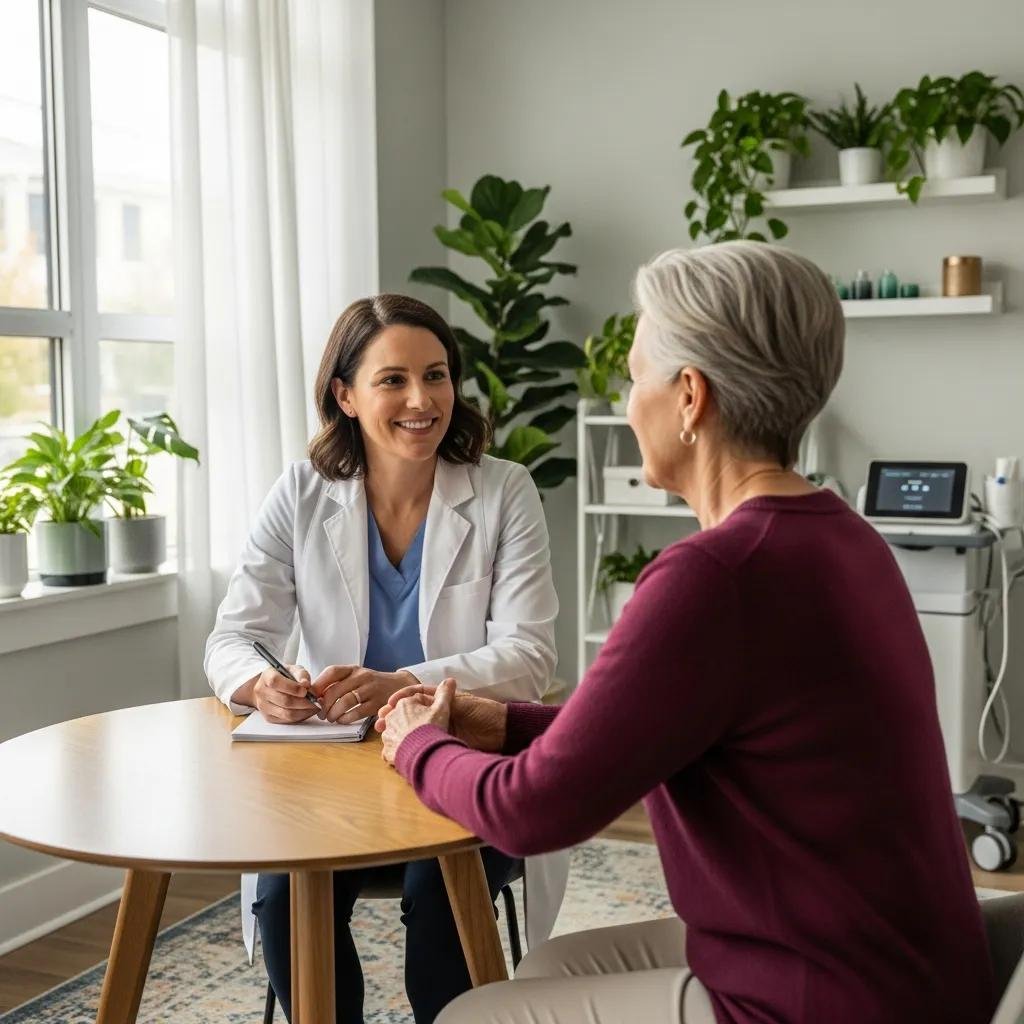
A consultation with Dr. Fred Bloem begins with a detailed review of your oncology history, current treatment plan, and priority symptoms to set a baseline and identify immediate needs. The visit includes a focused clinical exam and ordering of targeted diagnostics—laboratory panels or RGCC testing when indicated—which inform personalized therapy selection. Based on the results, Dr. Bloem provides a clear plan listing recommended supportive modalities, timing relative to chemotherapy or radiation, and a follow‑up schedule for response and safety monitoring. Appointments are intentionally longer to allow patient education, shared decision‑making, and close coordination with the oncology team so integrative measures support, not distract from, core cancer care.
This structured approach supports safe, evidence‑informed personalization and prepares patients for collaborative care that respects oncologic priorities.
How Does Collaboration with Conventional Oncology Teams Work?
Collaborative care is built on transparent communication, timely information sharing, and aligned goals to avoid interactions and support outcomes. Practical steps include reviewing oncology records before integrative interventions, sending written summaries of recommended adjunctive therapies, and direct conversations when timing or interactions require coordination. Typical coordination scenarios include scheduling IV therapies around chemotherapy, pausing photosensitizing agents before PDT, and discussing RGCC findings with the medical oncologist to inform systemic planning. Safety guides every recommendation: the integrative clinician emphasizes evidence‑informed options and seeks oncology input for any intervention that could affect standard treatment efficacy.
These collaborative practices protect oncologic integrity while allowing integrative therapies to reduce symptoms and improve quality of life for patients who choose comprehensive supportive care.
Internal Healing and Wellness MD, led by Dr. Fred Bloem, provides integrative oncology consultations and supportive therapies for patients in Kensington, MD. We offer personalized protocols and longer visits that prioritize education and shared decision‑making. Our clinic is located at 10400 Connecticut Ave Ste 206, Kensington MD 20895‑3941. To schedule an appointment, call (301) 260‑2601. Services include mistletoe therapy, RGCC testing and interpretation, photodynamic and ozone modalities, supportive oligonucleotide therapy, IV therapies, and regenerative approaches—all coordinated to complement conventional oncology care. Patients interested in individualized supportive strategies can expect thorough evaluations, targeted diagnostics when appropriate, and ongoing collaboration with their oncology team to align integrative care with medical priorities.
This local access information explains how to begin care while keeping the article focused on education and evidence‑informed supportive oncology.
Frequently Asked Questions
What should I expect during my first consultation for integrative cancer care?
Your first consultation will include a detailed review of your oncology history, current treatments, and symptom profile. The visit usually lasts 60–90 minutes and covers medical history, your goals, and a symptom inventory. From there we recommend relevant diagnostic tests—laboratory panels or RGCC if indicated—and outline a personalized supportive plan timed to your oncology schedule.
Are there any risks associated with integrative therapies?
Integrative therapies can provide meaningful benefits, but they may carry risks if not properly coordinated with conventional care. Potential issues include interactions with chemotherapy or radiation, allergic reactions, or the risk of delaying effective treatment. That’s why we emphasize close communication between integrative and conventional teams to make sure recommendations are safe and appropriate for your situation.
How can nutrition support my cancer treatment?
Good nutrition helps reduce inflammation, maintain energy, and support healing during cancer treatment. A balanced plan with adequate protein, healthy fats, and essential vitamins and minerals can lessen side effects and improve overall wellbeing. Nutrition counseling offers personalized strategies to manage taste changes, weight loss, or metabolic concerns and to support treatment tolerance and recovery.
What role do mind‑body practices play in cancer care?
Mind‑body practices—such as mindfulness, breathwork, gentle yoga, and cognitive‑behavioral techniques—help manage stress, improve sleep, and reduce symptom burden. These approaches support emotional wellbeing and adherence to treatment by promoting relaxation and better coping. Evidence shows consistent benefits for anxiety, mood, and quality of life when these practices are incorporated into care.
How often will I need follow‑up visits for integrative cancer care?
Follow‑up frequency depends on your treatment plan and response. Visits commonly occur every few weeks to months and usually last 20–45 minutes. Follow‑ups focus on tracking symptoms, assessing therapy effects, and adjusting the plan as needed to stay aligned with your oncology care and health goals.
Can I continue my conventional cancer treatments while receiving integrative therapies?
Yes. Integrative therapies are designed to complement conventional treatments and help manage side effects without undermining standard care—provided both care teams communicate effectively. Coordination ensures all therapies are safe and appropriate for your specific oncology plan, creating a truly holistic approach to your care.
Conclusion
Integrative supportive cancer care in Kensington, MD offers a whole‑person approach that enhances wellbeing by pairing conventional treatments with evidence‑informed complementary therapies. This model aims to ease side effects, build resilience, and improve daily quality of life. By exploring tailored options—like mistletoe therapy, RGCC testing, and nutrition—patients can take active, informed steps in their recovery. Contact our clinic to learn how our integrative services can support your cancer care journey.