Integrative Health Services in Bethesda, MD: Comprehensive, Functional, and Whole‑Person Care for Lasting Wellness
Integrative health blends evidence‑based conventional medicine with complementary therapies to uncover root causes and rebuild lasting wellness. For people in Bethesda seeking a systems‑based approach, this model pairs targeted diagnostics with personalized treatment plans and ongoing support. Below we explain how integrative and functional medicine works locally, outline common services and conditions we treat, and describe a typical care pathway from initial assessment through follow‑up. Many patients with chronic fatigue, hormonal imbalance, persistent joint pain, or complex infections find that a root‑cause strategy yields more durable results than episodic symptom control. The guide defines core principles, reviews therapies such as bioidentical hormone replacement, regenerative joint injections, IV nutrient and ozone treatments, and integrative oncology support, and explains how patients usually progress through testing, treatment, and monitoring. You’ll also find practical comparisons, therapy‑role tables, and guidance for choosing a functional medicine practitioner in Bethesda — including a brief introduction to care at Internal Healing and Wellness MD with Dr. Fred Bloem, serving Kensington and the Bethesda area.
What is Integrative and Functional Medicine in Bethesda, MD?
Integrative and functional medicine is a patient‑centered approach that treats the whole person by identifying the physiological drivers behind symptoms and restoring balance through individualized plans. The model leans on systems biology — looking at how genetics, environment, and lifestyle interact — and uses targeted labs to uncover dysfunctions that conventional care sometimes treats only symptomatically. The aim is measurable restoration of function, symptom reduction, and prevention through coordinated steps such as nutritional optimization, targeted supplementation, functional testing, and, when appropriate, regenerative or biooxidative therapies. Bethesda patients seeking an integrative doctor can expect longer visits, deeper diagnostic evaluation, and a strong emphasis on education and self‑management to support lasting outcomes.
This approach rests on three core principles for local patients:
- Patient‑centered root‑cause care: We target underlying physiological drivers rather than simply masking symptoms.
- Systems‑based diagnostics: Functional labs and a comprehensive history identify metabolic, infectious, hormonal, and immune contributors.
- Personalized, multimodal plans: Treatments are combined and adjusted over time based on objective data and clinical response.
Those principles shape how clinicians sequence care in Bethesda: a thorough intake leads to targeted testing, then individualized therapies with iterative monitoring to maximize benefit and avoid unnecessary interventions.
How does integrative medicine address root causes of chronic illness?
We start with a systems review and targeted functional labs to reveal metabolic, hormonal, infectious, or inflammatory dysfunctions that drive symptoms. Typical assessments examine endocrine function, immune markers, gut health, and metabolic parameters to map contributors to a person’s complaints. After testing, clinicians prioritize interventions — for example antimicrobial approaches, hormonal rebalancing, detox support, nutritional therapy, or regenerative techniques — that together restore function. Progress is tracked with symptom scores and repeat labs so the plan is refined over time. This assess → test → treat → monitor cycle provides a clear path for conditions like persistent fatigue, hormonal imbalance, and post‑infectious syndromes by linking specific dysfunctions to targeted therapies and measuring objective improvement.
What distinguishes functional medicine from conventional healthcare?

Functional medicine differs mainly in scope, visit structure, and therapeutic focus. It prioritizes root‑cause analysis, extended visits for thorough history‑taking, and systems‑level testing instead of solely algorithmic, symptom‑driven care. Conventional medicine excels at acute problems and specialty procedures; functional medicine complements those strengths with prevention, metabolic restoration, and multidisciplinary therapies. Patients typically receive more education and self‑management tools, which improves adherence and supports lasting change. Functional clinicians also coordinate with conventional specialists when needed — collaboration, not replacement, keeps care safe and comprehensive.
Understanding these differences helps patients choose a provider who blends targeted diagnostics and evidence‑informed therapies with a goal of restoring function and preventing relapse.
Which Holistic Health Services Does Dr. Fred Bloem Provide in Bethesda?
Below is a concise summary of the principal holistic services commonly used in functional care plans, with indications and likely benefits to help match problems to therapies. Options include bioidentical hormone replacement for symptomatic hormonal imbalance, regenerative joint injections for localized musculoskeletal degeneration, IV nutrient therapies for systemic support, and ozone/biooxidative or photodynamic techniques in specialized situations. The table compares services, typical indications, and practical outcomes to help guide discussion during an initial consult.
| Service | Typical Indication | Example Benefit/Outcome |
|---|---|---|
| Bioidentical hormone replacement therapy (BHRT) | Menopausal symptoms, low testosterone, fatigue, sexual dysfunction | Improved energy, mood, libido, and metabolic regulation |
| Regenerative joint therapies (PRP, Prolozone) | Osteoarthritis, chronic joint pain, limited mobility | Reduced pain, better range of motion, slowed degeneration |
| IV nutrient therapies | Acute or chronic nutrient depletion, immune support, recovery | Rapid vitamin/mineral repletion and measurable symptom relief |
| Ozone / biooxidative therapies | Chronic infections, detox support, immune dysfunction | Enhanced microbial control and supportive oxidative signaling |
This comparison clarifies how each modality can fit into a broader functional plan and prepares patients to review candidacy during a comprehensive consultation.
Internal Healing and Wellness MD (Dr. Fred Bloem) provides many of these services within a coordinated model that emphasizes personalized care, patient education, and longer visits for complex cases. Interested patients should discuss candidacy during an initial consult, where testing and individualized planning determine appropriate next steps.
How does bioidentical hormone therapy support hormonal balance and anti‑aging?
Bioidentical hormone replacement therapy (BHRT) uses hormones that match human molecular structure to restore deficient endocrine signaling and improve physiological balance, commonly for menopause and low testosterone. BHRT aims to normalize feedback loops in the hypothalamic‑pituitary‑gonadal and adrenal axes, which can improve energy, mood stability, sleep, and sexual function. Standard care includes a thorough history, baseline and follow‑up labs, individualized dosing, and routine monitoring to optimize benefits and limit risks. For many patients, BHRT is part of a broader anti‑aging program that also targets sleep, nutrition, exercise, and metabolic health for durable improvements.
Patient education and ongoing monitoring are central: clinicians track symptoms and labs and adjust therapy to maintain physiologic balance while minimizing side effects.
What regenerative joint therapies are available for pain and mobility?
Regenerative joint therapies commonly include platelet‑rich plasma (PRP) injections and Prolozone (ozone‑enhanced prolotherapy). PRP concentrates growth factors from the patient’s blood to support tissue repair and reduce inflammation, typically given in a series of injections. Prolozone combines mechanical stimulation with the biooxidative effects of ozone to improve local circulation and regenerative signaling.
Expected outcomes are gradual pain reduction, better mobility, and decreased reliance on systemic pain medications; suitability depends on the extent of structural damage and overall health. Integrating injections with posture work, biomechanics, nutrition, and systemic inflammation control enhances results and helps preserve joint function. Treatment choices are guided by imaging, functional assessment, and patient goals so expectations align with likely outcomes.
How is Lyme Disease Treated with Integrative Approaches in Bethesda, MD?
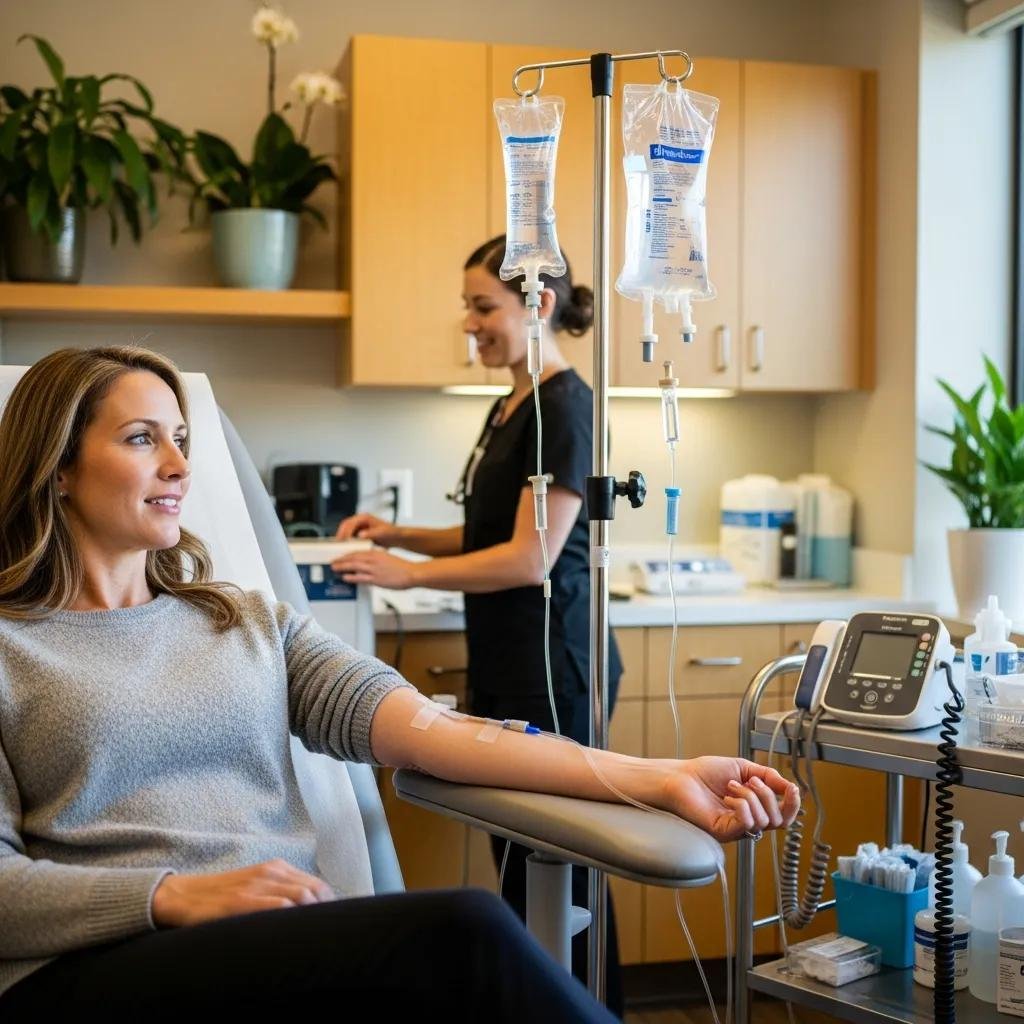
Integrative Lyme care combines careful diagnostic evaluation, targeted antimicrobial strategies when indicated, immune and mitochondrial support, detoxification as appropriate, and biooxidative therapies for persistent symptoms. Treatment begins with a detailed history and targeted testing to assess active infection, co‑infections, immune dysfunction, and downstream metabolic effects. Therapies are sequenced to lower pathogen burden, rebalance immunity, and repair systems affected by chronic infection. Timelines vary; many patients require months of coordinated care with periodic reassessment and supportive therapies to regain function.
The table below shows how common integrative therapies map to symptoms and roles within a Lyme care plan.
| Therapy | Target Symptom / Mechanism | Role in Treatment Plan |
|---|---|---|
| Antimicrobial protocols | Active infection control | Reduce pathogen load when clinically indicated |
| IV nutrient therapies | Fatigue, nutrient depletion, immune support | Rapid repletion and immune modulation |
| Ozone / biooxidative therapies | Microbial control, immune signaling | Adjunctive support to enhance antimicrobial response |
| Detoxification & mitochondrial support | Brain fog, low energy | Improve cellular energy and clearance of toxic metabolites |
This mapping sets realistic expectations for multimodal care and explains why sequential, personalized strategies are often needed for complex post‑infectious syndromes.
What are the signs and symptoms of chronic Lyme disease?
Persistent Lyme‑related illness commonly affects multiple systems and may include profound fatigue, migrating joint pain or swelling, cognitive difficulties (brain fog, memory lapses), autonomic complaints, and mood changes. Neurologic symptoms can include paresthesias, headaches, and slowed cognition; musculoskeletal symptoms often present as intermittent pain and stiffness. Standard tests can miss late or persistent manifestations, so clinical assessment that integrates exposure history and symptom patterns is important.
Patients suspected of having chronic Lyme often benefit from a comprehensive functional evaluation to identify co‑infections, immune dysregulation, or metabolic contributors that perpetuate symptoms.
Recognizing the multisystem nature of chronic Lyme helps clinicians design broader restorative plans rather than relying solely on antimicrobial measures.
Which integrative therapies does Dr. Bloem use for Lyme disease management?
Dr. Bloem’s integrative approach typically mixes targeted antimicrobial protocols when indicated with immune‑supporting nutrients, IV therapies to correct deficiencies and speed recovery, ozone/biooxidative treatments to influence immune and microbial activity, and tailored detox or mitochondrial support. Each modality targets a specific physiological need — clearing infection, restoring cellular energy, reducing inflammation, and improving detox pathways — and is chosen based on testing and clinical response.
In practice, therapies are sequenced: antimicrobial steps address active infection, followed by restorative IV therapies and mitochondrial support to rebuild function, with biooxidative treatments used adjunctively to enhance immune signaling. Ongoing monitoring and iterative adjustments keep the plan responsive to progress and tolerance.
A brief table below summarizes typical therapy roles:
| Modality | Target / Mechanism | Expected Role |
|---|---|---|
| Antimicrobials | Pathogen reduction | Primary control when active infection is suspected |
| IV nutrient therapy | Repletion, immune support | Accelerate recovery and increase resilience |
| Ozone therapy | Immune modulation, microbial impact | Adjunct for persistent or refractory symptoms |
| Mitochondrial support | Energy restoration | Address fatigue and cognitive dysfunction |
What Can Patients Expect from the Personalized Care Journey at Internal Healing and Wellness MD?
Patients entering integrative care should expect a structured, stepwise process that begins with an in‑depth evaluation and leads to a tailored treatment plan with ongoing education and follow‑up. The pathway typically includes a comprehensive intake visit that reviews medical history, lifestyle, exposures, and prior testing; functional laboratories are ordered as needed to map physiologic dysfunctions. Once results return, clinicians create a prioritized, individualized plan that may combine nutrition, hormone balancing, regenerative injections, IV therapies, or biooxidative treatments, accompanied by measurable goals and timelines. Follow‑up visits and remote check‑ins monitor outcomes and permit data‑driven adjustments to therapy.
The patient journey can be summarized in practical steps:
- Initial consult and detailed systems review to identify root‑cause clues and set priorities.
- Targeted functional testing to quantify metabolic, hormonal, immune, and infectious drivers.
- Personalized treatment plan that combines therapies matched to identified dysfunctions.
- Regular follow‑up and outcome tracking with iterative adjustments for durable improvement.
How are initial consultations structured to identify root causes?
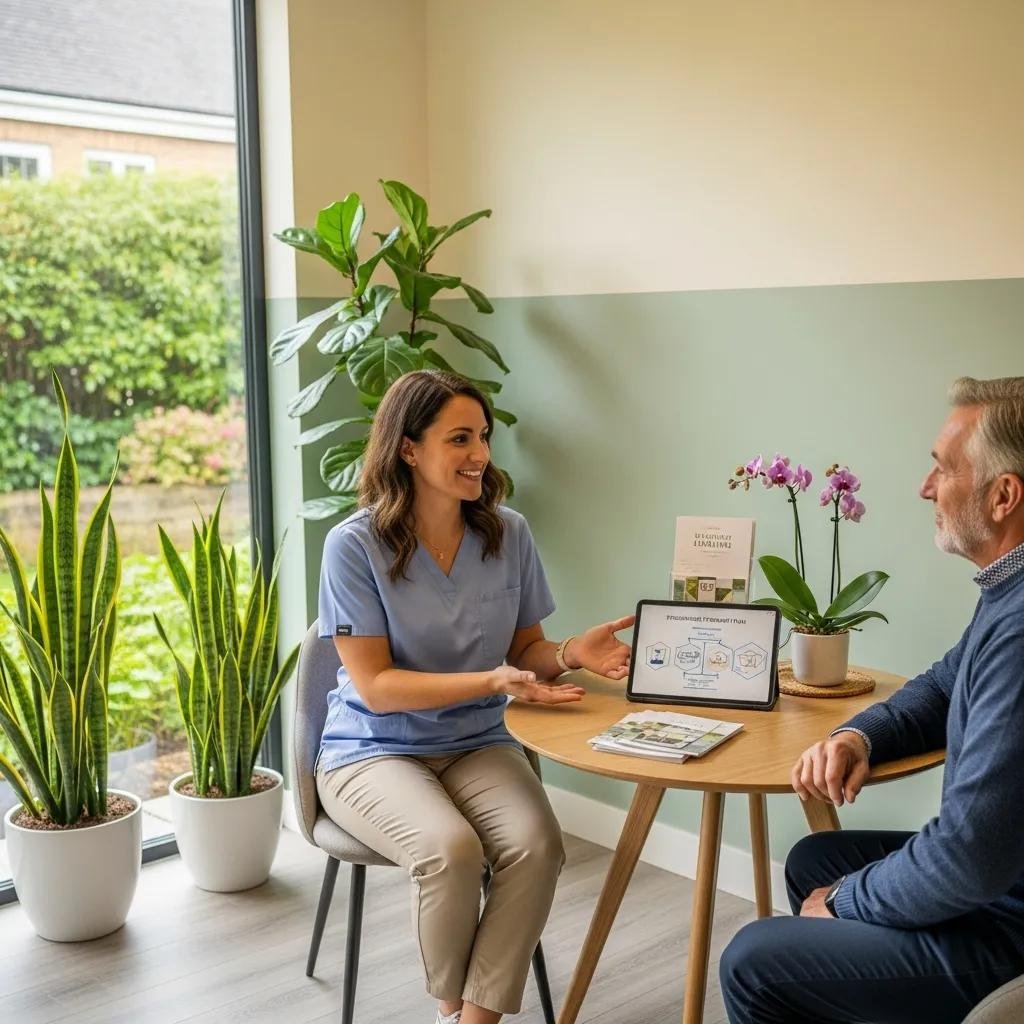
Initial consultations are designed to collect a thorough medical and lifestyle history, perform a systems‑based review, and form preliminary hypotheses for testing and treatment — typically within an extended appointment to allow depth of inquiry. Clinicians review prior records when available, assess symptom patterns across body systems, and recommend targeted functional labs (hormone panels, inflammatory markers, metabolic testing, or specialized infectious panels) as clinically indicated. Patients are guided on what to bring — current medications and supplements, prior reports, and a symptom timeline — to speed diagnostic clarity. The visit ends with a collaborative diagnostic roadmap that sequences testing and outlines next steps.
This comprehensive intake provides the foundation for precision care by aligning diagnostics with the patient’s most meaningful symptoms and goals.
What ongoing support and education empower patient wellness?
Ongoing support in an integrative model includes scheduled follow‑up visits, remote check‑ins, lifestyle coaching, and curated educational resources to support adherence and lasting change. Education explains the rationale for each intervention, practical self‑care strategies for sleep, movement, and nutrition, and steps to reduce exposures that worsen chronic conditions. Regular outcome tracking — via symptom scales and repeat labs — allows clinicians to show progress or pivot strategies when needed.
This layered support — combining clinical adjustment, coaching, and education — reinforces durable behavior change and improves long‑term outcomes for complex conditions.
How Does Integrative Oncology Support Patients in Bethesda, MD?
Integrative oncology offers supportive therapies that complement conventional cancer care by reducing side effects, supporting immune function, and improving quality of life during active treatment and survivorship. Common supportive options include mistletoe therapy and photodynamic techniques in specialized contexts, IV nutrient and hydration support to mitigate chemotherapy toxicity, and ozone/biooxidative therapies used adjunctively to influence immune response. Coordination with oncology teams is essential to ensure timing and safety relative to chemotherapy, radiation, or surgery. The integrative goal is symptom relief, functional preservation, and better tolerance of conventional regimens, always prioritizing evidence, safety, and multidisciplinary communication.
The table below maps supportive therapies to conventional treatments and typical patient outcomes to clarify integration points.
| Supportive Therapy | Complementary Conventional Treatment | Patient Outcome / Benefit |
|---|---|---|
| Mistletoe therapy | Chemotherapy / adjuvant care | Symptom relief and improved overall wellbeing |
| IV nutrient support | Chemotherapy / radiation | Reduced fatigue, better hydration, and improved treatment tolerance |
| Photodynamic therapy | Local tumor control / palliation | Targeted cytotoxic support with limited systemic effects |
This mapping illustrates practical ways integrative modalities can reduce side effects and support recovery during and after conventional oncology care.
What therapies complement conventional cancer treatments?
Common complementary therapies include IV nutrient and hydration protocols to address treatment‑related depletion, immune‑supporting modalities to bolster resilience, and targeted interventions such as mistletoe or photodynamic therapy when appropriate. Timing is coordinated to avoid interference with chemotherapy pharmacodynamics or radiation sensitivity; safety reviews and open communication with oncology teams are mandatory. Nutrition, targeted supplementation, and gentle mind‑body practices also help reduce nausea, fatigue, and emotional distress, supporting patients’ ability to complete prescribed cancer treatments. The integrative focus is evidence‑informed supportive care that enhances quality of life without compromising standard therapies.
Transparent coordination with treating oncologists ensures integrative approaches are additive and safe.
How does integrative oncology improve quality of life and outcomes?
Integrative oncology improves quality of life by addressing treatment side effects, supporting nutrition and immune function, and offering symptom‑directed therapies that restore function and emotional resilience. Clinical evidence and patient‑reported outcomes show that supportive IV therapies, nutritional optimization, and selected adjunctive modalities can reduce fatigue, improve appetite, and enhance wellbeing during active treatment and recovery. Safety and timing are emphasized to avoid negative interactions with chemotherapy or radiation. Multidisciplinary coordination helps translate symptom management into better treatment tolerance and improved functional outcomes.
Why Choose Dr. Fred Bloem as Your Functional Medicine Doctor in Bethesda?
Selecting a functional medicine doctor means evaluating clinical expertise, available therapies, and the ability to craft personalized plans that align with your goals. Dr. Fred Bloem and Internal Healing and Wellness MD serve Kensington and the Bethesda area as a local resource for comprehensive, root‑cause care. The practice emphasizes longer visits, patient education, and integrative modalities — including biooxidative therapies and supportive oncology techniques — combined with functional testing and individualized protocols. For patients seeking a clinician who integrates advanced modalities within a structured, personalized framework, this model offers coordinated diagnostics and stepwise interventions with ongoing monitoring. Prospective patients are encouraged to discuss goals and testing during an initial consultation to determine fit.
What credentials and training support Dr. Bloem’s holistic approach?
Dr. Fred Bloem is an MD whose practice focuses on holistic and integrative medicine, with experience in biooxidative and supportive oncology therapies. That medical training supports an integrative offering that can include BHRT, regenerative joint therapies, IV nutrient treatments, ozone/biooxidative approaches, and supportive cancer care. An MD trained in integrative modalities provides medical oversight for safety, coordination with other specialists, and the ability to order and interpret specialized testing. When choosing a functional provider, patients should verify training in the specific therapies they need and ask how the clinician coordinates care with existing specialists.
This emphasis on medically supervised integrative care helps patients evaluate clinical rigor and safety when selecting a practitioner.
How do patient testimonials reflect treatment success?
Common themes in patient testimonials include increased energy, less pain, clearer cognition, and improved overall wellbeing — outcomes that align with functional and integrative goals. Testimonials carry the most weight when they consistently report measurable gains, reduced medication reliance, and better quality of life rather than isolated anecdotes. Ethical use of testimonials requires consent and, ideally, structured case summaries that document baseline status, interventions, and objective outcomes. Patients evaluating providers should look for transparent descriptions of typical timelines, expected improvements, and how progress is tracked.
These consistent themes help prospective patients form realistic expectations about benefits and timeframes for integrative care plans.
Frequently Asked Questions
What types of conditions can be treated with integrative health services?
Integrative health can address many conditions, including chronic fatigue, hormonal imbalances, autoimmune disorders, digestive problems, and persistent pain. By focusing on root causes rather than only symptoms, integrative care aims to restore function and long‑term wellbeing. Patients who haven’t found relief with standard treatments often benefit from a tailored, multimodal approach that combines therapies to meet individual needs.
How long does a typical treatment plan last in integrative health?
Treatment length varies with individual needs, condition complexity, and the therapies used. After an initial assessment, a personalized plan often unfolds over several months. Regular follow‑ups are essential to monitor progress and make adjustments. Some patients see meaningful improvement within weeks; others need longer, sustained strategies for chronic or complex problems.
Are integrative therapies safe to use alongside conventional treatments?
Yes — when care is coordinated and communication is clear between all providers. Patients should inform every member of their healthcare team about therapies being used so plans are safely integrated. Well‑managed integrative care can enhance effectiveness, reduce side effects, and improve outcomes, but safety reviews and careful planning are vital to avoid interactions.
What role does nutrition play in integrative health?
Nutrition is foundational in integrative care. Personalized nutrition plans focused on whole foods and nutrient density support healing, manage symptoms, and enhance the effectiveness of other therapies. Practitioners provide practical guidance on dietary changes and lifestyle habits that empower patients to take control of their health.
How can patients prepare for their first consultation in integrative health?
To prepare, gather a summary of medical history, prior diagnoses, current medications and supplements, and any recent lab results or imaging. Create a symptom timeline and note lifestyle factors that affect your health. Be ready to discuss your goals and expectations — this helps the clinician tailor the assessment and testing plan efficiently.
What is the importance of follow-up visits in integrative health care?
Follow‑up visits let clinicians monitor progress, assess treatment effectiveness, and adjust plans as needed. These visits provide opportunities to address new symptoms, refine goals, and receive ongoing education. Regular check‑ins help ensure the care plan stays aligned with the patient’s evolving needs and supports sustained improvement.
Conclusion
Integrative health services in Bethesda offer a whole‑person approach that targets root causes of chronic conditions and supports long‑term wellness through personalized care. By combining evidence‑informed therapies with patient‑centered strategies, many individuals experience meaningful improvements in health and quality of life. If you’re ready to explore how integrative medicine might transform your health journey, consider scheduling a consultation with Dr. Fred Bloem at Internal Healing and Wellness MD. Discover a plan tailored to your needs and goals.