Functional Medicine Doctor in Silver Spring, MD: Your Guide to Holistic & Integrative Health
Functional medicine is a patient‑centered, evidence‑informed way of care that looks beyond symptoms to find and treat the root causes of chronic health problems. By combining a thorough clinical history with targeted diagnostic testing and personalized therapies, functional medicine providers work to rebalance hormonal, immune, and metabolic systems so you can regain lasting function and quality of life. In Silver Spring many people choose integrative care when standard symptom‑focused treatments haven’t resolved fatigue, hormone changes, chronic pain, or stubborn infections. This article explains what functional and holistic medicine looks like locally, outlines practical services available, describes integrative strategies for complex issues like Lyme disease, and walks through the patient journey from first visit to ongoing maintenance. Read on to learn how tailored diagnostics, regenerative options, and supportive therapies are layered together to restore resilience, and how patients in the Silver Spring–Kensington area can connect with a local functional medicine practice.
What Is Functional and Holistic Medicine in Silver Spring?
Functional and holistic medicine is a whole‑person approach that evaluates how biological systems and daily habits interact to cause illness, instead of treating symptoms alone. Care begins with a detailed history and targeted functional testing, then combines clinical interpretation with individualized plans that include nutrition, lifestyle, supplements, and conventional or integrative medical treatments. People in Silver Spring seeking integrative care often want clinicians who coordinate multi‑modal plans—linking metabolic, endocrine, immune, and microbiome data—to support recovery and prevention. Knowing these core ideas helps you decide when to pursue a functional medicine visit and what to expect from truly personalized care.
Functional medicine centers on several core principles:
- Root‑cause focus: Find the upstream biological drivers instead of only masking symptoms.
- Individualized care: Tailor recommendations to genetics, labs, and lifestyle.
- Systems biology: Treat interconnected systems (gut, hormones, immune) together for better outcomes.
These principles differ from conventional symptom‑directed care and guide the services local practices offer. One nearby example of this model is Internal Healing and Wellness MD, where clinicians use diagnostic‑driven protocols and combined therapies to address chronic conditions and optimize function; the next section lists the services available locally and how they map to common needs.
How Does Functional Medicine Address Root Causes of Illness?
Functional medicine follows an iterative, data‑driven workflow that connects assessment, targeted testing, and individualized treatment. The visit starts with a comprehensive clinical evaluation that captures symptom patterns, exposures, and family history to form testable hypotheses about dysfunction. Next, providers order focused functional tests—like metabolic panels, hormone profiles, microbiome studies, or other advanced assays—to confirm biological drivers and quantify system imbalances. Test results shape a personalized plan that blends nutrition and lifestyle changes with targeted medications, bioidentical hormones, or adjunctive therapies such as IV nutrients or regenerative injections when needed. Finally, the plan is reassessed with follow‑up testing and symptom tracking so interventions can be refined over time and progress is measurable.
The following numbered steps summarize this workflow:
- Assess: Take a detailed history and map symptoms to identify likely systems and triggers.
- Test: Order targeted labs and functional assays to confirm dysfunctions and biomarkers.
- Personalize: Build a tailored plan that combines nutrition, supplements, and therapies.
- Treat: Start interventions such as BHRT, antimicrobials, IV support, or regenerative procedures.
- Reassess: Track outcomes and adjust based on follow‑up testing and clinical response.
This cyclical approach emphasizes measurable progress and shared decision‑making, helping patients move from diagnostic clarity to sustained symptom reduction and restored function.
What Are the Benefits of Holistic Health Approaches?

Holistic health blends prevention, symptom management, and resilience‑building strategies to improve long‑term function and quality of life. Benefits go beyond short‑term relief and include better metabolic health, more balanced hormones, and improved immune regulation through coordinated lifestyle and targeted medical care. When plans are individualized, patients tend to stick with them: care teams provide education, measurable goals, and transparent monitoring to support adherence. Integrative approaches can also reduce unnecessary medications by offering safe, evidence‑informed alternatives that complement standard treatments.
Key patient‑centered benefits include:
- Symptom reduction and functional gains: Focused interventions ease pain, fatigue, and cognitive complaints while improving daily functioning.
- Prevention and longevity: Early identification of metabolic or hormonal imbalances enables steps that lower long‑term disease risk.
- Patient empowerment: Education and shared decision‑making increase engagement and lasting lifestyle change.
These advantages explain why many who seek a holistic doctor in Silver Spring prefer a care model that blends conventional medicine with functional and preventive strategies.
Holistic Health & Integrative Solutions in Silver Spring
Internal Healing and Wellness MD offers an integrated menu of services aligned with functional medicine principles to address chronic, complex problems using targeted therapies and advanced diagnostics. Services include bioidentical hormone replacement therapy (BHRT) for hormone optimization; regenerative joint treatments such as PRP and prolozone for musculoskeletal repair; IV nutritive and detoxification therapies; ozone therapy; integrative supportive oncology care; comprehensive Lyme disease and chronic illness protocols; non‑surgical aesthetic medicine; weight management programs; and advanced diagnostic testing to guide personalization. These options are combined based on each patient’s test results and goals to produce durable improvements in function and quality of life.
The following table compares several core service offerings by purpose, typical session length, and expected outcomes to help prospective patients understand options and indications.
| Service | Purpose | Typical Session Length | Expected Outcomes |
|---|---|---|---|
| Bioidentical Hormone Replacement Therapy (BHRT) | Restore hormonal balance (menopause/andropause) | 30–60 minutes initial consult; follow‑ups 15–30 minutes | Improved energy, libido, mood, sleep; monitored dosing |
| Regenerative Joint Therapies (PRP, prolozone) | Stimulate tissue repair and reduce pain | 30–60 minutes per injection session; series over weeks | Reduced joint pain, improved mobility over 4–12 weeks |
| IV Therapies & Ozone Support | Rapid nutrient repletion, immune and detox support | 30–90 minutes depending on formula | Faster recovery, symptom relief, enhanced metabolic support |
This comparison clarifies how each service fits into a personalized plan and helps patients choose the right interventions. If you’re considering these therapies, a consultation with Dr. Fred Bloem can align your testing and symptoms with a clear, stepwise treatment strategy and scheduling options.
Below are common candidates who often benefit from these services:
- BHRT candidates: People with menopausal symptoms, low libido, persistent fatigue, or confirmed hormone deficiency.
- Regenerative therapy candidates: Patients with osteoarthritis, chronic tendon injuries, or localized joint degeneration seeking non‑surgical care.
- IV/ozone candidates: Those needing immune support, mitochondrial support, or recovery from chronic inflammatory conditions.
These descriptions show how targeted modalities can be combined to address specific physiology and patient goals; booking a consult is the next step to match testing with therapy.
How Does Bioidentical Hormone Replacement Therapy Restore Balance?
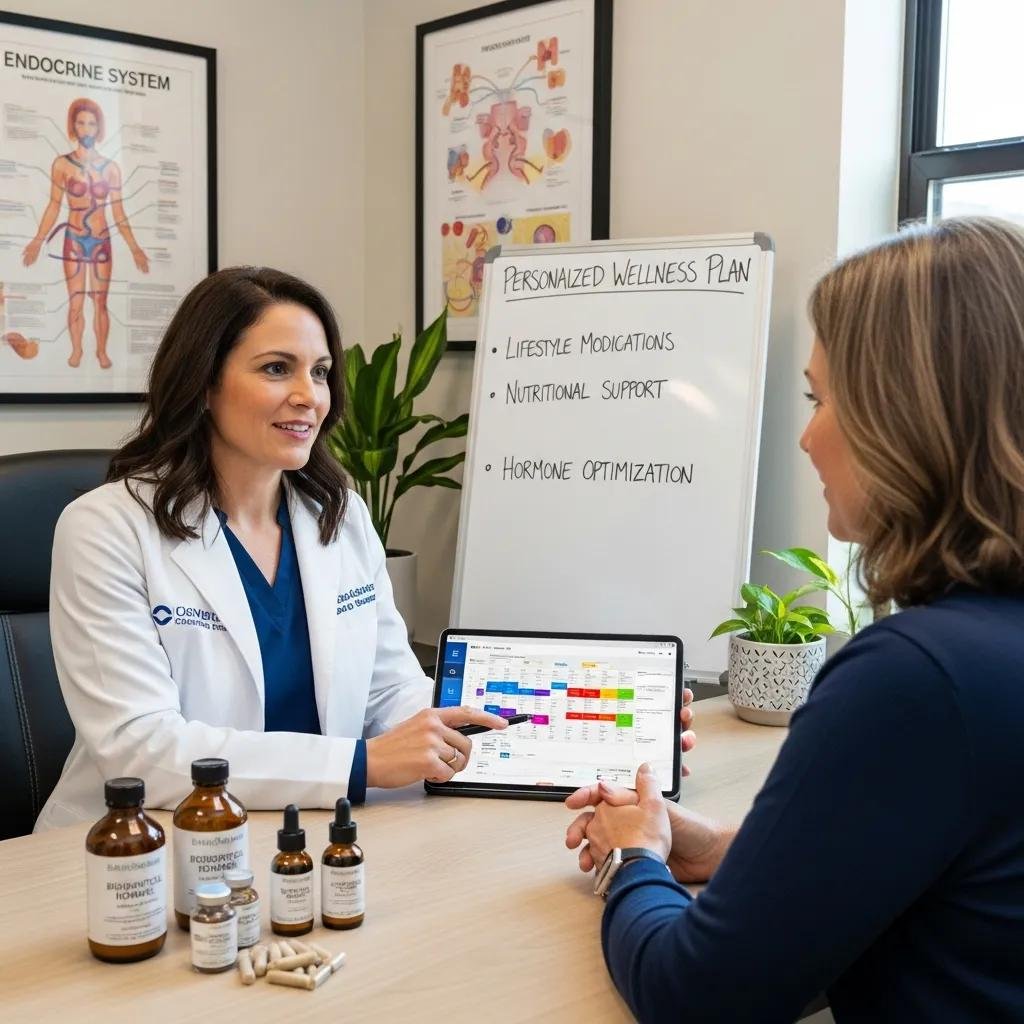
Bioidentical hormone replacement therapy (BHRT) uses hormones that closely match the body’s own molecules to correct clinically significant deficiencies and restore physiologic balance. The process starts with symptom review and targeted hormone testing—measuring estrogen, progesterone, testosterone, and sometimes adrenal markers—to identify specific imbalances. Dosing is individualized and delivered by the safest effective route—oral, transdermal, or injectable—followed by serial monitoring to optimize effect and safety. When BHRT is properly tailored and monitored, many patients notice better energy, sleep, mood, sexual function, and metabolic markers.
BHRT emphasizes personalization and molecular similarity to reduce side effects and improve symptom relief; follow‑up testing and symptom tracking help fine‑tune dosing and set realistic timelines and safety expectations in a functional medicine setting.
What Regenerative Joint Therapies Are Available in Silver Spring?
Regenerative joint therapies at integrative clinics include platelet‑rich plasma (PRP), prolozone injections, and other biologic approaches that encourage local tissue healing and reduce inflammation. PRP concentrates growth factors from your blood to stimulate tendon and cartilage repair; prolozone combines prolotherapy concepts with ozone to boost local oxygenation and healing responses. These options are appropriate for osteoarthritis, chronic tendinopathies, and focal degenerative issues when conservative care hasn’t provided lasting relief.
Treatment typically involves a series of injections spaced a few weeks apart, with functional improvements often emerging over 4–12 weeks. Candidates undergo an initial assessment and imaging review if needed, followed by a staged injection plan plus activity modification and rehabilitation to support recovery.
How Is Lyme Disease Treated with Integrative Medicine in Silver Spring?
Integrative care for Lyme disease pairs targeted antimicrobial strategies with immune support, detoxification, and regenerative approaches to address persistent infection and multi‑system symptoms. Accurate diagnosis relies on a careful clinical history and appropriate laboratory or functional testing for Borrelia and co‑infections. Treatment is individualized to disease stage, symptom burden, and coexisting dysfunctions. Adjunctive therapies—like IV nutrient support, ozone therapy, and other immune‑modulating interventions—are used alongside antimicrobials to improve treatment tolerance, lower inflammation, and support detox pathways. Long‑term recovery follows staged protocols with objective monitoring and adjustments to build resilience and reduce relapse risk.
To clarify how different modalities fit into an integrated Lyme plan, the table below summarizes common therapeutic categories, their role, and when they’re typically used.
| Therapy Category | Role in Treatment | When Indicated |
|---|---|---|
| Antimicrobials (targeted antibiotics) | Eradicate Borrelia and co‑infections | Confirmed infection with active symptoms |
| IV support (nutrients, fluids) | Boost mitochondrial and immune function and improve tolerance to treatment | Fatigue, nutrient depletion, poor oral intake |
| Ozone & photodynamic therapies | Modulate inflammation, increase oxygenation, and assist detox | Persistent systemic inflammation or detox needs |
| Neural/adjunctive therapies | Reduce neuropathic pain and improve autonomic balance | Neurogenic pain or dysautonomia features |
This overview helps patients see how multi‑modal therapies are coordinated and when each approach is appropriate. Individualized monitoring ensures antimicrobial treatment and adjunctive measures remain balanced for both efficacy and safety.
What Are the Signs and Symptoms of Chronic Lyme Disease?
Chronic Lyme disease can cause a wide range of symptoms that overlap with other chronic illnesses, so diagnosis requires a careful history and focused testing. Common complaints include persistent fatigue, moving musculoskeletal pain, cognitive symptoms such as brain fog, sleep disruption, and autonomic issues like lightheadedness when standing. Neuropathic pain, numbness, mood changes, and intermittent fevers or sweats are also reported. Symptoms often fluctuate, which can delay diagnosis without a comprehensive approach.
- Musculoskeletal: Joint pain, tendonitis, migrating aches.
- Neurologic: Brain fog, headaches, neuropathy.
- Systemic: Fatigue, sleep problems, low‑grade fevers.
Because symptoms vary widely, a referral to an integrative specialist is reasonable when multi‑system complaints persist despite standard treatments; comprehensive testing and layered supportive therapies can clarify the diagnosis and guide recovery.
Which Advanced Therapies Support Lyme Disease Recovery?
Advanced adjunctive therapies complement antimicrobials by supporting immune function, aiding detoxification, and reducing symptom burden during recovery. IV nutrient therapies restore vitamins and cofactors needed for mitochondrial and immune health, which can make antimicrobial regimens more tolerable and effective. Ozone therapies can improve systemic oxygenation and help modulate inflammation; photodynamic and neural therapies address localized issues like neuropathic pain. Integrative plans typically begin with stabilization and nutrient repletion before progressing to more intensive detox or regenerative steps.
When used thoughtfully, these modalities reduce flares and support gradual functional recovery; ongoing lab monitoring and symptom tracking guide the pace and direction of care. This layered approach shows how antimicrobial action, immune bolstering, and tissue support work together to promote durable improvement.
Why Choose Integrative and Anti-Aging Medicine for Lasting Wellness?
Integrative and anti‑aging medicine blends hormonal optimization, regenerative therapies, lifestyle interventions, and targeted nutrition to preserve function and lower disease risk across the lifespan. Using personalized testing and evidence‑based interventions, clinicians aim to restore physiologic set points—improving metabolic efficiency, immune resilience, and tissue health—rather than simply masking symptoms. This multi‑pronged approach suits people who want to maintain performance, recover from chronic illness, or prevent age‑related decline through coordinated plans that may include BHRT, IV metabolic support, regenerative procedures, and behavior‑focused prescriptions.
The following table compares common anti‑aging approaches to help patients choose strategies that match their goals and clinical profile.
| Approach | Key Benefit | Typical Candidates |
|---|---|---|
| BHRT | Hormone balance, improved energy and libido | Patients with verified hormone deficiencies |
| Aesthetic (non-surgical) | Facial rejuvenation and psychosocial benefits | Those seeking appearance‑restorative procedures |
| Lifestyle & Nutrition | Metabolic optimization and disease prevention | Anyone pursuing long‑term health and risk reduction |
This comparison shows how different modalities target complementary domains—systemic physiology, appearance, and prevention—and why combined plans often deliver the most durable wellness results.
How Do Personalized Treatment Plans Improve Hormonal and Immune Health?
Personalized plans use data from targeted labs, functional markers, and clinical history to match interventions to specific deficits. Testing panels may include comprehensive hormone profiles, inflammatory markers, and metabolic assessments that reveal actionable imbalances; genomics and functional assays can further refine risk and likely responses. Interventions then pair evidence‑based therapies—such as BHRT for hormone correction, tailored nutrition and exercise for metabolic support, and IV nutrients to bolster immunity—to produce measurable gains. Regular outcome tracking and iterative adjustments keep care aligned with goals and biomarker trends.
Concrete personalization steps include baseline testing, a prioritized treatment plan, short‑interval reassessment, and long‑term maintenance—each anchored by measurable objectives and shared decision‑making. This structure helps patients achieve objective improvements in energy, immune resilience, and hormonal balance.
What Role Does Aesthetic Medicine Play in Holistic Wellness?
Aesthetic medicine supports holistic wellness by addressing psychosocial and quality‑of‑life aspects of aging and health. Non‑surgical rejuvenation—neuromodulators, fillers, and skin therapies—can restore contours, improve skin health, and boost confidence, which often strengthens adherence to broader lifestyle and medical plans. Safety and coordination matter: aesthetic procedures are integrated with BHRT or regenerative therapies when appropriate to avoid interactions and optimize recovery.
When paired with systemic anti‑aging strategies, aesthetic interventions can speed perceived benefits and raise patient satisfaction, supporting a fuller sense of wellbeing that includes both physiology and self‑image.
What Can Patients Expect During a Consultation with a Functional Medicine Doctor?
A consultation typically begins with an extended initial visit focused on thorough history‑taking, symptom mapping, and review of prior testing to form a hypothesis‑driven diagnostic plan. These visits are longer than standard primary care appointments to explore diet, sleep, stressors, environmental exposures, and family history. Clinicians then recommend targeted testing to confirm underlying drivers and prioritize interventions. Shared decision‑making is central: options, risks, and timelines are reviewed so patients can choose therapies that fit their goals and lifestyle. Follow‑up timing is set by treatment intensity—shorter intervals for new medications or advanced therapies, longer ones for maintenance.
Expect clear communication about why tests are being ordered, a staged treatment roadmap, and measurable goals with reassessment points to refine care. This transparency prepares patients to take an active role in recovery and long‑term health maintenance.
How Is the Patient-Centered Approach Implemented at Internal Healing and Wellness MD?
At Internal Healing and Wellness MD we deliver patient‑centered care through longer initial visits, education‑focused conversations, and individualized monitoring plans that prioritize your goals and measurable outcomes. Our clinicians take time to explain test results, alternative options, and the reasoning behind each recommendation so you can make informed choices. Monitoring includes scheduled follow‑ups and repeat testing to adjust dosing or therapies and to objectively track progress. Anonymized vignettes illustrate typical pathways: for example, a patient with fatigue and hormone imbalance receives targeted labs, BHRT with monitoring, and adjunctive IV support, with improvements documented over months.
This practice model emphasizes collaboration, clear endpoints, and ongoing education to empower patients managing chronic conditions and optimizing wellness.
What Is the Typical Patient Journey in Functional Medicine?
The typical patient journey moves from intake to maintenance in a structured sequence designed to bring diagnostic clarity, stabilization, and long‑term optimization. Common phases include intake and hypothesis development, targeted diagnostic testing, initiation of personalized interventions, short‑interval reassessment to gauge response, and a maintenance phase focused on lifestyle and periodic monitoring. Timeframes vary: acute infectious problems may resolve in weeks to months, while hormonal rebalancing or chronic inflammatory conditions often need several months of iterative adjustments.
- Intake & Assessment: Comprehensive history and goal setting.
- Diagnostic Phase: Targeted labs and functional testing.
- Intervention: BHRT, antimicrobials, IV therapies, or regenerative procedures as indicated.
- Reassessment: Repeat testing and symptom tracking to refine care.
- Maintenance: Lifestyle prescriptions, periodic monitoring, and preventive strategies.
This timeline sets clear expectations and highlights why patience and active engagement are important for lasting results.
How Can You Access Holistic and Functional Medicine Services in Silver Spring?
To access integrative services in Silver Spring, start by identifying a qualified practice and scheduling an initial consultation to review symptoms and testing needs. Internal Healing and Wellness MD serves the Silver Spring–Kensington community and accepts new consults by phone at (301) 260-2601; the practice also maintains an online presence and offers telehealth for follow‑up care. Booking usually involves completing an intake form and scheduling an extended initial visit to gather a detailed history and plan testing. Prepare for your appointment by collecting recent medical records, medication and supplement lists, and any prior test results to make the first visit most productive.
Two practical steps to book and prepare:
- Call the practice phone number to schedule your initial consultation and request intake forms.
- Prepare medical records, a current list of medications and supplements, and a concise timeline of symptoms before the visit.
Telehealth expands access for patients outside the immediate area and supports follow‑ups that rely mainly on labs and symptom tracking.
What Are the Location and Contact Details for Internal Healing and Wellness MD?
Internal Healing and Wellness MD serves the Kensington and Silver Spring area and can be reached at (301) 260-2601 for appointment requests and scheduling. The practice maintains a local presence in Kensington and sees patients from across Montgomery County with both in‑person and telehealth options to meet different needs. When you call, ask about intake forms, insurance or fee structures, and telehealth capabilities to choose the best pathway for your first visit. Parking and arrival instructions are provided at scheduling to make in‑person appointments smooth.
Keeping the contact process simple helps patients move from curiosity to action and ensures each visit starts with the right documentation and expectations.
How Do You Book a Consultation with Dr. Fred Bloem?
To book a consultation with Dr. Fred Bloem, call the practice at (301) 260-2601 to request an initial appointment and receive intake paperwork that guides the first visit. Before the appointment, gather recent labs, imaging, and a current list of medications and supplements to speed evaluation and avoid duplicate testing. During the first consultation you’ll receive an extended history review, a proposed testing plan, and a staged treatment roadmap with expected timelines for follow‑up and monitoring. Preparing records and a clear symptom timeline makes the first visit more efficient and accelerates the move from diagnosis to targeted treatment.
These practical steps simplify access to care and set realistic expectations for patients beginning a functional medicine path with Dr. Fred Bloem and Internal Healing and Wellness MD.
Frequently Asked Questions
What should I expect during my first visit to a functional medicine doctor?
Your first visit is a longer, comprehensive evaluation. The clinician will review your medical history, current symptoms, and lifestyle factors like diet, sleep, and stress. This deep assessment helps identify likely root causes. Based on the discussion, the doctor may order targeted diagnostic tests and outline a personalized treatment plan tailored to your needs.
How long does it take to see results from functional medicine treatments?
Timelines vary by condition and treatment plan. Some patients notice improvements within a few weeks; others—especially those with chronic or complex issues—may require several months of iterative care. Acute infections often respond faster, while hormonal or autoimmune conditions usually need more time to stabilize. Regular follow‑ups and plan adjustments are key to getting the best results.
Are functional medicine treatments covered by insurance?
Insurance coverage depends on your provider and specific policy. Some plans cover diagnostic tests, consultations, or certain therapies; others may not. Contact your insurance company to confirm coverage. Many practices, including Internal Healing and Wellness MD, offer payment plans or self‑pay options to improve access for patients without coverage.
Can functional medicine help with mental health issues?
Yes. Functional medicine can support mental health by addressing biological and lifestyle contributors to anxiety, depression, and mood disorders. Evaluating hormones, nutrient status, gut health, and sleep can reveal treatable drivers. Personalized plans often include dietary changes, supplements, and lifestyle strategies alongside conventional mental health care to promote resilience and overall wellbeing.
What lifestyle changes are recommended in functional medicine?
Functional medicine emphasizes tailored lifestyle changes that have big health impacts. Common recommendations include a nutrient‑dense whole foods diet, regular physical activity, stress management through mindfulness or relaxation techniques, and consistent sleep. Reducing exposure to environmental toxins and nurturing social connections are also important. Plans are individualized to fit each patient’s goals and circumstances.
How does functional medicine differ from conventional medicine?
Functional medicine differs in its focus and method. Conventional medicine often prioritizes symptom management and disease categories; functional medicine seeks to identify and treat underlying causes by looking at the connections between bodily systems. Care is highly personalized—drawing on genetics, lifestyle, and environmental factors—and integrates multiple modalities to pursue long‑term health rather than only short‑term symptom relief.
Conclusion
Choosing functional and holistic medicine in Silver Spring offers a practical path to lasting wellness by addressing root causes and supporting long‑term function. Patients benefit from personalized care that combines advanced diagnostics, targeted therapies, and lifestyle changes to improve quality of life. Working with a local provider like Internal Healing and Wellness MD lets you begin a tailored journey toward better health. Take the next step by scheduling a consultation to explore the services that best match your goals.