
High-Dose Vitamin C IV Therapy for Immune Support
High‑Dose Vitamin C IV Therapy for Immune Support — Practical Benefits and Patient Guide
High‑dose vitamin C IV therapy — also called intravenous ascorbic acid or HDVC IV — delivers concentrated ascorbate directly into the bloodstream to reach plasma levels that oral dosing cannot achieve. This approach provides targeted antioxidant and immune support more rapidly than oral supplements. In this guide we explain what HDVC IV is, how IV delivery differs from oral vitamin C, and the biological mechanisms that support immunity and symptom relief. Many patients pursue interventions to lower oxidative stress, support white blood cell function, and restore energy during chronic illness or as part of supportive care; HDVC IV is framed here as a focused option for those needs. You’ll find evidence‑informed benefits, common clinical uses (including integrative oncology and chronic infectious syndromes), safety screening and contraindications, what to expect during an infusion, and practical details on cost and booking a consultation. Each section is written for clear clinical guidance and practical next steps, including essential labs before treatment and how integrative clinics individualize protocols. Our goal is to give patients and referring clinicians a clear, research‑aware overview to help evaluate whether HDVC IV is an appropriate option for immune support.
High-Dose Vitamin C IV Therapy: Boosting Immunity and Wellness
High‑dose vitamin C IV therapy is the intravenous administration of pharmacologic ascorbic acid at doses that produce millimolar plasma concentrations. By bypassing gastrointestinal absorption limits, IV ascorbate achieves transient high plasma levels that provide antioxidant protection and alter immune cell function in ways oral dosing cannot reliably do. These high levels help neutralize reactive oxygen species (ROS), preserve white blood cell performance, and can modulate cytokine signaling during acute or chronic immune stress. Clinically, HDVC IV is used to reduce oxidative tissue injury, support recovery from infections or inflammatory flares, and relieve fatigue symptoms when delivered as part of an individualized plan. Understanding bioavailability and mechanism helps explain why IV delivery is chosen for therapeutic—not simply nutritional—purposes and sets realistic expectations for session frequency and monitoring. The next section compares pharmacokinetics of oral versus IV vitamin C and when each route is appropriate.
How Does Intravenous Vitamin C Differ from Oral Supplementation?
Intravenous vitamin C achieves peak plasma concentrations many times higher than oral supplementation because intestinal uptake of oral ascorbate is saturable and renal handling limits systemic exposure. Oral vitamin C supports daily nutritional needs and baseline antioxidant status, but certain therapeutic effects — for example, high‑level ROS scavenging and transient pro‑oxidant activity in extracellular fluid — require the millimolar concentrations only an IV can produce. Practically, IV dosing is used for short‑term therapeutic goals such as immune modulation, symptom relief, or adjunctive oncology support, while oral vitamin C remains appropriate for routine maintenance and deficiency prevention. Choosing between oral and IV depends on clinical goals, tolerance, and monitoring needs; the following section outlines cellular mechanisms that translate elevated plasma ascorbate into measurable immune and clinical effects.
What Are the Mechanisms Behind Vitamin C’s Immune‑Boosting Effects?
Vitamin C supports immunity through multiple complementary pathways: it acts as a direct antioxidant neutralizing ROS, serves as a cofactor in biosynthetic reactions (including collagen formation), and modulates immune cell behavior such as neutrophil chemotaxis and lymphocyte proliferation. At high IV doses, ascorbate can enhance phagocytic activity, protect immune cells from oxidative injury during infection, and shift cytokine production to reduce excessive inflammation. In specific settings — notably some integrative oncology approaches — high plasma ascorbate may have selective pro‑oxidant effects in the tumor microenvironment while sparing normal tissue; this is an active area of research. These molecular actions can translate into clinical outcomes like reduced symptom severity, greater cellular resilience, and potential improvements in recovery when combined with appropriate medical care.
What Are the Key Benefits of High‑Dose Vitamin C IV Therapy?
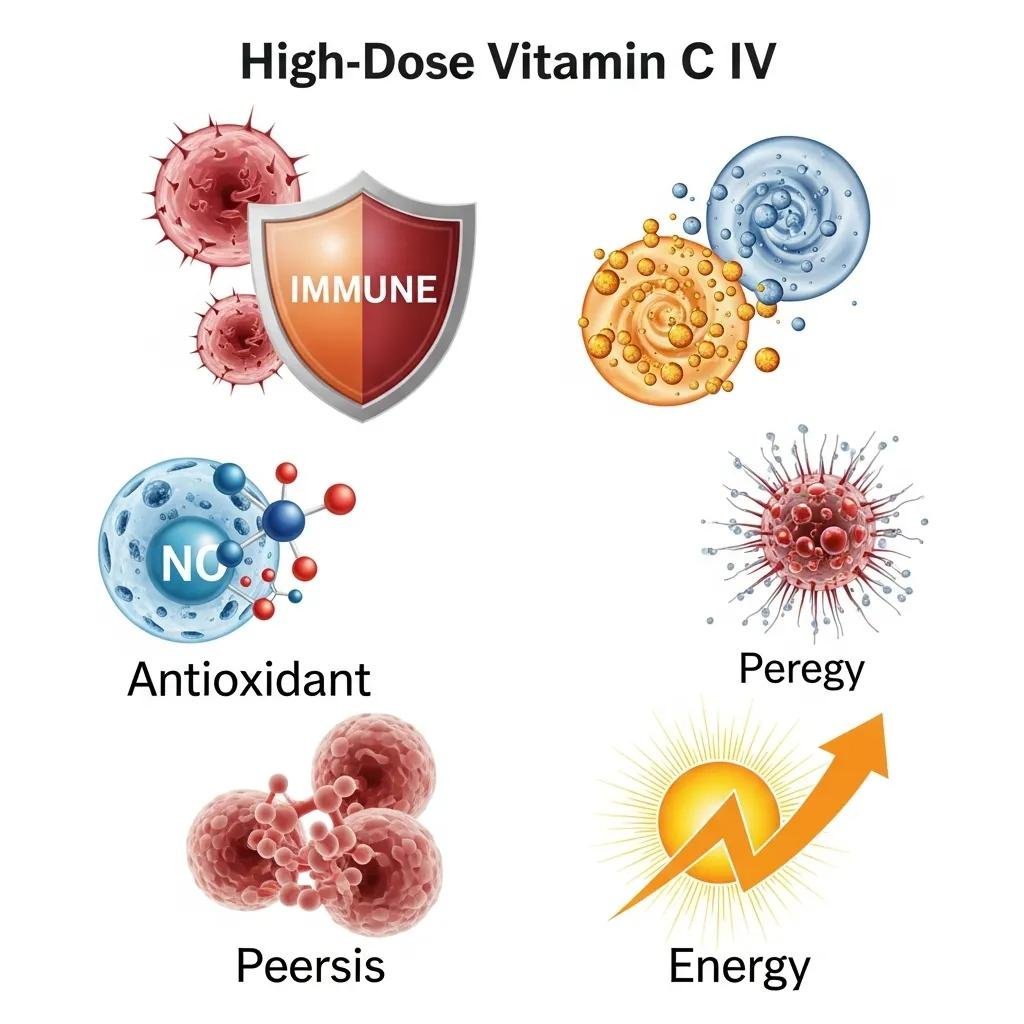
High‑dose vitamin C IV therapy can deliver several clinically relevant benefits aligned with immune support, antioxidant protection, reduced inflammation, and symptomatic improvements in energy. Clinical experience and emerging studies report benefits across acute infectious support, chronic fatigue conditions, and as adjunctive supportive care in oncology when symptom burden is significant.
Below is a concise list of primary benefits for quick clinical triage and patient education.
High‑dose IV vitamin C commonly offers these benefits:
- Improved Immune Function: Supports neutrophil and lymphocyte activity to help host defense and recovery.
- Strong Antioxidant Effect: Scavenges ROS in plasma and tissues, helping limit oxidative injury during infection or inflammation.
- Anti‑Inflammatory Modulation: Influences cytokine patterns to reduce excessive inflammatory signaling and related symptoms.
- Energy and Fatigue Support: Supports mitochondrial redox balance and metabolic recovery; many patients report improved energy with serial treatments.
- Integrative Oncology Support: May reduce treatment‑related toxicity and improve quality of life when coordinated with oncology care.
These benefits map to distinct clinical applications and can be summarized for quick reference in an EAV‑style table for clinicians and patients.
| Clinical Target | Mechanism | Expected Outcome |
|---|---|---|
| Immune cells | Supports neutrophil function and lymphocyte activity | Faster symptom resolution and improved infection control |
| Oxidative stress | High plasma ascorbate scavenges ROS | Reduced tissue oxidative damage and inflammation |
| Energy metabolism | Supports mitochondrial redox balance | Subjective increase in energy and reduced fatigue |
| Symptom burden in cancer | Potential reduction in chemo/radiation toxicity | Improved quality of life and treatment tolerance |
This EAV summary clarifies how HDVC IV links mechanism to clinical expectation and helps patients choose realistic goals for therapy. The next section examines immune‑cell level mechanisms and common monitoring markers in more detail.
How Does Vitamin C Enhance Immune Cell Function and Antioxidant Protection?
Vitamin C concentrates within leukocytes where it shields cells from oxidative injury and supports enzymes involved in microbial killing and signaling. In neutrophils and macrophages, adequate intracellular ascorbate preserves phagocytic capacity and promotes orderly apoptosis and clearance of spent cells, which limits bystander tissue damage. Clinically, these cellular effects can correlate with faster symptom resolution, reductions in some inflammatory biomarkers, and improved resilience during infectious or inflammatory stress. Common monitoring strategies include baseline oxidative stress markers and inflammatory panels tailored to the individual. Knowing these cellular benefits helps set realistic expectations and guides monitoring choices.
What Are the Anti‑Inflammatory and Energy‑Boosting Effects of IV Vitamin C?
High‑dose IV vitamin C dampens pro‑inflammatory cytokine signaling and supports cellular bioenergetics by maintaining redox cofactors essential for mitochondrial function. By reducing oxidative burden, ascorbate can temper pathways that sustain chronic inflammation and help restore metabolic activity in fatigued tissues. Many patients report improved stamina and mental clarity after serial treatments. Outcome measures might include lower C‑reactive protein or improvements on patient‑reported fatigue scales; changes typically emerge gradually over multiple sessions. These anti‑inflammatory and metabolic benefits make HDVC IV a useful adjunct for patients whose primary complaints are persistent fatigue and inflammation‑related symptoms.
If you’re interested in a personalized HDVC IV plan, Internal Healing and Wellness MD offers detailed assessments and tailored protocol development with Dr. Fred Bloem. The practice combines extended visits and individualized care to match safety screening and dosing to each patient’s history and goals — see the booking section for scheduling details.
How Does High‑Dose Vitamin C IV Therapy Support Chronic Illness and Cancer Care?

In integrative care settings, high‑dose vitamin C IV therapy supports patients with chronic infectious syndromes, chronic fatigue, autoimmune flares, and serves as adjunctive supportive oncology care. For chronic conditions such as post‑infectious fatigue and ongoing inflammatory states, HDVC IV can lessen symptom intensity and improve functional capacity when paired with disease‑directed treatments. In oncology, infusions aim to reduce treatment‑related toxicity, support recovery, and improve quality of life — always coordinated closely with the treating oncology team. The table below compares common use‑cases and expected outcomes to help clinicians and patients set realistic expectations.
Comparative uses of HDVC IV across conditions and expected outcomes.
| Condition | Typical Use Case | Expected Outcomes / Notes |
|---|---|---|
| Lyme disease | Symptomatic support during antimicrobial and restorative phases | Reduced fatigue and improved cognitive clarity; used alongside antimicrobials and detox strategies |
| Chronic Fatigue Syndrome | Serial infusions for metabolic and oxidative support | Gradual gains in energy and exercise tolerance over weeks |
| Supportive Oncology | Adjunctive infusions during chemo/radiation to reduce toxicity | Symptom relief and improved QoL; requires coordination with oncology for safety |
This comparison underscores that HDVC IV is most effective when integrated into a broader, individualized care plan rather than used in isolation. The next sections review roles in Lyme/CFS and oncology support, including evidence‑level considerations.
What Role Does IV Vitamin C Play in Managing Lyme Disease and Chronic Fatigue?
For Lyme disease and post‑infectious chronic fatigue syndromes, HDVC IV is used to reduce oxidative stress, support mitochondrial recovery, and bolster immune function as patients move through antimicrobial and rehabilitative phases. Protocols often involve serial infusions over weeks with spacing guided by symptoms and lab monitoring; improvements in energy and cognition are generally gradual and reported subjectively over several treatments. HDVC IV serves as symptomatic support that complements antimicrobial therapy, autonomic rehabilitation, and lifestyle measures — it is not a replacement for primary disease‑directed care. Patients and clinicians should agree on realistic timelines and use both objective and patient‑reported outcomes to assess benefit.
How Is High‑Dose Vitamin C Used as Adjunctive Therapy in Cancer Treatment?
In integrative oncology, high‑dose IV vitamin C is offered as adjunctive supportive therapy to help reduce symptom burden, support wound healing and collagen synthesis, and potentially lessen some chemotherapy or radiation‑related toxicities. Early‑phase studies suggest improvements in quality‑of‑life measures and fatigue when HDVC IV is coordinated with standard oncology care, but definitive anticancer efficacy remains investigational and must be communicated transparently. Close coordination with oncology teams is essential to avoid interactions with specific chemotherapeutic agents and to plan timing and monitoring. Patients considering HDVC IV during cancer treatment should expect collaborative planning between integrative and oncology clinicians.
Is High‑Dose Vitamin C IV Therapy Safe and Who Should Consider It?
When appropriate pre‑treatment screening and monitoring are performed, high‑dose vitamin C IV therapy is generally safe. However, there are specific contraindications — most importantly G6PD deficiency and certain renal risk factors — that require evaluation before administration. Standard safety protocols include targeted lab testing, baseline renal function assessment, and dosing tailored to comorbidities; with these safeguards, adverse events are uncommon and usually mild. This section provides a practical checklist of risks and required screenings plus an EAV table mapping each risk to recommended tests and clinical actions to support informed decision‑making.
Key risks and screening priorities:
- G6PD deficiency — requires testing before high‑dose infusions.
- Renal impairment and history of oxalate kidney stones — warrant baseline renal function evaluation.
- Allergic or infusion‑related reactions — require monitoring during and after infusion.
These elements lead into a structured table summarizing required screening and clinical steps.
| Risk / Requirement | Screening / Test | Clinical Action |
|---|---|---|
| G6PD deficiency | G6PD enzyme assay | Defer HDVC IV if deficient; consider alternative strategies |
| Renal impairment | Serum creatinine, eGFR, urinalysis | Adjust dosing or exclude if severe impairment |
| Stone‑forming risk | History and urinalysis | Hydration strategies and counseling; consider alternatives as needed |
This EAV table clarifies mandatory steps to reduce risk and supports informed consent and clinical decision‑making. The next section outlines contraindications and pre‑treatment requirements with practical notes.
What Are the Contraindications and Pre‑Treatment Requirements Like G6PD Testing?
G6PD deficiency is the primary contraindication for high‑dose IV ascorbate because of hemolysis risk, so a validated G6PD enzyme assay is required before pharmacologic dosing. Baseline renal testing — serum creatinine and estimated glomerular filtration rate (eGFR) — helps identify patients at higher risk for oxalate nephropathy or impaired clearance; urinalysis and a stone history assess lithogenic risk. Clinics also review medication lists and comorbid conditions to avoid interactions and to adjust dosing. Hydration planning and appropriate infusion rates further reduce adverse‑event risk. At Internal Healing and Wellness MD, a mandatory pre‑treatment evaluation is standard and built into personalized assessments before prescribing HDVC IV protocols.
Who Are the Ideal Candidates for This Immune Support Therapy?
Ideal candidates for HDVC IV are patients with demonstrable oxidative stress or an immune‑related symptom burden — for example, recurrent infections, chronic fatigue syndromes, or inflammatory flares — who have no contraindications and who want adjunctive support to conventional therapies. Patients receiving oncology care may qualify when the treating oncology team and the integrative clinician coordinate on timing and monitoring. Conversely, individuals with untreated G6PD deficiency, severe renal impairment, or other contraindications should avoid high‑dose IV ascorbate. Candidate selection emphasizes shared decision‑making, individualized protocols, and realistic outcome goals matched to each patient’s clinical context.
What Can Patients Expect During and After High‑Dose Vitamin C IV Therapy?
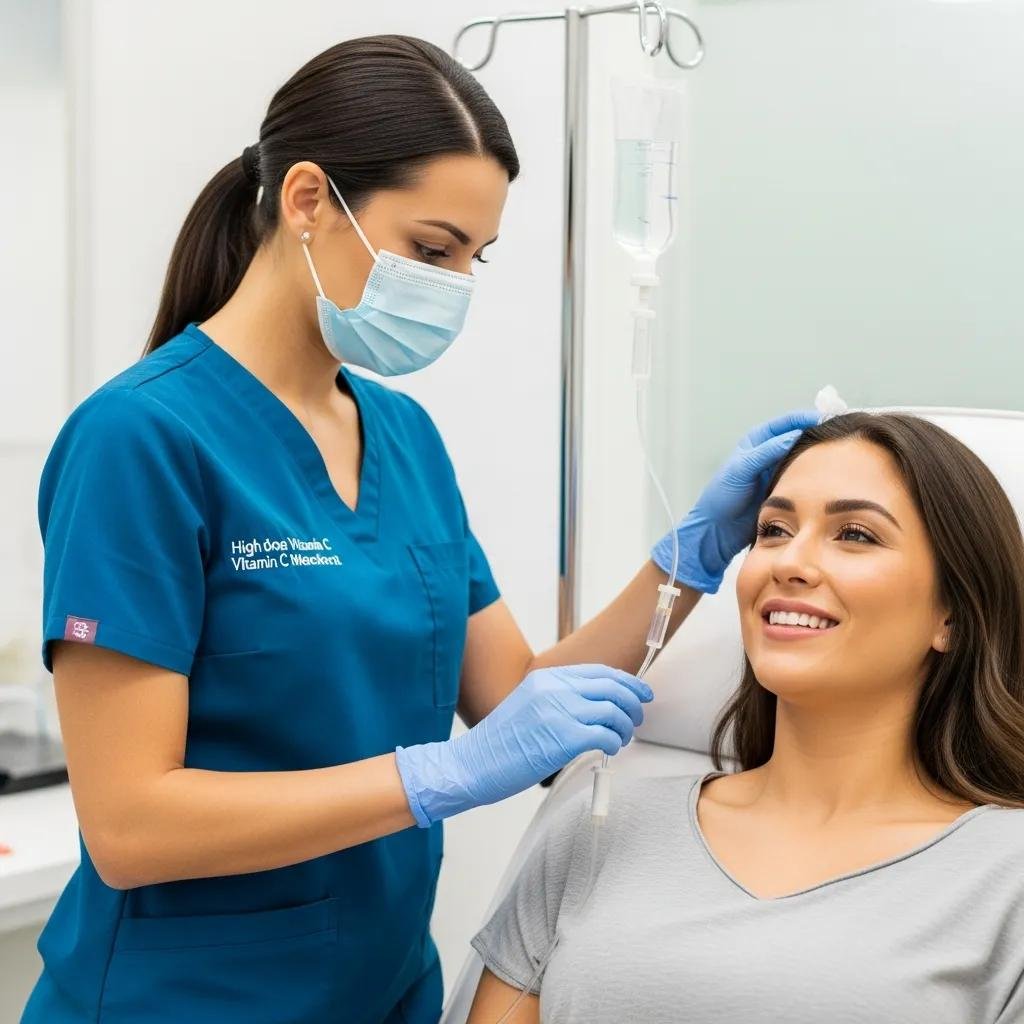
Expect a structured process that starts with an intake consultation, safety screening, and individualized plan, followed by an in‑clinic infusion monitored by trained clinical staff. Typical visits include IV placement, a slow infusion of ascorbic acid over a timeframe set by dose and tolerance, and a brief post‑infusion observation. Total appointment time commonly ranges from one to two hours including intake and monitoring. Immediate sensations are usually mild — warmth at the infusion site, transient flushing, or a relaxed feeling — and clinicians provide hydration and activity guidance after the visit. The sections below outline typical procedure timing and common aftercare recommendations to help new patients know what to expect.
What Is the Typical Procedure and Duration of an IV Vitamin C Session?
A standard HDVC IV session begins with arrival, medical history verification, consent, and confirmation of completed pre‑infusion labs. An IV catheter is placed and baseline vitals are recorded. The infusion itself runs over a variable period — often 30 to 90 minutes depending on dose and infusion rate — with continuous monitoring for tolerance and infusion‑related reactions while ensuring adequate hydration. After the infusion, patients rest briefly while clinicians confirm stability, review aftercare, and schedule follow‑up if indicated. Preparation tips include bringing a current medication list, recent labs if available, and planning light activity rather than intense exertion after the visit.
What Are the Common Aftercare Recommendations and Patient Experiences?
Aftercare focuses on hydration, moderate rest, and symptom tracking for 24–72 hours. Some patients report gradual improvements in energy, pain, or brain fog across several treatments. Clinicians often recommend serial infusions spaced by response — commonly weekly or biweekly at first — with labs and symptoms monitored to guide adjustments. Subjective improvements in fatigue and mood are frequently reported within days to weeks, though objective changes may require repeated sessions and complementary therapies. Anyone who experiences new or severe symptoms after an infusion should contact the clinic promptly for evaluation.
For scheduling and questions about individualized protocols, Internal Healing and Wellness MD provides extended consultations to review complex histories and tailor HDVC IV plans with Dr. Fred Bloem.
How Much Does High‑Dose Vitamin C IV Therapy Cost and How to Book a Consultation?
Costs for HDVC IV therapy vary by dose, formulation, and whether adjuncts (for example, minerals or other antioxidants) are included; pricing at integrative clinics depends on these factors. Insurance coverage for IV nutrient therapies is inconsistent, so many patients pay out‑of‑pocket while pursuing possible out‑of‑network reimbursement. Clinics commonly supply documentation and billing codes to assist reimbursement efforts. Below is a brief guide to cost drivers and stepwise instructions for scheduling and preparing for an initial visit.
Common cost factors and booking overview:
- Dose and infusion complexity — higher doses and added nutrients increase cost.
- Frequency of sessions — serial protocols raise overall program expense.
- Billing support — clinics may provide superbills and documentation for potential reimbursement.
What Is the Pricing Range and Insurance Considerations for IV Vitamin C?
Single HDVC IV session pricing varies with dose and composition; a realistic single‑session range at integrative clinics is often between $150 and $400 depending on ascorbate dose and any adjuncts included. Insurance coverage for vitamin and nutrient IV therapies is limited, so many patients pursue out‑of‑network reimbursement; clinics typically provide superbills and billing codes to support claims, but reimbursement is not guaranteed and depends on individual plans. We recommend checking with your insurer about coverage and requesting documentation from the clinic to support any claims. When budgeting for a course of infusions, factor in session frequency and the expected duration based on your clinical goals.
How to Schedule a Personalized Consultation with Dr. Fred Bloem?
To schedule a personalized consultation with Dr. Fred Bloem at Internal Healing and Wellness MD, gather your medical history, recent labs, and a concise summary of symptoms and treatment goals to streamline intake. During the initial visit, Dr. Bloem performs a thorough evaluation, reviews necessary safety labs (including G6PD and baseline renal function), and collaborates with you to design an individualized HDVC IV protocol if appropriate. Booking is handled through the clinic’s scheduling process, and patients receive pre‑visit instructions and lab requisitions as needed. If you plan to seek out‑of‑network reimbursement, ask clinic staff to provide the required documentation and billing codes at the time of scheduling.
- Prepare Records: Collect recent labs and a current medication list.
- Request Consultation: Contact the clinic to request an intake appointment with Dr. Fred Bloem.
- Complete Screening: Obtain recommended pre‑treatment tests (G6PD, renal panel) before infusion.
- Review Plan: Discuss an individualized protocol, schedule your first infusion, and request billing documentation if seeking reimbursement.
Following these steps helps ensure a safe, efficient start to HDVC IV therapy and aligns expectations for treatment goals and monitoring.
If you’re ready to explore individualized HDVC IV protocols or book a consultation, Internal Healing and Wellness MD offers patient‑centered extended visits with Dr. Fred Bloem to design and oversee personalized treatment plans for complex chronic illness and supportive care.
Frequently Asked Questions
What are the potential side effects of high‑dose vitamin C IV therapy?
HDVC IV is generally well tolerated. Mild, common effects include transient flushing, warmth at the infusion site, or headache. Rare but more serious reactions can include allergic responses or kidney‑related issues, particularly in people with pre‑existing conditions. Discuss your full medical history with your provider before starting therapy so appropriate monitoring and safeguards are in place.
How often should patients receive high‑dose vitamin C IV therapy?
Frequency depends on individual needs and treatment goals. Many patients begin with weekly or biweekly sessions during an initial phase; as symptoms improve, sessions are spaced further apart to maintain benefit. Regular follow‑up and communication with your clinician ensure the schedule remains safe and effective for you.
Can high‑dose vitamin C IV therapy be combined with other treatments?
Yes — HDVC IV is frequently used alongside other treatments in integrative care. It can be combined with conventional therapies for chronic illnesses, including coordinated use during cancer care, to support symptom management. Always inform every member of your healthcare team about concurrent treatments to avoid interactions and ensure coordinated planning.
What should patients do if they experience adverse reactions during the infusion?
If you experience breathing difficulty, severe headache, unusual swelling, or any concerning symptoms during an infusion, alert the clinical staff immediately. Providers are trained to manage infusion reactions and will take steps to ensure your safety. If symptoms develop after you leave the clinic, contact the clinic promptly for evaluation and guidance.
Is high‑dose vitamin C IV therapy suitable for everyone?
No. People with conditions such as G6PD deficiency or severe renal impairment should avoid high‑dose IV ascorbate due to risk of complications. A thorough pre‑treatment screening process is essential to identify contraindications. Consult your healthcare provider to determine whether HDVC IV is appropriate given your medical history and current health.
How long does it take to see results from high‑dose vitamin C IV therapy?
Response times vary. Some patients notice improved energy or symptom relief after a few sessions; others require several weeks of serial treatments to see meaningful change. The timeline depends on the underlying condition, infusion frequency, and individual variability. Regular follow‑up helps track progress and fine‑tune the plan.
Conclusion
High‑dose vitamin C IV therapy offers targeted antioxidant and immune support that can reduce oxidative stress, support immune function, and improve energy for people facing chronic illness or treatment‑related fatigue. This guide equips patients and clinicians with practical, evidence‑aware information to decide whether HDVC IV fits into an individualized care plan. For personalized evaluation and tailored protocols, consider scheduling a consultation with our team — start the conversation toward renewed resilience and clearer treatment goals today.