
Guide to Non-Toxic Cleaning Products for Your Home: Safe, Eco-Friendly Solutions for Healthier Living
Non-toxic cleaning products avoid harsh synthetic chemicals and instead rely on safer, often plant-based ingredients—mild surfactants, simple acids and bases, enzymes, and carefully used essential oils—to clean effectively while reducing harm. Choosing these options lowers ongoing exposure to volatile organic compounds (VOCs), endocrine-disrupting fragrance chemicals, and skin or respiratory irritants that can add to a household’s toxic burden over time. This guide reviews how conventional cleaners can affect health, explains why switching to eco-friendly cleaners supports indoor air quality and clinical detox efforts, details which natural ingredients work best, offers reliable DIY recipes, and gives a clinician’s checklist for evaluating store-bought brands. You’ll find room-by-room recipes, safety notes for sensitive people, evidence-based selection criteria, and practical steps to create a chemical-free home that complements medical detox strategies. Throughout, we use targeted terms like non-toxic cleaning, chemical-free home, and eco-friendly cleaners to help you spot safer products and practices.
What Are the Health Risks of Toxic Household Cleaners?
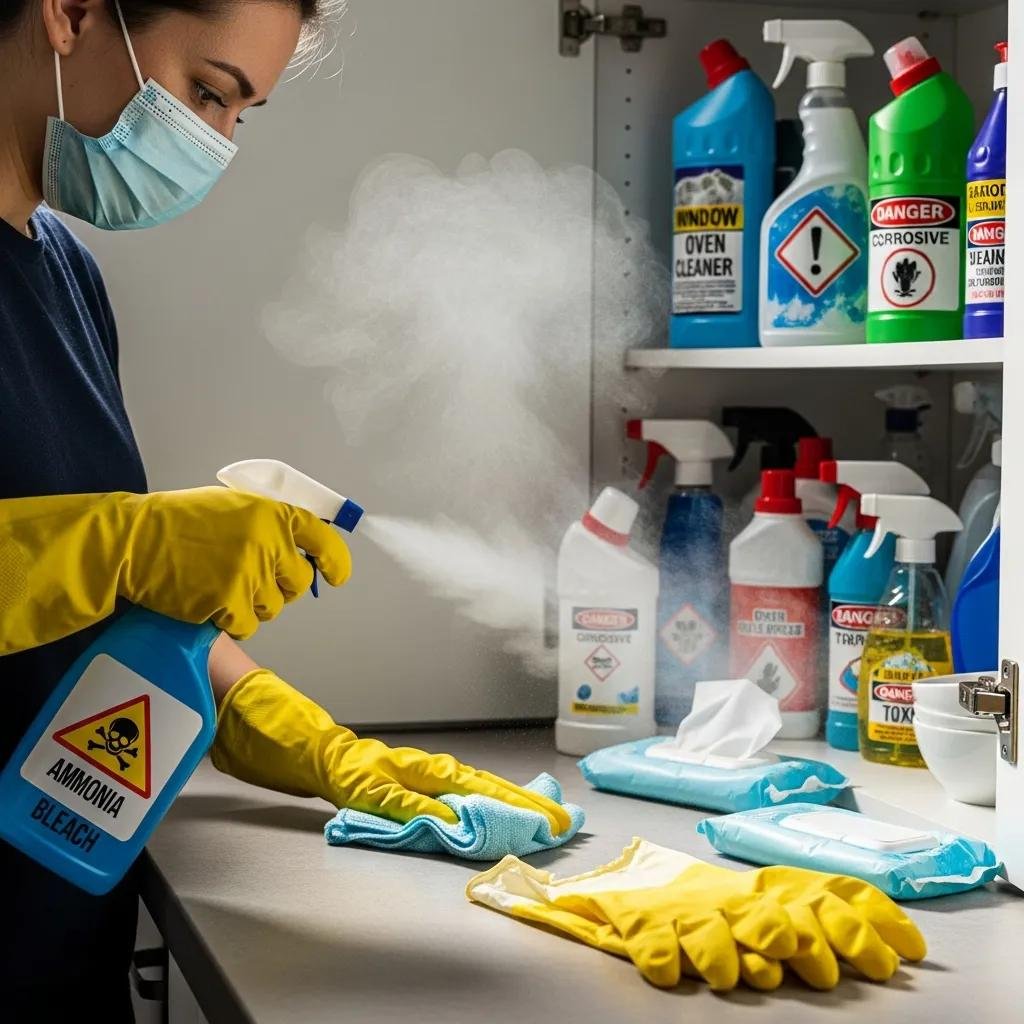
Many conventional household cleaners contain chemicals such as chlorine bleach, ammonia, quaternary ammonium compounds (quats), phthalates, parabens, and synthetic fragrances. These ingredients can release VOCs and create direct exposure routes through inhalation and skin contact. They act through mechanisms like mucosal irritation, oxidative stress, endocrine disruption, and immune modulation, and can produce outcomes such as respiratory irritation or hormonal effects. Understanding these mechanisms helps explain why regular use of certain cleaners can increase chronic symptom burden or worsen conditions like asthma and dermatitis. Replacing them with non-toxic alternatives reduces ongoing exposure and supports both short-term symptom relief and long-term health preservation.
Common household chemicals and their primary health risks:
- Bleach (sodium hypochlorite): can irritate the respiratory tract and trigger reactive airway responses, especially when mixed with acids.
- Ammonia: causes mucous membrane irritation and can worsen asthma with concentrated exposure.
- Quaternary ammonium compounds (quats): associated with asthma exacerbation and skin sensitization in some people.
- Synthetic fragrances, phthalates, parabens: linked to endocrine disruption and possible reproductive or metabolic effects.
These chemical profiles set the stage for how exposures occur and affect the body; the next section explains those pathways in clinical terms.
How Do Harmful Chemicals in Cleaning Products Affect Your Health?
Harmful cleaning chemicals reach the body mainly through three routes: inhalation of VOCs and aerosols, dermal contact during handling, and accidental ingestion from residues on surfaces. Once absorbed, some chemicals cause immediate irritation of the eyes, nose, or throat, while others interfere with hormonal systems or provoke immune-driven inflammation. Repeated low-level exposures add to cumulative body burden and can subtly shift physiology, worsening chronic issues like asthma, eczema, or autoimmune flares. From a clinical perspective, reducing exposure is a first-line strategy because it lowers the ongoing drivers of inflammation and improves the effectiveness of subsequent detoxification or treatment plans.
Which Chronic Illnesses Are Linked to Toxic Cleaning Agents?
Research and clinical observation link certain cleaning chemicals to worsened asthma, chronic respiratory symptoms, and contact dermatitis. For example, frequent use of bleach and quats is correlated with higher rates of workplace-related asthma and symptom flares. Growing evidence also points to endocrine-disrupting ingredients—such as some phthalates and synthetic fragrances—as contributors to reproductive and metabolic concerns, particularly with long-term or prenatal exposure. Vulnerable groups—infants, pregnant people, and those with autoimmune conditions or chemical sensitivities—may be at greater risk. For these households, minimizing chemical exposures and choosing fragrance-free, clearly labeled products is a practical risk-reduction approach.
These health concerns underscore the value of safer, eco-friendly options; the next section explains why making the switch matters for you and the planet.
Why Choose Non-Toxic and Eco-Friendly Cleaning Products?
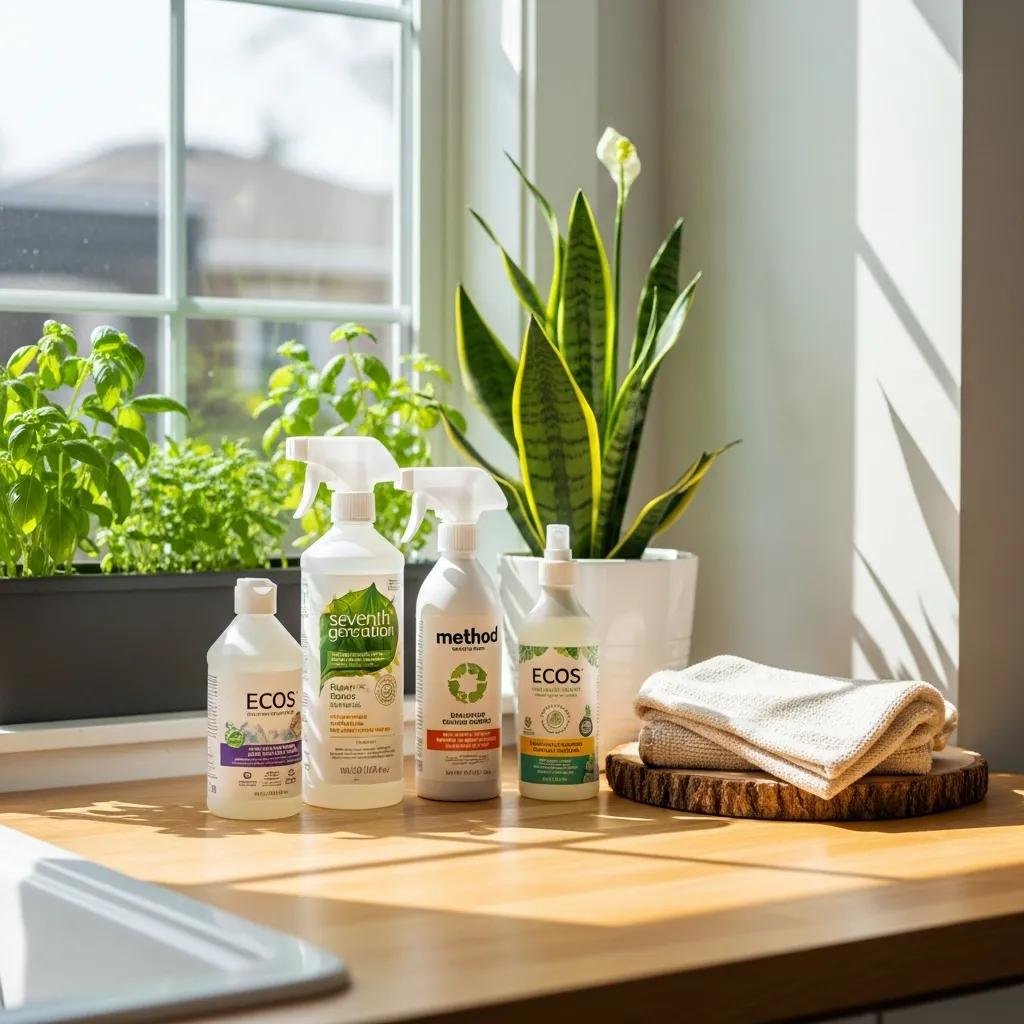
Non-toxic and eco-friendly cleaners offer concrete health benefits by lowering indoor VOCs, reducing contact irritants, and cutting exposure to endocrine-disrupting chemicals that accumulate over time. Environmentally, many of these formulations prioritize biodegradability, lower aquatic toxicity, and refillable packaging to reduce plastic waste—aligning everyday cleaning with broader sustainability goals. Clinically, adopting safer cleaners is an upstream intervention that complements detoxification plans by preventing continual reintroduction of problematic chemicals that can undermine medical treatments. That said, beware of greenwashing: prefer brands with clear ingredient lists, recognized third-party certifications, and scent-free options over vague marketing claims.
Key benefits of switching to non-toxic cleaners:
- Improved indoor air quality: fewer VOCs and irritants means less respiratory stress and fewer symptom triggers.
- Lower cumulative toxic load: avoiding endocrine disruptors supports hormonal balance over the long term.
- Environmental protection: biodegradable formulas and refill systems help reduce aquatic impacts and landfill waste.
Choosing non-toxic cleaners supports clinical detoxification efforts by reducing ongoing exposure that can impede medical progress. For patients considering supervised detoxification, Internal Healing and Wellness MD—led by Dr. Fred Bloem—offers clinical evaluation and detox programs to address elevated toxin burdens in a monitored setting.
How Do Non-Toxic Cleaners Support Holistic Health and Detoxification?
Non-toxic cleaners help lower everyday chemical intake, reducing background exposure that contributes to body burden. Clinically, this improves the signal-to-noise ratio when monitoring symptoms and biomarkers during detox protocols. Mechanistically, fewer external irritants mean less inflammatory signaling and less hormonal interference—factors that can make detox and nutritional interventions more effective. As an adjunct to medical care, a chemical-reduced home lowers the chance of re-exposure during and after detoxification, helping sustain symptom improvements. Patients with significant exposure histories or persistent symptoms should consult a clinician for individualized assessment and to determine whether supervised detox is appropriate.
What Are the Environmental Benefits of Using Natural Cleaning Solutions?
Natural cleaning solutions often use readily biodegradable components that break down more quickly in wastewater systems than persistent synthetic surfactants, reducing aquatic toxicity and long-term ecosystem harm. Plant-based ingredients can also have a smaller production footprint when responsibly sourced, and concentrate/refill packaging models greatly reduce single-use plastic. Lifecycle thinking matters: a well-packaged concentrate with local refill options can outperform a single-use “natural” bottle that travels far or uses non-recyclable materials. Choosing genuinely eco-friendly products—those transparent about sourcing and packaging—yields both household health benefits and measurable environmental gains.
Which Natural Ingredients Make Cleaning Products Safe and Effective?
Natural cleaning ingredients work through clear, well-understood mechanisms: mechanical abrasion, acid-base chemistry, surfactant-mediated emulsification, enzymatic breakdown of organic matter, and antimicrobial action from alcohol or peroxide. Matching the right ingredient to the job improves both safety and performance: baking soda neutralizes odors and provides gentle abrasion; vinegar dissolves mineral deposits; castile soap and plant-based surfactants lift oils; and enzymes break down organic stains without harsh solvents. Safety notes: vinegar can etch natural stone, and essential oils can trigger sensitivities—so knowing mechanisms and proper use helps protect surfaces and household health. The table below compares common natural ingredients by function and recommended uses to guide your choices.
| Ingredient | Function/Mechanism | Typical Use Case |
|---|---|---|
| Baking soda | Gentle abrasive and odor neutralizer through pH buffering | Scrubbing sinks, deodorizing carpets or refrigerators |
| White vinegar | Acetic acid dissolves mineral deposits and alkaline residues | Descaling kettles, removing soap scum on non-stone surfaces |
| Castile soap | Plant-based surfactant that emulsifies oils and dirt | All-purpose cleaning, gentle handwashing, diluted surface sprays |
| Plant surfactants | Emulsification and low-foaming grease removal | Dish soaps and surface cleaners with biodegradable profiles |
| Enzymes | Biocatalysts that break down organic stains (proteins, fats, starches) | Laundry boosters, pet stain removers, food-stain treatments |
This quick comparison clarifies how each ingredient contributes to cleaning outcomes and helps you choose safe, effective swaps in the recipes that follow.
What Are Common Plant-Based and Non-Toxic Cleaning Ingredients?
Plant-derived surfactants—from coconut, corn, or sugar—lower surface tension to lift oils and soils while usually offering better biodegradability than some synthetic options. Enzyme-based cleaners use protease, lipase, or amylase to target organic residues at the molecular level, making them highly effective for laundry, pet stains, and food soils without harsh solvents. Alcohol (ethanol or isopropyl) and hydrogen peroxide disinfect by denaturing proteins and oxidizing microbial structures and can be used safely at correct dilutions on high-touch surfaces. Understanding these functional roles helps you match ingredient to task and avoid unnecessary chemical exposure.
How Do Ingredients Like Baking Soda, Vinegar, and Essential Oils Work?
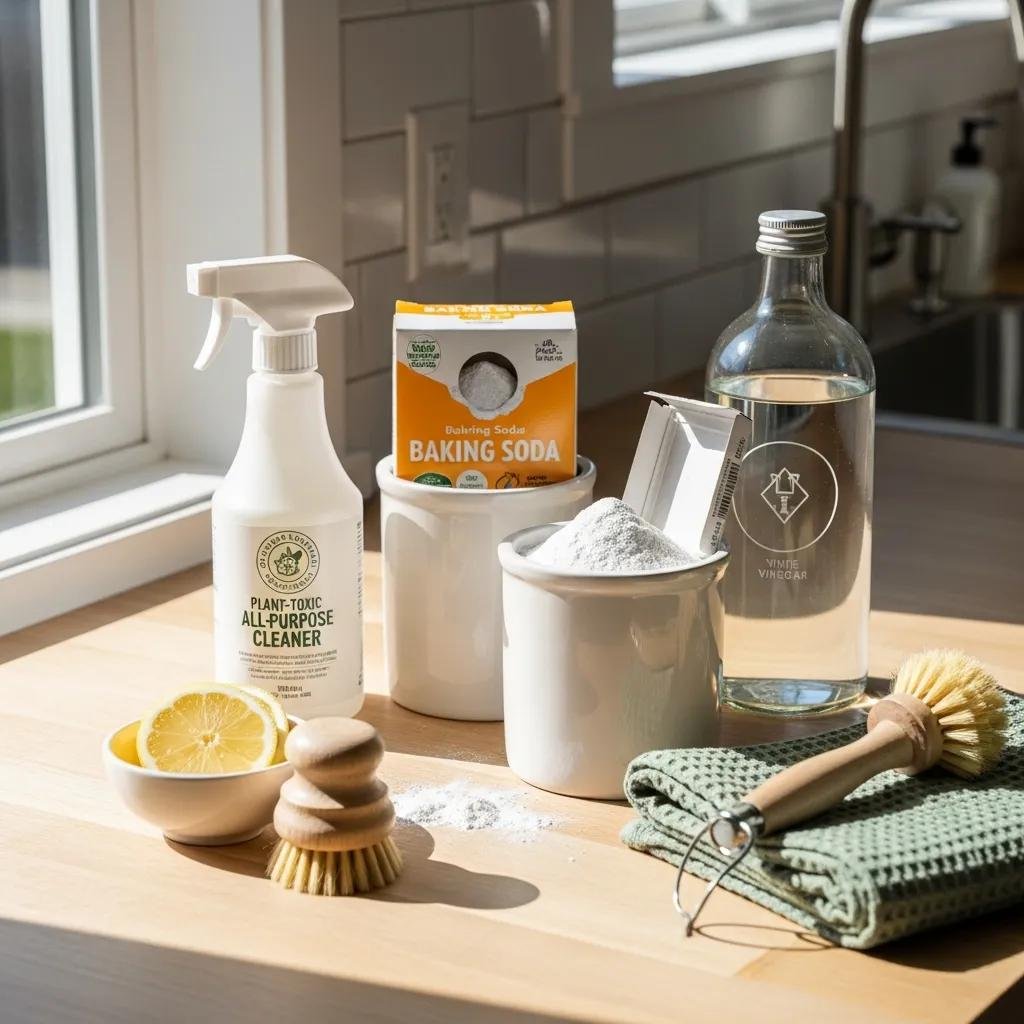
Baking soda works as a mild abrasive and neutralizing base that mechanically loosens grime and neutralizes acidic or malodorous molecules—great for scrubbing and deodorizing. Vinegar’s acetic acid dissolves mineral scale and alkaline residues, which makes it effective on kettles and tile but unsuitable for marble, granite, and some wood finishes. Essential oils can add antimicrobial properties and scent, but they require caution: they may irritate sensitive skin or trigger respiratory symptoms in some people and can be photosensitizing. Dilute appropriately and avoid use around vulnerable household members. Clear understanding of these mechanisms prevents surface damage and reduces trial-and-error when transitioning away from conventional cleaners.
How Can You Make DIY Chemical-Free Cleaning Recipes at Home?
Making DIY chemical-free cleaners lets you control ingredients, reduce packaging, and create effective solutions when recipes are matched to surface and soil types. Safe DIY practice emphasizes clear labeling, proper dilution, secure storage out of reach of children and pets, and attention to surface compatibility—especially for stone, unfinished wood, and specialty coatings. Below are straightforward, room-focused recipes with required supplies, step-by-step instructions, and shelf-life guidance so you can replace many conventional products with dependable homemade alternatives. Each recipe favors simplicity and safety so you spend less time mixing and more time maintaining a healthy, chemical-reduced home.
Essential supplies to assemble before making cleaners:
- Clear spray bottles and amber glass for light-sensitive solutions: Label every container to avoid accidental misuse.
- Measuring spoons and a scale: Accurate measurements ensure consistent dilution and safety.
- Microfiber cloths and scrub brushes: Reusable tools boost cleaning power and reduce waste.
With these supplies on hand you’ll be ready to use the recipes below safely and effectively; the next section lists room-by-room mixes and steps.
What Are Simple Step-by-Step Recipes for Every Room?
Here are compact, reliable recipes you can use daily: an all-purpose counter spray (diluted castile soap in water with a splash of vinegar for grease), a glass cleaner (diluted alcohol with distilled water and a drop of mild surfactant), a bathroom cleaner (baking soda paste for grout plus diluted hydrogen peroxide for targeted disinfecting), a floor cleaner (diluted castile soap for sealed floors), and a laundry boost (baking soda with an enzyme-based pretreatment for protein stains). Each recipe includes suggested mixing ratios, contact times, and storage life—most sprays keep 1–2 weeks if stored cool or in amber glass. Always check surface compatibility (avoid acids on natural stone) and test new mixes in an inconspicuous spot. These recipes give a practical baseline you can adjust for scent or strength while keeping safety front of mind.
How Do DIY Cleaners Compare to Store-Bought Non-Toxic Products?
DIY cleaners excel in cost, customization, and reduced packaging waste but may be less suitable for validated disinfection needs and often lack formal stability testing. Vetted commercial non-toxic products usually undergo independent testing, come in concentrated, stable formats, and include documented efficacy—advantages when you need proven disinfecting claims or longer shelf life. For everyday cleaning, DIY works well; for post-illness disinfection or convenience, third-party–certified products are often preferable. Many households use a hybrid approach: DIY for routine tasks and certified products for heavy-duty or high-risk situations. The next section explains how a holistic MD evaluates store-bought brands for safety and performance.
Safer, Eco-Friendly Home Cleaning with Non-Toxic Products
When a holistic MD evaluates store-bought non-toxic cleaners, they look for full ingredient disclosure, third-party certifications (recognized environmental or safer-chemistry labels), fragrance-free or hypoallergenic options, and transparent efficacy and biodegradability data. The assessment balances ingredient safety with demonstrated performance; brands that publish certificates, lab tests, and offer refill systems score higher because they reduce both exposure and waste. Below is a concise checklist you can use while shopping, followed by a comparison table that maps typical product attributes to patient suitability and limitations.
Checklist to evaluate non-toxic cleaning brands:
- Ingredient transparency: The brand lists all ingredients (and concentrations where available).
- Third-party verification: Recognized labels or independent test results are provided.
- Scent and allergen options: Fragrance-free or hypoallergenic lines are offered.
- Packaging and refillability: Concentrates and refill programs reduce plastic waste.
Use this checklist to select products that minimize exposure and support families with sensitivities; the table below shows how common product features affect recommendations for sensitive households.
| Brand/Product Example | Transparency / Key Ingredients / Certifications | Why Recommended / Limitations |
|---|---|---|
| Example A (concentrate) | Full ingredient list, plant-based surfactants, refill program | Great for households prioritizing waste reduction; requires careful dilution to ensure proper strength. |
| Example B (fragrance-free) | Fragrance-free formula, independent efficacy testing | Well-suited for sensitive individuals; limited scent options may be a drawback for some users. |
| Example C (enzyme-based) | Enzyme blend labeled with activity, biodegradable packaging | Ideal for organic stains; enzymes require proper storage to maintain activity. |
This evaluation model illustrates how transparency and independent data inform clinical recommendations and reflects the approach used by clinicians like Dr. Fred Bloem. Patients with suspected elevated toxin exposures or persistent symptoms may consider clinical detoxification services at Internal Healing and Wellness MD as part of an individualized care plan.
What Criteria Should You Use to Choose Safe Cleaning Brands?
Choose brands using a simple, scannable checklist that prioritizes ingredient transparency, third-party certification, demonstrated efficacy, fragrance-free options, and sustainable packaging. Avoid vague marketing language—look for readable labels and independent lab testing for antimicrobial claims when relevant. For those with chemical sensitivities, buy unscented formulas and test small samples before committing household-wide. Applying this checklist in-store or online helps you compare products quickly and avoid greenwashing.
Which Brands Are Verified for Transparency and Effectiveness?
Rather than promoting a long brand list, clinicians recommend looking for lines that meet the criteria above: clear ingredient disclosure, recognized safer-chemistry verification, and accessible performance testing. Signals of trustworthiness include published third-party lab reports, explicit ingredient concentrations, and refill programs that reduce packaging. Formulations can change, so re-check labels at each purchase and favor brands that accommodate sensitive household members. When in doubt, consult a healthcare provider to align product choices with your health needs.
If you suspect home exposures are contributing to symptoms, consider a clinical detox evaluation; Internal Healing and Wellness MD offers patient-centered assessment and detox protocols that complement home-based exposure reduction strategies.
How Do You Create a Chemical-Free Home Environment Beyond Cleaning Products?
Making your home chemical-reduced goes beyond cleaner choice: improve ventilation, control sources of emissions from furnishings, adopt fragrance-free household policies, use concentrates and refills to cut waste, and store or dispose of hazardous materials safely. These steps lower ongoing indoor pollutant generation and improve indoor air quality, reducing respiratory and systemic exposures for everyone in the home. Strategic investments—like effective filtration for particulates and VOCs—and simple habits, such as airing out new furniture or avoiding scented laundry products, provide measurable benefits for sensitive individuals and support long-term wellness. The table below compares practical practices and their impact to help you prioritize actions for your home.
| Practice | Target Area | Practical Tip / Impact |
|---|---|---|
| Improved ventilation | Indoor air exchange | Open windows on a schedule and use mechanical ventilation when outdoor air quality permits to dilute indoor pollutants. |
| HEPA + activated carbon filtration | Particulates and VOCs | Pair filters to remove particles and adsorb gases; replace cartridges as recommended for best performance. |
| Refillable products and concentrates | Packaging waste and exposure | Choose concentrates and refill stations to cut plastic waste and transport emissions. |
| Fragrance-free household policy | Reduces exposure to synthetic fragrances | Adopt scent-free rules for personal care and cleaning products to protect sensitive occupants. |
This comparison helps households select targeted interventions based on budget and health priorities; next we outline zero-waste cleaning practices you can adopt right away.
What Sustainable and Zero-Waste Cleaning Practices Can You Adopt?
Sustainable cleaning focuses on reducing single-use packaging while maintaining hygiene: opt for concentrates, join refill programs, replace disposable wipes with reusable microfiber cloths, and buy powders in bulk to minimize plastic. Dispose of hazardous residues at proper collection points and avoid pouring concentrated chemicals down the drain. Compost appropriate biodegradable residues where safe, and choose recyclable packaging when possible. Start simple—switch to reusable cloths and concentrates—and you’ll quickly reduce plastic waste and align cleaning habits with wider sustainability goals.
How Can Improving Indoor Air Quality Enhance Your Home’s Safety?
Better indoor air quality reduces particulate matter, allergens, mold risk, and VOC concentrations that contribute to respiratory and systemic health problems. Effective strategies include increased ventilation, HEPA filtration for particulates, activated carbon for VOC adsorption, and keeping humidity between 30–50% to limit mold. Open windows when outdoor air quality is acceptable, and consider mechanical ventilation with heat recovery for controlled exchanges in colder climates. Portable air cleaners combining HEPA and activated carbon are practical for high-occupancy areas. These layered IAQ measures complement non-toxic cleaning practices to create a safer, healthier home for everyone.
If past exposures worry you or you’re experiencing persistent symptoms, a compassionate next step is clinical evaluation. Dr. Fred Bloem at Internal Healing and Wellness MD offers personalized detoxification and exposure-assessment services to help reduce body burden and support recovery. If household toxins may be affecting your health, consider requesting an assessment to determine whether supervised detox and targeted interventions are right for you.
Frequently Asked Questions
1. What are the key differences between DIY and store-bought non-toxic cleaning products?
DIY cleaners are usually more affordable and customizable, and they reduce packaging waste because you control ingredients and concentrations. They can require more frequent mixing and careful storage. Store-bought non-toxic products often have independent efficacy testing, stable formulations, and concentrate options—useful when you need validated disinfecting or longer shelf life. Many households combine both approaches: DIY for daily cleaning and certified products for heavy-duty or high-risk situations.
2. How can I ensure that the non-toxic cleaning products I choose are truly safe?
Choose brands that disclose full ingredient lists, carry third-party certifications, and publish evidence of efficacy. Opt for fragrance-free or hypoallergenic lines if sensitivity is a concern, and favor refillable or concentrated formats to reduce waste. Re-check labels periodically—formulations change—and consult a healthcare provider if you have questions about specific ingredients or exposures.
3. Are there specific natural ingredients I should avoid when making DIY cleaners?
Some natural ingredients require caution: vinegar can etch natural stone, and certain essential oils may irritate skin or trigger respiratory symptoms. Always check surface compatibility and consider household sensitivities. Test new formulations on a hidden spot before widespread use to prevent damage or adverse reactions.
4. How do I properly store homemade cleaning solutions?
Store homemade solutions in clearly labeled containers—amber glass for light-sensitive mixes is ideal. Keep them out of reach of children and pets, in a cool, dry place. Check for changes in appearance or odor, which can indicate spoilage or reduced effectiveness, and discard any solution that looks or smells off.
5. What are some effective ways to improve indoor air quality in my home?
Increase ventilation when outdoor air is good, use mechanical ventilation if needed, and add HEPA filtration for particles plus activated carbon for VOCs. Maintain relative humidity between 30–50% to reduce mold risk. Portable cleaners help in high-use rooms; for whole-home solutions, consult an HVAC professional about appropriate filtration and ventilation upgrades.
6. How can I identify greenwashing in cleaning products?
Watch for vague claims like “natural” or “eco-friendly” without specifics. Look for clear ingredient lists and third-party certifications rather than marketing language. Be cautious when a product highlights one green feature but hides other concerns—compare labels and seek independent data to verify claims.
7. What steps can I take to create a chemical-free home environment beyond cleaning products?
Beyond cleaners, improve ventilation, adopt a fragrance-free policy, choose refillable or concentrated products, and remove or avoid furnishing and finishes that off-gas. Use HEPA and activated carbon filtration for air cleaning, and dispose of hazardous materials properly. These measures together reduce indoor pollutant sources and support a healthier living space.
Conclusion
Switching to non-toxic cleaning products improves home safety and supports long-term health by reducing exposure to harmful chemicals. By choosing eco-friendly, transparent, and fragrance-free options—and combining those choices with better ventilation, filtration, and sustainable habits—you protect your household and the environment. Explore carefully vetted products and practical DIY recipes to make informed choices for your home. Take the first step toward a chemical-reduced home today.