
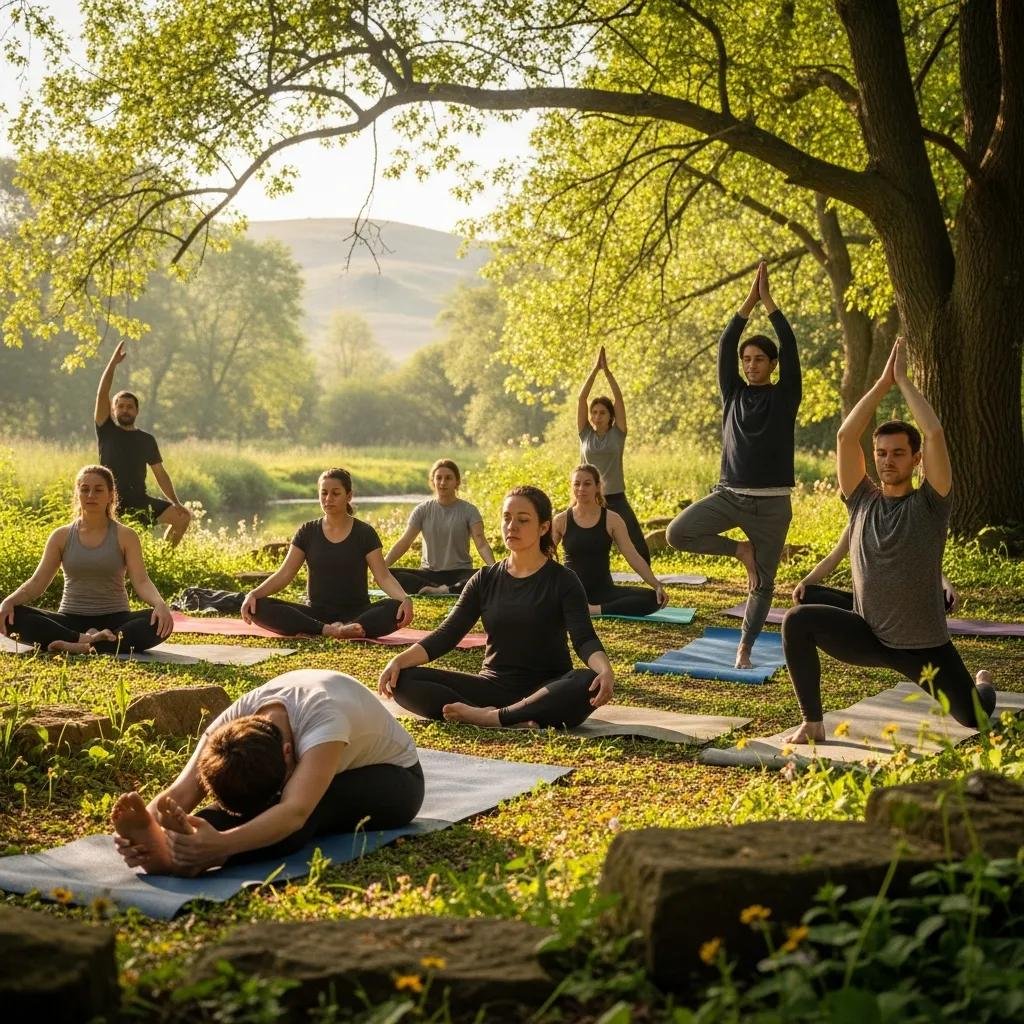
Unleash the Benefits of Yoga: A Beginner's Guide
Yoga is a practical mind–body approach that blends asanas (poses), pranayama (breathwork), and mindfulness to improve movement, stress resilience, and overall wellbeing. This guide is designed for beginners who want to start safely and with purpose: we cover the core benefits, foundational poses, essential home equipment, gentle adaptations for chronic conditions, anti‑aging practices, and how to fold yoga into a broader health plan. Many people feel unsure where to begin, worry about pain or limited mobility, or wonder if yoga fits with medical care. This article lays out clear, practical steps so you can make steady progress while managing those concerns. You’ll learn why yoga helps with stress, flexibility, strength, and chronic pain; which simple poses to begin with; what gear actually matters at home; how to adapt practice for chronic conditions; and which techniques support circulation and recovery. You’ll also find quick-reference tables, concise how‑to cues, and starter routines to move from zero to a consistent habit.
What Are the Key Benefits of Yoga for Beginners?
Yoga combines movement, breath control, and focused attention into repeatable practices that change tissue tolerance and calm the nervous system. For beginners, regular practice improves flexibility and posture through progressive asana work, lowers physiological stress via breath practices and parasympathetic activation, and supports pain management through mindful movement and better muscular support. Below we outline the primary beginner benefits and the mechanisms that produce measurable, day‑to‑day improvements.
Yoga offers several accessible benefits for new practitioners:
- Stress reduction and mental clarity: Breathwork and mindfulness lower cortisol and boost vagal tone, helping mood and mental focus.
- Improved flexibility and strength: Repeated asana practice lengthens soft tissue and strengthens stabilizers, improving everyday movement.
- Chronic pain relief and better mobility: Gentle movement, paced progression, and neuromodulation reduce pain sensitivity and rebuild confidence in activity.
- Better sleep and mood: Relaxation techniques and regulated breathing support deeper sleep and greater emotional resilience.
This comparison table summarizes each benefit, the main mechanism behind it, and the typical outcomes beginners can expect.
| Benefit | Mechanism | Expected Outcome |
|---|---|---|
| Stress reduction | Breath control & parasympathetic activation | Improved mood, lower perceived stress, better sleep |
| Flexibility & strength | Progressive stretching + muscle activation | Increased range of motion, better posture |
| Chronic pain management | Neuromodulation + graded movement | Reduced pain flare frequency, improved function |
| Sleep & mood support | Relaxation response & circadian stabilization | Deeper sleep, improved daytime energy |
This table links clear mechanisms to outcomes you can track week to week. If you’re looking to add yoga into clinical care, it pairs well with integrative treatment plans—clinicians can help tailor practice for complex chronic illness or anti‑aging goals. If you’re managing long‑term conditions or exploring rejuvenation therapies, a consultation with a holistic integrative clinician such as Dr. Fred Bloem at Internal Healing and Wellness MD can help personalize how yoga fits into your overall care plan.
How Does Yoga Support Stress Reduction and Mental Clarity?
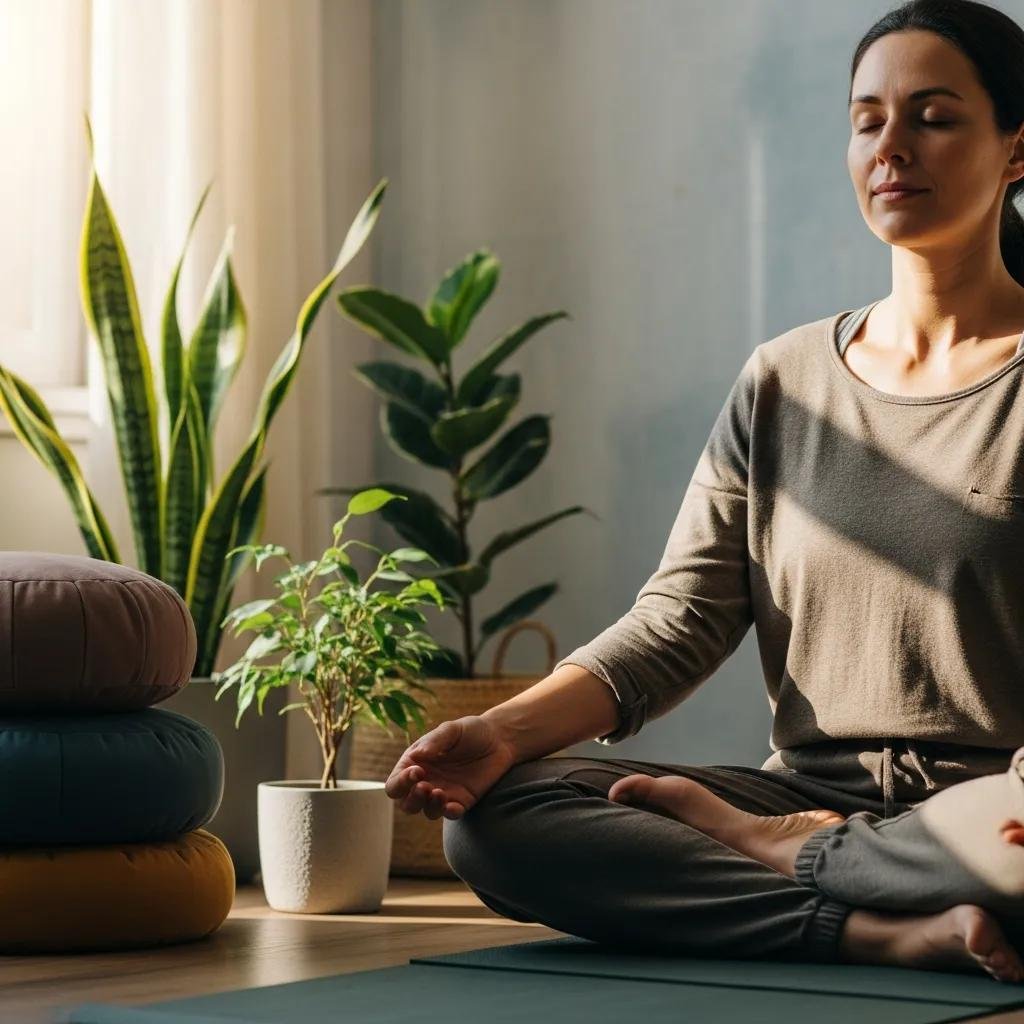
Yoga reduces stress by using breathwork and mindful attention to shift the autonomic balance toward the parasympathetic nervous system, which lowers cortisol and calms arousal. Simple pranayama—like slow diaphragmatic breathing or alternate‑nostril breathing—stimulates the vagus nerve and can improve heart rate variability, producing noticeable calming effects in minutes. Try the 3:3:6 breath as a micro‑practice: inhale for three counts, hold for three, exhale for six. It lengthens the exhalation and signals safety to the brain. Short daily breathing or seated meditation sessions compound these benefits over weeks, sharpening focus and resilience. Start with two minutes before work or sleep and gradually expand as it becomes habit.
In What Ways Can Yoga Improve Flexibility, Strength, and Chronic Pain Relief?
Yoga improves flexibility and strength through controlled, repeated ranges of motion that lengthen connective tissue and recruit stabilizing muscles. Mindful attention and graded exposure also change how the nervous system interprets movement, which can lower pain sensitivity over time. Simple poses—Cat‑Cow to mobilize the spine, standing balance work to build lower‑limb strength and proprioception—translate directly to improved daily function. For chronic pain, combining movement, breath, and mindfulness helps retrain protective patterns and restore confidence in activity. Safety notes: progress gradually, never push into sharp pain, and use props or chair modifications where needed. Moving from gentle mobility to stronger sequences over several weeks supports lasting gains in pain and function.
Which Basic Yoga Poses Should Beginners Learn First?
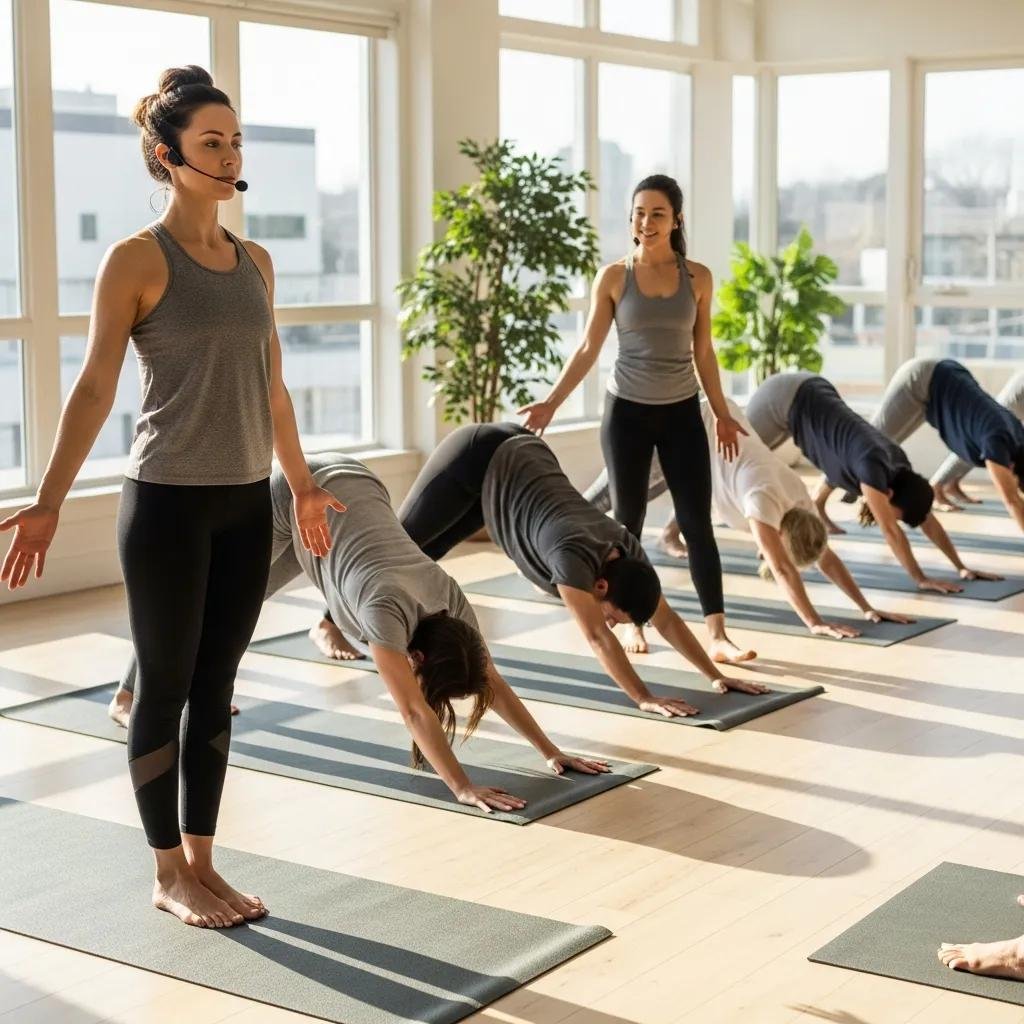
Foundational poses create a safe framework for alignment, breath coordination, and mobility. Beginners should focus on a core set of easy postures that together train posture, hamstrings and hip flexibility, spinal mobility, and balance. Start with short holds and action‑based cues—engage the core, soften the joints, and coordinate movement with steady breathing—to build consistent movement patterns. Below are seven simple poses with a one‑line benefit to guide early practice.
- Mountain Pose (Tadasana): Reinforces posture and grounding for standing alignment.
- Child’s Pose (Balasana): Offers gentle spinal lengthening and a moment of rest.
- Downward‑Facing Dog (Adho Mukha Svanasana): Stretches hamstrings and shoulders while strengthening the upper body.
- Cat‑Cow (Marjaryasana/Bitilasana): Mobilizes the spine and teaches breath‑linked movement.
- Warrior II (Virabhadrasana II): Builds leg strength and hip stability.
- Bridge Pose (Setu Bandha Sarvangasana): Activates glutes and opens the chest.
- Easy Pose (Sukhasana): Supports seated breathwork and calm attention.
These poses form a flexible beginner sequence that’s easy to adapt for limited mobility and everyday goals like less back stiffness or better balance.
| Pose | Key Steps | Main Benefits |
|---|---|---|
| Mountain Pose | Stand feet hip‑width, lift through the crown, engage the core | Postural alignment, balance |
| Child’s Pose | Kneel, sit back toward the heels, forehead down, breathe | Spinal relief, relaxation |
| Downward Dog | Hands shoulder‑width, hips back/up, lengthen the spine | Hamstring stretch, upper‑body strength |
| Cat‑Cow | On hands and knees, alternate arching and rounding with breath | Spinal mobility, breath coordination |
| Warrior II | Step wide, bend front knee, arms parallel to the floor | Leg strength, hip stability |
This quick‑reference table makes the poses easy to recall during practice and helps you prioritize alignment and safety cues. The next section offers step‑by‑step instructions and common modifications for two of the most useful foundational poses.
What Are Step-by-Step Instructions for Foundational Poses Like Downward Dog and Child's Pose?
Downward‑Facing Dog builds length and strength in a single, accessible posture. Begin on hands and knees, spread the fingers, tuck the toes, and lift the hips up and back while straightening the legs to a comfortable tension. Press evenly through the palms, initiate movement from the hips, and keep micro‑bends in the knees if the hamstrings feel tight; breathe smoothly and pedal the feet to relieve calves. Common errors include collapsing in the shoulders or locking the knees—externally rotate the upper arms and draw the navel toward the spine to protect both joints. For Child’s Pose, lower the hips to the heels, extend the arms forward or rest them by the sides, soften the jaw and eyes, and let the breath relax the ribs. Use a bolster or folded blanket under the torso for extra comfort. These cues help you build safe, repeatable form that supports steady progress.
How Can Beginners Modify Poses for Comfort and Safety?
Modifications make yoga accessible while protecting vulnerable joints and preventing flares. Props and alternative positions let you get similar benefits without strain. Place a block under the hands in forward folds or Downward Dog to reduce reach and keep the spine long, or use a folded blanket under the knees for cushioning during tabletop work. Chair adaptations convert standing poses into safer, supported variations—try Warrior II with one hand on a chair back for balance, or do Cat‑Cow seated in a chair to mobilize the spine. Contraindications include acute injuries or unstable joints—pause movement and seek clinician input when needed. When in doubt, prioritize pain‑free ranges and gradual progression. These strategies help you practice consistently and build tolerance over time.
What Essential Equipment Do Beginners Need to Start Yoga at Home?
You can begin yoga at home with just a few simple items: a non‑slip mat, comfortable clothing, and a couple of inexpensive props to improve safety and accessibility. A basic mat provides traction and padding to protect knees and wrists, while blocks and a strap let you safely increase range of motion and maintain alignment in forward folds and hip openers. Below we explain how core props work and offer practical tips for setting up a comfortable home practice area that supports regular sessions and restorative work.
A simple equipment checklist helps prioritize purchases:
- Non‑slip yoga mat: Traction and cushioning for standing and floor work.
- Yoga block: Supports alignment and brings the ground closer in seated or standing poses.
- Yoga strap: Bridges reach gaps and helps control joint movement when stretching.
| Item | Purpose / Material | Beginner Recommendation |
|---|---|---|
| Yoga mat | Grip and cushioning; PVC or natural rubber | 3–6 mm thickness; non‑slip surface |
| Yoga block | Support alignment, raise the floor | Foam or cork block; standard height |
| Yoga strap | Extend reach; assist joint safety | Cotton strap with buckle; 6–8 ft |
This table clarifies why each prop matters and which options are cost‑effective for newcomers. The next subsection outlines how common props function to inform your choices.
How Do Yoga Mats, Blocks, and Straps Enhance Practice?
A mat anchors your practice with consistent grip and a defined space to move, reducing slip risk during standing and arm‑bearing poses—pick a mat with reliable traction and enough padding for your joints. Blocks act as extensions that preserve alignment—placing one under the hand in a forward fold keeps the spine long and prevents rounding. Straps enable gradual flexibility gains by allowing controlled holds and safer access to deeper stretches without forcing joints. Material matters: denser blocks and natural‑rubber mats feel more supportive over time, while straps with buckles give precise length adjustments. Think of these props as training wheels that accelerate progress while reducing injury risk.
What Are Tips for Creating a Comfortable Home Yoga Space?
A dedicated practice area reduces friction and helps form a habit. Choose a flat, uncluttered spot with natural light and enough room to extend arms and legs; remove trip hazards and keep props within reach for smooth transitions. Set a calm tone—silence your phone, add a plant or soft color, and keep a blanket handy for restorative poses. Ventilation and temperature matter: stay comfortably cool for active flows and slightly warmer for restorative work. Roll out your mat at a regular time or leave it visible to make daily practice more likely.
How Can Gentle Yoga Benefit Beginners with Chronic Health Issues?
Gentle yoga adapts movement to reduce pain, preserve mobility, and support independence using low‑impact positions, careful pacing, and focused breathwork. For people with chronic conditions—arthritis, persistent back pain, or post‑infectious syndromes—gentle sequences emphasize joint‑friendly mobility, isometric strengthening, and breath‑based pain modulation to lower symptoms without provoking flares. Modifications and progressive dosing are essential: frequent short sessions with conservative intensity produce meaningful functional gains over weeks. Below are practical adaptations and a clinical framing for how yoga can integrate with other medical approaches.
Gentle yoga typically relies on chair or supine variations that protect joints and build confidence:
- Chair adaptations for standing poses: Add stability and reduce load on the lower limbs.
- Supported restorative postures: Use bolsters or blankets to offload painful joints and promote relaxation.
- Short, repeated mobility sets: Three to five gentle repetitions, several times daily, to rebuild tolerance.
| Adaptation | Purpose | Clinical Benefit |
|---|---|---|
| Chair yoga | Reduce weight‑bearing | Safer balance training |
| Bolster support | Passive opening and rest | Lower pain, aid relaxation |
| Gentle flow sets | Gradual load increase | Improved function and endurance |
This table links specific adaptations to functional, clinical improvements. For patients with chronic illness, coordinated care usually produces better outcomes—integrative teams often recommend tailored yoga as part of a multimodal plan. Dr. Fred Bloem at Internal Healing and Wellness MD has experience treating complex chronic conditions and can advise when and how to include gentle yoga alongside medical therapies like regenerative joint care or other supportive treatments, ensuring practice is safe and goal‑directed.
What Are Gentle Yoga Modifications for Limited Mobility and Pain?
When mobility is limited or pain is present, modifications focus on joint protection, controlled ranges, and gradual progression to rebuild confidence. Chair yoga converts standing and balance work into safe seated alternatives—try supported leg lifts, seated twists, and gentle hamstring stretches while seated to keep circulation and range. Wall‑assisted postures (hands on the wall for a half‑Dog or standing hip openers) reduce load and help alignment. Use bolsters under the knees for supine bridges or knees‑to‑chest to encourage lumbar decompression; start with short holds (10–20 seconds) and multiple repetitions to increase tolerance. Track symptoms and increase repetitions before raising intensity to avoid setbacks.
How Does Yoga Complement Medical Treatments for Chronic Conditions?
Yoga supports medical care by improving mobility, lowering stress‑driven inflammation, and enhancing sleep—factors that aid recovery and amplify the benefits of medical interventions. For example, better joint stability from yoga can help outcomes after regenerative joint therapies by optimizing surrounding musculature and movement patterns. Breathwork and relaxation lower sympathetic drive, which can improve pain control and treatment adherence. Always coordinate with your clinician: pause or modify practice for active infection, uncontrolled cardiac symptoms, or recent surgical restrictions, and share exercise tolerance and symptom trends with your care team. When integrated thoughtfully, yoga becomes a useful adjunct that addresses both symptoms and functional limitations.
What Role Does Yoga Play in Anti-Aging and Rejuvenation?
Yoga contributes to anti‑aging and rejuvenation by improving circulation, lowering chronic stress markers, and supporting lymphatic flow and hormonal balance through lifestyle regulation. Restorative sequences and targeted breathwork boost parasympathetic recovery, which helps sleep, reduces inflammatory signaling, and supports tissue repair. Yoga is not a standalone “cure” for aging, but consistent practice supports cellular health by improving sleep, cutting cortisol exposure, and preserving musculoskeletal integrity—factors that influence biological aging. The sections below outline physiological links and practical rejuvenation practices appropriate for beginners.
Key anti‑aging mechanisms from regular yoga include improved microcirculation, reduced stress hormones, and better sleep architecture—all of which support cellular repair and metabolic balance.
| Mechanism | Practice | Rejuvenation Effect |
|---|---|---|
| Circulatory stimulation | Gentle inversions and flow | Improved nutrient delivery, lymph drainage |
| Stress hormone reduction | Daily pranayama | Lower cortisol, reduced inflammation |
| Sleep and recovery | Evening restorative sessions | Enhanced cellular repair during sleep |
This table ties simple practices to mechanisms that support long‑term vitality. Below we explain how yoga can influence skin, circulation, and hormones in a beginner‑friendly way.
How Does Yoga Improve Skin Health, Circulation, and Hormone Balance?
Yoga improves circulation and lymphatic flow through gentle transitions and mild inversions that support venous return and tissue perfusion—factors that can benefit skin health and detoxification. Breath practices that reduce cortisol and sympathetic tone indirectly support hormonal balance by improving sleep and metabolic signaling, which helps regulate appetite and insulin sensitivity. Short, regular restorative sessions and neck/chest openers can increase facial blood flow and reduce stress‑related skin flares by lowering systemic inflammation. Combine yoga with sound sleep habits and balanced nutrition for a holistic approach to skin and endocrine health rather than expecting dramatic results from any one practice.
Which Yoga Practices Promote Cellular Repair and Youthful Vitality?
Recovery‑focused practices emphasize restorative poses, slow pranayama, and moderate mobility work that boost tissue perfusion without creating excess oxidative stress. A simple weekly mini‑protocol for beginners might include three short mobility sessions, two restorative breathing sessions, and one longer combined practice of 20–40 minutes—this mix stimulates circulation and deep recovery. Avoid overtraining: consistent, moderate‑intensity practice yields hormetic benefits (adaptive stress) while excessive intensity can interfere with repair. Pair yoga with adequate sleep, hydration, and nutrition for the best results; yoga is a powerful complement to a comprehensive anti‑aging strategy when used thoughtfully.
How Can Beginners Integrate Yoga into a Holistic Health Plan?
Adding yoga to a holistic health plan begins with small, measurable habits and clear outcome tracking—focus on frequency, duration, and specific goals such as better sleep, less pain, or increased flexibility. Start with brief, consistent sessions and use objective metrics (minutes practiced, pain rating, sleep hours) to evaluate benefit. Coordinate with clinicians to scale safely if you have medical conditions, and seek occasional professional guidance to align practice with broader treatment goals. Below we offer a practical starter plan and notes on when to consult a holistic health expert to build a personalized, sustainable program.
Here is a practical starter plan and habit tips to help beginners build consistency.
- Beginner schedule: 10–20 minutes per session, 3–5 times per week, focusing on mobility and breathwork.
- Progress milestones: Check pain, range of motion, or sleep improvements after 4 and 8 weeks.
- Daily micro‑practices: Do 2–5 minutes of breathwork twice daily to scaffold consistency.
| Phase | Weekly Plan | Goal |
|---|---|---|
| Weeks 1–2 | 10 min x 3–4 | Establish habit, light mobility |
| Weeks 3–6 | 15–20 min x 3–5 | Build strength and flexibility |
| Weeks 7–8 | 20–30 min x 4–5 | Consolidate routine, track outcomes |
This starter plan emphasizes steady progression and measurable outcomes that integrate with other priorities like sleep and nutrition. The following subsection offers actionable tips to keep moving forward and troubleshoot common barriers.
What Are Practical Tips for Starting and Maintaining a Beginner Yoga Routine?
Keep it small and specific: choose a regular time, set a 10–20 minute goal, and use a short sequence that mixes breath, mobility, and one strengthening element. Habit cues—like rolling out your mat after brushing your teeth or before coffee—reduce decision fatigue and boost consistency. Track simple metrics such as session count, perceived pain on a 0–10 scale, and sleep hours to monitor progress objectively and adjust intensity. When life gets busy or pain flares, shorten the session instead of skipping it, and use chair or supported variations to stay consistent. Celebrate small wins at 2‑ and 4‑week marks to maintain momentum and gradually extend session length.
When Should You Consult a Holistic Health Expert About Yoga?
See a holistic health expert when you have uncontrolled or worsening pain, a new diagnosis that affects mobility, active cancer treatment, recent surgery, or complex multisystem issues that need coordinated care. These situations require tailored modifications, paced progressions, and clinician oversight to ensure yoga aids recovery rather than causing setbacks. A consultation can align yoga with interventions like hormone optimization, regenerative joint care, or integrative oncology and create a plan that accounts for medications, therapy schedules, and treatment contraindications. If you want personalized integration, consider requesting a consultation with Dr. Fred Bloem at Internal Healing and Wellness MD to explore how yoga can safely complement your clinical care and anti‑aging strategies.
Frequently Asked Questions
1. Can yoga be practiced by individuals with no prior experience?
Absolutely. Yoga is accessible to people with no previous experience. Beginners can start with simple poses and progress at their own pace. Many classes and online programs focus specifically on newcomers and include modifications to ensure safety and comfort. Listen to your body and choose practices that feel right—you’ll build confidence and skill over time.
2. How often should beginners practice yoga to see benefits?
Practice 3 to 5 times a week for 10 to 20 minutes per session to begin seeing benefits. Consistency matters more than duration—short, regular sessions improve flexibility, strength, and stress resilience. As you grow more comfortable, gradually increase time or frequency and track changes to stay motivated.
3. What should I wear when practicing yoga at home?
Wear comfortable, breathable clothing that allows full range of motion. Choose fabrics that wick sweat and fit without being restrictive—fitted tops and stretchy bottoms (leggings or yoga pants) work well. Avoid excessively loose garments that could get in the way during poses.
4. Are there specific breathing techniques beginners should focus on?
Yes—start with diaphragmatic breathing and simple pranayama. Diaphragmatic breathing means inhaling through the nose so the abdomen expands, then exhaling slowly. This promotes relaxation and fuller breaths. Beginner pranayama, like alternate‑nostril breathing, calms the mind and improves focus. Adding short breath practices to your routine enhances the overall benefits of yoga.
5. How can I stay motivated to maintain a regular yoga practice?
Set clear, achievable goals and track progress. Establish a routine time, create a dedicated practice space, and consider joining a class or online community for accountability. Celebrate small improvements—better sleep, less stiffness, or a calmer mind—to reinforce the habit and keep you engaged.
6. What are some common mistakes beginners make in yoga?
Common mistakes include pushing too hard into poses, neglecting alignment, and comparing yourself to others. Pay attention to pain signals and avoid forcing movements. Focus on mastering basics and use props or modifications as needed. Yoga is a personal practice—progress comes with patience and consistency.
7. How can I integrate yoga with other forms of exercise?
Yoga complements other exercise well. Use it as a warm‑up or cool‑down for more intense workouts to improve flexibility and recovery. You can also alternate yoga sessions with strength training or cardio across the week. This balanced approach supports overall fitness while reducing injury risk.
Conclusion
Yoga offers practical, measurable benefits for beginners—stress reduction, improved flexibility, and stronger overall wellbeing. By starting with short, consistent practices that combine breath, mobility, and gentle strength work, you can create meaningful change that fits into a busy life. Embrace the process, use the tools and modifications described here, and consider professional guidance when needed. Begin your holistic wellness journey today and discover how regular yoga can support lasting physical and mental health.