

Unlock the Heart-Healthy Benefits of the Mediterranean Diet
The Mediterranean Diet is a plant-forward, whole-foods pattern inspired by traditional cuisines around the Mediterranean Sea. Decades of research link this style of eating to lower cardiovascular risk and healthier aging. Its mix of extra-virgin olive oil, vegetables, fruit, whole grains, legumes, nuts, and regular fish supports heart and metabolic health, reduces inflammation and oxidative stress, and benefits the gut microbiome. Yet many people find it hard to turn high-level nutrition advice into habits they can keep. This article breaks the diet into clear principles, summarizes evidence for heart and brain benefits, explains anti-inflammatory and metabolic mechanisms, and offers actionable meal and lifestyle strategies. You’ll also get clear food comparisons, EAV-style mappings of mechanisms to outcomes, and practical lists to simplify meal planning. We start by defining the diet and its lifestyle elements, then review cardiovascular outcomes, longevity and cellular aging, inflammation control, cognitive protection, and metabolic effects—so you can adopt the Mediterranean approach with confidence.
What the Mediterranean Diet Is — and the Principles That Guide It
At its core, the Mediterranean Diet emphasizes minimally processed plant foods, healthy fats (especially extra-virgin olive oil), regular fatty fish, modest dairy, limited red meat, and a preference for whole over refined foods. The pattern is less a rigid menu and more a set of everyday choices that lower chronic disease risk.
Biologically, this pattern supplies monounsaturated fats, omega-3s, fiber, polyphenols, and antioxidants that together reduce LDL oxidation, tamp down inflammation, and support endothelial function—changes that show up as better cardiometabolic markers. The diet works best alongside lifestyle habits such as daily movement, consistent sleep, and shared meals, which amplify metabolic resilience and mental well-being.
Key principles that define the Mediterranean approach:
- Make vegetables, fruits, legumes, whole grains, nuts, and seeds the foundation of most meals.
- Use extra-virgin olive oil as your main fat and include fatty fish regularly for omega-3s.
- Limit processed foods, refined sugars, and red or processed meats; enjoy dairy in moderation and wine occasionally with meals if appropriate.
- Support the diet with regular physical activity, restorative sleep, and social meals to build lasting habits.
These principles guide the practical food choices and meal patterns we describe next, and they naturally lead into the specific foods that define the Mediterranean pattern.
Which Foods Make Up the Mediterranean Eating Pattern?
The pattern centers on plants: leafy greens and cruciferous vegetables, ripe tomatoes, seasonal fruit, whole grains such as farro and barley, legumes like lentils and chickpeas, and tree nuts such as almonds and walnuts. Healthy fats are plentiful—chiefly extra-virgin olive oil, olives, and modest avocado—while fatty fish (salmon, sardines, mackerel) supply EPA/DHA omega-3s for vascular and brain support. Protein is mainly plant-based or fish-based; poultry is moderate and red meat is occasional. Dairy appears as yogurt or cheese in moderation. If you have dietary restrictions, swap grains for whole-grain or legume-based options and use plant-based omega-3 sources like ground flaxseed or algae supplements—simple substitutions that keep the same benefits and fit different lifestyles.
How the Mediterranean Lifestyle Supports Overall Wellness

Beyond food choices, the Mediterranean lifestyle supports health through daily movement, communal meals, and stress-reducing routines. Moderate activities—walking, gardening, or cycling—improve insulin sensitivity and circulation. Eating together encourages mindful portions and reduces stress-driven overeating. Regular sleep and predictable routines help regulate appetite hormones and recovery, reinforcing dietary benefits for weight and inflammation control. Combining these lifestyle elements makes dietary change more sustainable and builds a practical framework for longevity and resilience as we move into cardiovascular effects.
Clinical perspective: At Internal Healing and Wellness MD, Dr. Fred Bloem frames the Mediterranean pattern within a holistic treatment model focused on root causes rather than isolated symptoms. His approach blends individualized protocols and patient education to turn dietary patterns into lasting behavior change, aligning nutrition with complementary integrative therapies. This clinical lens shows how targeted counseling and support can make the diet more effective for cardiometabolic health and healthy aging.
How the Mediterranean Diet Supports Heart Health and Cardiovascular Wellness
The Mediterranean Diet supports cardiovascular health by lowering atherogenic lipids, reducing blood pressure, and reducing systemic inflammation—mechanisms that together cut the risk of heart attack and stroke. Olive oil’s monounsaturated fats improve LDL particle characteristics, omega-3s reduce triglycerides, fiber and whole grains improve lipid metabolism, and polyphenols enhance endothelial function and nitric oxide signaling. Clinical trials and large cohort studies consistently report relative risk reductions for major cardiovascular events among people who adhere to the pattern, demonstrating how the biology translates to population benefits.
The table below links key foods and nutrients to cardiovascular mechanisms and measurable outcomes so you can see how food choices map to clinical markers.
| Food or Nutrient | Primary Mechanism | Measurable Cardiovascular Outcome |
|---|---|---|
| Extra-virgin olive oil | Monounsaturated fats and polyphenols reduce LDL oxidation | Lower LDL oxidation and improved HDL function |
| Fatty fish (Omega-3) | EPA/DHA lower triglycerides and reduce platelet aggregation | Reduced triglycerides and improved endothelial responsiveness |
| Whole grains & fiber | Soluble fiber binds bile acids and lowers cholesterol absorption | Lower LDL cholesterol and better glycemic control |
| Nuts | MUFAs, PUFAs, and arginine support vascular tone | Modest LDL reduction and modest blood pressure improvement |
Combining these elements produces additive cardiovascular protection, which we’ll expand on when we look at specific effects on lipids and blood pressure.
What Happens to Cholesterol and Blood Pressure?
Following a Mediterranean-style pattern typically improves lipid profiles—reducing LDL cholesterol, lowering triglycerides, and sometimes improving HDL function—thanks to monounsaturated fats, fiber, and polyphenols. Blood pressure often falls as endothelial function improves, processed food and sodium intake drop, and vasodilatory compounds from olive oil and leafy greens take effect. Meta-analyses report average declines in systolic blood pressure and clinically meaningful LDL reductions with sustained adherence—changes that contribute to fewer atherosclerotic events. These marker-level improvements help explain the diet’s impact on heart disease and stroke risk.
How Does It Lower Heart Disease and Stroke Risk?
Large observational studies and randomized trials show higher Mediterranean adherence is linked to roughly 25–30% relative reductions in major cardiovascular events in many cohorts. The benefit likely reflects combined lipid-lowering, anti-inflammatory, and endothelial-protective effects. Behavioral counseling paired with diet changes produces measurable drops in absolute event rates, especially when the diet is part of a broader lifestyle program. Mechanistically, lower systemic inflammation, improved lipid particle quality, and healthier endothelium slow plaque progression and reduce thrombosis risk. These population-level findings support pairing dietary strategy with individualized cardiometabolic assessment and nutrition counseling for the greatest effect.
Clinical integration note: In practice, dietary changes are often coordinated with services like cardiometabolic risk assessment, nutrition counseling, metabolic optimization, and supportive IV therapies to speed recovery and correct nutrient gaps. Internal Healing and Wellness MD combines Mediterranean-based dietary counseling with complementary services—bioidentical hormone replacement, anti-aging medicine, regenerative joint therapies, and IV nutrient therapies—to create tailored plans that address root causes and support cardiovascular outcomes. This integrative model shows how nutrition and other therapies can work together within personalized care.
How the Mediterranean Diet Supports Longevity and Healthy Aging
The Mediterranean Diet promotes longevity and healthy aging by lowering oxidative stress, supporting telomere maintenance, improving metabolic health, and reducing chronic disease incidence—processes tied to cellular aging and resilience. Antioxidant-rich fruits, vegetables, and polyphenol-rich olive oil protect DNA and lipids, while omega-3s preserve membrane integrity and resolve inflammation—together slowing cellular senescence. Epidemiologic studies repeatedly show higher adherence correlates with longer life expectancy and lower premature mortality after adjusting for confounders. The EAV-style table below links key nutrients to anti-aging mechanisms and reported outcomes to make these relationships clear.
Antioxidant and longevity mappings:
| Nutrient or Food Class | Anti-Aging Mechanism | Reported Study Outcome |
|---|---|---|
| Polyphenols (olive oil, fruits) | Reduce oxidative damage to DNA and proteins | Associated with lower all-cause mortality in cohort studies |
| Omega-3 fatty acids | Support cell membrane integrity and lower inflammation | Linked to reduced cardiovascular mortality |
| Fiber & phytonutrients | Improve microbiome diversity and metabolic signaling | Correlated with lower prevalence of metabolic syndrome |
| Nuts & legumes | Nutrient density supports cellular repair pathways | Associated with greater longevity in population analyses |
This mapping shows how whole-food patterns translate to cellular and population-level benefits, leading us into a closer look at antioxidant mechanisms and cellular aging.
How It Counters Cellular Aging and Oxidative Stress
Components rich in antioxidants—polyphenols from olive oil, flavonoids from fruits and vegetables, and carotenoids from colorful produce—scavenge free radicals, boost endogenous antioxidant enzymes, and reduce lipid peroxidation, lowering cumulative cellular damage. Omega-3s protect membranes from inflammatory injury and support mitochondrial function, slowing pathways that lead to cellular senescence. Emerging studies link higher Mediterranean adherence with slower telomere shortening and better oxidative stress biomarkers, suggesting a biological route to delayed aging. These cellular effects translate into observable improvements in life expectancy and disease mortality.
What Is the Effect on Life Expectancy and Early Mortality?
Pooled cohort analyses show people with higher Mediterranean diet adherence tend to have lower early mortality rates and longer life expectancy than lower-adherence peers, with effect sizes varying by study but often clinically meaningful. Observational data can’t prove causation, but plausible biological pathways and interventional support strengthen the case that diet contributes to longevity. Translating these findings to individual plans means combining diet with regular exercise, tobacco avoidance, and good sleep to shift personal risk. For those focused on anti-aging strategies, pairing dietary adherence with evidence-based clinical interventions can improve outcomes while preserving core lifestyle habits.
Clinical context: Patients seeking targeted longevity care at Internal Healing and Wellness MD may combine a Mediterranean-style diet with individualized hormone optimization and anti-aging medicine. Dietary change remains the foundation while bioidentical hormone therapy and regenerative approaches address specific aging-related issues—an integrated strategy that highlights the value of personalized care for maximizing healthy lifespan.
Why the Mediterranean Diet Is Seen as an Anti-inflammatory Lifestyle
The Mediterranean Diet is considered anti-inflammatory because its foods and nutrient profile lower pro-inflammatory cytokines, reduce oxidative stress, and limit endothelial activation while promoting regulatory immune responses. Omega-3s affect eicosanoid pathways, polyphenols inhibit NF-κB signaling, and fiber-driven microbiome shifts increase short-chain fatty acids that help temper systemic inflammation. Clinically, higher adherence is associated with lower C-reactive protein and other inflammatory markers, making this pattern a practical adjunct for chronic inflammatory conditions. Below are the most important anti-inflammatory foods and why they matter for long-term health.
Anti-inflammatory foods include:
- Extra-virgin olive oil — rich in polyphenols that dampen inflammatory signaling.
- Fatty fish — EPA/DHA reduce production of pro-inflammatory eicosanoids.
- Nuts and seeds — provide unsaturated fats and antioxidant micronutrients.
- Colorful fruits and vegetables — supply flavonoids and carotenoids with antioxidant effects.
- Whole grains and legumes — fermentable fiber supports microbiome metabolites that lower inflammation.
These choices reduce systemic inflammation and form the basis for practical strategies to manage chronic inflammatory conditions, discussed in the following sections.
Which Foods Deliver Anti-inflammatory Benefits?
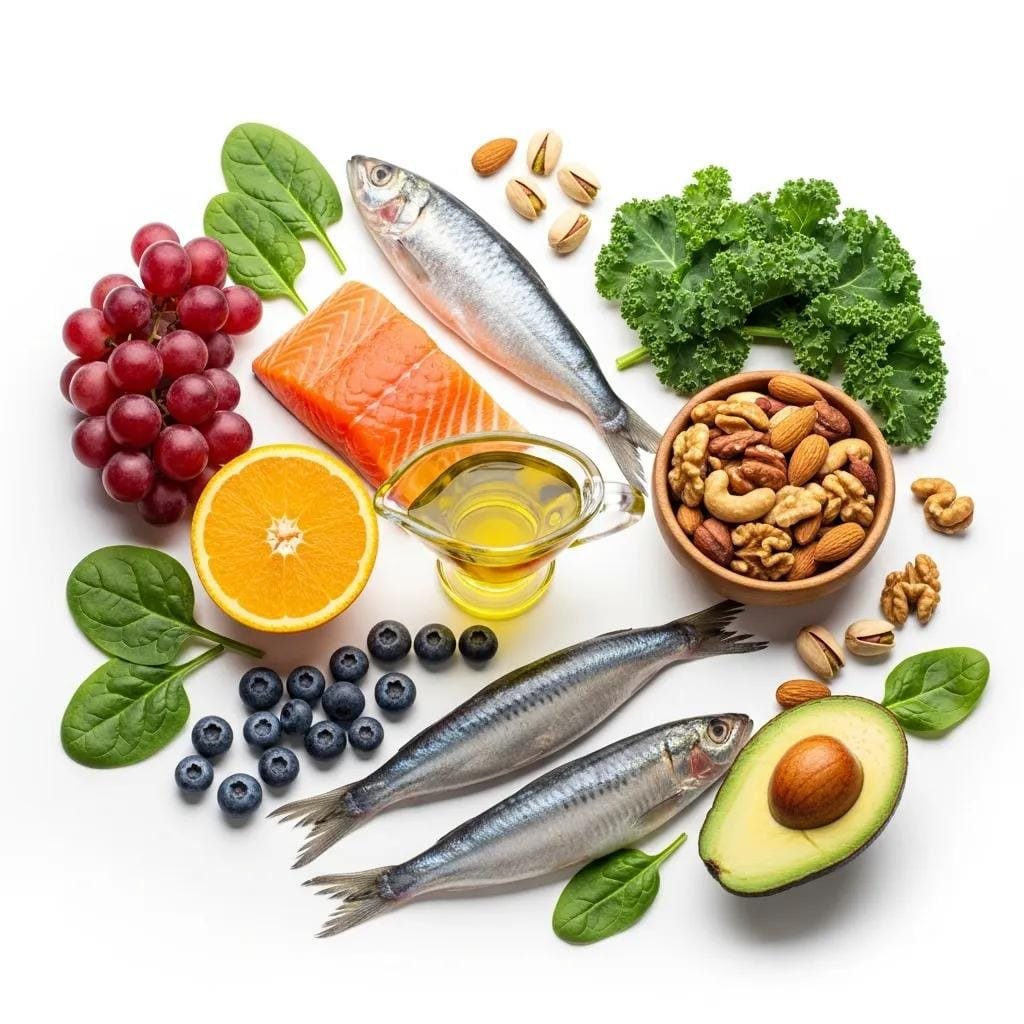
Key anti-inflammatory items in the Mediterranean pattern include extra-virgin olive oil (polyphenols such as oleocanthal), fatty fish (EPA/DHA), nuts (vitamin E and healthy fats), leafy greens and berries (flavonoids), and legumes and whole grains (fermentable fiber). Each contributes distinct anti-inflammatory actions—olive oil phenolics inhibit inflammatory enzymes, omega-3s shift eicosanoid balance, and fiber promotes short-chain fatty acids from the microbiome that lower systemic cytokines. Make these foods routine—olive oil-based dressings, two fish servings per week, and frequent pulses—to accumulate anti-inflammatory benefits. Simple serving guidance makes it easier to replace pro-inflammatory choices with nutrient-dense alternatives.
How It Helps Manage Chronic Inflammatory Conditions
For chronic conditions—like osteoarthritis, metabolic inflammation, and some autoimmune flares—the Mediterranean Diet can serve as an adjunct therapy that lowers symptom burden and improves metabolic markers when used alongside medical care. Clinical trials report reductions in pain scores, inflammatory biomarkers, and medication needs in some groups adopting anti-inflammatory diets, suggesting diet supports long-term management. Individual responses vary, so clinicians often recommend tailored plans, monitoring, and multimodal integration for best outcomes. This clinical perspective sets the stage for examining cognitive benefits where inflammation and vascular health intersect.
What the Mediterranean Diet Does for Brain Health and Cognition
The Mediterranean Diet supports brain health by delivering neuroprotective nutrients—omega-3s, polyphenols, B vitamins, and antioxidants—that reduce neuroinflammation, improve cerebral blood flow, and support synaptic function. Better vascular health and lower oxidative stress reduce neuronal injury, while folate and B12 help manage homocysteine, a marker linked to cognitive risk. Longitudinal studies tie higher adherence to slower cognitive decline and lower dementia rates, suggesting the diet is an important part of a multifactorial prevention strategy. The list below highlights the most impactful neuroprotective nutrients and simple meal ideas to support cognition.
Neuroprotective nutrients and their roles:
- Omega-3 fatty acids: Support membrane fluidity and reduce neuroinflammation.
- Polyphenols: Promote synaptic plasticity and protect against oxidative damage.
- B vitamins: Support methylation and help lower homocysteine linked to cognitive decline.
- Antioxidants: Neutralize free radicals that harm neurons.
Together, these nutrients create a dietary environment that supports cognition and mood, connecting directly to evidence on neurodegenerative disease risk discussed next.
How It Improves Memory, Focus, and Neuroprotection
By improving vascular health, lowering neuroinflammation, and supplying building blocks for neurotransmitters and membrane integrity, the Mediterranean Diet supports memory, attention, and executive function for many people. Randomized and observational studies report modest but consistent gains—better recall, focus, and processing speed—especially when diet is paired with exercise and cognitive engagement. Practical meal examples—salmon with leafy greens, walnut-topped salads, and berry-and-yogurt breakfasts—concentrate brain-supporting nutrients into everyday meals. These swaps support short-term cognitive performance and help reduce long-term decline risk.
Can It Reduce Risk of Neurodegenerative Diseases Like Alzheimer’s?
Observational evidence links higher Mediterranean-style adherence with lower Alzheimer’s risk and slower cognitive decline in many long-term studies, though observational data alone can’t prove causation. Plausible mechanisms—better clearance of amyloid-related stress, reduced inflammation, and preserved vascular perfusion—support the idea that diet contributes to neuroprotection. Prevention strategies that combine diet, exercise, vascular risk control, and mental stimulation offer the best chance of impact. For people at higher risk, individualized plans anchored in these principles and coordinated with clinicians provide the most practical path forward.
How the Mediterranean Diet Helps with Weight and Metabolic Health
The Mediterranean Diet supports sustainable weight management and metabolic health by promoting satiety with fiber, healthy fats, and protein, stabilizing blood sugar through low-glycemic choices, and encouraging a diverse microbiome that aids metabolic regulation. Compared with restrictive low-fat or low-carb programs, Mediterranean-style patterns often deliver similar or better long-term weight outcomes because adherence is higher and the approach is more flexible. Through increased satiety, smaller post-meal glucose spikes, and anti-inflammatory effects, the diet improves insulin sensitivity and lowers type 2 diabetes risk when followed consistently. The table below links metabolic components to physiological effects and clinical outcomes to guide practical implementation.
Metabolic component mapping:
| Dietary Component | Metabolic Effect | Clinical Outcome |
|---|---|---|
| Fiber-rich legumes | Slow carbohydrate absorption and increase fullness | Improved glycemic control and reduced weight regain |
| Healthy fats (olive oil, nuts) | Boost satiety and blunt glycemic spikes | Better insulin sensitivity and weight maintenance |
| Low processed sugar intake | Reduces hepatic lipogenesis | Lower triglycerides and improved metabolic profile |
These links explain why Mediterranean choices lead to durable metabolic benefits and point to concrete behaviors for sustainable weight loss.
What Role Does It Play in Sustainable Weight Loss?
Sustained weight loss with a Mediterranean plan comes from high-satiety foods—vegetables, legumes, nuts, and olive oil—that lower energy density and improve adherence, rather than strict calorie cutting. Social eating, slower meals, and a focus on whole foods support long-term maintenance by reducing rebound hunger and preserving enjoyment. Trials show Mediterranean-style programs often equal or outperform low-fat diets for long-term weight because people stick with them. Simple portion strategies—a plate model heavy on vegetables with moderate protein—help translate these principles into everyday routines for stable calorie balance and better metabolic markers.
How It Regulates Blood Sugar and Helps Prevent Diabetes
The Mediterranean Diet manages blood sugar by prioritizing low-glycemic carbs, fiber, and healthy fats that blunt postprandial glucose spikes and improve insulin sensitivity over time. Clinical trials and cohort studies link regular adherence with lower type 2 diabetes incidence and improved glycemic control among people with prediabetes. Practical swaps—choosing whole grains over refined ones, adding legumes to meals, and pairing carbs with fats and protein—reduce glycemic load and support long-term glucose control. For those with metabolic syndrome or diabetes risk, combining diet with physical activity and regular clinical monitoring yields the best results.
Practical meal-prep ideas and planning tips:
- Make large batches of legume-based salads to keep fiber and protein on hand for several days.
- Use olive oil dressings and sprinkle nuts to add healthy fats that slow carbohydrate absorption.
- Schedule two fish-centered dinners each week to maintain steady omega-3 intake.
These simple meal-prep approaches make the pattern practical and sustainable, and they point readers toward clinical support when needed.
Clinical support: Internal Healing and Wellness MD provides individualized evaluations and integrative programs that pair Mediterranean-style dietary counseling with metabolic optimization, IV nutrient therapies, regenerative joint options, and bioidentical hormone assessment as part of a personalized care plan. The practice focuses on addressing root causes with tailored protocols and patient education, and can provide codes for potential reimbursement where appropriate. If you want a structured, clinician-guided plan that combines dietary change with targeted therapies, scheduling a consultation with Dr. Fred Bloem can help turn evidence-based strategies into a sustainable program customized to your goals.
Frequently Asked Questions
What challenges might I face when adopting the Mediterranean Diet?
Common challenges include access to fresh ingredients in some regions, the habit shift away from processed foods, and the extra time meal planning and preparing whole-food meals can require. Learning portion sizes and balanced plates can also feel unfamiliar at first. Education, simple recipes, and stepwise changes—plus clinical or coaching support when needed—typically make the transition manageable.
How can I follow the Mediterranean Diet with a busy schedule?
Meal prep and planning are the most effective tools. Batch-cook grains and legumes on weekends, keep canned or frozen vegetables and legumes on hand, and use quick-cooking grains like quinoa or bulgur. Simple assemblies—salads with pre-cooked grains and canned fish or large one-pan meals—save time. Frozen fruit and vegetables are nutritious, convenient alternatives to fresh when shopping is limited.
Are there foods I should avoid on the Mediterranean Diet?
The pattern emphasizes whole, minimally processed foods, so it’s best to limit highly processed products, refined sugars, trans fats, and excess red or processed meats. Focus on plant proteins, healthy fats, and whole grains. Occasional indulgences are compatible with the pattern when kept in moderation.
Can the Mediterranean Diet work for vegetarians or vegans?
Yes. Replace animal proteins with legumes, nuts, seeds, and whole grains to meet protein needs. Eat a wide variety of fruits and vegetables for vitamins and minerals. For omega-3s, use flaxseed, chia, walnuts, or algae-based supplements. With thoughtful planning, vegetarians and vegans can gain the same health benefits.
Does the Mediterranean Diet affect mental health?
Yes—research links the pattern to better mental health outcomes, including lower rates of depression and anxiety. Nutrient-dense foods supply vitamins, minerals, and healthy fats that support brain function, while omega-3s and polyphenols may improve mood and cognition. The social aspects of shared meals also foster connection and emotional well-being.
How important is physical activity in the Mediterranean lifestyle?
Physical activity is a key part of the Mediterranean lifestyle. Regular moderate exercise—walking, cycling, gardening—boosts cardiovascular health, improves insulin sensitivity, and supports weight management. The approach encourages making activity a natural and enjoyable part of daily life, working together with diet to promote longevity, resilience, and overall well-being.
Conclusion
Adopting the Mediterranean Diet gives you practical, evidence-backed benefits: better heart health, improved cognition, and sustainable weight and metabolic control. It’s a flexible, whole-foods approach that pairs naturally with daily movement, sleep, and social eating to support long-term well-being. Start with small, consistent changes—more vegetables, olive oil, legumes, nuts, and fish—and build routines that fit your life. If you want personalized guidance, our resources and clinical programs can help you translate these principles into a sustainable plan tailored to your goals.