
Scalp Health Essentials for Hair Growth — A Practical, Natural Guide
A healthy scalp is the foundation of stronger, more resilient hair. It means an intact skin barrier, balanced oil production, low-level inflammation, and a supportive microbiome — all of which let hair follicles cycle normally. This guide brings together current evidence and practical, clinically minded routines for scalp care and hair growth: gentle daily habits, targeted nutrients, sensible hygiene, and clear criteria for seeking medical evaluation. You’ll learn to spot signs of a healthy scalp, support the scalp microbiome, choose nutrients and topicals wisely, treat chronic dandruff without harming follicles, and follow a root-cause pathway when thinning continues. Practical how-to steps — from scalp massage and product choices to diet and circulation habits — are paired with red flags that merit clinical referral. Throughout, we frame suggestions with contemporary research and explain how personalized, root-focused care can lead to targeted options like regenerative treatments and hormone balancing when appropriate.
What Defines a Healthy Scalp for Optimal Hair Growth?
A scalp that supports hair growth keeps its barrier intact, regulates sebum, maintains immune tolerance at low levels, and avoids persistent microbial imbalances that spark inflammation. Those features reduce stress on follicles, allow normal anagen phases, and limit miniaturization — which preserves hair density and strand thickness. Watching your scalp over several weeks makes it easier to see improvements from treatment and to catch early warning signs so you can try conservative steps before moving to invasive care. Below is a practical checklist to help you recognize a well-functioning scalp and decide when to escalate evaluation.
The checklist below summarizes observable and functional markers of a healthy scalp:
- Low flaking and minimal itching: No persistent visible scales or daily, bothersome itching.
- Balanced oiliness: Scalp feels neither overly greasy nor chronically dry between washes.
- Even skin tone with low redness: Little to no persistent erythema or irritation.
- Normal shedding rates: No sudden, sustained increases in daily hair loss above your baseline.
- Good scalp elasticity and absence of pain: No tender lumps, nodules, or ongoing soreness.
Use this checklist weekly to spot trends; persistent shedding or marked inflammation should prompt clinical assessment and targeted testing to find underlying causes.
How Can You Recognize Signs of a Healthy Scalp?
Start with simple visual and tactile checks: part your hair in a few places to inspect for even skin tone and minimal flaking, note a natural sheen without heavy greasiness, and run fingertips across the scalp to feel for pliability and absence of tender bumps. These observations suggest an intact stratum corneum and balanced sebaceous activity — both important for a supportive follicle environment. Try a basic self-check routine: examine multiple scalp zones, gently feel for oiliness or sensitivity, and track daily shedding with a comb or shower check. Persistent redness, scaly plaques, severe itching, or rapidly increasing hair loss over several weeks are red flags that warrant a clinician’s evaluation.
Regular self-assessment lets you catch changes early and make simple adjustments — for example, switching to a milder cleanser or changing wash frequency. If symptoms continue or worsen, seek laboratory or dermatology input to rule out inflammatory or systemic contributors.
What Common Scalp Conditions Affect Hair Growth?
A number of scalp disorders can undermine hair growth by causing inflammation, blocking follicles, or triggering immune-related follicle damage. Common examples include dandruff (seborrheic dermatitis), psoriasis, folliculitis, and alopecia areata. Each has characteristic signs — fine flakes and itch for dandruff, thick silvery plaques for psoriasis, pustules for folliculitis, and discrete patches of hair loss for alopecia — and each affects follicles differently. Chronic inflammation shortens anagen or prompts shedding, while repeated scratching and barrier damage create an unfavorable environment for regrowth. Spotting these patterns helps guide topical choices or referrals for systemic or regenerative therapies if conservative care doesn’t work.
Treating the underlying process — whether microbial imbalance, immune dysregulation, or infection — reduces recurrence and supports long-term hair recovery. That leads naturally to the role of the scalp microbiome in overall scalp health.
How Does the Scalp Microbiome Influence Hair Growth and Scalp Health?
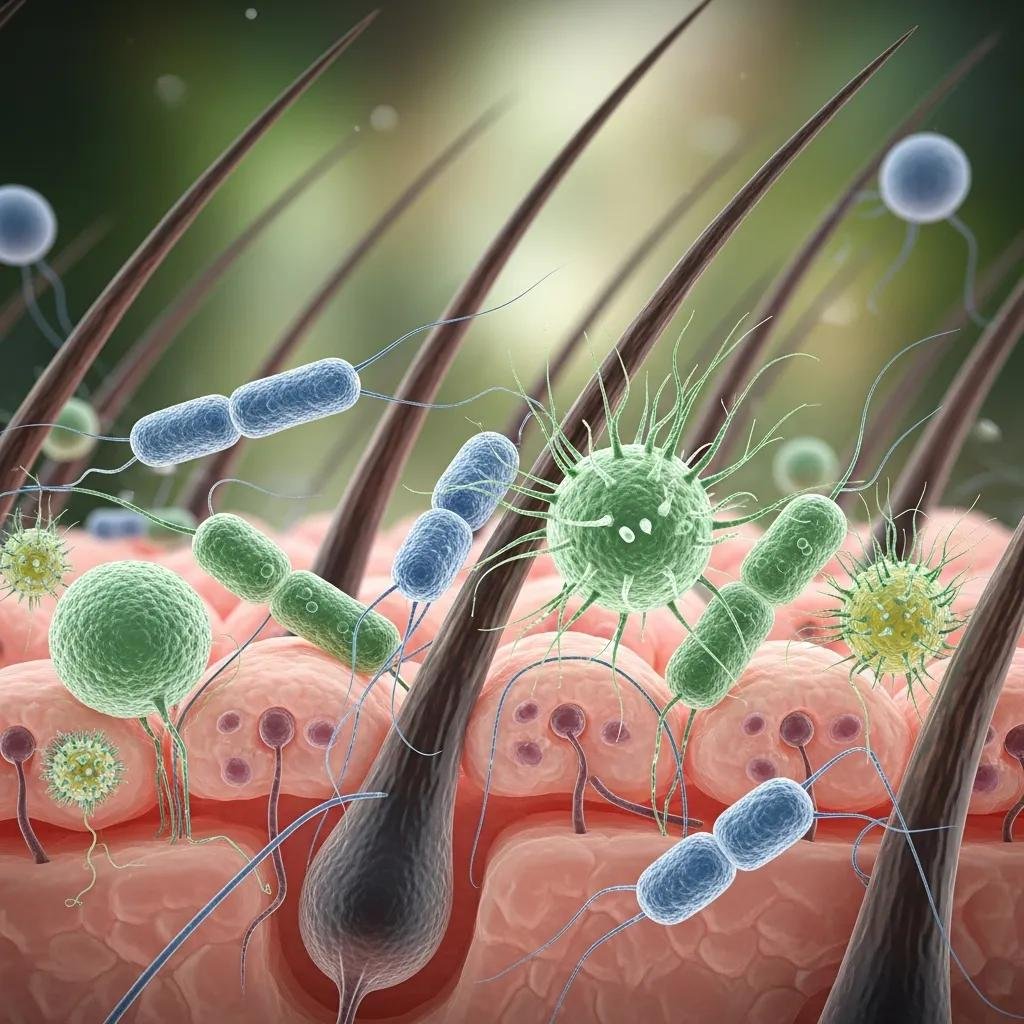
The scalp microbiome — the mix of bacteria, fungi, and other microbes on your skin — interacts closely with immunity and the skin barrier. When balanced, it helps protect follicles; when disrupted, it can trigger inflammation and alter sebum in ways that harm hair growth. Overgrowth of certain organisms, notably Malassezia species, can activate local immune responses, speed cell turnover, and create chronic follicle stress. Keeping the microbiome balanced lowers inflammatory signaling near the follicle base, preserves barrier function, and helps normalize sebum and shedding. Below are practical maintenance principles and a short clinical note on targeted testing when problems persist.
Clinical note: Some integrative clinicians include scalp microbial assessment in a broader evaluation, combining microbial findings with nutrition, topical strategies, and targeted antifungal or probiotic options to build a personalized plan. This approach helps determine when OTC measures are sufficient and when medicated or procedural care is needed.
What Is the Role of the Scalp Microbiome in Hair Follicle Health?
The scalp microbiome shapes immune activity and barrier integrity, influencing nutrient access and inflammatory tone around follicles. When commensal microbes are balanced, they help train local immunity and limit opportunistic overgrowth. Dysbiosis — for example, yeast proliferation linked to flaking — raises cytokine levels and keratinocyte turnover, disrupting the follicle niche and encouraging shedding or miniaturization. Research up to early 2024 highlights microbiome–immune interactions as a pathway connecting external exposures and diet to scalp inflammation, suggesting that modulating microbial communities can lower pathogenic inflammation and support follicle recovery. This explains why thoughtful hygiene changes or targeted topicals often produce measurable improvements.
Knowing the microbiome’s role supports a balanced plan: use gentle cleansing, avoid repeated harsh stripping of oils, and consider topical or systemic measures guided by testing when dysbiosis is suspected.
How Can You Maintain a Balanced Scalp Microbiome Naturally?
Support the scalp microbiome with gentle, consistent hygiene, careful product choices that skip harsh surfactants and heavy fragrances, and lifestyle steps that lower systemic inflammation — for example, an anti-inflammatory diet and stress management. Practical tips include alternating a mild, pH-balanced shampoo with medicated washes only as needed, avoiding daily over-washing that removes commensals, and using topical prebiotic or probiotic formulations as adjuncts in select cases. Cutting back on frequent heat styling and chemical treatments protects the skin barrier and microbial diversity, while diets rich in omega-3s, fiber, and fermented foods may help systemic microbial balance and immune tolerance. If symptoms persist despite these measures, targeted antifungal or anti-inflammatory therapies — chosen with clinician input — can restore balance more quickly.
These maintenance strategies naturally lead into nutrient and topical measures that directly support follicle structure and the scalp environment.
Which Natural Hair Growth Remedies Support Scalp Health?
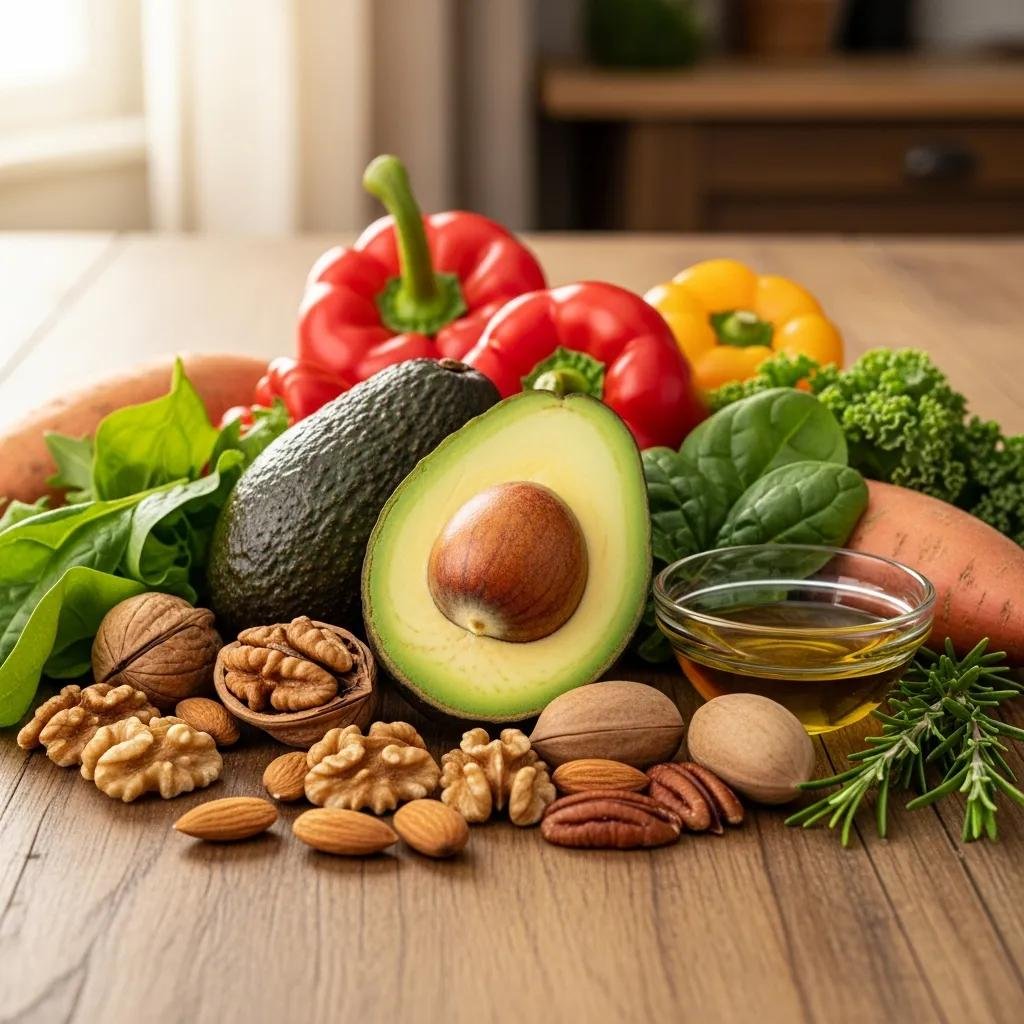
Natural remedies and lifestyle choices support hair growth by supplying building blocks for keratin, lowering scalp inflammation, and improving microcirculation to follicles. Evidence-backed strategies include ensuring adequate protein and micronutrients, using scalp massage and select essential oils to boost circulation, and avoiding practices that damage the barrier. The table below maps key nutrients and supplements to their biological roles and practical sources or testing notes to help guide decisions.
| Nutrient / Supplement | Mechanism / Role | Food Sources / Typical Notes |
|---|---|---|
| Protein (Amino acids) | Provides building blocks for keratin and hair shaft formation | Lean meats, legumes, eggs; ensure adequate daily protein for repair |
| Iron | Supports oxygen delivery to follicle cells and prevents telogen shift | Red meat, spinach, lentils; check ferritin before supplementing |
| Zinc | Needed for cell division, repair, and immune balance | Shellfish, pumpkin seeds; avoid high-dose long-term use without testing |
| Biotin (B7) | Supports keratin infrastructure and hair/nail matrix | Eggs, nuts; true deficiency is uncommon — test if clinical signs suggest it |
| Omega-3 fatty acids | Reduces scalp inflammation and helps maintain the lipid barrier | Fatty fish, flaxseed; consider supplements if dietary intake is low |
| Vitamin D | Modulates immune responses near the follicle | Sun exposure, fortified foods; check serum 25(OH)D before dosing |
What Nutrients and Vitamins Are Essential for Hair Follicle Strength?
Key nutrients supply amino acids for keratin production, support cellular energy, and modulate inflammation and immune activity at the follicle. Protein delivers the structural building blocks, iron keeps rapidly dividing follicle cells oxygenated, zinc supports DNA replication and repair, and essential fatty acids sustain scalp hydration and barrier function. Vitamin D and certain B vitamins influence immune balance and cellular metabolism. In clinical practice we usually test (ferritin, vitamin D, zinc) before recommending high-dose supplements so therapy addresses true deficiencies rather than guessing.
A testing-first approach reduces interaction risks and unnecessary expense, and increases the chance of measurable improvements in hair quality.
How Do Scalp Massage and Essential Oils Improve Scalp Circulation?
Scalp massage increases local blood flow and lymphatic drainage, which can lengthen anagen by improving nutrient delivery and lowering local stress signals. Daily five- to ten-minute massage routines using firm circular motions have been associated with increases in hair thickness and perceived density over months, likely through better follicular perfusion and mechanotransduction. Certain essential oils — notably rosemary and peppermint — have small studies suggesting they stimulate circulation and offer mild anti-inflammatory or antimicrobial benefits when diluted correctly in a carrier oil. Safety guidance: dilute to about 1–2% in carrier oil, patch-test for sensitivity, and avoid use on broken or actively inflamed skin.
Used together, massage and carefully chosen botanicals are practical adjuncts. Consistency and proper safety precautions help maximize benefit while limiting irritation.
What Are Effective Dandruff Treatments to Promote Hair Growth?
Chronic dandruff and seborrheic dermatitis can interfere with hair growth by creating low-grade inflammation, changing sebum composition, and provoking scratching that damages follicles. Effective treatment reduces pathogenic microbes, soothes inflammation, and restores barrier function so follicles can return to productive growth. Options range from medicated antifungal shampoos to supportive natural adjuncts; the table below compares common choices, their mechanisms, and when to use them.
| Treatment Option | Use-case / Mechanism | When to Use / Notes |
|---|---|---|
| Ketoconazole shampoo | Antifungal that reduces Malassezia-related flaking | Use 1–2 times weekly for several weeks; escalate care if symptoms persist |
| Selenium sulfide shampoo | Reduces scaliness and lowers fungal load | Good for moderate dandruff; rotate with a gentle cleanser |
| Zinc pyrithione products | Antimicrobial and anti-inflammatory action | Useful for maintenance and mild flaking |
| Tea tree oil (topical) | Natural antifungal and calming anti-inflammatory | Use diluted as an adjunct for mild cases or maintenance |
| Scalp exfoliation (chemical/physical) | Removes scales and improves product penetration | Use carefully; avoid over-exfoliating inflamed skin |
How Does Dandruff Impact Hair Loss and Scalp Health?
Dandruff contributes to hair shedding mainly through persistent inflammation and mechanical damage from scratching, both of which shorten anagen and push hairs into telogen. Longstanding flaking often accompanies sebaceous dysfunction and microbial imbalance that keep inflammatory mediators near follicle bulbs, undermining keratinocyte support for growing hairs. Clinically, sudden or noticeable increases in shedding, or patchy thinning with intense itch or scaling, call for earlier intervention rather than prolonged trial-and-error with mild products. Prompt antifungal or anti-inflammatory treatment limits ongoing damage and creates a clearer window for regrowth once inflammation settles.
Seeing dandruff as more than a cosmetic problem allows targeted treatment that protects follicles and supports recovery — which guides the choice of remedies below.
Which Natural and Medicated Remedies Help Control Dandruff?
A stepwise dandruff plan balances effectiveness and tolerability: start with proven medicated agents for active control (for example, ketoconazole or selenium sulfide), then add natural adjuncts for comfort and maintenance. Natural options like diluted tea tree oil or soothing botanicals can help, but they’re generally less potent than medicated antifungals and work best after the primary microbial load is reduced. Rotating medicated shampoos with a gentle, pH-balanced cleanser prevents overuse while maintaining control. If symptoms persist after several weeks of appropriate topical therapy, seek clinical evaluation to rule out other diagnoses such as psoriasis or tinea capitis.
Following a structured trial — medicated induction, then maintenance with adjunctive natural care — minimizes follicle damage and supports sustained improvement in hair health.
How Can Holistic Hair Loss Solutions Address Root Causes?
Holistic hair-loss care focuses on root causes: take a detailed history, run targeted labs, treat underlying imbalances (hormonal, nutritional, autoimmune, or inflammatory), and support regeneration with lifestyle, topical, and procedural tools. Mapping causes to diagnostics and interventions lets patients move from symptom control toward durable recovery by addressing systemic drivers of follicle dysfunction. The table below outlines common root causes, diagnostic approaches, and integrated therapies to help build a personalized pathway.
| Root Cause | Diagnostic Approach | Therapies / Lifestyle / Expected Outcomes |
|---|---|---|
| Androgen-mediated thinning (DHT) | Hormone history and targeted androgen testing | Anti-androgen strategies, topical therapies, and supervised BHRT when appropriate; aim is to slow miniaturization |
| Nutrient deficiencies | CBC, ferritin, vitamin D, zinc and related panels | Corrective supplementation and dietary optimization; expect improved hair shaft quality |
| Autoimmune alopecia | Clinical examination and autoimmune serologies | Immunomodulatory therapies with close monitoring; regrowth varies by case |
| Chronic inflammation / scalp disease | Scalp exam, microbiome assessment, inflammatory markers | Medicated topical care, microbiome-directed strategies, and anti-inflammatory lifestyle measures |
| Gut dysbiosis / systemic contributors | GI history and targeted functional testing when indicated | Gut-directed nutrition, probiotics, and an anti-inflammatory diet to support systemic balance |
What Is the Role of Hormonal Balance in Hair Growth?
Hormones — especially androgens like DHT, plus thyroid hormone, estrogen, and progesterone — are central to hair-cycle regulation and follicle sensitivity. Imbalances can accelerate miniaturization or cause diffuse shedding. Androgenetic patterns reflect DHT’s effect on genetically susceptible follicles, while thyroid dysfunction often produces diffuse thinning by altering metabolic support for hair growth. Bioidentical hormone replacement (BHRT) and targeted endocrine care may be options when testing shows imbalance, but these require individualized assessment and ongoing monitoring. Clinical management seeks to restore hormonal balance while protecting follicles with nutritional and topical support.
Hormonal evaluation and specialist-guided treatment clarify whether loss is androgen-driven or systemic, and help tailor interventions that maximize the chance of regrowth.
How Does Functional Medicine Integrate Treatments for Hair Restoration?
Functional medicine ties history, testing, treatment, and follow-up into a clear pathway: gather a detailed history, order targeted labs, implement individualized therapies (nutrition, hormones, microbiome, regenerative), and monitor outcomes over months. This staged approach combines nutrient correction, stress and sleep optimization, evidence-based topicals, and procedural options such as PRP or growth-factor therapies when appropriate. Case examples (presented generally) show how fixing iron deficiency or improving gut health can precede visible density gains, while adding regenerative procedures may speed recovery for select patients. Regular monitoring allows adjustments and avoids unnecessary interventions.
A diagnostic-first, personalized pathway favors measurable targets over one-size-fits-all fixes, and this aligns naturally with integrative regenerative strategies discussed below.
When a diagnostic-first plan is helpful, some patients benefit from a clinical consultation to review labs, rule out systemic contributors, and talk through advanced options such as regenerative medicine and hormone optimization. Internal Healing and Wellness MD provides personalized consultations that review medical history, recommend targeted testing, and outline integrative treatment plans — including regenerative hair restoration approaches and bioidentical hormone therapy when clinically appropriate. These visits focus on identifying root causes and building a monitored, individualized plan that combines nutrition, scalp-directed care, and procedural options as needed.
If you’re considering an in-depth assessment, Internal Healing and Wellness MD in Kensington can offer a structured consultation and a personalized plan that may include regenerative treatments and hormone management where indicated.
How Can You Improve Scalp Circulation for Enhanced Hair Growth?
Better scalp circulation improves oxygen and nutrient delivery to follicles, supporting anagen activity and hair synthesis. Practical methods include manual scalp massage, regular aerobic exercise, posture and breathing practices, and targeted devices or clinical procedures when appropriate. Improved microcirculation can also lower local inflammatory mediators and aid waste clearance in the follicle niche. Below are specific techniques and lifestyle supports you can add to daily routines to promote sustained circulatory benefits for hair health.
The stepwise massage protocol below gives practical cadence and technique for daily use:
- Warm-up: Use your fingertips to apply light pressure across the scalp for 30 seconds to raise skin temperature.
- Circular stimulation: Use firm circular motions with the pads of your fingers for 5–10 minutes, focusing on thinner areas.
- Pulsing pressure: Gently lift and release pressure along the scalp for 1–2 minutes to support lymphatic flow.
- Finish with light strokes: Return to gentle one-minute strokes to settle vascular tone.
Do this routine daily or at least 4–5 times per week to improve perfusion over months; pair with topicals if advised and avoid excessive force to prevent irritation.
What Techniques Stimulate Blood Flow to Hair Follicles?
Daily manual scalp massage with firm, circular pressure for 5–10 minutes is a practical way to boost local blood flow, engage mechanotransduction, and support follicles; studies link consistent practice with improvements in thickness over time. Adjunctive tools such as low-level laser devices or dermarollers can enhance circulation and product absorption, but use them following evidence-based protocols to avoid trauma. Focus on gentle, sustained pressure rather than aggressive scraping, and build sessions into your routine to increase adherence. If at-home methods are insufficient, clinician-delivered procedures like PRP or microneedling can amplify circulatory and regenerative signals to follicles.
Combined with systemic support, these techniques form a layered plan that progressively improves the follicular environment and regrowth potential.
How Do Lifestyle Changes and Diet Support Scalp Circulation?
Diet and lifestyle affect microcirculation by influencing vascular health, inflammation, and metabolic support for follicular cells. An anti-inflammatory eating pattern rich in omega-3s, antioxidants, adequate hydration, and regular aerobic exercise supports endothelial function and scalp perfusion. Sleep quality and stress reduction are equally important because chronic stress raises cortisol and sympathetic tone, constricting microvasculature and impairing nutrient delivery. Practical steps include regular moderate-intensity cardio several times per week, staying well hydrated, and choosing whole foods, healthy fats, and polyphenol-rich vegetables. Over weeks to months, these systemic changes reinforce topical and manual approaches to create a more nourishing environment for hair growth.
Improving circulation through combined daily habits sustains follicle health and magnifies the impact of localized scalp therapies described earlier.
Dr. Bloem's Personalized Hair Restoration Programs
For patients who want an integrated path from diagnostics to treatment, Internal Healing and Wellness MD offers consultation-based programs that evaluate hormones, nutrient panels, scalp status, and candidacy for regenerative procedures. Consultations translate findings into personalized protocols combining lifestyle advice, targeted supplements, topical care, and procedural regenerative medicine when indicated. Booking a consult gives you a clear plan and monitoring framework so progress can be measured and treatments adjusted as needed; contact information is available to schedule a personalized assessment with Dr. Fred Bloem, MD.
These clinical programs complement the natural and lifestyle strategies above, providing structured options when conservative measures don’t fully address underlying causes.
Frequently Asked Questions
What lifestyle changes can enhance scalp health?
Simple lifestyle shifts make a big difference: eat a balanced, anti-inflammatory diet rich in omega-3s and antioxidants, stay hydrated, and exercise regularly to improve circulation. Manage stress with mindfulness, breathwork, or gentle movement, and prioritize sleep to support repair. These habits reduce systemic inflammation and create a better environment for scalp recovery and hair growth.
How often should I wash my hair for optimal scalp health?
Washing frequency depends on your scalp type and hair texture. For many people, 2–3 times per week maintains cleanliness without stripping natural oils. Oily scalps may need more frequent washing; dry scalps often benefit from less. Choose a mild, pH-balanced shampoo and adjust based on how your scalp responds.
Can stress affect my scalp health and hair growth?
Yes. Chronic stress elevates cortisol and can trigger inflammation and disruptions in the hair cycle, sometimes causing increased shedding. Stress-reduction practices — such as meditation, regular exercise, and better sleep — can help restore hormonal balance and support a healthier scalp environment.
What role does hydration play in scalp health?
Hydration supports the skin barrier and helps prevent dryness and irritation. A well-hydrated scalp regulates oil production and helps maintain a balanced microbiome, which is important for hair growth. Drink adequate water, eat hydrating foods, and consider topical hydrators if your scalp is prone to dryness.
Are there specific essential oils that promote scalp health?
Certain essential oils have supportive evidence: rosemary and peppermint may improve circulation, and tea tree oil has antifungal properties helpful for mild dandruff. Always dilute essential oils in a carrier oil (roughly 1–2%) and perform a patch test before broader application. Avoid using essential oils on broken or inflamed skin.
How can I tell if my scalp condition is worsening?
Watch for increased itching, persistent redness, heavier flaking, new patches of hair loss, or a sudden rise in shedding. Changes in scalp texture or ongoing soreness are also warning signs. If symptoms persist or worsen, consult a healthcare professional so early intervention can prevent further damage and guide effective treatment.
Nurturing a Healthy Scalp for Vibrant Hair Growth
Strong hair begins with a healthy scalp. By combining evidence-informed natural care, sensible lifestyle habits, and targeted treatments when needed, you can create the conditions that support regrowth and resilience. For individualized guidance and a measured plan tailored to your situation, consider a consultation with our team. Explore our resources or schedule an assessment to begin a purposeful path toward healthier hair and scalp.