


Practical, Personalized Strategies to Prevent Osteoporosis and Keep Your Bones Strong
Osteoporosis weakens the skeleton by lowering bone mineral density and degrading bone structure, which raises the chance of fractures. This article lays out a whole-person, personalized prevention plan to slow bone loss and reduce fracture risk. You’ll find clear explanations of how hormones, targeted nutrition, exercise, and lifestyle changes work together to preserve strength—and practical next steps for screening, monitoring, and individualizing care. We summarize current evidence on calcium, vitamin D and K2, magnesium, and proven exercise approaches, and explain why menopause and other hormonal shifts accelerate bone loss. Practical sections offer meal ideas, guidance on supplements, progressive weight-bearing and resistance work, and actionable screening using DEXA and FRAX. Throughout, we connect cellular mechanisms (osteoblast/osteoclast balance) to real-world interventions (nutrition, BHRT, regenerative therapies) so you can build a prevention plan that fits your health needs and daily goals. If you want a tailored evaluation, we point you to the labs, imaging, and clinical conversations that help create a safe, effective plan.
What Is Osteoporosis and Why Is Prevention Crucial?
Osteoporosis is a systemic skeletal condition marked by low bone mass and microarchitectural decline that increases fracture risk. It develops when bone resorption outpaces formation, leaving bones weaker and more likely to break. Preventing osteoporosis preserves independence, reduces hospitalizations and long-term disability, and lowers the personal and societal burden of fragility fractures. Research shows that timely screening and a multifaceted prevention strategy—addressing hormones, nutrition, exercise, and lifestyle—can meaningfully reduce fractures in people at risk. Early intervention is especially important around menopause and when taking medications that accelerate bone loss, because treatments are generally more effective before substantial bone loss occurs.
How Does Osteoporosis Affect Bone Strength and Fracture Risk?
Bone strength reflects both bone mineral density and bone quality, which depend on coordinated activity between osteoblasts (cells that build bone) and osteoclasts (cells that resorb bone). When remodeling becomes unbalanced—due to hormonal decline, nutrient gaps, or chronic inflammation—microarchitectural damage accumulates, lowering bone toughness and increasing the risk of low-energy fractures. Typical clinical outcomes include vertebral compression fractures, hip fractures, and wrist (distal radius) fractures, often accompanied by pain, height loss, and reduced mobility that can lead to broader health decline. Understanding how cellular remodeling links to clinical risk helps target prevention strategies that restore balance and strengthen bone over time.
What Are the Key Risk Factors for Osteoporosis?
Risk factors include non-modifiable elements—older age, female sex, family history, and prior low-trauma fractures—as well as modifiable contributors such as smoking, heavy alcohol use, poor nutrition, inactivity, and certain medications that speed bone loss. Secondary causes like sex-hormone deficiency, thyroid dysfunction, prolonged glucocorticoid therapy, and chronic inflammatory illness also raise fracture risk and deserve medical evaluation. Screening should focus on people with multiple risks or rapid-loss windows, especially during menopause or when starting long-term therapies that affect bone. Tackling modifiable risks early improves the chance of preserving bone density and preventing disabling fractures.
How Does Hormonal Balance Support Bone Density?
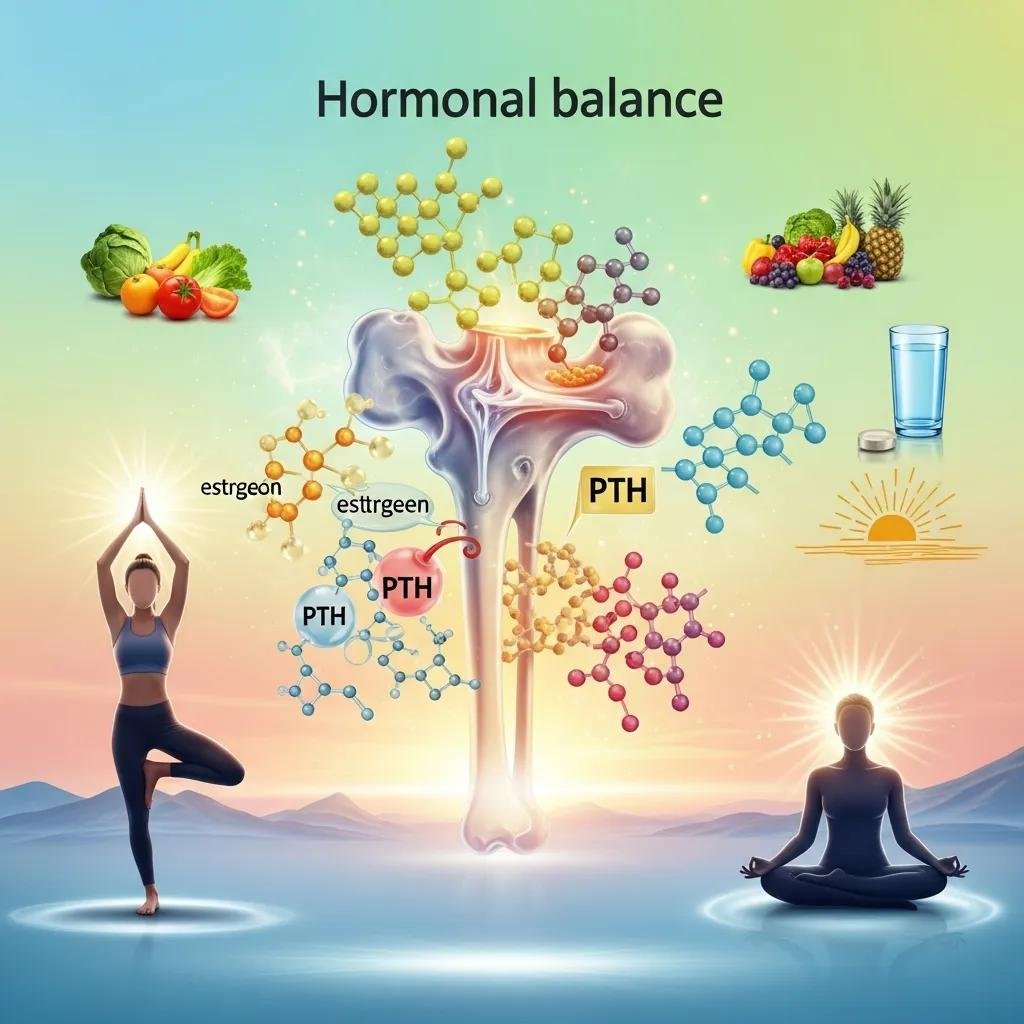
Hormones are central to bone homeostasis: sex steroids, thyroid hormones, and stress hormones directly influence osteoblast and osteoclast activity. Estrogen and testosterone tend to limit bone resorption, while excess cortisol or thyroid hormone can increase it. Evidence shows that maintaining physiological sex-hormone levels supports bone mineral density, lowers turnover markers, and reduces fracture risk when managed safely and individually. Clinical options to restore balance include lifestyle measures, treating thyroid or adrenal problems, and—for selected patients—bioidentical hormone replacement therapy (BHRT) under medical supervision. A personalized assessment is essential to weigh benefits, contraindications, and monitoring before starting hormonal therapies.
Each hormonal approach works differently and requires matching the therapy to the person’s risk profile and goals.
| Hormone / Therapy | Effect on Bone | Evidence & Clinical Considerations |
|---|---|---|
| Estrogen (replacement) | Reduces bone resorption and helps preserve BMD | Strong evidence for lowering fracture risk in estrogen-deficient individuals; needs individualized risk assessment and monitoring |
| Testosterone (in men) | Supports bone formation and preserves muscle mass that protects bone | Improves BMD in men with low testosterone; monitor hematocrit and cardiovascular risk factors |
| Bioidentical Hormone Replacement Therapy (BHRT) | Mimics endogenous hormones to rebalance remodeling | Growing but limited evidence for BMD preservation when tailored and monitored; suitability is case-by-case |
This comparison highlights how different hormonal pathways affect bone and why decisions about hormone therapy require lab monitoring and clinical follow-up.
What Role Does Bioidentical Hormone Replacement Therapy Play in Bone Health?
BHRT uses hormones chemically identical to those the body makes to restore signaling that supports bone formation and reduces resorption. Estrogen, for example, lowers osteoclast activity by influencing RANK/RANKL signaling and helps osteoblast survival; androgen replacement supports muscle and the mechanical load that benefits bone. Evidence shows BMD improvements in carefully selected patients, but BHRT requires screening for contraindications, discussion of vascular risks, and individualized dosing with ongoing reassessment. Anyone considering BHRT should have a detailed risk–benefit conversation, baseline labs, and regular follow-up to maximize safety and bone protection.
How Does Menopause Influence Bone Loss and How Can It Be Managed?
Menopause causes a rapid drop in estrogen that often leads to an accelerated phase of bone loss—typically most pronounced in the first five to ten years—resulting in measurable BMD decline and higher fracture risk. Management during this window focuses on timely screening with DEXA when indicated, ensuring adequate calcium and vitamin D, prescribing weight‑bearing and resistance exercise, addressing lifestyle factors like smoking cessation, and considering hormonal options for eligible patients. A practical checklist includes baseline BMD, targeted labs (vitamin D, calcium, magnesium, and relevant hormone tests), and a personalized plan that blends nutrition, exercise, and medical therapies as appropriate. Balancing benefits and risks requires individualized care that considers fracture risk, comorbidities, and patient preferences.
Which Nutritional Strategies Build Strong Bones?

Nutrition provides the building blocks and regulatory support for bone remodeling. A bone-healthy diet supplies calcium for mineralization, vitamin D for absorption, vitamin K2 to help direct calcium into bone, magnesium for matrix formation, and enough protein to maintain bone matrix and muscle mass. Studies support eating dairy or fortified alternatives, leafy greens, fatty fish, nuts, and prunes to help preserve bone mass—especially when vitamin D status is adequate.
Targeted supplements are useful when diet or absorption falls short; testing—particularly for vitamin D and magnesium—helps tailor dosing and avoid interactions. Combining nutrition with exercise and hormonal optimization delivers the strongest preventive benefit for bone density and fracture risk.
The table below summarizes key nutrients, how they support bone, common food sources, and practical dosing guidance.
| Nutrient | Role / Mechanism | Food Sources + Typical Guideline |
|---|---|---|
| Calcium | Primary mineral for bone matrix and mineralization | Dairy, fortified plant milks, leafy greens; aim for 1,000–1,200 mg/day from food and supplements as needed |
| Vitamin D | Boosts calcium absorption and modulates remodeling | Fatty fish, fortified foods, safe sun exposure; target 25(OH)D ~30–50 ng/mL with supplement dosing individualized |
| Vitamin K2 | Activates osteocalcin so calcium is deposited in bone | Fermented foods and certain cheeses; consider MK-4 or MK-7 supplementation under clinician guidance |
| Magnesium | Cofactor for bone matrix enzymes and vitamin D metabolism | Nuts, seeds, whole grains; ensure dietary intake or supplement if serum levels or symptoms indicate deficiency |
| Protein | Provides collagen matrix and supports muscle that loads bone | Lean meats, dairy, legumes; aim for adequate daily protein adjusted for age and activity |
This nutrient comparison outlines complementary roles and practical sources to guide meal planning and supplementation when needed.
What Are the Essential Nutrients for Bone Health: Calcium, Vitamin D, K2, and Magnesium?
Calcium is the primary mineral of bone, and adequate intake from food or supplements is foundational. Pairing calcium with vitamin D improves absorption and use. Vitamin D regulates intestinal calcium uptake and influences bone-cell function, so keeping 25(OH)D in the recommended range is important for fracture prevention. Vitamin K2 helps carboxylate osteocalcin, guiding calcium into bone rather than soft tissue—evidence for MK-7 in supporting bone markers is growing. Magnesium supports many enzymatic steps in mineralization and influences vitamin D activation; common dietary shortfalls justify testing and targeted supplementation for at-risk adults. Together, these nutrients create a biochemical environment that supports mineralization and structural integrity.
How Can a Bone-Healthy Diet and Targeted Supplementation Prevent Osteoporosis?
A practical bone-healthy day centers on calcium-rich meals, foods that support vitamin D status, enough protein, and fiber to help the gut microbiome aid absorption. Examples include yogurt with fruit and nuts, a leafy-salad with salmon, and beans with whole grains. Supplement choices should follow testing: use vitamin D to reach target serum levels, supplement calcium only if dietary intake is inadequate, consider vitamin K2 and magnesium when deficits or risk factors exist, and avoid large single-nutrient megadoses without supervision. Typical monitoring includes rechecking vitamin D after 8–12 weeks of supplementation, repeating DEXA every 1–3 years based on risk and therapy, and periodic review of labs and symptoms to adjust dosing. A coordinated plan of diet, safe supplements, and monitoring lowers long-term fracture risk most effectively.
What Exercises Strengthen Bones and Prevent Osteoporosis?
Exercise drives bone formation through mechanical loading and improves balance and muscle strength to lower fall risk. Weight‑bearing impact activities and progressive resistance training are the core methods for increasing or maintaining bone mineral density. Exercise plans should be individualized for function and fracture risk, with gradual progression of load, frequency, and complexity over months to trigger bone adaptation while minimizing injury. Complementary activities—walking, stair climbing, structured strength sessions, and balance practice—produce meaningful benefits for skeletal health and daily function. For people with joint pain or mobility limits, regenerative joint therapies can sometimes reduce symptoms and help them participate more safely in bone‑building programs.
Exercise that loads bone must be consistent and progressively challenging to be effective.
- Weight-bearing impact activities: brisk walking, stair climbing, or light jogging for those with healthy joints.
- Resistance training: progressive loading with free weights, machines, or resistance bands to stimulate new bone formation.
- Balance and mobility work: Tai Chi, single-leg stands, and functional movement to reduce fall risk.
These categories work together to increase mechanical stimulus, boost muscle mass, and lower falls—helping prevent fractures. Programs should be progressed and reviewed regularly.
How Do Weight-Bearing and Resistance Training Improve Bone Density?
Mechanical strain from weight-bearing and resistance exercise activates osteocytes and signaling that favor osteoblast-driven bone formation. Progressive resistance training increases muscle strength and mass, which enhances the forces placed on bone and reduces fracture risk indirectly by improving balance and mobility. Practical guidance includes resistance sessions 2–3 times per week and weight-bearing activity most days, with slow, tolerable increases in load, repetitions, or complexity based on tolerance and reassessment. Monitor progress with strength and functional measures and, when indicated, long-term imaging (DEXA) or biomarkers to ensure safe, sustained benefits.
What Role Do Regenerative Joint Therapies Play in Supporting Musculoskeletal Health?
Regenerative joint therapies—like platelet-rich plasma (PRP), pulsed electromagnetic field therapy (PEMF), laser therapy, and Prolozone—aim to reduce pain and improve joint function so patients can engage more consistently in bone-loading exercise. While direct evidence that these treatments increase bone density is limited, reducing joint pain and restoring function can make progressive loading and rehabilitation possible. When offered, regenerative therapies should be integrated into a comprehensive plan that prioritizes evidence-based exercise, nutrition, and risk assessment.
How Do Lifestyle Factors Influence Bone Health?
Lifestyle deeply affects bone remodeling: chronic stress raises cortisol and favors resorption, poor sleep disrupts hormonal rhythms that regulate turnover, and gut health influences absorption of minerals needed for bone. Environmental and behavioral risks—smoking, excess alcohol, inactivity, and exposure to certain toxins—add to skeletal vulnerability and should be addressed proactively. Holistic lifestyle changes reduce inflammatory drivers of bone loss and support recovery processes that favor formation over resorption. Improving sleep, managing stress, optimizing gut health, and removing modifiable toxins are key parts of a prevention plan that complements nutrients, hormones, and exercise.
What Is the Impact of Stress, Sleep, and Gut Health on Bone Density?
Chronic stress raises cortisol, which can boost osteoclast activity and reduce osteoblast differentiation, shifting remodeling toward net bone loss over time. Sleep disruption interferes with nightly hormone patterns—growth hormone and sex steroids—that support bone repair, so consistent restorative sleep helps anabolic bone processes. The gut microbiome affects calcium and vitamin D absorption and modulates inflammation; dysbiosis can impair nutrient uptake and increase inflammatory signals that accelerate resorption. Screening for stress, sleep quality, and digestive symptoms—and addressing problems with behavioral, nutritional, or medical strategies—reduces these lifestyle drivers of bone loss and supports prevention.
Which Holistic Strategies Optimize Lifestyle for Stronger Bones?
A practical lifestyle plan starts with sleep hygiene—regular schedules, light control, and a calm bedroom—to restore hormonal rhythms related to bone remodeling. Stress-reduction tools like mindfulness, breathing exercises, and regular movement lower cortisol and inflammatory burden. Support gut health with fiber, fermented foods, and attention to conditions that impair absorption (for example, celiac disease). Quit smoking, moderate alcohol, and minimize environmental exposures. These core habits create an internal environment that supports long-term skeletal resilience.
How Can You Assess and Manage Your Osteoporosis Risk?
Assessing osteoporosis risk combines clinical history, risk calculators, bone density imaging, and targeted labs to build a personalized management plan that reduces fracture risk. Screening commonly uses DEXA to measure bone mineral density and FRAX to estimate 10‑year fracture probability, together with labs for vitamin D, calcium, magnesium, and relevant hormone tests. Management focuses on modifiable risks: optimize nutrition, prescribe individualized exercise, correct hormonal deficits when appropriate, and consider pharmacologic therapy for those at high fracture risk. Personalized follow-up includes scheduled reassessment for imaging and labs, functional measures to track exercise response, and monitoring for any medical treatments.
Clinicians can use a simple screening & management matrix to match tests with purpose and next steps.
| Screening / Test | Purpose / What it Detects | When to Use / Next Steps |
|---|---|---|
| DEXA scan (BMD) | Quantifies bone mineral density and classifies osteopenia/osteoporosis | Baseline for postmenopausal women and men over 70 or earlier with risk factors; repeat every 1–3 years depending on change and therapy |
| FRAX score | Estimates 10-year fracture risk using clinical risk factors ± BMD | Use for treatment decisions when BMD is borderline or to explain absolute risk and guide interventions |
| Labs (25(OH)D, calcium, magnesium, TSH, sex hormones) | Identifies deficiencies or endocrine causes of bone loss | Evaluate when low BMD is detected or risk factors are present; directs targeted supplementation and hormone evaluation |
This matrix helps prioritize diagnostics and clarifies the next steps to form a personalized prevention plan.
What Are the Early Signs and Risk Factors of Osteopenia and Osteoporosis?
Early osteopenia and osteoporosis are often silent until a fragility fracture occurs, so screening is essential for people with risk factors—prior low-trauma fracture, long-term glucocorticoid use, premature menopause, or chronic conditions that impair absorption. Subtle clues include height loss, increasing kyphosis (stooped posture), or repeated low-impact fractures; these signs should prompt prompt imaging and specialist input. A straightforward clinical checklist—age thresholds, medication history, family history, and lifestyle factors—helps clinicians decide when to order DEXA, labs, or referrals. Early detection allows interventions that slow or reverse bone loss and prevent the morbidity of fragility fractures.
How Does Personalized Care Enhance Osteoporosis Prevention?
Personalized care blends a thorough intake, targeted labs, DEXA imaging when indicated, and a tailored plan that combines hormonal assessment, nutrition optimization, progressive exercise, and regular monitoring to maximize safety and results. For patients seeking individualized evaluation, Internal Healing and Wellness MD / Fred Bloem MD LLC provides a structured pathway: comprehensive assessment, focused laboratory testing, imaging referrals as needed, and a customized prevention plan with patient education and longer visits. This patient-centered approach improves adherence by aligning treatments with personal goals, preferences, and risk profile—leading to better long-term outcomes and measurable reductions in fracture risk. Booking a consultation with a clinician experienced in integrative prevention creates a clear roadmap from assessment to ongoing care.
- Screen: Take a thorough history and calculate FRAX; order DEXA when criteria are met.
- Test: Check labs to detect vitamin D deficiency, mineral gaps, or endocrine causes.
- Plan: Build a personalized program of nutrition, exercise, and medical treatments as needed.
- Follow: Set monitoring intervals for labs, imaging, and functional progress.
These steps simplify how to move from risk recognition to an individualized prevention program that protects bone health and reduces fracture risk.
Frequently Asked Questions
What lifestyle changes can help prevent osteoporosis?
Simple, consistent habits make a big difference: eat a balanced diet with calcium and vitamin D, do regular weight-bearing and resistance exercises, quit smoking, and limit alcohol. Support sleep and stress management through routines, mindfulness, and movement—these help maintain the hormones that protect bone. Together, these habits create an environment that supports bone density and overall health.
How often should I get screened for osteoporosis?
Screening frequency depends on your risk. Generally, postmenopausal women and men over 70 should have a baseline DEXA, with follow-up every 1–3 years depending on results and treatment. People with higher risk—previous fractures, long-term steroid use, or rapid bone loss—may need more frequent testing. Discuss your individual schedule with your provider.
Can men develop osteoporosis, and what are their risk factors?
Yes. Men can and do develop osteoporosis. Key risks include older age, low testosterone, family history, smoking, heavy alcohol use, and medical conditions such as chronic kidney or gastrointestinal disease. Awareness and early evaluation help men preserve bone health as they age.
What role does physical activity play in bone health?
Exercise is essential. Weight-bearing and resistance activities place mechanical stress on bone, prompting growth and maintenance. Regular exercise also builds muscle and balance, lowering fall and fracture risk. A tailored program that matches ability and is progressed over time is most effective.
How can I ensure I'm getting enough calcium and vitamin D?
Prioritize calcium-rich foods—dairy or fortified alternatives, leafy greens—and vitamin D sources like fatty fish and fortified foods, plus safe sun exposure. Many people need supplements; check a 25(OH)D blood test to guide dosing. Work with your clinician to set targets and avoid unnecessary high-dose supplements.
What are the signs of early osteoporosis?
Early osteoporosis usually has no symptoms. Watch for height loss, a stooped posture, or repeated low-impact fractures—these are red flags that warrant evaluation. If you have risk factors, ask your clinician about screening before symptoms appear.
How does nutrition impact bone health beyond calcium and vitamin D?
Other nutrients matter: magnesium supports the bone matrix and vitamin D metabolism; vitamin K2 helps put calcium into bone; and protein provides the collagen scaffold and supports muscle. A varied diet plus targeted testing and supplementation when needed is the best approach.
Conclusion
A holistic, personalized approach to osteoporosis prevention—combining thoughtful nutrition, progressive exercise, hormonal assessment when needed, and lifestyle optimization—can significantly strengthen bones and lower fracture risk. By understanding how hormones, key nutrients, and daily habits work together, you can build a practical plan that fits your life. Take proactive steps now: consult a clinician, get appropriate labs and imaging, and adopt sustainable habits to protect your skeletal health long term. If you’d like a personalized evaluation, start by scheduling a consultation to map out the next steps.

