

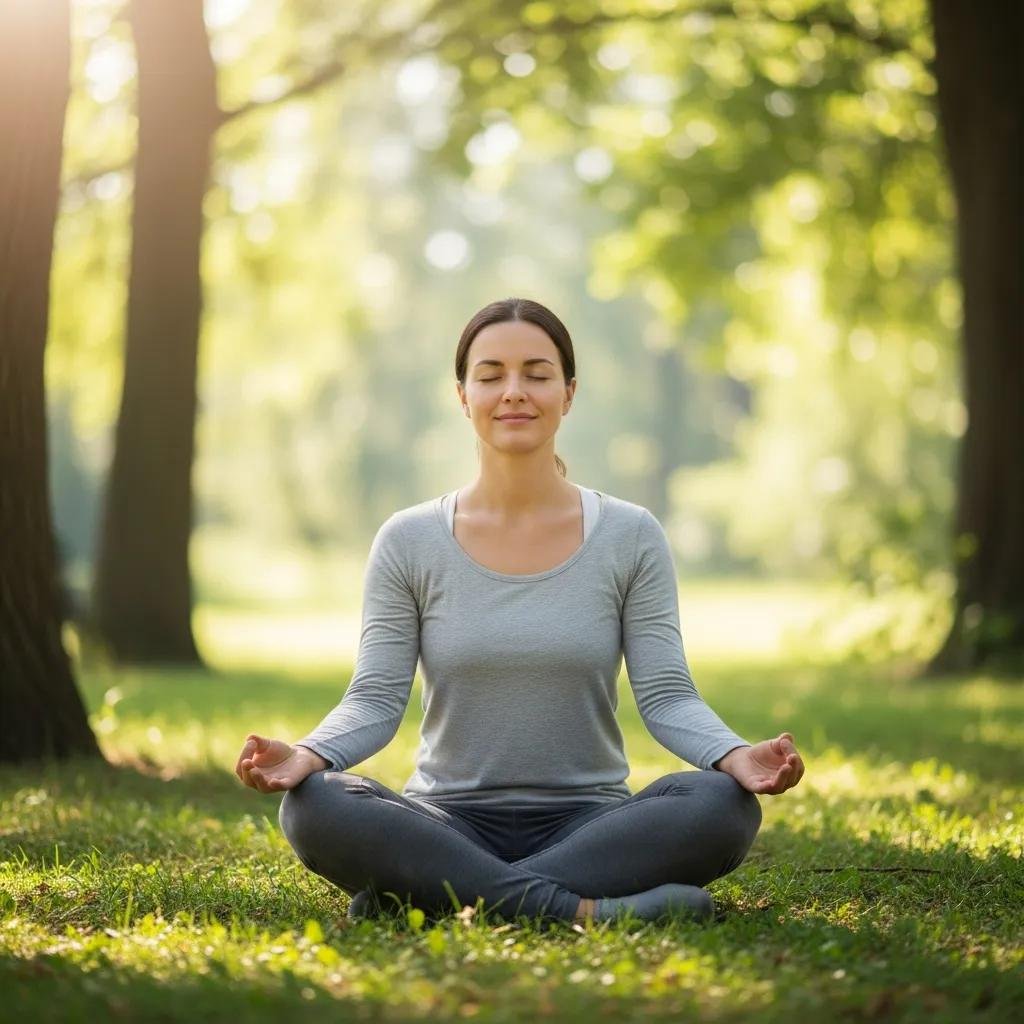
Practical Ways to Ease Everyday Anxiety: Holistic Relief and Functional Medicine Options
Everyday anxiety shows up as persistent worry, tension, or nervousness that gets in the way of daily life. It often reflects a mix of biological and environmental influences — from hormonal ups and downs to gut-brain signaling and low-level inflammation. This guide lays out practical calming tools, nutrition and lifestyle steps backed by evidence, mind–body practices, and functional medicine approaches that focus on root causes so relief lasts.
You’ll find clear ways to spot common physiological drivers, quick exercises to calm the body, simple diet and sleep changes to steady mood, and guidance on when integrative testing or therapies may be helpful. Our aim is to give straightforward, actionable self-care steps and explain how targeted clinical assessments can complement what you do at home. Below we cover root causes, mind–body techniques, nutrition, advanced therapies available in specialized clinics, lifestyle practices for resilience, and anonymized patient stories that show typical next steps.
What Are the Root Causes of Everyday Anxiety from a Functional Medicine Perspective?
Rather than a single source, everyday anxiety often stems from system-wide imbalances. Gut dysbiosis, hormonal shifts, chronic inflammation, nutrient gaps, and autonomic (nervous system) imbalance can each change neurotransmitter activity and stress responses. Understanding those links helps explain why treating only symptoms may fall short — a functional medicine approach maps complaints to measurable physiological drivers so care can be targeted.
The table below shows common root causes, typical symptoms they create, and functional tests that help pinpoint each issue for a focused plan.
| Root Cause | Common Symptoms | Functional Tests/Assessments |
|---|---|---|
| Gut dysbiosis | Bloating, brain fog, mood swings, anxiety that flares with certain foods | Comprehensive stool analysis, food-sensitivity testing, trial of targeted probiotics |
| Hormonal imbalance | Mood swings, poor sleep, perimenopausal anxiety, adrenal-style fatigue | Sex hormone panel, thyroid tests, cortisol rhythm assessment (salivary or serum) |
| Inflammation | Low-level fatigue, cognitive cloudiness, increased reactivity | High-sensitivity CRP, cytokine panels, metabolic blood work |
| Nutrient deficiencies | Irritability, trouble sleeping, lower stress tolerance | Micronutrient panels (B vitamins, magnesium, vitamin D), RBC magnesium testing |
Mapping symptoms to likely drivers clarifies the diagnostic path and points toward targeted interventions. Next, we’ll look more closely at the role hormones often play in anxiety.
How Do Hormonal Imbalances Contribute to Anxiety Symptoms?
Hormones affect anxiety by changing neurotransmitter production, HPA-axis (stress-response) function, and autonomic tone. Sex hormones, thyroid hormones, and cortisol all play central roles in keeping mood steady.
For instance, shifts in estrogen and progesterone influence GABA and serotonin pathways and can raise anxiety during perimenopause or certain menstrual cycle phases. Thyroid problems may mimic anxiety with restlessness and sleep trouble, and abnormal cortisol patterns can leave someone chronically on edge and more reactive to stress.
Recognizing these patterns leads to targeted testing and, when appropriate, individualized treatments aimed at rebalancing hormones and reducing anxiety from the source.
What Is the Role of Gut Health and the Gut-Brain Axis in Anxiety?
The gut–brain axis links the intestinal microbiome, immune signaling, and the vagus nerve to brain function. When gut ecology is disrupted, inflammation and altered neurotransmitter precursor production can worsen anxiety. Emerging research shows certain microbial patterns affect serotonin precursors and systemic inflammation, which in turn shape mood and resilience to stress.
Practical steps to support gut health start with a food-first, anti-inflammatory approach, evidence-based probiotic strains, and diagnostic testing when symptoms point to dysbiosis or malabsorption. Improving gut health often eases anxiety over weeks to months, and this biological work pairs naturally with mind–body practices that calm the nervous system right away.
Which Mind-Body Practices Effectively Reduce Daily Anxiety and Stress?

Mind–body practices offer both immediate relief and long-term benefit by shifting the autonomic nervous system toward parasympathetic (rest-and-digest) dominance, lowering physiological arousal, and sharpening body awareness. Studies show regular mindfulness and structured breathing reduce amygdala activity and perceived stress over time.
Try these simple, practical exercises in sequence to build daily resilience and get measurable benefits.
- Box Breathing (4-4-4-4): Inhale for four counts, hold four, exhale four, hold four — a reliable way to slow the heart rate and boost vagal tone.
- Mindfulness Body Scan: A focused 10-minute scan to ease rumination and bring attention back to the present.
- Progressive Muscle Relaxation: Tense and release muscle groups to break the cycle of sympathetic arousal.
These techniques calm you right away and lay the groundwork for longer practices like meditation and movement-based approaches covered below, beginning with breathing and mindfulness for fast relief.
How Can Mindfulness Meditation and Breathing Techniques Calm Anxiety?
Mindful breathing and meditation reduce anxiety by activating the parasympathetic system and lowering sympathetic drive, which helps drop heart rate, cortisol, and hypervigilance. One practical method is the 4-7-8 breath: inhale 4 seconds, hold 7, exhale 8 — repeat four cycles to create rapid calm and aid sleep onset.
Short mindfulness scripts — notice the breath, label thoughts without judgment, return attention — retrain attention networks and chip away at habitual worry. Practicing 10–20 minutes most days typically produces measurable reductions in baseline anxiety over several weeks.
Mastering these basics supports longer meditation sessions and makes yoga and other movement practices more effective as adjuncts for anxiety relief.
What Benefits Do Yoga and Gentle Movement Offer for Anxiety Relief?
Yoga and gentle movement help by combining breath work, increased vagal tone, endorphin release, and improved interoception — together these reduce physiological arousal and lift mood.
Beginner-friendly sequences that emphasize slow transitions, diaphragmatic breathing, and restorative poses practiced about three times weekly can gradually lower baseline anxiety and improve sleep.
For people with chronic conditions, modifications that prioritize alignment, pacing, and avoiding overexertion keep practice safe while preserving breath-centered regulation of the nervous system.
Pairing movement with mindfulness strengthens habits that sustain long-term reductions in everyday anxiety and prepares the body to benefit more from nutrition and clinical care.
How Can Nutritional Strategies Support Anxiety Management and Mood Stability?

Diet and key nutrients support neurotransmitter production, curb inflammation, and stabilize blood sugar — all important for reducing anxiety and improving mood. Evidence highlights magnesium, omega-3 fatty acids, and B vitamins as vital cofactors for brain chemistry and stress resilience; an anti-inflammatory eating pattern reduces systemic factors that can worsen mood.
The table below compares important nutrients by how they help and where to find them, to guide practical choices for mood support.
| Nutrient | Mechanism | Food/Supplement Sources |
|---|---|---|
| Magnesium | Supports GABA activity and calms nervous system excitability | Leafy greens, nuts, seeds, magnesium glycinate supplements |
| Omega-3 (EPA/DHA) | Anti-inflammatory and supports neuronal membrane health | Fatty fish, algae-based supplements, walnuts |
| B-Vitamins (B6, B12, Folate) | Co-factors for neurotransmitter synthesis (serotonin, dopamine) | Whole grains, legumes, poultry, B-complex supplements |
| Vitamin D | Modulates immune responses and supports mood pathways | Sunlight, fatty fish, supplementation when levels are low |
This nutrient-focused plan fits naturally with an anti-inflammatory diet — plenty of vegetables, quality protein, and steady carbohydrates — and leads into meal-based suggestions below.
What Are Key Nutrients and Anti-Anxiety Diet Principles?
Key nutrients for easing anxiety help neurotransmitter production, reduce oxidative stress, and keep energy steady. Prioritizing magnesium, omega-3s, B vitamins, and vitamin D can meaningfully improve mood stability. Practical diet principles include:
- Eat regular meals to prevent blood-sugar dips
- Choose fiber- and polyphenol-rich vegetables to support the microbiome
- Limit ultra-processed foods that fuel inflammation
Simple meal ideas: oatmeal with yogurt and berries for B vitamins and probiotics at breakfast; a salad with leafy greens and salmon for omega‑3s at lunch; magnesium-rich snacks like pumpkin seeds between meals.
These patterns pair well with targeted supplements when testing shows gaps.
How Do Probiotics and Gut Health Influence Anxiety Symptoms?
Probiotics can affect anxiety by shifting microbiome composition, lowering intestinal inflammation, and supporting production of neurotransmitter precursors. Certain strains have the best evidence for mood benefits.
Recent meta-analyses show combinations of Lactobacillus and Bifidobacterium can reduce anxiety scores in some groups, especially when combined with dietary fiber and prebiotics.
Practical advice: prioritize a food-first approach (fermented veggies, kefir if tolerated), choose multi-strain probiotics with documented strains, and allow an 8–12 week trial while tracking symptoms. If symptoms persist, clinical testing can help tailor probiotic choices to your microbiome patterns.
What Advanced Integrative Therapies Does Dr. Fred Bloem Offer for Anxiety Relief?
When lifestyle and nutritional changes aren’t enough, advanced integrative therapies can address underlying physiological contributors. Options include Autonomic Response Testing to assess nervous system balance, IV nutrient therapy for rapid repletion, Bioidentical Hormone Replacement Therapy to correct hormonal drivers, and guided detox protocols to reduce toxic burden.
These services focus on identifying and treating root causes rather than only suppressing symptoms, and they’re delivered through personalized care plans that match interventions to each patient’s profile.
| Therapy | Primary Mechanism | Typical Indications |
|---|---|---|
| Autonomic Response Testing | Functional assessment of nervous system regulation and organ interactions | Dysregulated stress responses, unclear multi-system symptoms |
| IV Therapies | Rapid nutrient repletion and metabolic support | Severe fatigue, deficiencies affecting mood, acute exacerbations |
| Bioidentical Hormone Replacement Therapy (BHRT) | Restores physiologic hormone balance to stabilize mood and HPA feedback | Perimenopausal symptoms, hormone-driven anxiety |
| Detoxification Protocols | Lower toxic and inflammatory burden to improve clarity and function | Suspected toxin exposure, metabolic inflammation linked to anxiety |
This comparison helps clarify who may benefit from each approach. The sections below describe BHRT and combined detox/IV strategies in greater detail.
How Does Bioidentical Hormone Replacement Therapy Help Regulate Mood?
Bioidentical Hormone Replacement Therapy (BHRT) supports mood by restoring balanced sex hormones and optimizing how those hormones interact with neurotransmitters and the HPA axis. When hormonal imbalance is a main driver, BHRT can significantly reduce anxiety.
Typical indications include perimenopausal mood shifts, pronounced premenstrual anxiety, or confirmed hormonal deficits on testing. BHRT requires individualized dosing, regular monitoring, and clinical oversight to ensure safety and the best symptom response.
Many patients notice gradual improvements in sleep, mood stability, and less panic or irritability over weeks to months. BHRT is most effective as part of a multi-modal plan that also addresses nutrition, sleep, and mind–body practices.
Careful candidate selection and ongoing monitoring improve safety and outcomes, which connects naturally to how detoxification and IV therapies can aid mental clarity.
What Roles Do Detoxification and IV Therapies Play in Mental Clarity?
Detox protocols and IV nutrient therapies can boost mental clarity and reduce anxiety when chronic exposure to inflammatory triggers or nutrient shortfalls are identified. They work by lowering toxin burden and restoring cofactors needed for neurotransmitter production.
Common IV formulas used in integrative care focus on magnesium, B vitamins, and antioxidants to quickly correct deficiencies that impair cognition and stress tolerance. Clinical detox support emphasizes liver function, hydration, and gradual mobilization of stored toxins.
Good candidates are people with documented deficiencies, ongoing cognitive symptoms despite lifestyle changes, or inflammatory markers suggesting systemic burden. Many patients report improvements within days to weeks, with longer-term benefit when these therapies are integrated into a broader care plan.
Which Lifestyle Adjustments Promote Lasting Calm and Resilience Against Anxiety?
Lasting reductions in anxiety depend on consistent lifestyle habits that support sleep, circadian rhythm, stress management, and social and cognitive resilience. Strengthening these areas stabilizes physiology and lowers vulnerability to everyday stressors.
Introducing sleep optimization, regular stress-reduction routines, and resilience-building exercises creates the foundation for other interventions to produce durable results.
How Can Sleep Optimization and Stress Reduction Practices Improve Anxiety?
Better sleep improves emotional regulation by rebalancing the HPA axis and strengthening prefrontal control over limbic reactivity. Simple sleep-hygiene steps reliably boost sleep quality and reduce daytime anxiety.
The following checklist offers immediate, practical steps to improve sleep and ease anxiety:
- Keep a consistent wake and sleep time to stabilize your circadian rhythm and lessen nighttime rumination.
- Limit screens 60 minutes before bed to reduce blue light that suppresses melatonin.
- Make your bedroom cool and dark to support deeper, restorative sleep stages.
- Avoid large meals and stimulants near bedtime to prevent sleep fragmentation.
Adopting these changes gradually produces durable improvements in sleep and emotional regulation, which supports the resilience practices below.
What Strategies Build Emotional Resilience for Managing Everyday Anxiety?
Emotional resilience develops through cognitive reframing, consistent practice of adaptive behaviors, and stronger social supports. Small daily habits—brief journaling, scheduled problem-solving, and regular social contact—cut reactivity and build coping capacity.
Try these practical exercises:
- Five minutes of daily journaling focused on one controllable next step
- Weekly cognitive-reframing practice to challenge catastrophic thinking
- Planned social check-ins to keep connectedness strong
Do short daily work on journaling and reframing, with a deeper weekly review to track progress. Signs of improvement include less urgent anxious thoughts, longer stretches between panic episodes, and better sleep. If steady self-care stops helping, it’s time for professional evaluation and targeted clinical support.
What Patient Success Stories Demonstrate the Effectiveness of Holistic Anxiety Relief?
Anonymized patient stories show how combining lifestyle shifts, targeted nutrition, and selective clinical therapies can lead to meaningful reductions in everyday anxiety, better sleep, and restored function within months. These summaries highlight careful diagnosis, stepwise care, and objective outcomes common in integrative practice.
How Have Patients Experienced Anxiety Improvement Through Functional Medicine?
One patient from the Washington, DC area came in with daily anxiety, fragmented sleep, and digestive complaints. Testing showed low magnesium and a disrupted cortisol rhythm. The care plan combined magnesium-rich dietary changes, a targeted probiotic trial, nightly breathing practice, and a short course of IV nutrient repletion for faster symptom relief. Within eight to twelve weeks the patient reported significantly less daytime anxiety, more continuous sleep, and clearer thinking — a clear example of addressing root causes rather than just masking symptoms.
This case underlines the value of individualized assessment and supports the clinic’s focus on personalized protocols described below.
Why Choose Dr. Fred Bloem’s Personalized Approach for Anxiety Management?
Dr. Fred Bloem and Internal Healing and Wellness MD use a root-cause, personalized integrative model that blends extended evaluation, patient education, and tailored protocols to treat chronic anxiety for patients in Kensington, MD and the Washington, DC area. Our practice seeks physiological drivers — hormonal imbalance, gut dysbiosis, nutrient gaps — and matches interventions (Autonomic Response Testing, BHRT, IV nutrient support, detox protocols) to the individual.
We prioritize longer visits, collaborative planning, and measurable outcomes so patients feel empowered in their recovery. If you’re curious whether this model fits your situation, consider scheduling a consultation to review testing options and build a personalized plan.
Frequently Asked Questions
What lifestyle changes can help reduce anxiety symptoms?
Consistent lifestyle changes make a big difference. Start with a steady sleep schedule, regular physical activity, and daily mindfulness or breathing practice. Adding stress-reduction routines like yoga or meditation and keeping social supports strong also help. These habits create a more stable base that reduces the impact of daily stressors and supports mental health.
How long does it take to see improvements in anxiety symptoms with dietary changes?
Timing varies by person, but many notice changes within a few weeks. A nutrient-dense diet with adequate magnesium, omega-3s, and B vitamins supports neurotransmitter function and lowers inflammation. Sticking with the changes consistently produces bigger, longer-lasting benefits. Ongoing monitoring and small adjustments can speed and strengthen progress.
Are there specific supplements that can help with anxiety management?
Certain supplements can be helpful for some people. Magnesium, omega-3 fatty acids, and B vitamins are often useful for supporting mood and neurotransmitter synthesis. Probiotics may help by improving gut health. Always check with a healthcare provider before starting supplements, since needs vary and interactions with medications or conditions are possible.
What role does physical activity play in managing anxiety?
Physical activity is a powerful tool: it releases endorphins, lowers stress hormones, and improves sleep. Regular movement — walking, running, yoga, dancing — supports overall well-being and reduces anxiety. Aim for about 150 minutes of moderate exercise per week to get the full mental-health benefits.
How can I incorporate mindfulness into my daily routine?
Start small: set aside a few minutes daily for mindful breathing or a short guided meditation. Bring mindfulness into simple tasks — eating, walking, or washing dishes — by noticing sensations without judgment. Guided apps or local classes can add structure. Short, consistent practice builds meaningful change over time.
What should I do if my anxiety symptoms persist despite self-care efforts?
If symptoms continue despite consistent self-care, reach out for professional help. A healthcare provider can assess underlying causes and recommend targeted treatments, which may include therapy, medication, or integrative approaches. Early evaluation helps prevent worsening and leads to care tailored to your needs — asking for help is a proactive step toward recovery.
Conclusion
Addressing everyday anxiety with a holistic, root-cause approach can produce real, lasting improvements in mood and resilience. Combining focused nutrition, consistent lifestyle habits, mind–body practices, and selective integrative therapies gives the best chance for sustained relief. If you’d like a personalized plan, consider scheduling a consultation to explore testing and tailored care options — the first step toward greater calm and balance.

