
Dr. Fred Bloem’s Holistic Care: Personalized, Integrative Medicine Focused on Root‑Cause Healing
Dr. Fred Bloem practices medicine with a singular aim: find and treat the underlying causes of illness instead of just masking symptoms. Combining integrative, functional, and regenerative approaches, his care restores function and improves day‑to‑day quality of life. This article outlines Dr. Bloem’s diagnostic mindset — how he uncovers drivers like hormonal imbalance, chronic infection, toxin burden, and autonomic dysfunction — and how customized treatment plans turn those findings into measurable patient gains. You’ll see where bioidentical hormone therapy, regenerative joint treatments, autonomic response testing, detox protocols, IV nutrient support, and integrative oncology fit into a coordinated, long‑term strategy. We also walk through practical steps for managing complex chronic conditions (with Lyme disease as an example) and show how patient education and shared decision‑making support lasting recovery. Throughout, the focus is clinical clarity: linking mechanisms to interventions to outcomes so patients get treatments that actually move the needle.
What Is Dr. Fred Bloem's Philosophy of Holistic Healthcare?
Dr. Bloem’s philosophy centers on systems‑level thinking and root‑cause medicine: using conventional diagnostics together with functional and regenerative tools to restore balance and resilience. The work begins with a careful history, targeted laboratory testing, and functional assessments, then builds a personalized plan that addresses hormones, infections, detoxification needs, and autonomic contributors. The goal is improved function, fewer symptoms, and a better quality of life — achieved through shared decision‑making and a long‑term partnership that respects each patient’s goals and circumstances. The sections that follow explain how clinicians identify root causes and why tailoring care matters for durable results.
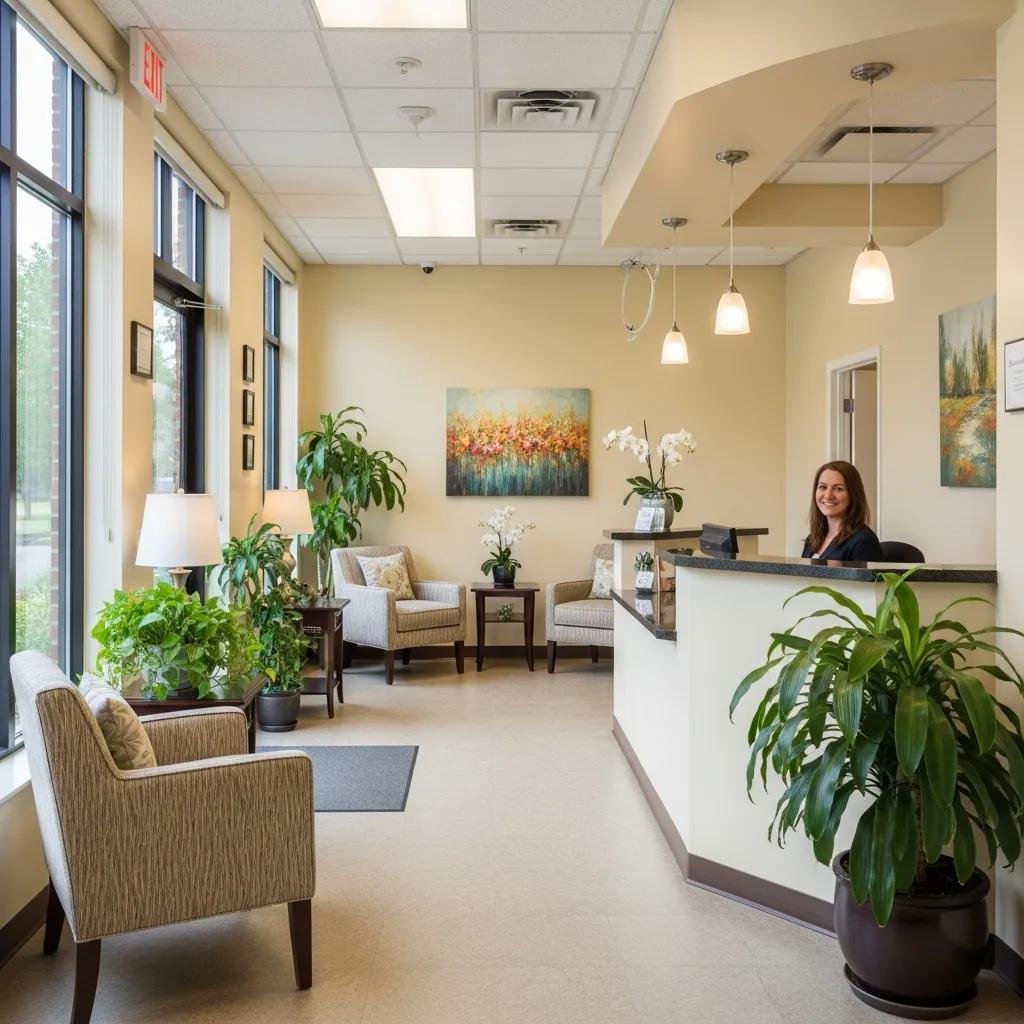
The clinic that brings this philosophy to life is Internal Healing and Wellness MD, led by Dr. Fred Bloem, MD, in Kensington, Maryland. Internal Healing and Wellness MD weaves together BHRT, regenerative injections, autonomic response testing, detox and IV therapies into cohesive plans matched to each patient. Learn more on the “Meet Dr. Bloem” page or explore our service pages for details on specific offerings. This local context shows how a clinical philosophy becomes practical, coordinated care.
Unlike care that only treats symptoms, Dr. Bloem’s model asks “why” — how hormone deficits, persistent infections, or toxic exposures perpetuate illness — and then targets those mechanisms. By mapping cause → connection → effect, clinicians design therapies that change a patient’s health trajectory rather than temporarily masking signs. That diagnostic framework helps patients and clinicians evaluate therapies like BHRT or regenerative medicine by their mechanism and measurable benefit.
In practice this looks like a coordinated care pathway: intake, diagnostic mapping, individualized protocol, and ongoing monitoring with iterative tweaks. Patients are taught self‑management skills and given tools to reinforce clinical gains, which improves adherence and outcomes. The next section describes how integrative medicine translates into specific services and patient benefits.
How Does Holistic Medicine Address Root Causes of Illness?
Holistic care uncovers root causes by combining an in‑depth history with targeted labs and functional testing to reveal physiological drivers behind symptoms. Typical contributors include hormonal imbalance, chronic infections (for example, tick‑borne pathogens), environmental toxins, and autonomic nervous system dysfunction — issues that often require testing beyond routine panels and careful clinical correlation. Treating an identified driver — whether that means optimizing hormones, addressing infection, supporting detox pathways, or rebalancing autonomic tone — tends to produce more sustained symptom relief and functional recovery. For example, a person with fatigue and brain fog who is found to have hormonal insufficiency frequently improves substantially after a tailored hormone plan. Understanding these diagnostic steps sets the stage for explaining why individualized care amplifies therapeutic effect.
Why Is Personalized Patient-Centered Care Central to Dr. Bloem's Approach?

Personalized care matters because similar symptoms can come from very different underlying causes, coexisting conditions, and life factors. Dr. Bloem’s process starts with extended intake visits to capture detailed history, uses functional testing to quantify imbalances, and builds collaborative plans that honor patient preferences and risk profiles. Personalization improves adherence because recommendations are tied to measurable targets — hormone levels, inflammatory markers, or autonomic metrics — so progress is visible and motivating. Shared decision‑making lets clinicians fine‑tune things like hormone doses or IV nutrient blends over time, producing safer, more effective results. This collaborative rhythm naturally connects with the range of integrative services that support each patient’s plan.
How Does Integrative Medicine Enhance Wellness in Maryland?
Integrative medicine widens the scope of conventional care by pairing evidence‑based diagnostics and specialty medicine with targeted functional, regenerative, and supportive therapies to address the whole person. The combination is synergistic: standard care treats disease, while integrative modalities — hormone optimization, regenerative injections, detoxification, autonomic testing, and IV nutrient support — restore physiological reserve and reduce symptom burden. For residents of Kensington and neighboring communities, that means access to multidisciplinary strategies that improve mobility, hormonal balance, immune resilience, and cellular energy. Below are the core services patients commonly use and the clinical needs they address.
- Bioidentical Hormone Replacement Therapy (BHRT): individualized hormone optimization for menopause, andropause, and documented deficiency states.
- Regenerative Medicine: joint and soft‑tissue treatments, PRP injections, hair restoration, and facial rejuvenation focused on restoring tissue function.
- Autonomic Response Testing and Functional Diagnostics: targeted assessments to detect dysautonomia and other root contributors.
- Detoxification and IV Therapies: IV nutrient support, ozone/prolozone treatments, and detox protocols to support systemic recovery.
- Complex Illness and Integrative Oncology Support: coordinated care pathways for Lyme disease, co‑infections, and supportive oncology measures.
What Comprehensive Services Does Internal Healing and Wellness MD Offer?
Internal Healing and Wellness MD offers services that align with a root‑cause, integrative model: BHRT for hormonal balance, regenerative procedures for musculoskeletal and aesthetic needs, autonomic and functional testing, detox protocols, IV nutrient therapies, ozone/prolozone options, and tailored programs for Lyme disease and integrative oncology support. Each service addresses a specific clinical problem — for example, BHRT for symptomatic hormone decline, PRP for tendon or joint repair, IV infusions for nutrient repletion and immune support — while fitting into a coordinated care plan. Detailed service pages outline indications and preparation steps so patients can make informed choices. This crosswalk shows how integrative options complement conventional care to produce more durable results.
How Does Functional Medicine Complement Holistic Treatments?
Functional medicine brings systems biology and individualized diagnostics into holistic care. Using advanced labs — expanded hormone panels, in‑depth infectious testing, metabolic profiling — clinicians identify biochemical imbalances that point to targeted therapies (BHRT, antimicrobials when indicated, nutrient IVs). That precision improves outcomes because treatments are chosen to correct measurable deficits, and progress is tracked with objective markers plus patient‑reported data. Integrating functional principles makes holistic care more exact, efficient, and evidence‑driven while reducing unnecessary or blanket interventions.
What Are the Benefits of Bioidentical Hormone Replacement Therapy?
Bioidentical Hormone Replacement Therapy (BHRT) replaces deficient hormones with compounds that mirror the body’s own molecules to restore balance and support tissue health. Carefully titrated bioidentical formulations normalize receptor signaling and metabolic function, which can translate into better energy, mood, libido, cognition, and bone health. Appropriate candidates are those with documented hormone insufficiency and relevant symptoms after a thorough assessment and screening for contraindications. Safety is integral: baseline evaluation and routine follow‑up labs allow dose adjustments and risk management. The table below summarizes common BHRT outcome domains, typical symptom changes, and monitoring timelines to help compare benefits and expectations.
| Outcome Domain | Typical Symptom Improvement | Monitoring & Expected Timeline |
|---|---|---|
| Energy & Vitality | Less fatigue and steadier stamina | Noticeable change in 4–8 weeks; labs at baseline and 8–12 weeks |
| Sexual Function | Improved libido and sexual function | Clinical response within 4–12 weeks; dose adjustments guided by symptoms |
| Mood & Cognition | Greater emotional stability and mental clarity | Gradual improvement over 6–12 weeks with ongoing monitoring |
| Bone & Metabolic Health | Support for bone integrity and metabolic function | Assessed over the long term; bone evaluation as clinically indicated |
When combined with healthy lifestyle choices, nutrition, and regenerative therapies, BHRT often delivers measurable symptom relief. Internal Healing and Wellness MD creates individualized BHRT plans based on each patient’s labs and goals; patients interested in hormone optimization are encouraged to book a BHRT consultation to review testing and dosing options.
How Does BHRT Support Anti-Aging and Hormonal Balance?
BHRT supports healthy aging by restoring sex steroids and adrenal support into physiologic ranges, which helps normalize receptor signaling that influences metabolism, skin quality, bone turnover, and cognitive function. Correcting levels of estradiol, testosterone, or optimizing thyroid function can lower inflammatory signaling, improve cellular energy production, and support tissue repair. Many patients report better skin tone, higher energy, and clearer thinking as downstream benefits of balanced hormones. Standard monitoring — baseline labs, follow‑up testing, and symptom tracking — keeps dosing individualized and safe, helping patients weigh benefits and realistic timelines for improvement.
Who Can Benefit from Personalized Hormone Optimization?
Good candidates for hormone optimization include people with clinical symptoms of hormone deficiency — menopausal women, aging men with andropause symptoms, and those with documented adrenal or thyroid insufficiency — whose symptoms substantially affect daily life. The evaluation uses targeted testing, review of comorbidities, and risk stratification to rule out contraindications and personalize dosing. Some patients notice symptom relief in weeks, with fuller benefits by 8–12 weeks as the body rebalances. Age, other health conditions, and concurrent treatments all influence dosing decisions and monitoring frequency.
How Do Regenerative Medicine and Joint Therapies Promote Healing?
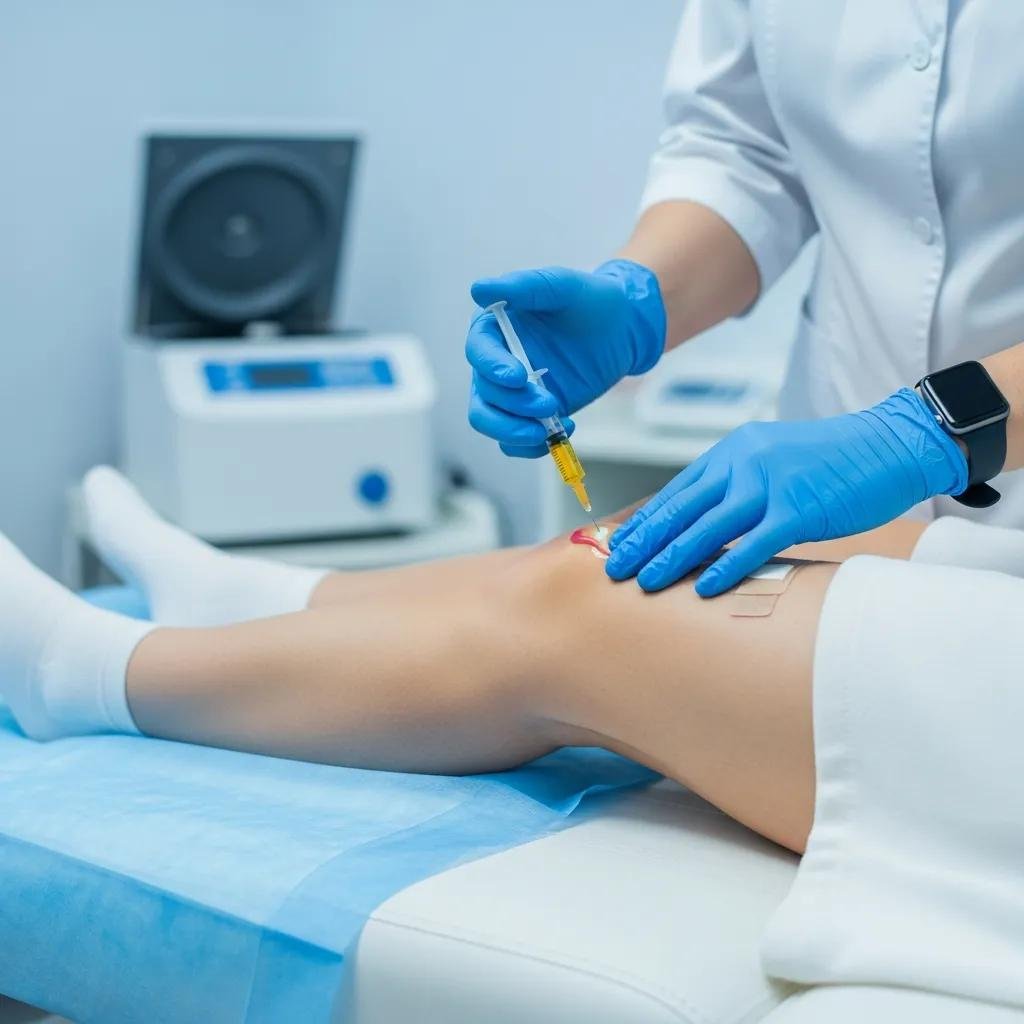
Regenerative and joint therapies support healing by engaging the body’s own repair mechanisms — growth factors, cell signaling, and improved oxygenation — to reduce inflammation, stimulate tissue repair, and restore function in musculoskeletal conditions. Different modalities work by different mechanisms: platelet‑derived factors encourage local repair, while ozone‑based treatments improve oxygen delivery and modulate immune signaling. These options are appropriate for osteoarthritis, tendinopathies, joint pain, and selected soft‑tissue problems, offering alternatives to repeated steroid injections or surgery for properly chosen patients. The next section compares common regenerative choices so patients and clinicians can weigh mechanisms and recovery expectations.
Below is a comparative summary of regenerative options, how they work, and typical indications to help set realistic expectations.
| Therapy Option | Mechanism | Typical Indications & Recovery |
|---|---|---|
| Platelet-Rich Plasma (PRP) | Concentrated platelet growth factors that stimulate tissue repair | Tendinopathies, early osteoarthritis; gradual improvement over 6–12 weeks |
| Prolozone (Ozone Injection) | Ozone–oxygen mix enhances local oxygenation and modulates inflammation | Chronic joint pain and soft‑tissue dysfunction; symptom relief often within weeks |
| Corticosteroid Injection | Powerful anti‑inflammatory effect that suppresses acute immune response | Short‑term relief for inflammatory flares; not typically regenerative |
What Is Platelet-Rich Plasma Therapy and Its Uses?
Platelet‑Rich Plasma (PRP) uses a concentrated sample of the patient’s own platelets, prepared from a small blood draw and injected into injured tissue to deliver growth factors that promote repair and new blood‑vessel growth. The sample is centrifuged to concentrate platelets; those factors then stimulate local cells to improve collagen production and tissue remodeling. PRP is commonly used for tendon injuries, early cartilage degeneration, joint pain, and hair restoration. Improvements are often gradual over 6–12 weeks as tissue remodeling occurs; candidacy depends on age, degree of degeneration, and prior response to conservative care, with realistic expectations set up front.
How Does Prolozone Therapy Restore Joint Function?
Prolozone therapy injects a precise mixture of ozone and oxygen around joints or soft tissues to boost local oxygenation, improve metabolic function, and trigger pathways that reduce chronic inflammation and support repair. Ozone can enhance circulation and modulate oxidative signaling to encourage healing rather than simply suppressing inflammation. Indications include chronic joint pain, ligament‑related discomfort, and select soft‑tissue conditions; patients commonly see progressive improvement over several sessions. Proper dosing and technique are essential for safety, and protocols are individualized based on tolerance and clinical response.
How Are Complex Chronic Illnesses Treated Holistically?
Complex chronic illnesses are managed with a stepwise, integrative strategy: thorough diagnostics to identify root contributors, followed by a multimodal plan that may include targeted antimicrobials, detoxification, immune support, and therapies such as IV nutrient repletion and autonomic optimization. The approach evaluates infection, toxin burden, hormonal and metabolic dysfunction, and autonomic status, then sequences treatments to address immediate needs while rebuilding resilience. Progress is tracked with symptom scales, functional measures, and laboratory markers so care can be adjusted iteratively. The table below maps common protocol components to their roles and expected effects to show how coordinated care combines diverse modalities for conditions like Lyme disease.
A coordinated, stepwise protocol often produces better long‑term results than fragmented care because each element addresses a specific physiological deficit while supporting overall recovery.
| Protocol Component | Role in Treatment | Expected Effect/Outcome |
|---|---|---|
| Diagnostic Testing | Identify infections, toxins, and hormonal/metabolic status | Enables targeted therapies and provides a baseline for monitoring |
| Targeted Antimicrobials | Lower pathogen burden when clinically indicated | Reduce infection‑driven inflammation and symptom severity |
| Supportive IV Therapies | Replenish nutrients, support detox pathways and immune function | Boost energy, stabilize symptoms, and enhance recovery |
| Detoxification Protocols | Improve elimination of accumulated toxins | Lower toxic load and improve metabolic resilience |
What Is Dr. Bloem's Integrative Approach to Lyme Disease?
Dr. Bloem approaches Lyme disease with a comprehensive diagnostic workup — detailed history, targeted serologies, and functional testing — to confirm infection, detect co‑infections, and uncover metabolic contributors. Treatment rests on tailored antimicrobials when indicated, alongside supportive measures such as IV nutrient therapy and detoxification to reduce inflammation and aid healing, plus rehabilitation to restore function. Care is monitored with serial symptom checks and objective tests, and therapies are adjusted based on response. A typical scenario: a patient with chronic fatigue and joint pain is found to have persistent infection and hormonal imbalance; a coordinated plan including antimicrobials, BHRT, and IV support produces steady functional gains over months.
How Does Integrative Oncology Support Cancer Care?
Integrative oncology complements conventional cancer treatment by focusing on symptom relief, immune and nutritional support, and quality‑of‑life interventions that safely enhance tolerance of standard therapies. Offerings include targeted IV nutrient infusions to mitigate treatment toxicity, detoxification strategies to manage metabolic stress, and supportive measures — nutrition counseling, sleep hygiene, and stress reduction — that improve resilience during chemotherapy or radiation. Close coordination with oncology teams ensures safety, avoids contraindicated supplements, and sequences interventions appropriately. Evidence increasingly shows that well‑integrated supportive care can improve patient‑reported outcomes and treatment tolerance.
How Does Dr. Bloem Empower Patients on Their Wellness Journey?
Patient empowerment is central to Dr. Bloem’s practice. Through structured education, shared decision‑making, and practical self‑management tools, clinical plans become sustainable lifestyle changes. Topics include nutrition, sleep habits, stress resilience, hormone optimization, and safe detox practices — delivered in visit‑based teaching, written guidance, and take‑home resources so patients understand the “why” behind recommendations. Empowerment also means transparent measurement: clinicians set objective targets and schedule regular follow‑ups so patients watch progress and participate in dose or protocol adjustments. The next section outlines straightforward booking steps and what to expect at an initial visit.
What Role Does Patient Education Play in Holistic Healthcare?
Education is a therapeutic tool that improves adherence, supports behavior change, and builds self‑efficacy by turning complex medical concepts into clear, actionable steps. Education comes through structured consults, written materials, and multimedia resources tailored to how each patient learns. Topics range from nutrition and sleep strategies to detox and medication management. When patients grasp why an intervention is recommended — for example, how a hormone adjustment affects metabolism or why a particular IV infusion supports immunity — they’re more likely to follow through. The practice links education to measurable goals so learning reinforces progress and sustains change.
How Can Patients Book Consultations and Begin Treatment?
To start care, request a consultation via the practice website or call Internal Healing and Wellness MD to schedule an initial evaluation; telehealth visits are available to accelerate diagnostic planning. The first appointment typically includes an extended intake, a detailed review of past medical records, a discussion of goals, and ordering of targeted tests when appropriate. Please bring prior records and a list of current medications and supplements. Visit length and preparatory instructions are provided at scheduling so patients know what to expect. For in‑person follow‑up and procedural therapies, the clinic is located at: 10400 Connecticut Ave STE 206, Kensington MD 20895-3941, where diagnostics and treatments are coordinated within individualized care plans.
- Request an initial consult: Gather prior records and a brief symptom timeline.
- Complete recommended testing: Labs and functional assessments guide a personalized plan.
- Review your individualized protocol: Make shared decisions about therapies that match your goals.
This article has outlined how a root‑cause, personalized integrative approach — practiced by Dr. Fred Bloem and Internal Healing and Wellness MD — uses careful diagnostics, functional and regenerative interventions, and patient education to restore health. When you’re ready to explore care, requesting a consultation starts a clear pathway from diagnosis to an individualized treatment plan and long‑term wellness support.
Frequently Asked Questions
What is the difference between integrative medicine and conventional medicine?
Integrative medicine blends conventional medical treatments with evidence‑based complementary approaches to treat the whole person — body, mind, and lifestyle. Conventional medicine often focuses on diagnosing and treating a specific disease or symptom; integrative care looks for underlying contributors and pairs standard treatments with nutrition, lifestyle interventions, and supportive therapies to improve overall wellbeing.
How can I determine if I am a candidate for bioidentical hormone replacement therapy (BHRT)?
Determining candidacy for BHRT starts with a comprehensive evaluation: a detailed medical history, symptom review, and targeted hormone testing. Candidates usually report symptoms consistent with hormonal imbalance — fatigue, mood changes, low libido — and have laboratory evidence of deficiency. Your provider will also assess for contraindications and design a tailored plan with appropriate monitoring to maximize safety and benefit.
What lifestyle changes can support my holistic treatment plan?
Meaningful lifestyle changes reinforce clinical care. Focus on whole, nutrient‑dense foods, regular physical activity that suits your body, consistent sleep, and stress‑reduction practices such as mindfulness or gentle movement. Staying well‑hydrated and minimizing exposure to environmental toxins also helps. Work with your clinician to build a personalized, realistic plan you can maintain long term.
How does detoxification fit into a holistic health strategy?
Detoxification can be an important part of restoring health when toxin exposure contributes to symptoms. Safe detox strategies include dietary adjustments, hydration, and targeted protocols such as IV nutrient support or evidence‑based supplements that support liver and kidney function. A clinician will tailor detox approaches to your testing, symptoms, and overall health to ensure they are safe and effective.
What role does patient empowerment play in holistic healthcare?
Patient empowerment is essential: when people understand their conditions and the rationale for treatments, they make better choices and are more likely to stick with plans. Education, shared decision‑making, and practical self‑management tools increase confidence and lead to more durable health improvements. Empowered patients actively participate in their care and often achieve better outcomes.
Can integrative oncology improve the quality of life for cancer patients?
Yes. Integrative oncology aims to reduce treatment side effects, support immune function, and improve overall wellbeing through nutrition, symptom‑management strategies, and targeted supportive therapies. When coordinated with oncology teams, these interventions can help patients tolerate conventional treatments better and improve quality of life during and after cancer care.
Conclusion
Dr. Fred Bloem’s holistic model centers on personalized, integrative medicine that targets root causes to produce lasting health gains. By combining rigorous diagnostics with tailored treatment plans and ongoing patient education, people often experience meaningful improvements in daily function and wellbeing. If you’re ready to take the next step, request a consultation with Internal Healing and Wellness MD to explore a care plan designed around your goals and needs.