
Biotin for Hair Growth: What It Does, Where to Find It, and How to Use It Safely
Biotin (vitamin B7) is a water‑soluble B vitamin that acts as a coenzyme in metabolic reactions supporting keratin production — the structural protein of hair. This guide walks through how biotin supports hair at a biochemical level, which foods and supplements provide meaningful amounts, and how to use biotin safely as part of a broader hair‑restoration plan. Many product claims overpromise; the best evidence shows biotin helps reliably when a true deficiency exists, while benefits for people with normal biotin status are limited and inconsistent. Below we review the mechanism linking biotin to keratin and hair shaft integrity, compare food sources and supplement dosages, summarize the clinical evidence, and offer practical, evidence‑informed strategies for integrating biotin with hormone or regenerative therapies. You’ll come away knowing when biotin is likely to help, how to get it from diet or supplements, and how clinicians assess biotin status in a personalized hair‑health plan.
What is Biotin and How Does It Support Hair Growth?
Biotin — also called vitamin B7 or vitamin H — is a coenzyme for carboxylase enzymes that manage fatty acid synthesis, amino‑acid metabolism, and cellular energy. These pathways supply the building blocks and energy hair follicles need to make keratin. By supporting those metabolic reactions, biotin helps maintain hair shaft strength and reduce fragility. Importantly, modern reviews and studies show biotin’s clinical impact is clearest when a deficiency exists: restoring normal biotin levels can improve brittle hair and some forms of hair loss. Knowing this biochemical link helps set realistic expectations for supplementation and highlights why confirming deficiency matters before attributing hair changes to biotin alone.
What role does biotin play in keratin production?
Biotin is a necessary cofactor for enzymes that produce fatty acids and process certain amino acids — both important for assembling keratin, the fibrous protein that forms the hair shaft. When biotin‑dependent enzymes work properly, follicle cells maintain healthy lipid membranes and synthesize structural proteins more efficiently, which improves tensile strength and reduces breakage. Clinical and experimental observations show that correcting biotin deficiency often improves hair texture and resilience, which indicates biotin supports keratin production rather than directly creating new follicles. This enzymatic support works alongside other nutritional and hormonal factors that together determine keratin synthesis and hair health.
How does biotin deficiency affect hair health and growth?
Insufficient biotin reduces enzyme activity needed for fatty acid and amino‑acid substrates used in keratin assembly. Clinically, this can present as diffuse thinning, brittle hair, and increased shedding. People at higher risk include those with malabsorption, prolonged use of certain medications, or genetic disorders of biotin metabolism, though true deficiency is uncommon in well‑nourished adults. Deficiency‑related hair changes often appear with other signs — dermatitis, brittle nails, or mucocutaneous symptoms — which helps clinicians distinguish nutritional causes from androgenetic or autoimmune hair loss. Treating deficiency usually restores hair quality over months, but ongoing hair loss should prompt broader evaluation of hormones, iron status, and scalp conditions.
What Are the Natural Sources of Biotin for Hair Health?

Food is a practical way to increase biotin intake while also supplying complementary nutrients that support follicles. Whole foods deliver zinc, iron, healthy fats, and other vitamins that work with biotin to support keratin production and scalp health. Regularly including a variety of biotin‑containing foods makes it easier to maintain steady intake and reduces the need for high‑dose supplements unless testing shows deficiency. Below is a comparative table with typical biotin content and serving suggestions to help plan a diet‑forward strategy.
The following table compares common biotin-rich foods and practical serving suggestions:
| Food Item | Typical Biotin Content (mcg per serving) | Benefit / Notes |
|---|---|---|
| Egg yolk (1 large) | ~10 mcg | High bioavailable biotin; avoid raw egg whites which can reduce biotin absorption |
| Salmon (3 oz cooked) | ~5 mcg | Provides protein and omega‑3s that support scalp health |
| Almonds (1 oz) | ~1.5 mcg | Healthy fats and zinc for hair strength |
| Sweet potato (1 medium) | ~2.4 mcg | Beta‑carotene and complex carbs for follicle nutrition |
| Avocado (1/2 fruit) | ~2–3 mcg | Provides healthy fats and vitamin E for scalp circulation |
Which foods are richest in biotin for promoting hair strength?
Egg yolks, fatty fish like salmon, nuts and seeds, and starchy vegetables such as sweet potatoes rank high in biotin density and also supply other nutrients that support hair structure. Cooking egg yolks improves biotin availability because raw egg whites contain avidin, a protein that can bind biotin and reduce absorption. Pairing biotin‑rich foods with vitamin C–rich produce can also aid iron absorption, another key nutrient for hair. Including several of these foods across meals helps maintain steady biotin intake and supports keratin production over time.
How can you incorporate biotin-rich foods into your daily diet?
Simple meal ideas make it easy to boost biotin without supplements: start the day with a cooked egg or two, add a serving of salmon or legumes at lunch, and snack on a handful of almonds or sunflower seeds. Smoothies with avocado and spinach, roasted sweet potato as a side, and seed‑topped salads are practical options that combine biotin with healthy fats and antioxidants for scalp health. For plant‑based diets, emphasize nuts, seeds, legumes, and whole grains while ensuring adequate protein and iron, since these nutrients work together with biotin to support hair. Consistent dietary habits over weeks to months matter more than occasional changes.
How Effective is Biotin for Hair Growth: What Does the Science Say?
Evidence shows biotin supplementation reliably improves hair quality in people with frank biotin deficiency, but benefits for otherwise healthy, non‑deficient individuals are limited and mixed. Randomized trials and reviews report clear effects in deficiency cases — better texture and less fragility — while high‑quality trials in the general population yield inconsistent findings for meaningful regrowth or increased density. Clinicians therefore favor testing and targeted therapy over universal high‑dose supplementation, viewing biotin as one element in a multifactorial plan that includes hormone assessment, iron optimization, and scalp‑directed treatments. Below are key study takeaways to clarify when biotin is most likely to help.
Biotin research highlights:
- Clear benefit is mainly seen in people with confirmed deficiency.
- Evidence for meaningful regrowth in non‑deficient individuals is limited and inconsistent.
- Many studies are small or lack rigorous controls, so results must be interpreted in clinical context.
Does biotin supplementation work for hair growth in non-deficient individuals?
For people with normal biotin status, clinical trials generally do not show consistent, large‑scale hair regrowth from biotin alone, though some users report subjective improvements in texture and strength. Once cofactor needs are met, additional biotin appears to offer diminishing returns; common structural hair issues may instead come from hormonal imbalance, iron deficiency, or genetic pattern hair loss. Supplementing without addressing these other causes should come with measured expectations and preferably after evaluating modifiable contributors. When people notice improvement, it often reflects multiple changes — diet, reduced styling damage, or concurrent therapies — rather than biotin by itself.
What clinical studies support biotin’s role in hair restoration?
Case series and small controlled studies document hair and nail improvements after biotin repletion in deficient individuals, and reviews conclude that robust evidence is limited for broader populations. Typical study types include case reports of congenital biotinidase deficiency, studies of people with low biotin who received supplementation, and some industry‑supported trials reporting cosmetic improvements. Common limitations are heterogeneous study populations, variable dosing, and reliance on self‑reported outcomes. For these reasons, clinical guidance emphasizes targeted testing and cautious interpretation of positive study signals rather than blanket high‑dose use.
What is the Recommended Biotin Dosage for Hair Loss and Safety Considerations?
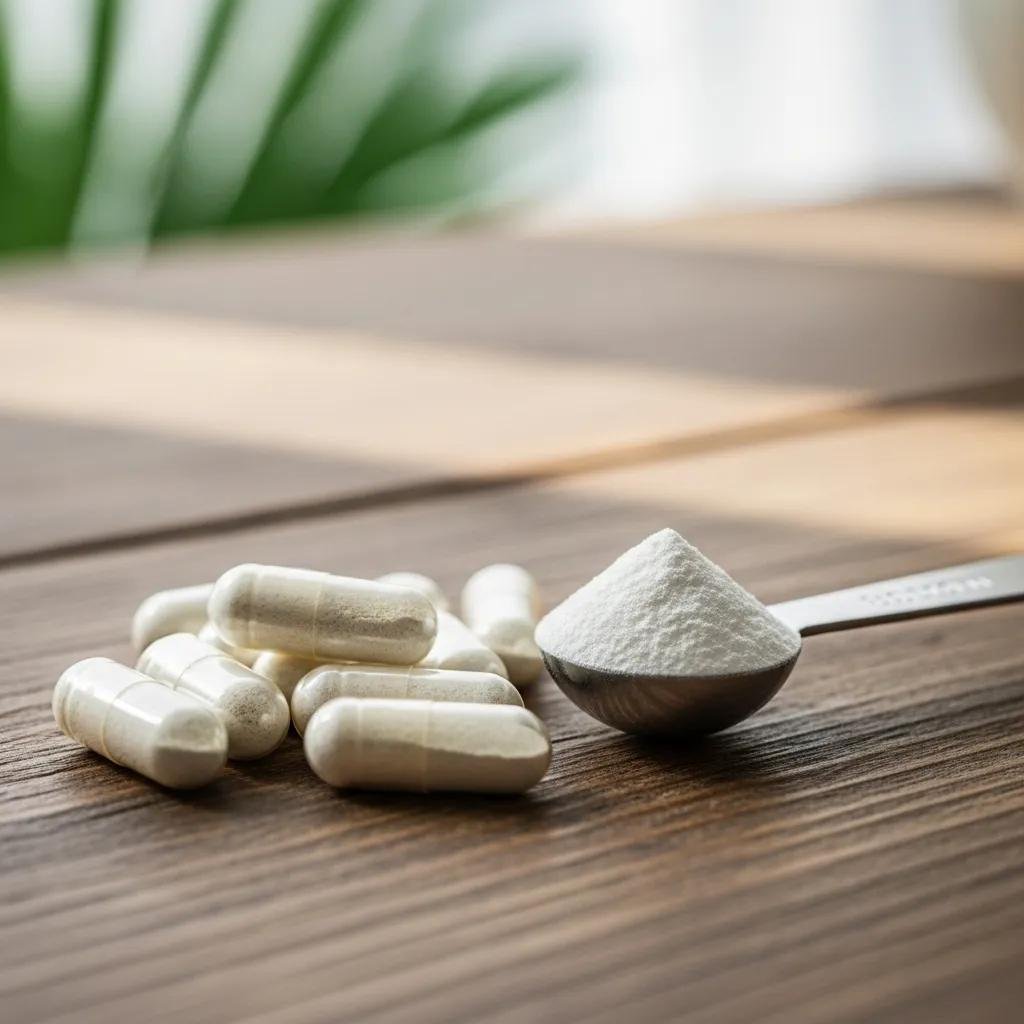
Recommended biotin intake depends on purpose: population‑level adequate intake is low (about 30 mcg/day for adults), while many hair supplements contain much larger amounts, commonly 2,500 mcg to 10,000 mcg per serving. Higher doses are used clinically to correct deficiency or for cosmetic use, but they should be supervised because very high biotin can interfere with laboratory immunoassays — most notably some thyroid and cardiac tests — producing misleading results. If considering doses above the recommended intake, use a clinician‑guided approach with baseline testing and follow‑up monitoring to balance potential benefit and safety.
The table below summarizes common dosing ranges and clinical notes for different use cases:
| Use Case / Population | Common Supplement Dosage Range | Clinical Notes / Precautions |
|---|---|---|
| General adult maintenance | ~30 mcg/day (adequate intake) | Usually met with a varied diet; supplements often unnecessary if diet is sufficient |
| Suspected deficiency (clinical management) | 1,000–5,000 mcg/day | Common short‑term therapy to correct deficiency; monitor clinical response and labs |
| High‑dose cosmetic use | 2,500–10,000 mcg/day | Limited evidence in non‑deficient people; can interfere with lab assays — inform lab/testing staff |
What are the safe and effective biotin supplement dosages for hair health?
For routine sufficiency, getting about 30 mcg/day from food is typically adequate and safe for most adults. Clinically, therapeutic doses (for example, 1,000–5,000 mcg/day) are used short‑term to correct confirmed deficiency, with reassessment once levels and hair quality improve. Over‑the‑counter high doses (2,500–10,000 mcg/day) are widely available but should be used cautiously because they can skew lab results and mask or mimic thyroid or other hormone abnormalities. Always tell your healthcare provider and the laboratory about high‑dose biotin before blood testing.
What potential side effects and interactions should be considered?
Biotin is usually well tolerated, with few direct adverse effects reported at common supplemental doses. The primary safety concern is laboratory interference: high circulating biotin can cause falsely high or low results on certain immunoassays, potentially leading to misdiagnosis. Other rare issues include skin rashes or gastrointestinal upset, and complex multi‑ingredient hair products can confound assessment. To reduce risk, inform clinicians and lab personnel about biotin use before testing, and consider clinician‑directed monitoring with therapeutic doses. If unexpected lab results occur, stopping biotin and re‑testing after an appropriate washout is often recommended.
At our clinic, we offer individualized dosing and comprehensive laboratory testing through Dr. Fred Bloem / Internal Healing and Wellness MD to determine whether supplementation is appropriate and to monitor for lab interference. Patients are encouraged to book a personalized consultation to establish a safe, effective plan.
How Does Biotin Fit into a Holistic Hair Restoration Plan?
Biotin is one supportive component in a multi‑modal strategy that also addresses hormones, regenerative therapies, scalp treatments, and lifestyle factors that together determine hair quantity and quality. In an integrative plan, biotin provides biochemical support for keratin and hair shaft integrity while hormone optimization and regenerative procedures (like PRP) target the follicle environment, circulation, and cellular repair. A functional evaluation — covering nutrient status, thyroid function, sex hormones, and inflammation — helps sequence therapies so nutritional, systemic, and local treatments work together rather than in isolation. This framework clarifies when biotin is foundational versus when clinical interventions are necessary.
The following table compares common interventions and their complementary roles in a comprehensive hair plan:
| Intervention | Mechanism | Expected Outcome / Role in Plan |
|---|---|---|
| Biotin (nutritional) | Supports coenzyme activity for keratin precursor synthesis | Improves hair shaft strength and reduces fragility when deficient |
| Bioidentical Hormone Replacement Therapy | Restores systemic hormone balance affecting follicle cycle | Can improve hair density and quality in hormone‑related thinning |
| Platelet‑Rich Plasma (PRP) | Delivers growth factors to follicles to stimulate repair | May promote follicle activity and support regrowth in selected patients |
| Intravenous (IV) therapies | Rapidly repletes micronutrients and supports systemic health | Complements nutrition and can correct deficiencies affecting hair |
How do hormone balance and regenerative therapies complement biotin for hair growth?
Hormones influence the hair follicle growth cycle and sensitivity to androgenic signals, so correcting hormonal imbalances can restore follicle function even when nutrition is adequate. Regenerative treatments such as PRP increase local growth‑factor signaling and stimulate repair at the follicle, creating a biological context where nutritional substrates like biotin can support effective keratin synthesis. Combined, systemic hormone optimization and targeted regenerative therapies address both the follicle environment and the structural building blocks of hair, offering greater potential than any single therapy alone. This integrated approach helps clinicians prioritize interventions based on underlying causes and patient goals.
What personalized approaches does Dr. Fred Bloem recommend for biotin use?
Dr. Fred Bloem and the team at Internal Healing and Wellness MD favor a diagnostic‑first approach: assess nutrient status, screen for hormonal imbalances, and evaluate scalp and hair‑cycle characteristics before starting long‑term supplementation. Typical workflows include baseline labs for relevant markers and broader functional testing when indicated, followed by diet optimization, targeted supplementation if deficiency is found, and coordinated use of hormone or regenerative therapies as appropriate. Sequencing treatment — beginning with correctable systemic issues and moving to local regenerative steps — increases the likelihood of meaningful, lasting improvement in hair thickness and strength. Patients interested in an individualized plan can schedule an evaluation to align nutritional and clinical strategies.
For clinic‑based integration, Dr. Fred Bloem / Internal Healing and Wellness MD provides tailored regenerative medicine and hormone therapy options that complement nutritional strategies and may be incorporated after diagnostic testing.
What Are Common Biotin Deficiency Hair Symptoms and How Are They Diagnosed?
Biotin deficiency typically presents with a group of hair and skin findings — diffuse thinning, brittle or breaking hair, and sometimes dermatitis or brittle nails — that prompt evaluation for nutritional causes alongside other possibilities. Because many hair‑loss patterns overlap, distinguishing deficiency‑related changes relies on clinical history (diet, GI symptoms, medication use), physical exam, and targeted lab testing when indicated. Functional medicine emphasizes root‑cause assessment — testing for absorption problems, concurrent deficiencies (iron, vitamin D), thyroid dysfunction, and hormone imbalances — so treatment addresses the underlying issue rather than just symptoms. A stepwise diagnostic workflow helps prioritize interventions and track response.
What signs indicate biotin deficiency-related hair loss?
Signs that suggest biotin deficiency include generalized thinning with increased fragility, hair that breaks mid‑shaft, and accompanying nail fragility or scaly dermatitis in some cases. These findings differ from patterned androgenetic loss, which usually shows gradual, patterned thinning. Red flags for nutritional deficiency include rapid onset of brittle hair with restrictive diets, malabsorption syndromes, or prolonged antibiotic therapy that alters gut flora and biotin production. When these signs are present, clinicians review dietary intake and consider targeted laboratory assessment to confirm deficiency and exclude other common causes.
How does functional medicine diagnose and address biotin deficiency?
Functional practitioners follow a stepwise plan: screen for clinical indicators, order targeted laboratory tests when indicated, and treat identified causes — beginning with dietary changes and conservative supplementation, while addressing malabsorption, medication contributors, or gut dysbiosis that may underlie deficiency. Treatment usually starts with food‑first strategies and modest supplementation, followed by re‑evaluation of labs and hair quality, and escalation to clinical interventions (hormone optimization, regenerative therapies) if hair loss persists. Monitoring progress over months — not weeks — sets realistic expectations and allows adjustments based on objective outcomes and patient response.
If you suspect biotin deficiency or ongoing hair thinning, a compassionate clinical evaluation can determine whether nutritional supplementation or a broader integrative plan is appropriate. Dr. Fred Bloem / Internal Healing and Wellness MD offers diagnostic testing and individualized treatment pathways to identify the cause and design a tailored plan. The clinic is located at 10400 Connecticut Ave Ste 206, Kensington, MD, and can be reached by phone at (301) 260-2601 for scheduling and consultation.
- Key warning: Always report biotin or supplement use to your lab and clinician before blood testing.
- Diagnostic priority: Rule out thyroid dysfunction, iron deficiency, and hormonal causes before attributing hair loss to biotin alone.
- Treatment sequencing: Start with diet and targeted supplementation if deficiency is identified, then integrate clinical therapies as needed.
- Diet-first: Emphasize biotin‑rich foods and complementary nutrients to support keratin synthesis.
- Test if uncertain: Order targeted laboratory testing when history or signs suggest deficiency.
- Personalize therapy: Work with a clinician to tailor dosing and combine nutritional and clinical treatments for the best outcome.
Frequently Asked Questions
1. Can biotin help with hair loss caused by hormonal imbalances?
Biotin can support hair structure but is not a standalone fix for hormone‑driven hair loss. Hormonal factors — elevated androgens, thyroid dysfunction, or other endocrine issues — strongly influence hair cycles. While biotin can help keratin production, effective treatment for hormone‑related hair loss usually requires targeted endocrine or regenerative therapies alongside nutritional support. A combined approach that addresses hormones plus nutrition typically gives better results.
2. Are there any specific populations that should consider biotin supplementation?
Certain groups may benefit from supplementation, especially those at risk for deficiency: people with malabsorption disorders, those on long‑term antibiotics, individuals with genetic biotin‑metabolism disorders, and pregnant or breastfeeding women who have higher biotin needs. Always consult a healthcare provider before starting supplements to assess individual need and avoid unnecessary high doses in non‑deficient people.
3. How long does it take to see results from biotin supplementation?
Timing varies. In confirmed deficiency, improvements in hair quality are often noticeable within a few months of consistent supplementation. In people without deficiency, measurable benefits are less predictable and may take longer, if they occur at all. Remember that hair grows slowly and that meaningful change usually requires months of consistent nutrition and a broader treatment plan when other causes are present.
4. Can biotin cause any adverse effects or interactions with medications?
Biotin is generally well tolerated, but high doses can interfere with certain lab tests — particularly thyroid and cardiac immunoassays — and lead to misleading results. Rare adverse effects include skin rashes or digestive upset. If you take other medications or supplements, discuss them with your clinician to avoid interactions and ensure safe use. Always tell your lab and provider about biotin use before testing.
5. Is it better to get biotin from food or supplements?
Food first. Whole foods provide biotin plus other nutrients that act synergistically to support hair health. Eggs, nuts, and fish are good sources. Supplements may be appropriate for confirmed deficiencies or specific medical conditions, but they should be used under medical supervision. For most people, a balanced diet is the best way to maintain adequate biotin levels.
6. How does biotin interact with other nutrients important for hair health?
Biotin works with nutrients like zinc, iron, and vitamins A and C that are important for hair growth. For example, vitamin C enhances iron absorption, and zinc supports protein synthesis and cell division — both critical for healthy follicles. A well‑rounded diet including these nutrients alongside biotin optimizes hair health, so it’s important to take a holistic view of nutrition.
7. What lifestyle changes can complement biotin supplementation for better hair health?
Alongside biotin, lifestyle measures can boost hair health: eat a balanced diet rich in vitamins and minerals, stay hydrated, manage stress with relaxation practices, and avoid harsh styling or chemical treatments. Regular exercise improves circulation to the scalp. Reducing heat styling and chemical processing minimizes damage, and combining these habits with appropriate nutrition creates a stronger foundation for healthier hair.
Conclusion
Biotin can strengthen hair and reduce breakage, particularly for those with a deficiency. But it’s most effective as part of a holistic plan that addresses nutrition, hormones, and scalp health. For the best results, consult a healthcare professional to confirm deficiency, tailor dosing, and coordinate biotin with other therapies. If you’d like personalized guidance, our clinic can help you design a plan that fits your needs and goals — and supports healthier hair over the long term.