

Unlocking Holistic Wellness with Myers' Cocktail IV Therapy
Myers’ Cocktail IV Therapy is a physician-designed intravenous nutrient infusion that delivers a tailored blend of vitamins, minerals and electrolytes directly into the bloodstream for faster bioavailability and targeted symptom relief. By bypassing the digestive tract, this approach raises systemic nutrient levels quickly to support energy, immune function, migraine relief, athletic recovery and cellular resilience. In this guide, we explain what a Myers’ Cocktail typically contains, how IV delivery differs from oral supplements, the main clinical benefits, and what patients can expect before, during and after treatment. Dr. Fred Bloem and the physician-led team at Dr. Fred Bloem / Internal Healing and Wellness MD emphasize individualized formulations within an integrative medicine framework, adapting infusions to each patient while following established safety protocols. The article walks through definitions, ingredient actions, condition-specific evidence, practical timelines, and clinic-level next steps for those considering Myers’ Cocktail therapy.
What Is Myers' Cocktail IV Therapy and How Does It Work?
Myers’ Cocktail IV Therapy is an intravenous nutrient protocol that commonly combines magnesium, vitamin C, B-complex vitamins and, on occasion, calcium to quickly restore systemic nutrient levels and cellular hydration. Because nutrients are delivered directly into the vascular system, the infusion avoids first-pass metabolism and variable gastrointestinal absorption—achieving higher plasma concentrations and often faster clinical effects than oral supplements. In practice, providers customize the infusion based on symptoms and laboratory findings so nutrient repletion targets fatigue, immune stress, migraine or recovery needs. Knowing the core ingredients and delivery mechanics helps explain why clinicians choose IV nutrient therapy when oral routes are insufficient or too slow.
Each component contributes complementary effects, and optional add-ons such as zinc or antioxidants can be added when clinically appropriate. Below is a concise summary of the therapy’s procedural attributes for quick reference, followed by a short table that outlines common clinical uses and expected characteristics.
This table clarifies essential procedural attributes so clinicians and patients understand what to expect from a standard Myers’ Cocktail infusion.
| Attribute | Characteristic | Typical Value |
|---|---|---|
| Route | Intravenous infusion | Peripheral IV |
| Typical Duration | Infusion time | 20–60 minutes depending on formulation |
| Provider | Clinical oversight | Physician-led protocol |
| Primary Uses | Indications | Energy restoration, immune support, migraine relief |
What Are the Key Ingredients in Myers' Cocktail?
Typical Myers’ Cocktail formulations include magnesium, vitamin C (ascorbic acid), a B-complex (B1, B2, B3, B5, B6, B12) and calcium, with optional additions such as zinc or glutathione when indicated. Magnesium acts as a cofactor in hundreds of enzymatic reactions, supporting neuromuscular transmission and vascular tone—useful for migraines and muscle cramps. Vitamin C provides antioxidant support and helps immune cell function during acute stress or illness. B-complex vitamins serve as coenzymes in energy metabolism, aiding mitochondrial ATP production and helping reduce fatigue. Clinicians adjust doses based on medical history, renal function and treatment goals, adding antioxidants or trace elements when clinically appropriate.
The table below links each core component to its primary mechanism and clinical benefit for quick reference by clinicians and informed patients.
| Ingredient | Mechanism | Benefit / Condition |
|---|---|---|
| Magnesium Chloride | Modulates neuronal excitability and vascular tone | Migraine relief, muscle relaxation |
| Vitamin C (Ascorbic Acid) | Antioxidant and immune cell support | Immune resilience, antioxidant protection |
| B-Complex (B1–B12) | Coenzymes in cellular energy production | Fatigue reduction, metabolic support |
| Calcium Gluconate | Electrolyte balance and signaling | Cardiac/neuromuscular stability |
How Does Intravenous Nutrient Delivery Enhance Absorption and Effectiveness?
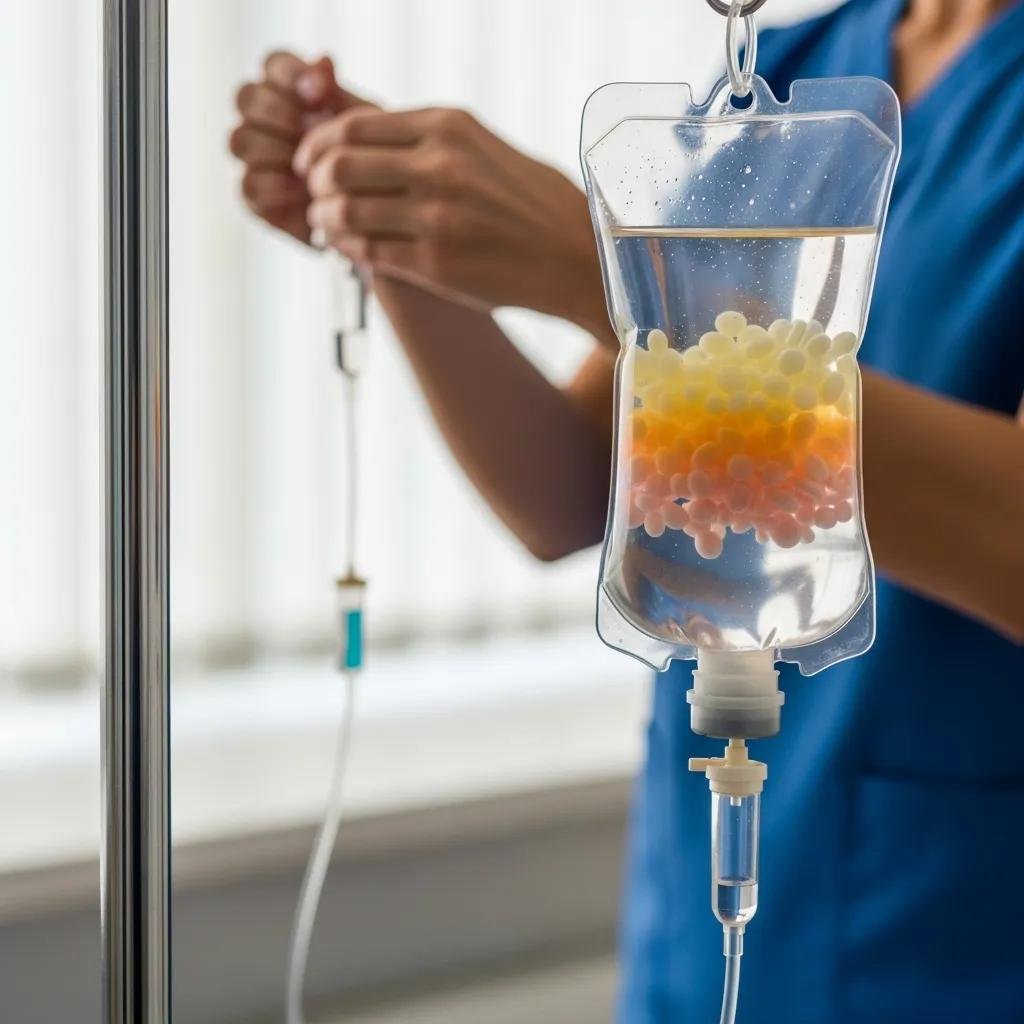
Intravenous nutrient delivery provides near-complete systemic availability of administered compounds by avoiding gastrointestinal barriers and first-pass hepatic metabolism that limit oral dosing. This pharmacokinetic advantage produces higher peak plasma levels and faster clinical effects, making IV therapy appropriate when rapid symptom control is needed or when malabsorption reduces oral effectiveness. For patients with severe fatigue, acute immune stress or refractory migraines, IV delivery offers a predictable, clinician-controlled method to correct deficiencies and support recovery. Performing infusions in a monitored clinical setting allows individualized infusion rates and observation for immediate reactions, which helps mitigate risks linked to rapid administration.
A short comparison highlights when clinicians may prefer IV therapy over oral supplements and frames the typical scenarios in which IV nutrient repletion is most impactful, setting up the benefits discussion that follows.
What Are the Primary Benefits of Myers' Cocktail IV Therapy?
Myers’ Cocktail delivers multi-system support by combining hydration, electrolytes, metabolic cofactors and antioxidants to address both acute and chronic symptoms. Key benefits include faster energy restoration, immune support, migraine and headache relief, quicker athletic recovery, stress modulation and cellular antioxidant effects that may contribute to healthy aging strategies. Evidence strength varies by indication—magnesium has solid rationale for migraine care while B vitamins support energy metabolism; vitamin C provides antioxidant and immune support. The therapy’s rapid onset and clinician-controlled dosing make it a practical option when oral approaches are too slow or unreliable. Below is a concise benefits list for easy scanning, followed by a short ingredient→benefit mapping.
- Energy restoration: Direct cofactor replenishment supports mitochondrial ATP production to reduce fatigue.
- Immune support: Elevated plasma vitamin C and restored electrolytes support leukocyte function during stress.
- Migraine relief: Magnesium helps modulate neuronal excitability and vascular tone to reduce headache frequency and severity.
- Athletic recovery: Electrolyte repletion and antioxidants help reduce soreness and speed post-exertion recovery.
- Stress and mood support: B vitamins and magnesium support neurotransmitter production and autonomic balance.
- Cellular antioxidant protection: Vitamin C and optional glutathione help mitigate oxidative stress.
This list summarizes the main clinical advantages and leads into more detailed sections that explain mechanisms and expected outcomes.
How Does Myers' Cocktail Boost Energy and Alleviate Chronic Fatigue?
Energy improvements stem from delivering B-complex vitamins and magnesium directly into the blood, supplying cofactors needed for glycolysis, the Krebs cycle and oxidative phosphorylation—processes that drive mitochondrial ATP generation. Repleting these nutrients can correct subtle deficiencies that contribute to persistent fatigue. Many patients report improved stamina and daytime alertness within days to a few weeks after a short series of infusions, though lasting improvement often requires addressing underlying causes and, occasionally, repeat treatments. Clinicians commonly combine IV therapy with lifestyle and nutritional evaluation to support durable outcomes and may recommend periodic maintenance based on response and metabolic testing.
This metabolic support complements the therapy’s immune and neurologic effects, which we explore next.
In What Ways Does It Support Immune System Health and Wellness?
Myers’ Cocktail supports immune function chiefly through higher plasma vitamin C and replenished electrolytes and micronutrients that sustain cellular activity under stress. Vitamin C concentrates in immune cells, aiding chemotaxis and phagocytosis, while adequate micronutrient status prevents immune dysfunction associated with deficiencies. IV delivery achieves transient plasma vitamin C levels that are difficult to reproduce with oral dosing—useful in acute infections or post-viral recovery. It’s important to set realistic expectations: IV therapy can enhance symptom recovery and resilience but is not a replacement for disease-specific or targeted medical treatments when those are required.
With immune and energy benefits covered, we turn to neurologic uses—especially migraine care—where specific nutrients play central roles.
Can Myers' Cocktail IV Therapy Help with Migraines and Neurological Health?
Yes—Myers’ Cocktail can help some patients with migraines and other neurologic symptoms by delivering magnesium and B vitamins intravenously to influence neuronal excitability, neurotransmitter balance and vascular tone. Magnesium stabilizes neuronal membranes and modulates NMDA receptor activity—mechanisms implicated in migraine. B vitamins support neurotransmitter synthesis and nerve repair. Clinical evidence supports IV magnesium for certain acute and preventive migraine scenarios, and combination infusions can provide faster symptomatic relief for responsive patients. Providers assess symptom patterns and comorbidities to decide whether single-agent magnesium, a full Myers’ Cocktail, or adjunctive therapies are most appropriate.
Below we outline why magnesium is often central to migraine-focused protocols and when clinicians choose tailored formulations.
What Role Does Magnesium Play in Migraine Relief?
Magnesium supports migraine care by modulating neuronal excitability, acting as a vasodilator to influence cerebral blood flow, and helping stabilize ion channels involved in cortical spreading depression. Intravenous magnesium can raise serum levels quickly, producing noticeable effects within hours for some patients and offering both acute relief and prophylactic benefit in recurrent cases. Dosage and formulation are chosen with attention to patient tolerance and renal function; clinicians may select magnesium-containing Myers’ Cocktail infusions when migraines are accompanied by muscle tension or autonomic symptoms. Individual responses vary, and magnesium works best as part of a comprehensive, individualized migraine plan.
Understanding magnesium’s role naturally leads to how the cocktail supports neurologic symptoms and stress more broadly.
How Does Myers' Cocktail Address Neurological Symptoms and Stress?
The cocktail helps neurological symptoms and stress through B vitamins, which support synthesis of neurotransmitters like serotonin and dopamine, and magnesium’s calming effects on the nervous system. These nutrients support pathways important for mood regulation, cognitive function and autonomic balance, and IV administration can accelerate therapeutic concentrations for patients with acute stress or autonomic dysregulation. Clinicians commonly observe improvements in sleep quality, stress tolerance and concentration after a short course of tailored infusions—especially when combined with counseling, sleep optimization and lifestyle changes. Long-term neurologic benefits are best sustained through integrated care that addresses metabolic, endocrine and psychosocial contributors.
With neurologic and stress benefits established, the next section reviews how infusions are used to support athletic performance and recovery.
How Does Myers' Cocktail Support Athletic Performance and Recovery?
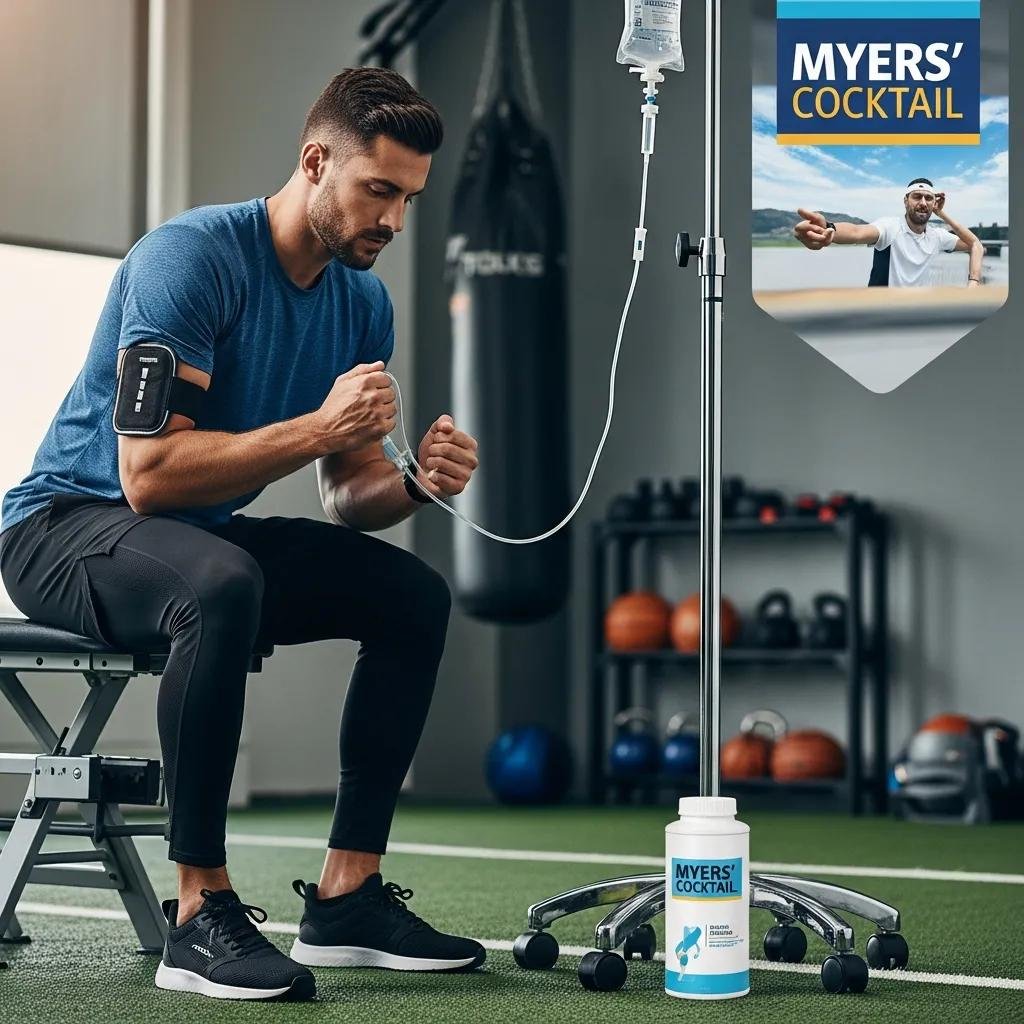
Myers’ Cocktail supports athletic performance and recovery by rapidly restoring hydration, electrolytes and metabolic cofactors that muscles need for contraction, relaxation and repair—helping reduce cramping and speed recovery. Electrolyte balance, notably magnesium and calcium, influences muscle function and cramp risk, while vitamin C and other antioxidants assist post-exertional recovery by reducing oxidative stress. Timing matters: post-event infusions can shorten recovery windows, while pre-event administration may support hydration when athletes can’t tolerate oral intake. The benefits are greatest when IV therapy complements proven recovery strategies such as structured training, targeted nutrition, sleep and rehabilitation.
Below are practical timing examples clinicians use when advising athletes on infusion planning and expectations.
- Pre-event hydration: Short infusion to optimize electrolyte status before prolonged exertion.
- Immediate post-event recovery: Repletion of electrolytes and antioxidants to reduce soreness and inflammation.
- Maintenance during heavy training cycles: Periodic infusions to correct cumulative deficits and sustain performance.
These timing strategies link back to the mechanisms that improve muscle function and systemic recovery.
What Are the Benefits for Muscle Function and Soreness Reduction?
For muscle function and soreness reduction, magnesium promotes relaxation and lowers cramp risk, B vitamins support efficient energy production needed for repair, and vitamin C contributes to collagen synthesis and antioxidant defense that aid tissue recovery. Athletes receiving targeted Myers’ Cocktail infusions commonly report less delayed-onset muscle soreness and faster return to baseline performance—often within 24–72 hours. Recommended frequency depends on training load, with short recovery-focused infusions after intense efforts and periodic maintenance during heavy cycles. Combining IV therapy with adequate protein intake, active recovery and sleep optimization yields the best measurable gains.
This focus on muscular recovery connects to broader endurance and wellness benefits that help maintain consistent performance.
How Does It Enhance Overall Physical Endurance and Wellness?
Myers’ Cocktail supports endurance and overall wellness by preserving hydration, replenishing electrolytes lost during prolonged activity and providing metabolic cofactors that help sustain ATP production. Better hydration and nutrient status can lower perceived exertion, improve thermoregulation and speed recovery between sessions—benefits that support endurance performance over time. IV therapy is an adjunct to, not a replacement for, sound nutrition and periodized training; used appropriately, it can shorten recovery time and help athletes maintain consistent training loads as part of a comprehensive performance plan.
After considering performance uses, the next section clarifies who is most likely to benefit and how personalization determines suitability.
Who Can Benefit from Myers' Cocktail IV Therapy?
Myers’ Cocktail can benefit a range of patients, including people with chronic fatigue, frequent migraines, athletes seeking faster recovery, travelers needing rehydration and individuals pursuing integrative support for immune or stress-related symptoms. Suitability depends on clinical assessment, baseline labs, comorbidities and treatment goals—contraindications such as certain renal impairments or specific allergies may require alternative approaches or specialist referral. Personalization guides infusion composition and scheduling to optimize results while minimizing risk. At Dr. Fred Bloem / Internal Healing and Wellness MD, our physician-led team evaluates each patient to create a tailored infusion plan aligned with their health objectives and diagnostic findings.
Below are common candidate profiles and why they may benefit.
- Chronic fatigue or post-viral fatigue: Nutrient cofactors support mitochondrial and metabolic recovery.
- Recurrent migraine sufferers: Magnesium-focused formulations can reduce frequency and severity.
- Endurance and recreational athletes: Hydration and electrolyte repletion speed recovery and reduce cramping.
- Seasonal or acute immune stress: Vitamin C–rich infusions may support symptomatic recovery and resilience.
This targeted list highlights typical use cases and leads into guidance on realistic expectations and contraindications that inform safe clinical decision-making.
Which Conditions Are Commonly Treated with Myers' Cocktail?
Clinically, Myers’ Cocktail is commonly used for chronic fatigue syndromes, fibromyalgia-like presentations, recurrent migraines, acute fatigue and periods of immune compromise or recovery. For each presentation, clinicians map nutrient mechanisms to symptoms: mitochondrial cofactors for fatigue, magnesium for migraine and muscle complaints, and antioxidants for oxidative-stress–related recovery. Outcomes vary—some patients experience rapid symptom improvement, while others benefit from serial treatments combined with lifestyle or medical interventions. When symptoms suggest structural, infectious or serious systemic disease, referral to the appropriate specialist is preferable rather than relying solely on infusion therapy.
Is Myers' Cocktail Suitable for Stress Reduction and Anti-Aging?
Myers’ Cocktail can support stress reduction and cellular repair through antioxidant delivery and cofactor replenishment that promote mitochondrial function and reduce oxidative stress—mechanisms that may contribute modestly to healthy aging. However, IV therapy is not a standalone anti-aging solution; it is most effective as part of an integrative program that includes nutrition, sleep, exercise and evidence-based medical care. For stress-related symptoms, B vitamins and magnesium often produce short-term improvements in mood and autonomic balance, while long-term resilience relies on lifestyle and psychosocial supports. Clinicians should set balanced expectations and monitor outcomes to avoid overpromising.
What Should Patients Expect During and After Myers' Cocktail IV Therapy?
Patients can expect a physician-supervised consultation, appropriate screening, a monitored infusion lasting roughly 20–60 minutes and brief post-infusion observation for tolerance and immediate effects. The visit typically begins with a medical history review and any indicated labs, proceeds with peripheral IV placement and controlled infusion, and concludes with post-care guidance on hydration and follow-up. Mild side effects such as transient flushing or vein irritation are relatively common and self-limited; serious reactions are rare and pre-infusion screening helps reduce risk. At Dr. Fred Bloem / Internal Healing and Wellness MD, scheduling begins with an initial physician consultation to tailor the formulation, discuss potential add-ons and outline follow-up and practical considerations.
The stepwise summary below is optimized for quick clarity and serves as a practical timeline.
- Consultation: Medical review, indication assessment and screening labs if needed.
- Infusion: IV placement and infusion over approximately 20–60 minutes under clinical monitoring.
- Recovery and follow-up: Short observation, post-care advice and scheduling for repeat or maintenance sessions.
This concise timeline prepares patients for next steps and introduces the procedural table below for those seeking structured expectations.
| Step | Action | Typical Duration / Outcome |
|---|---|---|
| Consultation | Medical history and screening | 15–30 minutes; informs formulation |
| Infusion | IV administration of Myers’ Cocktail | 20–60 minutes; rapid symptom onset possible |
| Post-care | Observation and follow-up planning | 10–20 minutes; guidance on repeat treatments |
What Is the Typical Procedure and Duration of a Myers' Cocktail Session?
A typical session begins with check-in and a brief physician assessment to confirm indications and review medical history, followed by peripheral IV placement and an infusion that generally lasts 20–60 minutes depending on additives and infusion rate. Patients remain in the clinic during administration for monitoring and immediate response assessment, with short post-infusion observation before discharge. Clinicians document the formulation and recommend follow-up or maintenance scheduling; for many patients, a short series of treatments spaced over weeks produces the most consistent improvement. Clinic staffing and physician oversight ensure protocols follow safety standards and individualized dosing.
That procedural overview leads into the safety considerations and side effects patients should understand before treatment.
What Are the Potential Side Effects and Safety Considerations?
Most side effects from Myers’ Cocktail are mild and self-limited, including transient flushing, mild nausea or local vein irritation at the infusion site. Serious adverse events such as allergic reactions are uncommon but require immediate attention. Patients with significant renal impairment, certain electrolyte disorders or known allergies to ingredients need careful screening and may be unsuitable for particular formulations, so pre-infusion labs and medical review are important. To reduce risk, clinicians monitor infusion rates, adjust doses for renal function and follow physician-led protocols. Patients should report severe symptoms such as difficulty breathing, chest pain or persistent dizziness right away.
These safety points reinforce the importance of physician-led customization and monitoring to support both efficacy and patient safety during Myers’ Cocktail therapy.
- This is the end of the article.
Frequently Asked Questions
1. How often should I receive Myers' Cocktail IV Therapy for optimal results?
Frequency depends on your goals and clinical needs. For acute issues—severe fatigue or migraine flares—patients may receive infusions once or twice weekly until symptoms improve. For maintenance, many choose monthly visits to sustain energy and immune support. Your physician will recommend a schedule tailored to your health profile and treatment response.
2. Are there any contraindications for receiving Myers' Cocktail IV Therapy?
Yes. People with significant renal impairment, certain electrolyte imbalances or known allergies to any component should avoid or modify this treatment. Pregnant or breastfeeding patients should consult their clinician before starting IV therapy. A thorough medical history and screening ensure a safe, personalized plan.
3. Can Myers' Cocktail IV Therapy be used alongside other treatments?
Often, yes. Myers’ Cocktail is typically complementary and can be integrated with other therapies, but you should tell your provider about all medications and treatments you use. Certain conditions or therapies may require adjustments to the infusion composition or timing. Coordination with your healthcare team ensures safe and effective integration.
4. What should I do if I experience side effects after the infusion?
If you notice persistent nausea, severe flushing or any unusual symptoms after an infusion, contact your healthcare provider promptly. Most side effects are mild and temporary, but your team can assess symptoms and recommend monitoring, supportive care or changes to future infusions as needed.
5. How does Myers' Cocktail IV Therapy compare to oral supplementation?
IV therapy delivers nutrients directly into the bloodstream, producing near-100% bioavailability and higher peak plasma concentrations than oral supplements. This often results in faster symptom relief and predictable dosing—advantages for people who need rapid benefit or who have absorption challenges with oral supplements.
6. Is Myers' Cocktail IV Therapy suitable for everyone?
Not everyone. Eligibility depends on medical history, current health conditions and specific goals. A comprehensive consultation helps determine whether IV therapy is appropriate and allows clinicians to tailor the infusion safely to individual needs.
7. What can I expect during my first Myers' Cocktail IV Therapy session?
Your first session typically begins with a detailed consultation to review medical history and goals. After IV placement, the infusion usually takes 20–60 minutes while you are monitored. A short observation period follows to ensure your comfort and stability before you leave the clinic.
Conclusion
Myers’ Cocktail IV Therapy offers practical, clinician-directed support for energy, immune resilience and migraine relief—and can be a useful part of an integrative wellness plan. By delivering nutrients directly into the bloodstream, the therapy produces rapid absorption and targeted symptom support when oral routes are limited. If you’re interested in personalized Myers’ Cocktail treatment, schedule a consultation with our physician-led team to discuss options and next steps for your health journey.