
How an Anti-Inflammatory Diet Lowers Chronic Inflammation — Practical Steps for Better Health
An anti-inflammatory way of eating centers on whole, minimally processed foods that help lower systemic inflammation by delivering antioxidants, omega‑3 fatty acids, fiber, and polyphenols. Over time these nutrients reduce pro‑inflammatory signaling and oxidative stress, which can mean less pain, steadier energy, improved metabolic control, and lower risk for long‑term disease. In this guide you’ll learn what chronic inflammation is, which foods support or undermine inflammatory balance, diet patterns backed by evidence, and practical steps for building a sustainable anti‑inflammatory lifestyle. You’ll also find a comparison of Mediterranean and DASH approaches, clear food lists and quick‑reference tables, and a brief note on when a clinician‑led plan is helpful for complex cases. By the end, you’ll have specific foods to prioritize, simple swaps to avoid inflammatory triggers, and a stepwise plan to begin lowering chronic inflammation naturally.
What chronic inflammation is and why it matters for your health
Chronic inflammation is a persistent, low‑grade immune response that doesn’t fully resolve and instead keeps tissues under stress via cytokines and oxidative damage. Over months to years this ongoing state shifts metabolic pathways, harms vascular lining, and promotes insulin resistance — all of which raise the risk for multiple chronic conditions. Knowing these mechanisms clarifies why dietary patterns that change lipid mediators, reduce gut‑derived endotoxins, and boost antioxidant status can alter disease trajectories. Below we contrast acute and chronic inflammation and list common conditions linked to ongoing inflammatory activity, with practical clinical implications.
How acute inflammation differs from chronic inflammation
Acute inflammation is a short, targeted response to injury or infection: immune cells arrive, blood flow increases, and repair begins — then the response resolves. Chronic inflammation is low‑grade, systemic, and ongoing, driven by persistent triggers such as metabolic overload, unresolved infections, environmental exposures, or immune dysregulation, and it typically won’t improve without intervention. Acute inflammation usually shows obvious signs — redness, heat, swelling, pain — while chronic inflammation is often subtle: fatigue, dull aches, or slow organ decline. A sprained ankle that heals in days is an example of acute inflammation; long‑standing fat‑tissue inflammation that contributes to insulin resistance is a common example of chronic inflammation. Recognizing the difference explains why lasting diet and lifestyle changes are essential for prevention.
Which chronic conditions are tied to inflammation?
Persistent inflammation contributes to many long‑term health problems through cytokine‑driven tissue damage and metabolic disruption. Research links ongoing inflammatory signaling to atherosclerosis (plaque buildup and arterial stiffening), worsening insulin resistance and the onset of type 2 diabetes, and autoimmune or rheumatologic diseases such as rheumatoid arthritis that reflect immune dysregulation. Neuroinflammatory processes are also implicated in neurodegenerative conditions like Alzheimer’s disease. Understanding these connections makes it clear why dietary strategies that lower systemic inflammation can reduce risk and improve outcomes across cardiovascular, metabolic, musculoskeletal, and cognitive health.
What to eat on an anti‑inflammatory diet

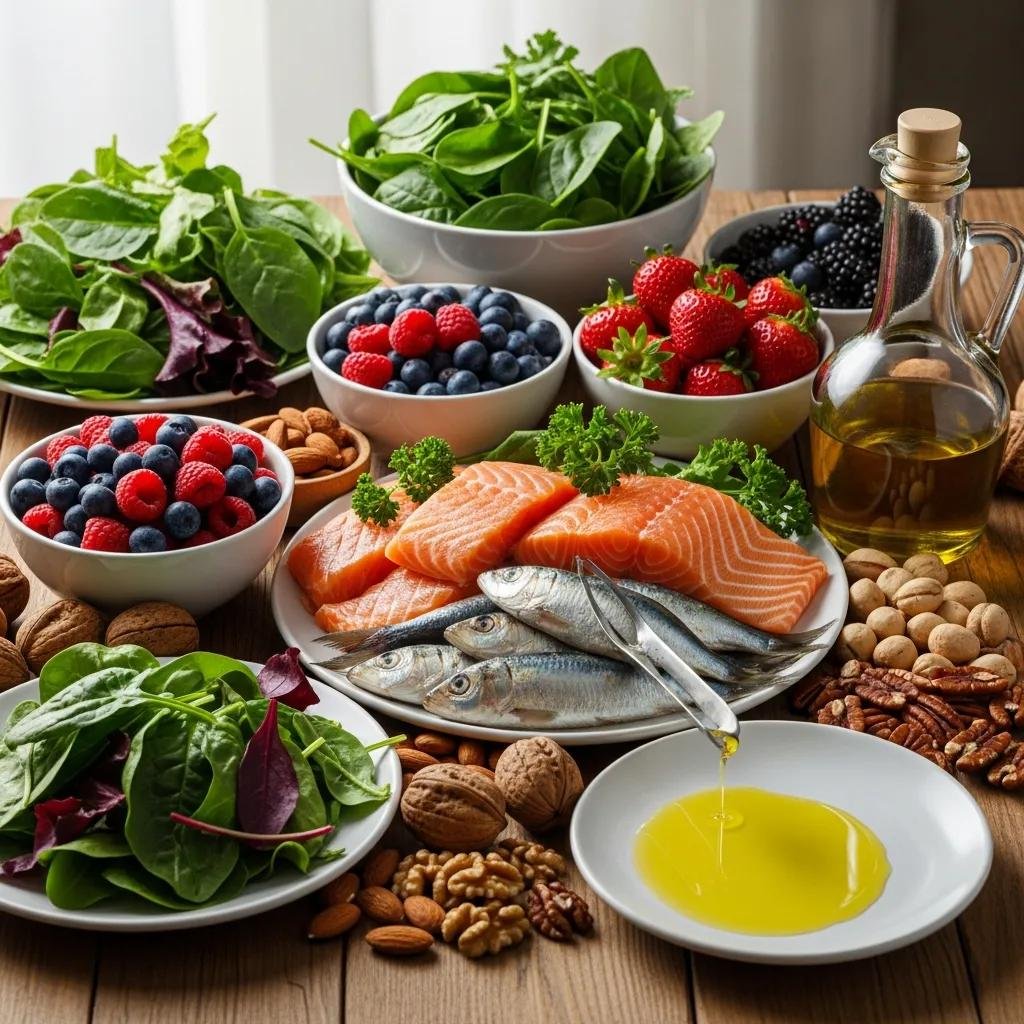
A practical anti‑inflammatory pattern emphasizes plants, whole grains, healthy fats, and fatty fish that supply omega‑3s, polyphenols, antioxidants, and fiber to quiet inflammatory pathways. These foods influence eicosanoid production, lower oxidative stress, nourish beneficial gut microbes that make anti‑inflammatory short‑chain fatty acids, and help keep blood sugar steady — all supporting reduced systemic inflammation. Below is a straightforward mapping of food groups to their key anti‑inflammatory compounds and suggested serving ideas to help you plan meals that actively reduce inflammation.
| Food Group | Key Anti-Inflammatory Compound | Serving Examples / Frequency |
|---|---|---|
| Fatty fish | Omega-3s (EPA, DHA) | 2 servings/week (salmon, mackerel, sardines) |
| Berries & colorful fruits | Polyphenols, anthocyanins | 1–2 servings/day (blueberries, cherries) |
| Leafy greens & crucifers | Antioxidants, glucosinolates | 2–3 cups/day (spinach, broccoli) |
| Nuts & seeds | Alpha-linolenic acid, magnesium | 1 oz/day (walnuts, chia, flax) |
| Olive oil & healthy oils | Monounsaturated fats, polyphenols | Use as primary fat, 1–2 tbsp/day |
This table gives simple, evidence‑based serving suggestions you can start using right away to increase anti‑inflammatory nutrients and support metabolic and vascular health.
- Choose fatty fish instead of fried or processed meats: Fish provides EPA/DHA, which reduce pro‑inflammatory eicosanoids.
- Make vegetables the main feature of your plate: High‑fiber plants support a resilient gut microbiome and steadier blood glucose.
- Use extra‑virgin olive oil in place of butter: Olive oil’s polyphenols and monounsaturated fats are linked to lower inflammatory markers.
These swaps are easy first steps that encourage steady adherence; the next section highlights top foods to include more intentionally in meal planning.
Top anti‑inflammatory foods to include
The most impactful choices are rich in omega‑3s, polyphenols, and fiber; together they act through complementary pathways to lower systemic inflammation. Fatty fish such as salmon, mackerel, and sardines supply EPA and DHA that compete with arachidonic acid and reduce pro‑inflammatory mediators. Berries, cherries, and other colorful fruits deliver anthocyanins and polyphenols with antioxidant and vascular benefits. Leafy greens, cruciferous vegetables, legumes, whole grains, nuts, seeds, turmeric, and extra‑virgin olive oil add fiber, sulforaphane, magnesium, curcumin, and oleocanthal — compounds that collectively downregulate inflammatory signaling. Meal ideas: grilled salmon with a spinach‑chickpea salad, oatmeal with berries and walnuts, or a turmeric‑scented vegetable stir‑fry with brown rice.
How omega‑3s and antioxidants help control inflammation
Omega‑3 fatty acids change cell‑membrane composition and shift eicosanoid production toward less inflammatory prostaglandins and resolvins, which help resolve inflammation. Antioxidants and polyphenols neutralize reactive oxygen species and blunt NF‑κB and other pro‑inflammatory transcription factors, lowering cytokine production. Together they improve endothelial function, reduce fat‑tissue inflammation, and support mitochondrial health — effects that translate to measurable drops in CRP and other inflammatory markers in clinical studies. Practical targets: two servings of oily fish per week and daily servings of polyphenol‑rich fruits and vegetables; consider supplements only when dietary intake is inadequate and after discussing with your clinician.
Which foods to limit or avoid to reduce inflammation

Minimizing foods that trigger glycemic spikes, impair gut barrier function, or supply pro‑inflammatory lipids is key to lowering chronic inflammation. Highly refined sugars and sweetened beverages create rapid postprandial glucose and insulin surges that increase oxidative stress and cytokine release. Ultra‑processed foods and trans fats disrupt the microbiome and raise intestinal permeability, allowing endotoxins into the bloodstream and activating systemic immune responses. High intake of processed red meats is also associated with higher inflammatory markers via saturated fat and heme‑related pathways. Below we list main offenders, explain mechanisms, and suggest practical swaps to reduce inflammatory burden.
Foods most likely to increase inflammation
Certain common items disproportionately raise inflammatory risk and are best limited or replaced. Refined sugars and sugar‑sweetened beverages drive glycemic variability and form advanced glycation end‑products that increase oxidative stress. Ultra‑processed foods high in refined carbs and additives promote dysbiosis and weight gain — both pro‑inflammatory. Industrial trans fats, found in some baked goods and shortenings, raise LDL and inflammatory cytokines, worsening cardiovascular risk. Simple swaps: water or unsweetened tea instead of sugary drinks, whole fruit instead of pastries, and olive oil or avocado in place of hydrogenated fats.
Why processed foods and trans fats fuel inflammation
Processed foods and industrial trans fats raise inflammation through multiple mechanisms: they disrupt the gut microbiome and increase intestinal permeability, allowing lipopolysaccharide (LPS) endotoxins to enter circulation and activate toll‑like receptors that trigger cytokine cascades. Trans fats also worsen lipid profiles and promote macrophage‑driven inflammation in arterial plaques, increasing cardiovascular risk. Chronic consumption encourages fat‑tissue expansion and immune cell infiltration, sustaining systemic cytokine release and insulin resistance. Recent studies show that reducing these dietary exposures improves gut‑barrier markers, lowers circulating endotoxin levels, and reduces systemic inflammatory biomarkers.
Which anti‑inflammatory diet patterns work best
Several established eating patterns line up with anti‑inflammatory principles by focusing on plants, healthy fats, and minimally processed foods; the Mediterranean and DASH diets have the strongest evidence for lowering inflammation and improving clinical outcomes. The Mediterranean approach emphasizes olive oil, fish, vegetables, legumes, nuts, and moderate fruit, while DASH highlights fruits, vegetables, low‑fat dairy, and reduced sodium to control blood pressure. Both increase polyphenols, fiber, and unsaturated fats while lowering processed food intake, and both have been shown to reduce CRP and other inflammatory markers in trials. Below we compare their core features and when personalization may be appropriate.
| Diet Pattern | Core Features | Anti-Inflammatory Strength / Best Use |
|---|---|---|
| Mediterranean | Olive oil, fish, plant-forward, moderate wine | Strong evidence for lowering CRP and improving cardiometabolic health |
| DASH | Fruits, vegetables, low-fat dairy, reduced sodium | Good for blood pressure control and overall inflammation reduction |
| Plant-forward personalized | Emphasizes whole plants with targeted eliminations | Best for autoimmune or intolerance-driven inflammation |
These patterns are flexible templates; the best choice depends on clinical goals such as managing metabolic syndrome, autoimmune conditions, or anti‑aging priorities, and often benefits from individualized adjustments.
When personalization is needed — for example, to address autoimmune triggers, hormone‑related metabolic changes, or multi‑system chronic illness — a clinician can tailor macronutrient ratios, guide elimination phases, and add supportive therapies. Internal Healing and Wellness MD, led by Dr. Fred Bloem, integrates personalized nutrition planning with functional medicine services like bioidentical hormone replacement and regenerative joint therapies to address root causes in complex cases. Patients with multiple comorbidities often benefit from clinician‑guided adaptations of Mediterranean or DASH principles to optimize inflammation control and functional outcomes.
Why the Mediterranean diet supports lower inflammation
The Mediterranean diet lowers inflammation through high intakes of monounsaturated fats from olive oil, omega‑3s from fatty fish, and abundant polyphenols from fruits, vegetables, and nuts. Olive oil contains oleocanthal, a compound with COX‑inhibiting activity similar to certain anti‑inflammatories, while EPA and DHA from fish help produce resolvins that resolve inflammation. High‑fiber plant foods feed the gut microbiome, increasing short‑chain fatty acids like butyrate that strengthen the gut barrier and modulate immune responses. Practical Mediterranean meals — grilled fish with a mixed green salad, lentil stew, and fruit‑and‑nut snacks — are easy to adopt and sustainable over time.
How DASH and personalized plans help reduce inflammation
The DASH diet reduces inflammation by improving blood pressure, stabilizing metabolic parameters, and increasing antioxidant intake from fruits and vegetables. Lower sodium and higher potassium improve vascular function, while whole grains and legumes provide fiber that supports glycemic control and gut health. Personalized plans add considerations like food sensitivities, metabolic goals, and hormonal status to adjust portions, timing, and specific food choices, which increases adherence and clinical effectiveness. Clinician‑guided personalization is especially valuable when underlying conditions — such as autoimmune disease or complex chronic illnesses — require targeted eliminations, nutrient repletion, or integration with other therapies.
How to put an anti‑inflammatory lifestyle into practice
Building an anti‑inflammatory lifestyle pairs food changes with sleep, stress management, and regular physical activity to amplify benefits and support long‑term adherence. Begin with pantry swaps, simple meal templates, and a short sample plan that reduces inflammatory triggers while increasing anti‑inflammatory foods. Better sleep and stress reduction blunt sympathetic overactivation and cortisol‑driven inflammation, while moderate regular exercise improves insulin sensitivity and reduces fat‑tissue inflammation. The checklist and meal examples below make the first steps actionable and sustainable.
- Stock staples: Whole grains, canned or dried legumes, frozen berries, olive oil, nuts, and fatty fish options.
- Plan meals: Build plates around vegetables and protein, and add a serving of healthy fat to stabilize glucose.
- Limit triggers: Reduce sugary drinks, ultra‑processed snacks, and hydrogenated oils.
- Lifestyle supports: Aim for 7–9 hours of sleep, 150 minutes of moderate exercise weekly, and regular stress‑reduction practices.
- Progress monitoring: Track symptoms, energy, and objective labs as recommended by your clinician.
These steps are practical and evidence‑based; consistent implementation over weeks to months is usually needed to see sustained reductions in systemic inflammation and symptom improvement.
Practical tips to get started
Make adoption fast and sustainable with easy substitutions, simple meal templates, and time‑saving strategies that keep meals nutrient‑dense. Start with pantry and fridge swaps — trade refined cereals for steel‑cut oats, choose whole‑grain bread, keep mixed frozen vegetables on hand, and use olive oil for cooking and dressings. A 3‑day sample could include oatmeal with berries and walnuts for breakfast, a large vegetable‑and‑legume salad with olive oil and grilled fish for lunch, and a vegetable‑forward stir‑fry with brown rice for dinner. Batch‑cook legumes and whole grains, use a slow cooker for stews, and prep snack packs of nuts and cut vegetables to reduce decision fatigue. Focus on one new habit per week for steady, sustainable progress.
How Dr. Fred Bloem’s personalized care enhances results
At Internal Healing and Wellness MD, Dr. Fred Bloem takes a root‑cause, personalized approach: extended visits, comprehensive assessments, and tailored protocols translate anti‑inflammatory nutrition into lasting clinical change. The practice combines customized nutrition plans with services referenced in clinical profiles — bioidentical hormone therapy, regenerative joint treatments, and IV therapies — to address contributors like hormonal imbalance or tissue repair needs. For patients with complex chronic illness or anti‑aging goals, this multidisciplinary approach aligns dietary changes with targeted medical interventions and ongoing monitoring. Care typically begins with a personalized assessment followed by a structured plan and periodic reassessment to maximize outcomes and adherence.
Unlock the Benefits of an Anti-Inflammatory Diet for Better Health
An anti‑inflammatory eating pattern offers many secondary benefits that support longevity, cognitive function, skin health, gut resilience, and metabolic stability through reduced oxidative stress, better vascular function, and increased microbiome diversity. These downstream effects often show up as improved mood, steadier blood sugar, preserved lean mass, and a more favorable environment for tissue repair and anti‑aging interventions. The table below links benefit areas to mechanisms and expected outcomes so you can see how diet choices extend benefits beyond symptom relief.
| Benefit Area | Mechanism | Expected Outcome / Evidence |
|---|---|---|
| Cognitive health | Omega-3s, polyphenols, vascular protection | Improved memory and slower cognitive decline risk |
| Skin & anti-aging | Antioxidants, collagen-sparing effects | Reduced oxidative skin damage and improved skin quality |
| Gut health | Fiber → SCFA production, microbiome diversity | Enhanced barrier integrity and reduced GI symptoms |
| Metabolic control | Improved insulin sensitivity, reduced adipose inflammation | Lower fasting glucose and improved lipid profile |
How this diet supports anti‑aging and brain health
Anti‑inflammatory nutrients protect the brain by lowering oxidative stress and preserving vascular health — two key drivers of cognitive aging. Omega‑3s support membrane fluidity and synaptic function, polyphenols reduce neuronal oxidative damage, and better endothelial health sustains cerebral blood flow; together these factors help slow vascular contributions to cognitive decline. For skin and anti‑aging, antioxidants limit collagen breakdown and photodamage. Practical strategies: include omega‑3‑rich fish regularly, eat polyphenol‑dense fruits and vegetables, and support vascular health through exercise and blood‑pressure control.
Impact on gut health and chronic disease management
Diet rich in fermentable fiber and diverse plant compounds promotes microbiome diversity and production of short‑chain fatty acids, especially butyrate, which strengthens the gut barrier and lowers systemic endotoxin exposure. A healthier gut barrier reduces immune activation from translocated bacterial products and decreases systemic inflammatory signaling, helping manage IBS, metabolic syndrome, and certain autoimmune conditions. Clinically, many patients report better GI symptoms, more energy, and steadier blood glucose when fiber and prebiotic‑rich foods are consistently included. Combining dietary changes with targeted medical care can further optimize outcomes for chronic disease management.
Frequently Asked Questions
1. Can an anti‑inflammatory diet help with weight management?
Yes. An anti‑inflammatory diet emphasizes whole, nutrient‑dense foods that tend to be lower in energy density and higher in fiber, which supports appetite regulation and metabolic health. Reducing inflammation can also improve insulin sensitivity — an important factor in maintaining a healthy weight. Avoiding processed foods and added sugars makes weight goals easier to reach and sustain.
2. How long until I see results from this diet?
Timing varies by person and condition. Many people notice better energy, mood, and digestion within a few weeks. Meaningful changes in chronic‑inflammation markers like CRP often require several months of consistent dietary and lifestyle changes. Combining nutrition with sleep, stress management, and exercise speeds and strengthens results.
3. Are there risks to following an anti‑inflammatory diet?
For most people, this approach is safe and healthful. Still, anyone with food allergies, restricted diets, or complex medical conditions should proceed thoughtfully. For example, people with fish allergies should avoid fatty fish and opt for plant sources of omega‑3s like flax or walnuts. If you plan major dietary changes, especially with chronic illness, consult a healthcare provider or registered dietitian to ensure nutritional needs are met.
4. How can I make the diet more enjoyable?
Focus on flavor and variety: use herbs and spices like turmeric, ginger, and garlic, try new recipes such as colorful salads and hearty soups, and explore cuisines that emphasize plant‑forward dishes. Cooking with friends or family and rotating new ingredients each week keeps meals interesting and satisfying.
5. Can I still eat out while following this diet?
Absolutely. Look for menu options with whole foods, grilled fish, salads, and vegetable‑forward dishes. Ask for simple modifications — dressing on the side, steamed vegetables instead of fries — and review menus ahead of time to make choices that align with anti‑inflammatory principles.
6. Do I need supplements on this diet?
Many people get sufficient nutrients from a well‑planned anti‑inflammatory diet, but supplements can help when dietary intake is limited or when specific deficiencies exist. Omega‑3 supplements are useful for those who don’t eat enough fatty fish. Always check with your clinician before starting supplements to ensure they’re appropriate and safe with any medications.
7. How can I track progress on this diet?
Use a combination of subjective and objective measures: keep a food and symptom diary, note changes in energy and pain, and work with your clinician to monitor labs such as CRP when appropriate. Regular check‑ins and small, measurable goals help maintain momentum and make adjustments as needed.
Conclusion
Adopting an anti‑inflammatory diet can meaningfully improve health by lowering chronic inflammation, supporting metabolic function, and protecting cognitive and skin health. Prioritizing whole, nutrient‑dense foods rich in omega‑3s, antioxidants, and fiber creates a sustainable foundation for long‑term wellness. Explore our resources for meal plans and personalized guidance to put these principles into action — and if you have complex health needs, consider clinician‑led personalization to optimize results. Start today: small, consistent changes build lasting benefits.