

Bioidentical Hormone Pellets: Benefits, Procedure & FAQs for Optimal Health
Bioidentical hormone pellets are small, plant-derived implants placed just under the skin to provide steady, predictable hormone levels that support energy, mood, libido, and metabolic health. These pellets release estradiol, testosterone, or progesterone slowly over time, more closely matching natural endocrine patterns and avoiding the peaks and troughs seen with many pills, creams, or short-acting injections. At Dr. Fred Bloem’s practice we use evidence-based testing and individualized dosing so patients regain function and quality of life. If you’re wondering whether pellet therapy might help with menopause, andropause, or ongoing hormonal imbalance, this article walks through what pellets are made of, the clinical benefits, how insertion works, safety considerations, cost factors, and how pellets compare with other replacement options. Read on for practical, step-by-step guidance—from testing and dosing to follow-up monitoring—to help patients and clinicians decide whether pellet therapy is right for them.
What Are Bioidentical Hormone Pellets and How Do They Work?
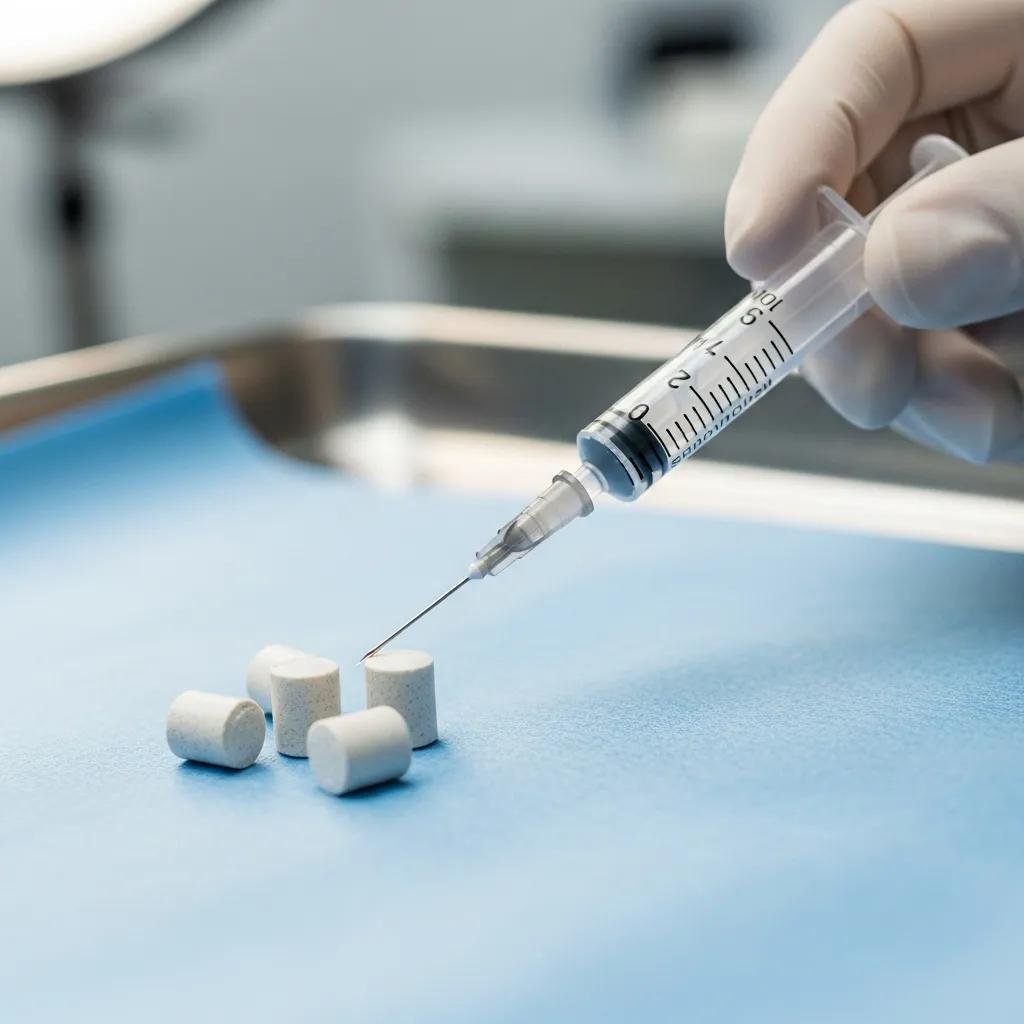
Bioidentical hormone pellets are small, compounded implants made from plant-derived precursors and fashioned to be chemically identical to human hormones. Implanted just under the skin, they dissolve slowly and release hormone into the local tissue and bloodstream, producing a steady serum concentration that can last for months. That steady release reduces day-to-day variability and helps maintain symptom control without the highs and lows common with oral or topical dosing. Because the molecules mirror endogenous hormones, pellet therapy aims to restore signaling pathways that regulate energy, mood, sexual function, and bone health. Current clinical experience and emerging research indicate that the more consistent levels from pellets can improve adherence and reduce symptom fluctuation compared with short-acting therapies.
What Are Bioidentical Hormones and Their Plant-Based Origins?
“Bioidentical” refers to steroid hormones whose molecular structure is the same as human hormones. Many are synthesized from plant-derived precursors such as diosgenin, found in wild yam and soy, and then converted in the compounding process into estradiol, testosterone, or progesterone. Pharmacists formulate those hormones into pellets sized to each patient’s individualized dose. Compounded products are prepared by specialty pharmacies under quality standards that differ from mass-produced pharmaceuticals, so clinicians and patients often review pharmacy credentials and batch documentation as part of quality assurance. Understanding the plant origins clarifies that “bioidentical” denotes molecular identity, not the raw source, and that regulatory frameworks for compounded hormones differ from those for commercially approved drugs.
How Are Hormone Pellets Inserted and Absorbed in the Body?
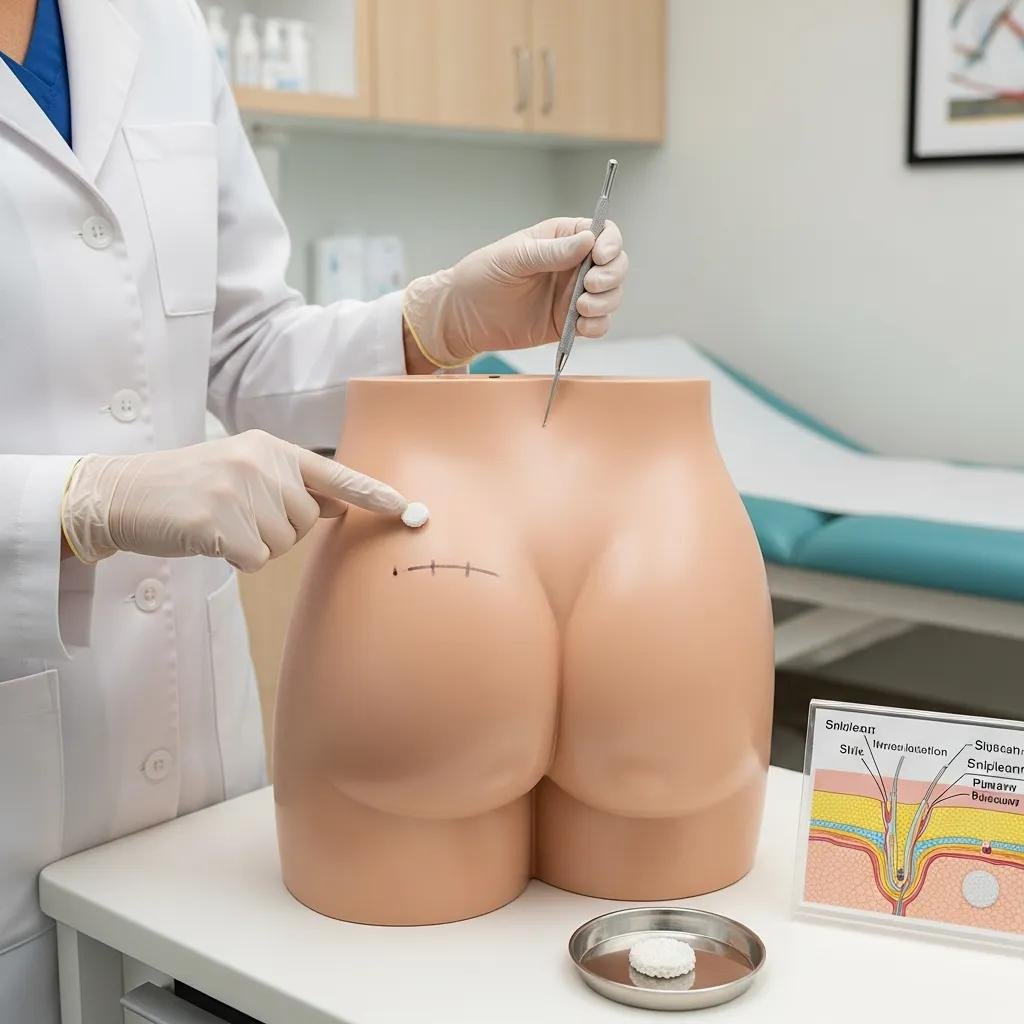
Pellet insertion is a brief, minimally invasive outpatient procedure performed under local anesthetic, usually in the hip or upper buttock. Pellets are small—a few millimeters to a short cylinder depending on dose—and are placed into a shallow subcutaneous pocket through a small incision. The site is closed with steri-strips or a single suture; most patients report only pressure and minimal discomfort. Once implanted, pellets slowly dissolve and release hormone into surrounding tissue and systemic circulation, producing near-constant blood levels over weeks to months. Symptom improvement often begins within days to a few weeks. Expect a short recovery period with temporary limits on lifting or strenuous activity and a defined follow-up plan for symptom checks and lab monitoring to time re‑pelleting when levels fall.
What Are the Key Benefits of Bioidentical Hormone Pellet Therapy?

Pellet therapy provides steady hormone concentrations that can ease menopausal and andropausal symptoms, boost energy and mood, and support sexual function, body composition, and bone health. A steady delivery reduces the peaks and troughs associated with oral, topical, or injectable forms, which can translate to more consistent symptom control and better adherence for many patients. Clinically important, patient-centered outcomes—like improved sleep, clearer thinking, and restored libido—often improve when sex-steroid levels are optimized and maintained. The table below summarizes typical effects by hormone to help clinicians and patients anticipate benefits and temporary side-effect profiles.
| Hormone Type | Primary Clinical Benefit | Typical Duration | Common Temporary Side Effects |
|---|---|---|---|
| Testosterone pellets | Increased energy, libido, muscle mass, mood stabilization | 3–6 months (men) / 3–4 months (women, when used in small doses) | Acne, mild mood shifts, localized tenderness |
| Estradiol (estrogen) pellets | Relief of vasomotor symptoms, improved sleep, bone density support | 3–4 months (women) | Spotting, breast tenderness, nausea |
| Progesterone pellets | Improved sleep, mood stabilization in women, endometrial protection (when needed) | Often synchronized with estradiol dosing cycles | Mood changes, transient sedation |
This concise summary highlights that each hormone offers distinct benefits and that duration and side effects vary by sex, dose, and individual metabolism. The next section breaks down symptom domains and how pellets may improve energy, mood, and cognition.
How Do Pellets Improve Energy, Mood, and Cognitive Clarity?
Restoring sex-steroid levels with pellet therapy supports mitochondrial function, neurotransmitter balance, and sleep regulation—key mechanisms behind energy and mood. Testosterone and estradiol influence dopamine and serotonin pathways that affect motivation, pleasure, and emotional stability; bringing these hormones toward physiologic ranges can reduce fatigue and improve mood. Many patients report better sleep continuity, which further enhances daytime energy and mental sharpness within weeks of reaching steady hormone levels. Because fatigue and brain fog are often multifactorial, clinicians pair hormonal optimization with lifestyle and sleep interventions to achieve durable improvements.
What Physical Health Benefits Do Hormone Pellets Provide?
Beyond symptom relief, pellet therapy can support measurable physical gains such as increased lean mass, improved bone density trajectories, and favorable shifts in body composition—especially when combined with resistance training and good nutrition. Testosterone promotes muscle protein synthesis and strength; estradiol helps bone remodeling and can lower long-term fracture risk when used as part of a comprehensive bone-health plan. Patients also commonly notice improved skin elasticity and hair quality as hormonal balance returns, likely reflecting changes in collagen and sebum regulation. These benefits reinforce the importance of holistic care—pellets supply hormonal support while clinicians address exercise, nutrition, and preventive screening to maximize results.
What Does the Bioidentical Hormone Pellet Insertion Procedure Involve?
The insertion pathway starts with a structured clinical evaluation and targeted laboratory testing, continues with individualized dosing and a brief office procedure, and ends with clear aftercare and scheduled follow-up to assess response and time the next insertion. Baseline labs and a symptom inventory guide hormone selection and dose; shared decision-making ensures patients understand timelines, risks, and monitoring needs. The insertion typically takes under 30 minutes, and clinicians provide specific post-procedure instructions to reduce risks like extrusion or infection. Follow-up includes symptom review and periodic labs so doses can be adjusted and re‑pelleting scheduled when hormone levels decline.
Patients can use the checklist below to prepare for consultation and insertion.
- Bring your medication list: Include prescriptions, over-the-counter supplements, and any prior hormone therapies.
- Bring recent medical records: Bring relevant lab results, imaging, and notes from previous hormone trials.
- Plan for a companion or light activity restrictions: Arrange light-duty afterward and transportation if preferred.
This checklist helps the visit run smoothly; next we outline the typical labs and consultation elements that determine individualized dosing.
What to Expect During Consultation and Lab Testing?
Consultation focuses on medical history, a detailed symptom inventory, and targeted labs—typically sex-steroid panels plus safety tests—to assess baseline risk and guide dosing. Clinicians routinely evaluate cardiovascular risk factors, liver function, and hematology alongside estradiol and testosterone to develop a personalized plan that balances benefits and contraindications. Telehealth can be used for the initial history, but many providers obtain labs locally or in-clinic to ensure accurate baseline values before scheduling insertion. Be prepared to discuss goals, prior hormone experiences, and any fertility or cancer history, since these factors affect the safety and suitability of pellet therapy.
How Is the Minimally Invasive Pellet Insertion Performed?
At the procedure, the clinician marks the implant site, provides local anesthesia, makes a small incision, and places the pellet(s) into a subcutaneous pocket before closing the site with steri-strips or a single suture. Pellet count and size vary by sex, body composition, baseline hormone levels, and symptom goals; multiple small pellets are often used to allow flexible dosing. Immediate post-procedure care emphasizes wound protection, short activity limits (avoid heavy lifting), and watching for redness or discharge that could signal infection. Most patients resume normal activities quickly, and because pellets release hormone slowly, clinical effects appear over days to weeks with scheduled follow-up to confirm response.
Dr. Fred Bloem’s practice emphasizes a personalized, integrative dosing and monitoring plan under the care of Fred Bloem (MD). Patients interested in this pathway may call (301) 260-2601 to schedule an evaluation at the clinic. This practice-level reassurance highlights that pellet therapy is provided within a structured follow-up framework that prioritizes safety and individualized adjustments. The next section answers common patient questions about duration and safety to set realistic expectations.
What Are Common Questions About Bioidentical Hormone Pellet Therapy?
Common questions include how long pellets last, what side effects to expect, and what monitoring is required. Clear answers help patients plan re‑pelleting and know when to contact their clinician. Duration varies by hormone and individual factors, and safety discussions cover common transient effects as well as rare contraindications that may point to alternative strategies. A defined monitoring schedule and open communication reduce anxiety and improve outcomes because timely dose adjustments keep benefits steady. The list below highlights the questions most often raised by prospective pellet recipients to guide pre-procedure counseling.
- How long will the pellets relieve my symptoms?: Duration depends on hormone, dose, and metabolism.
- What side effects are common and temporary?: Expect mild local tenderness, spotting, or acne in many cases.
- How often will I need labs and follow-up?: Routine checks are scheduled to align re‑pelleting with symptom recurrence.
Addressing these questions early helps patients move confidently into the procedure and follow-up phases; below we cover timing and safety in more detail.
How Long Do Bioidentical Hormone Pellets Last?
Pellets commonly last about 3–6 months. Women often need re‑pelleting around 3–4 months, while men typically average 3–6 months depending on dose and metabolism. Factors that affect duration include body mass, activity level, individual metabolic rate, and medications that change steroid metabolism, so timing should be individualized using symptom tracking and periodic labs. Many clinicians schedule a check at three months for women and at four to six months for men as a practical starting point, then adjust based on serum levels and patient-reported outcomes. Knowing this variability helps patients plan follow-up visits and recognize when to contact their provider if symptoms return.
Are Bioidentical Hormone Pellets Safe and What Are Side Effects?
When patients are appropriately screened, pellets are generally safe, though short-term effects can include localized tenderness, mild bruising, transient acne, and brief mood fluctuations as hormones normalize. Important but uncommon contraindications include current hormone-sensitive cancers or uncontrolled clotting disorders; in those cases clinicians may choose other therapies or perform additional safety testing. Monitoring includes periodic labs, symptom inventories, and clear red-flag instructions—such as sudden severe chest pain, shortness of breath, or new neurological symptoms—that require urgent evaluation. With careful selection and follow-up, most adverse events are mild and manageable, but honest discussion of risks is essential for informed consent.
If questions remain after reading these FAQs, we encourage scheduling a medical evaluation to review labs and individualized risks. Dr. Fred Bloem’s practice supports patients with lab monitoring and dose adjustments and can be reached at (301) 260-2601 for appointments at 10400 Connecticut Ave Ste 206, Kensington, MD 20895-3941. This invitation connects interested readers with structured clinical care while keeping the emphasis on education. The next section covers practical cost and insurance considerations to help with financial planning.
How Does the Cost and Insurance Coverage Work for Hormone Pellet Therapy?
Costs reflect several components—compounded pellets, laboratory testing, and the insertion procedure—so total price varies and patients should request a personalized estimate based on dosing and monitoring needs. Because compounded hormones, pharmacy sourcing, and procedure fees differ by practice, transparency about invoice items helps patients evaluate the full investment and reimbursement options. Insurers treat pellet therapy variably: some cover parts of the service when deemed medically necessary, while others classify compounded hormones as out-of-network or elective, requiring patient-initiated claims. The table below outlines common cost drivers and typical patient actions to assist budgeting and insurance conversations.
| Cost Component | What It Covers | Typical Patient Action |
|---|---|---|
| Compounded pellets | Pharmacy preparation of bioidentical hormones | Ask clinic for pharmacy documentation and pricing |
| Laboratory testing | Baseline and follow-up hormone and safety labs | Confirm whether insurer covers specific panels |
| Procedure fee | Clinic/clinical staff and supplies for insertion | Request itemized receipt for potential reimbursement |
The table shows patients can request itemized receipts to seek out-of-network reimbursement where applicable. For exact pricing and insurance guidance, contact Dr. Fred Bloem’s practice directly; the clinic can provide receipts, documentation, and billing codes to support reimbursement efforts. With financial logistics covered, the final section compares pellets to other delivery methods so patients can weigh clinical trade-offs.
What Is the Average Cost of Bioidentical Hormone Pellets?
Average costs vary by region, pharmacy source, and dose. The main cost drivers are the compounded pellet price, initial and follow-up lab panels, and the in-office insertion fee. Because practice-specific pricing isn’t listed here, patients should request a personalized estimate that accounts for hormone selection, pellet count, and planned monitoring visits. Many clinics offer itemized estimates during consultation so patients can explore financing or reimbursement options before starting therapy. Clear cost discussions up front reduce surprises and support shared decision-making.
Does Insurance Cover Bioidentical Hormone Pellet Therapy?
Insurance coverage is inconsistent: some plans cover laboratory testing and portions of the procedure when medically necessary, while others treat compounded hormones as elective or out-of-network and require patient-filed reimbursement claims. Practical steps include calling your insurer to verify benefits, requesting pre-authorization if appropriate, and obtaining detailed receipts and medical-necessity letters from your clinician to support claims. The clinic typically assists by providing documentation and billing codes on request, allowing patients to pursue reimbursement even when direct coverage is limited. Contact clinic billing staff to learn what support is available when preparing claims.
How Do Bioidentical Hormone Pellets Compare to Other Hormone Replacement Therapies?
Pellets deliver steady, long-acting hormone levels that can improve adherence and reduce daily dosing errors, while creams, pills, and injections each carry different trade-offs in flexibility, peak exposure, and monitoring needs. Selecting a delivery method depends on clinical goals, patient preference, comorbidities, and how quickly doses need to be adjusted. Experienced clinicians weigh these factors when recommending an approach. The comparison table below contrasts pellets with common alternatives across release profile, convenience, and dosing consistency to aid decision-making.
| Delivery Method | Release Profile | Convenience | Dosing Consistency |
|---|---|---|---|
| Pellets | Steady, slow-release | High — long intervals between visits | High — consistent serum levels |
| Creams/Gels | Variable per application | Moderate — daily application | Moderate — user-dependent |
| Pills | Systemic, subject to first-pass metabolism | Moderate — daily adherence required | Low–Moderate — peaks and troughs |
| Injections | Intermittent high peaks | Low — periodic clinic visits | Variable — depends on formulation |
This comparison shows pellets excel at steady delivery and adherence while other methods offer quicker dose changes or greater day-to-day flexibility when needed.
What Are the Advantages of Pellets Over Creams, Pills, and Injections?
Pellets provide continuous hormone release that minimizes peaks and troughs and often improves symptom stability—leading to higher satisfaction and fewer daily fluctuations for many patients. They remove the burden of daily dosing and variability from missed doses or inconsistent topical application, which suits people who prefer a low-maintenance approach. On the other hand, pellets require a minor procedure and planned re-implantation, whereas creams or pills allow faster dose adjustments or immediate discontinuation—advantages in certain clinical situations. Considering these trade-offs helps patients and clinicians choose the delivery method that best fits goals for symptom control, convenience, and safety.
Why Choose Bioidentical Over Synthetic Hormones?
- Consider clinical goals: Pick the delivery form that best matches symptom targets and daily life.
- Weigh safety and monitoring: Screen for contraindications and follow monitoring protocols regardless of method.
- Prioritize shared decision-making: Talk through advantages, limitations, and insurance implications with your clinician.
These points help patients and clinicians select the approach that best fits clinical priorities, after which a tailored plan for testing, dosing, and follow-up completes the care pathway.
Frequently Asked Questions
What are the potential long-term effects of using bioidentical hormone pellets?
With appropriate monitoring, long-term pellet therapy can produce sustained improvements in energy, mood, and sexual function, and may help maintain bone density and muscle mass when paired with a healthy lifestyle. Ongoing labs and clinical review are important to ensure doses remain appropriate. Discuss long-term expectations and individualized risks with your provider so your plan fits your health goals.
Can bioidentical hormone pellets be used in conjunction with other treatments?
Yes. Pellet therapy is often part of a broader care plan that includes lifestyle changes, nutritional support, and other medical treatments. Many clinicians recommend combining hormone therapy with exercise, diet, and stress-management strategies to optimize outcomes. Always tell your provider about all therapies you’re using so they can coordinate care and avoid interactions.
How do I know if bioidentical hormone pellets are right for me?
Determining suitability requires a comprehensive evaluation that includes your medical history, a symptom review, and laboratory testing. If you have symptoms suggestive of hormonal imbalance—fatigue, mood changes, or altered libido—talking with your clinician about pellet therapy can help weigh benefits and risks. A personalized treatment plan is developed based on your specific needs and health goals.
What should I do if I experience side effects from the pellets?
If you notice side effects—such as local tenderness, mood shifts, or mild acne—contact your provider promptly. Many effects are transient as hormone levels settle, but your clinician can assess severity and recommend adjustments. Open communication ensures side effects are managed safely and effectively.
Are there specific populations that should avoid hormone pellet therapy?
Certain people—especially those with a history of hormone-sensitive cancers, uncontrolled clotting disorders, or specific cardiovascular conditions—may need to avoid pellet therapy. Thorough screening and individualized evaluation by a clinician are essential before starting therapy. Always discuss your medical history and concerns openly with your provider to determine whether pellets are appropriate.
How can I prepare for my consultation regarding hormone pellet therapy?
Prepare by gathering relevant medical information: list all medications, supplements, and prior hormone treatments, and note your symptoms and their duration. Bring any recent lab results and be ready to discuss lifestyle factors that affect hormonal health. This information helps your clinician build a tailored plan that fits your needs.
Conclusion
Bioidentical hormone pellet therapy is a personalized option for restoring hormonal balance and improving energy, mood, and overall well-being. By providing steady hormone levels, pellets can offer more consistent symptom control and improved quality of life for many patients. If you’re considering this treatment, schedule a consultation with a qualified provider to review testing, risks, and a monitoring plan tailored to you. Take the next step toward better health by arranging an evaluation today.
