

PRP vs. Stem Cell Therapy: Which Regenerative Treatment Is Right for Your Joints?
Regenerative joint treatments tap your body’s own repair systems to ease pain and restore function. Choosing between platelet-rich plasma (PRP) and stem cell therapy depends on the biology of the injury, how advanced the damage is, and what you want to achieve. This guide walks through how each therapy works, which joint problems respond best, safety and recovery expectations, and how an integrative approach improves outcomes. You’ll find clear comparisons, practical checklists for matching therapy to condition and severity, and a timeline so you can make an informed, personalized decision about non-surgical joint care.
What Is Platelet-Rich Plasma Therapy and How Does It Help Joint Pain?
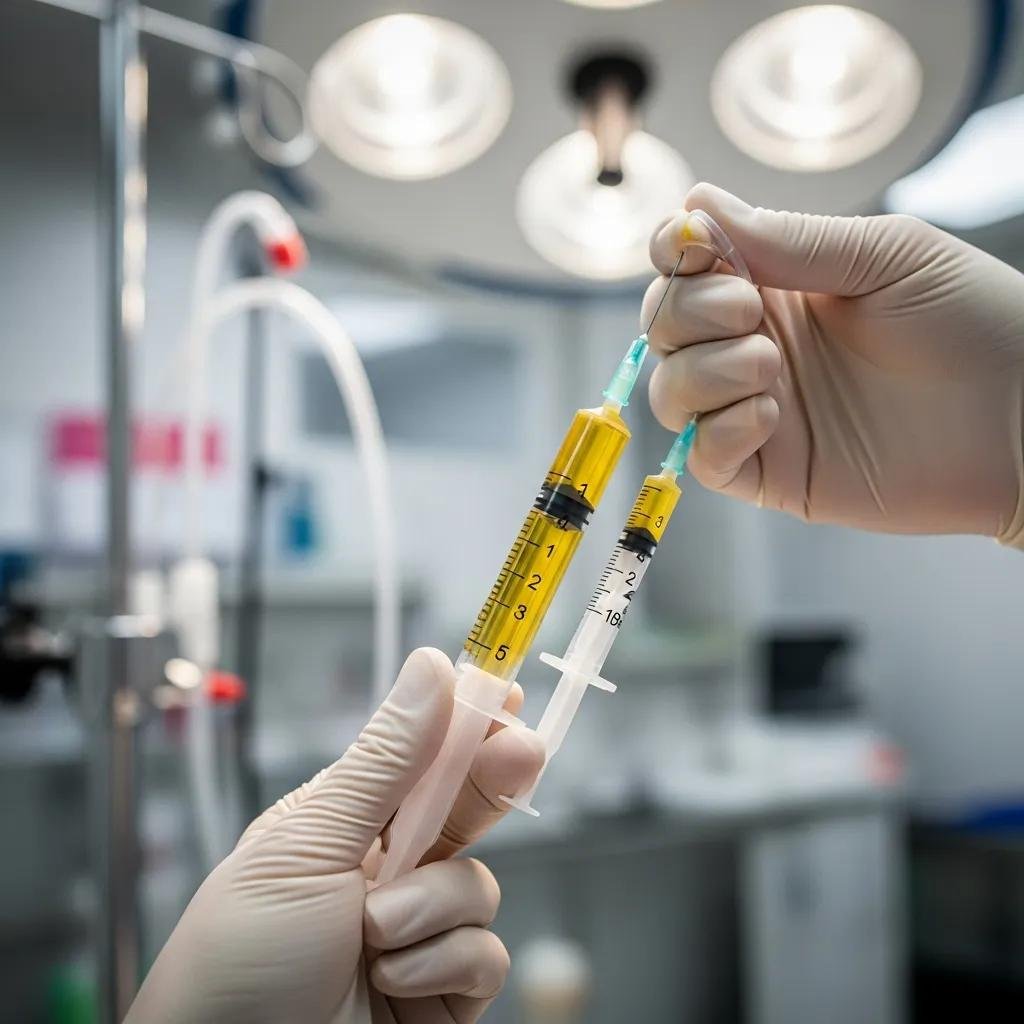
Platelet-rich plasma (PRP) is made from a patient’s own blood and concentrates platelets that release growth factors and signaling molecules. These factors—like PDGF and TGF-β—encourage local repair, support matrix synthesis, and help reduce destructive inflammation. For many people with early osteoarthritis or soft-tissue injuries, PRP delivers measurable symptom relief and improved function with minimal procedure-related risk and an outpatient recovery. Research through 2024 shows moderate-quality evidence for symptom improvement in knee osteoarthritis and certain tendinopathies, though results vary with how the PRP is prepared and injected. Below we take a closer look at the biological actions that underlie PRP’s clinical effects.
How Does PRP Therapy Work to Stimulate Natural Joint Healing?
PRP works by concentrating platelets, growth factors, and signaling proteins that recruit reparative cells and change the local inflammatory environment. These signals help collagen production, support chondrocyte activity, and encourage small-vessel growth around damaged tissues—actions that together promote matrix remodeling and reduce pain. PRP also shifts inflammatory signaling toward resolution, lowering catabolic cytokines and pain mediators that drive degeneration. Clinically, these biological effects translate into improved pain and function in conditions like knee osteoarthritis and tendon injuries, typically over weeks to months. The next section summarizes which joint problems most reliably benefit from PRP in practice.
Which Joint Conditions Benefit Most from PRP Therapy?
- Early knee osteoarthritis: symptom relief and functional gains within 1–3 months.
- Tendinopathies (rotator cuff, lateral epicondylitis): reduced pain and improved tendon healing.
- Mild ligament sprains and selected cartilage lesions: useful as an adjunct to rehabilitation.
Evidence is generally stronger for symptom improvement than for full structural cartilage repair, so selecting the right patients—based on severity, imaging, and activity goals—sets realistic expectations. PRP is often the next step after conservative care and targeted rehab; that clinical context helps decide whether to consider a more aggressive regenerative option such as stem cell therapy.
What Is Stem Cell Therapy and Its Role in Regenerative Joint Treatment?
Stem cell therapy for joints most commonly uses mesenchymal stem/stromal cells (MSCs) harvested from bone marrow or adipose tissue. MSCs exert regenerative and immunomodulatory effects: they can secrete growth factors and exosomes that recruit the body’s own repair mechanisms and temper inflammation. While MSCs can differentiate into cartilage- or tendon-like cells under the right conditions, much of their clinical benefit appears to come from paracrine signaling that supports native repair. For patients with moderate-to-severe cartilage damage or focal defects, stem cell treatments aim to improve tissue quality and delay or avoid surgery, but outcomes depend on the cell source, processing methods, and adjunct rehabilitation. The next section explains the mechanisms these cells use to support joint repair.
How Do Stem Cells Regenerate Damaged Joint Tissue?
Stem cells help repair joint tissue mainly through paracrine signaling that activates resident repair cells and by differentiating into matrix-producing cells when the microenvironment supports that change. MSCs release cytokines and growth factors that reduce inflammation, recruit endogenous progenitors, and stimulate collagen and proteoglycan production—actions that can strengthen the cartilage matrix over time. Direct lab-driven chondrogenic differentiation can occur under specific conditions, but clinical improvement usually reflects a mix of immune modulation and support for the body’s own repair rather than wholesale tissue replacement. Recent reviews through 2024 report promising improvements in symptoms and function for selected patients, but variability across protocols means careful patient selection and clear expectations are essential.
Which Joint Conditions Are Best Treated with Stem Cell Therapy?
- Moderate to severe osteoarthritis with focal cartilage loss: may slow progression and improve symptoms.
- Focal chondral defects: potential to support tissue repair and help avoid partial resurfacing procedures.
- Complex tendon or ligament injuries with poor healing potential: used as an adjunct to surgical or conservative repair.
Age, medical history, and prior treatments influence candidacy. When conservative care has failed and surgery is not ideal, stem cell approaches can be a tissue-preserving intermediate option. Next we compare PRP and stem cells side-by-side to highlight practical differences.
How Do PRP and Stem Cell Therapies Compare for Joint Pain Relief?
PRP and stem cell therapies differ in source, mechanism, invasiveness, cost, and typical indications, which shapes how each is used clinically. PRP is a blood-derived, autologous concentrate of platelets and growth factors that primarily modulates inflammation and encourages local repair—well suited to early degeneration and soft-tissue injuries. Stem cell therapy (MSCs from bone marrow or adipose) offers broader immunomodulation and regenerative signaling suited for more advanced cartilage defects, though protocols and outcomes vary. PRP procedures are generally quicker with shorter recovery, while stem cell treatments require tissue harvest and processing steps and may involve slightly longer initial downtime. These practical distinctions guide treatment selection based on the specific pathology, patient goals, and available evidence.
The table below summarizes key attributes so patients and clinicians can quickly compare options.
| Treatment | Primary Source | Typical Mechanism | Ideal Indications |
|---|---|---|---|
| PRP | Autologous blood (platelet concentrate) | Growth factor–driven repair and inflammation modulation | Early OA, tendinopathy, mild joint degeneration |
| Stem Cells (MSCs) | Bone marrow or adipose tissue | Paracrine signaling, immunomodulation, potential differentiation | Moderate–severe OA, focal cartilage defects, complex repairs |
| Combined/Adjunct | PRP + MSCs or biologic scaffolds | Complementary signaling and matrix support | Selected complex cases to enhance repair outcomes |
This comparison shows that PRP is less invasive and often used earlier in the disease course, while stem cell strategies address larger structural deficits. The best choice depends on your joint condition, goals, and the clinical context.
Internal Healing and Wellness MD offers Platelet-Rich Plasma (PRP) therapy, Prolozone Therapy, TruDOSE Regenerative Technology, intra-articular laser, and PEMF for joint conditions; individualized recommendations follow a clinical evaluation.
What Are the Key Differences in Source, Mechanism, and Recovery Time?
PRP starts with a simple blood draw and centrifugation to concentrate platelets, then an image-guided injection—usually an outpatient visit with minimal downtime. Stem cell therapy adds an aspiration step (bone marrow or adipose) and cell processing before injection, which can extend the procedure and short-term recovery. Mechanistically, PRP supplies concentrated growth factors to modulate inflammation and stimulate repair, while MSCs provide broader paracrine effects and potential matrix support. Recovery timelines differ: PRP patients often return to light activity within days and see gradual improvement over weeks, while stem cell patients may have a slightly longer initial recovery with potentially more sustained benefits over months. These differences help shape counseling and rehabilitation planning.
How Do Cost and Effectiveness Vary Between PRP and Stem Cell Treatments?
Costs depend on the provider, processing techniques, and any adjunct technologies. PRP is generally less expensive and has moderate-quality evidence supporting short- to medium-term relief in early osteoarthritis and tendinopathies. Stem cell procedures tend to cost more because of aspiration and cell handling and are typically reserved for more advanced pathology, with more variable published outcomes. Insurance coverage for either approach is often limited, and many regenerative procedures are self-pay. This practice does not participate in insurance plans, including Medicaid, and has opted out of Medicare. Understanding likely costs and the strength of the evidence helps patients set realistic expectations and choose the right option for their goals.
| Entity | Attribute | Value |
|---|---|---|
| PRP | Typical Cost Range | Lower than stem cell (varies by clinic and processing) |
| Stem Cells | Typical Cost Range | Higher due to aspiration/processing and cell handling |
| Insurance Coverage | Reality | Limited; many regenerative procedures are self-pay |
This summary clarifies economic and evidentiary trade-offs patients and clinicians consider when selecting a regenerative strategy—individualized recommendations follow a full clinical evaluation.
Which Regenerative Therapy Is Right for Your Specific Joint Condition?
Choosing the right regenerative option means weighing disease stage, imaging findings, functional goals, medical history, and previous treatments. For patients with early degenerative changes who want symptom relief and quick recovery, PRP often offers the best balance of invasiveness and benefit. For focal cartilage defects or more advanced degeneration where delaying or avoiding surgery is a priority, stem cell options may be appropriate as part of a tissue-focused plan. Factors such as age, overall health, smoking, and expectations about durability also affect candidacy. Below is a quick reference mapping common joint problems to likely recommendations.
| Joint Condition | Severity / Stage | Recommended Therapy / Rationale |
|---|---|---|
| Knee osteoarthritis | Early (KL I–II) | PRP: symptom relief with low invasiveness |
| Knee osteoarthritis | Moderate (KL III) | Consider MSCs for structural support; combine with rehab |
| Focal chondral defect | Localized lesion | Stem cell–assisted repair or biologic scaffold adjunct |
| Tendinopathy | Chronic degenerative tendinopathy | PRP to support tendon healing and reduce pain |
This mapping helps narrow options, but a complete evaluation—including imaging and functional testing—is needed to finalize a plan. Internal Healing and Wellness MD emphasizes a holistic assessment and invites patients to schedule a personalized consultation to review options and goals rather than offering one-size-fits-all recommendations.
What Factors Should Influence Your Decision Between PRP and Stem Cell Therapy?
Important decision factors include imaging-confirmed severity, how long symptoms have persisted, functional goals, prior treatments, and overall health that affects healing potential. Younger, active patients with localized defects may prefer tissue-preserving regenerative strategies, while older patients with diffuse degeneration may favor symptom-focused approaches. Smoking, systemic inflammation, metabolic conditions, and certain medications can reduce biological responsiveness and should be optimized before treatment. Shared decision-making with a specialist ensures the chosen therapy matches realistic outcomes and rehabilitation commitment.
How Does a Holistic Approach Enhance Regenerative Joint Care?
Optimizing systemic factors—nutrition, inflammation control, metabolic health, and movement—creates a better environment for tissue repair and lowers the chance of recurrence. Pre- and post-procedure strategies like anti-inflammatory nutrition, targeted physical therapy, gradual loading, and adjunct modalities support cellular recovery and speed functional gains. Technologies such as PEMF and intra-articular laser can complement injections by modulating inflammation and enhancing cell activity. Coordinating regenerative injections with lifestyle changes and rehab increases the likelihood of durable improvement and can reduce the need for invasive surgery later.
- Pre-procedure optimization: Improve nutrition, glycemic control, and stop smoking when possible to enhance healing.
- Rehabilitation: Use progressive loading and mobility work to integrate repaired tissue into function.
- Adjunct modalities: Tools like PEMF and intra-articular laser can support cellular recovery and symptom control.
This multimodal strategy reinforces that regenerative injections perform best when combined with comprehensive care—next we cover safety and what to expect during treatment.
What Are the Safety Considerations and What to Expect During Regenerative Joint Treatments?
Because PRP and autologous stem cell therapies use a patient’s own tissues, immunologic risks are low, but procedural risks and variable evidence quality mean careful screening and informed consent are essential. Short-term effects commonly include local pain, swelling, and a transient inflammatory response that usually resolves within days to weeks. Rare complications include infection or bleeding related to injections or aspiration. Providers screen for contraindications such as active infection, uncontrolled medical conditions, or medications that impair healing so patients can plan appropriately for procedure-specific care and realistic recovery timelines.
The following table summarizes typical risks and how often they occur based on clinical reports and practice experience.
| Procedure | Risk / Side Effect | Typical Outcome / Frequency |
|---|---|---|
| PRP injection | Local pain, swelling | Common; resolves in days–weeks |
| PRP injection | Infection | Rare with proper sterile technique |
| Stem cell aspiration/injection | Harvest site discomfort | Common; transient |
| Stem cell procedures | Procedural complications (bleeding, infection) | Rare with correct technique |
What Are the Common Risks and Side Effects of PRP and Stem Cell Therapies?
Typical immediate side effects include injection-site pain, temporary swelling, and short-lived stiffness that usually peak within 24–72 hours and improve over one to three weeks. Infection is uncommon but serious—sterile technique and screening reduce this risk. Hematoma or bleeding can occur at aspiration sites with stem cell harvest. Systemic adverse reactions are rare with autologous products, but screening for active infections, bleeding disorders, and uncontrolled chronic disease is essential. Knowing these risks helps patients give informed consent and plan appropriate post-procedure monitoring.
What Is the Typical Procedure and Recovery Timeline for These Therapies?
PRP usually involves a blood draw, centrifugation, and image-guided injection into the joint; stem cell therapy adds a tissue aspiration step (bone marrow or adipose) and cell processing before injection. Both are outpatient procedures. After treatment, a staged rehab plan is typical: short rest (24–72 hours), gradual return to protected activity over 1–4 weeks, and progressive strengthening. Maximal benefits often appear between 3–6 months and can continue to improve up to 12 months. Pain relief may begin within weeks and improve as tissue repair progresses. Clear post-procedure instructions and a coordinated rehab program support long-term outcomes and satisfaction.
Why Choose Dr. Fred Bloem for Your Regenerative Joint Therapy Needs?
When choosing a clinician for regenerative care, look for a thoughtful assessment process, individualized planning, and integration with supportive therapies. Dr. Fred Bloem practices a holistic, integrative approach with personalized protocols and longer visits dedicated to patient education and non-surgical options. Treatment recommendations stem from a root-cause assessment that considers lifestyle and adjunct therapies to optimize biological healing. Internal Healing and Wellness MD offers a patient-centered pathway where regenerative injections are coordinated with rehabilitation and adjunct technologies to support lasting improvement. The practice provides Platelet-Rich Plasma (PRP) therapy, Prolozone Therapy, TruDOSE Regenerative Technology, intra-articular laser, and PEMF. Note that the practice does not participate in insurance plans, including Medicaid, and has opted out of Medicare.
How Does Dr. Bloem’s Holistic and Personalized Approach Benefit Joint Health?
Dr. Bloem begins with a comprehensive assessment to identify root contributors—biomechanics, inflammation, metabolic health, and past injuries—that influence healing and guide treatment choices. Personalized protocols combine targeted regenerative injections with adjunct therapies and extended education so patients understand goals, timelines, and home-care steps that support recovery. Longer consultation times enable collaborative planning, aligning treatment intensity with functional goals and rehab capacity to improve outcomes. This integrative model addresses symptoms and the underlying factors that affect long-term joint health.
What Do Patients Say About Their Outcomes with Dr. Bloem’s Regenerative Treatments?
Patients commonly report less pain, better function, and increased confidence returning to daily and recreational activities after individualized regenerative plans. These consistent themes reflect coordinated care rather than a single procedure. Outcomes are tracked with functional measures and symptom scales over weeks and months so plans can be adjusted as needed. If you’re wondering about next steps, a personalized consultation will clarify candidacy, expected timelines, and how regenerative options fit into your broader joint-health goals.
- How to book a consultation: To explore whether PRP or stem cell therapy is right for you, schedule a personalized evaluation to review imaging, symptoms, and goals. The consultation focuses on a holistic assessment and tailored recommendations.
- What a personalized evaluation includes: The visit typically covers a detailed medical history, review of imaging, functional assessment, and a discussion of non-surgical alternatives and adjunctive supports to create a tailored regenerative plan.
These steps summarize how to move forward if you’re considering regenerative joint care and reinforce the value of individualized assessment and shared decision-making.
Frequently Asked Questions
What is the difference between PRP and stem cell therapy in terms of treatment duration?
PRP usually involves a single outpatient visit of about 30–60 minutes for the blood draw and injection, with a relatively quick return to normal activities within a few days. Stem cell therapy requires additional time for tissue aspiration and processing, which makes the overall treatment day longer and may lengthen short-term recovery. Full benefits for either approach often develop over months.
Are there specific age considerations for choosing between PRP and stem cell therapy?
Age is one of several factors to consider. Younger patients with early-stage issues often do well with PRP because it’s less invasive and supports quicker recovery. Older patients with more advanced degeneration may sometimes benefit more from stem cell approaches aimed at deeper tissue repair. Age should be considered alongside imaging, overall health, and treatment goals.
How do lifestyle factors influence the effectiveness of PRP and stem cell therapies?
Lifestyle factors—diet, exercise, smoking, and overall health—have a meaningful effect on outcomes. An anti-inflammatory diet, good glycemic control, regular activity, and avoiding tobacco improve healing potential. Addressing these factors before and after treatment helps maximize the benefits of regenerative therapies and supports longer-term joint health.
What role does rehabilitation play after receiving PRP or stem cell therapy?
Rehabilitation is essential. A structured rehab program helps you return safely to activity while strengthening the repaired tissue. This may include physical therapy, targeted exercises, and a gradual progression of load. Working with a rehab team tailored to your procedure optimizes recovery and reduces the risk of re-injury.
Can PRP and stem cell therapies be combined for better results?
Combining PRP and stem cells can be beneficial in selected cases. PRP offers immediate growth factors and inflammation control while stem cells provide longer-term regenerative signaling. This complementary approach may be useful for complex joint problems, but the choice to combine therapies should follow a careful evaluation of your specific condition and goals.
What are the long-term outcomes associated with PRP and stem cell therapies?
Long-term outcomes vary with disease severity, patient age, and adherence to rehab and lifestyle changes. PRP reliably provides short- to medium-term symptom relief, especially for early OA and tendon injuries. Stem cell therapy may offer more durable structural benefits in some cases of moderate to severe cartilage damage. Ongoing follow-up and outcome tracking are important to assess effectiveness and guide any needed adjustments.
Conclusion
Choosing between PRP and stem cell therapy affects your joint health trajectory. Each approach has distinct strengths depending on the condition and your goals. Understanding how they work, when they’re most appropriate, and what recovery looks like helps you make an informed choice. To find the option that best fits your situation, schedule a consultation with our team—together we’ll build a personalized plan to support your healing and long-term joint function.

