


Anti-Aging Medicine Near Silver Spring, MD: Personalized, Whole‑Person Care for Healthy Aging
Anti‑aging medicine aims to preserve and restore how the body functions so you enjoy a longer healthspan — not just more years. We focus on root causes of decline and tailor interventions to each person’s biology and goals.
This guide breaks down the key drivers of healthy aging — from hormone balance and regenerative repair to metabolic resilience and targeted detox — and explains practical options for adults in the Silver Spring and Kensington area. You’ll learn how evidence‑based therapies like bioidentical hormone replacement, platelet‑rich plasma, and IV nutrient protocols integrate with lifestyle, diagnostics, and monitoring to improve energy, thinking, mobility, and appearance. We walk through typical patient journeys for concerns such as menopause, low testosterone, joint pain, and stubborn weight, and show how longer, individualized visits produce better outcomes than symptom‑only care. Clear lists, comparison tables, and next‑step guidance make it easier to choose the right path. For local patients, Dr. Fred Bloem and the team at Dr. Fred Bloem’s practice offer consultations that bring these elements together and help prioritize the most appropriate therapies.
What Is Anti-Aging Medicine and How Does It Promote Longevity?
Anti‑aging medicine is an integrated clinical approach that combines hormone optimization, regenerative procedures, metabolic care, and lifestyle medicine to preserve function and slow age‑related decline. We target systems — endocrine, musculoskeletal, immune, and metabolic — to lower inflammation, restore repair capacity, and boost cellular energy. The practical results are more daily energy, clearer thinking, easier movement, and steadier mood. Those outcomes come from combining precise diagnostics with targeted therapies and ongoing follow‑up. Below we explain how a holistic, integrative mindset differs from conventional, symptom‑focused care and why that leads to more durable results.
Recognizing how a whole‑person framework changes treatment priorities prepares us to review the specific benefits patients commonly experience.
How Does Holistic and Integrative Medicine Address Aging?
Holistic, integrative care looks beyond isolated symptoms to find interacting causes. We begin with a detailed history, comprehensive labs, functional and autonomic assessments, and lifestyle review to reveal contributors such as hormonal imbalance, toxic load, gut dysfunction, and metabolic issues. Treatment plans typically pair targeted interventions — hormone restoration, regenerative injections, IV nutrient support — with nutrition coaching, stress and sleep strategies, and tailored detoxification. Because we need time to interpret data and titrate treatments, visits are often longer and iterative, letting clinicians refine care based on objective markers and patient feedback. That process produces the practical benefits patients report after integrated anti‑aging care.
Those patient‑centered steps make clear the everyday improvements people seek and measure after treatment.
What Are the Key Benefits of Anti-Aging Therapies Near Silver Spring?
People pursue anti‑aging care to regain function, resilience, and confidence through measurable physiological change. Common benefits include greater stamina and less fatigue, sharper memory and focus, restored libido and sexual function, reduced joint pain and improved mobility, and aesthetic improvements that reflect healthier tissues. Emerging evidence links hormone and metabolic optimization with better bone health, cardiovascular markers, and overall quality of life — frequent motivators for proactive care. Locally, these benefits are most reliable when precise diagnostics are paired with therapies that treat root causes, not just symptoms, giving sustainable rather than temporary improvement.
- Most requested functional gains: improved energy, clearer cognition, and easier mobility.
- Primary mechanisms: hormone balance and reduced chronic inflammation.
- Durable tissue improvements come from combining regenerative and metabolic therapies.
These outcomes explain why patients choose BHRT and regenerative medicine, which we cover next.
How Does Bioidentical Hormone Replacement Therapy Support Healthy Aging?
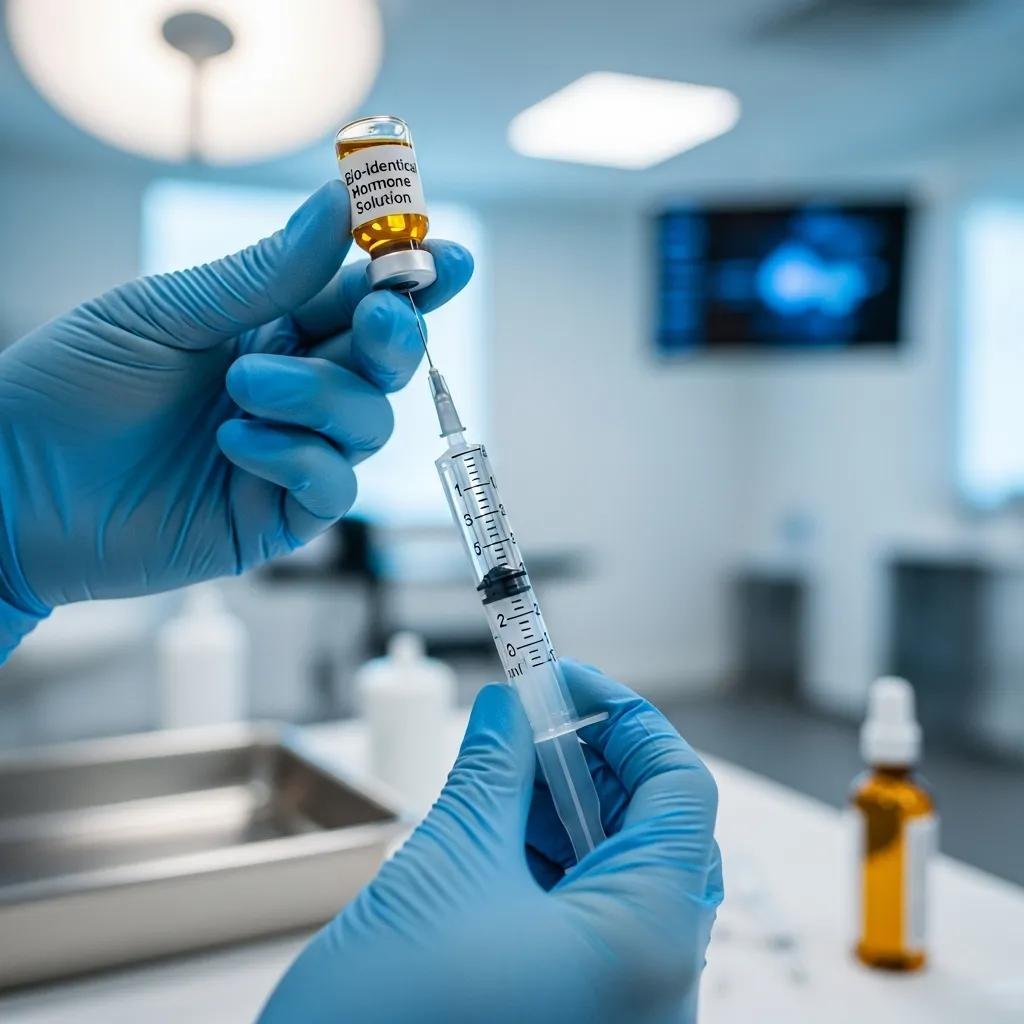
Bioidentical Hormone Replacement Therapy (BHRT) supports healthy aging by replacing deficient or imbalanced hormones with formulations that mirror the body’s own molecules. Properly matched hormones improve cell signaling, metabolism, and tissue repair. BHRT targets key hormones — estrogen, progesterone, testosterone, thyroid hormones, and adrenal cortisol rhythm — to address fatigue, low libido, brain fog, and bone loss while improving metabolic tone. Safety and effectiveness rely on individualized testing, careful dose titration, and regular monitoring guided by labs and symptoms.
BHRT requires focused lab assessment and follow‑up; the table below helps clinicians and patients prioritize which hormones to evaluate first.
| Hormone | Role / Mechanism | Aging‑Related Benefit |
|---|---|---|
| Estrogen | Supports neuronal health and bone remodeling | Better bone density, more stable mood, and cognitive protection |
| Progesterone | Modulates estrogen effects and supports sleep via GABA pathways | Improved sleep quality and reduced anxiety symptoms |
| Testosterone | Maintains muscle mass, libido, and metabolic rate | Increased strength, energy, and sexual function |
| Thyroid hormones | Drive basal metabolic rate and cellular energy | Enhanced metabolism, mood, and mental clarity |
| Cortisol (adrenal) | Regulates stress response and circadian rhythm | Less fatigue and better glucose regulation when balanced |
This side‑by‑side view shows why assessing multiple hormones together is often more informative than isolated tests and helps match imbalances to common symptom patterns.
What Hormone Imbalances Does BHRT Treat in Men and Women?
BHRT addresses overlapping but distinct patterns in men and women. Women commonly face estrogen‑progesterone shifts during perimenopause and menopause; men often have gradual testosterone decline (andropause). Typical female symptoms include hot flashes, sleep disruption, mood swings, vaginal dryness, and reduced bone density. Men with low testosterone may notice low libido, less muscle mass, weight gain, low mood, and cognitive slowing. Thyroid and adrenal dysfunction can worsen these patterns in either sex, producing fatigue, weight resistance, and brain fog that rarely respond to single‑factor fixes. Recognizing these clusters helps prioritize tests and design individualized BHRT plans.
Those symptom clusters lead directly into how a practical, personalized BHRT program is delivered in clinic.
What Is Dr. Bloem’s Personalized BHRT Approach in Silver Spring?
Dr. Fred Bloem’s BHRT model starts with an extended intake, targeted lab testing, and a full review of metabolic and endocrine contributors like thyroid and adrenal function. We create personalized formulations and begin careful dose titration with scheduled reassessments to track symptoms and labs, adjusting for safety and optimal effect. BHRT is often combined with nutrition, detox support, and regenerative therapies when appropriate, so we’re addressing causes rather than masking symptoms. Patients are encouraged to track objective measures and quality‑of‑life outcomes between visits. Prospective patients can request a consultation to see whether BHRT fits their goals.
From here, we transition to regenerative options that rebuild tissue function and complement systemic hormone care.
What Regenerative Medicine Options Are Available for Anti-Aging Near Silver Spring?
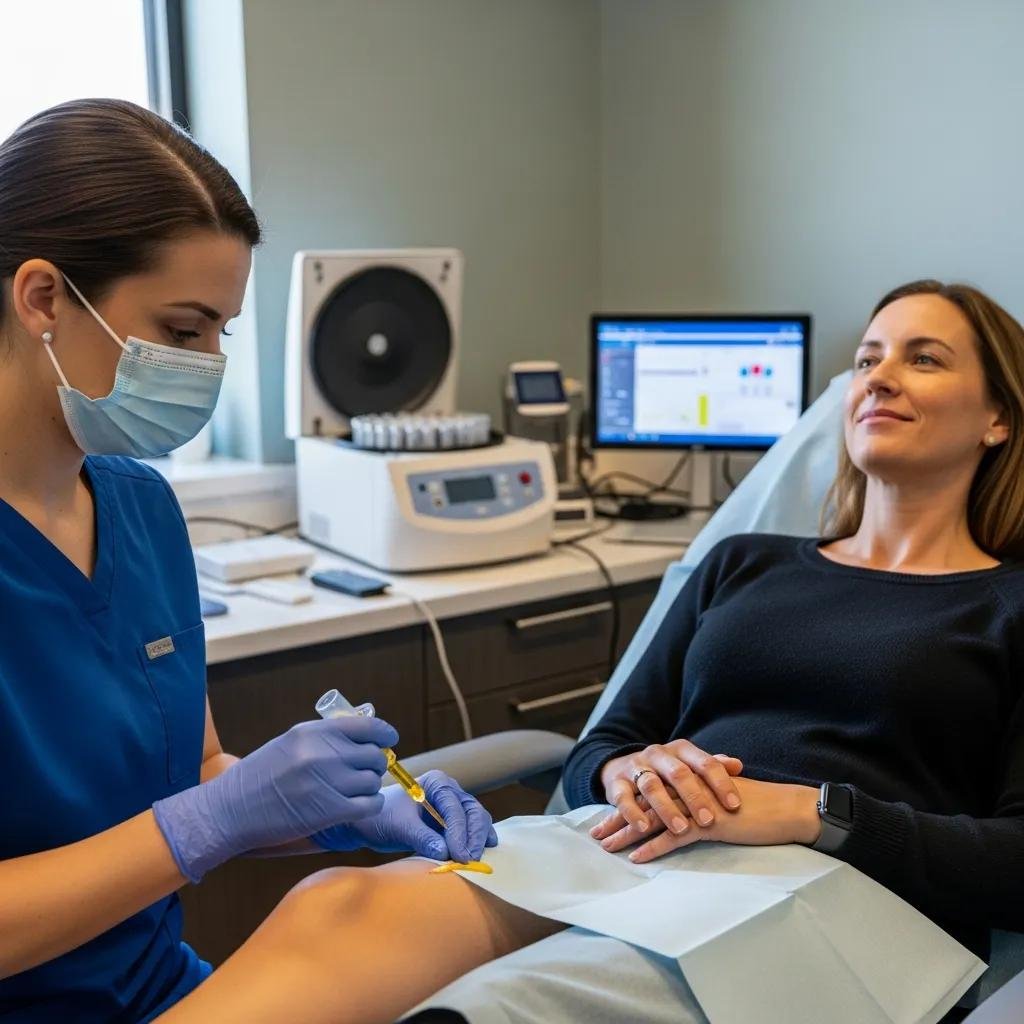
Regenerative medicine uses biologic and energy‑based approaches to stimulate repair, lower chronic inflammation, and restore function — essential goals in anti‑aging care. Common options include Platelet‑Rich Plasma (PRP), Prolozone therapy, TruDOSE targeted regenerative delivery, and low‑level laser joint therapy. Each works by a different mechanism: PRP concentrates growth factors from your blood to accelerate healing; Prolozone uses oxygenation and ozone‑related signaling to encourage repair; TruDOSE precisely delivers regenerative agents to focal areas; and laser therapy enhances cellular metabolism and relieves pain. The table below compares typical indications and expected outcomes to help choose the most appropriate option.
| Modality | Typical Indications | Expected Outcome / Recovery |
|---|---|---|
| PRP (Platelet‑Rich Plasma) | Tendonitis, early osteoarthritis, soft tissue injuries | Gradual pain reduction over weeks; tissue healing over months |
| Prolozone therapy | Chronic joint pain and ligament instability | Progressive restoration of joint function with minimal downtime |
| TruDOSE regenerative therapy | Targeted treatment for focal tissue degeneration | Precise regenerative effect with tailored dosing schedules |
| Laser joint therapy | Pain relief and tissue stimulation | Fast symptomatic relief and enhanced repair when combined with other modalities |
This comparison sets realistic recovery expectations and shows when combined or staged therapies often give the best results.
How Do Platelet-Rich Plasma and Prolozone Therapies Restore Joint Function?
PRP concentrates platelets and growth factors from your blood and delivers them to the injury site, where they reduce inflammation, recruit reparative cells, and support matrix remodeling. Patients commonly notice progressive pain relief over weeks to months as collagen and vascular support rebuild. Prolozone complements PRP by improving local oxygenation and stimulating biochemical repair pathways, especially in chronically inflamed ligaments and joints. Both are minimally invasive and aim to restore function rather than simply mask pain, making them natural partners to systemic measures like BHRT and metabolic optimization.
These principles help determine when TruDOSE or laser adjuncts may enhance outcomes.
What Are the Benefits of TruDOSE and Laser Joint Therapies?
TruDOSE provides precise, localized delivery of regenerative agents, improving effectiveness while limiting off‑target exposure. Low‑level laser therapy eases pain by improving mitochondrial function and reducing inflammatory mediators, often accelerating symptom relief and supporting repair when used alongside biologic injections. The best approach — TruDOSE, laser, PRP, or Prolozone — depends on symptom severity, tissue quality, and prior response to conservative care. Often, a combined or sequential plan offers the most durable improvement. When these local tools are paired with hormone balance, nutrition, and detoxification, joint recovery tends to be more consistent and long‑lasting.
These regenerative choices fit naturally with functional medicine strategies that address systemic contributors to aging and recovery.
How Does Functional and Holistic Medicine Enhance Anti-Aging Outcomes?
Functional and holistic medicine strengthens anti‑aging results by lowering systemic inflammation, replacing depleted nutrients, and uncovering hidden contributors that limit targeted therapies. Interventions like detox programs, IV nutrient infusions (including NAD+ and multinutrient blends), and diagnostic tools such as Autonomic Response Testing (ART) support cellular repair and metabolic flexibility. By addressing toxic burden, micronutrient gaps, and autonomic imbalance, these steps amplify BHRT and regenerative procedures and improve resilience to stress. The table below summarizes common functional interventions and their measurable effects on aging markers and symptoms.
| Intervention | Mechanism | Impact on Aging Biomarkers / Symptoms |
|---|---|---|
| Detoxification programs | Lower toxic load through targeted removal | Reduced systemic inflammation and improved metabolic labs |
| IV nutrient therapy (e.g., NAD+, vitamins) | Direct delivery of high‑potency nutrients to cells | Increased energy, clearer cognition, and better mitochondrial function |
| Autonomic Response Testing (ART) | Noninvasive screening for functional imbalances | Identifies root causes to guide personalized sequencing of care |
These foundational interventions improve both how you feel and objective lab markers, making other therapies more effective.
What Role Do Detoxification and IV Nutrient Therapies Play in Longevity?
Detoxification reduces accumulated chemical and metabolic stressors that drive inflammation and harm mitochondria — two core engines of biological aging. IV nutrient therapies deliver pharmacy‑grade nutrients directly into the bloodstream, bypassing absorption limits to rapidly support cellular repair, antioxidant defenses, and energy metabolism; NAD+ infusions are commonly used to support mitochondrial function and cognitive energy. Safety and sourcing matter: clinically supervised IV treatment with high‑quality formulations keeps risks low and ensures predictable dosing. Combined with targeted nutrition and behavioral changes, these therapies speed symptom relief and supply the cellular building blocks needed for regeneration after PRP or hormone‑driven recovery.
Diagnostic adjuncts such as ART help us determine which systems to address first.
How Does Autonomic Response Testing Identify Root Causes of Aging Symptoms?
Autonomic Response Testing (ART) is a noninvasive tool that screens for functional imbalances across digestive, endocrine, immune, and environmental systems by observing physiologic responses to specific signals. ART can reveal dysbiosis, adrenal strain, nutrient shortfalls, or environmental sensitivities that often underlie fatigue, brain fog, and persistent pain. ART results inform treatment sequencing — for example, detox first, then nutrient repletion — so therapies like BHRT and regenerative injections are introduced into a more receptive physiologic environment. That approach reduces trial‑and‑error and improves the efficiency of comprehensive anti‑aging plans.
With systemic foundations in place, aesthetic therapies can safely and effectively complement internal improvements and restore confidence.
What Aesthetic Anti-Aging Treatments Complement Internal Wellness?
Aesthetic anti‑aging treatments restore tissue quality, facial structure, and hair density so your outward appearance matches internal health gains. Common options include collagen‑stimulating injectables, resurfacing lasers, skin‑tightening devices, and platelet‑based hair restoration. Each method enhances tissue architecture in ways that work best when hormone balance and nutrition are optimized. When internal biology supports repair, aesthetic results look more natural and last longer. Below we outline facial and body therapies and non‑surgical hair restoration options available locally.
These aesthetic procedures pair well with regenerative and systemic care to maximize both function and appearance.
How Do Facial and Body Rejuvenation Therapies Improve Appearance?
Facial and body rejuvenation improve appearance by stimulating collagen, tightening soft tissue, and remodeling subdermal support to reduce sagging and restore contour. Treatments like fractional laser resurfacing and energy‑based tightening produce controlled micro‑injury that activates fibroblasts and neocollagenesis; injectables add volume and correct structural deficits. Typical plans start with an initial series followed by maintenance sessions; visible improvements develop over weeks to months as new collagen matures. Combined with balanced hormones and adequate nutrition, these procedures produce more robust and enduring results because the tissue environment is primed for repair.
Next, we cover non‑surgical hair restoration and how internal care supports visible hair improvement.
What Hair Restoration Options Are Offered Near Silver Spring?
Non‑surgical hair restoration commonly includes PRP for the scalp, topical and systemic hair‑support strategies, and referrals for surgical solutions when indicated. PRP improves the follicular microenvironment through growth factors that boost circulation and hair shaft thickness; its effects are stronger when hormonal and nutritional factors are addressed at the same time. Patients start with a candidacy assessment of scalp health, hormones, and metabolic contributors to build a combined plan that may include BHRT, metabolic optimization, and serial PRP sessions. Clear expectations and objective monitoring guide timing and frequency for visible results.
Alongside aesthetic and regenerative care, metabolic management is central to long‑term anti‑aging resilience.
How Can Weight Management and Metabolic Health Support Longevity?
Weight and metabolic health are foundational to healthy aging because insulin resistance, visceral fat, and dyslipidemia drive inflammation, accelerate cellular aging, and raise chronic disease risk. Personalized programs that combine metabolic testing, tailored nutrition, targeted exercise, behavioral coaching, and adjunctive medical therapies (including BHRT and regenerative support) restore insulin sensitivity, lower inflammatory markers, and improve mitochondrial performance. Key metrics to track include body composition, fasting insulin, HbA1c, lipid panels, and inflammatory markers — improvements in these areas correlate with reduced biological age and better daily function. The following section outlines typical program elements for aging adults and how metabolic gains support other therapies.
When metabolic care is integrated with hormone and regenerative strategies, markers and daily function both improve.
What Personalized Weight Loss Programs Are Available for Aging Adults?
Personalized weight programs for aging adults begin with a full assessment — metabolic labs, body composition, hormonal review, and lifestyle evaluation — to identify barriers like low testosterone, thyroid dysfunction, or chronic stress. Programs usually run 3–6 months with phases: initial stabilization (weeks 0–4), fat loss and metabolic recalibration (weeks 4–12), and maintenance with lifestyle integration (months 3–6). Interventions include individualized nutrition, progressive resistance training, behavior change coaching, and adjunctive medical therapies such as BHRT or metabolic supplements when appropriate. Regular checkpoints and objective metrics keep progress on track and inform adjustments.
These tailored strategies strengthen anti‑aging outcomes by optimizing the metabolic environment for tissue repair and overall health.
How Does Metabolic Optimization Enhance Anti-Aging Results?
Metabolic optimization improves insulin sensitivity, lowers inflammation, and boosts mitochondrial efficiency — mechanisms that support tissue regeneration, clearer cognition, and sustained energy. Changes like dietary restructuring, exercise, targeted supplementation, and hormone balancing reduce glycation and oxidative stress and improve lipid profiles, which in turn magnify the benefits of regenerative injections and hormone therapy. Clinicians follow fasting insulin, HbA1c, lipids, and inflammatory markers to quantify progress and refine care. As metabolic markers improve, patients typically see larger, longer‑lasting gains from BHRT and regenerative treatments, closing the loop between systemic health and targeted therapies.
If you’re ready to combine these approaches, Dr. Fred Bloem and Dr. Fred Bloem’s practice in Kensington offer integrated metabolic, hormonal, regenerative, and functional care through extended evaluations and personalized protocols. To schedule a consultation or learn which program fits your goals, contact the practice at 10400 Connecticut Ave Ste 206, Kensington, MD 20895 or call (301) 260‑2601 — the team will help prioritize next steps and create a tailored plan.
- Core components of personalized metabolic programs: testing, nutrition, exercise, and behavior support.
- Tracking objective biomarkers shows whether interventions are producing measurable anti‑aging effects.
- Combining metabolic optimization with BHRT and regenerative therapies delivers more durable outcomes.
This integrated model translates clinical interventions into sustained improvements in vitality, function, and appearance.
Frequently Asked Questions
What lifestyle changes can enhance the effects of anti-aging treatments?
Simple, consistent lifestyle habits amplify clinical care: regular movement (including resistance training), a whole‑food diet rich in antioxidants, proper hydration, and consistent, restorative sleep. Stress‑reduction practices such as mindfulness, yoga, or breathing work support hormonal balance. Avoiding tobacco and limiting alcohol also reduce inflammation and help therapies like BHRT and regenerative medicine work better. These changes create a multiplier effect that improves results and durability.
How often should I undergo anti-aging treatments for optimal results?
Frequency depends on your goals and the therapies chosen. Hormone therapy requires periodic monitoring and dose adjustments, often every few months. Regenerative protocols like PRP commonly begin with sessions spaced 4–6 weeks apart, then move to maintenance. Your clinician will design a schedule based on initial response, objective markers, and long‑term goals.
Are there any side effects associated with anti-aging therapies?
Most therapies are well tolerated, but side effects can occur. BHRT may cause mood changes, weight shifts, or headaches if dosing isn’t optimized. Regenerative injections like PRP can cause temporary soreness or swelling at the treatment site. We discuss risks and benefits up front and monitor closely to minimize adverse effects while maximizing benefit.
How do I know if I am a good candidate for anti-aging treatments?
Candidacy is determined by a comprehensive evaluation that includes medical history, symptom review, and diagnostic testing. If you notice fatigue, cognitive decline, hormonal symptoms, or persistent pain, an individualized consultation can identify which interventions may help and create a staged plan that fits your health profile and goals.
What is the role of nutrition in anti-aging medicine?
Nutrition is foundational. A diet focused on whole foods, lean proteins, healthy fats, and colorful vegetables supports cellular repair, hormonal balance, and reduced inflammation. Specific nutrients — antioxidants, omega‑3s, vitamins, and minerals — enhance tissue repair and therapy response. We develop tailored nutrition plans to correct deficiencies and support your anti‑aging program.
Can anti-aging treatments improve mental health and cognitive function?
Yes. Restoring hormonal balance, lowering inflammation, and improving metabolic health all support mood and cognition. Many patients report clearer thinking, better focus, and improved mood after combining targeted therapies such as BHRT, metabolic optimization, and nutrient support with lifestyle changes.
Conclusion
Choosing anti‑aging medicine near Silver Spring means taking a whole‑person approach to preserve vitality, sharpen thinking, and improve overall well‑being. By combining personalized therapies — from BHRT to regenerative procedures and metabolic care — patients often achieve sustainable improvements in health and appearance. This model treats causes, not just symptoms, for long‑term benefit. To explore a tailored plan, schedule a consultation with Dr. Fred Bloem and the team at Dr. Fred Bloem’s practice today.
