

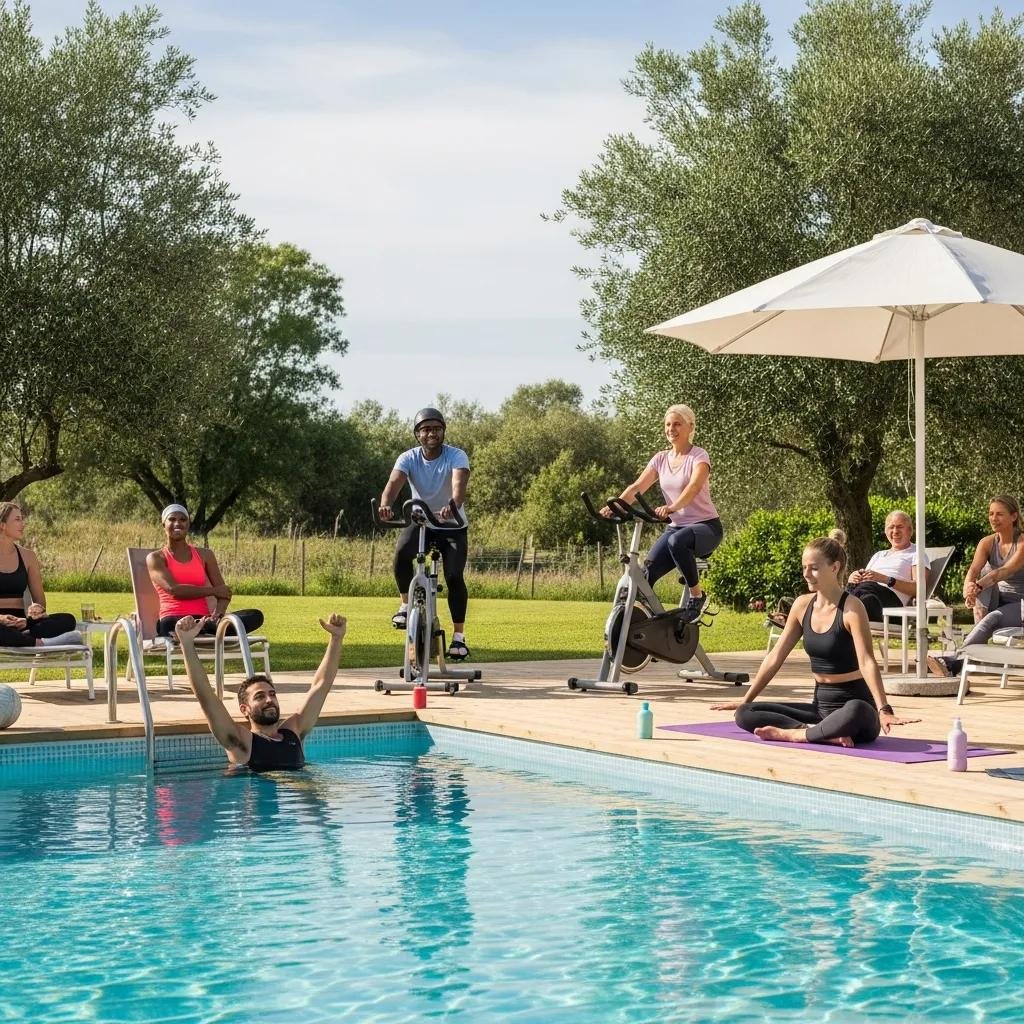
Gentle, Effective Low‑Impact Workouts for Joint Health and Lasting Pain Relief
Low‑impact workouts lower mechanical stress on joints while preserving cardiovascular fitness and building supportive strength—making them an ideal choice for people with arthritis, knee pain, or those recovering from injury. These exercises work by reducing ground reaction forces, using buoyancy or smooth joint arcs, and targeting the muscles that stabilize joints so load is better distributed and mobility improves. In this guide you’ll find the best low‑impact cardio options, beginner strength routines designed to protect joints, how yoga and Pilates boost mobility, and when regenerative therapies can speed recovery and make exercise safer. Expect clear, evidence‑informed explanations, practical progressions for beginners, comparison charts, and actionable tips showing how clinical care and gentle fitness can work together for durable joint health.
What Are the Best Low Impact Cardio Workouts for Joint‑Friendly Exercise?
Low‑impact cardio refers to aerobic activities that avoid repetitive high‑impact forces yet still raise heart rate and improve endurance. These workouts protect cartilage and surrounding structures by spreading forces more evenly—through buoyancy, smoother motion, or alternative loading patterns—so movement is less painful. The best choice depends on your joint diagnosis, symptom pattern, and available equipment; most options allow graded intensity so you can build tolerance safely. Below are top choices with concise benefits to help you pick the mode that fits your needs, followed by an explanation of how these exercises protect and strengthen joints.
The top low‑impact cardio workouts for joint‑friendly exercise are:
- Swimming: Buoyancy removes axial load and lets you move through full ranges of motion with minimal pain.
- Cycling (stationary or outdoor): Controlled knee flexion and concentric muscle work build quadriceps endurance with low impact.
- Elliptical training: Simulates walking without a hard heel strike, keeping joint loads steady and low.
- Rowing: Full‑body aerobic work with limited knee compression when technique is neutral.
- Water aerobics and walking: Combines cardiovascular stimulus with joint support from water—ideal on higher‑pain days.
These options balance heart‑health benefits with joint protection and are easy to modify for intensity. The next section explains the protective mechanisms and safe progression strategies you can use.
Which Low‑Impact Cardio Exercises Protect and Strengthen Joints?
Low‑impact cardio reduces peak compressive and shear forces and enables focused muscular conditioning that supports joint surfaces. Water buoyancy offloads weight, ellipticals smooth the limb trajectory to remove abrupt impact, and cycling emphasizes concentric work that builds endurance without heavy eccentric strain. Over time these activities strengthen periarticular muscles—quadriceps, hamstrings, glutes, and hip abductors—improving alignment and shock absorption. To progress safely, lengthen session duration before increasing intensity, watch pain versus workout soreness, and add balance and range‑of‑motion drills after cardio to prepare joints for functional loading.
How Do Swimming, Cycling, and Elliptical Machines Benefit Knee Pain?
Each of these modalities offers knee‑specific advantages based on biomechanics and controllability. Swimming minimizes weight‑bearing and lets you work through pain‑free knee flexion and extension against water resistance, improving range of motion. Cycling—when the saddle is set correctly—builds quadriceps strength and supports patellofemoral tracking while keeping compression moderate; cadence and seat height adjustments are critical for comfort. Ellipticals provide a gait‑like pattern with reduced impact and improved hip‑knee coordination, which can ease osteoarthritis pain and boost walking endurance. Simple setup tips—raise saddle height for cycling, use a low‑resistance stroke in the pool, and keep a smooth elliptical stride—help you get benefits without flare‑ups.
How Can Strength Training Support Joint Health with Gentle Fitness for Beginners?

Strength training for joint health uses low loads and controlled movement to boost the muscles that stabilize joints and disperse forces during daily activities. Better muscle activation and tendon capacity from gentle resistance work can reduce pain, improve proprioception, and slow the functional decline that accompanies arthritis. For beginners, prioritize technique, pain‑guided progression, and exercises that strengthen the hips and core as well as the affected joint; the short table below outlines starter movements and clear progression cues.
Frequency and volume matter: begin with two sessions per week of 1–2 sets of 8–12 controlled repetitions for major movements, and increase gradually as technique and tolerance improve. This approach prioritizes neuromuscular control and reduces overload risk—the table below summarizes accessible beginner options that protect joints while building function.
| Exercise | Targeted Muscle Group | Joint-Safety Tip |
|---|---|---|
| Seated leg press (light resistance) | Quadriceps, glutes | Use low resistance, full control through range; avoid terminal knee lock |
| Standing hip abduction with band | Gluteus medius | Keep ankle neutral and hinge from hips to reduce knee torque |
| Isometric quad set | Quadriceps | Perform gentle holds (10–20s) when motion causes pain; progress to dynamic reps |
| Glute bridge | Glutes, hamstrings | Avoid hyperextension; focus on pelvic neutral and slow control |
| Resistance band row | Upper back | Supports posture to reduce knee and hip compensations during gait |
This table illustrates how low‑load resistance and precise cueing help beginners gain stability and strength. The next subsection lists concrete exercises with modifications for higher‑pain days.
What Are Beginner‑Friendly Strength Exercises That Are Joint Safe?
Beginner strength work focuses on controlled range, pain‑guided intensity, and the muscle groups that support the affected joint. Good examples are seated leg press with minimal load to build concentric strength, banded hip abductions to steady the pelvis, glute bridges for hip extension, isometric quad sets for early knee activation, and seated rows to improve thoracic posture and reduce compensatory strain. Execution cues: slow concentric‑eccentric timing, neutral joint positioning, and stop for sharp pain. Progress by adding reps, then a second set, then modest resistance. On high‑pain days favor isometrics or aquatic resistance until dynamic loading is tolerated—this preserves gains while minimizing flare‑ups.
How Does Strength Training Improve Joint Stability and Mobility?
Strength training increases muscles’ and tendons’ capacity to absorb and redistribute forces that would otherwise overload cartilage and ligaments. Neuromuscular improvements—better motor unit recruitment and timing—reduce abnormal joint translations and enhance balance, lowering fall risk and acute exacerbations. Over weeks, increased strength enables safer joint loading during daily tasks, expanding functional range and reducing movement‑related pain. Because these benefits require consistent, progressive work, beginners should emphasize technique and measured overload; the next section explains how mind‑body practices complement strength work by improving flexibility and proprioception.
Why Are Yoga and Pilates Effective Holistic Joint Health Exercises?

Yoga and Pilates combine controlled movement, breath coordination, and postural strengthening to improve flexibility, balance, and pain management for joint conditions. Both use low‑impact, controlled articulations that lengthen soft tissues and retrain movement patterns—reducing painful compensations and improving joint‑centered control. Choose joint‑sensitive class styles (therapeutic or gentle yoga, beginner Pilates) and instructors who provide modifications to keep practice safe for arthritis or knee pain. The H3 subsections below outline how these methods reduce pain and offer specific poses and movements for gentle mobility to add after strength work.
How Do Yoga and Pilates Enhance Flexibility and Reduce Joint Pain?
Yoga and Pilates build flexibility through sustained, controlled stretching and by encouraging neuromuscular relaxation that eases guarding and spasm around painful joints. Breath‑led movement calms the nervous system and lowers pain sensitivity, while graded mobilization restores capsular and muscular length to improve function. These practices also retrain proprioception—sharpening body awareness and movement quality—which reduces harmful loading patterns. For best results, combine short daily mobility work with two to three supervised classes weekly to get steady gains in flexibility and consistent reductions in activity‑related pain.
Which Poses and Movements Are Best for Gentle Joint Mobility?
Choose poses and movements that preserve mobility without provoking inflammation. Recommended options include seated cat–cow for lumbar and hip mobility, supported bridge to strengthen the hips and open the anterior chain, supine knee‑to‑chest and gentle thoracic rotations for spinal and hip range, and a modified standing chair for safe quadriceps engagement. Emphasize breath timing, start with small ranges of motion, and use props—bolsters, straps, chairs—to keep end‑range stress low. Simple modifications—blocks under hands, softer knee bends, or doing work supine—help participants stay within pain‑free ranges and gradually expand mobility.
How Do Regenerative Therapies Enhance Recovery and Enable Low‑Impact Workouts?
Regenerative therapies can support tissue repair and reduce pain, making it safer and quicker to return to low‑impact workouts. Treatments like platelet‑rich plasma (PRP) deliver concentrated growth factors that stimulate repair; Prolozone (oxygen/ozone) therapies aim to improve circulation and lower nociceptive input; energy‑based options such as low‑level laser and intra‑articular pulsed electromagnetic field (PEMF) therapy modulate inflammation and cellular function noninvasively. Planning expected downtime and exercise‑readiness timelines lets clinicians and patients build phased return‑to‑activity plans that start with early range‑of‑motion and progress to low‑impact cardio and strength. The table below compares common regenerative options and typical recovery guidance so you know when and how to resume exercise.
Introductory summary: the table helps compare mechanisms, target areas, expected downtime, exercise‑readiness timelines, and common outcomes after regenerative procedures.
| Therapy | Mechanism | Typical Downtime | Exercise-Readiness Timeline |
|---|---|---|---|
| PRP (Platelet-Rich Plasma) | Growth factors stimulate tissue repair | 24–72 hours local soreness; avoid heavy loading | Gentle ROM immediately; low-impact cardio at 1–2 weeks; progressive strength 4–8 weeks |
| Prolozone Therapy | Ozone/oxygen to improve circulation and reduce pain | Minimal downtime; soreness possible 24–48 hours | Low-impact activity within days; progress based on symptom response |
| Intra-articular PEMF | Pulsed electromagnetic fields to modulate inflammation | No procedural downtime typically | Gentle movement immediately; graded strengthening within 1–3 weeks |
| Laser Therapy (Low-level) | Photobiomodulation for cellular repair and pain reduction | Minimal to no downtime | Return to low-impact exercise within days; escalate per symptoms |
This comparison shows that many regenerative options allow early, low‑impact activity while delaying high‑load training until tissues respond. The practice‑level summary below explains how clinical care can support safe exercise progression.
The practice offers regenerative joint therapies (PRP, Prolozone, Laser, Intra‑articular PEMF, TruDOSE Regenerative Technology), bioidentical hormone replacement, and anti‑aging medicine. Our unique value points include a holistic, integrative approach focused on root causes, personalized treatment protocols, longer patient visits, and an emphasis on education and empowerment. These services can shorten recovery timelines and are typically paired with individualized exercise plans to restore function and enable safe progression to low‑impact cardio and strength work. If you’re considering advanced options, discuss realistic expectations, phased activity guidelines, and monitoring strategies with your clinician so therapy timelines align with your exercise goals.
What Is Platelet‑Rich Plasma Therapy and Its Benefits for Exercise Recovery?
Platelet‑rich plasma (PRP) therapy concentrates platelets and growth factors from your own blood to stimulate local repair in tendons, ligaments, and intra‑articular tissues. This process promotes signaling for collagen synthesis and tissue remodeling, which can reduce pain and improve load tolerance over weeks to months. Typical rehabilitation after PRP follows a staged plan: gentle range‑of‑motion immediately, low‑impact aerobic conditioning within 1–2 weeks, and progressive strengthening as symptoms allow. Many patients notice gradual functional improvements and less activity‑limiting pain—enabling more consistent participation in joint‑friendly workouts.
How Does Prolozone Therapy Improve Joint Healing and Mobility?
Prolozone therapy uses controlled oxygen‑ozone injections to enhance local circulation, reduce nociceptive signaling, and create a more favorable environment for tissue repair and pain relief. By improving microcirculation and modulating inflammation, Prolozone can decrease stiffness and allow earlier engagement in mobility and low‑impact conditioning. Recovery is typically brief; gentle activity is often encouraged soon after treatment and progression is guided by symptom response. When combined with graded exercise, Prolozone can help patients return to cardio and strengthening routines with less pain.
What Are Effective Exercise Protocols for Managing Knee Pain and Arthritis?
Effective protocols follow a staged pathway: assessment and screening for contraindications, short‑term pain management, graded low‑impact aerobic conditioning, targeted strength training for stabilizers, and progressive functional loading with careful monitoring. This staged approach reduces flare‑ups while building tolerance and capacity for daily activities. Below is a compact, actionable protocol and a comparison table of recommended low‑impact workouts with frequency and modification guidance to match pain severity.
Start with a thorough assessment documenting pain patterns, range of motion, comorbidities, and functional goals. Begin with short aquatic or cycling sessions for cardiovascular stimulus, then add strength and balance work. The table below compares common activities for knee‑focused programs to help you choose.
| Activity | Joint Load | Cardiovascular Benefit | Recommended Frequency/Modification |
|---|---|---|---|
| Water walking/aquatic exercise | Very low (buoyancy) | Moderate | 3×/week, 20–40 min; increase depth gradually |
| Stationary cycling | Low-moderate | High (steady-state) | 3–5×/week, 15–30 min; adjust seat height and resistance |
| Elliptical | Low | Moderate-high | 3×/week, 20–30 min; maintain smooth stride |
| Walking with aids (poles, cane) | Moderate, modifiable | Moderate | Daily short walks, split sessions; use aids on high-pain days |
This comparison helps clinicians and patients pick modalities that match pain tolerance and fitness goals. The next subsection lists workouts suited for immediate pain relief.
Which Low‑Impact Workouts Are Recommended for Knee Pain Relief?
Workouts that ease knee pain focus on offloading, controlled motion, and gradual muscle engagement. Water‑based programs—walking or aerobics—minimize weight‑bearing while keeping cardiovascular stimulus and are best done for 20–40 minutes split into manageable intervals. Cycling (stationary or recumbent) builds quadriceps endurance and preserves joint range—aim for 60–80 RPM and avoid excessive gear resistance. Elliptical work mimics gait with lower impact and helps build endurance without repeated heel strikes. On higher‑pain days reduce duration, choose aquatic or recumbent options, and prioritize gentle flexibility and isometric exercises to maintain strength without provoking inflammation.
How Can Gentle Fitness Programs Be Tailored for Arthritis Patients?
Tailoring programs for arthritis means tracking pain during activity, pacing sessions to prevent flare‑ups, and alternating more intense days with restorative sessions for tissue recovery. Personalization factors include pain scores (0–10), functional goals (stairs, walking distance), comorbidities, and equipment access. Typical progressions move from 10–20 minute low‑impact sessions to 30–45 minute mixed cardio‑strength sessions over 6–12 weeks. If progress stalls or pain worsens despite conservative care, consider referral for regenerative evaluation. Clinicians can combine targeted therapies and individualized exercise plans to restore activity while minimizing joint stress.
Individualized care options matter: Dr. Bloem’s practice—Dr. Fred Bloem’s practice—pairs personalized regenerative protocols with therapeutic planning and extended patient education so you can safely integrate low‑impact programs with medical care. A consultation clarifies when to begin phased strengthening after a regenerative procedure and how to monitor progress safely.
How Does a Holistic Approach Integrate Diet, Mindful Movement, and Stress Management?
A holistic approach treats exercise as one pillar among nutrition, mindful movement, and stress management—each shaping inflammation, recovery, and pain perception. Anti‑inflammatory eating provides building blocks for tissue repair and helps regulate systemic inflammation, while mindful movement (tai chi, breath‑led yoga) reduces pain sensitization and builds movement confidence. Stress reduction improves sleep and lowers sympathetic overactivity, both critical for healing and exercise tolerance. Below are practical diet tips and mindful movement templates that pair well with low‑impact workouts, followed by how clinical support can sustain long‑term joint health and adherence.
Putting these elements into a weekly plan improves adherence and supports the biology of rehabilitation. The section below outlines concrete dietary steps to accompany your exercise plan.
What Anti‑Inflammatory Diet Tips Support Joint Health and Exercise?
An anti‑inflammatory pattern emphasizes whole foods rich in omega‑3s, antioxidants, and fiber while limiting processed sugars and trans fats. Practical steps: add fatty fish or plant omega‑3 sources, load up on colorful vegetables and berries for antioxidants, choose whole grains and legumes for steady blood sugar, and use extra‑virgin olive oil for healthy fats. Stay well hydrated and support recovery with a modest protein snack within 1–2 hours around workouts. Supplements can help when appropriate and under professional guidance, but consistent dietary habits remain the most powerful lever for reducing inflammation and improving joint tolerance to exercise.
How Does Mindful Movement Help Manage Chronic Joint Pain?
Mindful movement reduces chronic pain by combining graded movement exposure with focused attention and breath control, which calms central sensitization and improves motor control. Practices like tai chi and gentle, breath‑coordinated yoga offer low‑load, repetitive movement that rebuilds confidence in joint use and eases fear‑avoidance. A simple session might include 5–10 minutes of diaphragmatic breathing, 15–20 minutes of slow joint‑focused mobility work, and 5 minutes of guided relaxation—done daily or on alternating days with structured exercise. These practices enhance movement quality, adherence, and overall well‑being alongside strength and cardio work.
Dr. Fred Bloem’s practice emphasizes a long‑term, integrative approach that targets root causes and delivers personalized treatment plans. Patients receive longer visits and focused education to empower self‑care, and clinical supports—such as regenerative therapies or bioidentical hormone replacement—may be offered to support recovery and sustain functional gains.
- Key Holistic Components:
Nutrition: Favor anti‑inflammatory whole foods and adequate protein for repair.Movement: Combine low‑impact cardio, targeted strength, and mindful movement.Stress Management: Use breathwork, sleep hygiene, and graded behavioral strategies. - Implementation Summary:
Begin with gentle daily mobility and 2–3 weekly structured sessions.Pair short cardio bouts with post‑exercise protein and hydration.Track pain and function to guide progressions and clinical referrals.
This integrated approach ensures exercise gains are amplified by lifestyle habits and clinical support.
Frequently Asked Questions
What types of low‑impact workouts are suitable for seniors?
Seniors do very well with low‑impact options that emphasize safety and joint protection. Water aerobics, chair yoga, and gentle tai chi improve flexibility, balance, and strength without stressing joints. Stationary cycling and level‑ground walking are also good for cardiovascular health. As always, check with a healthcare provider before starting a new program so it aligns with individual health needs.
How often should I engage in low‑impact workouts for optimal joint health?
A practical target is about 150 minutes per week of moderate‑intensity activity—easily broken into manageable sessions (for example, 30 minutes five days a week). Mix cardio, strength, and flexibility work for best results, and adjust frequency and intensity based on how your joints respond.
Can low‑impact workouts help with weight management?
Yes. While low‑impact activities may burn fewer calories per minute than high‑impact workouts, they still contribute meaningfully to energy expenditure when done consistently. Swimming, cycling, and walking combined with a balanced diet can support healthy weight loss or maintenance without increasing injury risk.
What should I do if I experience pain during low‑impact workouts?
If you feel pain, stop and assess—pain can indicate overuse or poor technique. Get guidance from a healthcare professional or physical therapist to check form and suggest modifications. Use rest days, gentle stretching, or lower‑impact options while you recover to keep progressing safely.
Are there specific warm‑up and cool‑down routines recommended for low‑impact workouts?
Yes. Warm up with dynamic movements that raise heart rate and prepare muscles—think arm circles, leg swings, or a short walk. Cool down with gentle static stretches for major muscle groups. Spend 5–10 minutes on each to reduce soreness and support recovery.
How can I stay motivated to maintain a low‑impact workout routine?
Stay motivated by setting realistic goals, tracking progress, and celebrating small wins. Join a class or find a workout partner for accountability, and vary activities to keep things interesting. Small, consistent steps are the best path to long‑term adherence.
Conclusion
Low‑impact workouts offer powerful benefits for joint health—reducing pain and improving mobility while protecting tissues. By combining gentle cardio, targeted strength work, and mindful movement within a holistic plan, you can improve function and quality of life. If you’re ready to begin, explore our tailored exercise programs and resources. With steady effort and the right guidance, meaningful improvements are within reach.
