

Platelet‑Rich Plasma (PRP) Therapy for Knee Pain — Effective, Non‑Surgical Relief
Platelet‑rich plasma (PRP) uses a concentrated portion of your own blood to help reduce knee pain and support tissue repair. It’s a non‑surgical option many people choose for degenerative or overuse knee problems. This guide explains what PRP is, how it works in the knee, which conditions are most likely to benefit, how PRP compares with other non‑surgical options, and what to expect during the procedure and recovery. You’ll find evidence‑based indications, typical timelines for pain and function improvement, practical steps to prepare for a consultation, and how clinicians choose appropriate candidates. We also include quick comparison tables and clear explanations of mechanisms like growth‑factor release, inflammation modulation, and matrix repair to help you make an informed decision when comparing PRP to hyaluronic acid or steroid injections.
What is Platelet‑Rich Plasma Therapy and How Does It Work for Knee Pain?
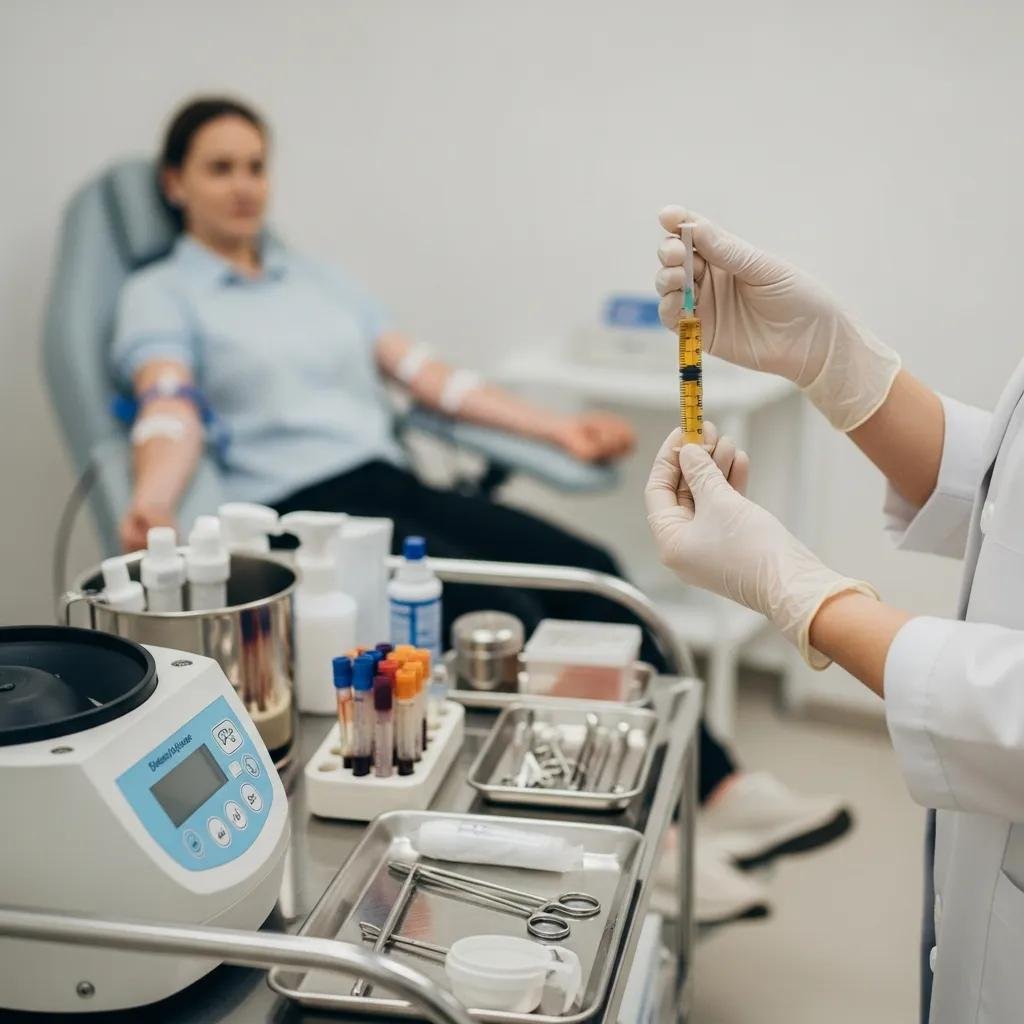
PRP is an autologous regenerative treatment: we draw a small amount of your blood, concentrate the platelets and growth factors using a centrifuge, and then inject that plasma into the knee to encourage healing and reduce pain. Platelets release growth factors and cytokines that help modulate inflammation, recruit repair cells, and stimulate collagen and extracellular matrix production—creating a more favorable joint environment. Research shows PRP can reduce chronic inflammatory signaling and promote tissue remodeling in mild‑to‑moderate knee osteoarthritis and some degenerative soft‑tissue injuries. Because preparation, concentration, leukocyte content, and injection technique vary between protocols, outcomes can differ; image guidance and personalized dosing matter. The sections below explain preparation and biologic mechanisms so you understand how PRP moves from lab findings to real clinical benefit.
How is PRP prepared and administered for knee treatment?
Preparation begins with a venous blood draw—typically 10–60 mL depending on the desired platelet yield—followed by centrifugation to separate red cells and concentrate platelets into a smaller plasma volume. The resulting PRP is placed in a sterile syringe and usually injected under ultrasound guidance into the joint or surrounding tissues to improve accuracy and safety. Providers may use single‑injection or multi‑injection courses depending on the indication. Because platelet concentration, leukocyte presence, and activation methods differ between systems, there’s no single universal standard—this explains variability in published results and protocol choices. Clear communication about the specific preparation and expected timeline helps set realistic expectations before treatment.
What biological mechanisms enable PRP to promote knee tissue repair?
PRP releases growth factors such as PDGF, TGF‑β, VEGF and IGF that act on local cells to stimulate collagen production, support chondrocyte activity, and encourage angiogenesis—creating a microenvironment that favors repair and reduces pain signaling. Beyond anabolic effects, PRP can modulate inflammatory pathways by decreasing pro‑inflammatory cytokines and promoting anti‑inflammatory mediators, which helps reduce pain and swelling in chronically inflamed tissue. PRP also attracts progenitor and immune cells involved in matrix remodeling and can improve repair quality in degenerative meniscal and tendon injuries. Taken together, these actions place PRP within regenerative medicine and orthobiologics as a biologic, non‑surgical joint therapy.
Which Knee Conditions Can Benefit from PRP Injections?
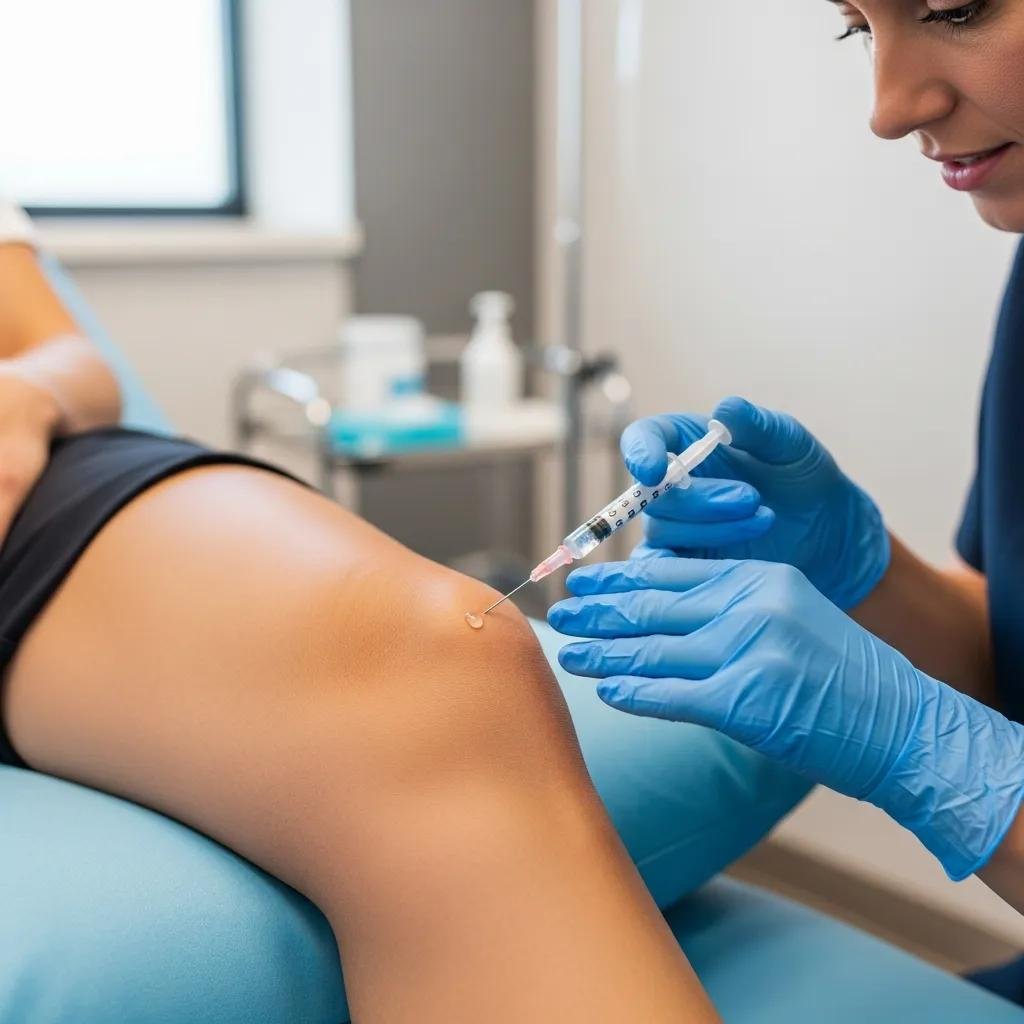
PRP is best suited for degenerative and overuse knee conditions where biologic stimulation may improve symptoms and function without surgery. The strongest evidence supports use in mild‑to‑moderate knee osteoarthritis and symptomatic degenerative meniscal tears. PRP is also used for tendinopathies around the knee—such as patellar or quadriceps tendinopathy—and for selected partial ligament injuries when enhanced healing is desired without immediate reconstruction. PRP is less useful for advanced, end‑stage osteoarthritis or acute, high‑grade ligament ruptures that usually need surgery. Careful patient selection based on imaging, symptom duration, and activity goals is essential. The table below summarizes common indications, typical disease stage, and evidence strength to guide decision‑making.
| Condition | Typical Stage / Presentation | Expected Benefit / Evidence Strength |
|---|---|---|
| Knee Osteoarthritis | Mild‑to‑moderate radiographic OA (KL I–III) | Pain relief and function gains for 6–12+ months; moderate evidence |
| Degenerative Meniscus Tear | Non‑displaced, degenerative tears in older patients | Symptom improvement and occasional delay of surgery; low‑to‑moderate evidence |
| Patellar/Quadriceps Tendinopathy | Chronic overuse with focal tendon degeneration | Reduced pain and better function over weeks–months; moderate evidence |
| Partial Ligament Injury | Low‑grade sprain or partial tear | May support healing alongside rehab; limited, case‑dependent evidence |
Overall, PRP shows the most consistent benefit in mild‑to‑moderate degenerative conditions and as an adjunct when conservative care hasn’t fully worked. Matching expectations to likely outcomes is a key part of maximizing benefit.
How does PRP help with knee osteoarthritis and cartilage repair?
For knee osteoarthritis, PRP delivers concentrated growth factors that can stimulate chondrocyte activity, reduce synovial inflammation, and encourage extracellular matrix turnover—together decreasing pain and improving function. Clinical trials and meta‑analyses report meaningful improvements in pain and validated function scores for many patients, with benefits often appearing within weeks, peaking around 3–6 months, and sometimes lasting up to 12 months. PRP is most effective in mild‑to‑moderate OA and is less likely to produce durable results in advanced, bone‑on‑bone disease where joint replacement is usually the definitive option. Discussing imaging, functional goals, and alternatives helps patients choose the right path.
Can PRP treat meniscus tears, ligament injuries, and tendinopathy?
In degenerative meniscal tears, PRP can reduce symptoms and occasionally delay the need for arthroscopy by encouraging local repair when the tear is stable. For partial ligament injuries and chronic tendinopathies, PRP is used as a biologic adjunct to structured rehabilitation, often reducing pain and improving tissue quality over months in selected patients. Acute, high‑grade tears typically require surgical repair or reconstruction, so PRP is usually an adjunct or part of a non‑operative strategy for lower‑grade injuries. Better outcomes are more likely with shorter symptom duration, less severe tissue degeneration on imaging, and good adherence to rehab.
What Are the Benefits and Effectiveness of PRP Therapy for Knee Pain?
PRP offers reduced pain, improved joint function, and a low risk of systemic adverse effects because the material comes from the patient’s own blood. Randomized trials and meta‑analyses report moderate effect sizes for pain and function versus placebo, and PRP often outperforms hyaluronic acid in the mid‑term while lasting longer than corticosteroids. Symptom improvement is usually gradual over weeks to months, with many patients seeing clinically meaningful change for 6–12 months or longer; repeat treatments may be considered to maintain benefit. Side effects are typically local and short‑lived—mild flares, soreness, or transient swelling—and systemic complications are rare.
Here are the primary clinical benefits patients seek when considering PRP:
- Pain reduction: Less baseline and activity‑related knee pain over weeks to months.
- Functional improvement: Easier walking, stair climbing, and exercise tolerance.
- Lowered local inflammation: Modulation of synovial and cartilage inflammation.
| Treatment | Typical Outcome / Onset | Duration of Effect | Risk Profile |
|---|---|---|---|
| PRP Injections | Moderate pain/function improvement; onset over weeks | Often 6–12 months or longer; variable | Low systemic risk; local soreness or swelling |
| Hyaluronic Acid | Symptom relief; onset days–weeks | Typically 3–6 months | Low risk; occasional injection‑site reactions |
| Corticosteroid Injection | Rapid pain relief; onset within days | Weeks to a few months; repeated use may harm cartilage | Potential cartilage effects with frequent use; transient hyperglycemia |
This table highlights PRP’s relative durability compared with short‑term steroid relief and the variable performance of HA, making PRP a reasonable option for patients seeking longer‑lasting biologic benefit rather than immediate but temporary symptom control.
How does PRP compare to other non‑surgical treatments like hyaluronic acid and steroids?
Head‑to‑head studies often show PRP gives greater pain relief and functional improvement than hyaluronic acid in the mid term and generally lasts longer than corticosteroid injections, which provide quick but short‑lived relief. PRP works by growth factor‑mediated tissue modulation, while hyaluronic acid aims to improve joint lubrication and steroids suppress inflammation—so selection depends on your goals and timing. Safety profiles differ: repeated steroid injections carry risks to cartilage and systemic effects, while PRP’s autologous nature lowers systemic risk but may cause a temporary local reaction. Clinicians commonly recommend PRP for patients seeking regenerative intent and sustained improvement and reserve steroids for brief inflammatory flares.
What pain relief and functional improvements can patients expect?
Many patients notice modest improvement within 2–6 weeks, clearer functional gains by 8–12 weeks, and peak benefits between 3–6 months after a well‑performed PRP protocol. Reported responders often experience 30–60% pain reduction and measurable gains in daily activities and exercise capacity. Response varies by diagnosis and disease stage—better predictors include less structural degeneration, younger biological age, and adherence to post‑procedure rehab. Setting realistic expectations about gradual improvement and the potential need for staged or repeat treatments improves satisfaction and guides individualized planning.
What to Expect During the PRP Injection Procedure and Recovery Process?

PRP injections are usually done in an outpatient clinic using sterile technique and often with ultrasound guidance to maximize accuracy and minimize tissue trauma. Expect a visit of roughly 45–90 minutes depending on centrifugation and documentation. The workflow includes a pre‑procedure assessment and consent, blood draw, centrifugation and PRP preparation, and an ultrasound‑guided injection into the joint or periarticular tissue, followed by short observation and aftercare instructions. Recovery commonly involves brief increased soreness, activity modification, and a graduated rehabilitation plan to promote tissue adaptation while avoiding premature heavy loading. The table below lays out the typical timeline so you can anticipate each phase.
| Step | Attribute | Typical Patient Experience / Timeline |
|---|---|---|
| Pre‑Procedure | Assessment & Consent | History review and imaging check; consent discussion (15–30 minutes) |
| Blood Draw | Autologous sampling | Venipuncture (5–10 minutes); minimal discomfort |
| Preparation | Centrifugation & PRP draw | 10–20 minute spin and sterile transfer |
| Injection | Ultrasound‑guided delivery | Precise injection (5–10 minutes); local anesthetic may be used |
| Immediate Recovery | Observation & instructions | Short monitoring (15–30 minutes); guidance on icing and analgesia |
| Follow‑up | Rehab & reassessment | Graded activity plan with follow‑up at 4–12 weeks |
What is the step‑by‑step PRP knee injection procedure?
When you arrive we confirm your medical history, review medications and bleeding risk, and check imaging to plan the injection. A small blood sample is drawn and processed in a centrifuge to produce PRP; we explain the chosen preparation and expected effects. The injection is placed under ultrasound guidance into the joint or targeted periarticular tissue, usually with local anesthetic for comfort, followed by a brief observation period. You’ll leave with clear post‑injection instructions and a staged rehabilitation plan designed to support biologic repair and restore function.
How long is recovery and what aftercare is recommended?
Expect mild‑to‑moderate soreness and swelling for 48–72 hours, manageable with ice, elevation, and short‑acting analgesics; avoid NSAIDs and other strong anti‑inflammatories in the immediate period because they can blunt PRP signaling. Limit heavy loading and impact for 1–2 weeks, begin gentle range‑of‑motion and progressive strengthening during the first month, and return to higher‑level activities over 6–12 weeks as tolerated and per clinician guidance. Follow a structured rehab program to support tissue remodeling and contact your provider for signs of infection or unexpected worsening. Routine follow‑up helps assess response and decide if additional treatments are appropriate.
Is PRP Therapy Suitable for You? Patient Selection and Consultation Insights
PRP is most suitable for people with symptomatic mild‑to‑moderate knee osteoarthritis, degenerative meniscal pathology, chronic tendinopathy, or partial ligament injuries who want a regenerative, non‑surgical option and understand improvements usually happen gradually. Contraindications include active infection at the injection site, certain bleeding disorders, and uncontrolled systemic illness; we screen medications, anticoagulants, and platelet dysfunction as part of pre‑procedure assessment. A focused consultation that reviews imaging, discusses alternatives, explains timelines, and builds a shared decision plan helps match therapy to goals and improves outcomes. Use the checklist below to prepare for a productive visit.
Patients can use the following checklist to assess candidacy and prepare for a consultation:
- Bring recent imaging (X‑ray, MRI) and a summary of prior treatments.
- Prepare a complete list of medications and supplements, including anticoagulants and NSAIDs.
- Be ready to discuss functional goals, activity level, and how prior conservative care performed.
Who are ideal candidates for PRP knee injections?
Ideal candidates are active adults with persistent knee pain from mild‑to‑moderate osteoarthritis, patients with degenerative meniscal tears preferring non‑operative care, and people with chronic tendinopathy who haven’t improved with conservative therapy. Better outcomes are associated with younger biological age, lower radiographic disease grade, and commitment to post‑injection rehabilitation. Advanced joint collapse and high‑grade acute ligament ruptures are less likely to respond and often need surgical care. Lifestyle factors—smoking, uncontrolled metabolic disease, and poor rehab adherence—can reduce healing responses, so candidacy considers both biological and behavioral factors.
How to prepare for a consultation with Dr. Fred Bloem regarding PRP therapy?
For a consultation with Dr. Fred Bloem at Dr. Fred Bloem’s practice, gather prior imaging and orthopedic records, list all medications and supplements, and note activity limits and goals to guide planning. Expect a focused musculoskeletal exam, imaging review, a discussion of regenerative options including PRP, and an individualized plan that addresses biomechanics, lifestyle factors, and rehabilitation. If PRP is recommended, we’ll review preparation steps (medication adjustments, infection screening), expected timelines, and follow‑up scheduling. Patients in Kensington, MD can request an appointment to review candidacy and personalized PRP protocols with Dr. Bloem.
Why Choose Dr. Fred Bloem and Dr. Fred Bloem’s practice for PRP Knee Therapy?
Dr. Fred Bloem’s practice offers a holistic, integrative model that pairs regenerative therapies like PRP with individualized care, longer visit times for patient education, and attention to underlying contributors to musculoskeletal pain rather than just treating symptoms. We combine image‑guided injection technique with tailored rehabilitation, nutritional and metabolic considerations, and functional medicine principles when appropriate to support sustained improvement. Our process emphasizes thorough candidate evaluation and careful follow‑up so treatment aligns with each patient’s goals and health context. If you’re considering PRP, Dr. Bloem and the team in Kensington, MD can discuss how it fits within a comprehensive, individualized plan.
What makes Dr. Bloem’s holistic and integrative approach unique?
Dr. Bloem prioritizes longer visits to explore medical history, functional goals, and lifestyle contributors to joint degeneration so we can design individualized regenerative protocols—not a one‑size‑fits‑all injection. By pairing regenerative treatments with targeted rehab, nutrition and metabolic strategies, and clear patient education, we create a care context that supports better long‑term outcomes. Shared decision‑making is central: we explain mechanisms, timelines, and how adjunctive measures can amplify PRP’s effects to help you achieve meaningful improvement.
What do patient testimonials reveal about PRP success stories?
Patient reports commonly highlight less pain, improved daily function, and return to desired activities after PRP—especially when paired with appropriate rehab and lifestyle changes. Testimonials also emphasize appreciation for longer visits, clear education about realistic timelines, and individualized follow‑up that supports adherence to rehabilitation. We encourage prospective patients to review verified experiences on Dr. Fred Bloem’s practice’s resources to better understand typical recovery paths and the range of outcomes. These stories illustrate how regenerative therapies, integrated into a comprehensive plan, can deliver meaningful improvements for the right patients.
- Common outcomes: Pain reduction and greater activity tolerance.
- Practice features valued: Extended visit time and education‑focused care.
- Typical recovery narrative: Gradual improvement supported by structured rehab.
These patterns show why combining PRP with a comprehensive approach often produces patient‑reported success and satisfaction in managing knee pain.
Frequently Asked Questions
What are the potential side effects of PRP therapy?
PRP is generally safe because it uses your own blood, but local side effects can occur. Most commonly you may have mild soreness, swelling, or bruising at the injection site that resolves in a few days. Rare complications include infection or more significant reactions; these are uncommon. Discuss risks and benefits with your provider so you understand what to expect.
How many PRP sessions are typically required for optimal results?
The number of sessions varies by condition and response. Many patients improve after 1 injection, while others benefit from a series of 2–3 injections spaced several weeks apart. Chronic or more advanced problems may require additional treatments. Your clinician will individualize the plan based on your progress.
How long does it take to see results from PRP therapy?
Initial improvement is often noticeable within 2–6 weeks. Clearer functional gains usually appear by 8–12 weeks, with peak benefit commonly between 3–6 months. Many patients experience meaningful effects for 6–12 months or longer, but timelines vary with condition severity and rehab adherence. Regular follow‑up helps track progress and guide next steps.
Is PRP therapy covered by insurance?
Coverage for PRP varies widely. Many insurers consider it experimental and may limit or deny coverage. Check with your insurance plan to understand benefits and potential out‑of‑pocket costs, and speak with our team about financial options if needed.
Can PRP therapy be combined with other treatments?
Yes. PRP is often combined with physical therapy and other non‑surgical treatments when appropriate. In some cases clinicians may sequence PRP with hyaluronic acid or use corticosteroids for short‑term flares, depending on goals and timing. Always discuss combinations with your provider to create a safe, effective plan.
What lifestyle changes can support the effectiveness of PRP therapy?
Healthy habits support healing: eat an anti‑inflammatory, nutrient‑rich diet, stay hydrated, avoid smoking, control chronic conditions like diabetes, and follow a graded, low‑impact exercise program to strengthen the knee. Adhering to rehab and addressing modifiable risk factors improves the chance of a good response to PRP.
Conclusion
PRP therapy is a promising, non‑surgical option that leverages your body’s own biology to reduce knee pain and support tissue repair. Understanding when PRP is most helpful, how the procedure works, and what recovery looks like will help you make a confident choice. If you’re considering PRP, schedule a consultation with a qualified clinician to review your imaging, goals, and whether PRP fits into a personalized recovery plan. Take the next step toward less pain and better mobility by reaching out for an evaluation today.
