

How Exercise Strengthens Your Immune System: A Functional Medicine Guide to Resilience
Exercise is one of the most practical, evidence-based tools we have to sharpen immune surveillance, lower chronic inflammation, and build resilience to infections and age-related immune decline. This guide breaks down how movement mobilizes immune cells, shifts cytokine signaling, and moderates stress hormones so you can use exercise as a deliberate immune-support strategy. From a functional medicine perspective, Dr. Fred Bloem and the team at Dr. Fred Bloem’s practice emphasize individualized movement plans paired with nutrition, sleep, and clinical supports to get the best outcomes. Many people with chronic illness or age-related immune changes worry about what type and dose of activity will help rather than harm; this article explains the mechanisms, compares exercise modes, and offers adaptable weekly templates you can make your own. We cover core immune physiology, the training types that most reliably support immunity, anti-inflammatory and cortisol-regulating effects, lymphatic benefits, approaches for chronic illness and aging, and clear, practical steps to build an immune-boosting routine.
What Is the Immune System and How Does Exercise Influence It?
The immune system is an interconnected network of organs, cells, and signaling molecules that defends the body and maintains tissue health. Exercise influences that system by improving circulation, mobilizing immune cells, and modulating signals that drive inflammation and repair. Short bouts of activity increase shear stress, catecholamines, and blood flow, temporarily mobilizing innate responders like natural killer (NK) cells and neutrophils for better surveillance. Regular, moderate activity produces lasting adaptations—better vaccine responses, lower baseline inflammation, and greater metabolic resilience. Knowing these mechanisms helps explain why an active lifestyle supports both immediate defenses and long-term immune health, and sets the stage for comparing exercise types below.
What Are the Key Components of the Immune System?
Core players include innate cells (NK cells, neutrophils, macrophages), adaptive cells (T cells, B cells), and organs like lymph nodes, spleen, and thymus that coordinate responses. Exercise alters how these elements traffic, activate, and signal. NK cells deliver rapid cytotoxic responses and respond quickly to catecholamine-driven mobilization during movement, improving early pathogen detection. T and B cells drive adaptive immunity and benefit indirectly through better antigen presentation and stronger vaccine responses after consistent moderate activity. These cellular changes work alongside organ-level improvements—enhanced lymphatic flow and spleen perfusion—linking movement to whole-body immune function and suggesting how specific workouts can target different immune aims.
How Does Physical Activity Affect Immune Cell Circulation?
Physical activity boosts immune cell circulation through mechanical forces (shear stress), sympathetic activation (epinephrine/norepinephrine), and increased lymph flow, moving cells from lymphoid tissues into the bloodstream where they patrol peripheral tissues. An acute exercise session creates a transient surge in circulating NK and effector T cells that subsides during recovery but leaves a durable improvement in surveillance and readiness. Over weeks and months, regular moderate activity raises baseline immune competence and sharpens responses to vaccines and infections. Distinguishing immediate mobilization from chronic adaptation helps you design training that captures both rapid benefits and long-term resilience.
Which Types of Exercise Best Boost Immune Function?

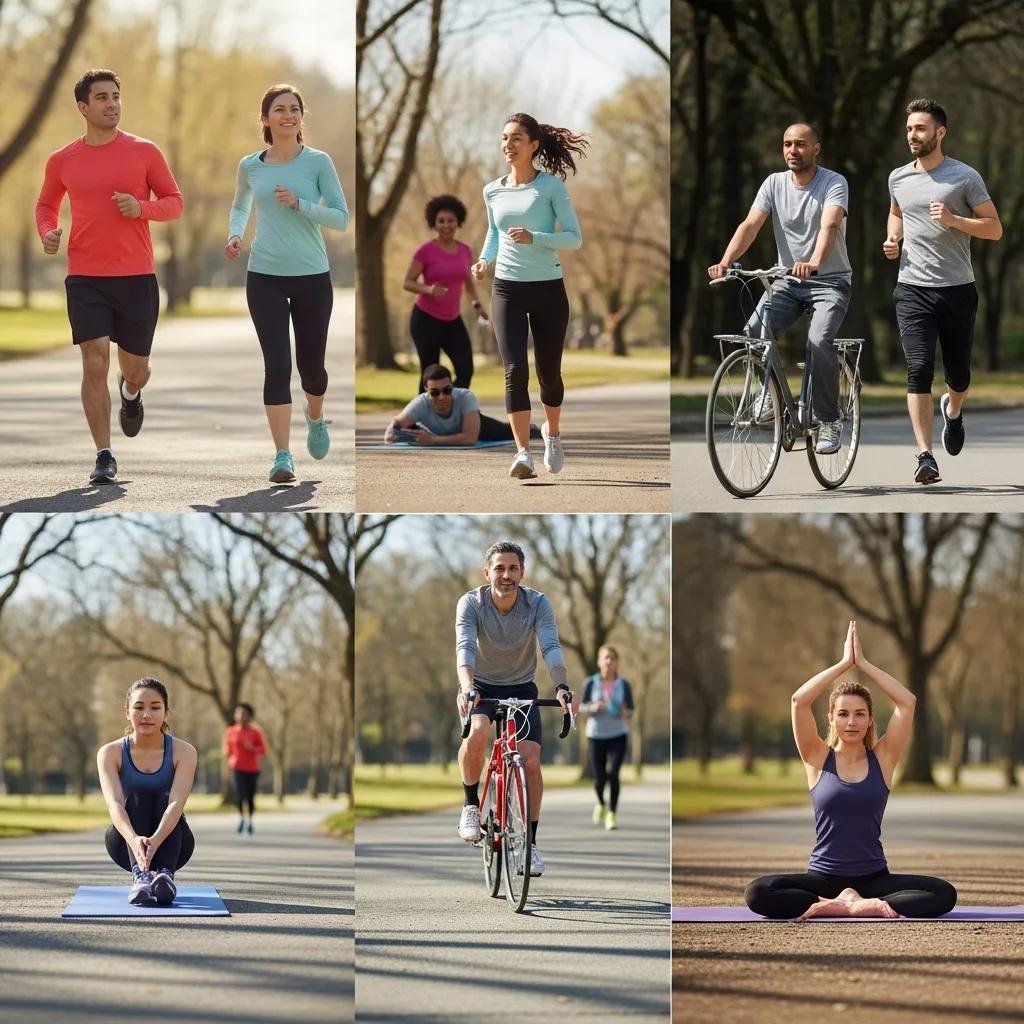
Different movement modalities support immunity through distinct but complementary mechanisms: moderate aerobic work improves immune cell trafficking and vaccine response, resistance training enhances metabolic resilience and myokine signaling, and mind–body practices reduce stress-driven immune suppression. A balanced program blends these approaches to combine cellular mobilization, anti-inflammatory myokines, and stress regulation. The comparison below helps you prioritize activities based on your goals and constraints.
Use the short comparison of exercise modes and their immune effects to choose the right mix for your needs.
| Exercise Type | Primary Immune Mechanism | Practical Recommendation |
|---|---|---|
| Moderate aerobic (walking, cycling) | Enhances immune cell trafficking and vaccine responsiveness via increased circulation | 150 min/week moderate, split across most days |
| Vigorous aerobic (running, intervals) | Strong acute mobilization but higher recovery needs; risk of transient suppression if excessive | 75 min/week vigorous with adequate recovery |
| Strength training (resistance) | Releases myokines, improves insulin sensitivity and muscle–immune cross-talk | 2 sessions/week targeting major muscle groups |
| Mind-body (yoga, tai chi) | Lowers sympathetic tone and cortisol, improves restorative sleep and immune regulation | 2–3 sessions/week focusing on breath and movement |
A balanced program combining aerobic, resistance, and mind–body work produces the most resilient immune profile; the sections that follow unpack the mechanisms behind each approach.
How Does Moderate Aerobic Exercise Enhance Immunity?
Moderate aerobic exercise—brisk walking, cycling, or swimming—supports immunity by increasing blood and lymph flow, improving metabolic health, and nudging cytokine balance toward anti-inflammatory profiles. Regular moderate sessions are associated with fewer upper respiratory infections and stronger vaccine responses in multiple studies, likely because repeated mobilization improves surveillance without triggering chronic stress. Practical options include 30 minutes of brisk walking most days or accumulated cycling intervals to total 150 minutes per week. These habits provide a foundation you can layer with resistance training and restorative practices.
What Role Does Strength Training Play in Immune Resilience?
Strength training protects immune resilience by preserving lean mass, improving insulin sensitivity, and releasing muscle-derived signaling molecules (myokines) that influence inflammation and immune function. Resistance work can prompt IL-6 release from muscle in an anti-inflammatory context, improve metabolic health that lowers pro-inflammatory adipokines, and maintain functional capacity important for recovery from illness. Safe, effective templates include two weekly full-body sessions with moderate loads and gradual progression, with sensible modifications for chronic illness or limited energy. Combined with aerobic work, resistance training strengthens both short-term surveillance and long-term metabolic resilience.
How Does Exercise Reduce Inflammation and Regulate Stress Hormones?

Exercise lowers chronic inflammation and rebalances stress hormones by shifting cytokine profiles, improving adipose tissue function, and recalibrating hypothalamic–pituitary–adrenal (HPA) axis responses. These adaptations reduce baseline CRP and change IL-6 signaling to favor repair instead of pathology. Regular moderate activity raises anti-inflammatory mediators (for example IL-10 and muscle-derived myokines) and reduces visceral fat–driven inflammation, while repeated controlled stressors help normalize cortisol rhythms. Together, these effects lower chronic disease risk and strengthen immune responses. The table below summarizes biomarker pathways and the exercise doses linked to each effect to clarify practical dose–response relationships.
A concise table shows key biomarkers, pathways, and how movement modulates each for clinical clarity and dosing guidance.
| Biomarker / Pathway | How Exercise Affects It | Exercise Dose Linked to Effect |
|---|---|---|
| C-reactive protein (CRP) | Chronic moderate activity lowers baseline CRP via reduced adipose inflammation | 150 min/week moderate activity |
| Interleukin-6 (IL-6) | Acute IL-6 spikes during exercise act as myokines with anti-inflammatory downstream effects | 20–60 min bouts, several times/week |
| Cortisol / HPA axis | Regular activity blunts resting cortisol and improves diurnal rhythm with appropriate recovery | Moderate intensity most days, avoid excessive high-volume training |
| TNF-alpha | Reduced with weight loss and improved metabolic health from combined aerobic/resistance training | Multi-modal programs over months |
This EAV-style summary shows that consistent, moderate exercise produces measurable reductions in inflammatory markers and better cortisol regulation; the next subsections explain how these changes occur.
In What Ways Does Exercise Lower Chronic Inflammation?
Regular activity lowers chronic inflammation through several routes: reducing visceral fat (a major source of pro-inflammatory adipokines), releasing anti-inflammatory myokines from contracting muscle, and improving mitochondrial efficiency to cut oxidative stress. Over months, these shifts reduce circulating markers like CRP and TNF-alpha and favor less pro-inflammatory immune phenotypes. Clinically, this translates to lower risk of inflammatory disease and better symptom control when exercise is combined with diet and sleep optimization. These mechanisms guide exercise prescriptions that prioritize consistency and metabolic improvement.
How Does Physical Activity Help Manage Cortisol and Stress for Immune Support?
Exercise provides controlled stress exposures that strengthen HPA axis resilience, lowering basal cortisol and improving its diurnal decline when intensity and recovery are balanced. Mind–body practices and moderate aerobic work are especially effective at reducing sympathetic overactivity, improving sleep, and lowering perceived stress—all supportive of immune competence. Timing, intensity, and your individual stress baseline determine whether a session feels restorative or pushes toward overtraining, so personalization is important. A mixed program of aerobic, resistance, and restorative sessions best supports cortisol balance and downstream immune function.
How Can Exercise Improve Lymphatic Flow and Detoxification?
The lymphatic system is a dynamic filtration network returning interstitial fluid to circulation and transporting immune cells. Exercise helps lymph flow through muscle pumps, diaphragmatic breathing, and increased joint mobility, all of which promote efficient drainage and immune cell transport. Movement-driven lymph flow supports waste clearance, enhances immune trafficking, and reduces local inflammation from fluid stasis. Practical practices—walking, gentle rebounder work, and targeted breathing sequences—combine mechanical and autonomic drivers to optimize lymph dynamics. The following subsections explain why lymph health matters and which movements work best.
Why Is Lymphatic System Function Vital for Immunity?
The lymphatic system filters pathogens and presents antigens to lymph nodes while moving immune cells and metabolic debris away from tissues to preserve surveillance and tissue health. When lymphatic function is impaired, fluid builds up, inflammation increases, and immune cell trafficking becomes less efficient—raising infection risk and slowing recovery. Exercise improves lymph flow without high heart rates, making it a low-risk strategy to support immune clearance even for people with limited capacity. That’s why regular, gentle movement is a core part of immune-supportive care.
How Does Movement Facilitate Lymphatic Drainage and Immune Cell Transport?
Movement drives lymphatic drainage via the muscle-pump effect—rhythmic contractions compress lymph vessels and propel lymph—along with diaphragmatic breathing that creates thoracic pressure swings aiding central return. Low-impact activities such as walking, joint-mobility routines, rebounding, and targeted stretching boost lymph flow while minimizing strain. For people with compromised lymphatics or chronic illness, gentle progressions plus attention to hydration and skin care help avoid overload. Making these practices part of daily life supports immune cell circulation and tissue recovery.
How Does Exercise Support Immune Health in Chronic Illness and Aging?
Exercise supports immunity in chronic illness and aging through graded activity, energy-conserving pacing, and focused strength work that preserve function while minimizing symptom flares. This approach improves surveillance, reduces “inflammaging,” and increases recovery capacity. In conditions such as Lyme disease or chronic fatigue, careful titration and individualized plans prevent setbacks while delivering metabolic and immune gains. For older adults, maintaining muscle mass and cardiorespiratory fitness helps preserve vaccine responses and NK cell activity—key ingredients of immune longevity. Practical recommendations below show how to adapt programs for these groups and how clinical services can support safe implementation.
Managing chronic illness or age-related immune decline often requires integrated care. At Dr. Fred Bloem’s practice, Dr. Fred Bloem applies individualized protocols that pair exercise prescriptions with supportive therapies—bioidentical hormone replacement, anti-aging medicine, regenerative joint treatments, intravenous therapies, and targeted care for complex conditions such as Lyme disease. These services sit within a holistic, patient-centered model emphasizing root-cause approaches, longer visits, and ongoing support. Patients who want personalized exercise integration are invited to request a consultation so medical and movement strategies align safely with their baseline and goals.
What Are the Benefits of Exercise for Immune Function in Lyme Disease and Chronic Fatigue?
For people with Lyme disease and chronic fatigue syndromes, graded activity and pacing within an individual “energy envelope” can support immune function without triggering crashes. Low-intensity movement promotes circulation, gentle lymphatic drainage, and better sleep—all helpful for recovery. Start with brief, frequent low-load sessions and slowly increase duration as tolerance improves while tracking symptoms and functional markers. Pairing activity with clinical supports—nutrition, sleep interventions, and targeted therapies—improves safety and effectiveness. Work with a clinician to personalize progressions and avoid setbacks.
How Does Regular Physical Activity Promote Anti-Aging and Immune Longevity?
Regular activity counters “inflammaging” by lowering chronic inflammation, preserving mitochondrial function, and maintaining adaptive immune responsiveness such as T cell diversity and NK cell activity. Lifelong mixed-modality exercise is linked to preserved vaccine efficacy, better metabolic control, and lower rates of age-related immune dysfunction in current research. Practical lifelong prescriptions emphasize consistent moderate aerobic work, resistance training to protect muscle mass, and restorative practices to support recovery and sleep. These steps translate into greater resilience to infections and sustained independence with age.
What Are Practical Guidelines for Immune-Boosting Exercise?
Practical recommendations condense consensus guidance into actionable weekly plans that emphasize balance: aim for roughly 150 minutes of moderate aerobic activity or 75 minutes of vigorous activity per week, plus two strength sessions and regular restorative movement to support lymphatics and stress regulation. These doses maximize immune benefit while minimizing overtraining risk; people with chronic illness or advanced age should use graded progressions and carefully monitor recovery. Below is an EAV-style dosing table with concrete examples, followed by sample weekly layouts and integration tips for nutrition, sleep, and clinical support to optimize outcomes.
Use this dose table as a starting point; adapt it to fitness level and medical context.
| Activity | Dose / Intensity | Practical Example |
|---|---|---|
| Moderate aerobic | 150 min/week; RPE 4–5, talk test comfortable | 30 min brisk walk ×5 days |
| Vigorous aerobic | 75 min/week; RPE 7–8, shorter sessions with recovery | 25 min HIIT ×3 days |
| Strength training | 2 sessions/week; moderate load, 8–12 reps | Full-body resistance session with 6–8 exercises |
| Mind-body / recovery | 2–3 low-intensity sessions/week | 20–40 min yoga or breathing practice |
This practical dosing matrix gives a clear blueprint: pair aerobic and resistance work with restorative sessions to support immune function. The examples below show simple ways to schedule these elements.
Sample weekly layouts and why they work.
- Balanced Starter Week: 30 minutes brisk walking 5 days, plus two 30-minute resistance sessions on non-consecutive days.
- Time-Compressed Option: Three 25-minute vigorous interval sessions and two 20-minute strength sessions for busy schedules.
- Recovery-Focused Plan: Four low-intensity aerobic sessions, two restorative mind–body sessions, and one light strength session for chronic illness or fatigue management.
These templates are adaptable; pick the one that matches your baseline, health conditions, and recovery capacity. Personalization matters.
How Much and What Intensity of Exercise Is Optimal for Immune Health?
For immune benefits, aim for moderate efforts that raise heart rate and breathing but still allow conversation—this level delivers gains with minimal immunosuppressive risk. Use perceived exertion (RPE 4–6) and the talk test as practical guides. Warning signs of excessive load include ongoing fatigue, poor sleep, or a rising resting heart rate. People who are vulnerable should favor shorter, more frequent bouts and prioritize recovery and nutrition to support adaptation. Track subjective and objective recovery cues to keep intensity sustainable.
How Can Exercise Be Integrated into a Holistic Lifestyle for Maximum Immune Support?
Integrating exercise into a holistic immune-support plan means pairing consistent movement with recovery-focused nutrition, sleep hygiene that restores HPA function, stress-management practices to lower cortisol, and clinical interventions when underlying drivers need attention. Daily tactics include morning movement to wake circulation, midday walks to interrupt sedentary time, evening restorative sessions to improve sleep, and scheduled resistance sessions to preserve muscle. Patients seeking individualized programs can work with Dr. Fred Bloem’s practice for tailored plans that align exercise with regenerative joint care, intravenous support, or other clinical therapies when appropriate. This integrated model helps ensure exercise amplifies other immune-supportive measures and stays safe for your situation.
- Key synergies: Time exercise around meals and sleep, prioritize protein for recovery, and include stress-reducing practices.
- When to seek clinical support: If symptoms worsen with activity, recovery stays poor, or complex chronic illness requires coordinated care.
- Practical adherence tips: Use short, consistent sessions; progress gradually; and pair movement with social or motivational supports.
These integration tactics promote sustainable habits and make exercise one of the most reliable pillars of immune health and resilience.
Frequently Asked Questions
1. Can exercise help with autoimmune conditions?
Yes—when tailored appropriately. Regular, well-paced activity can help modulate immune responses, reduce inflammation, and support circulation and lymphatic flow, all of which may ease autoimmune symptoms. The key is personalization: avoid overexertion that can trigger flares and work with a clinician to find safe, effective dosing.
2. How does exercise impact mental health and immunity?
Exercise improves mood and lowers stress by releasing endorphins and other neurotransmitters; reduced stress is linked to better immune function. Improved sleep and lower perceived stress from regular movement also support immune health. In short, physical activity benefits mental and immune health simultaneously.
3. What are the risks of excessive exercise on immune health?
Too much training can lead to overtraining, elevated cortisol, and temporary immune suppression—raising infection risk. Signs include persistent fatigue, poor sleep, and declining performance. Balance intensity and volume with recovery to protect immune function; rest days and nutrition are essential.
4. How can older adults safely incorporate exercise for immune support?
Older adults should focus on low-impact activities that improve strength, balance, and flexibility—walking, swimming, and resistance training are good options. Start slowly, progress gradually, and tailor exercises to individual health status. Regular activity helps maintain muscle, cardiovascular health, and immune responsiveness.
5. What role does nutrition play in conjunction with exercise for immune health?
Nutrition is central. A balanced diet rich in vitamins, minerals, and antioxidants supports recovery and immune function. Nutrients like vitamin C, vitamin D, zinc, and omega‑3s are important for immune health. Combining sound nutrition with regular exercise maximizes your body’s ability to respond to infection and lowers inflammation.
6. How does hydration affect exercise and immune function?
Hydration supports blood volume, temperature regulation, and nutrient transport—key factors during exercise. Dehydration can raise stress hormones and impair immune responses. Drink fluids before, during, and after activity to maintain performance and immune resilience.
7. What are some signs that exercise is benefiting my immune system?
Positive signs include more steady energy, better sleep, fewer infections, improved mood, and faster recovery after illness or injury. Tracking these outcomes alongside objective measures (for example, resting heart rate or functional tests) helps you assess whether your routine is supporting immune health.
Conclusion
Regular, well‑designed exercise is a powerful way to support immune health—boosting immune cell circulation, lowering inflammation, and improving resilience to infections. The most reliable approach combines moderate aerobic work, resistance training, and restorative mind–body practices tailored to your needs. With an understanding of the underlying mechanisms, you can choose routines that safely strengthen your immune system. If you’d like guidance, consider a personalized exercise plan that fits your lifestyle and clinical needs to begin building lasting resilience today.
