


Lyme Disease Treatment — Kensington, MD: Integrative, Root‑Cause Care for Lasting Recovery
Lyme disease, caused by the bacterium Borrelia burgdorferi and spread by infected ticks, requires more than a single test or a one‑size‑fits‑all prescription. Patients in Kensington, MD, get the best outcomes when diagnosis is precise and care addresses the whole person — immune balance, pathogen control, toxin burden, and restorative support. This article outlines how Lyme and common tick‑borne coinfections typically present, why timely, targeted testing matters, and how integrative strategies — root‑cause assessment, focused antimicrobials, detoxification, and supportive therapies — combine to reduce symptoms and restore function. We also summarize advanced local diagnostics and treatments available here, including photodynamic therapy, ozone‑based biooxidative procedures, RGCC testing with oligonucleotide guidance, and individualized IV and detox protocols. Practical sections explain symptom recognition, the difference between chronic Lyme and post‑treatment Lyme disease syndrome (PTLDS), and a stepwise plan that prioritizes immune recovery and toxin removal. Throughout, we describe when to seek prompt evaluation after a tick exposure or for progressive neurologic or rheumatologic signs.
What Is Lyme Disease and How Does It Affect Patients in Kensington, MD?
Lyme disease is a spirochetal infection most commonly due to Borrelia burgdorferi. It can establish a local infection at the bite site, evade immune responses, and in some cases disseminate through the bloodstream to joints, the nervous system, and other tissues, producing both inflammatory and immune‑mediated effects.
In Kensington and across Maryland, tick activity peaks from spring through fall. That seasonal pattern raises exposure risk and makes awareness, early recognition, and prompt evaluation important to prevent spread and long‑term problems.
Clinical presentation ranges from the classic expanding rash to more subtle complaints such as fatigue, sleep disruption, and cognitive changes. Early assessment and appropriate testing are central to timely, effective management and to avoiding prolonged symptom courses.
What Causes Lyme Disease and Tick‑Borne Coinfections?
Borrelia burgdorferi is transmitted by Ixodes tick species that pick up the organism from animal reservoirs and can transfer it to people during feeding; transmission risk increases with the length of tick attachment.
Ticks frequently carry additional organisms — for example, Babesia (a protozoan), Anaplasma (an intracellular bacterium), and Bartonella (a fastidious bacterium). These coinfections can add hemolytic, hematologic, or neuropsychiatric features, alter immune responses, and complicate conventional serologic testing. Recognizing and testing for coinfections is often essential to design effective, multi‑targeted treatment plans that reduce relapse risk and improve recovery.
Identifying possible coinfections early helps clinicians tailor diagnostics and treatment sequencing for a more complete recovery.
What Are the Common and Persistent Symptoms of Lyme Disease?
Lyme disease can cause a broad spectrum of symptoms that depend on illness stage and individual host response. Early signs include erythema migrans (the expanding rash), fever, headache, and muscle aches. If the infection spreads, patients may develop migratory joint pain, cranial nerve palsies, carditis, or meningitis. When symptoms persist despite initial therapy, patients commonly report fatigue, joint pain, cognitive difficulties (“brain fog”), sleep disturbance, and symptoms consistent with dysautonomia.
People who seek integrative care often describe ongoing fatigue, disrupted sleep, painful joints, and trouble concentrating that interfere with daily life. Because presentations are variable and sometimes nonspecific, clinicians combine exposure history, symptom mapping, and selective advanced testing to form a working diagnosis and create individualized treatment plans.
- Early, common symptoms: fever, headache, and an expanding rash.
- Disseminated signs: migratory joint pain, neurologic deficits, or cardiac involvement.
- Long‑term complaints: persistent fatigue, cognitive problems, and chronic pain.
These symptom groupings guide testing priorities and therapeutic goals for each patient.
How Does Dr. Fred Bloem’s Holistic Approach Address Chronic Lyme Disease?
Dr. Fred Bloem’s practice uses an integrative, root‑cause approach that begins with a thorough assessment and employs advanced diagnostics to build personalized, multimodal care plans for chronic or persistent Lyme. The model evaluates immune dysfunction, toxicant load, metabolic and hormonal factors, and coinfections, then sequences interventions — diagnostic clarification, targeted anti‑infective therapy, biooxidative and supportive modalities, and detoxification — to reduce pathogen burden and rebuild physiologic resilience. Patient education, symptom tracking, and iterative adjustments keep care responsive to progress and tolerance. These integrative protocols are designed to complement conventional antimicrobials when appropriate, addressing inflammation, mitochondrial dysfunction, and impaired detoxification pathways to improve long‑term outcomes.
What Is the Root Cause Protocol in Lyme Disease Treatment?
A root‑cause protocol focuses on the drivers that sustain symptoms rather than simply masking complaints. It combines comprehensive history, targeted laboratory testing, and evaluation of immune, metabolic, and toxin‑related contributors. Clinicians screen for persistent infection and coinfections, heavy metal or chemical burdens, hormonal imbalances, and nutritional deficits that can hinder recovery. Treatment components may include detoxification strategies, immune modulation, targeted anti‑infective therapy when indicated, and restorative supports such as IV nutrient therapy. By sequencing care — stabilize physiology, address pathogen or toxin drivers, then rehabilitate function — the protocol aims for durable improvement rather than transient relief. This individualized sequencing clarifies clinical priorities and improves real‑world outcomes in complex Lyme cases.
How Are Personalized Treatment Plans Developed for Each Patient?
Treatment plans are built in steps: an extended initial visit gathers exposure history and symptom mapping; targeted advanced testing refines the differential; and a collaboratively developed plan prioritizes safety, tolerability, and patient goals. Tests may include specialized assays that detect persistent organisms or immune dysfunction and that inform modality selection — for example, photodynamic therapy, ozone procedures, or tailored antimicrobial regimens — combined with detoxification and nutritional support. Follow‑up visits monitor objective markers and symptom trajectories so therapies and their sequence can be adjusted responsively. This iterative, partnership‑based model sets clear goals, timelines, and measurable milestones to support adherence and optimize recovery.
Which Advanced Therapies Are Offered for Lyme Disease and Coinfections in Kensington?
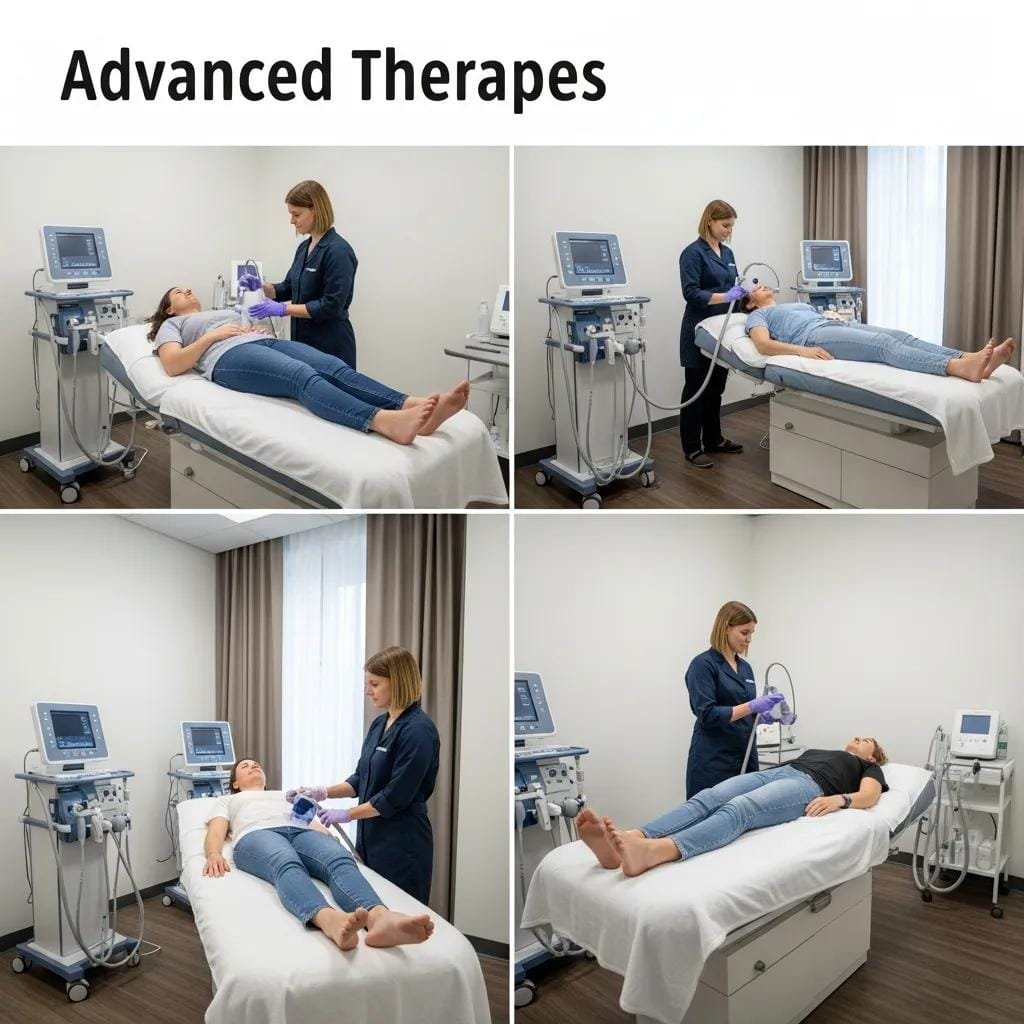
For complex Lyme cases, available advanced therapies include Photodynamic Therapy (PDT) with the Weberneedle Endolaser, ozone‑based biooxidative treatments (MAH and EBOO‑FX), RGCC‑guided specific oligonucleotide therapy (SOT), structured detoxification protocols, and IV nutrient regimens that support immune and mitochondrial recovery.
Each modality targets different biological processes: PDT aims to inactivate pathogens and disrupt biofilms; ozone therapies support oxygen delivery, immune modulation, and toxin mobilization; and RGCC testing helps tailor antimicrobial or oligonucleotide strategies for persistent organisms. Choosing the right combination depends on diagnostic findings and clinical priorities.
Understanding how these therapies work helps patients set realistic expectations about course length and likely symptom trajectories.
For a quick comparison of commonly used modalities, see the table below showing mechanism, typical use case, and primary benefit.
| Therapy | Mechanism | Typical Use-Case |
|---|---|---|
| Photodynamic Therapy (Weberneedle Endolaser) | Uses a photosensitizer activated by targeted laser light to inactivate microbes and disrupt biofilms | Addressing localized or systemic persistent bacterial reservoirs |
| Ozone Therapy (MAH, EBOO-FX) | Biooxidative modulation that enhances oxygen delivery and mobilizes toxins | Immune modulation, detox support, chronic fatigue, and toxin burden |
| RGCC testing + SOT guidance | Cellular assay identifying persister behavior and oligonucleotide sensitivities | Guiding targeted anti‑infective strategies for refractory or relapsing cases |
| IV nutrient therapies | Direct infusion of vitamins, antioxidants, and metabolic cofactors | Support for mitochondrial function, immune recovery, and detox pathways |
These therapies address distinct mechanisms and clinical goals and are selected based on individualized diagnostic data and treatment response.
At our Kensington clinic, the Lyme Disease and Coinfections program integrates advanced diagnostics (including RGCC testing and SOT), Photodynamic Therapy with Weberneedle Endolaser, Ozone Therapy (MAH, EBOO‑FX), structured detox cycles, and IV therapies into personalized, root‑cause‑focused plans. To learn how these options may apply to your situation, contact Dr. Fred Bloem’s office to discuss availability and next steps.
- Common indications for advanced therapies include persistent fatigue, ongoing joint pain, cognitive complaints, and suspected persister infections.
- Course lengths vary — from a few sessions as adjunctive care to extended series for chronic management.
- Safety measures include pre‑treatment evaluation and monitoring for oxidative stress, hemodynamic stability, and treatment tolerance.
These options are complementary to standard care and require coordinated monitoring to maximize benefit and minimize risk.
What Diagnostic Tools Enhance Lyme Disease Treatment Accuracy?

Accurate diagnosis in Lyme care combines standard serology, direct detection methods, and specialized functional assays to characterize persistent infection, immune status, and treatment targets. Standard two‑tiered serology is helpful in many early cases but has limits in chronic or previously treated patients. PCR and other direct detection tests are highly specific but can miss low‑burden or tissue‑based infections. Advanced diagnostics — such as RGCC testing and T‑cell assays — can add information about persister organisms, antimicrobial sensitivities, and cellular responses that help tailor therapy. Selecting the right tests early reduces unnecessary empiric treatments and guides clinicians toward the interventions most likely to produce clinical improvement.
The table below compares common diagnostic approaches by what they detect, their relative sensitivity for persistent infections, and their clinical role.
| Diagnostic Approach | What It Detects | Clinical Role |
|---|---|---|
| Standard Serology (ELISA/Western blot) | Antibodies against Borrelia | Useful for early/untreated infection; limited sensitivity in chronic or previously treated cases |
| PCR/Direct Detection | Bacterial DNA in blood or tissue | High specificity; variable sensitivity for systemic or low‑burden infections |
| RGCC testing / Cellular assays | Persister cell behavior and oligonucleotide sensitivity | Guides targeted therapy selection for refractory or complex cases |
- Diagnostic choice depends on how long symptoms have been present, prior treatments, and suspicion for coinfections.
- Advanced tests like RGCC can refine therapeutic choices and reveal targets that conventional tests may miss.
- Layering clinical judgment with targeted diagnostics increases the chance of a focused, effective treatment plan.
These diagnostic principles lead directly into how RGCC testing and specific oligonucleotide therapy may change outcomes for difficult‑to‑treat patients.
How Does RGCC Testing and Specific Oligonucleotide Therapy Improve Outcomes?
RGCC testing evaluates cellular responses to pathogens and can identify sensitivities to antibiotics or oligonucleotides that indicate persister phenotypes. Specific oligonucleotide therapy (SOT) uses short nucleic acid sequences designed to interfere with bacterial survival mechanisms highlighted by testing. When applied selectively, SOT can complement conventional antimicrobials by targeting persistence mechanisms. For patients who have not responded to standard regimens, RGCC‑guided strategies can clarify which agents or adjuncts are most likely to suppress microbes and reduce symptoms, reducing trial‑and‑error prescribing and helping clinicians sequence therapies for maximal benefit.
Why Is Early and Accurate Diagnosis Critical for Effective Lyme Care?
Early diagnosis limits bacterial spread, reduces immune‑mediated tissue injury, and generally shortens the duration and intensity of therapy needed for recovery. A prompt evaluation after suspected tick exposure is therefore important. Delayed diagnosis increases the chance of multisystem involvement and typically requires multimodal therapies, longer courses, and supportive rehabilitation. In tick‑endemic areas like Maryland, clinicians recommend early assessment for erythema migrans, new neurologic or cardiac symptoms, or unexplained migratory joint pain after outdoor exposure. Early, precise testing informs a targeted clinical pathway and can prevent progression to persistent symptom states that demand more intensive integrative care.
How Is Post‑Treatment Lyme Disease Syndrome Managed Holistically?
Post‑Treatment Lyme Disease Syndrome (PTLDS) describes persistent symptoms after guideline‑based antibiotic therapy. Common issues include fatigue, musculoskeletal pain, and cognitive complaints. Holistic management focuses on symptom‑directed rehabilitation, immune and mitochondrial support, detoxification, and psychological care. Practical strategies include graduated activity programs, targeted nutritional and micronutrient repletion, sleep and stress optimization, adjunctive biooxidative therapies when indicated, and treatment of coinfections or metabolic contributors. A staged care plan with realistic goals, close monitoring, and sequenced interventions — stabilization, reduction of drivers, and rehabilitation — helps patients regain function and reduces the risk of long‑term disability.
Below is a comparison of management strategies, their aims, and typical timeframes for improvement.
| Strategy | Intended Outcome | Typical Timeframe |
|---|---|---|
| Symptom‑targeted therapies (pain management, sleep restoration) | Reduce immediate suffering and improve day‑to‑day function | Weeks to months |
| Detoxification protocols (support liver/kidney function, mobilize toxins) | Lower toxin burden that impairs recovery | Months with repeated cycles |
| Lifestyle and rehab (graded exercise, nutrition, sleep) | Rebuild stamina and cognitive resilience | Months to a year |
| Adjunctive modalities (PDT, ozone, IV therapies) | Address persistent infection, modulate immunity, and support mitochondria | Several sessions to months |
- PTLDS management requires realistic goals, close monitoring, and multimodal interventions tailored to patient priorities.
- Lifestyle optimization and graded rehabilitation are foundational before advancing to more intensive therapies.
- Adjunctive modalities can accelerate recovery when guided by appropriate diagnostics and integrated into a coordinated plan.
These management principles inform how to choose a clinician and practice capable of coordinating multimodal care.
Why Choose Dr. Fred Bloem for Lyme Disease Treatment in Kensington, MD?
Dr. Fred Bloem practices at Dr. Fred Bloem’s practice (Fred Bloem MD LLC) in Kensington and offers a Lyme Disease and Coinfections program that combines advanced diagnostics, biooxidative procedures, detoxification, IV therapies, and root‑cause treatment planning. The practice emphasizes whole‑person assessment and uses tools such as RGCC testing with specific oligonucleotide guidance, Photodynamic Therapy (Weberneedle Endolaser), and Ozone Therapy (MAH, EBOO‑FX) when clinically appropriate to address persistent or complex cases. Clinic location: 10400 Connecticut Ave Ste 206, Kensington, MD 20895‑3941. To schedule an appointment, call (301) 260‑2601. The practice does not participate in insurance but provides visit codes to help with out‑of‑network reimbursement. Partnering with a provider who integrates diagnostics and advanced modalities can shorten the path to recovery by aligning treatments with individualized biological targets.
What Expertise and Experience Does Dr. Bloem Bring to Lyme Care?
Dr. Bloem focuses on integrative care for complex chronic illness, combining biooxidative therapies, IV nutrient support, and individualized diagnostics to help patients with persistent infectious and inflammatory conditions. This background informs clinical decisions about when to use Photodynamic Therapy for suspected biofilm‑related persistence or when ozone‑based MAH/EBOO‑FX may support detoxification and immune modulation. Patients benefit from a clinician who blends functional medicine principles with access to specialized testing and adjunctive procedures, creating cohesive plans that address both pathogen and host factors in recovery.
How Does Patient‑Centered Care Enhance Treatment Success?
Patient‑centered care at this practice emphasizes longer initial visits, thorough education, and shared decision‑making so plans reflect each person’s goals, tolerances, and lifestyle. Extended consultations let clinicians map symptom trajectories, explain the rationale for multimodal interventions, and co‑design monitoring strategies that include labs and objective milestones. Regular outcome tracking permits iterative adjustments to dosing, sequencing, and adjunctive supports, minimizing side effects and maximizing benefit. This collaborative model fosters realistic expectations, sustained engagement, and better chances of functional recovery.
For patients seeking an integrative pathway through complex Lyme symptoms, the practice’s coordinated diagnostics and therapies provide a structured route from assessment to rehabilitation. To discuss individualized options and scheduling, call Dr. Fred Bloem at (301) 260‑2601 or visit the clinic at the Kensington address above to inquire about consultation availability and out‑of‑network reimbursement codes.
Frequently Asked Questions
What are the long‑term effects of untreated Lyme disease?
Untreated Lyme disease can lead to persistent problems such as chronic joint pain, neurologic complications, and ongoing fatigue. These issues may significantly reduce quality of life and sometimes require extensive, multidisciplinary care. Some people develop Post‑Treatment Lyme Disease Syndrome (PTLDS), where symptoms continue after standard antibiotic therapy. Early diagnosis and treatment reduce the risk of these long‑term consequences and improve chances for a full recovery.
How can I prevent Lyme disease when spending time outdoors?
Prevention starts with sensible precautions: wear long sleeves and pants in wooded or grassy areas, use an EPA‑approved insect repellent (DEET or picaridin), and consider treating clothing with permethrin. Tuck pants into socks to reduce exposed skin. After outdoor activities, do thorough tick checks on yourself and pets and shower to remove unattached ticks. Prompt removal of an attached tick lowers transmission risk.
What lifestyle changes can support recovery from Lyme disease?
Recovery benefits from a foundation of healthy habits: a whole‑food, nutrient‑dense diet; regular, moderate exercise as tolerated; consistent sleep; and stress‑management practices such as mindfulness or gentle yoga. Hydration and minimizing exposures to environmental toxins also support detox pathways. These measures complement medical treatments and help sustain improvements over time.
Are there specific dietary recommendations for Lyme disease patients?
Many patients do well on an anti‑inflammatory, nutrient‑rich eating pattern that emphasizes whole fruits and vegetables, lean proteins, healthy fats, and sources of omega‑3s (fish, flaxseeds). Reducing refined sugars and processed foods can help control inflammation and improve energy. For targeted guidance, work with a nutritionist experienced in complex chronic illness.
How does stress impact Lyme disease symptoms?
Stress can worsen inflammation and impair immune function, which may intensify fatigue, pain, and cognitive symptoms. Addressing stress through techniques like meditation, deep breathing, cognitive strategies, and regular movement can reduce symptom burden and support recovery alongside medical care.
What role does physical therapy play in Lyme disease recovery?
Physical therapy is often a key part of rehabilitation, especially for patients with chronic pain or mobility limitations. A skilled therapist can design a graded exercise program to restore strength, flexibility, and endurance while minimizing symptom flares. Physical therapy helps patients rebuild function and reduce pain as part of a comprehensive recovery plan.
Conclusion
Integrative care for Lyme disease in Kensington, MD, combines accurate diagnostics with individualized, root‑cause treatment to address both infection and contributing health factors. Using advanced testing and tailored therapies, patients can often see meaningful improvement in symptoms and quality of life. If you’re ready to explore options, consider scheduling a consultation with Dr. Fred Bloem to review your history and develop a personalized plan. Take the next step toward reclaiming your health with informed, coordinated care.
