


Bioidentical Hormone Replacement Therapy in Washington D.C.: Your Practical Guide to Natural Hormone Balance and Treatment
Bioidentical Hormone Replacement Therapy (BHRT) restores hormonal balance with compounds that mirror the hormones your body makes. Many people find BHRT helps with energy, sleep, libido, and mental clarity by replacing what’s deficient and monitoring safety along the way. This guide walks through how BHRT works on a physiologic level, how it differs from some synthetic options, and who in the Washington D.C. area may benefit. You’ll also find practical information on treating low testosterone and menopausal symptoms, realistic timelines for improvement, what to expect when you come to a local integrative practice, and how costs and insurance commonly play out. If you’re searching for “Bioidentical Hormone Therapy Washington DC” or “hormone doctor DC,” this article lays out the evidence, typical clinical paths, and local access points for personalized, functional-medicine–style hormone care.
What Is Bioidentical Hormone Replacement Therapy and How Does It Work?
BHRT replaces hormones with molecules that match the structure of endogenous human hormones so they bind receptors in predictable ways. The goal is to restore estrogen, progesterone, or testosterone to levels that allow target tissues to resume normal signaling—this often improves metabolism, sleep, mood, and sexual function. Different delivery methods (pellets, topical preparations, injections, oral forms) change how quickly effects appear and what monitoring is needed. Knowing these basics helps patients compare options and set realistic expectations for safety and timing.
| Hormone | Typical Source & Structure | Common Administration Routes | Typical Onset of Noticeable Effect |
|---|---|---|---|
| Estrogen (bioidentical) | Plant-derived precursors converted to human-identical estradiol | Transdermal creams and patches, oral formulations, pellets | Days–weeks for hot-flash relief; months for tissue remodeling |
| Progesterone (bioidentical) | Micronized natural progesterone derived from plant sterols | Oral micronized capsules, vaginal preparations, topical forms | Days–weeks for sleep and mood benefits; cyclical dosing common |
| Testosterone (bioidentical) | Pharmaceutically synthesized to match endogenous testosterone | Topical gels, periodic injections, subcutaneous pellets | Weeks for libido and energy; months for muscle and composition changes |
This table shows how molecular identity and delivery method shape both clinical response and monitoring needs. Next, we review the common benefits Washington D.C. patients report when BHRT corrects a documented deficiency.
Definition and Benefits of BHRT for Hormone Imbalance in Washington D.C.

BHRT means carefully replacing hormones with molecularly identical compounds to restore physiologic balance and reduce symptoms of deficiency. Because bioidentical hormones interact with native receptors in familiar ways, they can reduce off-target metabolites and allow more precise symptom-directed dosing. Common benefits include better energy, more consistent sleep, increased libido, and sharper cognition—changes that improve day-to-day functioning. In the Washington D.C. area, patients often see the best results when BHRT is paired with lifestyle and metabolic optimization in an integrative care setting.
BHRT is a tool for symptom relief that works best as part of a broader wellness plan; next we explain how bioidentical hormones differ from some synthetic options.
How Bioidentical Hormones Differ from Synthetic Hormones
Bioidentical hormones are chemically identical to the hormones the body makes, which affects how they’re metabolized and how they interact with receptors. Some synthetic hormones have altered structures or metabolites that change receptor affinity and clinical effect. When dosed and monitored appropriately, bioidentical hormones allow for individualized titration aimed at symptom relief. It’s important to remember that “bioidentical” does not mean risk-free; understanding structural and metabolic differences helps patients ask the right questions about formulation, monitoring, and safety.
With those distinctions in mind, the next section helps you identify who is most likely to benefit from BHRT in the Washington D.C. area.
Who Can Benefit from BHRT in the Washington D.C. Area?
BHRT may benefit adults whose symptoms and lab results point to hormone deficiency or imbalance that affects quality of life. Consider BHRT when foundational measures—sleep hygiene, nutrition, stress management, and exercise—haven’t resolved persistent fatigue, low libido, or menopausal vasomotor symptoms. Typical candidates include perimenopausal and menopausal women, men with symptomatic low testosterone, and people with documented hormonal dysregulation evaluated by a clinician. A careful assessment rules out contraindications and ensures BHRT is integrated with attention to thyroid, adrenal, and metabolic contributors.
Use the symptom checklist below as a quick self-screen; objective testing is required to confirm the need for treatment.
- Ongoing fatigue that doesn’t improve with sleep or lifestyle changes.
- Noticeable decline in libido or other sexual concerns.
- Menopausal symptoms such as hot flashes, night sweats, or mood swings.
- Brain fog, low motivation, unexplained muscle loss, or weight shifts.
This checklist narrows likely candidates but isn’t diagnostic; clinicians will follow with targeted testing and differential evaluation.
Signs and Symptoms of Hormone Imbalance in Men and Women
Hormone imbalance produces overlapping symptoms across sexes, plus some sex-specific patterns that guide testing. Women frequently report hot flashes, night sweats, irregular cycles, mood shifts, vaginal dryness, and reduced libido—features of perimenopause and menopause. Men often present with low libido, erectile dysfunction, decreased muscle mass, fatigue, and diminished motivation—common with low testosterone. Shared symptoms like sleep disturbance, persistent fatigue, cognitive fog, and mood changes require evaluation for thyroid disease, depression, or sleep apnea before assigning all symptoms to hormone deficiency.
Recognizing these clusters directs appropriate lab work and a personalized treatment plan, described next in the local eligibility criteria and evaluation pathway.
Eligibility Criteria for BHRT Treatment with Dr. Fred Bloem
Eligibility at an integrative practice is based on symptom burden, corroborating lab results, and a medical history that supports safe hormone replacement. Standard baseline testing includes comprehensive sex-hormone panels (estradiol, testosterone), thyroid function, metabolic markers, and safety screens for cardiovascular and hematologic risk. Clinicians screen for contraindications—such as active hormone-sensitive cancers or high thrombotic risk—and use shared decision-making to match therapy to patient goals. Prospective patients in Washington D.C. can request a consult to review labs and discuss a personalized plan.
That framework leads into specific treatment approaches for low testosterone and menopause and the outcomes to expect.
How Does BHRT Address Low Testosterone and Menopause Symptoms?
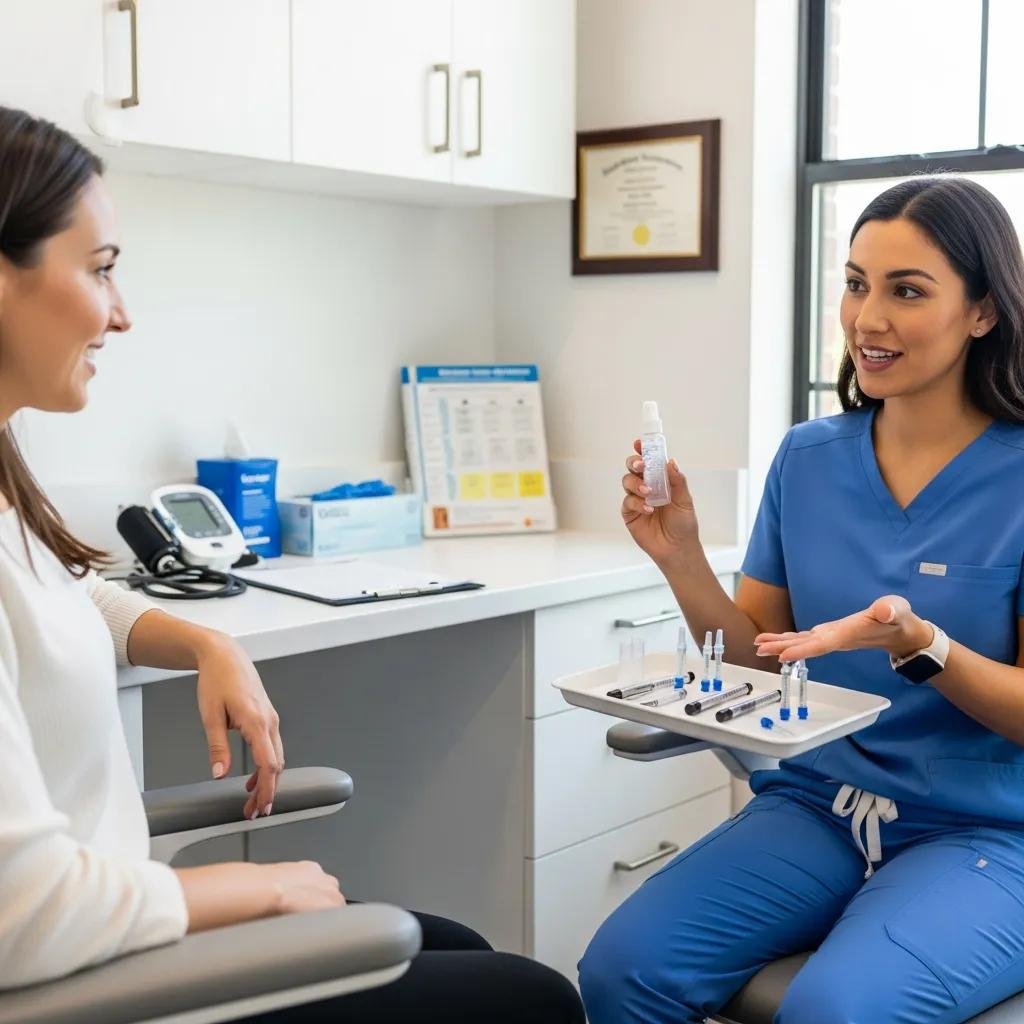
BHRT restores deficient hormones to physiologic ranges so brain, bone, muscle, and vascular tissues resume normal signaling. Testosterone replacement raises androgen activity to improve strength, libido, and mood. Estrogen and progesterone ease vasomotor symptoms, support bone health, improve sleep, and address vaginal atrophy in perimenopausal and menopausal women. Delivery choice—pellets, topical gels, injections, or oral routes—affects absorption, steady-state levels, and how often levels should be checked, so individualized planning and follow-up are essential.
Below is a practical map linking hormones and delivery forms to common targets and expected benefits.
| Intervention | Symptom/Target | Expected Benefit |
|---|---|---|
| Testosterone (topical/injectable/pellets) | Low libido, low energy, muscle loss | Improved sexual function, energy, and lean mass |
| Estrogen (transdermal/oral/pellets) | Hot flashes, night sweats, vaginal dryness | Fewer vasomotor events, better sleep, improved vaginal tissues |
| Progesterone (oral/vaginal/topical) | Sleep disruption, mood swings | Better sleep continuity and mood stabilization |
This mapping clarifies how specific hormones align with patient goals. The sections below outline male and female protocols and safety monitoring.
Low Testosterone Treatment Options for Men in Washington D.C.
Options for treating low testosterone include daily topical gels, periodic intramuscular injections, and subcutaneous pellet insertion. Each has trade-offs: gels allow steady daily dosing but require transfer precautions; injections create peak-and-trough levels and need scheduled administration; pellets deliver steady hormone over months but require a minor office procedure. Monitoring typically includes baseline and follow-up hematocrit, age-appropriate prostate screening, and symptom checks to fine-tune dosing.
These choices let clinicians and patients balance convenience, stability, and safety when designing individualized plans.
Menopause Hormone Therapy: Managing Perimenopause and Menopause Naturally
Bioidentical estrogen, paired with progesterone when needed, effectively relieves vasomotor symptoms, improves sleep, and supports bone health when tailored to each patient’s risk profile. Transdermal estrogen is often favored to minimize hepatic metabolism. Progesterone protects the endometrium in women with a uterus. Non-hormonal strategies—sleep optimization, weight-bearing exercise, and selective medications—complement BHRT to support mood and cardiovascular health. Regular reassessment keeps therapy aligned with changing health needs and patient goals.
After reviewing targeted treatments, the next section summarizes typical benefits and realistic timelines.
What Are the Benefits and Expected Results of BHRT?
When prescribed and monitored appropriately, BHRT can improve energy, sleep, sexual function, mood, and body composition. Some symptoms—libido and energy—often improve within weeks, while changes in muscle mass, bone density, and skin quality evolve over months. These benefits arise from hormone-driven effects on neurotransmitters, metabolism, and tissue repair; clinicians use symptom tracking and lab data to measure progress. Clear expectations and concurrent lifestyle work increase adherence and durable results.
The following subsections describe symptom-specific outcomes and commonly asked anti-aging effects.
Improving Energy, Sleep, Libido, and Mental Clarity
Re-establishing physiologic hormone levels influences pathways that control energy, sleep, libido, and cognition. Estrogen affects serotonin and sleep architecture, while testosterone supports sexual desire and motivation through androgen signaling. Many patients notice brighter mornings and improved sexual interest within 2–6 weeks, with sleep and cognitive gains following as dose and timing are optimized. Ongoing monitoring prevents over-replacement and fine-tunes benefits.
These functional gains often tie into broader rejuvenation effects discussed next.
Anti-Aging Effects on Skin, Hair, Muscle Mass, and Overall Wellness
Hormones affect collagen, hair follicle function, and protein metabolism, so restoring them can improve skin elasticity, hair quality, and lean mass. Testosterone helps preserve muscle and metabolic rate; estrogen supports skin resilience and vascular health. Visible and functional improvements usually appear over months and are enhanced by nutrition, resistance training, and complementary therapies. BHRT supports rejuvenation but is most effective when paired with a comprehensive wellness plan.
Knowing these expected results prepares patients for the clinical pathway at an integrative practice in the Washington D.C. area.
What Is the Patient Journey for BHRT at Dr. Fred Bloem’s practice?
The patient journey at Dr. Fred Bloem’s practice follows a root-cause, integrative approach: detailed intake, targeted testing, a personalized plan, and structured follow-up. The initial visit maps symptoms and goals, comprehensive labs establish a baseline, and a treatment plan is tailored to lifestyle and risk profile. Follow-up visits and repeat labs ensure therapeutic levels and safety, with dose or delivery adjustments as needed. Education and collaboration are central—telehealth is available for ongoing support.
Led by Dr. Fred Bloem, Dr. Fred Bloem’s practice combines functional medicine principles with personalized BHRT to prioritize underlying causes and patient education. Prospective Washington D.C. patients can request a consult to review history, testing, and treatment options together.
Initial Consultation, Comprehensive Lab Testing, and Personalized Treatment Plans
The first visit blends a detailed symptom review with targeted laboratory testing—sex-hormone panels, thyroid studies, metabolic markers, and safety screens—to build a diagnostic baseline. Labs help distinguish true hormonal deficiency from other causes like thyroid dysfunction or metabolic disease. Based on results and goals, clinicians individualize the dose, route (pellet, topical, injectable), and supportive therapies. Shared decision-making ensures patients understand risks, timelines, and monitoring before starting therapy.
This individualized foundation leads to a clear follow-up plan to maintain safety and effectiveness.
Ongoing Monitoring, Adjustments, and Patient Education
Monitoring includes scheduled clinical reviews and repeat labs to confirm therapeutic hormone levels, hematologic safety, and metabolic effects. Follow-up frequency varies by delivery method and symptom stability—more frequent checks during initial titration and longer intervals once stable. Patient education emphasizes self-monitoring, lifestyle supports, and clear guidance on when to contact the clinic. Telehealth visits and educational materials help maintain adherence and long-term wellness.
With that pathway in place, the next section explains cost drivers and common insurance considerations for BHRT in Washington D.C.
How Much Does BHRT Cost in Washington D.C. and What Are Insurance Considerations?
BHRT costs vary based on several elements: the initial consultation, the extent of laboratory testing, the chosen formulation (compounded creams, pellets, injectables), any procedural fees for pellet insertion, and the number of follow-up visits. Insurance coverage is inconsistent—many plans cover medically necessary evaluations and testing but treat compounded hormones or elective procedures as out-of-network or self-pay. Understanding typical cost drivers and payment options helps patients plan and avoid surprises.
The table below outlines common cost components and factors that influence typical ranges so you can ask informed billing questions before starting care.
| Component | Cost Driver | Typical Range / Notes |
|---|---|---|
| Initial consultation | Provider experience and appointment length | Varies; confirm visit fees with the clinic |
| Laboratory testing | Number and specialty of tests ordered | May be billed to insurance or handled as self-pay |
| Pellet procedure | Office insertion fee and pellet materials | Includes minor procedural charge plus pellet cost |
| Follow-up visits | Visit frequency and format (telehealth vs in-person) | Often lower than the initial consult |
This breakdown highlights where expenses typically accumulate and what to review with a clinic billing specialist. The sections below cover payment options and navigating insurance.
Factors Influencing BHRT Cost and Payment Options
Key cost drivers are the scope of testing, the chosen hormone formulation and delivery method, procedural fees for pellet insertion, and follow-up frequency. Many patients use insurance for diagnostic testing but pay out-of-pocket for compounded preparations or elective procedures; clinics frequently provide superbills for out-of-network reimbursement. Financing plans, bundled care packages, or phased treatment approaches can increase affordability while maintaining clinical standards. Asking for a pre-treatment estimate helps align expectations.
Open billing conversations reduce surprises and support sustainable care choices.
Understanding Insurance Coverage and Out-of-Network Policies
Insurance coverage for BHRT varies: insurers commonly cover medically indicated evaluations and lab work, but compounded hormones and some procedures are often treated as out-of-network. Patients should confirm coverage for hormone therapy, ask about prior authorization requirements, and request superbills for out-of-network claims. Clinics typically assist with documentation of medical necessity and itemized billing to support reimbursement. Clear communication with both the clinic and your insurer before starting therapy minimizes administrative friction.
To schedule an evaluation or discuss individualized cost estimates and insurance help, contact Dr. Fred Bloem’s practice—Dr. Fred Bloem offers consultative, personalized BHRT care in the Washington D.C. area.
Frequently Asked Questions
1. What are the potential side effects of Bioidentical Hormone Replacement Therapy?
BHRT is often well tolerated, but side effects can include mood changes, weight shifts, headaches, and breast tenderness depending on the hormones and doses used. Individual responses vary, so it’s important to discuss your medical history and undergo regular monitoring so doses can be adjusted if side effects occur.
2. How long does it take to see results from BHRT?
Some improvements—particularly in energy and libido—can appear within a few weeks. More substantial changes like increased muscle mass, improved bone density, and visible skin or hair differences typically take several months. Timelines depend on the hormones used, delivery method, and individual health factors; follow-up visits help track progress.
3. Are there any lifestyle changes that can enhance the effectiveness of BHRT?
Yes. Regular exercise (especially resistance training), a nutrient-dense diet, consistent sleep, and stress-management techniques amplify BHRT benefits. These habits support metabolic health and tissue repair, making hormonal optimization more effective. Discuss lifestyle tailoring with your provider as part of a comprehensive plan.
4. Can BHRT be used in conjunction with other treatments for hormone imbalance?
Often, yes. BHRT can be combined with lifestyle interventions, targeted supplements, and non-hormonal medications when appropriate. Coordinated care is essential to avoid interactions and to align treatments with your overall health goals, so all therapies should be managed by your clinician.
5. How is BHRT monitored over time?
Monitoring includes scheduled follow-ups and periodic lab testing to assess hormone levels, hematologic safety, and metabolic effects. Frequency depends on the delivery method and how stable symptoms are—more frequent checks during titration, less frequent once stable. Monitoring allows safe dose adjustments and early detection of concerns.
6. Is BHRT suitable for everyone experiencing hormone imbalance?
No. People with certain conditions—such as active hormone-sensitive cancers or specific clotting risks—may not be appropriate candidates. A thorough evaluation by a qualified provider is necessary to determine whether BHRT’s benefits outweigh potential risks based on your health history and labs.
7. What should I expect during my initial consultation for BHRT?
Expect a detailed review of your symptoms, medical history, and lifestyle, followed by recommendations for targeted labs. Together you’ll set goals and discuss treatment options, timelines, and monitoring plans. Open questions are encouraged so you leave with a clear understanding of the next steps.
Conclusion
Bioidentical Hormone Replacement Therapy is a targeted, natural-appearing approach to restoring hormonal balance and improving energy, sleep, libido, and cognitive clarity. By learning about benefits, delivery options, and the local care pathway in Washington D.C., you can make informed choices about whether BHRT fits your goals. If you’re experiencing symptoms of hormone imbalance, consider scheduling a consult to explore a personalized plan. Reach out to our team to begin a thoughtful, evidence-informed path toward feeling better.
