

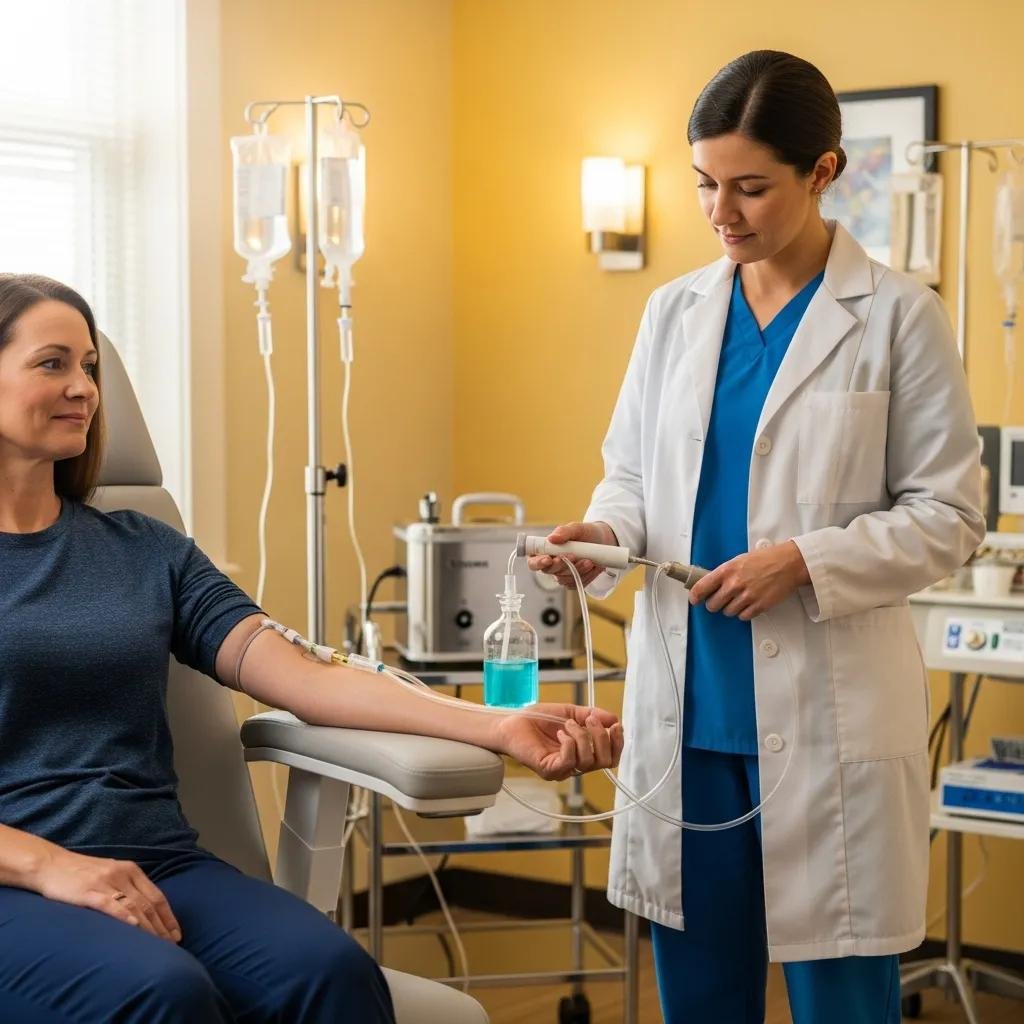
Understanding Biooxidative Therapies: Benefits, Applications, and Patient Guidance
Biooxidative therapies apply carefully measured oxidative interventions to the blood to influence immune function, lower pathogen burden, and support cellular metabolism. This guide explains why ozone therapy and ultraviolet blood irradiation (UVBI) are classified as biooxidative approaches, how they act at a physiological level, and which clinical situations may benefit. Many people with chronic infections, persistent inflammation, or unexplained fatigue seek integrative options that address root causes rather than only symptoms; biooxidative methods provide targeted tools for immune modulation and detoxification. Below we review mechanisms of action, evidence-informed clinical uses, safety and contraindications, potential synergy when modalities are combined, and what patients can expect during consultation and treatment. The guide also includes comparison tables of common ozone and UVBI protocols, a preparation checklist, and clear directions for accessing these therapies at Dr. Fred Bloem / Internal Healing and Wellness MD.
What is Biooxidative Medicine and How Do Ozone and UVBI Therapies Work?
Biooxidative medicine uses controlled oxidative signals applied to blood or tissues to trigger adaptive redox pathways, reduce pathogens, and produce downstream immunometabolic changes. Ozone therapy introduces a medical-grade ozone–oxygen blend to blood or tissues to create oxidative preconditioning, upregulate antioxidant defenses, and improve oxygen utilization. UVBI treats a small sample of a patient’s blood with specific ultraviolet wavelengths to inactivate microbes and alter leukocyte signaling. Both approaches converge on improved mitochondrial performance, more balanced cytokine signaling, and strengthened host defense. The sections that follow unpack ozone’s redox biology and UVBI’s photochemical effects in more detail, then move into practical applications and safety considerations.
How Does Ozone Therapy Enhance Immune Function and Cellular Oxygenation?
Ozone therapy supports immune responsiveness and cellular oxygen use through controlled oxidative signaling that activates the body’s own antioxidant systems and mitochondrial respiration. At therapeutic doses, ozone produces short-lived reactive oxygen species that stimulate Nrf2 and related antioxidant gene programs, helping cells handle oxidative stress while improving mitochondrial oxygen utilization. Clinically, patients may experience better energy metabolism, reduced inflammatory signaling, and greater tissue resilience in areas of poor oxygenation or chronic inflammation. These redox-driven effects inform the clinical routes of delivery—from local insufflation or topical applications to systemic techniques such as Major Autohemotherapy and EBOO, which directly treat circulating blood.
What Are the Mechanisms Behind Ultraviolet Blood Irradiation Treatment?
Ultraviolet blood irradiation (UVBI) exposes a small volume of autologous blood to defined UV wavelengths, producing photochemical changes that lower pathogen viability and modulate immune cells. UV photons can damage microbial nucleic acids and proteins while activating leukocytes and shifting cytokine profiles toward improved immune regulation. Beyond direct antimicrobial action, UVBI may reduce pro-inflammatory mediators and enhance phagocytic clearance of cellular debris and toxin complexes. These combined actions explain why clinicians often use UVBI as an adjunct in complex chronic infections and immune dysregulation; the next sections describe how each modality is applied in practice.
At Dr. Fred Bloem / Internal Healing and Wellness MD, clinicians offer established ozone protocols such as Major Autohemotherapy (Ten Pass) and EBOO (Extracorporeal Blood Oxygenation and Ozonation), alongside UVBI, as individualized options within comprehensive biooxidative treatment plans. This practice-level information reflects real-world clinical choices without altering the scientific discussion of mechanisms and context.
What Are the Key Benefits and Medical Applications of Ozone Therapy?
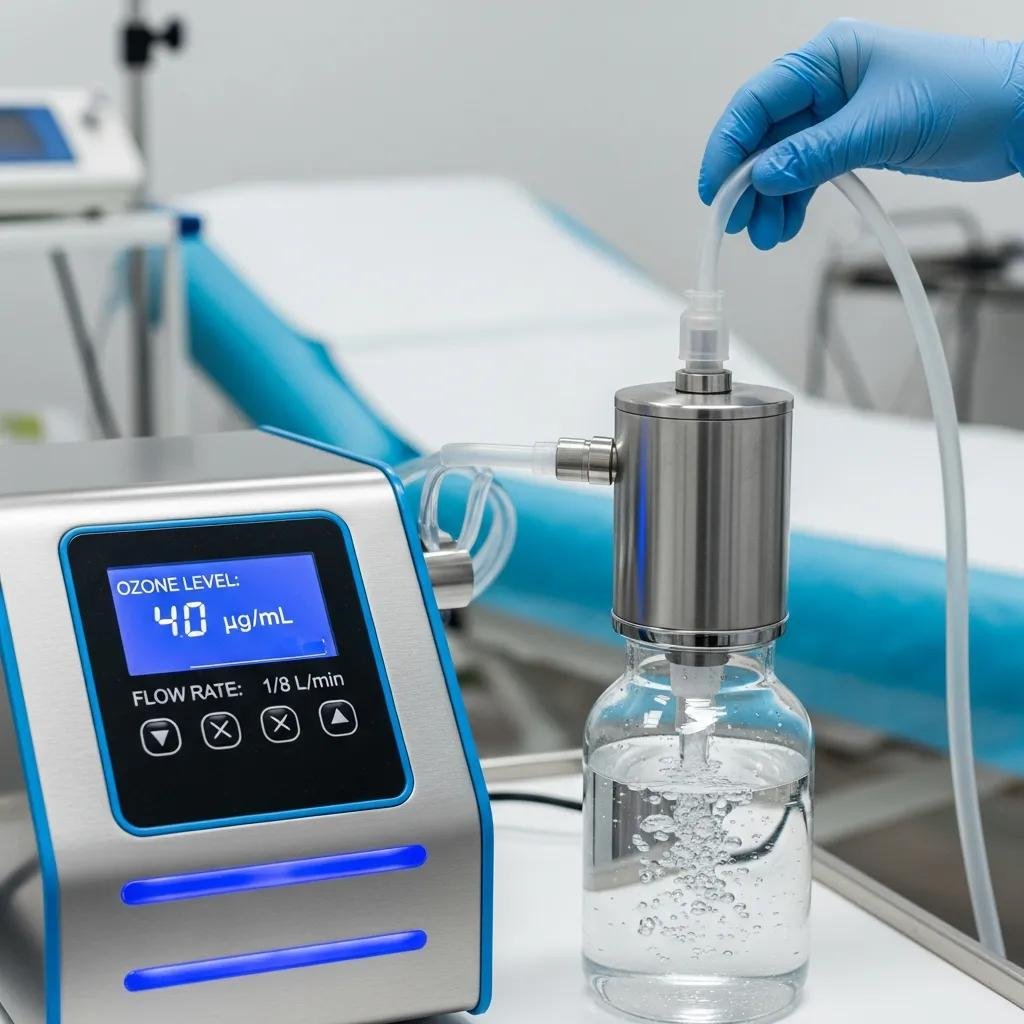
Ozone therapy provides several consistent clinical benefits via redox signaling and enhanced oxygen delivery, with uses across infectious, inflammatory, and metabolic disorders. Core advantages include immune modulation, antimicrobial activity (in selected modalities), reduction of chronic inflammation, improved tissue oxygenation, and support for detoxification pathways. These effects make ozone a consideration for conditions marked by persistent infections, immune imbalance, or tissue hypoxia. Below we compare common ozone protocols and then outline condition-specific applications and the mechanistic reasons they may help.
| Protocol | Characteristic | Typical Clinical Use |
|---|---|---|
| EBOO (Extracorporeal Blood Oxygenation & Ozonation) | Continuous extracorporeal circuit treating larger blood volumes with ozone | Severe chronic infections and systemic immune modulation |
| Major Autohemotherapy (Ten Pass) | Multiple passes of ozone-treated autologous blood reinfused | Chronic infections, fatigue syndromes, immune dysregulation |
| Minor Autohemotherapy | Small-volume blood ozonated and reinjected intramuscularly | Local immune stimulation and adjunctive therapy |
This table clarifies how technique and clinical intent differ, helping clinicians and patients align protocol choice with treatment goals.
Clinicians commonly apply ozone therapy for conditions such as Lyme disease, certain autoimmune disorders, chronic fatigue, supportive oncology care, and musculoskeletal pain. For example, ozone’s antimicrobial and immunoregulatory effects can complement multi-modal Lyme programs by addressing persistent pathogen reservoirs while reducing immune overactivity. Dr. Fred Bloem / Internal Healing and Wellness MD draws on clinical experience to integrate ozone protocols into individualized plans for patients with complex chronic illness; prospective patients are encouraged to discuss precise goals during consultation.
Below we describe ozone’s anti-inflammatory and antimicrobial actions with clinical markers and expected outcomes.
How Does Ozone Therapy Support Chronic Illnesses Like Lyme Disease and Autoimmune Disorders?
Ozone therapy can support chronic infectious and immune-mediated conditions by applying antimicrobial pressure while modulating dysfunctional immune responses. In persistent infections such as Lyme disease, repeated systemic ozone exposures may help lower microbial burden and improve immune cell function and cytokine balance, potentially reducing symptoms and improving responsiveness to antimicrobials. In autoimmune disease, ozone-driven activation of antioxidant pathways and shifts in cytokine profiles can lessen inflammatory flares and improve tissue oxygenation, aiding recovery and function. Protocols are individualized—commonly beginning with an induction series followed by maintenance—and progress is measured with symptom scales, functional testing, and lab markers of inflammation and oxidative stress.
What Are the Anti-inflammatory and Antimicrobial Effects of Medical Ozone Therapy?
Medical ozone reduces inflammation by downregulating pro-inflammatory cytokines and upregulating antioxidant defenses, which can be reflected in lower CRP and adjusted cytokine patterns in clinical observations. In certain delivery modes—particularly extracorporeal or topical—ozone can directly damage microbial membranes or genetic material, producing antimicrobial effects. Clinically, these mechanisms may show as reduced pain, accelerated tissue healing, and fewer infection-related symptoms when ozone is part of a comprehensive plan. Monitoring generally combines symptom tracking with periodic laboratory assessment to evaluate inflammatory markers and oxidative stress response.
Ozone therapy benefits summarized:
- Immune modulation that helps restore balanced inflammatory responses.
- Antimicrobial activity in select modalities to lower pathogen viability.
- Improved tissue oxygenation and mitochondrial support to aid energy recovery.
The next section explains how UVBI complements these effects through distinct photochemical actions on blood components and immune signaling.
How Does UVBI Treatment Address Chronic Illness and Support Detoxification?
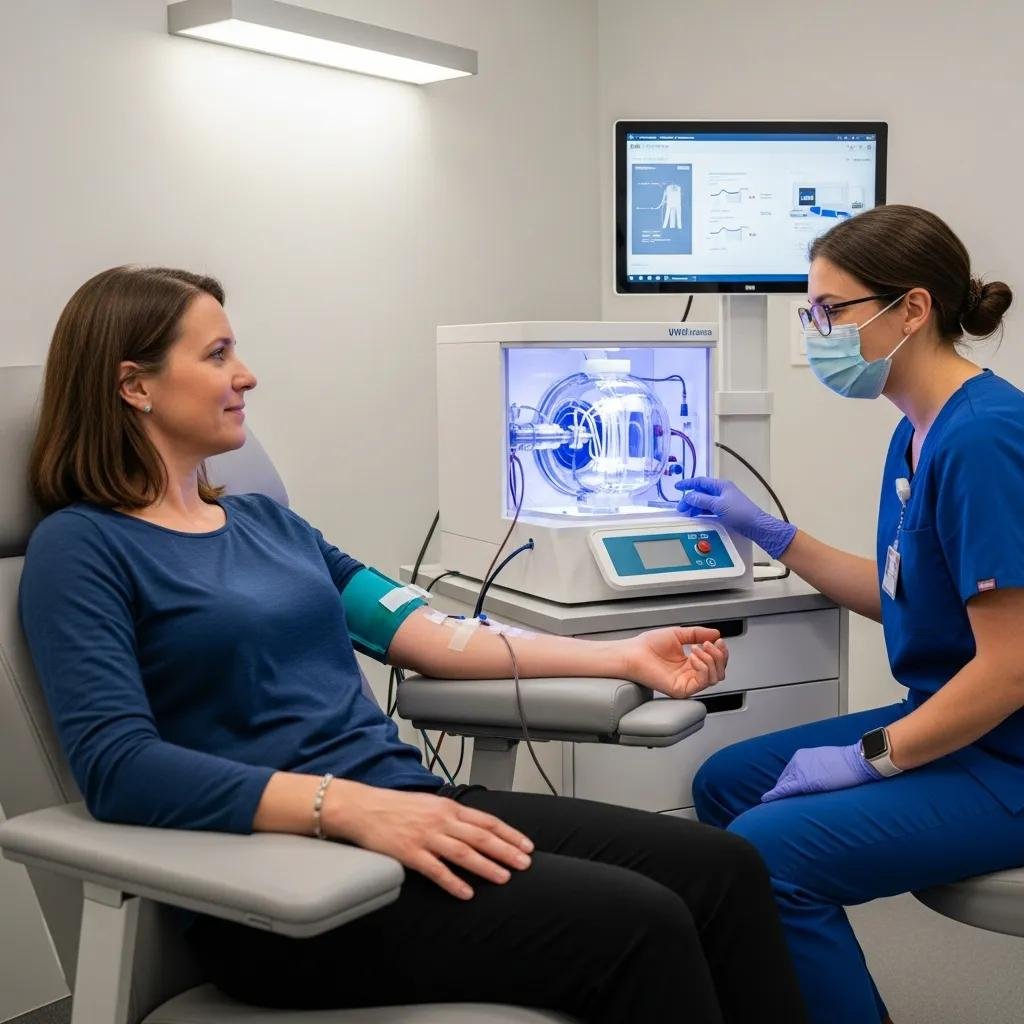
UVBI targets chronic illness and supports detoxification by photochemically inactivating pathogens, modulating immune cells, and promoting downstream clearance pathways. By changing leukocyte behavior and cytokine profiles, UVBI can boost phagocytosis and reduce systemic inflammatory load, helping the body clear toxins and pathogen-derived debris more effectively. Improved immune regulation and lower cytokine-driven tissue stress also ease metabolic detox pathways and support organ recovery. These mechanisms explain why UVBI is frequently used as an adjunct in multi-modal care for chronic infections and inflammatory syndromes.
| UVBI Effect | Mechanism | Common Clinical Outcome |
|---|---|---|
| Pathogen inactivation | UV-induced damage to nucleic acids and proteins | Lowered viral and bacterial viability in treated blood |
| Immune modulation | Leukocyte activation and cytokine profile shifts | Improved phagocytosis and reduced systemic inflammation |
| Detox support | Enhanced immune-mediated clearance | Decreased toxin burden and symptomatic relief |
This table links UVBI’s mechanisms to realistic clinical outcomes and shows why it can be combined with systemic therapies for broader effect.
Conditions that often benefit from UVBI include chronic viral reactivation, persistent bacterial infections, chronic fatigue syndromes, and inflammatory flares where immune modulation and pathogen reduction are therapeutic aims. In practice, UVBI is usually integrated into a larger treatment sequence to strengthen overall immune clearance and lower inflammatory mediators. The following subsections describe specific indications and how UVBI supports detoxification and inflammation control.
What Conditions Benefit from UVBI’s Immune-Boosting and Pathogen-Inactivating Properties?
UVBI is used adjunctively for conditions where immune support and pathogen control are priorities. Typical indications include chronic viral illnesses and reactivation syndromes, certain persistent bacterial infections, chronic fatigue with immune dysregulation, and states where reducing systemic inflammation improves function. Clinical reasoning supports UVBI as part of a comprehensive program—rather than a standalone cure—combined with infection control, metabolic support, and organ detoxification. Expect realistic outcomes focused on symptom improvement and better immune regulation, with individualized treatment plans tailored to each patient.
How Does UVBI Facilitate Detoxification and Reduce Inflammation?
UVBI aids detoxification by improving immune-mediated clearance of pathogens and cellular debris, which lowers ongoing antigenic stimulation and downstream cytokine production. When leukocytes are photomodulated to become more effective phagocytes, the body processes and eliminates waste and toxin complexes more efficiently, supporting hepatic and renal elimination. Simultaneous reductions in pro-inflammatory mediators decrease tissue stress and metabolic load, further aiding detox outcomes. Practical adjuncts—such as adequate hydration, liver-supportive nutrients, and monitoring inflammatory markers—can optimize detoxification and should be coordinated with the treating clinician.
To clarify how ozone and UVBI may be combined, the next section explores synergistic mechanisms and sequencing considerations.
What Are the Synergistic Effects of Combining Ozone Therapy and UVBI in Integrative Medicine?
When used together, ozone therapy and UVBI can be complementary: ozone provides redox signaling and oxygenation benefits while UVBI offers photochemical immune modulation and pathogen inactivation. Combined, these modalities may produce additive improvements in cytokine balance, antimicrobial pressure, and mitochondrial support—potentially enhancing outcomes for selected complex chronic conditions. Appropriate sequencing and monitoring are important: clinicians may start with an induction phase using one modality, follow with the other, or schedule concurrent sessions based on patient tolerance and goals. Below is an EAV-style comparison summarizing synergy and practical considerations.
| Combined Approach | Complementary Mechanism | Clinical Rationale |
|---|---|---|
| Ozone → UVBI sequencing | Ozone primes antioxidant pathways; UVBI lowers pathogen load | Improved immune clearance with reduced inflammatory rebound |
| Concurrent modulation | Simultaneous redox and photochemical signaling | Additive effects on cytokine balance and mitochondrial recovery |
| Monitoring strategy | Follow inflammation, oxidative stress markers, and symptoms | Guides dose adjustments and ensures safety |
This comparison shows practical ways to combine approaches and highlights the biological basis for integrated protocols.
Mechanistic complementarity supports combined use for refractory infections, immune dysregulation, and multi-system chronic illness where single modalities have been insufficient. Because the evidence base is still developing, clinicians emphasize tailored protocols, close monitoring, and transparent discussions about likely outcomes when recommending combined biooxidative therapy. The next subsection reviews the current evidence and what it means for patients considering integrated treatment.
How Do Combined Biooxidative Therapies Enhance Immune Modulation and Oxidative Stress Reduction?
Combined therapies act on overlapping pathways: ozone stimulates redox-sensitive antioxidant responses and improves oxygen delivery, while UVBI directly affects blood-borne pathogens and modulates leukocyte signaling. Together these effects can help normalize cytokine profiles, lower chronic oxidative burden, and support mitochondrial recovery. Clinically, that may translate into steadier symptom improvement for patients with coexisting immune dysregulation and persistent infection. Regular monitoring of inflammatory markers and patient-reported outcomes allows clinicians to safely titrate combined protocols and measure progress.
What Evidence Supports the Integrative Use of Ozone and UVBI for Chronic Disease Management?
The current literature includes mechanistic laboratory studies, observational clinical series, and a limited number of controlled trials that suggest potential benefits of ozone and UVBI in selected chronic conditions. Some studies report improvements in inflammatory markers, functional scores, and microbial measures, but study quality and size vary; larger randomized trials are needed. Clinicians therefore base treatment decisions on mechanistic rationale, clinical experience, and individualized risk–benefit assessment. Clear communication about evidence limitations and realistic goals is a core part of shared decision-making before starting combined biooxidative therapies.
The following section describes what patients should expect during consultation, preparation, and treatment.
What Should Patients Expect During Consultation and Treatment with Biooxidative Therapies?
An initial consultation centers on a thorough medical history, review of prior testing, and development of an individualized plan aligned with your goals and safety. Expect detailed history-taking, targeted laboratory orders to assess inflammation and oxidative stress, and discussion of protocol options such as EBOO, Major Autohemotherapy, or UVBI based on clinical indications. Treatments are scheduled after pre-visit planning, and clinicians will explain what happens during each procedure, typical aftercare, and the timeline for follow-up. Below is a short preparation checklist and a stepwise overview of the typical patient experience to set clear expectations.
Preparation checklist before a therapy session:
- Complete pre-visit labs or forms: Have required bloodwork and consent documents ready.
- Hydrate and eat a light meal: Maintain stable blood sugar and support vascular access.
- Avoid certain medications as directed: Follow clinician instructions about antiplatelets or other agents.
These steps help reduce procedural risk and improve comfort; the next section outlines what to expect during and after sessions.
How to Prepare for Ozone and UVBI Therapy Sessions?
Preparation focuses on safety and physiological readiness. Complete recommended labs beforehand, follow instructions on hydration and medication adjustments, and bring a current list of medications and supplements for clinician review. On the day of treatment, a light meal and good hydration lower vasovagal risk and improve tolerance of blood-based procedures. Aftercare typically includes watching for transient symptoms, staying well hydrated, and following any tailored supplement or medication recommendations from your clinician.
What Are the Safety Considerations, Risks, and Contraindications of These Therapies?
Safety hinges on appropriate patient selection, careful dosing, and active monitoring. Absolute and relative contraindications commonly include bleeding disorders, pregnancy considerations, and medical conditions where oxidative stimuli pose excess risk; clinicians screen patients and apply mitigation strategies for side effects such as transient fatigue or mild inflammatory reactions. Protocols use sterile technique, gradual dose titration, and vital-sign monitoring during sessions, with clear escalation plans if adverse events occur. Open communication with your care team and scheduled laboratory follow-up are key to safe administration.
To help patients weigh the decision to pursue treatment, the next section explains how to access services at Dr. Bloem’s practice and what to expect when booking.
How Can Patients Access Biooxidative Therapies at Dr. Fred Bloem’s Practice?
To explore biooxidative therapies, schedule a consultation with Dr. Fred Bloem / Internal Healing and Wellness MD to review personalized options and next steps. The practice emphasizes a root-cause, patient-centered approach and integrates ozone and UVBI into broader care plans when appropriate, coordinating labs, follow-up, and supportive treatments. Booking and logistics are handled through the clinic’s scheduling team; be ready to discuss your medical history, current medications, and treatment goals during the first visit. Below are what sets the practice apart and practical booking details to guide new patients.
What makes the practice distinctive:
- Individualized protocols and extended consultation time for thorough root-cause evaluation and tailored planning.
- Integration with complementary therapies—bioidentical hormone replacement, regenerative joint interventions, and supportive IV treatments—for coordinated care of complex conditions.
- Ongoing follow-up and monitoring to ensure safety and iterative protocol adjustments based on response.
These features support a comprehensive delivery model for biooxidative therapies and lead directly into how to book and prepare.
What Makes Dr. Bloem’s Holistic Approach Unique in Delivering Ozone and UVBI Treatments?
Dr. Bloem’s model is integrative and individualized: longer visits for careful assessment, protocols tailored to each patient, and combining biooxidative therapies with regenerative and supportive treatments when clinically indicated. This framework benefits patients with complex chronic conditions who need coordinated multi-modal care, close monitoring, and thoughtful follow-up. By addressing metabolic, hormonal, and immune contributors alongside targeted ozone or UVBI interventions, the practice aims for measurable outcomes and gradual, sustainable improvements.
How to Book a Consultation and What Are the Practical Details?
To book, call the practice phone number and speak with the scheduling team to arrange an initial consultation; the practice phone number is (301) 260-2601. The clinic is located at 10400 Connecticut Ave Ste 206, Kensington, MD 20895-3941. New patients should have recent medical records and relevant lab results available when booking. Initial visits typically include a focused history, targeted lab review, and development of a personalized treatment plan that may include ozone or UVBI if appropriate. Insurance and payment options vary; please discuss these details with scheduling staff and ask about any pre-visit forms or required testing.
Practical next steps include calling the clinic to schedule an initial consult, gathering recent medical records or lab results, and preparing a list of current medications to ensure a productive first appointment.
- Call to schedule: Use the practice phone number to arrange your initial consultation.
- Prepare records: Bring relevant labs, imaging, and a medication list to the visit.
- Attend consultation: Expect a comprehensive evaluation and discussion of individualized protocol options.
Following these steps helps streamline intake and creates a clear path from consultation to treatment planning, so patients can make informed choices about biooxidative care.
Frequently Asked Questions
What are the potential side effects of ozone therapy and UVBI?
Both ozone therapy and UVBI are generally well tolerated, but some patients may notice mild side effects. Common reactions to ozone therapy include transient fatigue, minor inflammation at injection sites, or short-term blood pressure changes. UVBI may cause mild discomfort during the procedure or brief skin sensitivity. Discuss your full medical history with your clinician so the care team can monitor and manage any adverse effects promptly.
How long does a typical ozone or UVBI treatment session last?
Session length varies by protocol. Ozone therapy sessions typically run from about 30 minutes up to an hour depending on the technique (for example, Major Autohemotherapy or EBOO). UVBI treatments usually take roughly 30 to 45 minutes. Exact times depend on the individual plan and clinical complexity—ask your provider for a specific estimate.
Can ozone therapy and UVBI be used together in a treatment plan?
Yes. Ozone and UVBI can be combined thoughtfully to leverage complementary mechanisms—ozone for redox and oxygenation effects and UVBI for photochemical immune modulation. Clinicians often create individualized schedules that may sequence or run modalities concurrently, tailored to the patient’s condition, tolerance, and therapeutic goals. Combined approaches can be particularly useful for complex, multi-system cases.
What should patients do if they experience adverse reactions after treatment?
If you experience concerning symptoms after ozone therapy or UVBI—such as unexpected severe fatigue, worsening pain, or other unusual signs—contact your healthcare provider right away. The care team can advise on managing side effects and determine whether adjustments to the treatment plan or additional evaluation are necessary.
How often should patients undergo ozone therapy or UVBI treatments?
Frequency depends on the clinical indication and individual response. Many plans start with a series of weekly or bi-weekly sessions during an induction phase, followed by maintenance treatments as needed. For chronic conditions, ongoing sessions may be recommended to sustain benefits. Work with your clinician to establish a schedule that matches your goals and response to therapy.
Are there any specific dietary recommendations before or after treatment?
Patients are typically advised to follow a balanced diet with an emphasis on antioxidant-rich foods before and after sessions, and to stay well hydrated to support detoxification. Avoid heavy meals or alcohol immediately before treatment to improve comfort. Your clinician may provide individualized dietary or supplement recommendations based on your overall plan.
Conclusion
Biooxidative therapies—ozone and ultraviolet blood irradiation—offer targeted options for immune modulation, detoxification, and enhanced cellular function when used thoughtfully within a comprehensive care plan. Understanding how these therapies work and what to expect helps patients make informed choices about integrating them into their health strategy. If you’re interested in personalized biooxidative care, contact Dr. Fred Bloem / Internal Healing and Wellness MD to discuss whether these options are appropriate for you. Take the next step by scheduling a consultation to explore a tailored plan.

