


Integrative Treatment for Mold Illness: A Practical Guide to Symptoms, Diagnosis, and Holistic Care
Chronic Inflammatory Response Syndrome (CIRS) — often described as mold illness or biotoxin illness — is an environmentally driven condition in which exposure to water-damaged buildings and microbial toxins provokes ongoing immune and inflammatory imbalance. This guide explains how biotoxins trigger immune cascades, which body systems are commonly affected, and why an integrative functional medicine approach improves outcomes through focused testing, environmental control, and staged therapies. You’ll learn how clinicians evaluate CIRS with advanced laboratory panels and home assessments, the clinical reasoning behind binders, IV support, and bio‑oxidative options, and how nutrition and co‑infection management restore cellular health. Early recognition matters: removing exposure and sequencing detoxification, inflammation control, and mitochondrial support reliably produces measurable improvements in symptoms and biomarkers. The sections below cover pathophysiology and risk factors, diagnostic testing and environmental evaluation, Dr. Fred Bloem’s integrative protocol, holistic approaches to inflammation and co‑infections, reasons to choose a personalized functional medicine clinician, and concise FAQs to guide next steps.
What is Chronic Inflammatory Response Syndrome and How Does Mold Illness Cause It?
Chronic Inflammatory Response Syndrome (CIRS) is a multi‑system condition that results from prolonged contact with biotoxins produced in water‑damaged environments. These toxins set off a sustained innate immune response and cytokine‑driven inflammation. The process typically begins when mycotoxins and microbial products engage innate immune receptors, dysregulate cytokines such as TGF‑beta1, and impair normal clearance pathways — creating persistent symptoms and immune activation. Viewing CIRS as an environmental, immune‑mediated illness explains why stopping exposure is the first therapeutic priority and why combined therapies that support detoxification and immune regulation are necessary. This foundation leads naturally to a closer look at environmental sources and host factors that influence susceptibility and clinical presentation.
What Causes CIRS and Who is at Risk?
The primary environmental trigger for CIRS is exposure to water‑damaged buildings, where moisture encourages mold, bacteria, and microbial volatile organic compounds that generate biotoxins. Individual susceptibility varies: genetic factors (including certain HLA types), impaired detox pathways, prior infections, and existing immune dysregulation all raise risk. Extended or high‑level exposures at home, work, or school increase the likelihood of illness. Patients with complex chronic conditions, unresolved Lyme disease, or tendencies toward mast cell activation often experience more severe or prolonged courses. A careful exposure history and assessment of host vulnerabilities help clinicians prioritize testing and remediation so recovery can begin.
What Are the Common Symptoms of Mold Illness and Biotoxin Exposure?
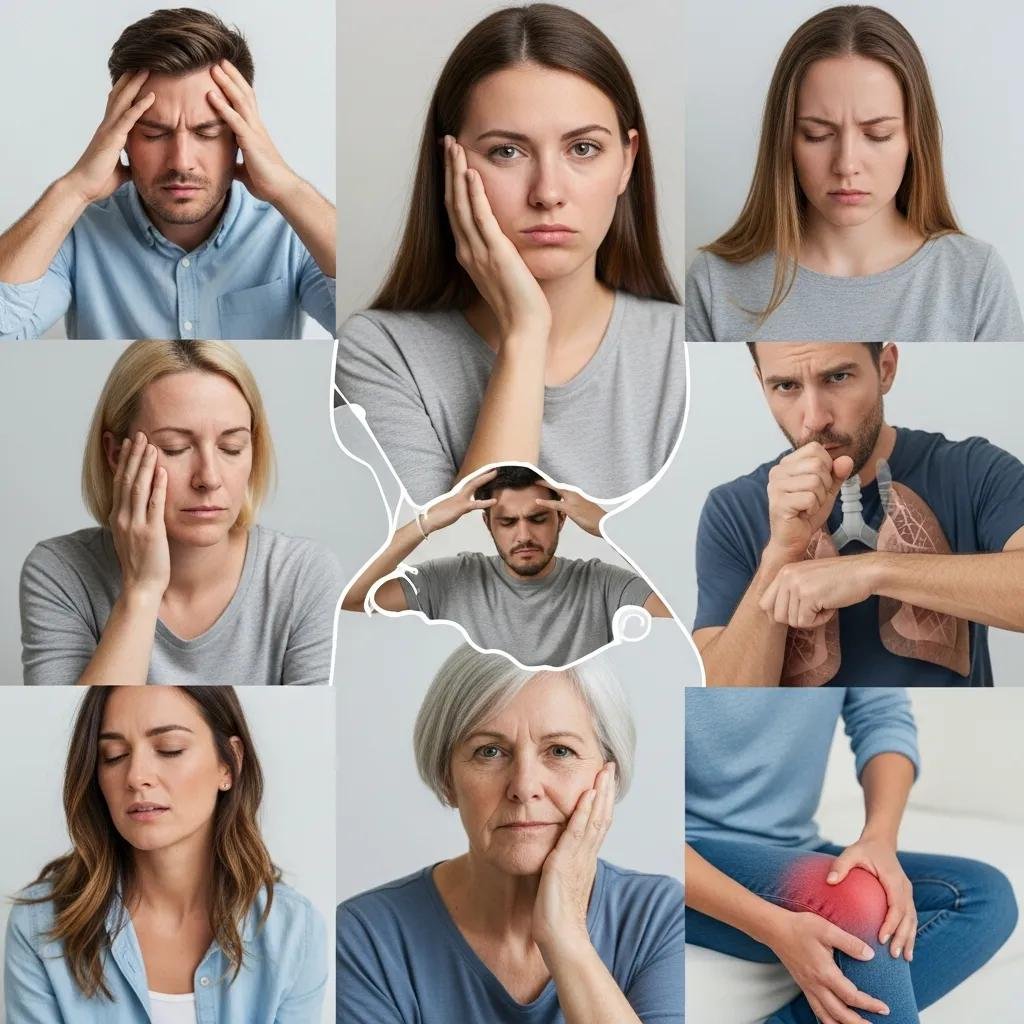
Mold‑related illness usually presents as a mix of neurological, respiratory, autonomic, and constitutional symptoms caused by ongoing immune activation and toxin effects on cells. Neurological complaints often include brain fog, memory problems, headaches, and light sensitivity. Respiratory signs can be cough, sinusitis, or shortness of breath. Systemic symptoms commonly feature profound fatigue, joint aches, and difficulties with temperature regulation. Because these symptoms overlap with many other conditions, clinicians look for symptom clusters plus objective biomarkers to distinguish CIRS from psychiatric or degenerative disorders. Recognizing these patterns prompts targeted testing and environmental evaluation to confirm biotoxin illness and plan remediation and treatment.
How is CIRS Diagnosed Through Comprehensive Testing and Environmental Assessment?
Diagnosing CIRS follows a stepwise approach that combines a thorough exposure and symptom history, focused laboratory testing for immune and biotoxin‑related abnormalities, and environmental assessment to identify ongoing sources. The diagnostic workflow prioritizes pattern recognition — matching symptom clusters with abnormal lab markers — rather than relying on a single definitive test. Integrating clinical history, laboratory panels, and environmental inspection provides the strongest diagnostic confidence and guides the timing and sequence of remediation and therapy. The next section summarizes the most useful advanced laboratory tests and their clinical relevance.
Which Advanced Laboratory Tests Identify CIRS and Biotoxin Illness?
Clinicians use a suite of advanced tests that together profile inflammation, immune activation, and direct biotoxin exposure to support a CIRS diagnosis and to monitor response over time. The table below summarizes key assays, what they measure, practical interpretation notes, and why each is clinically useful.
Different laboratory markers offer complementary perspectives on inflammation, immune dysregulation, and toxin exposure in suspected CIRS.
| Test | What It Measures | Clinical Relevance |
|---|---|---|
| Visual Contrast Sensitivity (VCS) | Visual processing and contrast detection | An abnormal VCS suggests neuroimmune effects consistent with biotoxin exposure |
| C4a / TGF‑beta1 | Markers of complement activation and fibrotic cytokine signaling | Elevations indicate persistent immune activation and help guide anti‑inflammatory strategies |
| NeuroQuant MRI (brain volume metrics) | Regional brain volume and structural changes | Useful when cognitive symptoms predominate to evaluate neuroinflammation and volume loss |
| Mycotoxin panels | Urinary detection of mycotoxins | Shows recent exposure patterns and can track reductions during detox |
No single laboratory proves CIRS; instead, patterns across inflammatory markers, neurocognitive testing, and direct mycotoxin detection strengthen diagnostic confidence. Clinicians follow trends and correlate labs with symptoms to tailor individualized care.
Why is Environmental Mold Assessment Critical for Accurate Diagnosis?
Environmental assessment is essential because ongoing exposure sustains the biotoxin burden and prevents meaningful clinical improvement even when medical therapies are applied. Assessments typically start with a visual inspection, moisture mapping, and targeted sampling of suspect areas and HVAC systems to document conditions that support microbial growth. Working with certified remediators ensures identified sources are addressed with protocols that minimize re‑exposure and provide documentation clinicians can use when recommending temporary relocation or remediation steps. Because remediation outcomes directly affect symptom trajectory and biomarker normalization, environmental evaluation is a core diagnostic and therapeutic priority.
What Are Dr. Fred Bloem’s Integrative Treatment Protocols for Mold Illness?
Dr. Fred Bloem’s integrative protocols follow a multi‑step, root‑cause pathway that begins with stopping exposure and proceeds through toxin binding, inflammation control, cellular restoration, and management of co‑infections or comorbidities. The protocol stresses individualized sequencing, safety monitoring, and measurable goals — symptom scales and laboratory trends — to evaluate progress. This structured, integrative model draws on evidence‑informed environmental and functional medicine principles to lower toxin burden, re‑establish immune balance, and rebuild mitochondrial and hormonal resilience.
The clinic applies targeted therapies at each stage to remove biotoxin load, reduce inflammation, and support cellular recovery.
| Therapy | Mechanism | When Used / Expected Benefit |
|---|---|---|
| Binder therapies (e.g., cholestyramine, clay binders) | Bind intestinally excreted biotoxins and interrupt enterohepatic recycling | Used early to lower systemic toxin levels and speed symptom improvement |
| IV therapies (e.g., glutathione IV, nutrient IVs) | Deliver antioxidants and nutrients to boost detox pathways and mitochondrial function | Applied during detox and recovery to support cellular repair and reduce oxidative stress |
| Ozone / biooxidative therapies | Modulate redox signaling, enhance oxygen delivery, and support microbial control | Used selectively to improve immune regulation and mitochondrial recovery when indicated |
| Supportive therapies (hormone balance, regenerative therapies) | Restore endocrine and musculoskeletal balance to improve overall resilience | Introduced as symptoms stabilize to optimize long‑term recovery |
This overview clarifies how clinic therapies align with the protocol’s goals and emphasizes the importance of careful sequencing and monitoring for safety and effectiveness.
For patients in the Kensington, MD area, Internal Healing and Wellness MD provides an integrative, patient‑centered model that applies these modalities under physician supervision. New patients receive a comprehensive evaluation including exposure history, targeted laboratory testing, and a personalized plan with clearly defined monitoring milestones. Scheduling a consultation with Dr. Fred Bloem starts a coordinated process to prioritize remediation, introduce binders and supportive IV therapies as indicated, and sequence modalities like ozone therapy and hormonal support based on individual needs.
How Does Removing Mold Exposure Initiate Healing?
Eliminating ongoing exposure stops the continual influx of biotoxins that drives immune dysregulation, allowing detox pathways and immune function to recalibrate and initiate tissue repair. Clinically, effective remediation is often followed by steady improvement in symptom clusters, normalization of inflammatory markers, and better neurocognitive testing results over weeks to months. Practical steps after remediation may include short‑term relocation during peak exposure, targeted cleaning, and HVAC or moisture control upgrades to prevent recurrence.
Prioritizing remediation as the therapeutic foundation steers care away from isolated symptom treatments and toward a durable recovery pathway.
What Detoxification Therapies Are Used to Eliminate Biotoxins?
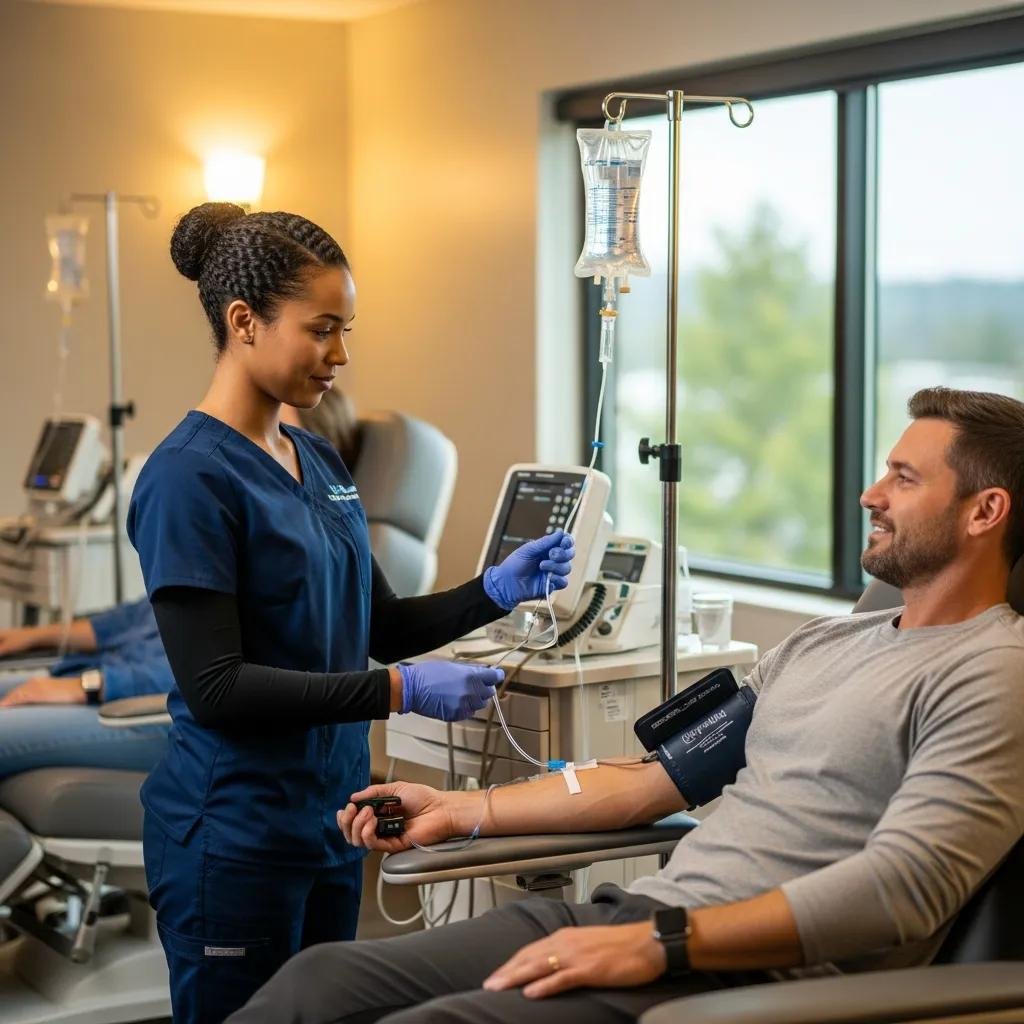
Detoxification combines oral binders that interrupt enterohepatic recirculation with supportive IV therapies and, when appropriate, bio‑oxidative treatments to enhance cellular clearance and resilience. Binders such as cholestyramine or certain clays attach mycotoxins in the gut to speed elimination, while glutathione IVs and nutrient infusions support hepatic phase II pathways and mitochondrial repair. Ozone and related modalities can be adjunctive to reduce microbial burden and improve tissue oxygenation in carefully selected patients. Clinicians monitor tolerance, liver and kidney safety, and clinical response to guide therapy adjustments and sequencing throughout detoxification.
How Does Holistic Care Address Inflammation, Cellular Health, and Co‑Infections in CIRS?
Holistic care for CIRS aims to lower systemic inflammation, restore cellular and mitochondrial function, and identify and treat co‑infections that can perpetuate symptoms. Anti‑inflammatory nutrition, targeted nutraceutical support, and therapies that enhance cellular energy are combined with antimicrobial or immunomodulatory strategies when Lyme disease, MARCoNS, or mast cell activation syndrome are suspected. This integrated approach treats the whole patient rather than chasing isolated lab values and focuses on measurable improvements in function and biomarkers. The next section outlines practical dietary and supplement strategies that support detoxification and inflammation resolution.
What Nutritional and Anti‑Inflammatory Strategies Support Recovery?
An anti‑inflammatory, low‑mold dietary framework supports recovery by minimizing dietary mycotoxin exposure and lowering systemic inflammation that impairs detoxification. Core principles include prioritizing fresh, low‑mold whole foods, emphasizing anti‑inflammatory fats and colorful vegetables, reducing processed grains and sugars, and avoiding high‑mold items when clinically warranted. Targeted supplements — omega‑3 fatty acids, antioxidants, and glutathione precursors — support mitochondrial repair and reduce oxidative stress during detox. Combining dietary changes with mitochondrial and antioxidant support builds a foundation for better energy, clearer thinking, and improved resilience during treatment.
Key dietary features that reduce inflammation and toxin exposure include:
- Fresh, unprocessed foods: Focus on vegetables, lean proteins, and low‑mold carbohydrate sources.
- Anti‑inflammatory fats: Include omega‑3–rich foods to help modulate cytokine activity.
- Limited processed grains and sugars: Reduce baseline inflammation and support metabolic health.
These nutritional principles lower the inflammatory environment and increase the effectiveness of binders and detox therapies, preparing patients for co‑infection management and cellular restoration.
The table below compares common nutritional strategies and supplements used to address inflammation and mitochondrial dysfunction in CIRS care.
| Strategy / Supplement | Mechanism | Clinical Effect |
|---|---|---|
| Anti‑inflammatory diet | Reduces dietary pro‑inflammatory inputs | Lowers baseline cytokine activity and supports detox processes |
| Omega‑3 fatty acids | Modulate inflammatory eicosanoids | Improves systemic inflammation and cognitive symptoms |
| Glutathione precursors (e.g., NAC) | Boost intracellular antioxidant capacity | Enhances phase II detox and protects mitochondria |
| Mitochondrial support nutrients | Support ATP production and cellular resilience | Reduces fatigue and improves cognitive endurance |
This comparison shows how dietary and nutraceutical approaches complement medical detoxification by strengthening cellular capacity to process and remove toxins.
How Are Co‑Infections Like Lyme Disease and Mast Cell Activation Syndrome Treated?
Co‑infections and conditions such as Lyme disease and mast cell activation syndrome (MCAS) require focused diagnosis and individualized sequencing so they don’t undermine mold‑focused care. Lyme and other vector‑borne infections are treated with evidence‑based antimicrobial regimens tailored to symptom severity and testing. MCAS is managed with mast cell stabilizers, targeted antihistamine strategies, and avoidance of triggers to reduce histamine‑driven flares. Treating co‑infections may occur before or alongside mold detoxification depending on clinical priorities, because untreated infectious drivers can perpetuate inflammation and block recovery. An integrated plan combining antimicrobial, immunologic, and mitochondrial support produces better outcomes than single‑modality approaches.
Why Choose Dr. Fred Bloem for Personalized Functional Medicine in Mold Illness Treatment?
Internal Healing and Wellness MD, led by Dr. Fred Bloem in Kensington, MD, practices a patient‑centered, root‑cause model that blends environmental medicine with functional strategies for detoxification, hormonal balance, and regenerative support. The practice prioritizes individualized protocols that sequence exposure control, targeted testing, binder therapies, IV detox, and adjunctive modalities such as ozone when clinically appropriate. This range of integrative therapies, together with patient education and measurable milestones, supports lasting recovery for complex chronic cases that need multi‑modal management. New patients can expect a detailed initial evaluation, a clear personalized plan, and ongoing monitoring to adjust therapies based on objective markers and symptom response.
What Makes Dr. Bloem’s Root‑Cause Approach Unique?
Dr. Bloem combines established biotoxin illness principles with contemporary integrative modalities to create tailored treatment pathways that address exposure, detoxification, inflammation, and cellular repair. His philosophy pairs binders and evidence‑informed IV therapies with selective bio‑oxidative treatments and endocrine or regenerative support when indicated, allowing clinicians to adjust sequencing and intensity to each patient’s tolerance and progress. Emphasis on patient education and measurable outcomes helps patients understand the rationale for every step and sets realistic timelines for recovery. This individualized sequencing and multi‑modality integration distinguishes the practice from single‑approach care.
How Do Patient Success Stories Reflect Treatment Effectiveness?
Across integrative CIRS programs, outcomes often show improved energy, clearer cognition, reduced respiratory symptoms, and objective biomarker improvements when remediation and sequenced therapies are implemented and followed. Patients commonly report gradual reductions in brain fog, better sleep quality, and increased exercise tolerance as toxin burden falls and mitochondrial function improves. Objective changes — such as lower inflammatory cytokines or better neurocognitive test results — frequently track with subjective gains, giving clinicians measurable signals to refine therapy. These patterns highlight the value of comprehensive evaluation, remediation, and individualized multi‑modal treatment plans.
Frequently Asked Questions
What are the long-term effects of mold exposure on health?
Long‑term mold exposure can cause persistent health problems, especially in people with genetic susceptibilities or preexisting conditions. Symptoms may continue after leaving a contaminated environment and include respiratory issues, cognitive difficulties, and chronic fatigue. Some individuals develop Chronic Inflammatory Response Syndrome (CIRS), which can significantly reduce quality of life. Ongoing monitoring and a comprehensive, individualized treatment plan are essential for managing long‑term effects and promoting recovery.
How can I prevent mold growth in my home?
Preventing mold focuses on moisture control and good ventilation. Key steps include fixing leaks promptly, using dehumidifiers in damp areas, and ensuring adequate airflow in attics and basements. Regular HVAC inspection and cleaning help, as do using mold‑resistant materials during renovations and keeping indoor humidity under 50%. Routine maintenance and quick attention to water problems are the most effective defenses against mold growth.
What role does stress play in mold illness recovery?
Stress can hinder recovery by increasing inflammation and weakening immune and detoxification function. Chronic stress makes it harder for the body to heal, so stress management is a key part of most recovery plans. Practices like mindfulness, gentle exercise, adequate sleep, and structured relaxation techniques help reduce stress and support overall healing. Emotional and psychological care is an important complement to medical treatment.
Are there specific supplements that can aid in recovery from mold illness?
Certain supplements can support recovery by enhancing detoxification and lowering inflammation. Omega‑3 fatty acids help modulate inflammatory responses, and glutathione precursors such as N‑acetylcysteine (NAC) support antioxidant defenses. Vitamin D and targeted probiotics may support immune and gut health. Because individual needs vary, work with a practitioner to tailor supplements safely to your clinical picture.
How can I find a qualified practitioner for mold illness treatment?
Look for clinicians experienced in environmental medicine and integrative approaches. Ask for referrals from trusted providers or organizations that specialize in biotoxin illness. During an initial consultation, evaluate their experience with CIRS, the testing they recommend, and how they sequence remediation and treatment. A careful intake and clear plan are good indicators of qualified, competent care.
What lifestyle changes can support recovery from mold illness?
Helpful lifestyle changes include adopting a nutrient‑dense, anti‑inflammatory diet, maintaining regular gentle activity, and prioritizing restorative sleep. Reducing exposure to environmental toxins, managing stress with relaxation practices, staying well hydrated, and keeping living spaces clean and dry all support recovery. These holistic measures work alongside medical treatments to improve overall outcomes.
How Does the Shoemaker Protocol Compare to Dr. Bloem’s Integrative Approach?
Both the Shoemaker protocol and Dr. Bloem’s integrative approach share core steps: remove exposure, use binders to stop toxin recirculation, and address immune and inflammatory dysregulation. Dr. Bloem’s model builds on those foundations by adding targeted IV antioxidant support, selective ozone therapy, and focused mitochondrial and hormonal optimization when clinically appropriate. The result is a personalized sequencing strategy that preserves Shoemaker’s evidence‑based elements while adding adjunctive therapies to accelerate detoxification and restore cellular resilience in suitable patients.
What Dietary Recommendations Help Manage Mold Toxicity Symptoms?
Dietary guidance aims to reduce foods that burden detox pathways and to support anti‑inflammatory processes that aid recovery. Emphasize fresh whole foods, healthy fats, and vegetables, and minimize processed foods and excess sugars that fuel inflammation. When indicated, temporary avoidance of high‑mold foods (certain nuts, dried fruits, and processed grains) can be helpful. Supplements that support glutathione production and omega‑3 intake provide biochemical support during detox. For tailored meal planning, a dietitian or clinician experienced in environmental illness can align nutrition with treatment timing and tolerance.
- What to prioritize: Fresh vegetables, lean proteins, and anti‑inflammatory fats to lower systemic inflammation.
- What to limit: Processed foods, excess sugars, and foods prone to mold contamination when clinically warranted.
- When to seek help: If dietary changes worsen symptoms, cause weight loss, or raise nutritional concerns, consult a specialist.
Request a consultation to review test results and create a personalized dietary and treatment roadmap tailored to your clinical profile and remediation status.
Conclusion
Addressing Chronic Inflammatory Response Syndrome (CIRS) with an integrative, root‑cause approach improves the chances of meaningful recovery. By combining environmental assessment, targeted testing, and personalized treatment protocols, patients can see measurable gains in symptoms and biomarkers. Taking the first step — assessing exposure and consulting a qualified practitioner — is essential. Reach out to explore tailored options and begin a guided path back to better health and resilience.

