


Cultivating Mindful Eating for Better Digestion: Practical Techniques and Holistic Wellness Insights
Mindful eating means bringing clear, present attention to the act of eating so digestion, nutrient uptake, and gut health work more smoothly. By slowing your pace, engaging your senses, and tuning in to hunger and fullness signals, you encourage the body’s parasympathetic “rest and digest” responses, improving motility and enzyme production. This guide explains the science behind mindful eating, offers simple, usable techniques you can try at your next meal, and connects these habits to the gut–brain axis and common complaints such as IBS, bloating, and reflux. You’ll find step-by-step practices, evidence-informed mechanisms, and straightforward tools — like chew counts, hunger/fullness checks, and sensory exercises — to reduce GI symptoms and support nutrient absorption. Finally, we outline how mindful eating fits into a broader, personalized digestive care plan and how Internal Healing and Wellness MD can help sustain meaningful change.
How does mindful eating improve digestion and gut health?
Mindful eating shifts the nervous system toward a parasympathetic “rest and digest” state, enhances both mechanical and enzymatic breakdown of food, and breaks stress-driven patterns that disrupt normal motility. When you focus on eating, vagal tone improves, saliva and gastric secretions increase, and portion awareness lowers the chance of post-meal discomfort. These physiological and behavioral shifts often reduce symptoms such as bloating and reflux.
Clinical studies and behavioral trials show that slowing meal speed and improving interoceptive awareness correlates with better GI symptom scores and more regular stools. Translating those mechanisms into practice is straightforward: slow your bites, chew more completely, and pause between courses. Below are three core actions that explain why mindful eating produces digestive benefits.
- Key actions mindful eating uses to improve digestion: Stimulates the parasympathetic nervous system and the vagus nerve, which supports gastric motility and secretion.Boosts mechanical and enzymatic digestion through extended chewing and sensory anticipation.Limits overeating and stress-driven symptoms by strengthening interoception and portion control.
These processes—enzyme-mediated digestion and improved autonomic balance—lead directly into practical, meal-level techniques you can use right away.
What is mindful eating and what role does it play in digestive wellness?
Mindful eating is the deliberate habit of noticing taste, texture, internal hunger signals, and meal pacing so your body is physiologically prepared to digest. It blends attention training with simple behavior changes—removing distractions, savoring flavors, and pacing bites—to influence autonomic tone and digestive function. Rooted in contemplative practice and increasingly validated in behavioral medicine, mindful eating has been adapted into clinical approaches for functional GI conditions and general diet quality. Easy examples include a one-minute breathing pause before a meal, taking three mindful bites at the start of a course, or a quick post-meal check-in on satisfaction and fullness. These small rituals build awareness and steady improvements in digestion over time.
How does mindful eating activate the parasympathetic “rest and digest” system?
Mindful eating engages the parasympathetic system through vagal stimulation, anticipatory sensory cues, and lower sympathetic arousal—actions that raise saliva and gastric secretions and improve gastric emptying. Slowing down to notice taste, smell, and texture triggers cephalic-phase responses that prompt enzyme release and prime the gut. Reducing stress lowers cortisol and adrenaline, hormones that otherwise inhibit digestion and heighten visceral sensitivity. Simple ways to engage this response include diaphragmatic breaths before eating, pausing between bites, and intentionally focusing on one sensory quality per mouthful. Activating the rest-and-digest reflex at meals supports symptom relief and better nutrient assimilation.
What are effective mindful eating techniques to enhance digestive function?

Practical mindful eating techniques combine sensory focus, measured pacing, and checking internal cues to optimize both the mechanical and biochemical phases of digestion. Key strategies include slowing eating to increase chewing and enzyme activation, tuning into hunger and fullness to avoid overeating, and removing distractions so your body can prioritize digestion. These routines promote more consistent gastric secretions and balanced motility. The step-by-step section below gives actions you can start using immediately; the comparison that follows summarizes each technique’s digestive benefits.
Start here — simple steps to practice mindful eating right away:
- Begin with a pre-meal pause: Take three slow diaphragmatic breaths to calm sympathetic drive and prime digestion.
- Engage the senses: Visually note color and texture, inhale the aroma, and name a texture before the first bite to stimulate anticipatory enzymes.
- Pace your bites: Set utensils down between bites and chew thoroughly — aim for roughly 20–30 chews on mixed-texture meals.
- Use a hunger/fullness check: Rate hunger on a 0–10 scale before and halfway through a meal to avoid eating past comfortable fullness.
- End with a reflective pause: Ten to fifteen minutes after eating, notice satiety and digestive comfort to guide future portion choices.
These steps translate digestive physiology into repeatable, meal-level habits that reduce common GI complaints.
Mindful techniques and their direct digestive benefits:
| Technique | Action | Digestive Benefit |
|---|---|---|
| Slow chewing | Count chews; pause between bites | Raises saliva and gastric enzyme activity for improved mechanical and chemical digestion |
| Sensory engagement | Focus on sight, smell, taste, texture | Triggers cephalic-phase responses that prime the gut for nutrient breakdown |
| Hunger/fullness tuning | Use a 0–10 scale before and during meals | Helps prevent overeating, stabilizes motility, and lowers reflux risk |
This quick comparison can help you decide which practices to introduce first; for many people, pairing slower chewing with sensory focus produces the fastest symptom relief.
How can slowing down and savoring each bite support digestion?
Slowing down increases mechanical breakdown and prolongs oral exposure, which boosts salivary enzymes and cephalic responses. Thorough chewing reduces particle size and mixes food with saliva—rich in amylase—so carbohydrate digestion begins in the mouth and signals the stomach to prepare digestive juices. Micro-practices include setting utensils down between bites, counting chews on dense textures, and taking small sips of water only when necessary to avoid diluting gastric secretions. People who adopt these habits commonly report less bloating and fewer indigestion episodes because the stomach and small intestine receive better-processed food. A gentler meal rhythm therefore produces immediate physiological advantages for digestion and nutrient uptake.
Why is tuning into hunger and fullness cues important for gut health?
Tuning into hunger and fullness—interoception—stabilizes eating patterns, regulates portions, and helps maintain healthy gastric emptying so the stomach is neither under- nor over-filled. A simple 0–10 hunger/fullness check lets you start meals at a reasonable hunger level and stop before uncomfortable fullness, reducing reflux and post-meal bloating. Exercises to sharpen interoception include pausing halfway through a meal to reassess hunger, doing short body scans before eating, and keeping a brief food–symptom log to spot patterns. Over time, honoring these internal signals supports motility and prevents repeated overdistension that can drive visceral hypersensitivity. Stronger interoception therefore protects the gut from mechanical and neurogenic sources of discomfort.
What is the gut–brain connection and how does conscious eating influence it?
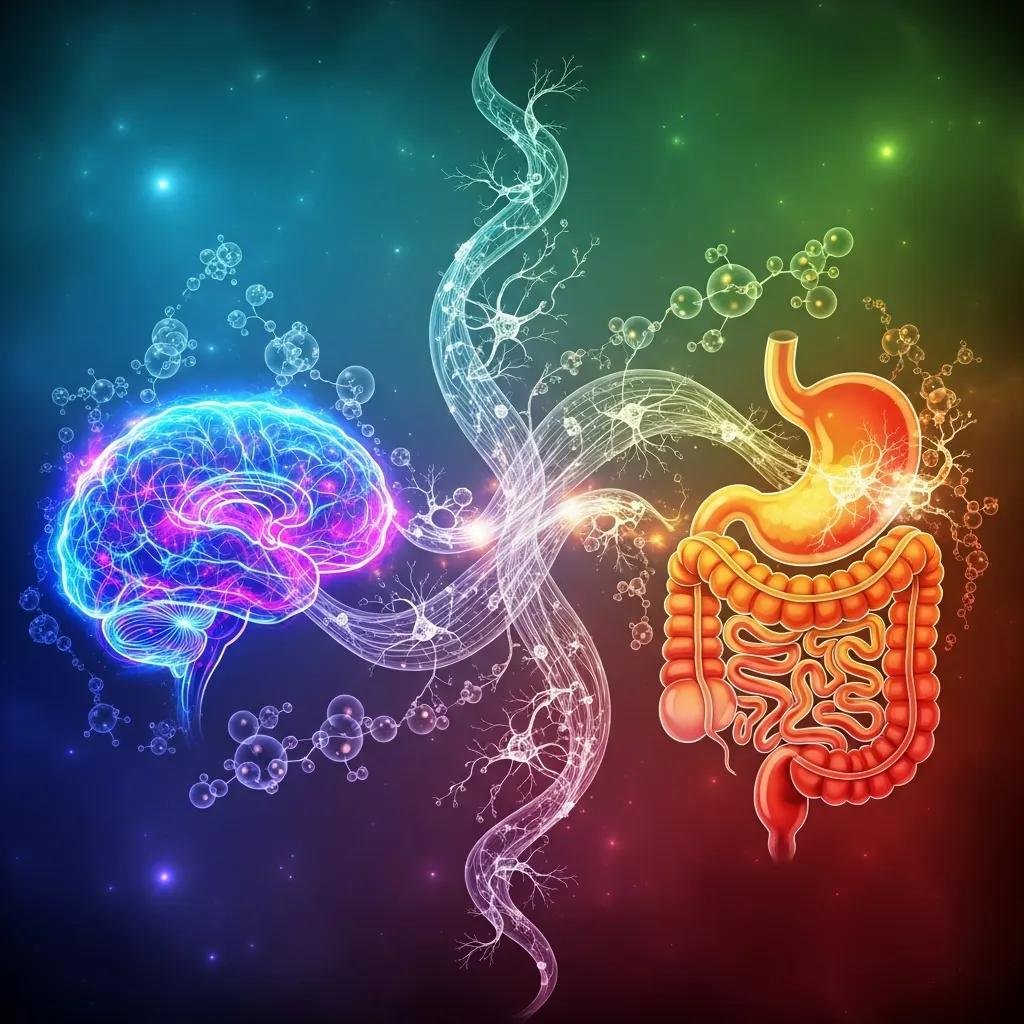
The gut–brain axis is the two-way network connecting the central nervous system, autonomic pathways, the enteric nervous system, immune signaling, and the microbiome. Conscious eating positively affects this network by lowering stress signals and promoting stable digestive signaling. Mindful meals reduce sympathetic tone and increase vagal engagement, which can dampen proinflammatory signaling and stabilize motility patterns that are influenced by central processes. Predictable meal timing and sensory engagement also give the microbiome a steadier supply of substrates, supporting metabolites that influence mood and barrier function. Seeing these interactions clarifies why behavioral practices produce measurable benefits for digestion and emotional well-being. The next sections outline the specific pathways and how mindful eating counters stress-driven dysregulation.
How does the gut–brain axis affect digestion and emotional well‑being?
The gut–brain axis shapes digestion and emotional state through neural, hormonal, and immune channels that carry signals back and forth between gut and brain. Neurotransmitters like serotonin and microbial metabolites affect both mood and gut motility, while vagal afferents report visceral state to brain centers that regulate stress and appetite. Clinically, chronic stress or maladaptive eating patterns can trigger IBS flares, changes in stool frequency, and visceral pain via cytokine release and autonomic imbalance. Addressing the axis calls for behavioral modulation and, when needed, targeted diagnostic evaluation to find drivers. Calming the nervous system through mindful eating can therefore reduce GI symptoms and the anxiety that often accompanies chronic digestive problems.
In what ways does mindful eating reduce stress to support microbiome balance?
Mindful eating lowers stress by reducing cortisol and sympathetic arousal, improving vagal tone, and encouraging regular meal timing that evens out microbial substrate delivery. Lower stress helps preserve gut barrier integrity and reduces proinflammatory signaling, creating a friendlier environment for beneficial microbes. Slower meals and less multitasking yield smaller, more predictable nutrient boluses that support microbial metabolic rhythms and short-chain fatty acid production. Emerging studies show that stress-reduction combined with dietary strategies can shift microbiome composition in ways that align with improved bowel symptoms. In short, mindful eating acts indirectly but powerfully to enhance microbiome resilience and downstream nutrient processing.
How can mindful eating help manage common digestive issues like IBS, bloating, and acid reflux?
Mindful eating addresses both physiological drivers (motility, enzyme output) and behavioral triggers (rapid eating, overeating, stress) that worsen IBS, bloating, and reflux. Tailoring pacing, portion size, and sensory strategies to the symptom pattern—combined with journaling to identify food–symptom links—usually improves outcomes. In functional disorders like IBS, better interoception and pacing reduce visceral hypersensitivity and urgency. For reflux, smaller meals and earlier eating reduce acid exposure. The table below links common conditions to mindful approaches and expected effects; the safety note reminds readers when medical evaluation is necessary.
| Condition | Symptom/Driver | Mindful Eating Strategy + Expected Impact |
|---|---|---|
| IBS | Visceral hypersensitivity and dysmotility | Slow pacing, smaller portions, and symptom journaling to reduce urgency and abdominal pain |
| Bloating | Rapid ingestion and gas accumulation | Prolonged chewing and pause techniques to lower aerophagia and improve transit |
| Acid reflux | Overfilling and late meals | Portion control and earlier meal timing to decrease reflux episodes |
This mapping shows which mindful practices typically deliver the most relief for specific complaints and helps you prioritize behavior changes before moving to diagnostic tests.
If you notice unexplained weight loss, blood in the stool, or persistent, severe symptoms, seek clinical evaluation—these signs may require testing and medical treatment.
What are practical mindful eating strategies for IBS symptom relief?
For IBS, emphasize slow pacing, modest portions, sensory focus, and consistent journaling to reveal food triggers and stress links. Begin meals with a short breathing exercise, select comfortably sized portions, and use chew counts to avoid large, rapid boluses that can provoke cramping and urgency. Keep a simple food-and-symptom log—time, foods, stress level, and symptom score—over two to four weeks to spot patterns. Pair these habits with brief post-meal relaxation to blunt sympathetic activation. These behavioral steps often reduce IBS flare frequency and severity without immediately turning to medication.
How does mindful eating reduce inflammation and digestive discomfort?
Mindful eating can lower inflammation and discomfort by reducing stress-driven cytokine release, preventing overeating that contributes to metabolic inflammation, and promoting consistent meal timing that supports gut barrier function. By shifting autonomic balance toward vagal predominance, mindful practices reduce visceral sensitivity and dampen inflammatory cascades that amplify pain. Behaviorally, avoiding large, infrequent meals limits endotoxin translocation linked to systemic inflammation, while regular meal schedules support circadian regulation of gut immune activity. Over weeks to months these changes often produce measurable reductions in abdominal pain and a steadier baseline GI state. The following section describes how mindful habits also improve nutrient absorption and enzyme activation.
How does mindful eating enhance nutrient absorption and bioavailability?
Mindful eating supports absorption and bioavailability by improving mechanical digestion (chewing), stimulating anticipatory enzyme release, and stabilizing microbiome activity that processes micronutrients. When food is well-chewed and meals are paced, the small intestine receives appropriately sized particles alongside active enzymes, increasing surface area for absorption and lowering maldigestion risk. Mindful patterns also reduce extremes of transit time that can impair uptake of nutrients such as iron and fat‑soluble vitamins. The table below clarifies how these processes translate into better outcomes for specific nutrients and suggests simple pairings to maximize absorption.
| Nutrient/Process | Mechanism | Outcome/Benefit |
|---|---|---|
| Iron | Slowed eating and pairing with vitamin C | Improved non‑heme iron uptake through enhanced gastric processing |
| Fat‑soluble vitamins (A, D, E, K) | Adequate chewing plus dietary fat | Better micelle formation and intestinal absorption |
| Enzyme activation | Chewing and sensory anticipation | Greater salivary and gastric enzyme release for efficient macronutrient breakdown |
What is the impact of chewing and sensory engagement on enzyme production?
Chewing and sensory focus trigger cephalic-phase responses that increase salivary amylase and stimulate gastric acid and pepsin release, priming the GI tract for macronutrient digestion. Longer oral processing boosts surface area and mixes food with enzymes, while sensory anticipation signals the stomach and pancreas to secrete digestive juices. Practical cues include deliberate chew counts, pausing to notice flavor layers, and starting meals with small, flavorful bites to maximize anticipatory secretion. These behaviors make digestion in the small intestine more efficient and reduce the chance of malabsorption or bloating. Increased enzyme production therefore links mindful behavior directly to biochemical improvements in digestion.
How does mindful eating support optimal vitamin and mineral uptake?
Mindful eating improves the digestive environment—balanced pH, steady bile release, and consistent transit—so micronutrients have better conditions for absorption. For example, combining plant-based iron with vitamin C and thorough chewing enhances iron bioavailability, while adding a small source of dietary fat to leafy greens supports fat-soluble vitamin uptake. Lowering stress through mindful habits helps maintain gut barrier integrity and microbiome metabolism, which further aids nutrient transformation and absorption. Simple tips include adding citrus to plant-based meals and spacing mineral‑inhibiting drinks (like strong tea) away from iron‑rich meals. These small changes complement mechanical and enzymatic gains and improve overall nutrient status.
How can mindful eating be integrated into a holistic digestive wellness journey?
Integrating mindful eating into a holistic digestive plan is a stepwise process: build awareness, apply practical techniques, track responses, and pursue personalized interventions when needed. Begin with consistent pre-meal breathing and sensory checks, then add pacing and journaling for four to eight weeks while monitoring symptoms and nutrient outcomes. If symptoms persist, assessment may include dietary review and targeted labs, with personalized interventions to address hormonal, inflammatory, or micronutrient drivers. Mindful eating pairs well with broader lifestyle changes, targeted therapies, and patient education to support durable improvement. Below we summarize complementary therapies that commonly work alongside mindful eating and explain how Internal Healing and Wellness MD integrates personalized care with these practices.
Complementary therapies can amplify mindful eating’s benefits and should be chosen based on individual needs and clinical assessment.
- Detoxification and microbiome support: Protocols that reduce toxic burden and rebalance microbial communities can make the gut more responsive to behavioral change.
- IV/nutrient therapies: Targeted infusions correct deficiencies that limit recovery when oral absorption is impaired.
- Hormone balance and stress management: Addressing hormonal imbalances and using stress‑reduction tools strengthens autonomic regulation that supports digestion.
These therapies are most effective when combined with consistent mindful eating, since daily habits reinforce clinical interventions and improve their durability.
Internal Healing and Wellness MD is an integrative medical practice focused on root‑cause care, individualized plans, and patient education. Services include bioidentical hormone therapy, anti‑aging protocols, regenerative joint treatments, intravenous nutrient support, biooxidative therapies, supportive cancer care, and care for complex chronic illnesses such as Lyme disease. When paired with mindful eating, these clinical options can address physiological contributors to digestive dysfunction. Mindful eating complements the practice’s emphasis on longer visits and personalized protocols by improving day‑to‑day behaviors that support lab and functional interventions. To explore a tailored plan that combines mindful eating with clinical therapies, consider scheduling a consultation with Dr. Fred Bloem to review assessments and next steps.
What complementary therapies support mindful eating for better digestion?
Complementary therapies help by addressing systemic factors that impair digestion and by aiding recovery when behavior change alone isn’t enough. Detox and microbiome approaches reduce dysbiosis and metabolic stressors that interfere with absorption; IV nutrient therapies restore deficiencies quickly when oral uptake is limited. Hormone optimization lowers cortisol and improves autonomic balance, and stress‑management tools (biofeedback, guided relaxation) strengthen vagal tone that underpins rest‑and‑digest physiology. Each therapy should be selected after individualized assessment of labs, symptoms, and lifestyle. When combined with mindful eating, these modalities often produce synergistic improvements in symptoms and function.
How can personalized guidance from Dr. Fred Bloem enhance mindful eating practices?
Personalized care from Dr. Fred Bloem can amplify mindful eating by offering focused assessment, functional lab testing, and tailored plans that address the root causes of digestive dysfunction. A clinical evaluation can identify hormonal imbalances, nutrient gaps, or chronic inflammatory drivers that blunt the effectiveness of behavior change, enabling a combined approach of mindful practice plus targeted therapy. Patients benefit from extended visits that prioritize education, gradual habit change, and follow‑up adjustments based on objective results and symptom tracking. For those wanting a coordinated path that pairs mindful eating with integrative treatments, a consultation provides a clear roadmap for assessment, personalized interventions, and progressive follow‑up to optimize digestion and long‑term wellness.
This article has reviewed mechanisms, practical techniques, and integration pathways so you can begin applying mindful eating to support digestion today.
Frequently Asked Questions
What are the long‑term benefits of practicing mindful eating?
Over time, mindful eating supports steadier digestion, improved nutrient absorption, and greater emotional balance around food. Many people report fewer IBS or reflux symptoms, more consistent portion control, and a healthier relationship with eating. These behaviors also support weight management and a more nutrient-dense diet when sustained.
Can mindful eating help with emotional eating issues?
Yes. Mindful eating encourages recognition of true hunger versus emotional triggers, giving you space to pause and choose differently. With practice, this awareness reduces impulsive eating and helps develop healthier coping strategies for stress and emotions, improving mental well‑being as well as eating habits.
How can I incorporate mindful eating into a busy lifestyle?
Start small. Take a minute to breathe before meals, remove one distraction, or try a single mindful-bite practice. Meal prepping and designated eating times make it easier to slow down. Even brief, consistent changes—applied regularly—lead to noticeable improvements in digestion and awareness.
Are there specific foods that enhance the benefits of mindful eating?
Mindful eating works with any food, but whole, fiber-rich choices (fruits, vegetables, whole grains) support satiety and gut health, making it easier to tune into fullness cues. Including healthy fats like avocado or nuts helps nutrient absorption and keeps you satisfied longer. Prioritize minimally processed foods while practicing mindful habits for best results.
How does mindful eating affect the gut microbiome?
Mindful eating influences the microbiome indirectly by reducing stress and promoting steadier, nutrient-rich food patterns—both of which support microbial diversity. Less stress helps preserve barrier function and lowers inflammation, creating a more favorable environment for beneficial microbes and their metabolites.
What role does hydration play in mindful eating?
Proper hydration supports digestion and nutrient transport. Drink water throughout the day, and use small sips during meals as needed—avoiding large volumes that might dilute gastric juices. Paying attention to thirst as part of your overall awareness complements mindful eating and supports digestive health.
Conclusion
Mindful eating is a practical, evidence‑informed way to improve digestion and gut health by bringing attention and intention to your meals. Simple practices—pausing before eating, engaging the senses, pacing bites, and checking hunger/fullness—can reduce discomfort and enhance nutrient absorption. When combined with a personalized, holistic care plan, these habits support both short‑term symptom relief and long‑term digestive resilience. If you’d like to begin a mindful eating journey paired with targeted clinical support, Internal Healing and Wellness MD can help you design a plan that fits your needs.

