

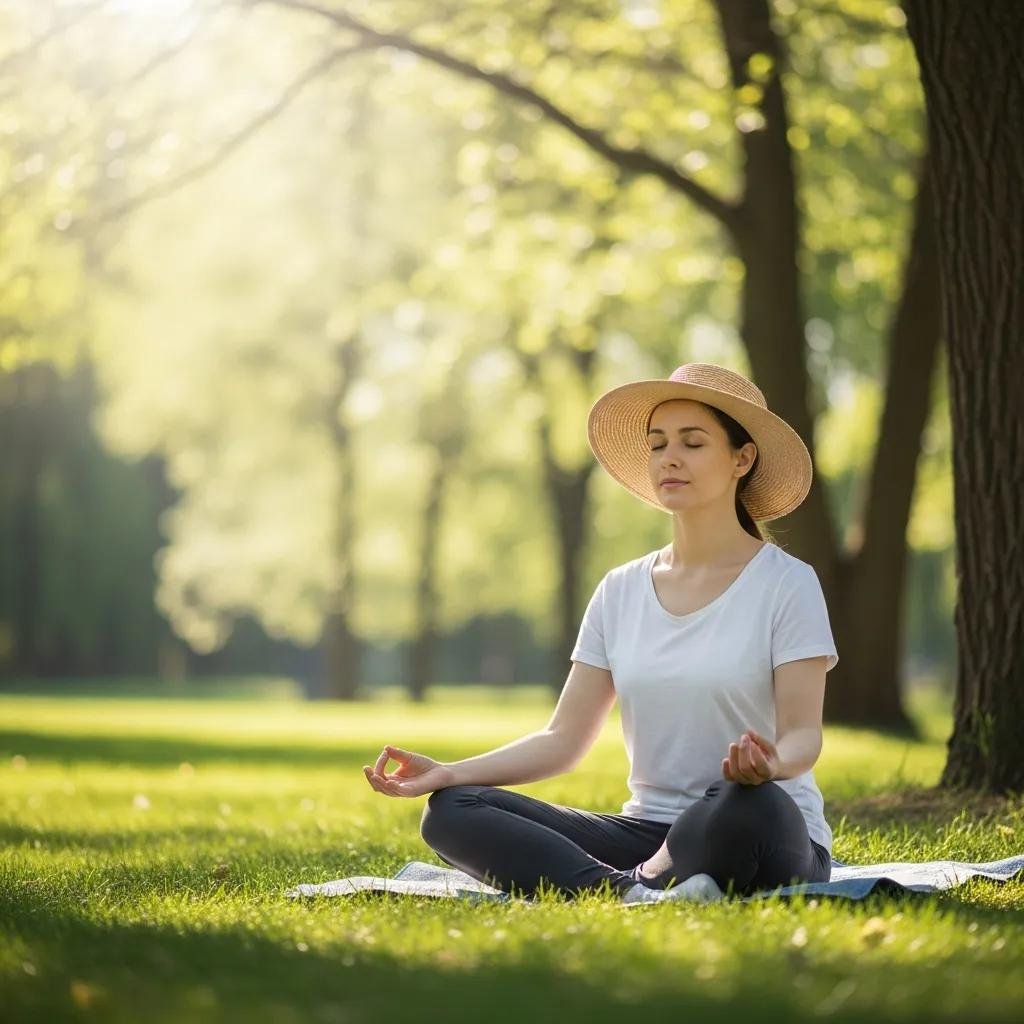
Benefits of Mindfulness Meditation for Stress Relief: Practical, Evidence-Based Ways to Reduce Anxiety and Support Well‑Being
Mindfulness meditation is the deliberate practice of paying nonjudgmental attention to the present moment. It helps lower stress by calming the nervous system and breaking habitual cycles of worry. This article describes what mindfulness is, how it triggers relaxation physiology, and why research links regular practice with reduced anxiety, better sleep, and measurable changes in stress biomarkers. Many people look for practical tools that complement medical care; this guide provides evidence-based mechanisms, beginner-friendly techniques, and clinical approaches for chronic pain and anxiety. You’ll find core breathing exercises, a concise summary of the strongest scientific findings, and body‑scan scripts you can try in 5–20 minutes. The piece closes with how mindfulness can fit into functional and holistic medical plans and when to consult a clinician for a personalized mind–body strategy.
What Is Mindfulness Meditation and How Does It Relieve Stress?
Mindfulness meditation blends focused attention with open monitoring to strengthen attention and reduce automatic reactivity — the mental habits that fuel stress. By interrupting repetitive negative thinking and training attention, mindfulness shifts the nervous system toward parasympathetic activity and improves vagal tone, which helps calm heart rate and can lower cortisol over time. Short mindful pauses reduce immediate distress and sharpen focus, while consistent practice builds resilience against ongoing stress. Grasping these mechanisms prepares you to use simple breathing and body‑scan methods that produce both fast calming and cumulative benefits.
Defining Mindfulness and Meditation for Stress Management
Mindfulness means present-centered awareness without judgment; mindfulness meditation refers to formal exercises that cultivate that awareness through repeated practice. Mindfulness‑Based Stress Reduction (MBSR), created by Jon Kabat‑Zinn in the late 1970s, established a structured eight‑week pathway for teaching these skills, and that model still informs many clinical programs today. Unlike concentration-only approaches, mindfulness combines focused attention with open monitoring of thoughts and sensations, which helps reduce rumination and emotional reactivity. Two simple examples: a one‑minute breath awareness to interrupt a stressful thought, and a daily 10‑minute body scan to lower bodily arousal and restore calm.
How Mindfulness Activates the Relaxation Response to Lower Cortisol
Mindfulness breaks the stressor → rumination → HPA‑axis activation loop by moving attention away from repetitive thoughts and toward present sensations, thereby reducing hypothalamic‑pituitary‑adrenal (HPA) drive. That attentional shift supports parasympathetic function, increases heart‑rate variability, and — with repeated practice — has been associated with lower salivary cortisol in several studies and meta‑analyses. In practical terms, regular mindfulness can lessen the hormonal contributors to chronic stress and help physiological systems recover more effectively. Understanding these effects clarifies why clinicians recommend mindfulness as a core behavioral strategy for anxiety and stress management.
What Are the Scientific Benefits of Mindfulness Meditation for Anxiety and Stress?
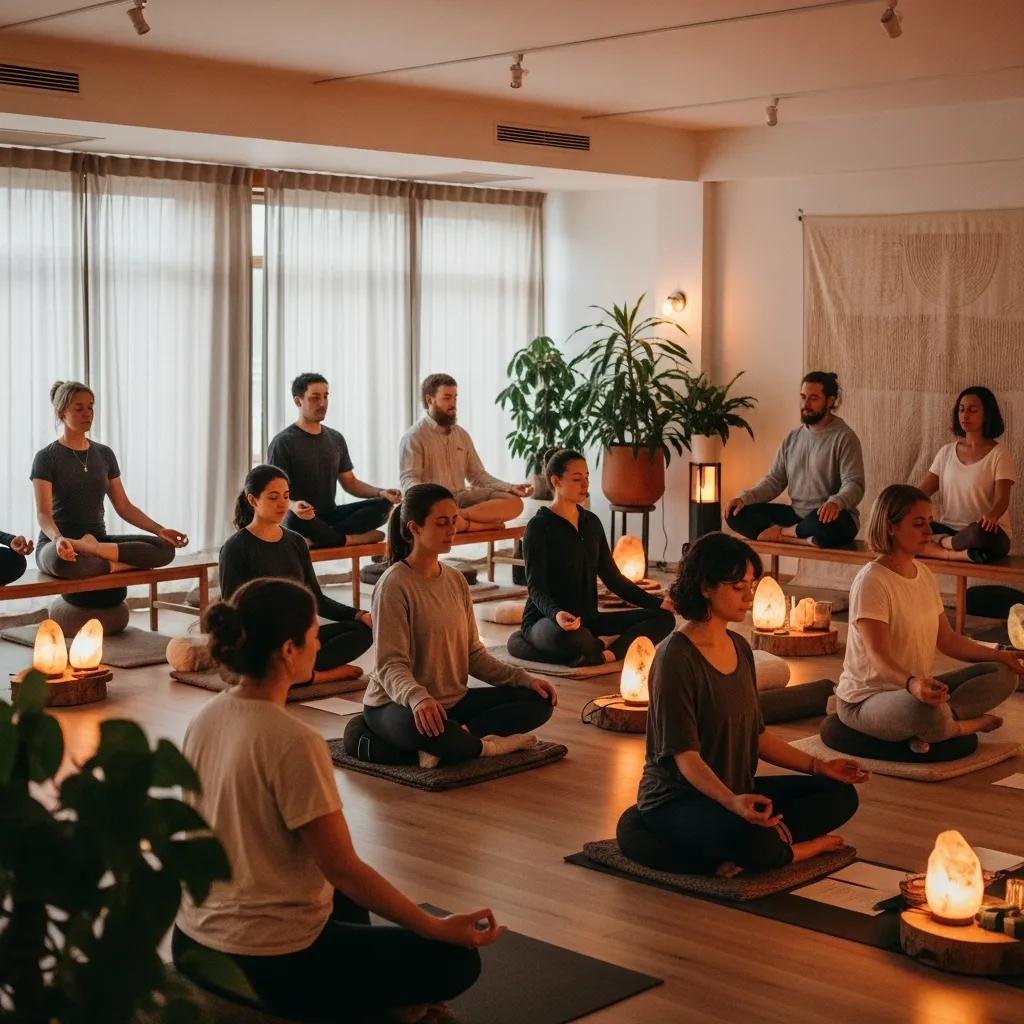
Structured mindfulness training produces measurable psychological and physiological benefits for people with anxiety and high stress. Randomized trials and meta‑analyses report small‑to‑moderate effect sizes for anxiety reduction and improvements in stress‑related outcomes. Evidence shows reduced self‑reported anxiety, better sleep quality, and changes in biological markers such as lower cortisol and some inflammatory indicators after programmatic practice. Summarizing these findings helps clinicians and patients set realistic expectations and understand where mindfulness fits within a comprehensive care plan. The table below distills representative outcomes to clarify effect sizes and clinical relevance.
| Outcome | Measure | Representative Result |
|---|---|---|
| Anxiety symptoms | Standardized scales (e.g., GAD-7, STAI) | Small-to-moderate reductions versus control groups in multiple RCTs |
| Cortisol | Salivary or serum assays | Short-term decreases in acute cortisol responses; modest baseline reductions with regular practice |
| Perceived stress | Perceived Stress Scale (PSS) | Consistent moderate declines after 8-week MBSR-style programs |
| Sleep quality | Sleep questionnaires / actigraphy | Improved subjective sleep quality and reduced sleep disturbance in several trials |
At a glance, effects vary by population and protocol, but mindfulness reliably improves subjective stress and anxiety and shows physiological correlates that support clinical benefit. The next section summarizes neuroplastic changes that help explain these outcomes.
Research Evidence on Mindfulness Reducing Anxiety and Cortisol Levels
Randomized controlled trials and meta‑analyses consistently find that structured mindfulness programs lower self‑reported anxiety and perceived stress, especially when practice is regular and instruction is provided. Biological measures add supporting evidence: several studies report reduced cortisol reactivity to stressors and lower inflammatory markers after sustained practice, though effect sizes are modest and heterogeneous. Clinically, mindfulness is a viable adjunct for patients with chronic stress or mild‑to‑moderate anxiety, particularly when combined with behavioral or medical treatments. Variability in intervention dose and adherence is a known limitation, which is why structured programs often yield the most reliable results.
Neuroplasticity and Brain Changes Linked to Mindfulness Practice
Neuroimaging studies indicate that mindfulness practice alters activity and connectivity in brain regions involved in emotion regulation — increased engagement of prefrontal control areas, reduced amygdala reactivity, and, in some studies, hippocampal volume changes. These adaptations reflect stronger top‑down regulation of emotions and improved attentional control, which helps explain durable reductions in anxiety and greater cognitive resilience. Practically, consistent practice over weeks to months appears necessary to strengthen the neural circuits that support stress recovery and sustained emotional balance.
Which Mindful Breathing Techniques Can Beginners Use for Stress Relief?

Simple mindful breathing exercises are effective first‑line tools because they trigger rapid parasympathetic activation and are easy to repeat throughout the day. The core principle is breath awareness: anchoring attention to inhalation and exhalation reduces sympathetic arousal and interrupts worry loops. Below are step‑by‑step exercises designed for quick practice, with timing and posture tips for beginners. Regular use builds attentional control and gives you fast‑acting strategies for acute stress or anxiety.
- 4‑4‑4 Box Breathing: Inhale for 4 seconds, hold for 4, exhale for 4, hold for 4; repeat 4–6 cycles while sitting upright and relaxing the jaw.
- 4‑6 Extended Exhale: Inhale gently for 4 seconds, exhale slowly for 6–8 seconds; repeat 6–10 cycles to emphasize parasympathetic engagement.
- Belly Breath Pause: Place one hand on the abdomen, inhale for 4 seconds into the belly, exhale for 6 seconds; practice 3–5 minutes to ease acute tension.
These techniques are portable — use them on a work break, before sleep, or when a trigger arises. The following section offers guided scripts and timing recommendations to help fold these practices into a daily routine.
Step-by-Step Guided Mindful Breathing Exercises
Box breathing and extended‑exhale work by stabilizing the breath rhythm to increase vagal tone and reduce sympathetic drive. Sessions can be as short as one minute for immediate calming. For box breathing, cue an upright posture, relaxed shoulders, and equal counts; for extended exhale, focus on a smooth, continuous outbreath to activate the relaxation response. Common beginner mistakes include shallow chest breathing and racing the counts — correct these by slowing slightly and breathing into the abdomen. Aim for 2–3 short sessions daily plus a longer 5–10 minute practice on high‑stress days for consistent improvements in attention and mood.
Incorporating Body Scan Meditation for Deep Relaxation
The body scan systematically moves attention through the body to release tension and cultivate nonreactive awareness. Use a 5‑minute format for quick recalibration (about 20–30 seconds per region) or a 15‑minute version for deeper release (60–90 seconds per region). Benefits include reduced muscle tension, improved interoceptive awareness, and easier sleep onset when practiced before bed. Adding short body scans to daily breaks complements breathing practices by addressing the somatic side of stress.
| Technique | Steps / Time | Benefit / Use-case |
|---|---|---|
| Box Breathing | 4-4-4-4 counts, 2–5 minutes | Rapid focus restoration during acute stress |
| Extended Exhale | 4 in, 6–8 out, 3–5 minutes | Strong parasympathetic engagement for anxiety |
| Belly Breath Pause | 4 in, 6 out, 3 minutes | Quick physiological calming and grounding |
How Does Mindfulness Meditation Support Chronic Pain Management?
Mindfulness helps people with chronic pain by changing how they relate to pain sensations — reducing catastrophizing, increasing acceptance, and shifting attention — which lowers pain‑related distress even when nociceptive input persists. Mechanistically, mindfulness promotes cognitive reappraisal and reduces the emotional amplification of pain, which can decrease functional impairment and improve quality of life. Clinical programs such as MBSR have shown benefit for chronic low back pain and other persistent pain conditions, making mindfulness a useful adjunct in multimodal pain care. Below are targeted strategies for flare‑ups and guidance on integrating mindfulness with medical pain management.
Mindfulness Strategies to Reduce Pain Perception and Emotional Distress
Acceptance‑based practices and mindful body awareness are central: observe pain sensations without immediate reaction, label experiences (for example, “pain — noticing”), and use breath‑centered grounding during flare‑ups to redirect neural processing away from catastrophizing. Recommended frequency includes short formal sessions (10–20 minutes daily) plus brief in‑the‑moment micro‑practices when pain increases. Evidence shows these approaches reduce pain interference and emotional distress, though they may not eliminate nociceptive signals entirely. Frame expectations around improved coping and function, and work with your clinician to align mindfulness with pharmacologic or interventional strategies for optimal outcomes.
Integrating Mindfulness with Functional Medicine for Chronic Illness
Mindfulness complements functional and integrative medicine by improving adherence, boosting resilience, and reducing stress‑driven physiological processes that exacerbate chronic illness. Practically, clinicians can combine mindfulness training with interventions like hormone optimization, detoxification protocols, IV therapies, or regenerative treatments to create a biopsychosocial plan addressing both biological drivers and behavioral contributors. Sequencing mindfulness alongside medical care can improve sleep, reduce anxiety‑related symptom amplification, and support sustained lifestyle changes. Patients are encouraged to discuss integrated pathways with their clinician so mindfulness aligns with specific treatment goals.
How Can Mindfulness Complement Functional Medicine and Holistic Health Services?
Within holistic care, mindfulness strengthens patient engagement, supports root‑cause approaches, and builds long‑term resilience that enhances biomedical interventions. Paired with individualized medical protocols, mindfulness helps people implement lifestyle changes, stick with treatment plans, and manage symptoms between visits. Examples include integrating mindfulness with hormone balancing, targeted nutrient therapy, or regenerative procedures to reduce stress‑related barriers to healing. If you’d like a personalized, integrated plan, consider scheduling a consultation to discuss how mindfulness fits your care.
Dr. Fred Bloem’s Integrative Approach to Mind-Body Wellness
Dr. Fred Bloem / Internal Healing and Wellness MD centers care on root causes and combines mind–body practices with comprehensive medical therapies to address complex chronic illness and improve well‑being. The practice offers individualized protocols — functional assessments, hormone balancing, detox strategies, and regenerative or aesthetic options — alongside education and behavioral tools to empower patients. Mindfulness pairs naturally with this model by improving stress regulation and supporting adherence to personalized plans. Patients interested in combining mindfulness with clinical therapies are invited to request a consultation to explore tailored, coordinated care.
Patient Empowerment Through Mindfulness and Personalized Treatment Plans
Mindfulness supports patient empowerment by offering self‑management skills that improve symptom tracking, decision‑making, and adherence to tailored treatments. As patients develop mindful awareness, they gain clearer insight into symptom patterns and treatment effects, which helps clinicians fine‑tune care based on lived experience. Typical plans may include short daily meditation, targeted breathing for flare‑ups, and coordinated medical therapies that address root causes. The collaborative, educational approach of integrative care promotes lasting behavior change and increases the chance of meaningful clinical improvement.
What Are Common Questions About Starting Mindfulness Meditation for Stress Relief?
New practitioners commonly ask how fast benefits appear, whether mindfulness can replace conventional treatments, and how to build a sustainable habit. Evidence‑based answers set realistic timelines, safety guidelines, and clarify the complementary role of mindfulness alongside medical or psychological care. Below are concise, practical responses to help you get started and integrate mindfulness safely into a broader care plan.
How Long Does It Take to Experience Benefits from Mindfulness?
Some people notice reduced reactivity and clearer focus after just a few days of short daily practice, but more consistent reductions in anxiety and stress usually emerge after 4–8 weeks of regular practice, with stronger gains by 8–12 weeks of structured training. Daily micro‑practices of 5–15 minutes, combined with one longer weekly session, produce the best adherence and outcomes in clinical studies. For chronic conditions, folding mindfulness into a broader treatment plan supports faster functional gains and long‑term resilience. View mindfulness as a skill you build: early relief often gives way to more durable regulatory changes with ongoing practice.
Can Mindfulness Meditation Replace Conventional Stress Treatments?
Mindfulness is a proven adjunct but not a universal substitute for conventional medical or psychological treatments when those are indicated. It can reduce symptom severity and, under clinical supervision, help some patients reduce medication reliance. For severe psychiatric conditions, active substance use, or acute medical crises, standard treatments remain essential; mindfulness should complement — not replace — those interventions. Seek clinical oversight for red flags such as suicidal thoughts, severe functional impairment, or sudden medical deterioration. Discussing mindfulness as part of a comprehensive plan with your clinician ensures safe, effective integration.
Practical starting tips for beginners:
- Begin small: Start with 5–10 minutes daily and gradually increase toward 20 minutes.
- Use consistent timing: Practice at the same time each day to build habit.
- Combine techniques: Pair a short breathing exercise with a 5‑minute body scan for a balanced session.
For readers who want an integrated, patient‑centered pathway that pairs mindfulness with medical treatment, Dr. Fred Bloem / Internal Healing and Wellness MD offers personalized consultations to design coordinated care plans. These may combine mind–body practices with functional medicine, hormone balancing, detox protocols, IV therapies, and regenerative approaches. Requesting a consultation allows clinicians to align mindfulness training with diagnostic findings and therapeutic goals so you receive a cohesive strategy tailored to your needs.
Frequently Asked Questions
1. How can I incorporate mindfulness meditation into my daily routine?
Make it simple and consistent. Set aside a short, specific time each day — even 5–10 minutes — and choose a quiet spot where you won’t be disturbed. Try mindful breathing, a brief body scan, or mindful walking. Use guided meditations or an app if that helps you stay on track. Gradually increase the duration as the practice feels natural; consistency matters more than length in the beginning.
2. What are some common challenges beginners face with mindfulness meditation?
Common challenges include a wandering mind, difficulty sitting still, impatience, and finding time. It’s normal for thoughts to intrude; the aim is to notice them without judgment and gently return to your focus. If you struggle with time or environment, try short micro‑practices or practice during routine transitions. Approaching these obstacles with patience and self‑compassion helps the practice become manageable and sustainable.
3. Can mindfulness meditation help with sleep issues?
Yes. Mindfulness can improve sleep by reducing stress and quieting the mind before bed. Body scans and mindful breathing are especially useful for shifting attention away from racing thoughts and toward the body, which aids sleep onset. With regular practice, many people experience more restful, restorative sleep over time.
4. How does mindfulness meditation affect physical health?
Mindfulness supports physical health by lowering stress‑related symptoms and promoting overall well‑being. Research links regular practice with reductions in cortisol, improvements in immune function, and lower markers of inflammation in some studies. Mindfulness can also help manage chronic pain by changing the relationship to pain sensations and reducing emotional distress, and it often encourages healthier lifestyle choices that support long‑term health.
5. Is mindfulness meditation suitable for everyone?
Generally, yes — but individual experiences vary. Mindfulness can benefit people with stress, anxiety, or chronic pain. Those with severe mental health concerns (for example, active psychosis or severe depression) should consult a healthcare professional before beginning. Mindfulness can surface difficult emotions, so support from a therapist or clinician may be helpful. Practices can be adapted to fit different needs and abilities.
6. How can I measure the effectiveness of my mindfulness practice?
Effectiveness is often subjective, so track changes in stress levels, sleep, mood, and daily functioning. Use a journal to note how you feel before and after sessions. Standardized tools like the Perceived Stress Scale (PSS) can quantify changes over time. Regular self‑assessment of your ability to manage stress and anxiety helps you adjust practice duration and techniques as needed.
7. What resources are available for learning mindfulness meditation?
Many resources exist: guided apps (such as Headspace or Calm), books by recognized teachers (Jon Kabat‑Zinn, Tara Brach), online courses, and local meditation centers or wellness studios. Websites like Mindful.org offer articles and guided practices. Explore different resources to find what resonates with you and supports a sustainable habit.
Conclusion
Mindfulness meditation is a practical, science‑informed approach to reducing stress and strengthening well‑being. Regular use of mindful breathing and body scans can meaningfully improve anxiety, sleep, and emotional resilience, and these practices work well alongside broader treatment plans for chronic conditions. Start small, stay consistent, and choose practices that fit your life. If you’d like a personalized, integrated plan that pairs mindfulness with clinical care, our team can help you design an approach tailored to your goals.

