


Empowering You Through Holistic Health Education: A Practical Guide to Taking Charge of Your Wellness
Holistic health education helps you understand how your body works, identify what’s driving your symptoms, and use evidence-informed strategies to create lasting change. This guide shows how functional and integrative medicine turn complex science into clear, practical steps you can take—why patient empowerment matters for chronic conditions, and how education improves outcomes through self-care and shared decisions. Many people experience fragmented care that treats symptoms but misses root causes; true empowerment requires structured learning, useful tools, and clinician partnerships that allow longer visits and individualized plans. You’ll learn what integrative care looks like, concrete actions to regain control of your health, proactive strategies for longevity and chronic disease, which therapies fit a patient-led plan, and how to access ongoing resources like a curated video library and telehealth. Throughout, we translate recent research into plain terms and map ideas so you can act now and know when clinician-guided interventions are needed. The focus is practical patient education, balanced explanations of therapies, and clear next steps for those seeking clinician support from practices like Dr. Fred Bloem / Internal Healing and Wellness MD in Kensington, MD.
What Is Holistic and Functional Medicine? Understanding Integrative Patient Care
Holistic and functional medicine describe an integrative approach that looks for underlying causes and treats the whole person—not just isolated symptoms. Functional medicine emphasizes deep history-taking, systems-based thinking, and targeted testing to uncover root contributors. Holistic care brings psychological, lifestyle, and environmental factors into the treatment plan. This contrasts with symptom-focused care by prioritizing prevention, personalized interventions, and measurable outcomes such as better function and reduced reliance on medications. Recent research shows patient-centered integrative models can improve adherence and quality of life, supporting their use for chronic issues like fatigue, hormonal imbalance, and autoimmune conditions. Knowing these differences helps you ask better questions and find clinicians who make time for extended visits and tailored protocols—setting the stage for more meaningful shared decision-making.
How Does Holistic Medicine Address Root Causes of Illness?
Holistic medicine links symptoms to interconnected body systems, then uses integrative diagnostics—detailed history, targeted labs, and environmental exposure review—to surface driving factors. Clinicians convert that systems view into individualized interventions such as nutrition changes, lifestyle shifts, detox support, or targeted therapies, with ongoing monitoring to fine-tune care. For instance, someone with chronic fatigue may receive metabolic testing, sleep optimization strategies, and hormone evaluation to identify treatable contributors instead of only prescribing stimulants. That process teaches patients about their triggers and recovery pathways, empowering self-management and lowering risk of recurrence.
What Are the Key Principles of Functional Medicine Explained?
Functional medicine is built on a few core principles that shape care and education: individualized assessment, emphasis on underlying mechanisms, integration of lifestyle and environment, and a true clinician–patient partnership. Practically, that means taking a thorough personal history, targeting interventions at causative pathways, providing behavioral prescriptions, and setting collaborative goals. Patients benefit because care becomes specific, measurable, and actionable—leading to better adherence and outcomes. Understanding these principles helps you evaluate providers and choose an approach aligned with long-term health goals.
How Can Patients Be Empowered in Their Healthcare Journey?
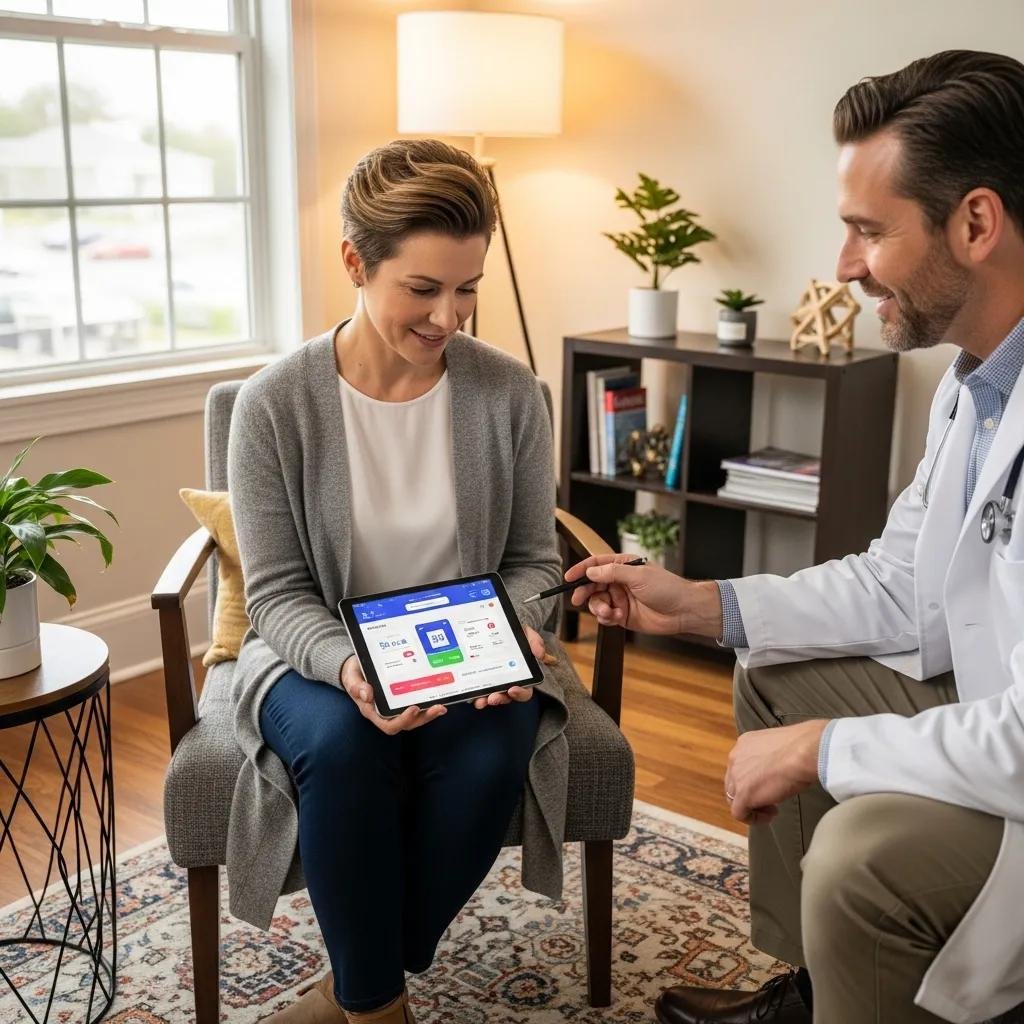
Patient empowerment happens when people gain the knowledge, tools, and collaborative relationship with clinicians needed to make informed choices, manage care, and monitor progress. Education raises health literacy; shared decision-making aligns treatment with personal values; and digital tools—patient portals and telehealth—improve access and continuity. Empowered patients typically follow plans better, spot issues earlier through symptom tracking, and sustain lifestyle changes more effectively. The next section dives into the educational elements that reliably create activation and how to use them during and between visits.
What Role Does Patient Education Play in Health Empowerment?
Patient education shifts control by turning medical ideas into everyday actions—teaching self-monitoring, explaining medications, and suggesting lifestyle swaps that reduce symptoms. Common formats include short videos, concise handouts, coaching sessions, and interactive portals that let you review material as needed. Education boosts adherence and confidence: when you understand why a plan works, you’re more likely to stick with it and raise concerns early. For example, a short playlist on sleep hygiene plus a nightly tracking chart can reduce insomnia symptoms within weeks—showing how education → behavior change → better outcomes.
How Does Shared Decision-Making Improve Patient Outcomes?
Shared decision-making pairs clinician expertise with your goals to pick the best path forward—improving satisfaction and clinical results. Use this simple three-step framework at appointments: 1) State your goals, 2) Ask for options and risks, 3) Agree on a trial plan with measurable milestones. A practical prompt like, “What are my options, and which best supports my goals for energy and function?” lets you guide the conversation. Shared decision-making reduces uncertainty, aligns expectations, and creates checkpoints for follow-up and adjustment.
- Use the three-step shared decision-making framework at any visit for clearer choices.
- Each step helps you state goals, weigh evidence, and commit to measurable milestones.
- Implementing the framework improves clarity and supports clinician-guided adjustments.
This structured conversation naturally moves into building personalized health plans that turn decisions into daily actions.
What Are Effective Proactive Wellness Strategies for Longevity and Chronic Disease Management?

Proactive wellness brings together evidence-based pillars—nutrition, sleep, movement, stress resilience, and monitoring—to slow decline and better manage chronic disease by targeting modifiable drivers. Each pillar affects known pathways: nutrition influences metabolic health, exercise supports mitochondrial function, sleep balances hormones, and stress reduction lowers inflammation. A proactive plan pairs these pillars with personalized monitoring (labs and symptom tracking) to give early feedback and measurable progress. Studies show multimodal programs—small diet improvements, regular resistance training, and better sleep—produce greater benefits than single interventions. The roadmap below explains how to build a tailored plan and the self-care habits that sustain it.
How to Develop a Personalized Health Plan for Proactive Wellness?
Creating a personalized plan follows five clear steps: comprehensive assessment, SMART goal-setting, tailored interventions, defined monitoring metrics, and iterative adjustment. Assessment covers clinical history, targeted labs, and lifestyle inventory to set priorities; goals are specific and measurable (for example, increase restorative sleep by 60 minutes in 8 weeks). Interventions combine nutrition, movement, and stress resilience with clinician-supervised therapies when needed; monitoring uses symptom logs and periodic labs to show progress. This iterative model keeps you engaged, allows timely changes, and builds ownership over outcomes.
- The roadmap helps structure long-term behavior change and clinical follow-up.
- SMART goals provide clear milestones for both you and your clinician.
- Regular monitoring enables early course correction and continued progress.
These structured plans often lead patients to consider adjunctive treatments when lifestyle measures need clinical support.
What Self-Care Tips Support Chronic Condition Management?
Daily self-care forms the backbone of chronic condition management by stabilizing physiology and reducing flare-ups. Focus areas include sleep hygiene (consistent schedule, limiting screens before bed), nutrition (balanced macronutrients, anti-inflammatory choices), movement (daily activity plus resistance work), and stress tools (breathwork, short mindfulness breaks). Symptom tracking—logging energy, pain, and sleep—reveals patterns you can discuss with your clinician. Use pacing and incremental activity goals to avoid setbacks; when progress stalls, your clinician can recommend further testing or adjunctive therapies.
- Self-care tips are practical habits you can start immediately to reduce symptom swings.
- Symptom tracking turns subjective experience into useful data for shared decisions.
- Pacing and small goals prevent overexertion and support long-term adherence.
This self-care foundation prepares you to evaluate specific therapies that complement patient-led plans.
| Strategy | Mechanism | Primary Benefit |
|---|---|---|
| Nutrition optimization | Reduces metabolic inflammation | More steady energy and better weight control |
| Structured exercise | Improves mitochondrial function | Greater strength and resilience |
| Sleep restoration | Rebalances hormones | Sharper cognition and improved metabolism |
| Stress resilience practices | Reduces systemic inflammation | Fewer symptom flares and improved mood |
Which Specific Therapies Support Holistic Health Education and Patient Empowerment?
Certain therapies naturally pair with patient education because they require dose adjustments, monitoring, and informed consent—conditions that engage patients in their care. Examples include bioidentical hormone replacement therapy (BHRT), regenerative joint treatments, IV nutrient therapy, ozone therapy, and structured detox protocols. Education improves outcomes by helping patients recognize responses and side effects, follow monitoring plans, and combine therapies with lifestyle changes. The table below compares common therapy categories so you can weigh indications and typical results before discussing options with a clinician.
How Does Bioidentical Hormone Replacement Therapy Enhance Wellness?
Bioidentical hormone replacement therapy (BHRT) supports wellness by restoring hormonal balance with hormones that closely match your body’s own molecules and tailoring doses to your profile. It can ease fatigue, low libido, and brain fog when appropriately used. BHRT needs careful titration and monitoring—regular symptom checks and periodic labs—to find the right dose and reduce risks, which encourages active patient participation. Patients who learn expected timelines, track symptoms, and understand interactions report better satisfaction and adherence. Knowing BHRT’s individualized nature helps you set realistic goals and be an engaged partner in care.
| Therapy | Primary Indication | Typical Benefits |
|---|---|---|
| Bioidentical Hormone Therapy | Menopausal and hormonal imbalance symptoms | More energy, stable mood, improved libido with tailored dosing |
| Regenerative Joint Injections | Localized joint pain and degeneration | Less pain, better function, slower disease progression |
| Detoxification Therapies | Support for toxin burden and metabolic reset | Fewer symptoms and improved metabolic markers |
What Are the Benefits of Regenerative Joint and Detoxification Therapies?
Regenerative joint therapies—targeted injections and biologic approaches—aim to reduce pain and restore function by supporting tissue repair, while detox protocols address toxic burdens that may drive systemic symptoms. Typical patient journeys include evaluation, staged therapy sessions, and supportive rehab or nutrition plans; results usually unfold over weeks to months. Clear education about expected timelines, lifestyle supports, and monitoring empowers patients to track progress and make informed choices about adjunctive options. Pairing regenerative or detox therapies with good nutrition and movement enhances long-term benefit and functional recovery.
- Regenerative and detox therapies work best when combined with education and lifestyle support.
- Clear timelines help set expectations and improve adherence to complex plans.
- Monitoring protects safety and gives objective measures of progress.
If you’re considering clinician-guided interventions, longer visits and individualized protocols help align therapies with your goals; practices like Dr. Fred Bloem / Internal Healing and Wellness MD in Kensington, MD emphasize this integrative, education-first approach and invite patients to explore therapies within a personalized care plan.
How Can Patients Access and Utilize Educational Resources for Better Health?
Access to the right educational resources helps you move from understanding to action and strengthens the clinician–patient partnership through shared language and expectations. Core resources include curated video libraries, patient portals that store records and messaging threads, and telehealth for convenient follow-up—each meeting different learning needs. Videos offer on-demand explanations; portals archive care plans and lab results; telehealth keeps continuity between visits. The sections below explain the primary educational product, how to use digital tools to stay engaged, and how these resources connect to booking and ongoing care.
What Is the Holistic Living Video Library and How Does It Support Learning?
The Holistic Living Video Library is a curated set of short, focused videos that teach conditions, interventions, and self-care pathways in clear, actionable chunks. Playlists cover topics like hormone balance, chronic Lyme management, and anti-aging strategies, progressing from basics to hands-on self-management so you can move from learning to doing. Videos typically include playlists, transcripts, and suggested action items—making it easy to review key points and bring specific questions to follow-up visits. This bite-sized format supports activation by matching clinical recommendations to practical next steps you can use between appointments.
| Resource | Format | Use Case |
|---|---|---|
| Video Library | Short videos & playlists with transcripts | Learn conditions and follow stepwise guidance |
| Patient Portal | Secure messaging and records | Review labs, follow up by message, store documents |
| Telehealth | Virtual visits | Remote follow-up, plan adjustments, and monitoring |
How Do Telehealth and Patient Portals Facilitate Patient Engagement?
Telehealth and patient portals extend clinician access, centralize educational materials, and simplify documentation so it’s easier to keep momentum between visits. Portals let you send secure messages, view lab results, and open curated videos or handouts; telehealth enables timely adjustments without travel. Preparing for virtual visits with a symptom log and a short question list improves efficiency and outcomes. A quick telehealth checklist—test your connection, have your symptom tracker ready, list your top goals—helps ensure productive virtual appointments and keeps you and your clinician on the same page.
- Telehealth and portals increase continuity of care and patient activation through on-demand access to education and records.
- Preparing for virtual visits makes them more efficient and supports better decisions.
- These tools make iterative monitoring practical and enable timely adjustments to personalized plans.
Practices that prioritize educational resources, longer visits, and individualized protocols—such as Dr. Fred Bloem / Internal Healing and Wellness MD—use offerings like the Holistic Living Video Library as central parts of initial consultations and ongoing care in Kensington, MD, helping patients translate learning into measurable health gains.
Frequently Asked Questions
What are the benefits of patient empowerment in healthcare?
Patient empowerment improves outcomes by giving you ownership of your care. When you understand your condition and treatment options, you’re more likely to follow therapies, practice self-care, and communicate clearly with your clinician. That collaboration improves satisfaction, encourages proactive chronic-condition management, and can lead to better quality of life and lower overall healthcare use.
How can patients effectively track their symptoms and progress?
Keep a simple symptom log that notes daily energy, pain, sleep, and mood. This reveals patterns and triggers to discuss with your clinician. Digital tools—health apps or patient portals—make tracking easier and keep historical data organized. Regularly reviewing these entries with your clinician helps fine-tune treatments and speeds adjustments when needed.
What role does nutrition play in holistic health education?
Nutrition is central to holistic care because food directly influences physical and mental health. A whole-foods-based, balanced approach can help manage chronic conditions, lower inflammation, and support overall resilience. Holistic education explains how foods affect your body and offers practical steps to improve energy, mood, and disease prevention as part of a personalized plan.
How can patients find the right healthcare provider for holistic care?
Look for clinicians trained in integrative or functional medicine who emphasize individualized plans, longer consultations, and a collaborative approach. Read reviews, get recommendations, and schedule a consult to assess fit. Ask about the provider’s philosophy, typical care pathways, and how they incorporate patient education—this helps ensure alignment with your goals.
What are some common misconceptions about holistic medicine?
Common misconceptions include the idea that holistic medicine is unscientific or limited to alternative therapies. In truth, holistic care blends evidence-based practices with a whole-person view that covers physical, emotional, and environmental factors. Another myth is that it’s only for chronic illness; holistic approaches also support prevention and everyday wellness. Learning the principles clarifies what holistic medicine can and cannot do.
How can technology enhance patient education and engagement?
Technology—telehealth, patient portals, and video libraries—makes education and engagement more accessible. These tools let you review information on your schedule, track symptoms, and communicate with your care team. Interactive features like symptom-tracking apps support real-time monitoring and better-informed conversations, helping you stay involved and consistent between visits.
Conclusion
Holistic health education gives you the knowledge and tools to take a more active role in your care and manage chronic conditions proactively. By combining evidence-based strategies with personalized plans and clinician partnership, patients can improve outcomes and quality of life. We invite you to explore our resources and take the next step in your health journey—discover how our educational tools and clinician-led support at Internal Healing and Wellness MD can help you move toward lasting wellness today.

