


Beginner’s Guide to Guided Meditation: Easy Steps to Reduce Stress and Anxiety
Guided meditation uses a teacher’s voice, a recording, or a script to direct your attention with breath cues, imagery, and gentle instruction. This guide is aimed at people new to meditation and anyone looking for practical tools to ease stress, manage anxiety, sleep better, or support chronic symptom care. You’ll learn what guided meditation looks like, five simple steps you can try today, and four beginner-friendly techniques—breath awareness, body scan, loving-kindness, and visualization. We also cover troubleshooting, habit-building tips, brief evidence summaries on stress hormones and sleep, and how to fold guided practice into a broader holistic health plan for chronic conditions, hormone balance, and anti-aging support.
What Is Guided Meditation and Why Is It Helpful for Beginners?
Guided meditation is a structured mindfulness practice where an instructor or recorded voice walks you through focused attention, breath prompts, and sensory imagery to quiet mental chatter. That external structure—voice, script, and pacing—gives beginners a clear anchor and lowers the mental effort needed to practice well. In practice, that means calm arrives sooner, sessions feel less overwhelming, and it’s easier to stick with the habit than with silent, unguided practice.
Typical guided sessions include a brief orientation, a breath or body anchor, stepwise instruction, and a gentle closing. They come in formats from quick 3–5 minute clips to longer 20–30 minute classes. Because guided formats remove decision fatigue, beginners often experience useful results right away, which helps build a daily routine.
Here are the most immediate beginner benefits and why they matter.
Guided meditation delivers several practical, early benefits for new practitioners:
- Easy to start: a clear narration removes uncertainty.
- Faster calm: verbal cues speed the shift into relaxation.
- Less overwhelm: scripts tell you what to focus on next.
- Better consistency: playlists and recordings make daily practice simpler.
- Fits your day: short guided tracks work around busy schedules.
Below, we map those practical benefits to physiological mechanisms and common patient-centered outcomes.
How meditation benefits connect to body systems and real-world outcomes.
| Benefit | Mechanism | Patient Outcome |
|---|---|---|
| Reduced anxiety | Decreases sympathetic arousal | Fewer panic symptoms and a calmer baseline |
| Improved sleep | Shifts toward parasympathetic dominance | Shorter time to fall asleep and more continuous sleep |
| Pain modulation | Changes how attention and sensation are processed | Lower pain intensity and suffering |
| Enhanced focus | Strengthens attentional networks | Better concentration and task performance |
This comparison shows how guided meditation turns psychological changes into measurable health effects and leads naturally into how to begin practicing right away.
If you’re combining meditation with clinical care, guided practice pairs well with integrative services that treat root causes—bioidentical hormone work, anti-aging plans, regenerative joint therapies, and long-term chronic disease management. A brief, patient-centered consultation can align meditation goals with medical treatments and create an individualized plan.
What Happens During a Guided Meditation Session?
Most guided meditations start with a short orientation that sets the intention, followed by breath and posture cues to steady attention, then a sequence of imagery or body-focused directions to keep you anchored. Teachers and recordings typically add grounding phrases and reminders to return to the breath when the mind wanders, and they end with a calm reorientation to the room. Common elements include voice tone and pacing, scripted imagery, timed breath instructions, and optional soft background sounds to support relaxation.
Session lengths vary from 3–5 minutes for quick resets to 20–30 minutes for deeper practice. Audio tracks with a clear, calm narrator are often the best starting point for beginners: they minimize time commitment and provide predictable structure, which makes daily practice more achievable.
How Does Guided Meditation Help with Stress and Anxiety?

Guided meditation reduces perceived stress by shifting attention away from threat-focused thinking and into present-moment sensations, which lowers sympathetic nervous system activity and supports parasympathetic recovery. Over time, practice strengthens top-down attention and emotion-regulation networks, so you react less to stress and enjoy more stable mood. Systematic reviews and health organization summaries show mindfulness-based interventions produce modest to moderate reductions in anxiety and can improve sleep and quality of life for people with chronic conditions.
In day-to-day terms, beginners often notice calmer breathing, a slower heart rate, and fewer intrusive thoughts after short guided sessions—changes that support functioning and resilience. Better emotional regulation can also improve how people respond to medical treatments by removing stress-related barriers to recovery. That’s why a simple, consistent routine is a practical next step.
How Can Beginners Start Meditating—Easily?
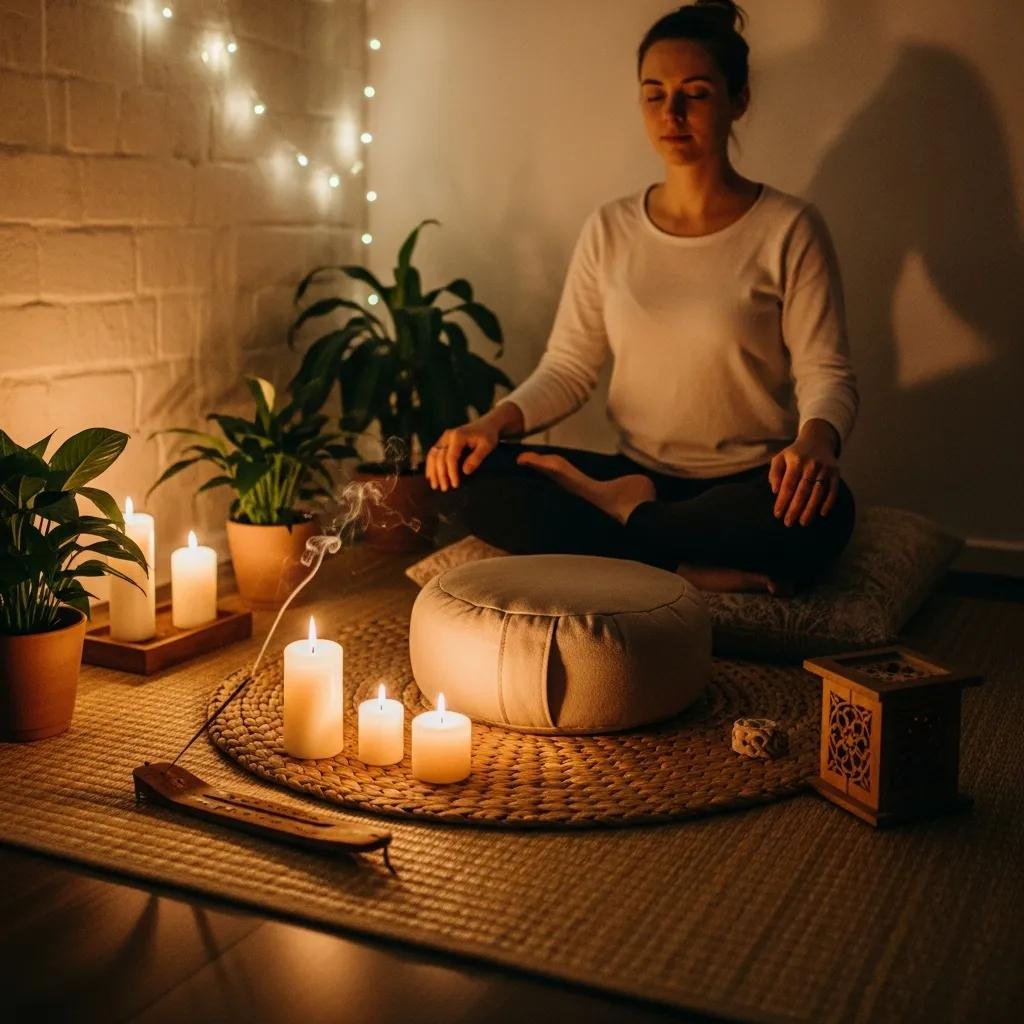
Start with a short, structured routine, consistent cues, and small, gradual increases in time. Quick repetition with immediate reward—noticeable calm or clarity—reinforces the habit. Begin with brief daily guided sessions to build confidence, then extend duration or try different techniques for specific goals like sleep or pain relief.
The simple routine below is optimized for beginners looking for an easy entry into guided practice.
- Set an intention (30 seconds): State why you’re practicing today—out loud or in your head.
- Find a comfortable posture (30 seconds): Sit or lie with support and a neutral spine.
- Follow breath cues (2–5 minutes): Use guided audio that directs gentle, even breathing.
- Anchor attention (1–3 minutes): Focus on breath, body sensations, or a soft image and notice wandering.
- Close gently (30 seconds): Bring awareness back, note one observation, and finish.
These steps reduce friction so you can practice daily. Aim for 5–10 minutes per day to start, then increase by 1–2 minutes each week as it feels comfortable—this balances frequency with gradual skill-building.
Simple Mindfulness Steps for a Short Session
A short session typically follows a micro-structure: posture, breath anchor, noticing thoughts, returning to the anchor, and a gentle close. Sit or lie comfortably, take a few slow breaths to settle, and notice contact points with your seat. Use a guided audio or brief script to observe the inhale and exhale as your anchor. When thoughts arise, note them without judgment and return to the breath.
Five–ten minutes daily is a practical starting range; brief, regular practice builds attention more reliably than infrequent long sessions. These steps are the backbone of guided formats and prepare you for technique-specific practices described below.
How Do You Create a Comfortable Practice Space and Routine?
Design a predictable practice environment to reduce barriers and cue your brain that it’s time to be reflective. Pick a quiet corner with comfortable seating or a cushion, soft light, and a consistent trigger—like the same chair or a favorite playlist. Small additions—a timer, a blanket for warmth, or a subtle scent—can make short sessions more inviting without special gear.
For busy days, use micro-sessions of 2–5 minutes tied to daily anchors such as morning coffee or after brushing teeth. Habit-stacking and calendar reminders help secure practice time. Keeping sessions short and predictable lowers resistance and makes it easier to choose the right technique for your needs.
Which Guided Techniques Work Best for Beginners?
Breath awareness, body scan, loving-kindness, and visualization are especially accessible for beginners because they use clear anchors and short, repeatable scripts. Each targets a slightly different outcome: breath awareness for quick calming, body scan for body awareness and pain support, loving-kindness for emotional resilience, and visualization for sleep or performance. Pick a technique that matches your immediate goal to keep practice focused and rewarding.
Use the table below to match practice type to typical beginner constraints like time and focus.
| Technique | Duration for Beginners | Primary Focus |
|---|---|---|
| Breath Awareness | 5–10 minutes | Calm and focus |
| Body Scan | 10–20 minutes | Body awareness and pain management |
| Loving-Kindness | 8–12 minutes | Self-compassion and anxiety relief |
| Visualization | 5–15 minutes | Sleep preparation and performance |
Next, we explain how breath awareness works and give a quick practice cue you can use immediately.
How Breath Awareness Helps
Breath awareness gives you an always-available sensory anchor that steadies attention and calms the autonomic nervous system. Focusing on the inhale–exhale cycle engages vagal pathways and can increase heart rate variability, a marker of stress resilience. Try this short cue: inhale for four counts, pause for one, exhale for six—repeat six times and notice how your body softens.
Breath focus is portable, requires no equipment, and works well for moments of acute anxiety or before sleep. With practice, breath-based work strengthens attention and makes other techniques easier to learn.
Body Scan and Loving‑Kindness Practices
Body scan meditation moves attention through the body—feet to head or head to feet—observing sensations without judgment. This reduces catastrophizing around pain and improves interoceptive balance. Loving‑kindness uses simple compassion phrases aimed at yourself, then others, to cultivate warmth and reduce social-threat sensitivity that worsens anxiety. Both work well in guided recordings and are often recommended for chronic pain, anxiety, and sleep issues.
Short scripts: for a body scan, spend about 20–30 seconds on each region, noticing tension and breathing into it; for loving‑kindness, silently repeat phrases like “May I be safe, may I be peaceful,” then extend them outward. The body scan hones sensory awareness while loving‑kindness rebuilds emotional safety—together they support the outcomes discussed next.
How Meditation Supports Stress and Anxiety Management
Meditation affects the stress-response system by lowering cortisol release, improving autonomic balance, and strengthening prefrontal circuits that regulate emotion. Clinical reviews show mindfulness-based stress reduction and regular guided practice produce measurable drops in perceived stress and some physiological markers. Those changes often lead to better sleep, improved pain coping, and greater ability to follow medical plans.
Clinically, meditation is a complementary therapy that can reduce stress-related inflammation and improve sleep—both of which support recovery in chronic illness. Recognizing these physiological pathways explains why meditation is commonly included in multidisciplinary care and why combining it with targeted medical services can be useful.
Below is a comparison of how meditation complements common integrative services and the patient goals each pairing supports.
| Meditation/Service | Primary Mechanism | Patient Benefit/Goal |
|---|---|---|
| Guided meditation + Hormone balance (bioidentical) | Improves sleep and lowers cortisol | Better hormone regulation and symptom relief |
| Guided meditation + Regenerative joint therapy | Reduces pain perception and stress-related inflammation | Improved functional gains after procedures |
| Guided meditation + Chronic illness management | Enhances stress resilience and adherence | Greater treatment engagement and improved quality of life |
This side-by-side view shows how guided meditation complements services like bioidentical hormone therapy, anti-aging strategies, regenerative joint treatments, and chronic illness programs by addressing stress, sleep, and pain—factors that often shape medical outcomes.
What Does the Science Say About Meditation and Stress Hormones?
Controlled studies and physiological reviews find that regular meditation can lower baseline cortisol and shift autonomic balance toward increased parasympathetic activity, often seen as improved heart rate variability. Mechanistically, training attention reduces repetitive negative thinking, which decreases HPA-axis activation and downstream inflammatory signaling that disrupts sleep. Major reviews report consistent, modest effect sizes for reductions in stress and anxiety.
For people with chronic conditions or age-related concerns, even moderate reductions in stress hormones can improve sleep, reduce pain perception, and support recovery—underscoring the clinical value of regular guided practice as an adjunctive tool.
How Guided Meditation Fits into Holistic Treatment Plans
Guided meditation supports medical care by addressing behavioral and physiological drivers that affect treatment response—sleep quality, stress hormones, and pain perception. Better sleep from regular practice can enhance hormone-regulation strategies, and lower perceived pain can improve rehabilitation after joint procedures by allowing better engagement in therapy.
Use the compact comparison below to see how meditation benefits align with service goals and to help plan coordinated care.
| Meditation/Service | Mechanism | Service Goal |
|---|---|---|
| Meditation | Lowers cortisol and improves sleep | Supports hormone balance objectives |
| Meditation | Reduces attention to pain | Complements regenerative joint therapy outcomes |
| Meditation | Reduces stress and improves adherence | Enhances chronic illness management |
These comparisons show how meditation is a low-cost, low-risk adjunct to root-cause treatments. If you’d like a plan that pairs guided meditation with targeted therapies—such as hormone balancing or regenerative treatments—consider booking a consultation with an integrative practitioner to create a personalized approach. Suggested CTA button copy: “Book a Consultation” or “Schedule Your Personalized Plan.”
For clinician-curated materials, check the holistic living video library for beginner playlists and progressive meditations that align with treatment goals. Use a consultation to tailor frequency, technique selection, and outcome tracking to your priorities.
Common Beginner Challenges—and How to Solve Them
New meditators often face a wandering mind, restlessness, or a feeling of not having enough time. These are normal and solvable with focused strategies: short sessions, clear anchors, and kind expectations. Meet each obstacle with a micro-practice and structural supports so practice becomes sustainable, not frustrating. Below are quick problem–solution tips you can use immediately.
- Wandering mind: Gently label thoughts and return to the breath; practice nonjudgmental noticing.
- Restlessness or boredom: Shorten sessions and try movement-based mindfulness like walking meditation.
- Inconsistent routine: Habit-stack meditation onto existing daily cues such as after brushing your teeth or with morning coffee.
These fixes are simple to apply and help build a consistent practice that produces longer-term benefits. They also lead into techniques for managing distraction and strengthening habits.
How to Handle a Wandering Mind During Practice
Use compassionate redirection methods such as labeling (“thinking”), counting breaths, or returning to a chosen anchor without self-criticism. A common approach is to silently name a distracting thought “thinking,” then guide attention back to the breath—this trains meta-awareness and reduces rumination over time. Expect frequent distraction at first; it’s a sign your attention muscles are training.
Guided recordings that include reminders to return to the anchor reduce frustration and support gradual gains in sustained attention. Those refocusing skills also improve emotion regulation and make daily tasks less reactive, which reinforces continued practice.
Tips for Keeping Your Practice Consistent
Short, scheduled sessions, habit-stacking, and simple tracking help build consistency. Set a non-negotiable micro-goal—2–5 minutes daily for the first two weeks—and then increase duration. Use a visible cue like a cushion or an alarm at the same time each day. Recording small wins in a journal or app provides motivating feedback.
Pair a brief guided audio with an existing routine to avoid the “all-or-nothing” trap. As your habit strengthens, adding targeted techniques for sleep, anxiety, or pain becomes easier.
Next Steps to Deepen Your Practice
To deepen practice, add intention, vary techniques to meet goals, and use high-quality guided courses that teach skills progressively. As your base grows, extend session length, try unguided intervals, or combine techniques—for example, a breath-awareness segment followed by loving‑kindness. Track outcomes like sleep quality and perceived stress to guide adjustments.
Below are selection criteria and next actions to help you move from short daily sessions to a sustainable, individualized practice.
When choosing guided meditations and videos, favor clear instruction, steady pacing, and reputable, evidence-informed sources. Look for playlists organized by goal—sleep, anxiety relief, pain management—and recordings with a clear voice and minimal distracting music. Start with short beginner playlists before moving to multi-week courses that build resilience and depth.
Where to Find Beginner Guided Meditations and Videos
Beginner-friendly guided meditations come in short audio clips, goal-oriented playlists, and progressive video courses. Start with short collections that clearly state purpose and duration. Clinician-curated libraries often emphasize clinical needs like sleep, stress reduction, and chronic pain. Reputable health organizations and mindfulness nonprofits also offer evidence-based recordings and guidance for beginners.
When evaluating resources, check for a clear session structure, guidance on length, and teacher or clinician credentials—those markers increase the chance of useful, consistent practice. Use these criteria to choose materials that support long-term growth and to inform how meditation fits into a personalized health plan.
How to Add Meditation to a Personalized Holistic Health Plan
Integrate meditation by defining clear goals (for example, fewer night awakenings or lower daytime anxiety), choosing techniques that match those goals, and setting measurable markers like sleep latency, pain scores, or minutes practiced per day. A simple template is: Goal → Technique → Frequency → Measurement. Example: “Improve sleep → 10-minute guided visualization nightly → 7 nights/week → track sleep onset time.” This makes collaboration with clinicians straightforward.
For complex or chronic health concerns, coordinate meditation goals with medical treatments for synergy—better sleep from guided practice can support hormone-regulation plans or speed rehabilitation after joint procedures. If you’d like a collaborative plan that pairs guided meditation with targeted integrative services, schedule a consultation with an integrative clinician to co-create an individualized approach. Suggested CTA button copy: “Book a Consultation” or “Schedule Your Personalized Plan.”
Explore the clinician’s holistic living video library for beginner playlists and progressive meditations that align with treatment goals, and use a consultation to customize frequency, technique selection, and outcome tracking for your health priorities.
Frequently Asked Questions
When is the best time of day to practice guided meditation?
There’s no universal “best” time—choose what fits your life. Morning practice can set a calm tone for the day; evening practice helps you unwind for sleep. The most important factor is consistency, so pick a time you can keep and experiment to see when you feel most receptive.
Can children or teens use guided meditation?
Yes. Guided meditation can teach children and teens mindfulness, emotional regulation, and coping skills. Use age-appropriate recordings with engaging language and imagery, and keep sessions short—around 5–10 minutes for younger learners. Presenting meditation in a fun, relatable way helps build lasting habits.
How do I choose the right guided meditation for my needs?
Base your choice on your goal—stress relief, sleep, emotional balance, or pain management—and on how the guide’s voice and style land for you. Start with shorter sessions to test what resonates, then expand into longer or more targeted practices as you find what works.
Is it normal to feel restless or distracted during meditation?
Absolutely. Restlessness and distraction are common, especially at first. Notice those feelings without judgment and gently return to your breath or anchor. With regular practice, settling into calm becomes easier—meditation is a skill that develops over time.
How long should I meditate each day as a beginner?
Start with 5–10 minutes a day. That’s manageable and supports consistent habit building. As you feel more comfortable, gradually increase session length. Prioritize regular practice over long sessions done sporadically.
Can guided meditation help with chronic pain?
Yes. Guided meditation can shift attention away from pain and promote relaxation, which often reduces pain perception. Body scan and similar practices teach awareness without judgment, improving the relationship to pain. Used alongside medical care, meditation can enhance overall coping strategies.
What if I miss a day of meditation?
Don’t worry—missed days happen. Simply return to practice the next day without self-criticism. Reflect on what got in the way and adjust your routine or timing to make future sessions more likely. The aim is a sustainable habit, not perfection.
Conclusion
Guided meditation gives beginners a clear, practical path to lower stress, improve emotional regulation, and boost overall well-being. Small, regular practices produce noticeable benefits that support long-term health goals. Begin with short guided sessions, explore techniques that fit your needs, and use the curated resources and clinician support available to build a sustainable routine. Start today and discover a calmer, more focused mind.

