


Acupuncture: How It Works, Its Benefits, and When to Consider It
Acupuncture uses very fine needles at specific points to influence body systems and support recovery. In Traditional Chinese Medicine (TCM) this is framed as restoring the flow of Qi along meridians; modern research explains many effects through nerve signaling, neurotransmitter shifts, and inflammation control. This overview describes how acupuncture works, summarizes clinical benefits such as pain relief and stress reduction, and links TCM concepts with biomedical mechanisms so you can evaluate acupuncture for chronic pain, migraines, or general wellness. Many people pursue integrative care because symptoms sometimes persist with conventional treatment alone—acupuncture offers a complementary path that targets central pain processing and autonomic balance. Below we review acupuncture’s origins and TCM principles, the physiological basis for analgesia and healing, condition-specific evidence, what to expect in clinic, how acupuncture can be combined with regenerative and anti‑aging therapies, and safety considerations to support informed decisions.
What Acupuncture Is and How It Fits into Holistic Care
Acupuncture involves stimulating defined acupoints—with needles, pressure, or heat—to affect local tissues and broader physiological responses. It complements holistic care by addressing symptom clusters and functional imbalances while supporting overall resilience. Rooted in TCM for over two millennia, acupuncture now exists in several styles, from classical Traditional Chinese Acupuncture to Western medical acupuncture. That evolution has created useful bridges between ancient pattern-based diagnosis and modern integrative medicine. As a complement to functional and regenerative treatments, acupuncture helps modulate pain pathways and autonomic tone, often improving sleep, mood, and recovery capacity. Understanding both the history and modern integration clarifies why clinicians include acupuncture in multimodal plans for chronic or complex conditions.
Traditional Chinese Acupuncture: Origins and Practice
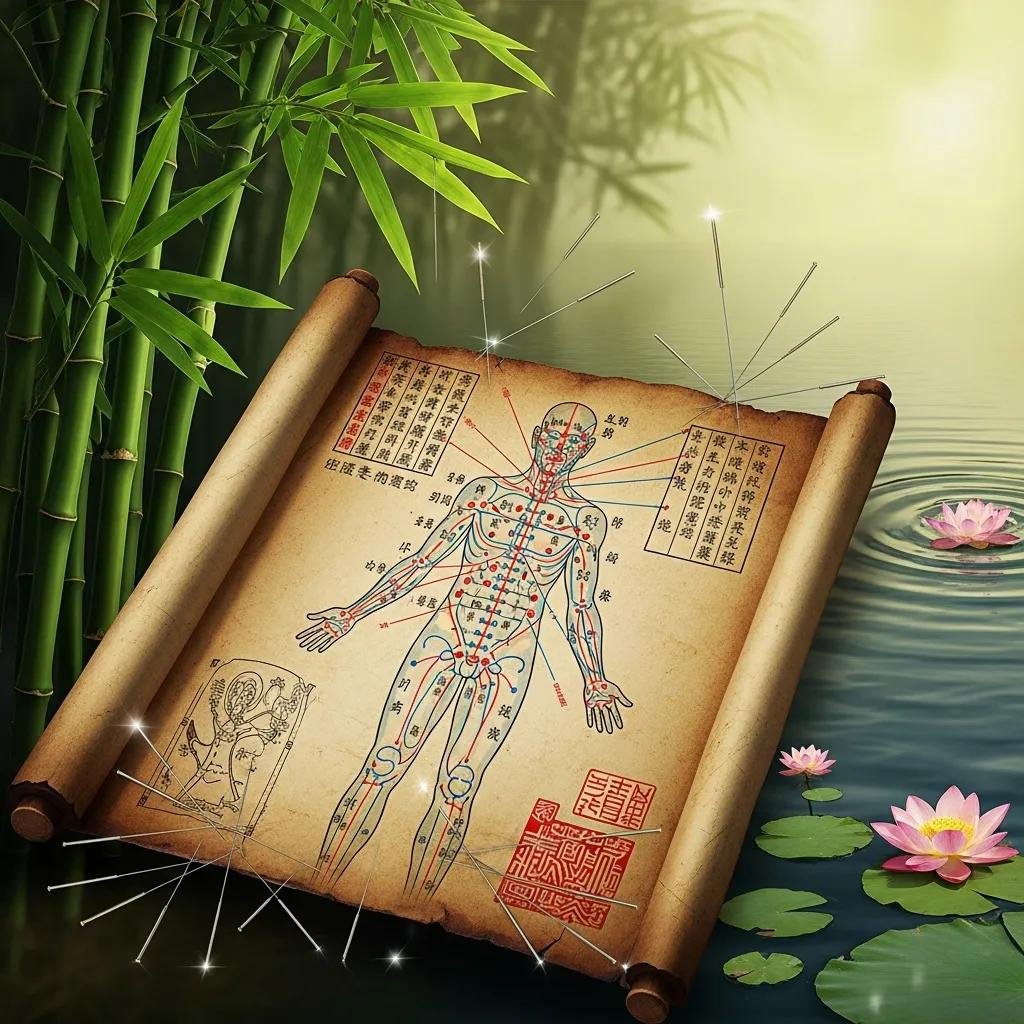
Traditional Chinese Acupuncture evolved over centuries, built on concepts like Qi, meridians, and the balance of Yin and Yang. In that framework, illness reflects Qi stagnation or imbalance, and needling meridian points restores flow and function. Practitioners historically developed point combinations for common syndromes—chronic pain, digestive complaints, stress-related patterns—favoring pattern recognition over isolated symptom lists. Today many clinicians combine TCM pattern diagnosis with biomedical assessment to create treatment plans that respect historical practice while meeting modern safety standards.
How Acupuncture Complements Modern Holistic Medicine
Acupuncture pairs naturally with functional approaches—nutrition, hormone optimization, and regenerative injections—because it targets shared physiological systems. It supports autonomic regulation by reducing sympathetic overdrive and promoting parasympathetic recovery, while other therapies address metabolic, endocrine, and structural contributors. Physician‑led acupuncture offers individualized care that accounts for comorbidities, medications, and diagnostic results, producing coordinated plans rather than isolated treatments. Recognizing these synergies helps patients and providers choose safe, measurable combinations tailored to specific goals.
How Acupuncture Reduces Pain and Promotes Healing
Acupuncture produces effects that can be described both through TCM and modern physiology: meridian‑based regulation of Qi alongside peripheral nerve stimulation, central pain modulation, and anti‑inflammatory action. Needle insertion activates mechanoreceptors and small nerve fibers, triggering spinal gating, promoting endorphin release, and modifying neurotransmitter activity in brainstem and limbic structures. These neuromodulatory responses can lower central sensitization and pain perception. At the same time, local increases in microcirculation and shifts in immune signaling support tissue repair. Together, these mechanisms explain immediate analgesia for some patients and longer‑term improvements in pain thresholds and function for others.
Qi, Meridians, and Acupoints—What They Mean in Practice
In TCM, Qi denotes functional physiological activity that flows through meridians—pathways linking organs and tissues—and acupoints are locations where that flow can be accessed. Clinically, points are chosen both for pattern-based reasons and for anatomical relevance; some are local to the painful site, others are distal to influence systemic responses. When meridian maps are compared with anatomy, many acupoints overlap neurovascular bundles and fascial planes, which helps explain why traditional point choices often align with modern targets. This conceptual mapping lets clinicians combine TCM pattern prescriptions with targeted physiological aims for symptom control and recovery.
How Needling Affects the Nervous System and Endorphin Release
Needle stimulation engages peripheral A‑delta and C fibers, sending signals to the spinal cord that can reduce nociceptive transmission via spinal gating. Ascending and descending pathways are activated, stimulating brain regions that release endogenous opioids and alter pain processing. Neuroimaging shows acupuncture‑related changes in the hypothalamus, limbic system, and somatosensory cortex—areas involved in pain perception and emotional response—so clinical effects often include both lower pain intensity and improved coping. Acupuncture also affects neurotransmitters such as serotonin and norepinephrine and can lower pro‑inflammatory cytokines, supporting symptomatic relief and tissue‑level healing. These neurophysiological findings offer a plausible biomedical explanation for many TCM observations about restoring balance and function.
| Mechanism | Biological / TCM Explanation | Clinical Implication |
|---|---|---|
| Peripheral nerve activation | Needle stimulation engages mechanoreceptors and A‑delta/C fibers | Often produces rapid analgesia through spinal gating and local reflexes |
| Endorphin and neurotransmitter release | Brainstem and limbic activation increases endogenous opioids and serotonin | Reduces pain perception and supports mood regulation |
| Microcirculation and immune modulation | Local vasodilation and shifts in cytokine profiles reduce inflammation | Supports tissue repair and lowers chronic inflammatory signals |
The table contrasts TCM and biomedical explanations so you can see how acupuncture’s actions translate into measurable outcomes and clinical use for pain and inflammatory conditions.
Key Benefits of Acupuncture Treatment
Acupuncture produces multiple evidence‑based benefits across pain, neurological, and stress‑related conditions by modulating neural and immune pathways to restore function and reduce symptoms. Randomized trials and systematic reviews show clinically meaningful effects for chronic low back pain, tension‑type headaches and migraines, and nausea related to surgery or chemotherapy. Emerging evidence supports benefits for anxiety, sleep disturbance, and certain inflammatory disorders. As a non‑pharmacologic option, acupuncture can reduce reliance on opioids and sedatives in chronic care plans and generally has a favorable side‑effect profile when provided with appropriate safety measures. Knowing condition‑specific outcomes and realistic timelines helps patients set expectations and integrate acupuncture with other therapies.
| Condition (Entity) | Mechanism (Attribute) | Typical Outcome / Evidence Level (Value) |
|---|---|---|
| Chronic low back pain | Neuromodulation + local tissue effects | Pain reduction and improved function; moderate–high evidence |
| Migraines and tension headaches | Modulation of central pain processing | Fewer headache days and lower intensity; moderate evidence |
| Osteoarthritis (knee) | Anti‑inflammatory and analgesic effects | Short‑ to medium‑term pain relief; moderate evidence |
This comparison highlights the conditions with the strongest support and helps guide expectations for symptom improvement.
Practical benefits of acupuncture include:
- Chronic pain relief: Decreases pain intensity and helps restore function in many musculoskeletal conditions.
- Migraine and headache reduction: Lowers frequency and severity of headaches over time.
- Stress and anxiety support: Improves autonomic balance, often leading to better sleep and emotional resilience.
These advantages make acupuncture a flexible tool in integrative care plans. At Internal Healing and Wellness MD, led by Dr. Fred Bloem, we offer physician‑led consultations in Kensington, MD to determine whether acupuncture fits into your regenerative or anti‑aging strategy and to build a personalized plan.
What to Expect During an Acupuncture Visit at Dr. Fred Bloem’s Clinic

A typical visit starts with a focused intake reviewing medical history, medications, and treatment goals, followed by a tailored point prescription. Sessions usually last about 30–45 minutes depending on complexity. Sterile, single‑use needles are inserted at chosen acupoints and may be manually stimulated or paired with gentle electrical stimulation when indicated. Many people notice warmth, tingling, or a deep, settling ache that signals engagement of therapeutic pathways. After needle removal, we review your response, provide aftercare guidance, and schedule follow‑ups to track progress and adjust the plan as needed. Physician oversight ensures risk mitigation and coordinated care alongside other treatments.
Preparing for Your First Acupuncture Appointment
Come in comfortable, loose clothing that allows access to limbs and lower legs, and bring an up‑to‑date list of medications and relevant test results. Avoid heavy meals or excess alcohol before your visit and arrive a few minutes early to complete intake forms. Expect a calm environment designed for relaxation, and bring questions about expected timelines and follow‑up frequency so we can align care with your goals. These simple steps reduce anxiety and help us create a safe, targeted treatment plan.
What Happens During and After Treatment
During the session your clinician confirms the plan, inserts sterile disposable needles, and monitors comfort before leaving the needles in place for a therapeutic period. Typical sensations include light pressure, warmth, or a sense of heaviness at points; some patients feel relaxed or mildly light‑headed briefly—these responses are managed immediately. Aftercare usually involves rest, hydration, and avoiding strenuous activity for a short time. We advise symptom tracking and recommend follow‑up visits for cumulative benefit. Contact the clinic if you experience prolonged pain, signs of infection, or unusual bleeding after treatment.
| Phase | What Happens | Patient Tips / Timeframe |
|---|---|---|
| Intake & assessment | Medical history, goals, and point selection | Bring medication list; ~10–20 minutes |
| Treatment | Needle insertion and monitoring | Session 30–45 minutes; relax and breathe |
| Aftercare & follow‑up | Needle removal, guidance, scheduling | Expect mild soreness; typical follow‑up 1–2 weeks |
This visit outline sets clear expectations and helps you plan logistics for your first appointment.
How Dr. Fred Bloem Integrates Acupuncture with Regenerative and Holistic Therapies
At Internal Healing and Wellness MD, acupuncture is used as a complementary tool to enhance regenerative joint procedures, hormone optimization, and IV nutrient therapies. Integration begins with a physician assessment to define priorities and sequence therapies strategically—for example, using acupuncture to reduce peri‑procedural discomfort around a joint injection or supporting sleep and recovery while hormone balance is addressed. Protocols are individualized with attention to safety, monitoring, and outcome tracking so acupuncture’s neuromodulatory effects augment overall regenerative goals. Patients receive coordinated plans that focus on measurable improvement while minimizing contraindications.
Dr. Bloem’s Method for Combining Treatments
Dr. Bloem’s approach starts with a comprehensive evaluation of symptom clusters, functional testing, and patient goals, which guides the selection and sequencing of acupuncture with other interventions. Example protocols include targeted acupuncture before and after regenerative joint procedures to reduce inflammation and aid mobility, or adjunctive acupuncture to improve sleep during hormone optimization. We track progress with patient‑reported outcomes and functional measures and adjust frequency and techniques accordingly. This physician‑led strategy emphasizes synergy between modalities rather than isolated interventions.
Acupuncture’s Role in Complex, Chronic Illness
For complex chronic conditions—such as post‑infectious syndromes—acupuncture serves as symptom‑focused support that can lessen pain, improve sleep, and modulate autonomic dysfunction without implying cure of the underlying disease. When delivered as part of a systems‑based plan, acupuncture reduces symptom burden so patients can better tolerate and engage with other treatments like nutritional, hormonal, or targeted antimicrobial strategies. Timelines vary: some patients feel relief in a few sessions, while others require months of regular care for cumulative benefit. Transparent communication about realistic expectations and side‑effect monitoring is essential when integrating acupuncture into long‑term management.
Is Acupuncture Safe? Potential Risks and Precautions
Acupuncture is generally safe when provided by trained clinicians using sterile, single‑use needles and appropriate medical oversight. Common, short‑lived effects include minor bruising, local soreness, brief lightheadedness, or transient symptom flares that usually resolve in days. Serious complications—such as infection or organ injury—are extremely rare with proper technique, but special precautions apply for pregnant patients, people on anticoagulants, and those with immune compromise. Thorough intake and clinic safety protocols reduce risk and support individualized, effective care.
Common Safety Considerations and Side Effects
Typical safety notes include the possibility of minor bruising or soreness at needle sites, occasional transient lightheadedness, and rare vasovagal reactions; these events are usually self‑limited and easily managed. Special populations—pregnant individuals, patients on anticoagulants, or those with bleeding disorders—require tailored assessment and may need modified point choices or alternative techniques. Infection risk is minimized by single‑use sterile needles and standard infection‑control practices; clinicians should document informed consent and emergency procedures. Report prolonged redness, swelling, fever, or unexpected neurological symptoms promptly.
How Dr. Bloem Ensures Safe, Individualized Acupuncture Care
Dr. Fred Bloem and the team at Internal Healing and Wellness MD use physician‑led intake and individualized risk mitigation that includes a detailed medical history, medication reconciliation, and point selection tailored to comorbidities. Treatments use sterile disposable needles and established monitoring protocols during and after sessions, with clear documentation of outcomes and follow‑up plans. The clinic coordinates acupuncture with other therapies—such as regenerative injections or hormone treatments—to avoid contraindications and optimize sequencing for safety and efficacy. This structured oversight supports both immediate safety and long‑term treatment planning for complex patients.
Key safety practices at a glance:
- Comprehensive intake: Ensures point selection reflects medications and medical history.
- Sterile single‑use needles: Eliminates cross‑contamination risk.
- Physician oversight: Integrates acupuncture into broader, individualized care plans.
These measures keep risk low while allowing patients to benefit from acupuncture as part of an integrative strategy.
Internal Healing and Wellness MD is located at 10400 Connecticut Ave Ste 206, Kensington, MD, and offers physician‑led consultations to determine whether acupuncture belongs in your individualized holistic or regenerative plan. To explore if acupuncture matches your goals or to schedule an assessment with Dr. Fred Bloem, contact the clinic to arrange a consultation at the Kensington office.
Frequently Asked Questions
What conditions can acupuncture effectively treat?
Clinical evidence supports acupuncture for several conditions, notably chronic musculoskeletal pain (including back pain and osteoarthritis), migraines and tension‑type headaches, and postoperative or chemotherapy‑related nausea. There is also growing support for its use in anxiety, sleep problems, and certain inflammatory syndromes. As a non‑pharmacologic option, acupuncture can help reduce reliance on medications like opioids when used as part of a comprehensive care plan.
How many sessions are typically needed to see results?
Response varies by condition and individual. Some patients notice improvement after a few sessions, while those with chronic or complex issues often need several weeks to months of regular care for cumulative benefit. A common starting plan is weekly sessions for about a month, then reassess and adjust frequency based on progress.
Can acupuncture be used with other treatments?
Yes. Acupuncture integrates well with conventional medicine, physical therapy, and lifestyle or nutritional interventions. Coordination between providers ensures acupuncture complements other modalities and enhances overall treatment effectiveness.
What sensations should I expect during acupuncture?
Common sensations include mild pressure, warmth, tingling, or a deep, settling ache at needle sites—these often indicate therapeutic engagement. Most sensations are comfortable or neutral; if you feel pain or significant discomfort, tell your practitioner so they can adjust the treatment.
Is acupuncture appropriate for everyone?
Acupuncture is safe for most people, but certain groups require special consideration: pregnant individuals, those on anticoagulants, and patients with compromised immune systems should discuss risks with their provider. A detailed medical history during intake helps identify any concerns and guides safe, personalized care.
How does acupuncture support mental health?
Acupuncture can support mental health by reducing anxiety and stress through modulation of neurotransmitters (for example, serotonin and norepinephrine) and by promoting relaxation and improved sleep. Many patients report better mood and coping with regular sessions as part of a broader mental health strategy.
What aftercare is recommended following a session?
After a session, rest and hydrate, and avoid strenuous activity for a few hours so your body can integrate the treatment. Monitor symptoms and report any prolonged pain, redness, swelling, fever, or other unexpected reactions to your clinician. Following simple aftercare guidelines helps maximize benefit and support recovery.
Conclusion
Acupuncture is a practical, evidence‑informed option for pain relief, stress reduction, and overall functional support. By blending traditional practice with modern physiological insights, it offers a complementary route to improved symptom control and healing. If you’re considering acupuncture as part of a personalized care plan, schedule a physician‑led consultation at Internal Healing and Wellness MD to discuss whether it fits your goals and to build a coordinated treatment plan tailored to your needs.

