

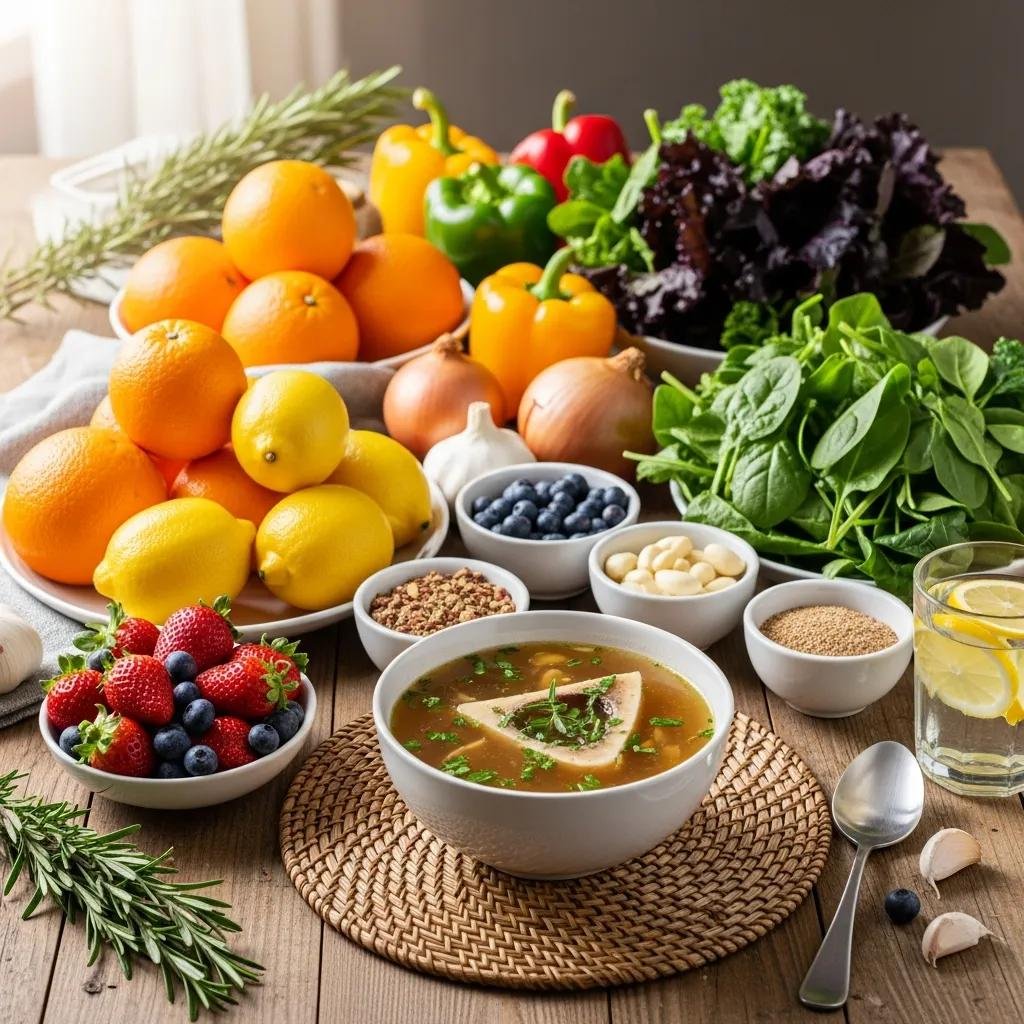
Foods That Naturally Boost Collagen Production: A Practical Guide to Dietary Collagen Support and Skin Health
Collagen is the body’s main structural protein—vital for skin firmness, elasticity and repair. This guide breaks down how collagen is made, which nutrients help the process, and easy ways to add collagen-supporting foods to an anti‑aging eating plan. As collagen turnover slows with age many people notice thinning skin, deeper lines, or slower wound healing. Thoughtful food choices and lifestyle changes can slow that decline and protect skin structure. We summarize the science of collagen synthesis, spotlight vitamin C sources, amino‑acid rich proteins, key minerals and antioxidants, and offer practical recipes and meal ideas. You’ll also learn how hydration, sleep, stress management and integrative medical options can amplify dietary gains—and how a personalized plan from an integrative clinician can optimize results.
What Is Collagen and Why Is It Essential for Skin Elasticity and Anti-Aging?
Collagen is a group of structural proteins that form fibrils in the dermis and other connective tissues, giving skin its tensile strength and scaffold for cells. At a cellular level, collagen molecules wind into triple helices that bundle into fibrils; that structure is what makes skin resilient and resistant to stretching. Preserving collagen helps maintain elasticity, reduce sagging and speed wound repair—key goals for healthy aging. Knowing how collagen works clarifies why certain nutrients and habits matter for a more youthful complexion and healthy connective tissue.
How Does Collagen Function in the Body and Skin?
Collagen is the main framework of the extracellular matrix, shaping skin architecture and anchoring cells so tissues function well. Fibroblasts produce procollagen, which is then modified—hydroxylated and crosslinked—before forming insoluble fibrils that provide strength. Collagen works with elastin and proteoglycans to balance firmness and flexibility. Because collagen is integrated with blood vessels and immune cells, healthy collagen also supports efficient repair after injury and helps maintain the skin’s barrier.
Why Does Collagen Decline with Age and How Does It Affect Skin?
Intrinsic aging lowers fibroblast number and activity, cutting collagen synthesis while increasing enzymes that break down matrix—together these changes thin the dermis and reduce elasticity. External factors such as UV exposure, oxidative stress, smoking and high‑glycemic diets speed collagen fragmentation through free radical damage and glycation, producing wrinkles and laxity. Hormonal shifts—like the drop in estrogen during menopause—can further reduce collagen production and skin hydration. Identifying these drivers helps you prioritize diet, lifestyle and clinical strategies to protect and support collagen over time.
Which Foods Are Rich in Nutrients That Promote Natural Collagen Synthesis?
Foods that support collagen deliver three essentials: vitamin C for enzymatic hydroxylation, amino acids (glycine, proline, lysine) as building blocks, and cofactors like zinc and copper for crosslinking enzymes. A whole‑food approach that includes antioxidants and healthy fats also limits collagen breakdown. Below is a quick reference mapping common foods to the key nutrients they provide and typical amounts per 100 g to guide daily choices.
This table links high‑impact foods to the specific nutrient and a typical content estimate per 100 g serving.
| Food | Key Nutrient(s) | Approximate Amount per 100 g |
|---|---|---|
| Orange | Vitamin C | ~53 mg |
| Red bell pepper | Vitamin C | ~127 mg |
| Strawberries | Vitamin C, polyphenols | ~59 mg |
| Bone broth | Glycine, collagen peptides | Varies; concentrated source when simmered long |
| Chicken breast | Proline, lysine | High-quality complete protein |
This snapshot helps you prioritize foods that meet collagen’s biochemical needs. Pairing vitamin C sources with amino‑acid rich proteins supports both production and protection of collagen.
What Are the Top Vitamin C Powerhouse Foods for Collagen Production?

Vitamin C is a required cofactor for hydroxylating proline and lysine during collagen maturation; without it, collagen fibers remain unstable. Include citrus, bell peppers, kiwi and berries to supply daily vitamin C plus antioxidant protection. Small habits—squeezing citrus over salads, adding sliced strawberries to yogurt, or snacking on raw red pepper—can raise vitamin C intake without complicated meal plans. Because vitamin C is water‑soluble and heat‑sensitive, include some raw or lightly cooked sources to preserve activity.
Top vitamin C foods to add routinely:
- Red bell peppers: Extremely high in vitamin C and versatile in meals.
- Oranges and citrus: Convenient for breakfasts, snacks or flavored water.
- Berries and kiwi: Deliver vitamin C plus polyphenols that protect collagen.
Each serving supplies the cofactor vitamin C provides in stabilizing procollagen—directly supporting firmer, more elastic skin.
Which Amino Acid-Rich Foods Support Collagen Building?
Glycine, proline and lysine are central to collagen’s repeating sequence, and dietary intake of these amino acids supports fibroblasts as they build new collagen. Animal sources—bone broth, poultry, eggs and fish—offer concentrated supplies, while legumes, soy and certain seeds provide plant‑based combinations for vegetarians and vegans. Pairing complementary plant proteins—like legumes with whole grains—helps ensure sufficient lysine and proline for collagen assembly.
- Bone broth: Rich in gelatin and glycine when simmered long.
- Eggs and poultry: Provide proline and lysine within complete proteins.
- Legumes and soy: Plant options that can be combined to meet amino‑acid needs.
Choosing protein sources that emphasize these amino acids ensures the raw materials your body needs for ongoing collagen production.
How Do Minerals and Antioxidants in Foods Protect and Enhance Collagen?
Trace minerals like zinc and copper act as enzymatic cofactors for collagen crosslinking, while antioxidants neutralize free radicals that would otherwise damage collagen fibers. Diets that include a range of trace minerals and antioxidant‑rich foods reduce breakdown and support the enzymes that form stable collagen networks. Below is a concise table describing each mineral, its biological role, and why it matters for collagen.
| Mineral | Biological Role | Why It Matters for Collagen |
|---|---|---|
| Zinc | Cofactor for collagen-synthesizing enzymes and wound healing | Supports fibroblast function and matrix production |
| Copper | Required for lysyl oxidase activity in collagen crosslinking | Enables proper collagen stabilization and tensile strength |
| Selenium | Antioxidant cofactor (via glutathione peroxidase) | Protects collagen from oxidative damage |
Knowing these roles clarifies why balanced mineral intake and antioxidant foods help preserve collagen integrity and long‑term skin health.
What Role Do Zinc and Copper-Rich Foods Play in Collagen Formation?
Zinc and copper are essential trace elements that enable enzymes involved in building and stabilizing collagen. Zinc supports collagen synthesis and immune‑mediated repair, while copper is required for lysyl oxidase to crosslink collagen fibrils. Shellfish, nuts, seeds and organ meats are good sources, with legumes and whole grains providing smaller amounts. Adequate intake prevents deficits that impair healing and matrix strength—so dietary variety or targeted supplementation under clinical supervision is sensible when deficiency is suspected.
How Do Antioxidant-Rich Foods Help Preserve Collagen Integrity?
Antioxidants—vitamin E, polyphenols, carotenoids and flavonoids—scavenge reactive oxygen species that damage collagen and trigger matrix‑degrading enzymes. Berries, green tea, nuts and colorful vegetables supply these compounds, lowering oxidative stress that accelerates visible aging. Regularly including antioxidant‑rich snacks and meals reduces the burden of oxidative damage, preserves collagen structure and supports overall skin health.
Easy antioxidant-rich meal and snack ideas:
- Mixed berry bowl with Greek yogurt: Combines polyphenols with protein for repair.
- Green tea and nuts: A portable pairing with catechins and vitamin E.
- Roasted tomatoes and leafy greens: Offer carotenoids alongside vitamin C.
These simple patterns help maintain a protective environment for collagen and reduce enzymatic degradation.
What Are the Best Natural Collagen-Boosting Foods and How Can You Incorporate Them?
Some foods deliver multiple collagen benefits—amino acids, cofactors and antioxidants—making them high‑impact choices for a skin‑focused diet. Prioritize bone broth, fatty fish, eggs, citrus, berries, garlic, legumes and leafy greens to combine substrate, enzymatic support and protection against breakdown. The table below pairs foods with their key nutrients and a quick preparation tip to make implementation straightforward.
| Food | Key Nutrients | Practical Tip/Preparation |
|---|---|---|
| Bone broth | Glycine, collagen peptides | Simmer bones 12–24 hours; use as soup base or cooking liquid |
| Salmon (fatty fish) | Omega-3s, protein, vitamin D | Grill or bake two servings per week; use canned sardines for convenience |
| Garlic | Sulfur compounds | Add raw or roasted garlic to sauces and dressings for flavor and sulfur support |
How Does Bone Broth Support Collagen and How to Prepare It?

Bone broth provides gelatin, collagen fragments and amino acids like glycine that support fibroblasts and connective tissue repair when consumed consistently. To make a nutrient‑dense broth, simmer animal bones with a splash of vinegar and aromatics for 12–24 hours to extract collagenous material; strain and cool before storing. Homemade broths often yield higher concentrations of collagen peptides than many commercial options. If you have health concerns or are on medications, consult your clinician about how broth fits your plan.
Which Fatty Fish and Eggs Provide Essential Nutrients for Collagen?
Fatty fish—salmon and sardines—supply omega‑3 fatty acids that reduce inflammation and protect collagen from inflammatory breakdown, while also providing high‑quality protein. Eggs add proline and other amino acids and are versatile across meals for steady protein intake. Aim for two servings of fatty fish per week and include eggs in breakfasts or salads to keep substrate levels consistent. Choose sustainable sources and cook without excessive sugars to preserve nutrients.
How Do Legumes, Garlic, and Other Foods Contribute to Collagen Health?
Legumes offer plant protein, fiber and micronutrients that support the gut–skin axis and improve nutrient absorption needed for collagen synthesis. Garlic and other sulfur‑rich foods provide compounds involved in connective tissue metabolism and crosslinking, while nuts and seeds contribute zinc and vitamin E for enzymatic support and antioxidant protection. Adding these foods to soups, grain bowls and salads broadens nutrient intake and supports long‑term collagen maintenance across dietary preferences. Small swaps—like beans for some animal protein or roasted garlic for flavor—can increase intake without a major diet overhaul.
Beyond Diet: What Holistic Lifestyle Practices Support Collagen and Skin Health?
Diet matters, but lifestyle choices strongly influence collagen turnover. Adequate hydration maintains skin turgor; restorative sleep supports nightly repair; stress reduction lowers catabolic hormone exposure; and sun protection prevents UV‑induced collagen damage. Regular exercise improves circulation and nutrient delivery to skin, and avoiding smoking and excess alcohol reduces matrix damage. These non‑dietary practices complement nutrition and help sustain skin structure and appearance over time.
How Do Hydration, Sleep, and Stress Management Affect Collagen Levels?
Hydration preserves extracellular matrix volume and supports fibroblast activity. Deep, restorative sleep coincides with peak tissue repair and collagen synthesis through hormonal pathways such as growth hormone release. Chronic stress raises cortisol, promoting catabolism that can lower collagen production and slow healing. Practical steps include regular water intake matched to activity, consistent sleep hygiene, and stress‑reduction techniques—mindfulness, breathing exercises or movement—to lower cortisol. Daily habits like these support the biology that builds and preserves collagen.
How Does Dr. Fred Bloem’s Integrative Medicine Enhance Collagen Through Regenerative Therapies?
Clinical options in an integrative practice can strengthen dietary and lifestyle efforts by addressing hormonal, nutritional and regenerative drivers of collagen health. At Internal Healing and Wellness MD, Dr. Fred Bloem and his team offer regenerative medicine approaches, bioidentical hormone balancing, IV nutrient therapies and aesthetic medicine to support tissue repair and optimize the internal environment for collagen remodeling. These interventions can accelerate visible improvements when combined with diet, but they are personalized—requiring assessment and planning—so they should be seen as complements, not replacements, for whole‑food strategies. If you’re considering clinical integration, discuss goals and medical history with a clinician to ensure safe, tailored care.
How Can Personalized Nutrition and Consultation Optimize Your Collagen-Boosting Strategy?
A personalized assessment uncovers individual barriers—nutrient deficiencies, GI issues, hormonal imbalances or medication interactions—that influence how well dietary changes translate into collagen gains. A tailored plan may include targeted testing, individualized meal planning, selective supplementation and coordinated clinical therapies to correct deficits and accelerate outcomes. Personalized strategies typically outperform one‑size‑fits‑all plans because they account for absorption, comorbidities and lifestyle limits, enabling more efficient, lasting collagen support.
Why Is a Tailored Diet Important for Individual Collagen Needs?
People differ in digestion, nutrient absorption, medication exposure and hormonal status, and those differences change how nutrients affect collagen at the cellular level—for example, menopause or autoimmune disease alters demand and responsiveness. A clinician‑led evaluation can identify gaps in vitamin C, zinc or amino acids and recommend diet changes, targeted supplements or medically supervised therapies to address underlying issues. This individualized view helps ensure collagen‑supporting efforts are both safe and effective across diverse health contexts and dietary preferences.
How to Schedule a Consultation with Dr. Bloem for Customized Collagen Support?
To arrange a personalized assessment focused on collagen‑supporting nutrition and integrative therapies, contact Internal Healing and Wellness MD to request an appointment with Dr. Fred Bloem. Please have a current medication list, recent labs if available, and clear skin or connective‑tissue goals ready. At your first visit the clinician will review your medical history, discuss lifestyle and dietary patterns, and outline testing or therapies that may benefit collagen synthesis and skin health. Follow‑up visits commonly include plan adjustments, targeted interventions and measurable goals for appearance and tissue function. The practice is located at 10400 Connecticut Ave Ste 206, Kensington MD 20895-3941 and can be reached by phone at (301) 260-2601 for scheduling or questions.
- Bring recent lab results and medication list: This lets the clinician identify nutrient interactions and possible deficiencies.
- Clarify goals: Be specific about cosmetic, functional or repair‑oriented outcomes.
- Expect a personalized plan: Testing and follow‑up are often part of a comprehensive approach.
- Diet overhaul focused on nutrient density: Prioritize vitamin C, amino acids and trace minerals.
- Lifestyle alignment: Improve sleep, hydration and stress management to support repair.
- Clinical integration when needed: Use targeted therapies under clinician guidance to accelerate progress.
This coordinated framework combines dietary, lifestyle and clinical elements to support optimal collagen outcomes.
Frequently Asked Questions
1. What lifestyle changes can enhance collagen production besides diet?
Beyond food, several lifestyle habits boost collagen production. Stay well‑hydrated to support skin elasticity and fibroblast function. Prioritize restorative sleep so the body can repair and regenerate tissues. Manage stress with mindfulness, yoga or breathing techniques to lower cortisol, which can impair collagen synthesis. Regular physical activity improves circulation and helps deliver nutrients to the skin—supporting collagen health.
2. How does smoking affect collagen levels in the skin?
Smoking harms collagen and elastin, accelerating premature aging, wrinkles and loss of elasticity. Tobacco chemicals damage matrix proteins and reduce blood flow to the skin, depriving it of nutrients and oxygen needed for collagen production. Quitting smoking is one of the most effective steps to protect collagen and skin health.
3. Can supplements help boost collagen levels, and if so, which are the most effective?
Certain supplements can support collagen. Hydrolyzed collagen peptides are well‑absorbed and may stimulate collagen synthesis. Vitamin C supplements help the enzymatic steps of collagen formation. Supplements like hyaluronic acid can support skin hydration and glucosamine may aid joint health. Always consult a healthcare provider before starting supplements to ensure safety and appropriateness.
4. How long does it take to see results from dietary changes aimed at boosting collagen?
Timing varies by age, baseline health and the extent of dietary change. Many people notice improvements in skin elasticity and appearance within 4 to 12 weeks of consistent changes. Progress is gradual—pairing diet with lifestyle and, when appropriate, clinical care yields the best results.
5. Are there any specific foods to avoid that may hinder collagen production?
Certain foods can impair collagen health and are best limited. High‑sugar foods promote glycation, which damages collagen fibers. Processed foods high in trans fats and excess sodium increase inflammation and oxidative stress, which can harm collagen. Excessive alcohol dehydrates skin and can blunt collagen synthesis. Emphasize whole foods and limit these items for better collagen outcomes.
6. How does hydration specifically impact collagen health?
Hydration helps keep skin plump and elastic—important for collagen’s structural role. Dehydration makes skin dry and less resilient, making lines more noticeable. Adequate water intake also supports fibroblast function, the cells that produce collagen. Drinking enough fluids daily is a simple, effective step to support skin health.
7. What role does sun protection play in preserving collagen levels?
Sun protection is essential. UV radiation damages collagen fibers directly and increases matrix metalloproteinases—enzymes that break down collagen—leading to premature aging and loss of elasticity. Use broad‑spectrum sunscreen daily, wear protective clothing and seek shade to reduce UV exposure and preserve collagen for healthier, more youthful skin over time.
Conclusion
Adding collagen‑supporting foods to your routine can meaningfully improve skin elasticity and overall tissue health. Focus on nutrient‑dense choices—vitamin C sources, amino acids and antioxidants—while aligning lifestyle habits like sleep, hydration and sun protection. For the best results, pair whole‑food strategies with personalized nutrition and, when appropriate, clinical therapies. Start with small, consistent changes and build a plan that fits your goals—your skin will thank you.

