


Optimizing Gut Health for Whole‑Body Wellness: Functional Medicine & Practical Strategies
“Gut health” describes how well your digestive tract functions, how intact the intestinal lining is, and how diverse and resilient your microbiome remains. Together, these elements shape digestion, immunity, metabolism, and even brain signaling. When the microbiome and mucosal barrier are balanced, systemic inflammation falls, immune function stabilizes, and mood and mental clarity often improve. This guide lays out the mechanisms that connect the gut to whole‑body health, then moves into practical diagnostics, nutrition and lifestyle steps, and targeted therapies commonly used in functional and integrative care. You’ll learn which symptoms merit evaluation, evidence‑based dietary and lifestyle prescriptions to support the microbiome, how advanced tests inform personalized plans, and when targeted treatments (including detox and IV options) are used safely. Clinical reasoning is paired with clear, actionable steps so you can start supportive habits now and recognize when to seek expert care.
What Gut Health Means — and Why It Matters
Gut health is the coordinated work of your microbiome, the mucosal barrier, digestive processes, and the gut‑immune interface that together ensure nutrient absorption and systemic balance. A diverse microbiome makes metabolites such as short‑chain fatty acids (SCFAs) that feed the gut lining and temper immune responses, while an intact mucosa prevents microbes and inflammatory molecules from entering the bloodstream. Healthy gut function translates into better digestion, stronger immune resilience, and improved mood through the gut‑brain axis. Emerging research also shows gut‑associated immune tissue plays a major role in overall immune regulation, making gut care a cornerstone for reducing chronic disease risk. Below we outline the main pathways that link the microbiome to immunity and mental health.
Core, system‑level benefits of optimizing the gut include:
- Stronger immunity via better immune cell regulation and reduced systemic inflammation.
- Improved metabolic and digestive efficiency through SCFA production and enhanced nutrient absorption.
- Greater mood stability and cognitive resilience because gut metabolites influence neurotransmitter pathways.
Together these benefits explain why balancing the microbiome supports whole‑body wellness and why diagnostic evaluation often follows the symptom patterns described next.
How the Microbiome Affects Immunity and Mental Health
The microbiome shapes immunity and mental health mainly through metabolite signaling and immune modulation. Commensal bacteria produce SCFAs like butyrate that nourish colon cells and reduce pro‑inflammatory signaling; they also provide precursors for neurotransmitter pathways. Gut‑brain communication runs along neural (vagus), endocrine, and immune routes, so shifts in microbial communities can change levels of serotonin precursors and other neuromodulators. In clinical practice, dysbiosis often co‑exists with immune imbalance (for example, recurrent infections or allergic tendencies) and mood symptoms, which underscores the value of integrated microbial and psychosocial interventions. Understanding these mechanisms helps clinicians and patients spot the signs of a dysfunctional gut ecosystem.
Common Signs and Symptoms of an Unhealthy Gut
Unhealthy gut patterns show up as local digestive complaints and broader systemic issues—both are useful red flags for deeper assessment. Digestive clues include ongoing bloating, excess gas, irregular bowel habits (chronic diarrhea, constipation, or alternation), and abdominal discomfort suggesting motility or microbiome imbalance. Systemic signs often include persistent fatigue, brain fog, mood fluctuations, and skin problems such as eczema or acne that reflect immune or inflammatory effects of dysbiosis. New food sensitivities or unexplained nutrient deficiencies also point to compromised mucosal function or microbial imbalance. If these symptoms persist or impair daily life, targeted diagnostics and a root‑cause functional approach are warranted to identify underlying drivers.
Symptom checklist clinicians and patients can use:
- Ongoing bloating or excessive gas after meals.
- Frequent diarrhea, constipation, or alternating bowel patterns.
- Chronic fatigue, brain fog, or mood instability.
- New food reactions, unexplained rashes, or recurrent infections.
These clusters guide decisions about which tests to order — outlined in the diagnostic testing section below.
How Functional Medicine Tackles Root Causes of Gut Problems

Functional medicine focuses on root‑cause investigation, systems‑level thinking, and personalized, iterative plans instead of only masking symptoms. The typical workflow starts with a detailed history and targeted testing, identifies drivers (microbial imbalance, permeability, nutrient gaps, toxins), and then builds tailored interventions that combine nutrition, lifestyle, targeted therapies, and follow‑up. The aim is to rebalance the microbiome, repair the mucosal barrier, and normalize immune signaling with measurable milestones and repeat testing when appropriate. Unlike symptom‑driven care, this model seeks durable restoration and relapse prevention by addressing upstream contributors. The next subsection shows how these principles are applied in a clinical setting and which services support the protocol.
Dr. Fred Bloem’s Holistic Framework for Gut Healing
At Dr. Fred Bloem’s practice, Dr. Fred Bloem uses a patient‑centered functional medicine framework that emphasizes root‑cause discovery, longer visits for thorough assessment, and patient education to support lasting recovery. In practice this means combining careful history‑taking and advanced labs with personalized dietary plans, targeted supplements, and procedural options—such as detoxification and IV nutrient therapy—when indicated. These services are applied selectively to correct deficiencies, reduce toxin burden, and speed mucosal repair within an individualized protocol that’s routinely re‑evaluated. Patients can expect extended appointment time devoted to education and shared decision‑making, with clear, measurable goals and collaborative follow‑up. This integrated approach helps translate testing into practical, long‑term gut recovery plans.
Advanced Tests That Help Guide Gut Optimization
Advanced diagnostics clarify causes and inform precise interventions by revealing microbial makeup, transit issues, immune activation, and metabolic markers. Frequently used tests include comprehensive stool analysis, SIBO breath testing, organic acids testing, food sensitivity panels, and intestinal permeability assessments. Each provides actionable data used to choose antimicrobials, targeted probiotics, enzyme support, or barrier‑repair nutrients. Test choice is guided by the presenting phenotype: for instance, chronic post‑prandial bloating often leads to SIBO breath testing, while systemic symptoms with nutrient gaps may prompt organic acids testing.
Below is a practical match of common advanced tests to what they measure and how results typically inform care.
| Test Name | What it measures | Clinical implication / action |
|---|---|---|
| Comprehensive stool analysis | Microbial composition, pathogens, inflammation markers | Guides targeted antimicrobials, strain‑specific probiotics, and anti‑inflammatory strategies |
| SIBO breath test (lactulose/glucose) | Small intestinal bacterial overgrowth via hydrogen/methane readings | Indicates need for directed antimicrobials and motility support |
| Organic acids test | Metabolic byproducts reflecting microbial and mitochondrial function | Identifies dysbiosis patterns and nutrient or mitochondrial support needs |
| Intestinal permeability (leaky gut) panel | Markers of mucosal barrier integrity and immune activation | Directs barrier‑repair nutrients and removal of dietary triggers |
In short: choosing the right test for the clinical picture converts symptoms into a clear treatment pathway and reduces trial‑and‑error care.
Diet and Nutrition: Practical Strategies to Support the Microbiome
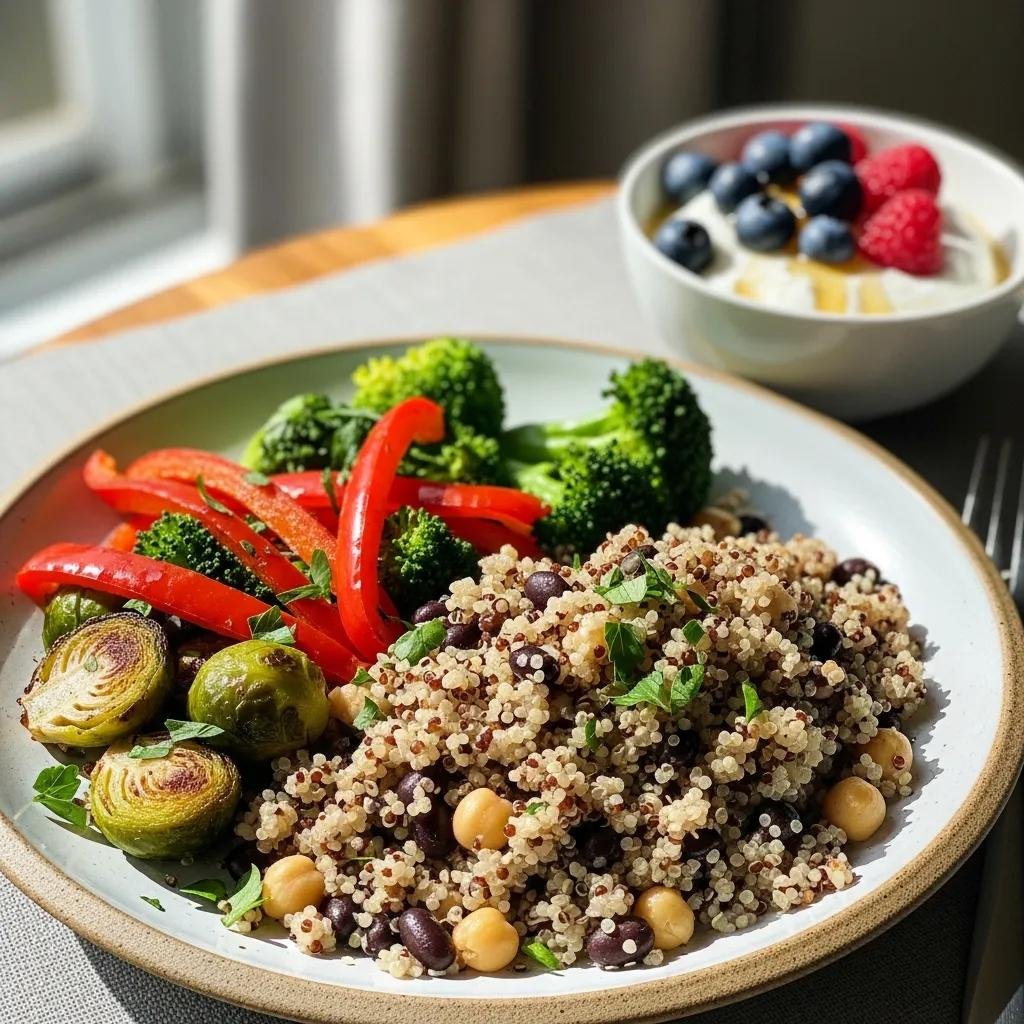
Effective dietary strategy emphasizes fiber diversity, regular prebiotic and fermented foods, minimizing pro‑inflammatory inputs, and stabilizing blood sugar to favor microbial diversity and mucosal health. Diverse plant fibers and polyphenols feed beneficial bacteria and raise SCFA production, while fermented foods supply live cultures that can beneficially modulate the ecosystem. Practically, introduce soluble and insoluble fibers gradually, add targeted prebiotic foods, and include fermented foods as tolerated while cutting back on refined sugars and processed fats that fuel dysbiosis. Nutrition plans should be individualized by testing and tolerance, using elimination/reintroduction when food sensitivities are suspected. The following section ranks useful foods and explains how they support the microbiome.
- Prioritize variety: aim for many different plant‑based fibers and polyphenol sources across the week.
- Include prebiotic and fermented foods regularly to support beneficial strains and SCFA production.
- Limit processed sugars and unstable seed oils that encourage pathobionts and inflammation.
These principles form the backbone of most microbiome‑supportive meal plans.
Foods That Consistently Support Microbiome Balance
Certain foods reliably promote diversity by supplying fermentable fibers, prebiotics, and live microbes that increase SCFA production and help preserve mucosal health. High‑fiber plants (legumes, whole grains, vegetables), prebiotic‑rich items (garlic, onions, asparagus), fermented foods (yogurt, kefir, sauerkraut), and polyphenol‑rich choices (berries, green tea) are linked to favorable microbiome shifts. Typical guidance suggests multiple daily servings of fiber‑rich vegetables and several servings per week of fermented foods, adjusted for individual tolerance. The table below shows common examples, their key fiber or prebiotic component, and the expected microbiome effect.
| Food | Fiber / Prebiotic Component | Effect on Microbiome |
|---|---|---|
| Garlic | Inulin, fructans | Encourages Bifidobacteria growth and increases SCFA output |
| Legumes (lentils, chickpeas) | Resistant starch, soluble fiber | Enhances diversity and supports butyrate‑producing species |
| Kefir / yogurt | Live probiotic cultures | Introduces beneficial strains and supports transient colonization |
| Berries / green tea | Polyphenols | Favors growth of beneficial commensals and anti‑inflammatory metabolites |
Summary: rotating and combining these foods across the week maximizes fermentable substrates and supports a resilient microbiome.
Foods to Limit When Protecting Your Microbiome
Some foods promote dysbiosis by favoring pro‑inflammatory microbes or damaging the mucosal barrier. These include ultra‑processed products, excess refined sugars, certain artificial sweeteners, and industrial seed oils high in omega‑6 fats. Habitual intake of these items is linked to lower microbial diversity, increased permeability, and higher systemic inflammation. When food sensitivity is suspected, a structured elimination trial—short avoidance followed by careful reintroduction—helps identify triggers while keeping nutrition balanced. Practical swaps include choosing whole‑food snacks and cooking with more stable fats.
- Ultra‑processed snacks and drinks high in added sugars.
- Artificial sweeteners that can alter microbial balance.
- Frequent use of refined seed oils and fried foods.
- Excessive alcohol, which disrupts microbiome balance and barrier function.
Limiting these items removes common drivers of dysbiosis and creates a more stable environment for recovery.
How Lifestyle Shapes Digestive Wellness and Gut Resilience
Lifestyle—stress control, sleep quality, hydration, movement, and circadian regularity—directly affects motility, microbial rhythms, and barrier integrity through neuroendocrine and immune pathways. Chronic stress activates the HPA axis and can increase permeability and shift microbial diversity; poor sleep disrupts circadian‑linked microbial cycles that influence metabolism and inflammation. Adequate hydration supports transit and stool consistency, and regular moderate exercise increases microbial diversity and bowel regularity. Addressing these domains is essential for durable recovery and complements diet and targeted therapies. The subsections that follow offer practical stress‑reduction tools and realistic sleep, hydration, and activity targets.
- Prioritize sleep hygiene to support circadian‑microbiome synchrony.
- Move daily and maintain steady hydration to improve motility.
- Adopt structured stress‑reduction practices to lower HPA‑driven gut disturbances.
These lifestyle changes create a physiological environment that supports microbiome restoration.
Stress‑Reduction Practices That Support Gut Healing
Lowering stress helps guard the gut by reducing cortisol‑driven permeability changes and rebalancing autonomic tone that affects motility and microbe interactions. Evidence‑based options include mindfulness meditation, diaphragmatic breathing, heart rate variability (HRV) training, cognitive‑behavioral strategies, and restorative yoga. These approaches reduce inflammatory markers and improve symptoms in many functional GI conditions. A practical plan might include short daily breathwork, weekly mindfulness practice, and HRV biofeedback when available—consistent practice over 6–12 weeks often yields measurable benefit. Patients with significant psychiatric comorbidity should be referred to behavioral health for integrated care.
- Two 10‑minute sessions of diaphragmatic breathing per day.
- Short mindfulness practices (5–20 minutes) focused on body awareness.
- Gentle yoga or progressive muscle relaxation three times per week.
Simple, structured practices like these reduce physiologic drivers of dysbiosis and prime the gut for therapeutic change.
Sleep, Hydration, and Movement: Practical Targets for Digestive Health
Sleep, hydration, and exercise each influence gut physiology: solid sleep supports circadian rhythms that govern microbial cycles; regular hydration helps maintain stool form and transit; and moderate exercise increases microbial diversity and promotes regular bowel habits. Recommended targets include 7–9 hours of consistent sleep nightly, hydration scaled to body size and activity, and about 150 minutes per week of moderate aerobic exercise plus resistance work. Small habit steps—fixed sleep/wake times, carrying a water bottle, and a daily walk—create sustainable changes that complement dietary improvements.
- Keep a consistent bedtime and wake time to strengthen circadian signals.
- Distribute water intake across the day instead of drinking large amounts infrequently.
- Mix aerobic and resistance activities throughout the week.
Together, these habits lower physiologic stressors that perpetuate gut dysfunction and support long‑term microbiome resilience.
Targeted Therapies That Support Gut Recovery
Targeted options include detoxification protocols, IV nutrient therapy, antimicrobials for specific overgrowths, targeted probiotics and enzymes, and barrier‑repair supplements. Each therapy has defined indications and safety considerations within a personalized plan. The choice depends on diagnostic findings: detox is considered when toxicant burden drives inflammation, IV therapy addresses significant deficiencies or urgent repair needs, and antimicrobials treat confirmed overgrowths like SIBO. Sequencing, safety monitoring, and integrating these approaches with nutrition and lifestyle are essential. The table below compares common therapies, their indications, and their typical roles in a clinical protocol to help guide shared decision‑making.
| Therapy | Indications | Typical role in protocol |
|---|---|---|
| Detoxification protocols | Suspected toxicant burden, chronic inflammation | Lower systemic toxin load to reduce inflammatory drivers |
| IV nutrient therapies | Documented deficiencies, need for accelerated mucosal repair | Rapid repletion of nutrients and adjunctive support for healing |
| Antimicrobial regimens | Confirmed SIBO or pathogen overgrowth | Reduce pathogenic burden before microbiome restoration |
| Probiotics & enzymes | Dysbiosis, specific digestive deficits | Support recolonization and digestion during recovery |
In practice, selecting and sequencing therapies based on testing and clinical response maximizes benefit while minimizing adverse effects.
How Detox and IV Therapies Can Aid Gut Repair
Detox approaches and IV nutrient therapy can support gut healing by lowering systemic toxicant‑driven inflammation and quickly correcting deficiencies that impair mucosal repair. Detox strategies often include measures to support hepatic clearance and reduce circulating inflammatory mediators that affect permeability. IV therapies bypass absorption issues and deliver vitamins, minerals, and cofactors needed for epithelial regeneration and immune function when rapid repletion is clinically indicated. Typical IV mixes used in gut‑supportive contexts focus on repletion and anti‑inflammatory support; safety requires screening for contraindications and monitoring during administration. These modalities are adjuncts chosen selectively after diagnostic confirmation and as part of a broader, personalized plan.
Treating Common Conditions: Leaky Gut and SIBO
Treating conditions like increased intestinal permeability (“leaky gut”) and SIBO generally follows a four‑stage sequence: assessment → targeted therapy → restoration → maintenance. For increased permeability that often means removing triggers (dietary antigens, dysbiosis), supplying barrier‑repair nutrients (zinc, glutamine, select polyphenols), and supporting microbial balance. SIBO care typically begins with breath testing for confirmation, followed by targeted antimicrobials or validated herbal regimens, prokinetic strategies to restore motility, and microbiome‑restorative steps including diet and probiotics. Timelines vary: many patients see symptom relief within weeks, while structural repair and relapse prevention commonly take months of consistent management.
Typical SIBO care pathway:
- Confirm the diagnosis with breath testing and clinical correlation.
- Prescribe targeted antimicrobial therapy and address motility.
- Restore microbiome diversity and remove dietary drivers.
- Follow up with retesting or symptom‑based monitoring.
This staged, evidence‑informed approach reduces recurrence risk and supports durable recovery.
Why Work with Dr. Fred Bloem for Your Personalized Gut Plan?
Dr. Fred Bloem and Dr. Fred Bloem’s practice use a root‑cause functional medicine model that emphasizes personalized protocols, extended visit time, and focused patient education. The practice combines advanced diagnostics, detoxification services, IV nutrient support, and targeted therapies to address complex or chronic drivers of persistent gut dysfunction. Patients receive coordinated care designed to identify underlying causes, implement individualized treatments, and provide ongoing monitoring and adjustments. For people seeking an integrative, education‑driven approach, this model prioritizes durable outcomes through comprehensive assessment and shared decision‑making.
What Sets This Functional Medicine Practice Apart?
Key differences include a root‑cause emphasis instead of symptom suppression, longer visits to review history and testing in depth, and integration of advanced diagnostics with therapies such as detox and IV nutrient support. These capabilities allow for highly tailored protocols that combine dietary, lifestyle, and procedural interventions when warranted, increasing the chance of sustained improvement in complex cases. The practice’s strong focus on patient education helps individuals participate actively in their recovery, improving adherence and long‑term maintenance. Structurally, these features align diagnostics to treatment goals and offer coordinated options when standard care has fallen short.
Success Stories: Real‑World Outcomes
Anonymized case vignettes show how focused testing and combined protocols produce measurable improvements without revealing personal details.
A useful case‑study template includes baseline symptoms, objective test results, the interventions used (diet, targeted antimicrobials, IV support if applicable), and outcome measures such as symptom score reduction, improved stool markers, or normalized labs. For example, a common vignette may demonstrate reduced bloating and more regular bowel movements within 6–8 weeks after testing‑guided treatment, with laboratory improvements by 3–6 months. Sharing anonymized, consented examples helps set realistic expectations while protecting confidentiality.
To schedule an evaluation or learn more about personalized gut health protocols, contact Dr. Fred Bloem’s practice at 10400 Connecticut Ave Ste 206, Kensington, MD 20895-3941. Phone inquiries: (301) 260-2601. These details will help you arrange an initial consultation to begin a root‑cause assessment and individualized plan.
Frequently Asked Questions
1. How can I tell if my gut health is improving?
Look for practical, patient‑centered changes: reduced bloating, more consistent bowel movements, steadier energy, and clearer thinking. Objective follow‑up tests can track microbiome diversity and permeability when clinically appropriate. Keep a symptom journal to record trends over time and review progress with your clinician to adjust the plan as needed.
2. Are there specific supplements that can enhance gut health?
Certain supplements can be helpful—probiotics, prebiotics, digestive enzymes, and targeted nutrients for barrier repair are commonly used. The right product and dose depend on your testing and symptoms, so consult a clinician to choose high‑quality supplements that match your needs and avoid unnecessary or poorly targeted products.
3. How long does it take to see improvements in gut health?
Timelines vary. Some people notice symptom relief within a few weeks; others need several months for structural healing and lasting change. Progress depends on the problem’s severity, adherence to diet and lifestyle changes, and the treatments chosen. Regular follow‑up helps measure progress and refine the approach.
4. Can stress really affect my gut health?
Yes—stress affects gut motility, permeability, and microbial balance via the HPA axis and autonomic nervous system. Chronic stress can exacerbate or even trigger GI symptoms. Incorporating stress‑management tools like mindfulness, breathwork, and gentle movement can meaningfully reduce symptoms and support recovery.
5. What role does hydration play in gut health?
Hydration supports digestion, nutrient transport, and stool consistency. Adequate daily fluid intake helps prevent constipation and supports healthy transit. Aim for steady hydration throughout the day, adjusting for activity level and climate, to complement other gut‑supportive habits.
6. Are there any foods that can worsen gut health?
Yes—diets high in refined sugars, artificial additives, unstable seed oils, and ultra‑processed foods are linked to dysbiosis and inflammation. Limiting these and focusing on whole, unprocessed foods, fiber diversity, and healthy fats will better support a balanced microbiome.
7. How can I maintain gut health after improvements?
Maintenance relies on lifestyle: a varied, fiber‑rich diet, regular movement, consistent sleep, good hydration, and stress management. Periodic check‑ins with your healthcare provider and attentive self‑monitoring help catch early signs of relapse and keep your plan on track.
Conclusion
Optimizing gut health with functional medicine and practical lifestyle changes delivers wide benefits—improved immunity, digestion, and mental clarity. By understanding how the microbiome and mucosal barrier influence whole‑body health, you can take targeted steps that lead to lasting improvement. For personalized guidance and a tailored plan, reach out to a qualified practitioner and begin your root‑cause journey toward better gut health today.
