

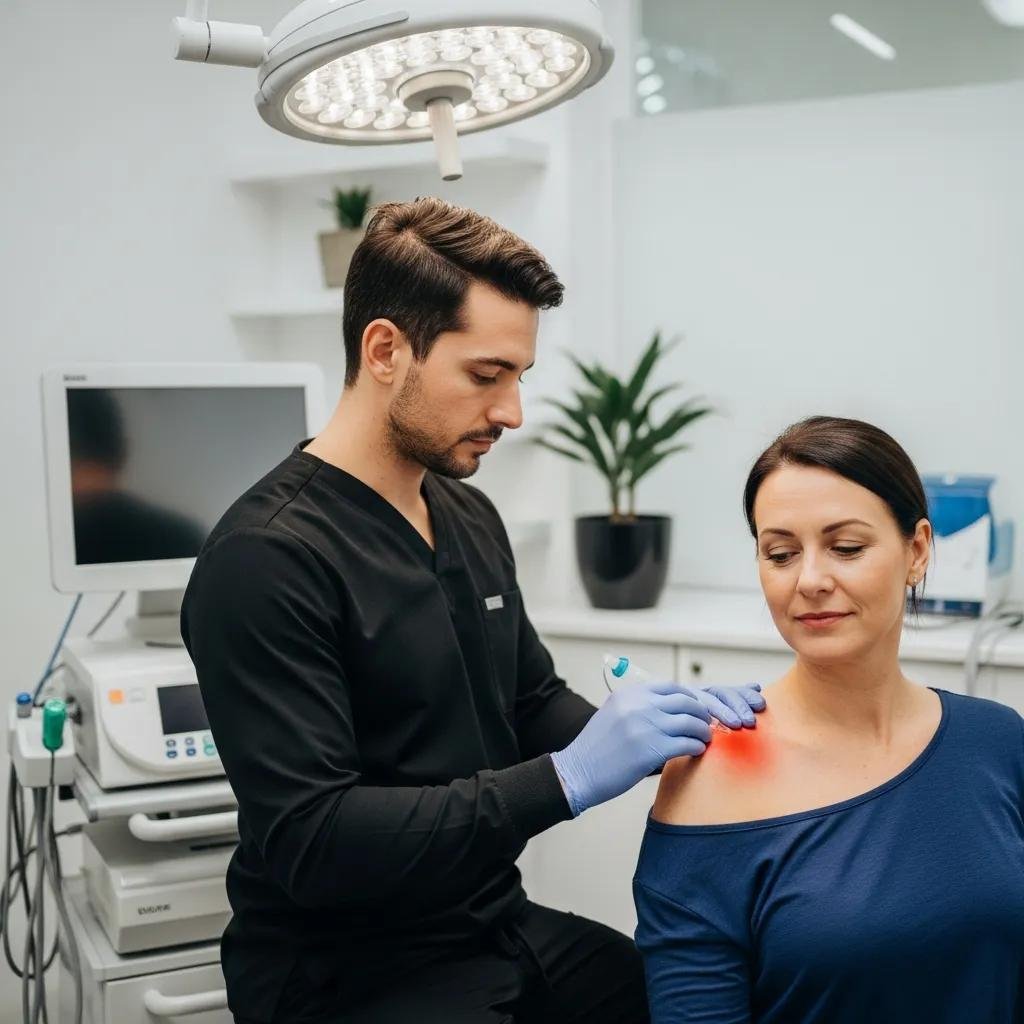
Stem Cell Therapy for Shoulder Pain & Injuries — Practical, Non‑Surgical Regenerative Options
Shoulder pain from tendon tears, arthritis, or repetitive use can sideline work, exercise, and everyday tasks. Many people want non‑surgical care that aims to repair tissue rather than just mask symptoms. This guide walks you through regenerative options — focusing on stem‑cell‑related treatments and orthobiologics — and explains how they work to reduce inflammation, provide trophic support, and encourage tissue remodeling. You’ll learn common causes of shoulder pain, how stem cell and platelet‑rich plasma (PRP) therapies function, where Prolozone and other regenerative joint treatments fit, and what realistic recovery looks like after non‑surgical care. We also compare PRP with cell‑based strategies for rotator cuff injuries, outline practical non‑surgical plans for tears and shoulder arthritis, and offer tips for choosing a regenerative medicine specialist. Practical next steps for scheduling a personalized consult with an integrative practice are included for those ready to explore individualized care.
What Causes Shoulder Pain and How Can Stem Cell Therapy Help?
Shoulder pain commonly stems from structural damage, chronic degeneration, or inflammatory processes that alter joint mechanics and trigger pain signals. Typical problems include rotator cuff tendon degeneration and partial‑thickness tears, arthritis with cartilage loss, labral injuries that affect stability, and overuse tendonitis — all of which create localized inflammation and impair healing. Regenerative therapies work by calming inflammation, delivering growth factors, and creating a local environment that supports collagen remodeling and tissue repair. In many cases this leads to less pain and better range of motion. Recent research through 2024 supports meaningful improvements from orthobiologic strategies when they’re combined with image‑guided injections and a tailored rehabilitation plan, though not every patient is a candidate. Identifying the specific injury helps determine whether PRP, stem‑cell‑related treatments, Prolozone, or a combined approach is most appropriate.
Common Shoulder Injuries Treated with Regenerative Medicine
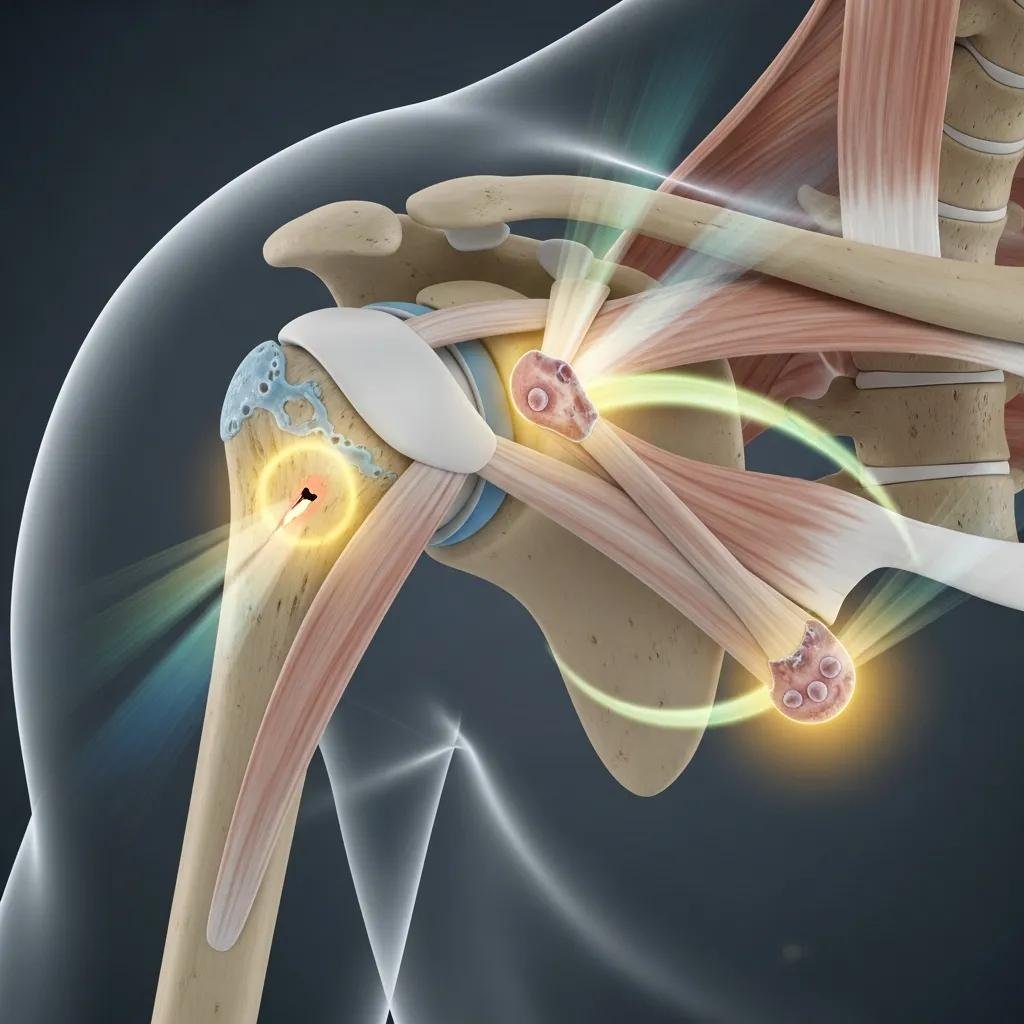
Regenerative medicine is most useful for tissue that’s damaged but not irreversibly destroyed. Typical conditions we treat non‑surgically include rotator cuff tendinopathy and partial tears, adhesive capsulitis (frozen shoulder) with inflammatory fibrosis, early glenohumeral osteoarthritis with focal cartilage loss, and degenerative labral changes that cause pain without gross instability. Patients often describe pain with overhead activity, night pain that disrupts sleep, and gradual weakness — features that prompt imaging and clinical assessment. Full‑thickness, retracted rotator cuff tears usually need surgical repair; for partial tears and tendinopathy, clinicians can often tailor orthobiologics plus rehab to the injury and the patient’s goals.
How Stem Cell Therapy Targets Root Causes of Shoulder Pain
Stem‑cell‑related treatments act through several biological pathways: paracrine signaling that releases growth factors and cytokines, immunomodulation that quiets chronic inflammation, and — in select contexts — support for tissue matrix through cellular contribution. Mesenchymal stem cells (MSCs) and cell concentrates create an active microenvironment that encourages resident cells to remodel tendon collagen and supports joint cartilage metabolism. Unlike steroid injections, which mainly suppress symptoms, regenerative approaches aim for structural healing and improved biomechanics over weeks to months. When paired with targeted rehabilitation, this can lower the chance of re‑injury. Understanding these mechanisms clarifies why treatment choice depends on whether the dominant problem is tendon degeneration, cartilage thinning, or inflammatory pain — and why patients should expect gradual functional gains rather than an immediate fix.
What Is Stem Cell Therapy and How Does It Work for Shoulder Injuries?
When we refer to stem cell therapy for shoulder injuries, we mean orthobiologic procedures that introduce regenerative cells or concentrated cell‑rich products into damaged tissues to promote repair. The clinical effect primarily comes from cell signaling, immune modulation, and supportive growth factors rather than simply adding new tissue.
In practice the process starts with a focused evaluation — history, physical exam, and imaging — then selection of the appropriate orthobiologic, ultrasound‑guided delivery to the injured structure, and a rehabilitation plan that supports tissue remodeling. Potential benefits include pain reduction, improved tendon quality or a healthier joint environment, and sometimes postponing surgery. Outcomes vary depending on tear size, tissue quality, overall health, and adherence to post‑procedure rehabilitation. Safe practice requires sterile technique, image guidance, and an honest conversation about the evidence; careful candidacy screening helps identify patients unlikely to benefit from non‑surgical options.
At Dr. Fred Bloem’s practice, Dr. Fred Bloem offers an integrative approach that pairs regenerative joint therapies like PRP and Prolozone with individualized rehabilitation and systemic optimization. The practice emphasizes identifying barriers to healing and designing tailored non‑surgical plans for shoulders, knees, tendons, and other joints. Patients interested in evaluation can contact the clinic by phone to schedule a consultation and move from education to a personalized care plan.
Types of Stem Cells Used in Shoulder Regenerative Treatments
Common terminology in regenerative shoulder care includes mesenchymal stem cells (MSCs), bone marrow concentrate (BMAC), and adipose‑derived cell preparations — each differs by source, cell mix, and regulatory context. MSCs act mainly through paracrine support and immunomodulation; BMAC is a concentrated mix that includes progenitor cells, platelets, and growth factors; adipose‑derived preparations often yield higher numbers of nucleated cells but vary by processing. In many outpatient clinics clinicians use cell concentrates rather than culture‑expanded cells, and PRP remains a widely available orthobiologic with strong growth‑factor effects. Choice depends on regulatory considerations, available evidence, and practical availability; patients should discuss source, expected benefits, and trade‑offs with their clinician.
The Regenerative Process: Healing Tendons, Cartilage, and Joints
Regenerative treatments influence healing in stages: early modulation of inflammation and pain, mid‑phase recruitment of reparative cells and matrix deposition, and late‑phase remodeling that restores tensile strength in tendons or improves the joint environment. In tendons the goal is to encourage organized type I collagen and improve the tendon‑to‑bone interface; in cartilage the realistic aim is matrix preservation and symptom relief rather than full hyaline regrowth. Rehabilitation is essential — progressive loading and controlled range‑of‑motion exercise guide collagen alignment and functional recovery. Appreciating this timeline helps explain why improvements usually appear over weeks to months and why coordinated follow‑up and patience are required.
How Does PRP Therapy Complement Stem Cell Treatment for Shoulder Pain?
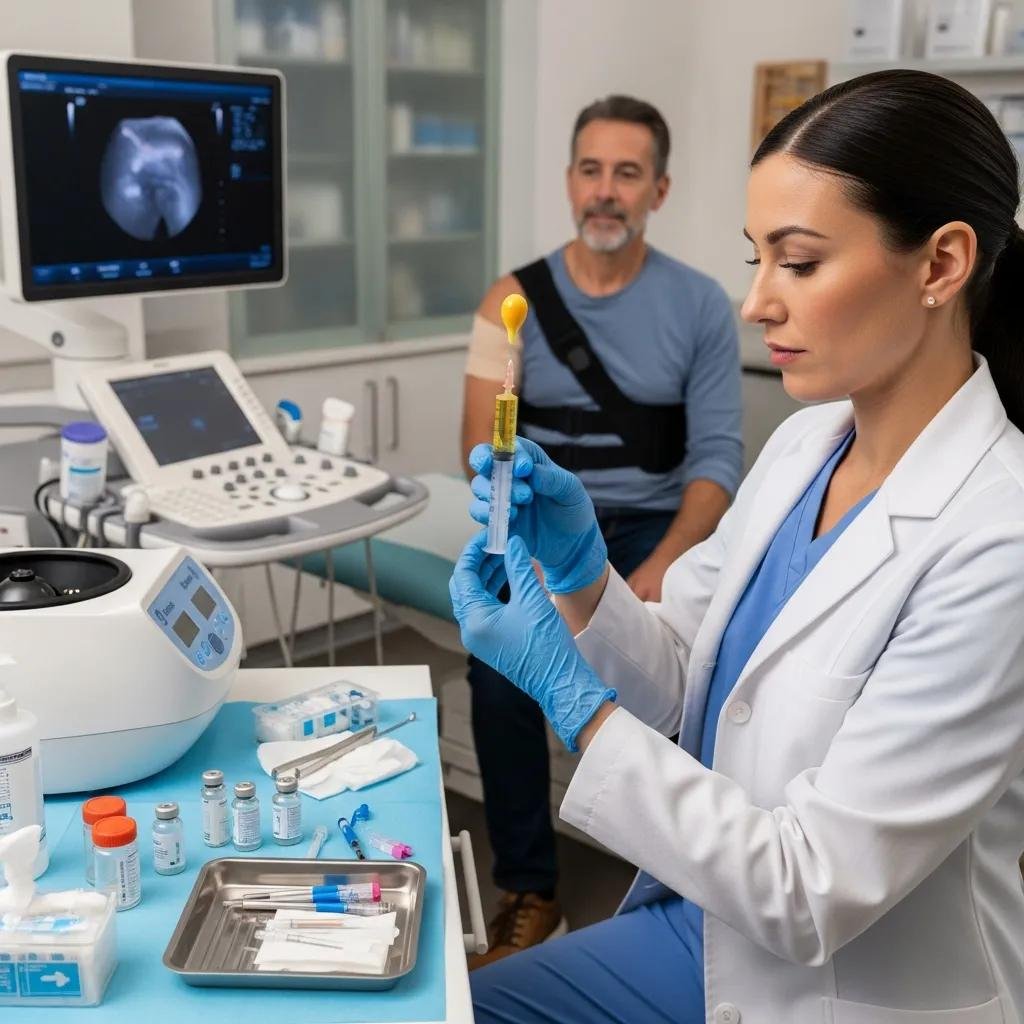
PRP supplies a concentrated source of platelets and growth factors that accelerate the early phases of healing. Used alone or alongside stem‑cell‑related therapies, PRP can amplify the regenerative microenvironment and support tissue repair.
Platelets release growth factors such as PDGF and TGF‑β that attract reparative cells, reduce local inflammation, and stimulate matrix production — effects that make PRP particularly useful for tendinopathies and partial rotator cuff tears.
Clinicians may offer PRP as a stand‑alone option for selected cases or combine it with cell concentrates to pair growth‑factor signaling with cellular support. Treatment selection depends on injury type, patient goals, and the evidence base. PRP has a favorable safety profile — most side effects are limited to short‑lived soreness or transient inflammation — and it’s a practical adjunct in many regenerative shoulder protocols.
Below is a compact comparison summarizing how PRP and cell‑based approaches differ and when each may be indicated.
| Approach | Mechanism | Typical Indications | Typical Recovery |
|---|---|---|---|
| Platelet-Rich Plasma (PRP) | Delivers concentrated growth factors to stimulate healing and moderate inflammation | Tendinopathies, partial rotator cuff tears, early arthritis symptoms | Symptom improvement often 4–12 weeks; minimal downtime |
| Bone Marrow Concentrate (BMAC) / MSC-rich concentrates | Provides progenitor cells and a signaling milieu for tissue remodeling and immunomodulation | Partial‑thickness tears, complex tendon pathology, cartilage support | Gradual structural improvement over months; activity‑modified rehab |
| Combined PRP + Cell Concentrates | Growth factors plus cellular trophic support to enhance the repair environment | Selected patients with mixed pathology seeking maximal non‑surgical repair | Early anti‑inflammatory benefit with longer structural remodeling timeline |
Understanding Platelet‑Rich Plasma Therapy Benefits
PRP’s benefits come from targeted delivery of growth factors that reduce chronic inflammation, stimulate tenocyte activity, and support collagen synthesis in degenerative tendon conditions. Protocols typically range from one to three injections spaced several weeks apart, and ultrasound guidance improves accuracy when treating rotator cuff insertions or intra‑articular targets. PRP is most effective for tendinopathies and partial tears rather than retracted full‑thickness rotator cuff tears. Appropriate patient selection — considering activity demands and realistic expectations — improves outcomes. Recovery usually involves a short period of rest, gradual return to range of motion, and guided strengthening.
Comparing PRP and Stem Cell Therapies for Rotator Cuff Repair
The comparison between PRP and cell‑based therapies centers on mechanism, invasiveness, and evidence. PRP supplies concentrated growth‑factor signaling; cell concentrates add progenitor cells and broader trophic effects that may better support complex tendon remodeling. For partial tears and tendinopathy, PRP is often the first regenerative choice because of accessibility and supportive data; for more complex degenerative tears or failures of prior treatment, cell concentrates or combination therapies may be appropriate. PRP can produce earlier symptom relief while structural improvements from cell approaches tend to evolve over months. Treatment selection should be individualized based on imaging, function, and the patient’s goals.
What Are the Non‑Surgical Options for Rotator Cuff Tears and Shoulder Arthritis?
Non‑surgical care covers conservative therapy, targeted orthobiologics, and integrative measures that address systemic barriers to healing. A structured decision pathway helps match therapy to pathology and patient goals. Conservative care includes activity modification, physical therapy focused on rotator cuff and scapular mechanics, and safe analgesic strategies. Regenerative options include PRP, Prolozone, and cell concentrates for appropriate candidates; joint injections and lifestyle optimization support the broader healing milieu. For early arthritis, orthobiologics can reduce inflammation and improve function, sometimes delaying arthroplasty for selected patients. Chronic, retracted full‑thickness tears often still require surgery. In most cases, combining regenerative injections with structured rehabilitation and systemic health strategies delivers the best functional outcomes.
- Targeted physical therapy and exercise programs to strengthen rotator cuff and scapular stabilizers.
- Platelet‑rich plasma (PRP) and other orthobiologic injections for tendon and early joint pathology.
- Prolozone and adjunctive regenerative joint treatments focused on tissue support and pain relief.
Prolozone Therapy and Other Regenerative Joint Treatments
Prolozone therapy uses oxygen‑ozone injections into periarticular tissues to enhance local oxygenation, reduce pain, and improve circulation. Mechanistically it differs from PRP and cell‑based approaches and can be useful for chronic joint pain where improving local tissue oxygen and reducing inflammation are priorities. Often Prolozone is combined with exercise‑based rehabilitation for longer‑lasting benefits. Evidence varies across modalities, so a clear discussion about expected results and alternatives helps set realistic expectations. When part of a comprehensive, individualized plan, Prolozone can be a valuable adjunct in shoulder pain management.
| Non-Surgical Option | Procedure Type | Typical Use Cases / Benefits |
|---|---|---|
| Physical Therapy | Exercise‑based rehabilitation | Improves strength and mechanics; first‑line for tendinopathy and non‑retracted tears |
| PRP Injections | Orthobiologic (platelet concentrate) | Tendinopathies, partial tears, early arthritis symptom relief |
| Prolozone Therapy | Oxygen‑ozone periarticular injections | Chronic joint pain, improved local circulation, adjunctive pain control |
| Cell Concentrates (BMAC/MSCs) | Orthobiologic (cellular concentrate) | Selected partial tears, complex degenerative changes, cartilage support |
Advantages of Holistic and Integrative Approaches to Shoulder Pain
A holistic plan recognizes that systemic factors — nutrition, endocrine health, sleep, and metabolic status — affect tendon and cartilage healing. Addressing these elements alongside localized therapies increases the chance of sustained improvement. Interventions such as targeted nutrition, sleep optimization, hormone balance when indicated, and IV nutrient support can create a supportive internal environment for repair that complements injections and physical therapy. Integrative care also emphasizes patient education and personalized plans that evolve with response, improving adherence and outcomes. Combining systemic optimization with local regenerative treatments typically produces more consistent functional recovery than injections alone.
What Should Patients Expect During and After Regenerative Shoulder Treatments?
Patients can expect a clear, staged pathway: pre‑procedure evaluation with imaging and goal‑setting, the procedural visit with image‑guided injections, and a recovery plan that prioritizes controlled loading and progressive strengthening. During evaluation clinicians review imaging, medical history, and functional deficits to choose the most appropriate orthobiologic or combination. Informed consent covers the evidence, alternatives, and a realistic timeline. On procedure day, ultrasound guidance ensures precise placement to the rotator cuff insertion, subacromial bursa, or intra‑articular space as indicated; sterile technique minimizes infection risk. Typical recovery includes short‑term soreness, a period of activity modification, and graduated rehabilitation under clinician supervision to support structural remodeling and return of function.
| Procedure | Timeline | Expected Outcome / Patient Experience |
|---|---|---|
| PRP Injection | 4–12 weeks to initial improvement | Early pain reduction with progressive strength gains when combined with rehab |
| Cell Concentrate Injection | 8–24 weeks for progressive remodeling | Gradual structural improvement and functional gains over months |
| Prolozone Injection | Days–weeks for symptomatic relief | Improved pain control and localized circulation; best as an adjunct to rehab |
Treatment Procedures and Recovery Timelines
Typical steps include pre‑procedure imaging review, local anesthesia, ultrasound‑guided injection of the selected orthobiologic, and brief post‑procedure observation to manage soreness. Early care usually recommends relative rest for 48–72 hours, followed by supervised range‑of‑motion work and a staged strengthening program that often begins 2–6 weeks after the procedure, depending on the tissue treated. Some injections allow return to light activity within days, while more substantial tendon remodeling after cell‑based therapies can take 3–6 months to reach maximal benefit. Watch for red flags — fever, worsening neurologic symptoms, or uncontrolled swelling — and contact your clinician promptly if they occur.
If you’re ready to move forward, scheduling a consult with a clinician experienced in regenerative shoulder care will clarify your personalized timeline and rehab expectations. Dr. Fred Bloem can review imaging and goals to recommend a tailored plan and coordinate follow‑up care.
Patient Success Stories and Long‑Term Outcomes
Real‑world examples show typical results: a middle‑aged recreational athlete with rotator cuff tendinopathy treated with PRP returned to overhead activities with marked pain reduction within three months; a patient with early shoulder arthritis who combined PRP and lifestyle changes regained function and delayed surgery; and a laborer with a partial‑thickness tear who received a cell concentrate plus targeted rehab reported steady strength gains over six months. Overall outcome data indicate many patients achieve meaningful pain relief and better function, though results vary with baseline tissue damage and systemic health. Clear communication about the likely degree and timeline of improvement helps set realistic expectations and supports adherence to rehab.
How to Choose the Right Regenerative Medicine Specialist for Shoulder Pain?
Choosing a regenerative specialist means looking for experience with image‑guided procedures, a working knowledge of orthobiologics (PRP, Prolozone, cell concentrates), and a commitment to personalized, integrative care that addresses systemic contributors to healing. Ask about the clinician’s procedural volume, use of ultrasound guidance, how they integrate rehabilitation, and how outcomes are measured and followed. A strong consult covers alternatives, likely outcomes, and how nutrition, sleep, and hormone balance are considered in a broader healing plan. These questions help you distinguish between one‑size‑fits‑all injection services and practices that provide individualized, multidisciplinary recovery pathways.
- Check procedural approach: Confirm use of ultrasound guidance and sterile technique.
- Ask about treatment planning: Request individualized plans that include rehabilitation and systemic optimization.
- Verify therapy options: Ensure PRP, Prolozone, and other regenerative therapies are available and explained.
Why Choose Dr. Fred Bloem for Holistic Shoulder Pain Care
Dr. Fred Bloem and Dr. Fred Bloem’s practice combine regenerative injections like PRP and Prolozone with bioidentical hormone therapy, anti‑aging medicine, and IV nutrient support to address both local tissue repair and the systemic factors that influence healing. The practice’s focus is on identifying underlying contributors to poor recovery and building personalized, non‑surgical plans for knees, shoulders, tendons, and joints. Patients can expect clear education, individualized protocols, and coordinated care that blends localized regenerative injections with metabolic and lifestyle optimization to enhance healing potential.
Scheduling Consultations and Personalized Treatment Plans
To get the most from your consultation, bring prior imaging, a brief history of symptoms and prior treatments, and a list of recovery goals so the clinician can craft a plan that fits your daily demands. Typical steps include an initial evaluation to review imaging and medical history and then a tailored recommendation that may include targeted injections, physical therapy, and systemic health measures. Timing from consult to treatment depends on availability and any necessary pre‑procedure optimization. Contact details for the practice are available in clinic listings to arrange an appointment with Dr. Fred Bloem and begin a personalized regenerative shoulder care pathway.
- Bring imaging and symptom history: Helps the clinician determine candidacy.
- Discuss functional goals: Guides treatment selection and rehab intensity.
- Follow pre‑procedure instructions: Ensures safety and the best chance for a positive outcome.
Frequently Asked Questions
1. What are the potential risks associated with stem cell therapy for shoulder pain?
Stem cell‑related procedures are generally well tolerated, but risks include infection, nerve irritation or injury, and allergic reactions to anesthetic agents or other substances used during the visit. Temporary soreness or an inflammatory response at the injection site is common. Discuss your individual risks with your provider so you can weigh benefits and potential complications based on your health profile and injury.
2. How long does it typically take to see results from stem cell therapy?
Timelines vary. Some patients notice early improvement in pain and function within a few weeks, while more substantive benefits often emerge over several months. Recovery speed depends on injury severity, the specific treatment used, and adherence to rehabilitation. Regular follow‑up helps track progress and refine the plan.
3. Can stem cell therapy be combined with other treatments?
Yes. Combining stem cell‑related treatments with physical therapy, PRP, Prolozone, or other supportive measures is common and can improve outcomes by addressing multiple aspects of the injury. Your clinician will recommend combinations tailored to your condition and goals.
4. How do I prepare for a stem cell therapy procedure?
Preparation typically includes a thorough medical review, imaging, and a goals discussion. Your provider may advise pausing certain medications (for example, blood thinners) in the days before the procedure. Maintaining good nutrition, hydration, and sleep supports healing — and you should follow any specific pre‑procedure instructions your clinician provides.
5. What should I expect during the recovery process after stem cell therapy?
Expect some initial soreness at the injection site and a short period of activity modification. Rehabilitation exercises will usually begin within a defined window to promote healing and restore function. Follow your clinician’s rehab timeline and attend follow‑ups so progress can be monitored and the plan adjusted as needed.
6. Are there specific conditions that respond better to stem cell therapy?
Stem cell‑related approaches tend to work best for partial rotator cuff tears, tendinopathy, and early‑stage shoulder arthritis — conditions where tissue is damaged but not irreversibly destroyed. Advanced degenerative disease or large retracted tears may require surgical management. A specialist evaluation will determine your candidacy.
7. How do I choose the right clinic for stem cell therapy?
Look for clinics with experienced providers, routine use of ultrasound guidance, and a focus on personalized care that includes rehabilitation and systemic health optimization. Ask about outcome tracking, procedural volume, and patient references. A thorough consultation should help you feel confident the clinic’s approach aligns with your goals.
Conclusion
Non‑surgical regenerative options offer a practical path for many people with shoulder pain to regain function and reduce pain. Stem cell therapies, PRP, and other orthobiologics focus on the underlying tissue environment and — when combined with targeted rehabilitation and systemic support — can produce meaningful, lasting improvement. Understanding your options and working with a qualified specialist lets you build a personalized plan that fits your goals. If you’re ready to explore next steps, schedule a consultation with our team to review your imaging and develop a tailored approach.
